Grasping the material you read is a crucial aspect that contributes to effective studying and successful exam performance. However, texts can often be difficult to comprehend. One of the best ways to get a handle on what you've read is the SQ3R method, which includes the stages: Survey, Question, Read, Recall, and Review. Taking notes is also beneficial to keep your brain engaged while reading. Additionally, various strategies such as looking up unfamiliar words, setting time limits, and reading challenging segments aloud can significantly assist you. With practice and patience, you will notice a substantial improvement in your reading comprehension skills.
How to Apply the SQ3R System
Step 1. Survey the Text Before Reading.

Before diving into reading, take a moment to survey the text. This will help you better understand the material without requiring much effort. Just skim through the pages to get familiar with the headings and subheadings. This way, you can capture the main ideas presented in each chapter.
- If there are conclusions in the chapter, don't forget to read the corresponding paragraph.
- Pay attention to diagrams, graphs, and other visual elements in the text.
Step 2. Ask Questions.

Start asking questions to maintain focus and enhance your understanding of the text. Use the topics you identified during the survey phase to formulate relevant questions.
- Begin with basic questions: "Who?", "What?", "When?", "Where?", and "Why?" For example, if you see a subheading “Strategies for Text Comprehension,” ask yourself: “What do I know about text comprehension strategies?”.
- Sometimes teachers provide a list of questions to answer during reading. If you have such a list, make use of it.
Step 3. Read the Text.

Now it's time to read the text. While reading, look for answers to your questions to stay focused. Highlight important points and take notes so you won’t have to reread the text later.
- Read at a comfortable pace and pause to jot down notes.
Step 4. Summarize What You Read.

After reading, summarize the text in your own words. If you're having trouble, try reading the segment again.
- Explain the material to a friend or write a brief summary in your own words, avoiding repeating phrases from the text.
Step 5. Review the Material.

Regularly revisit the material to avoid forgetting important concepts and ideas. You don't need to reread the entire text — just reviewing highlighted sentences and your notes is sufficient.
- When preparing for exams, try to review what you've read once or twice a week to better retain the information and avoid cramming before the exam.
How to Understand a Short Passage
Step 1. Read the First and Last Sentence.
When you need to understand a short passage of 1–2 paragraphs, start with the first and last sentences. These sentences are often referred to as the "topic" and "concluding" sentences. They will help you catch the main idea of the passage and focus on the key points.
Step 2. Skim the Text for Key Information.
Look for important arguments and highlight them. Pay attention to key phrases like "This suggests that..." or "The essence is that...". Generally, the main ideas are contained in the topic or concluding sentence of the paragraph.
- Look for examples that explain the main ideas. They are usually easy to find in the text and often begin with phrases like "For example..." or "Thus...".
Step 3. Read the Entire Passage.
After familiarizing yourself with the main information, read the entire text carefully. Keep the main ideas in mind and pay attention to the structure and sequence of arguments. If necessary, reread the text for complete understanding.
How to Take Notes
Step 1. Highlight Key Words and Phrases.
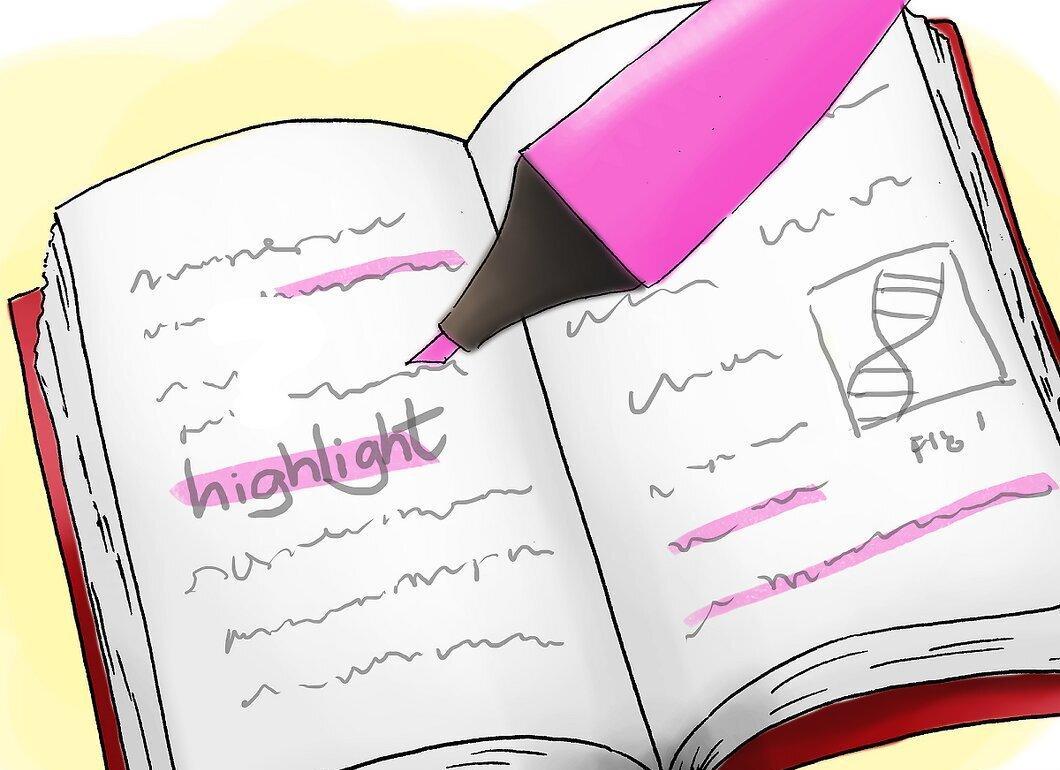
Highlighting important words and phrases activates your brain while reading. Mark or underline key points to better remember them and quickly find the needed information. Always keep a highlighter or pencil handy.
- Highlight any interesting, important, or unclear words and phrases you want to discuss in class.
Step 2. Write in the Margins.
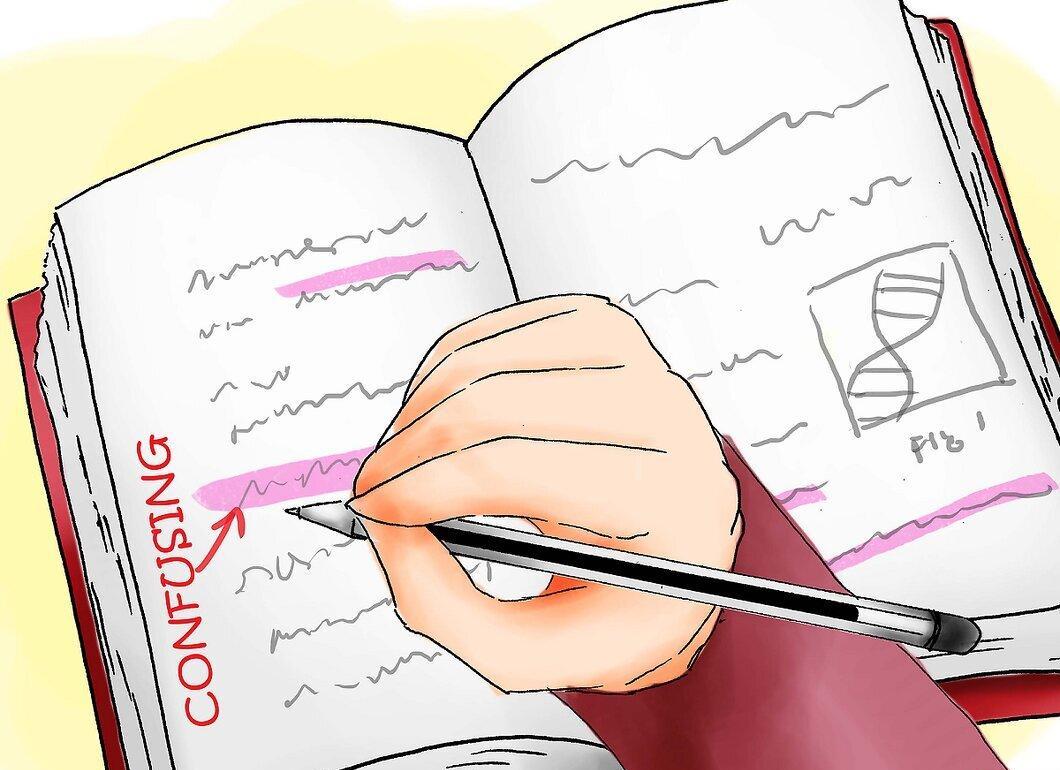
Record your thoughts and questions in the margins of the text. This will help you see connections between concepts and reflect your reactions to the text. Always have a pen or pencil ready for jotting down notes.
- Write anything, such as summarizing your reactions and noting phrases like "interesting" or "unclear".
- You can also use sticky notes for additional commentary if writing in the book is not allowed.
Step 3. Review Your Notes.

After finishing reading, carefully go over all your notes and additions. Don't forget to write down questions you want to ask the teacher.
- If you've highlighted an unclear phrase, formulate a question like “How will notes help me better remember information?”. Try to find answers to simple questions on your own, and for more complex ones, reach out to your teacher.
How to Use Other Strategies
Step 1. Connect What You Read to Your Experiences.

Finding connections between the text and your experiences helps you remember information better. Compare new concepts to what you already know.
- For example, if you encounter a new term in a biology textbook, relate it to a concept you are already familiar with.
Step 2. Learn the Meanings of Unfamiliar Words.
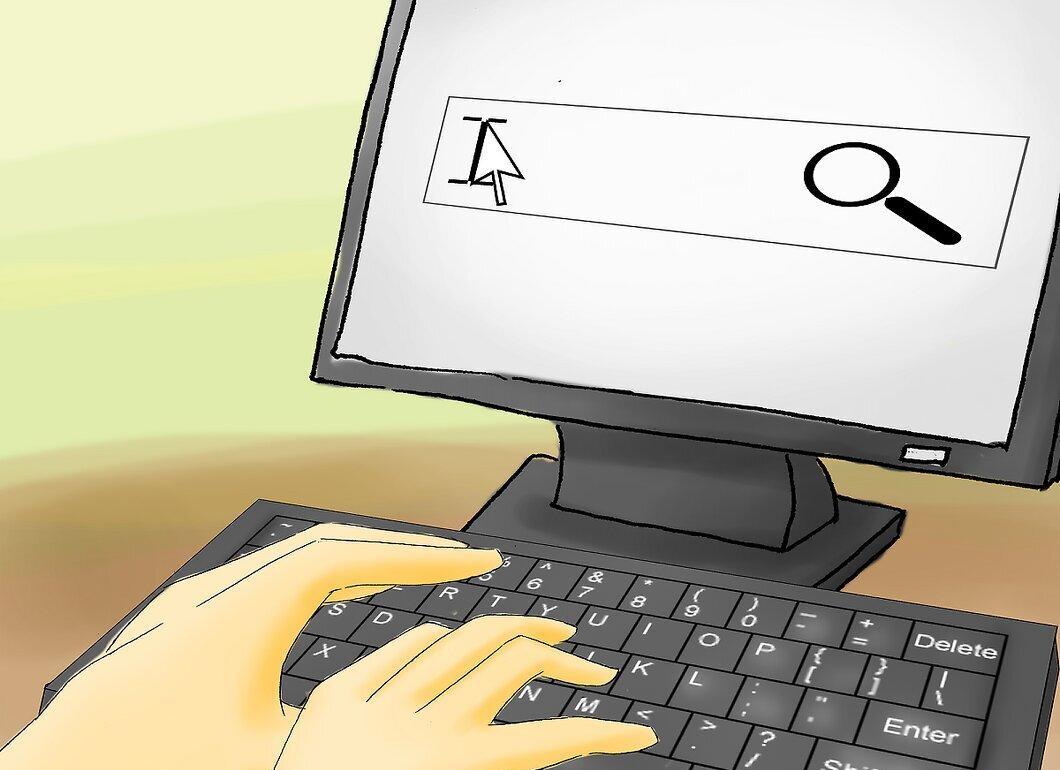
This is another way to improve your understanding of the text and enhance reading efficiency. If you don't know the meaning of a word, it can be challenging to grasp the entire phrase. Look up the definition in a dictionary.
- Keep a log of new words, writing down unfamiliar terms and their definitions.
Step 3. Read in Small Segments.
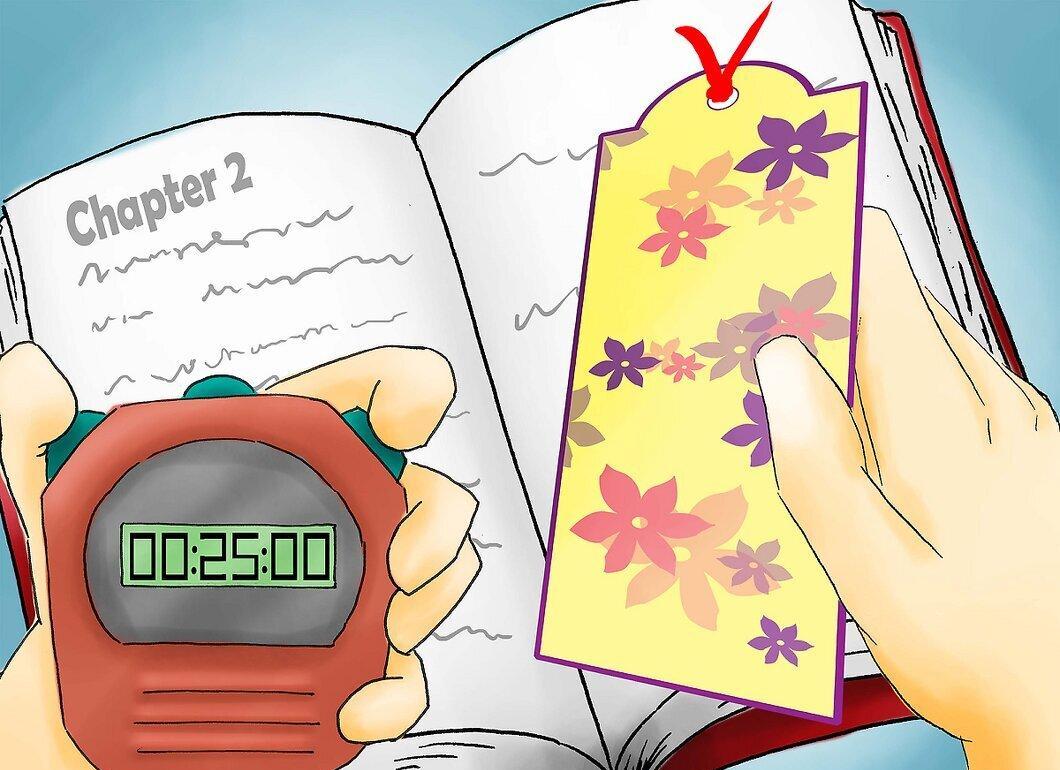
Divide the text into smaller segments and take breaks while reading for better comprehension. Use the “Pomodoro” technique, which suggests 25 minutes of reading followed by a 5-minute break.
- You can also set goals in terms of the number of pages. For example, read 10 pages, then take a 5-minute break.
- During breaks, go for a walk or do a little stretching, watch a short video, or answer an interesting question.
Step 4. Read Aloud.

Reading aloud is a great learning method, especially for children. Many find it easier to grasp complex plots when reading them aloud. This approach is also beneficial for editing your own texts, as it helps to notice connections between ideas, understand complex segments, and better remember information.
- You don’t need to read the entire text aloud; reading individual paragraphs is sufficient, especially if you’re struggling with comprehension.