
Dry ice was first created by the French inventor Thilorier in 1835. It is the solid state of carbon dioxide formed by the liquefaction of carbon dioxide gas. When Thilorier opened a cylinder of liquid carbon dioxide, he noticed that a solid dry ice remained upon evaporation. Later, the Dry Ice corporation in the USA patented this product, making it available for sale primarily for refrigeration systems. This form of carbon dioxide is still actively used for cooling and freezing food products. The temperature of dry ice is -78 degrees Celsius, which is lower than that of frozen water. It evaporates without leaving any residue. However, it’s essential to handle dry ice with caution—never touch it with bare hands as it can cause frostbite. Always wear special gloves to avoid injury. Dry ice is widely used for storing and transporting various food items.
Shipping Food with Dry Ice Internationally
Step 1. Choose the Right Transport for Shipping.
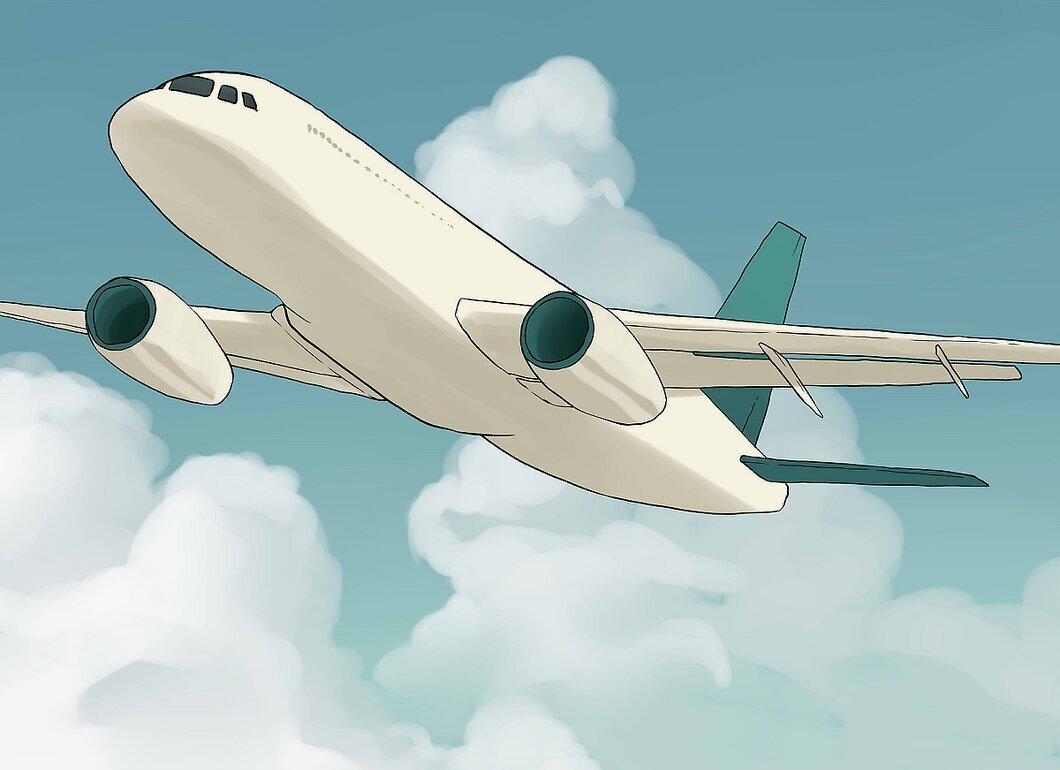
- For perishable goods, transport using dry ice is usually preferred, with air transport being the ideal option. Many airlines offer cargo services for various shipments. Transportation rules may vary by airline, so be sure to check their guidelines in advance. As dry ice evaporates, it releases carbon dioxide, which can displace oxygen in enclosed spaces. This is an important consideration.
Step 2. Research the Regulations for Shipping Food with Dry Ice to the Destination Country.

- Many countries require specific documentation for importing food products. Some nations completely prohibit the import of dry ice. Before proceeding with shipping, make sure to familiarize yourself with the current regulations. If you plan to ship internationally, clarify these details with your transport company. Additionally, you need to determine how much dry ice you will require. According to IATA regulations, a single package can contain no more than 200 kg of dry ice, but each airline may have its own restrictions.
Step 3. Check the Label on the Packaging.
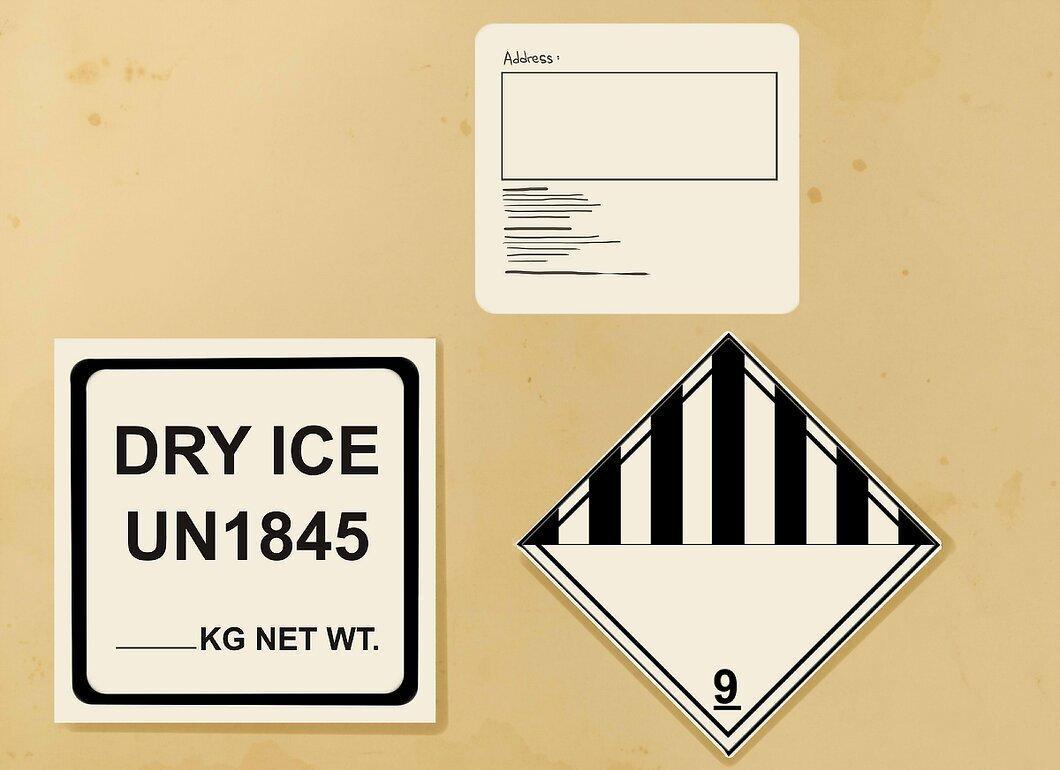
- According to IATA requirements, each package must have a label containing necessary information, including the special UN number 1845 for identifying the contents— in this case, dry ice. The packaging should also state "dry ice" or "Dry Ice," the net weight in kilograms, and the full addresses of the sender and recipient. Use a Class 9 label.
Step 4. Specify the Date and Duration of Transportation.
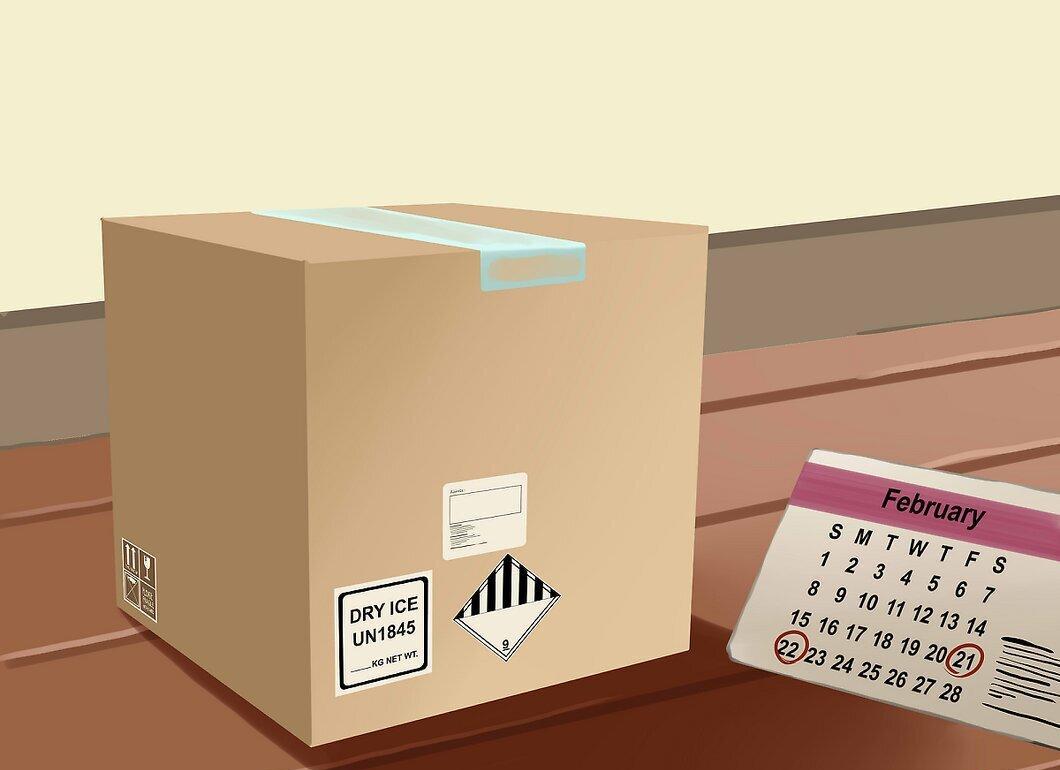
- The transportation time depends on the surrounding temperature, the amount of dry ice, and the type of product. The evaporation rate of dry ice varies based on these factors. It’s best to avoid shipping on weekends as products may be delayed in storage. Do not transport goods for more than 30 hours, especially perishable items packed with dry ice.
Truck Shipping on Intercity or International Routes
Step 1. Follow Packaging Regulations for Goods.
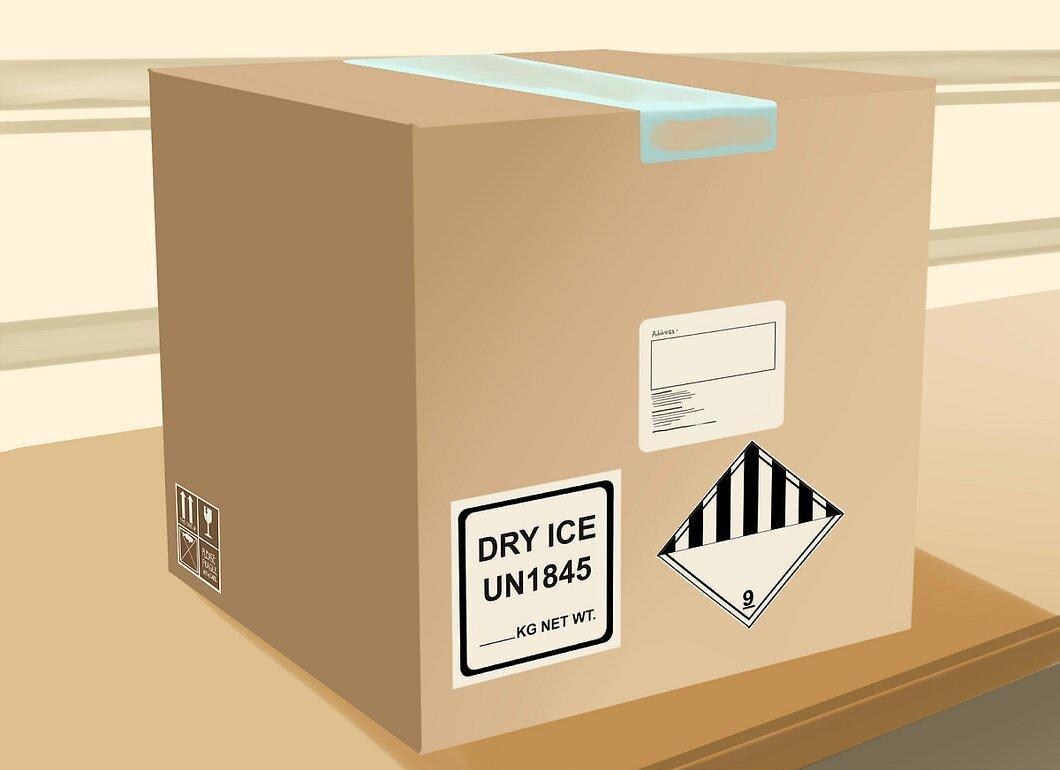
- Each country has its own packaging regulations for goods with dry ice. Typically, products are placed in special containers that allow carbon dioxide to evaporate. There are also weight limits for dry ice. In most cases, it is required to affix a special label or indicate on the packaging that dry ice is inside. In the USA, you must use a Class 9 label of type DEOT and indicate a warning along with the UN code 1845.
Step 2. Consider Transportation Time.
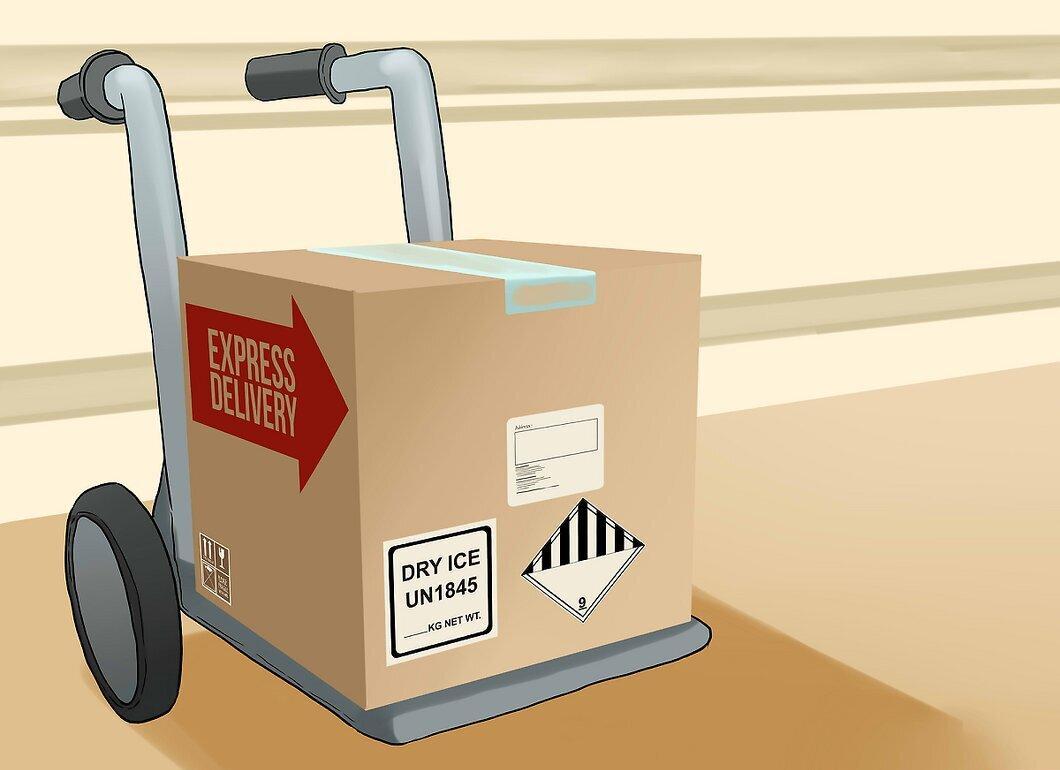
- Transportation time is influenced by the surrounding temperature, time of day, and season. Perishable items packed in dry ice containers should be shipped as quickly as possible. Use express delivery or the fastest available transport. It is not advisable to send products over the weekend to avoid them being stored in a warehouse.