
The sucking reflex is typical for infants, but sometimes older children and even adults struggle to let go of the thumb-sucking habit. If you want to help your child, it’s important to discuss the issue with them and consider implementing a reward system for extra motivation. For adults, it’s crucial to understand the underlying causes of this habit, which may stem from stress, boredom, or anxiety. Be patient and persistent, and your efforts will pay off.
How to Help a Young Child Stop Thumb-Sucking
Step 1. Assess whether thumb-sucking is a problem.
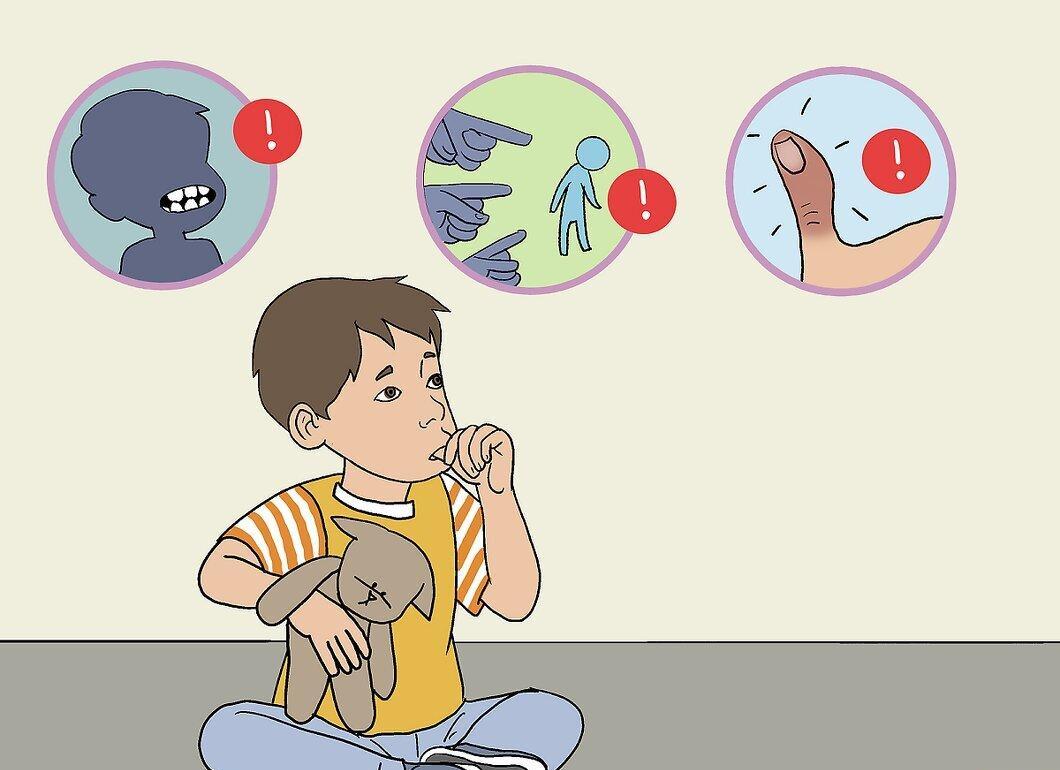
Understanding whether thumb-sucking is an issue is important. For many children, it’s a natural behavior that helps them self-soothe. Typically, children stop thumb-sucking before they start preschool. However, this habit can lead to the following problems:
- Dental Issues. Thumb-sucking can negatively affect bite alignment, leading to overbites or improperly formed palates.
- Social Difficulties. Children who suck their thumbs may face teasing and ridicule from peers.
- Health Concerns. Continuous thumb-sucking can cause skin damage on the thumb and lead to infections around the nail.[2] X Source
Step 2. Identify the triggers of the habit.
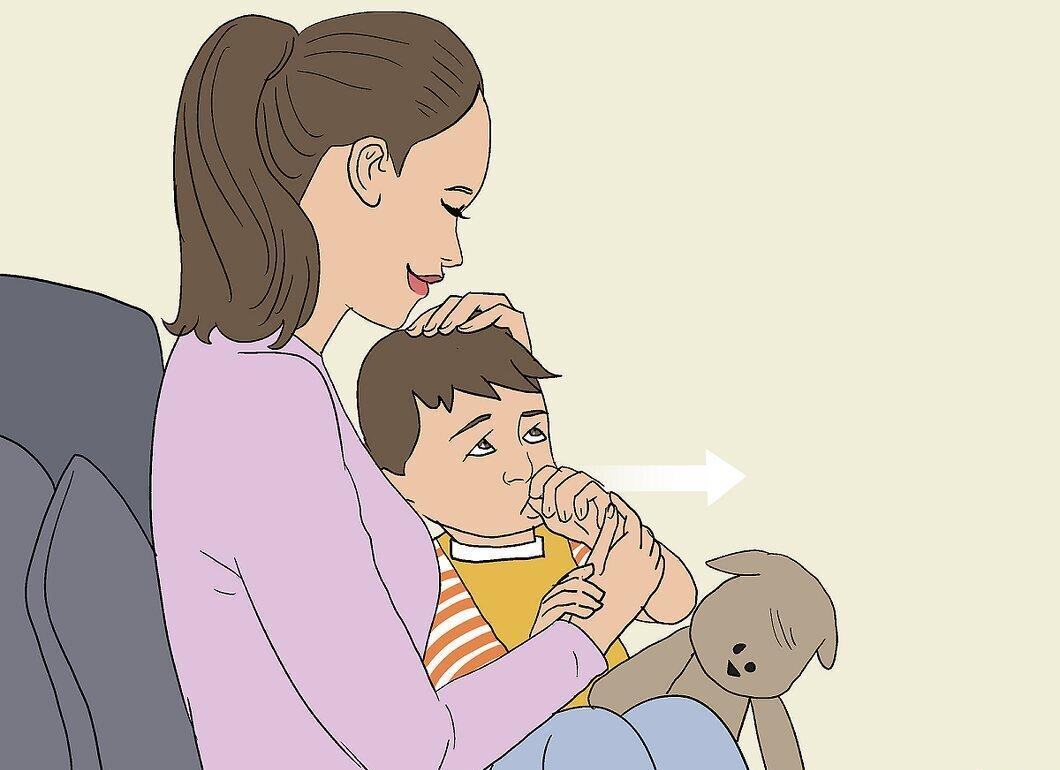
Pay attention to triggers. Many children suck their thumbs in specific situations, such as before bed or in the car. Others do it when they feel pain or distress. By understanding what sparks this habit, you can find the best ways to assist your child.
- For instance, if your child sucks their thumb due to distress, gently remove their thumb from their mouth and offer comfort to help them calm down. It’s important not to scold them, so they have a positive experience.
Step 3. Offer alternative soothing methods.

Children often suck their thumbs to soothe themselves, and removing this method may leave them feeling more anxious. Provide your child with other stress-relief options.
- Avoid using items (like blankets or toys) at inappropriate times to prevent loss.
Step 4. Remind your child of the habit.
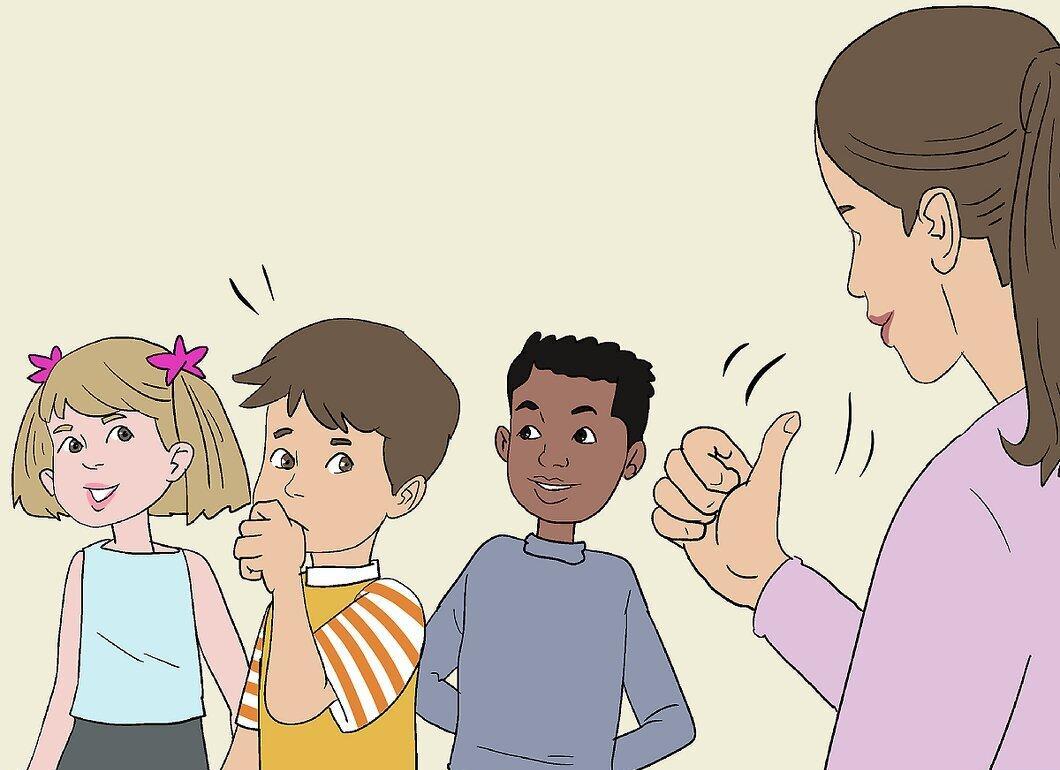
Gently remind your child about their habit. They may not even realize they are sucking their thumb. Calmly bring it to their attention, avoiding anger or frustration. Do not shame them, especially in front of other children.
- You can use a special signal to discreetly indicate to your child that they are sucking their thumb without embarrassing them.
Step 5. Implement a reward system.
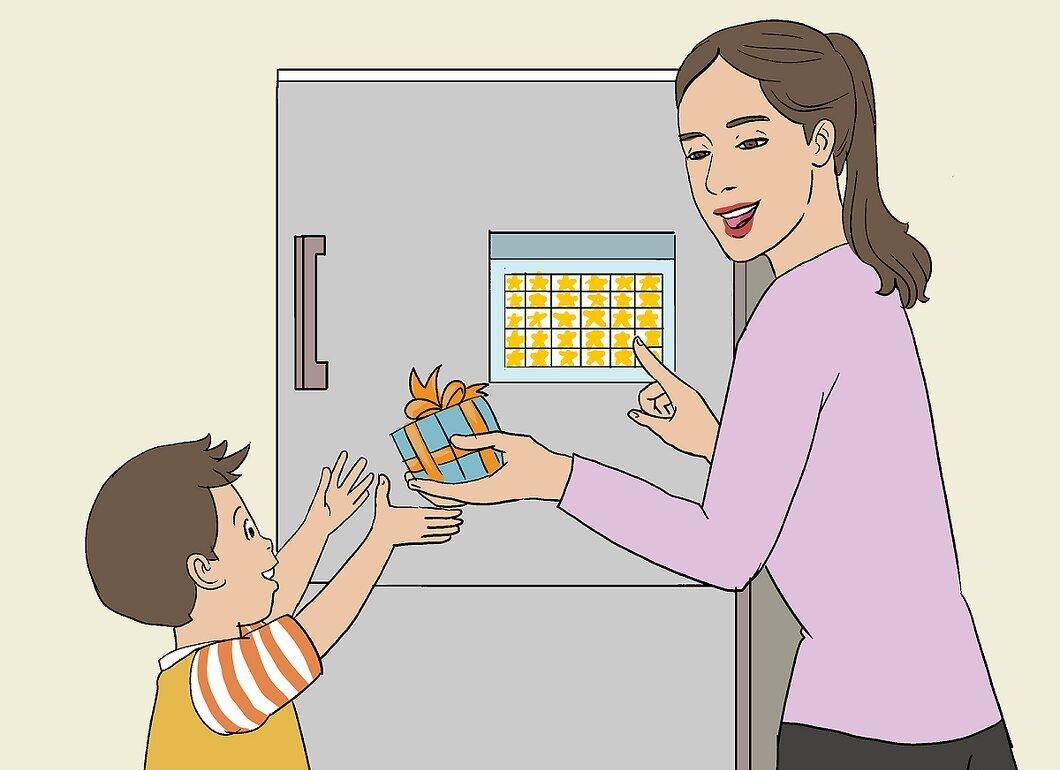
Rewards work well for young children, making it a useful way to encourage positive behavior. Create a simple reward system to track your child’s progress and celebrate their absence of the habit. Set specific goals, such as reducing thumb-sucking to 10 times a day, and gradually decrease that number.
- For example, mark on a calendar each night your child goes without thumb-sucking. If they achieve this for a week, reward them with an extra bedtime story or a small toy.
Step 6. Be patient.
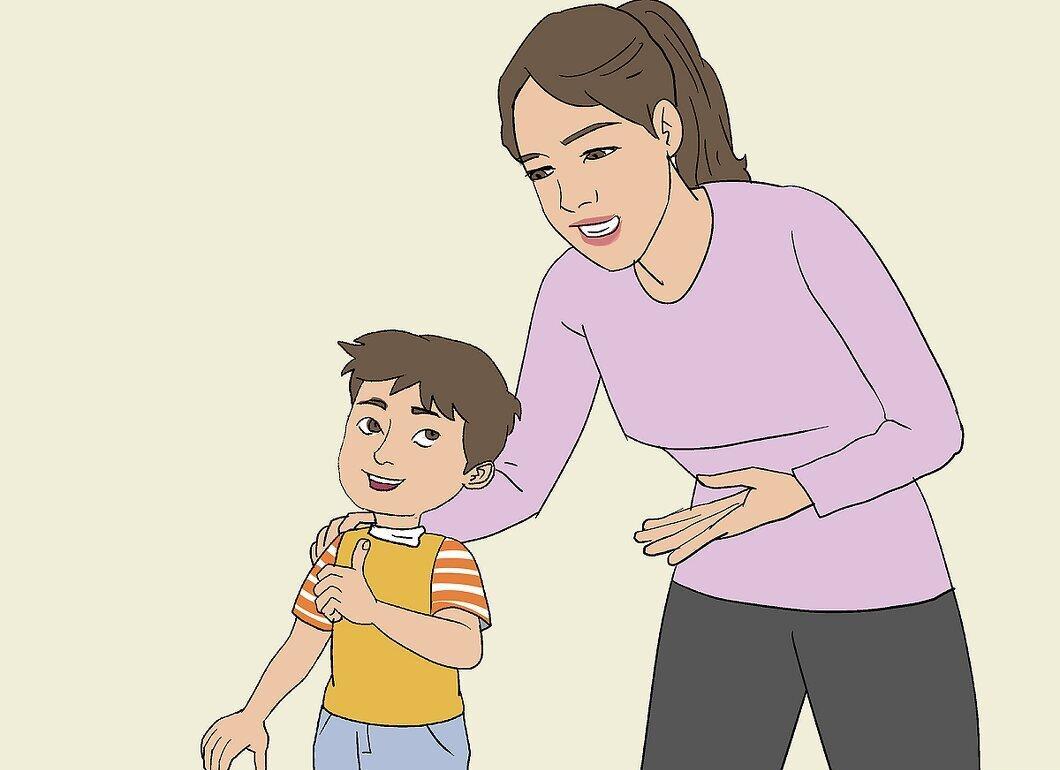
Patience is key in changing a child’s behavior. If you’ve started rewarding them, monitor their progress daily. If you remind them of the habit, make sure to do so consistently. During the process, be patient, even if results aren’t immediately apparent.
- Sometimes it might seem like there’s no progress, but don’t give up; continue to support your child in their efforts.
How to Help an Older Child Quit Thumb-Sucking
Step 1. Discuss the thumb-sucking habit with your child.
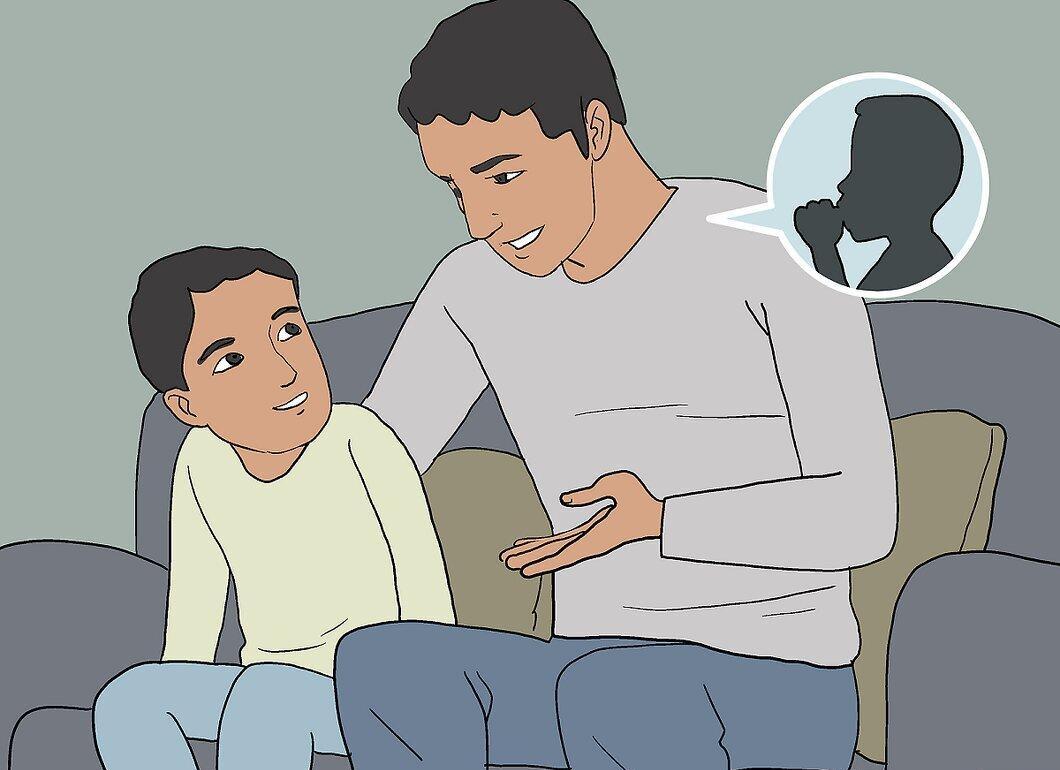
Talk to your child about their habit. They may be ready to discuss it and find ways to stop. Explain how thumb-sucking can affect dental health and invite teasing from peers. Ask what they think about it and what alternatives they can come up with.
- Give your child the opportunity to choose so they can feel in control of the situation and not humiliated.
Step 2. Help your child cope with anxiety.

Older children may not know how to handle stress and anxiety, and thumb-sucking can be a way for them to self-soothe. Discuss relaxation techniques with your child and teach them how to use them. Practice techniques like deep breathing together.
- Explain how to calm down through sensory methods: encourage three deep breaths or to visualize a peaceful place.
- Frame stress as a monster to fight against, and together, develop methods to chase it away!
Step 3. Protect the thumb.
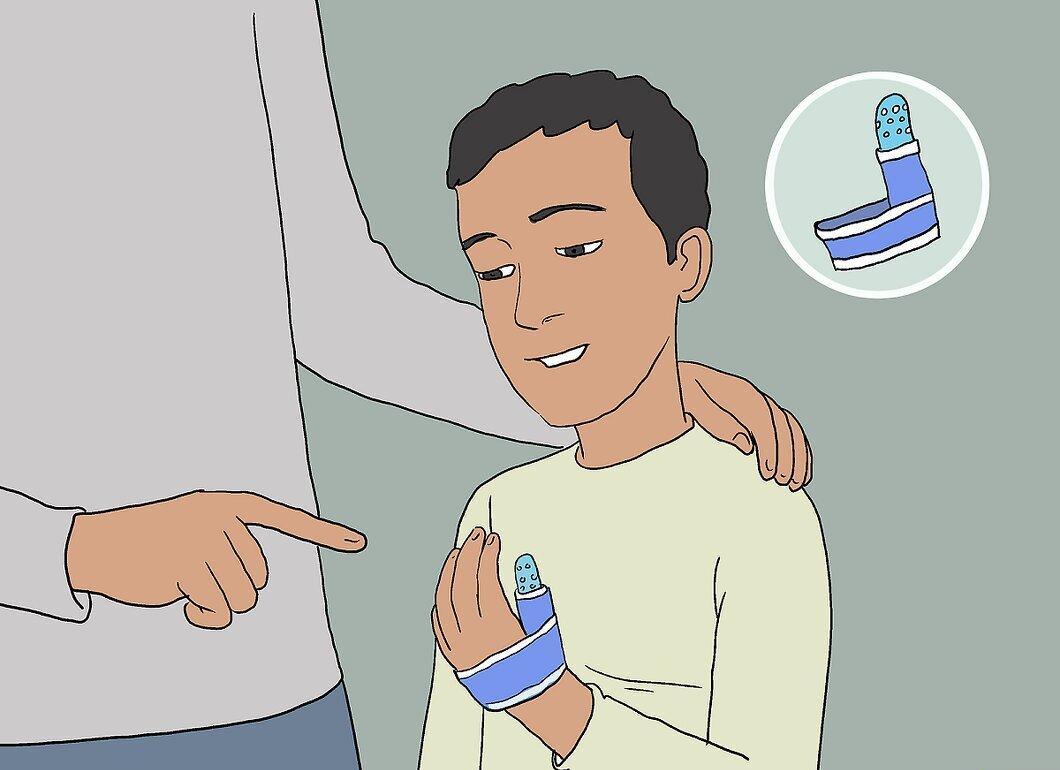
Covering the thumb can help reduce the urge to suck it. Try using a bandage, a rubber thimble, or even a mitten. If thumb-sucking mainly occurs at night, wearing a sock on the hand can help.
- This could be a good start, but you will likely need other methods soon.
Step 4. Get a dental check-up.
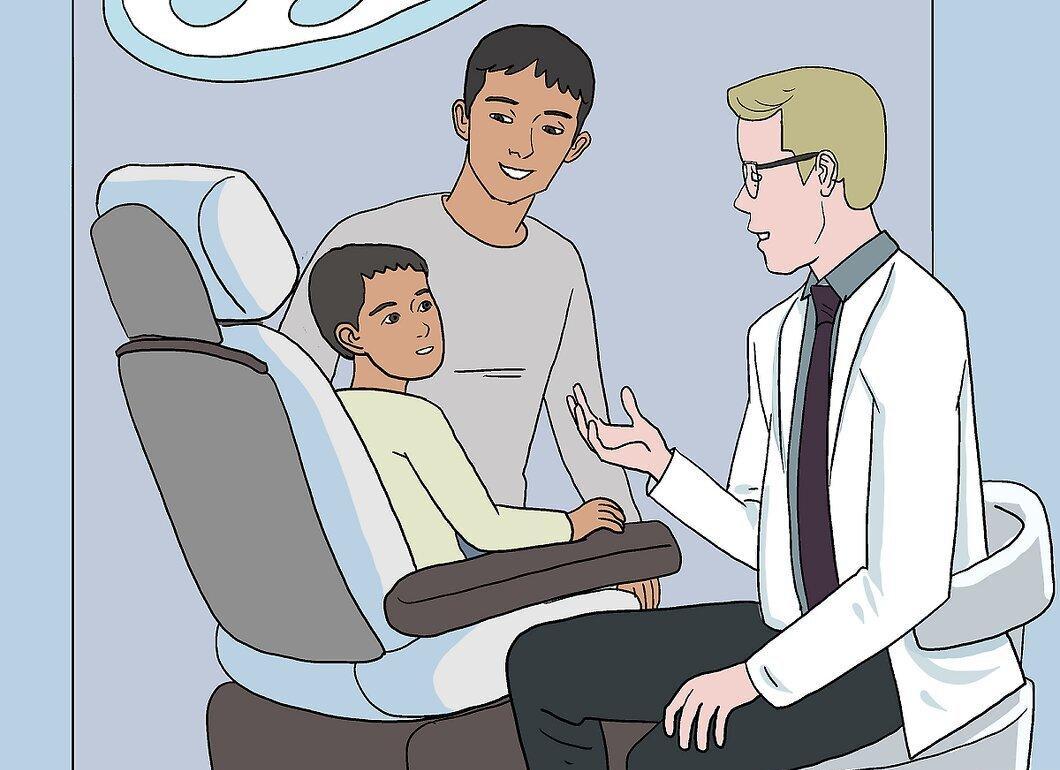
A visit to the dentist can be beneficial for your child. A professional opinion can help them realize the seriousness of the problem and increase their motivation to change the behavior.
- If your child finds it hard to quit the habit, ask the dentist about a special appliance to prevent dental damage.
Step 5. Ignore attention-seeking behavior.
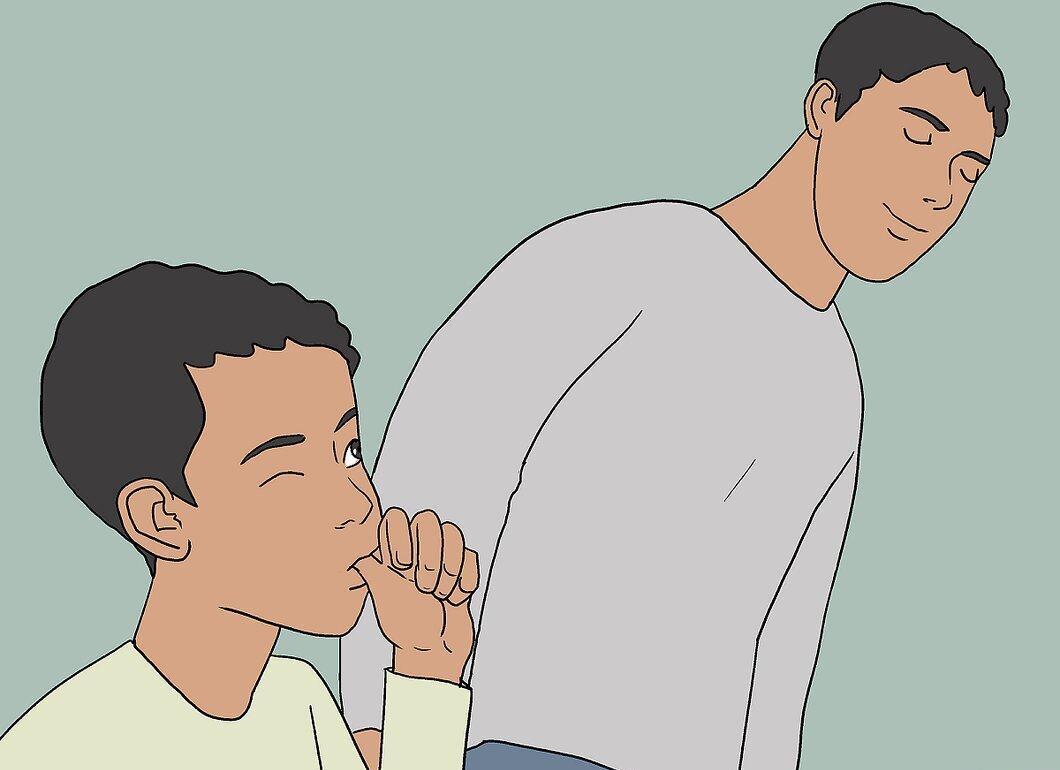
Sometimes children suck their thumbs to get attention. They may enjoy your reaction. If you suspect this is the case, simply ignore the behavior. This will reduce the likelihood of your child continuing it.
- For example, if they say, “Look, I’m sucking my thumb!”, remain calm and don’t react.
How to Stop Thumb-Sucking as a Teen or Adult
Step 1. Understand why you suck your thumb.

Reflecting on the reasons for thumb-sucking can help you break the habit. It may be a way to calm down or simply an ingrained habit. The better you understand your motives, the easier it will be to quit.
- Keep a journal to note when and under what circumstances you suck your thumb. This can help identify patterns.
Step 2. Use aids to combat the habit.
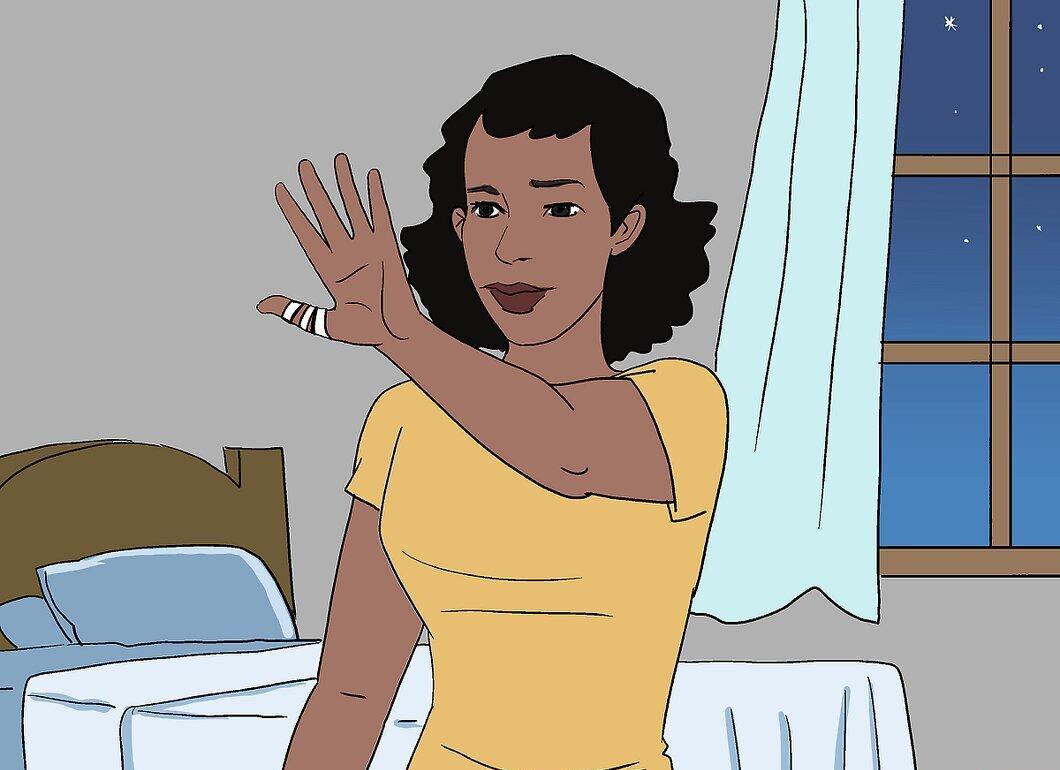
Try wearing a ring on your thumb or using other devices to make thumb-sucking less convenient. Wearing a sock on your hand can help if you suck your thumb while sleeping.
- These methods may help but are not a long-term solution.
Step 3. Find other ways to self-soothe.
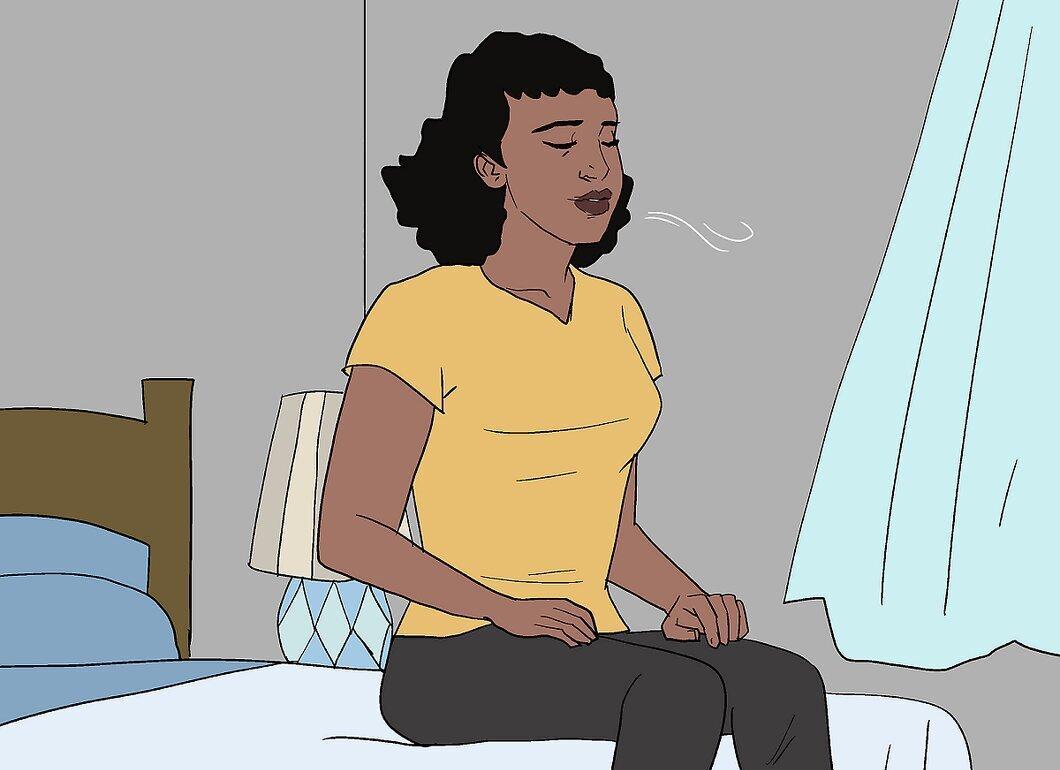
Look for alternative stress-relief methods. If thumb-sucking helps you calm down, find other techniques that may be more effective.
- Practice deep breathing, meditation, or yoga to manage stress in a healthier way.[13] X Reliable source HelpGuide Visit source
Step 4. Try sucking on something else.

If thumb-sucking helps you relax, try replacing your thumb with something less harmful, like a lollipop or chewing gum.
Step 5. Keep your hands busy.
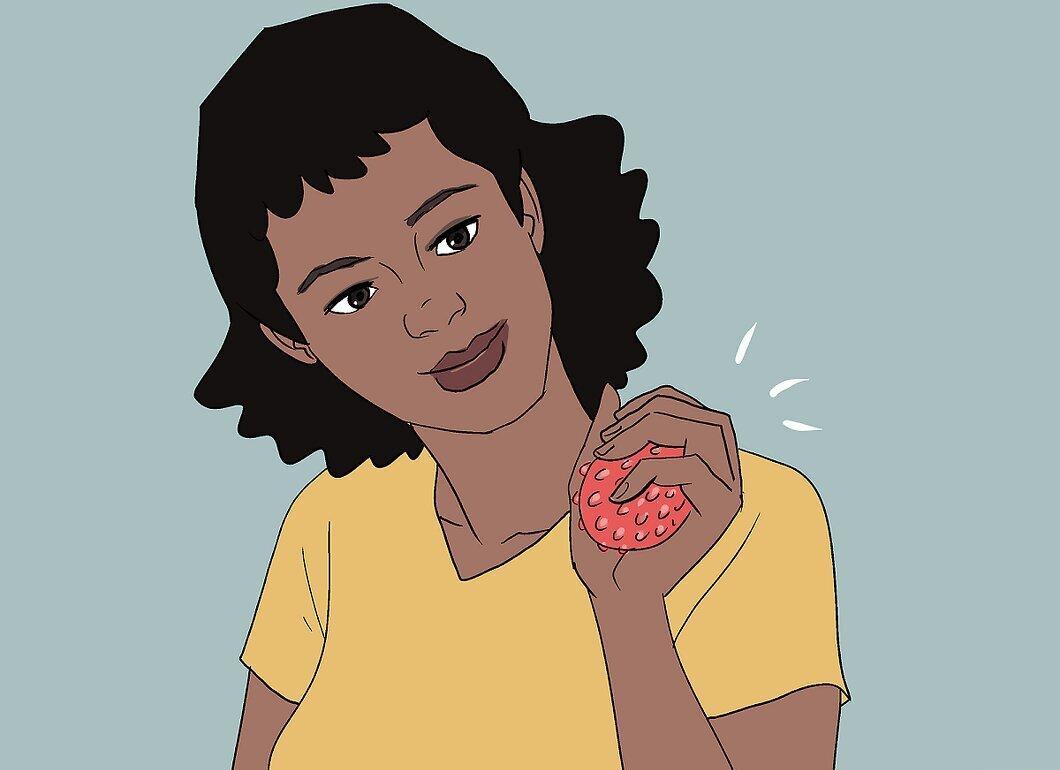
Keep your hands occupied to avoid thumb-sucking. Use stress balls or fidget spinners to distract yourself and keep your thumb out of your mouth.
Step 6. Seek professional help.
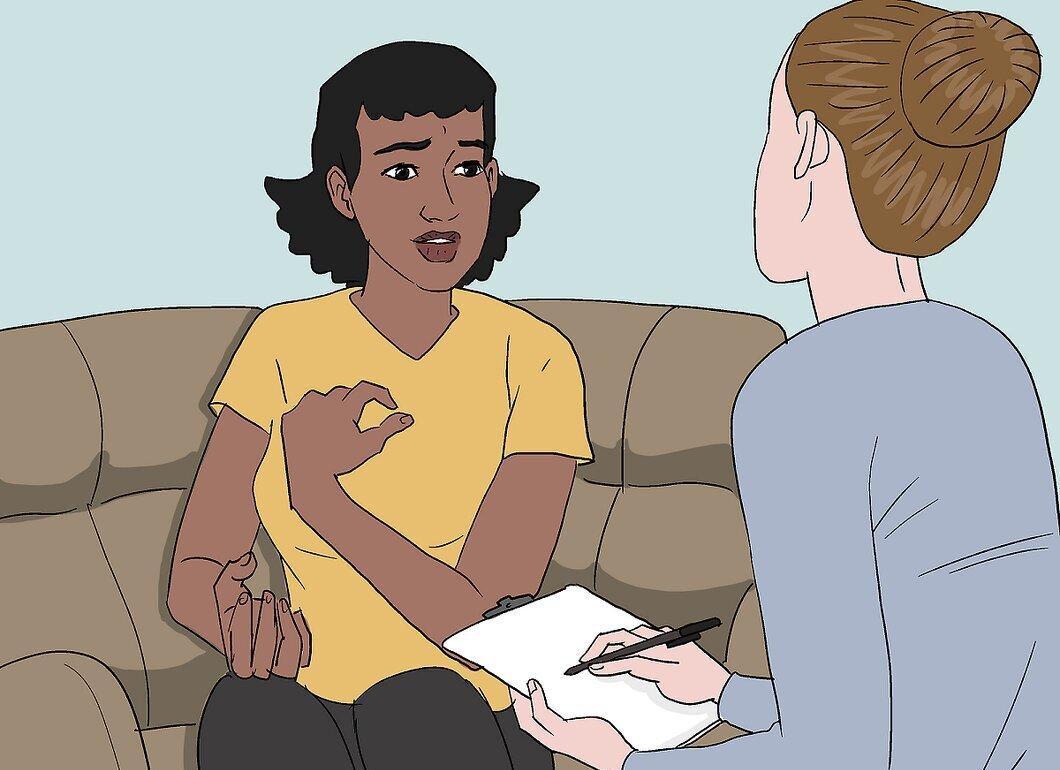
If thumb-sucking is linked to serious anxiety issues, consult a professional. A psychologist can help you find effective methods to manage stress.
- Ask friends or your doctor for recommendations for a specialist who can assist you.
Step 7. Try negative reinforcement.
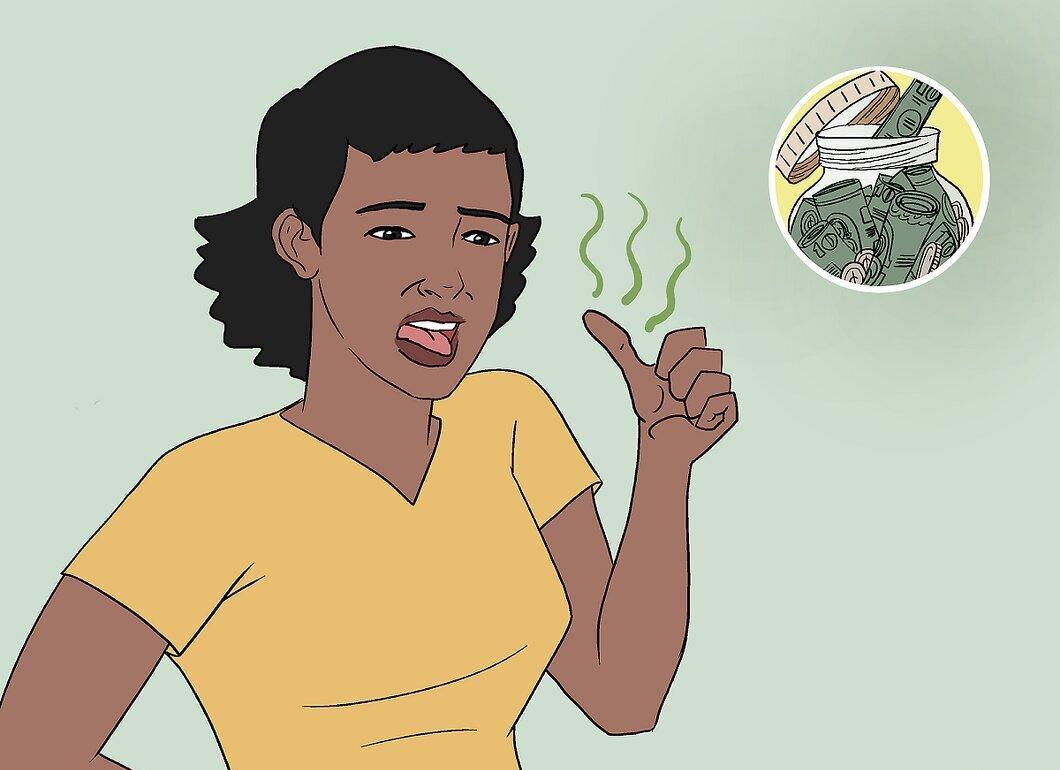
While this is not the most recommended method, some find negative reinforcement helpful. For example, you could apply a bitter substance to your thumb or create penalties for sucking by putting money in a jar each time you do it. This approach can help raise awareness of your actions.
- If this makes you feel guilty, it’s best to avoid this method. There’s no need to feel shame while trying to break a habit.
Step 8. Be patient.

Don’t expect instant results. Breaking habits takes time and effort. If you slip up, don’t berate yourself. Learn to move forward after setbacks and continue striving for your goal.
- If you fail, identify the reasons and try to avoid them in the future. For example, if you sucked your thumb due to stress, find alternative ways to cope with tension. If boredom was the cause, engage in something interesting or focus on daily tasks.