Effective Ways to Combat Cancer in Your Cat
Cancer in cats is a less common disease than in dogs, but it can progress very quickly. If your furry friend has received such a diagnosis, you might feel overwhelmed in the initial days. But don't despair: many veterinary clinics offer treatment in the early stages of the disease. Before starting therapy, it's helpful to familiarize yourself with the diagnostic and treatment methods for cancer in cats.
Prepare to Start Treatment
Step 1. Assess the Situation Objectively.
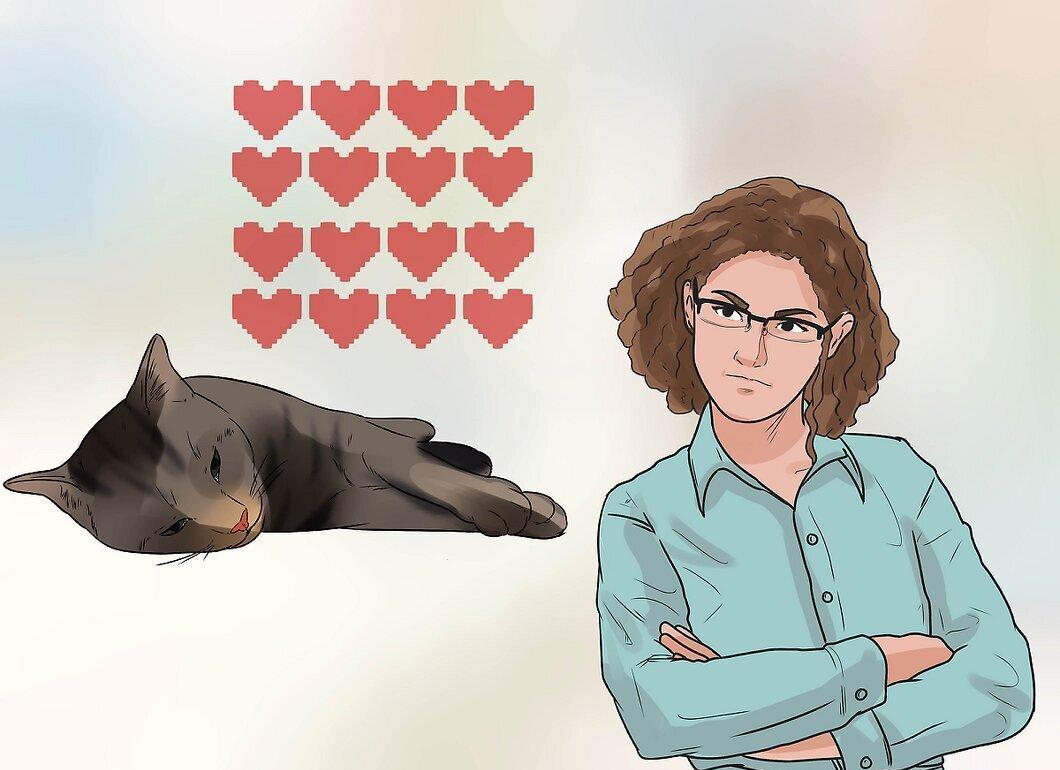
Evaluate your pet's current condition. If they are behaving normally, showing energy, and not in significant pain, treatment may be effective. However, if your cat is suffering and appears unhappy, they may struggle to endure therapy.
- Of course, strive to do everything possible to help your pet, but don’t forget to consider their quality of life.
- Be aware that the treatment process can be tough, and sometimes the animal's condition might worsen.
Step 2. Learn About Treatment Costs.
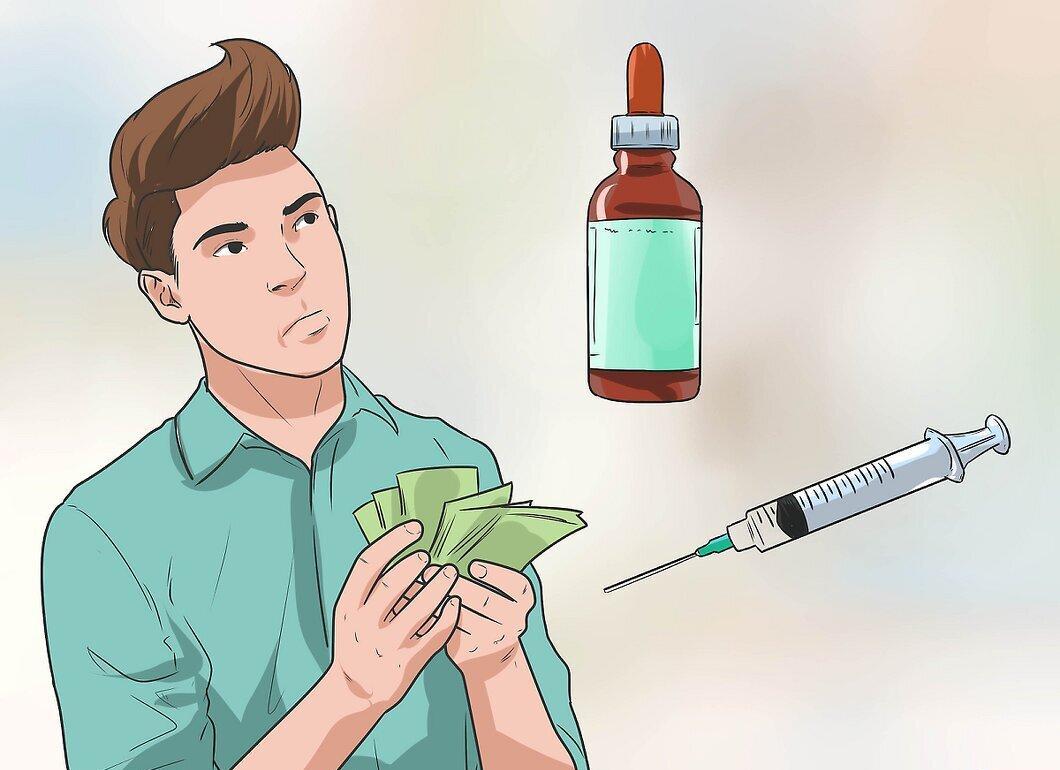
Discuss the financial aspects of the treatment. Cancer therapy can be quite expensive. For example, diagnostics alone can range from 30,000 to 50,000 rubles, while complete treatment can cost between 50,000 and 300,000 rubles.
- There may be more affordable options, but they might not include specialized procedures like radiation therapy, which could lead to unfortunate outcomes.
- Don’t forget to factor in additional expenses, such as specialized diets, pain relief, and ancillary medications.
- Don't blame yourself for financial limitations. This aspect is very important when making treatment decisions.
Step 3. Discuss Treatment and Care Plans with Your Veterinarian.

Talk to your veterinarian about the details of treatment and care for your pet. Cancer therapy typically involves regular check-ups and tests. Consider if you can frequently visit the veterinarian.
- Keep in mind that not all clinics specialize in oncology. Your best option might be in another area or even another city.
- Chemotherapy can be administered at home, but check this with your veterinarian, as individual circumstances may vary.
- Explore all aspects of treatment and your pet's needs during and after therapy. This will help you make informed decisions.
- The temperament of the cat is also important. If they are nervous and aggressive, calming medications may be necessary.
Visit the Veterinarian
Step 1. Observe Changes in Your Cat's Behavior.
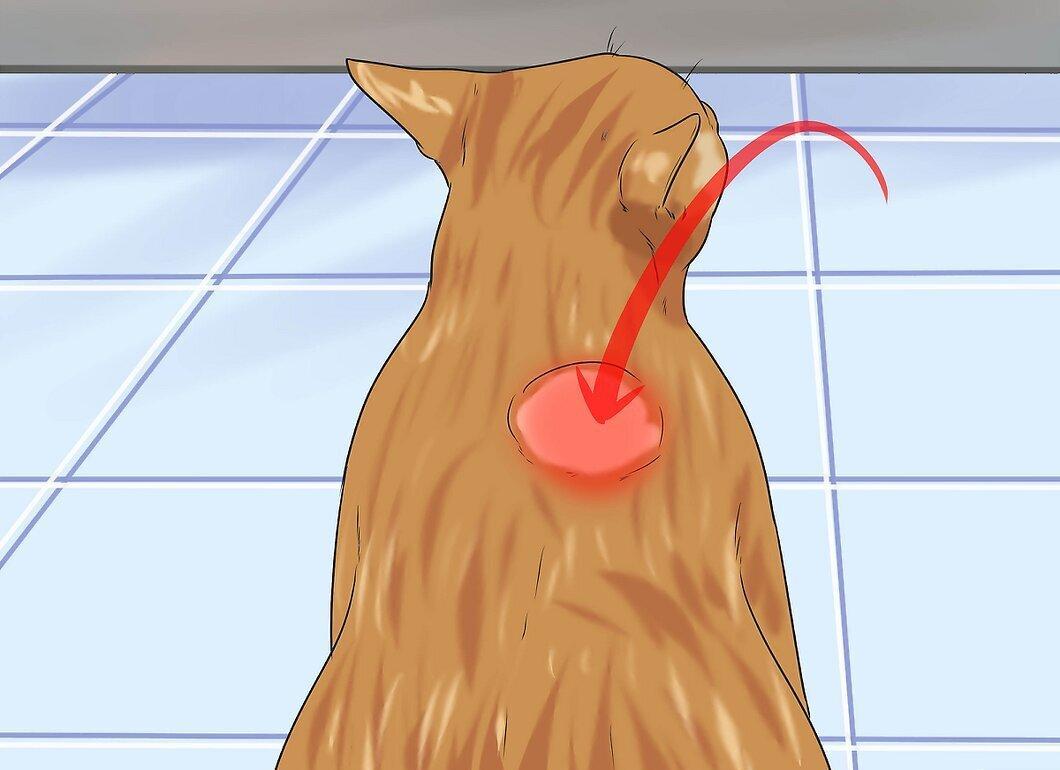
Monitor your pet's behavior. Cats often hide symptoms, making diagnosis difficult. Even attentive owners might not immediately notice a decline in health.
- The later the diagnosis is made, the more complicated and costly the treatment may become.
- Small tumors or growths on the body can be signs of illness.
- Clinical manifestations can vary depending on the type of tumor and stage of the disease. For instance, stomach cancer may cause vomiting and diarrhea, while skin cancer may present with redness and rashes.
- Be cautious: cancer may not show symptoms in the early stages, and then symptoms may appear all at once and in full force.
Step 2. Schedule Veterinary Appointments.
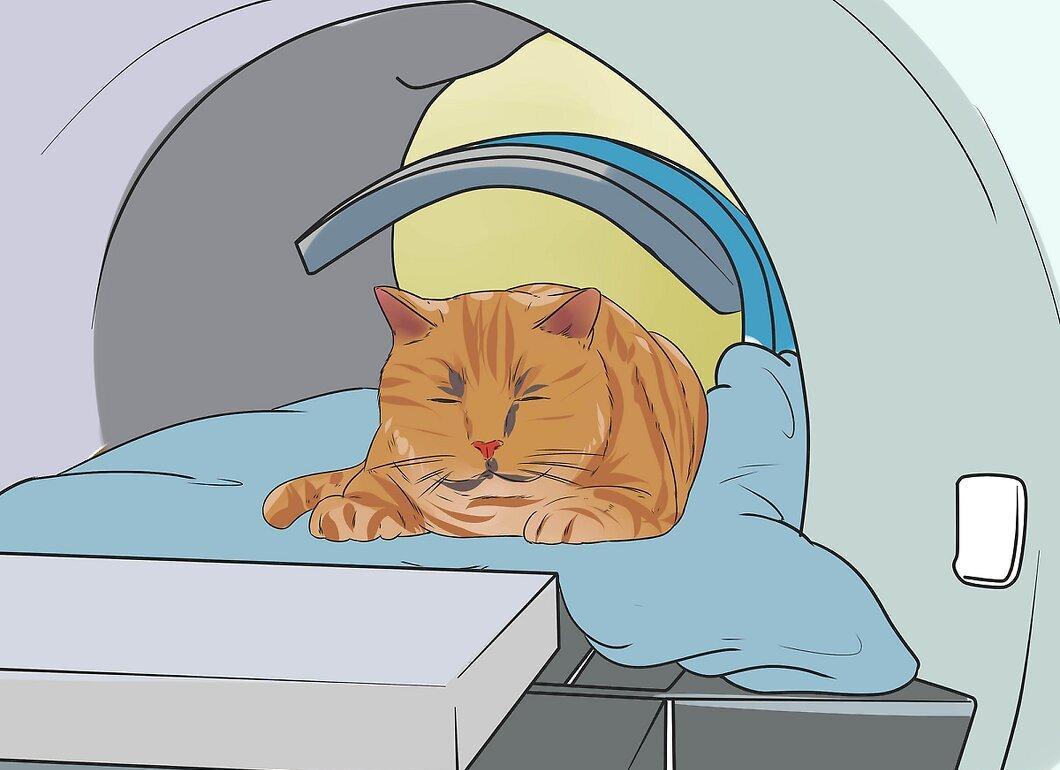
Schedule veterinary visits as soon as you notice any symptoms. Even if you don’t suspect cancer, unusual behavior is a reason to consult a specialist.
- Diagnostics may include blood tests, biopsies, X-rays, and ultrasounds.
- Keep in mind that biopsies may not always be accurate.
- The veterinarian may recommend tests for feline leukemia or immunodeficiency virus, as they are associated with other forms of cancer.
- Diagnostic tests will help assess overall health and identify possible diseases.
Step 3. Discuss Results with Your Veterinarian.

Discuss the results of the tests with your veterinarian. If the diagnosis is confirmed, clarify the next steps. Your veterinarian understands that you will have many questions about treatment.
- Ask about potential causes of cancer. Often they remain unknown, but feline immunodeficiency virus and excessive UV exposure may be risk factors.
- It may make sense to consult another veterinarian for a second opinion, as approaches to diagnosis and treatment may vary.
- A veterinary oncologist may offer additional recommendations and treatment methods.
Learn About Treatment Methods
Step 1. Discuss Surgical Options.

Talk to your veterinarian about the possibility of surgery to remove the tumor. This is one of the most common and effective cancer treatment methods.
- However, it’s not always possible to remove the tumor, especially if it is too large and could harm the animal’s health. In such cases, discuss the possibility of reducing the tumor.
- Some types of cancer may metastasize, so the surgeon might remove some healthy tissue for analysis of cancer cells.
- Be aware that surgery does not rule out the possibility of recurrence, and your veterinarian should explain this to you.
Step 2. Understand Chemotherapy.
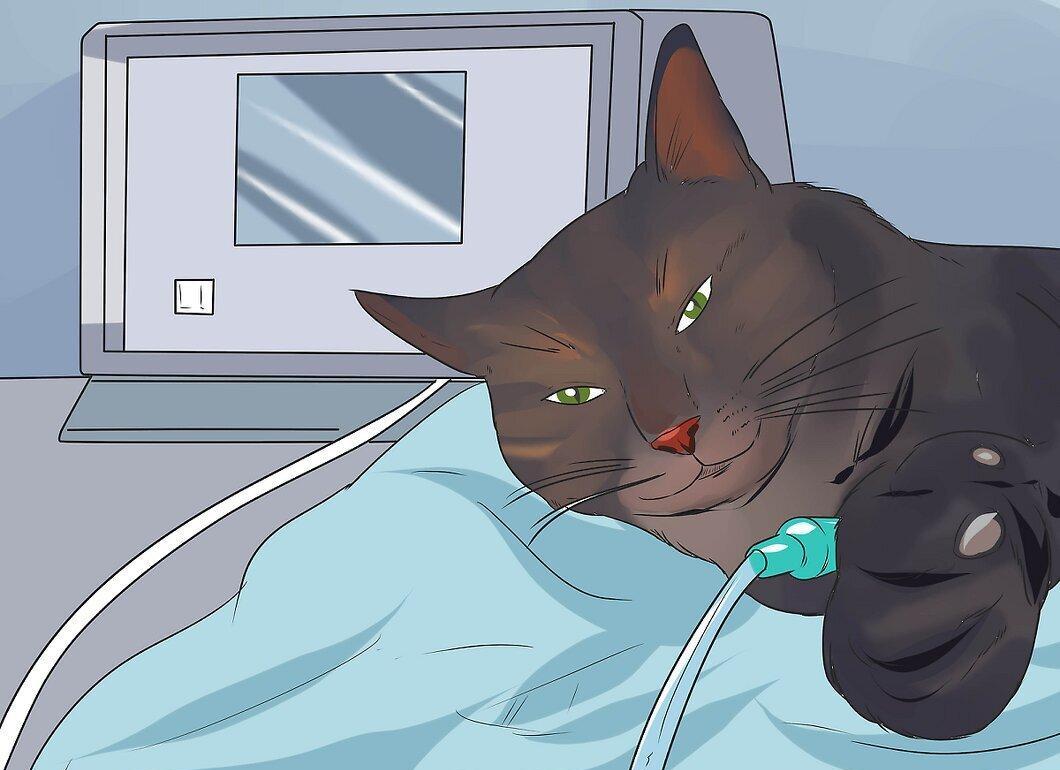
Learn about chemotherapy. This method is often used to slow the growth of cancer cells and alleviate symptoms, rather than to cure completely. Chemotherapy may be recommended if the tumor has already spread.
- Your veterinarian will likely refer you to an oncologist for a chemotherapy regimen.
- The chemotherapy schedule may change depending on the animal’s response.
- Fortunately, cats tolerate chemotherapy better than humans. Vomiting and lethargy may occur, but these symptoms are usually manageable.
- Medications may be administered in various ways: intravenously or orally. The procedure can take from a few minutes to several hours.
Step 3. Explore Radiation Therapy.
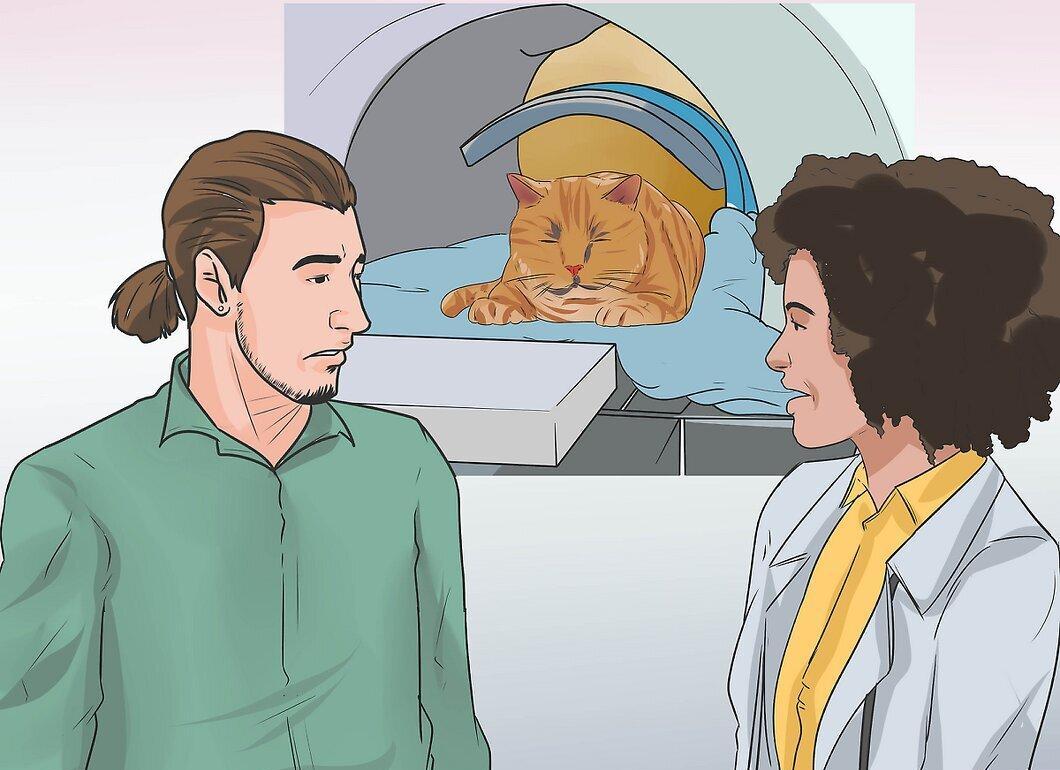
Learn about radiation therapy. This is another common cancer treatment method. It uses X-rays to destroy cancer cells and is often used in conjunction with chemotherapy.
- Your veterinarian may recommend radiation therapy if the tumor is located in a position that makes it impossible to remove.
- Computerized tomography or MRI may be conducted to precisely determine the area of impact.
- The procedure requires complete calm, so the cat will be under anesthesia.
- Typically, radiation therapy is performed over several weeks in small doses. The treatment plan is developed by a veterinary oncologist.
- Possible side effects depend on the dose and type of radiation and may include skin redness and discomfort.
Caring for Your Cat During and After Treatment
Step 1. Choose the Right Diet.

Create an optimal diet for your cat. Cancer can lead to cachexia, resulting in wasting. To prevent this, it’s essential to keep your cat properly nourished.
- Loss of appetite can be caused by many factors: altered taste perception, gastrointestinal disorders, and metabolic changes.
- Feed your cat high-calorie food to give them the strength to fight the disease.
- Fats should make up 25-40% of the diet, as they are an excellent source of energy.
- Protein should comprise 40-50% of the diet to prevent muscle mass loss.
- Limit carbohydrates, as cancer cells use glucose for their metabolism.
- Add omega-3 fatty acids and vitamin B12 to the diet after consulting with your veterinarian.
Step 2. Obtain Medications for Managing Side Effects.
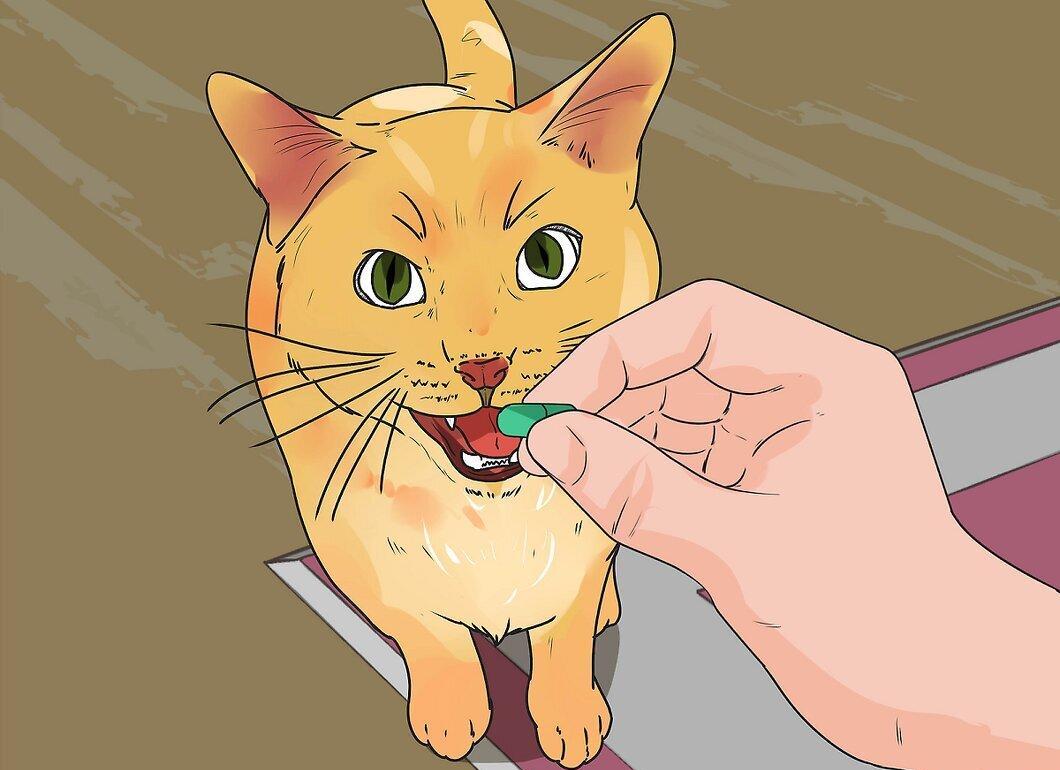
You may need medications to alleviate side effects from treatment. For example, your veterinarian may recommend non-steroidal anti-inflammatory drugs.
- The most common ones are meloxicam and ketoprofen. Keep in mind that corticosteroids are not compatible with non-steroidal anti-inflammatory drugs.
- Opioid pain relievers may also be prescribed for severe pain.
- Do not give your cat Tylenol—it is toxic to them.
- Your pet may need anti-nausea medications if necessary.
- Always follow your veterinarian’s recommendations when using medications.
Step 3. Exercise Caution When Storing Chemotherapy Medications.
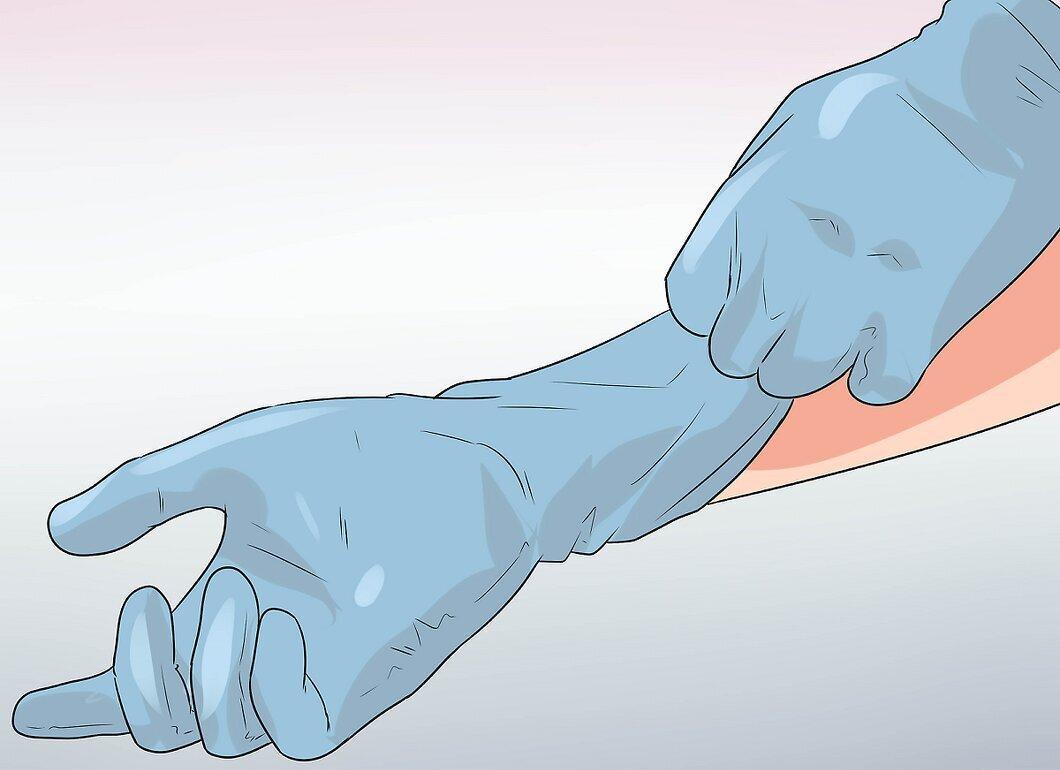
Be careful with the storage of chemotherapy medications. Note that they can remain in your cat's body for up to 72 hours after administration, so be cautious when cleaning.
- Wear gloves when cleaning the litter box.
- Clean the litter box daily.
- Place the litter contents in a double bag and be sure to wash your hands afterward.
- Dispose of gloves immediately after use.
- Ensure that the bags containing the contents are inaccessible to other animals.
- If your cat has its own bed, wash it separately from other items.
Step 4. Take Precautions During Home Treatment.
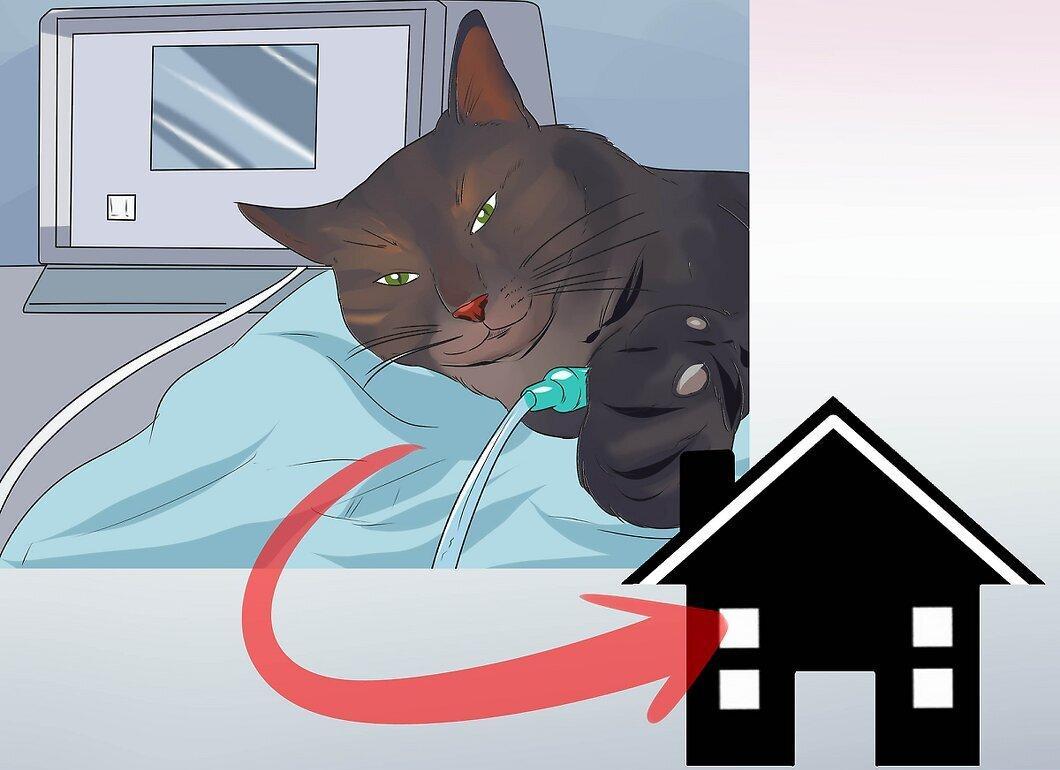
Exercise caution when administering chemotherapy medications to your cat at home. Wear gloves and avoid eating or drinking during the procedure.
- Administer medications in the form they were prescribed—do not cut or dissolve them.
- Be sure to wash your hands after administering the medication.