Skunks are charming yet troublesome animals that emit a strong odor from their anal glands to defend themselves. These critters can become a real hassle for pets that don't comprehend the warnings skunks provide. Like most pests, it's much easier to prevent their presence than to get rid of them later. Keep skunks at bay using light, ammonia, noise, and traps.
How to Protect Your Property from Skunks
Step 1. Check for Possible Entry Points.
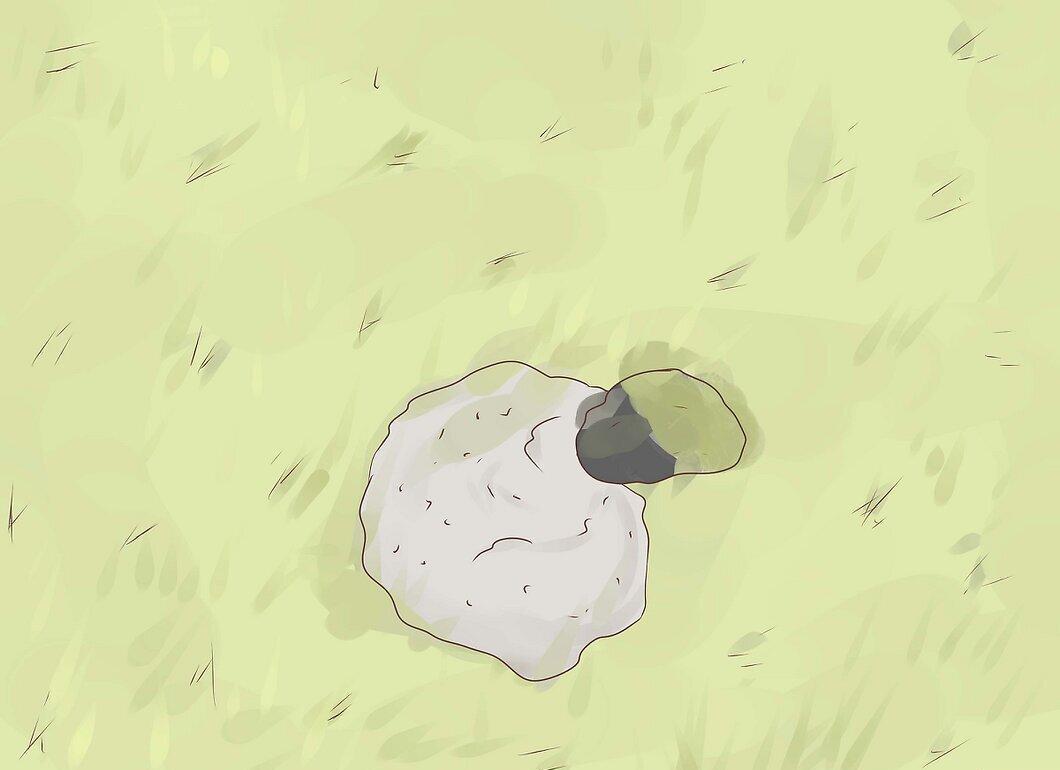
Look for potential openings in your outbuildings. Garages, basements, porches, and any other shelters can be a skunk's home. If you have cracks in your foundation or gaps between walls, seal them up quickly to prevent a female skunk from nesting there.
- It's especially important to check these areas in the fall when skunks are looking for warm and dry places. [1] X Reliable Source The Humane Society of the United States Go to source
- Set up L-shaped barriers near your porch and patio. This will help prevent skunks from burrowing under your structures.
Step 2. Eliminate Grubs in Your Lawn.
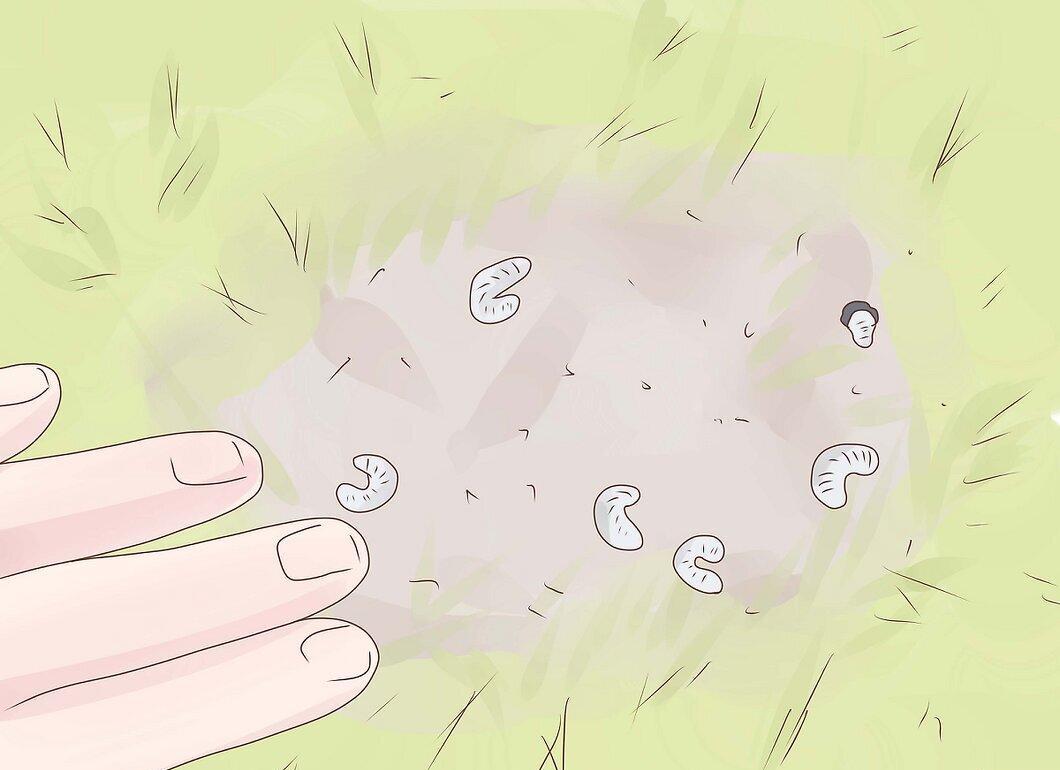
Destroy grubs in your lawn. If you notice beetles in June, skunks may come searching for their tasty larvae. During the larval stage, try not to overwater your lawn, as this encourages larvae to rise to the surface.
- Keep an eye on new sod; skunks might roll it back looking for grubs.
- Small holes in the lawn can indicate the presence of skunks.
Step 3. Remove Pet and Bird Food Residues.
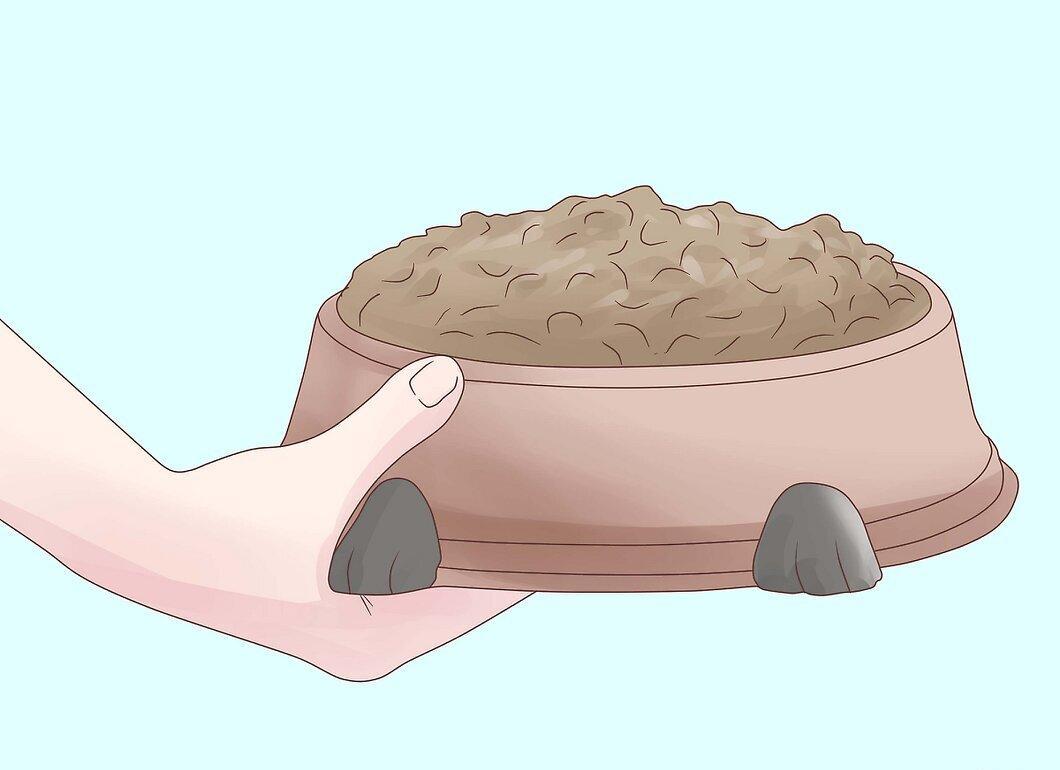
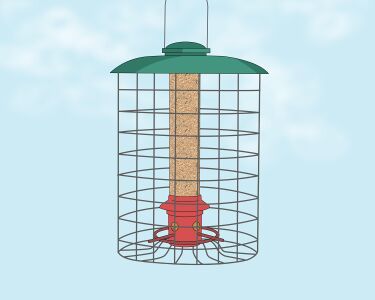
Do not leave open pet food or birdseed out. This treat can attract a female skunk and her young.
Step 4. Secure Your Trash Bins.
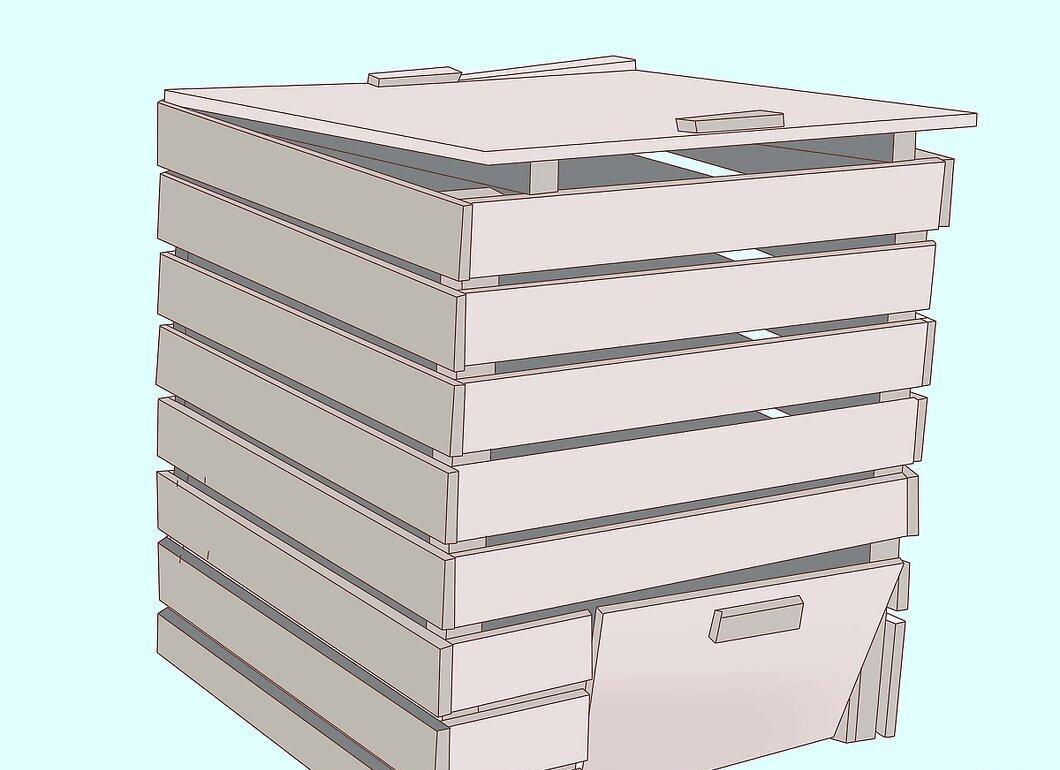
Put trash in metal containers. Open piles of garbage are very appealing to skunks searching for food.
How to Deter Skunks from Your Home
Step 1. Pay Attention to Smells.
Be mindful of odors around your home and outbuildings. If you smell a musky scent, it could mean a skunk or a fox is nearby.
Step 2. Set a Trap to Protect Your Property.
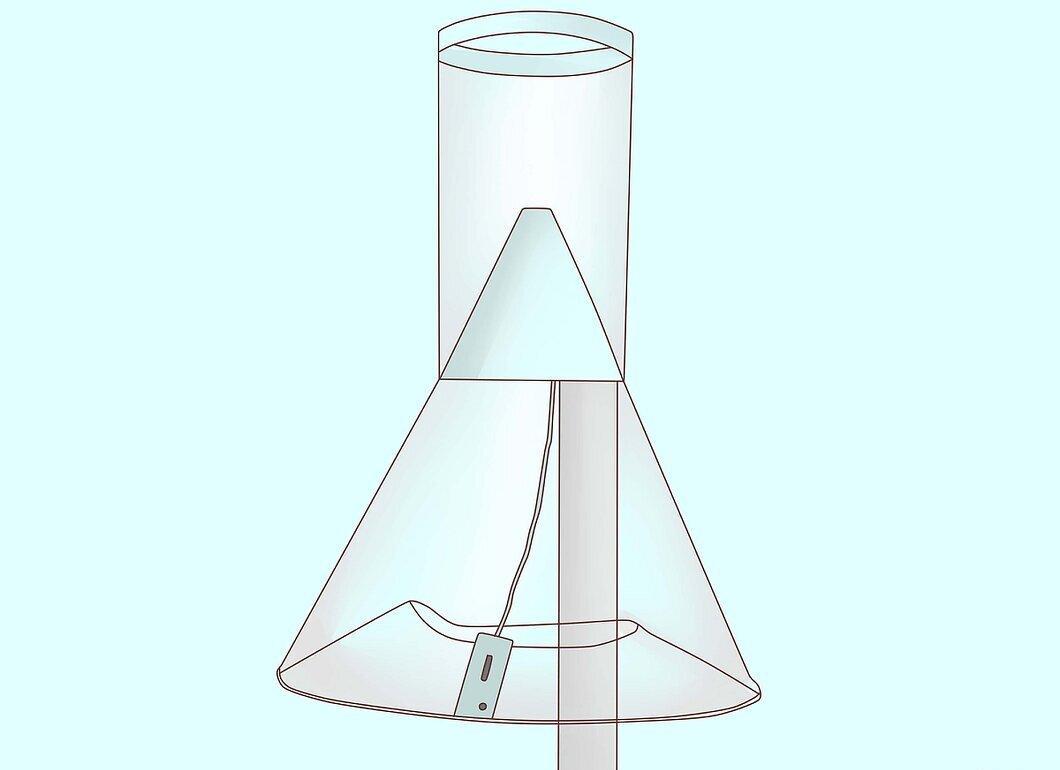
Place a trap to protect your structures. First, remove any attractants that might lure skunks. If the smell only persists for a few days, let the skunk pass by.
Step 3. Identify the Captured Skunk's Location.
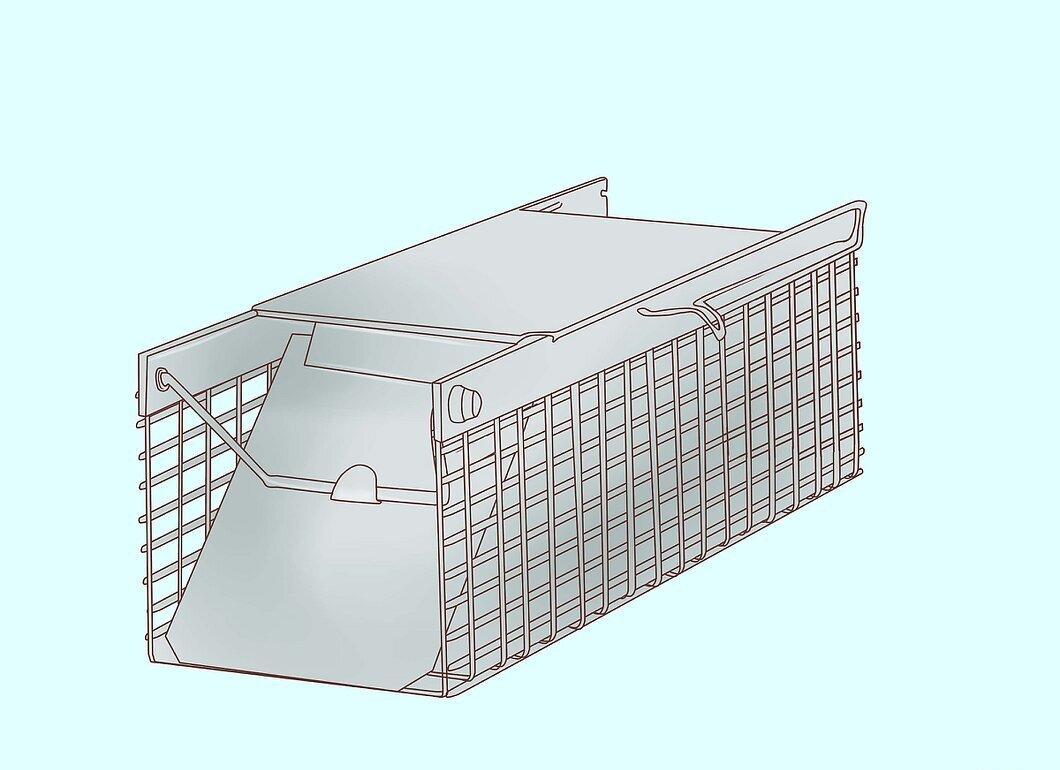
If you catch a skunk, open the trap door at dusk and leave it closed overnight. Skunks are nocturnal and will seek a new place to live.
- Check your windows. Skunks can get stuck in them.
- Try placing wooden or wire mesh at a 45-degree angle in window openings, allowing the skunk to escape. If this doesn't work, call a wildlife control service.
- Do not attempt to handle the skunk yourself.
Step 4. Locate the Skunk's Den.
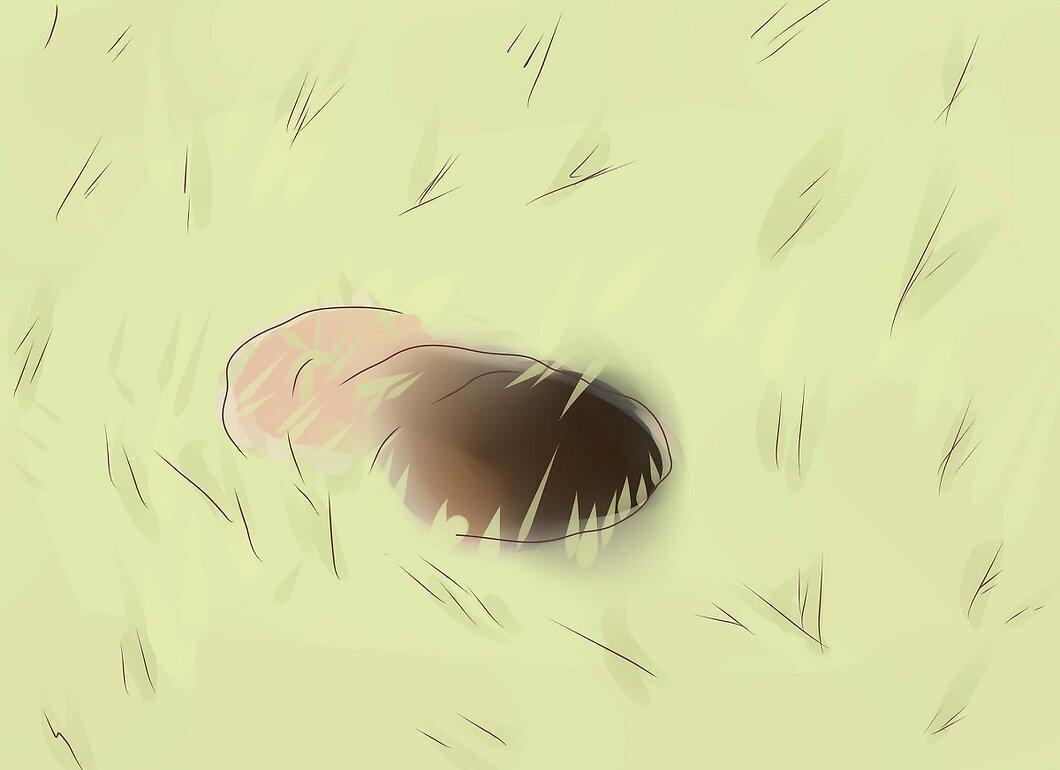
If you detect a strong sour and musky odor at a hole in the ground, check for a skunk den there.
- Cover the hole with leaves during the day when the skunk is likely sleeping. Don't cover it too tightly to avoid trapping the animal inside.
- In the morning, check to see if the leaves have been disturbed.
Step 5. Encourage the Skunk to Leave.
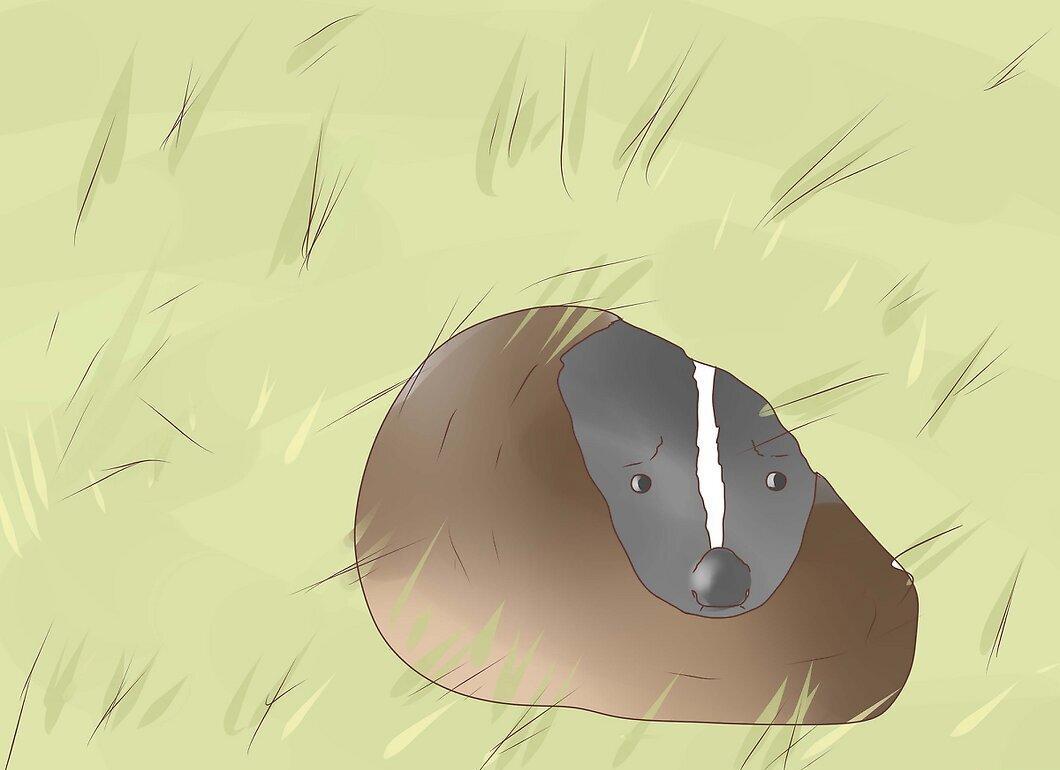
Create noise and light around the den to disturb the skunk while it sleeps. Set up bright lights and turn on a radio to encourage it to leave the area.
- Check the den with the leaves. If they remain undisturbed for several days, the skunk has likely left.
Step 6. Use Ammonia to Repel.
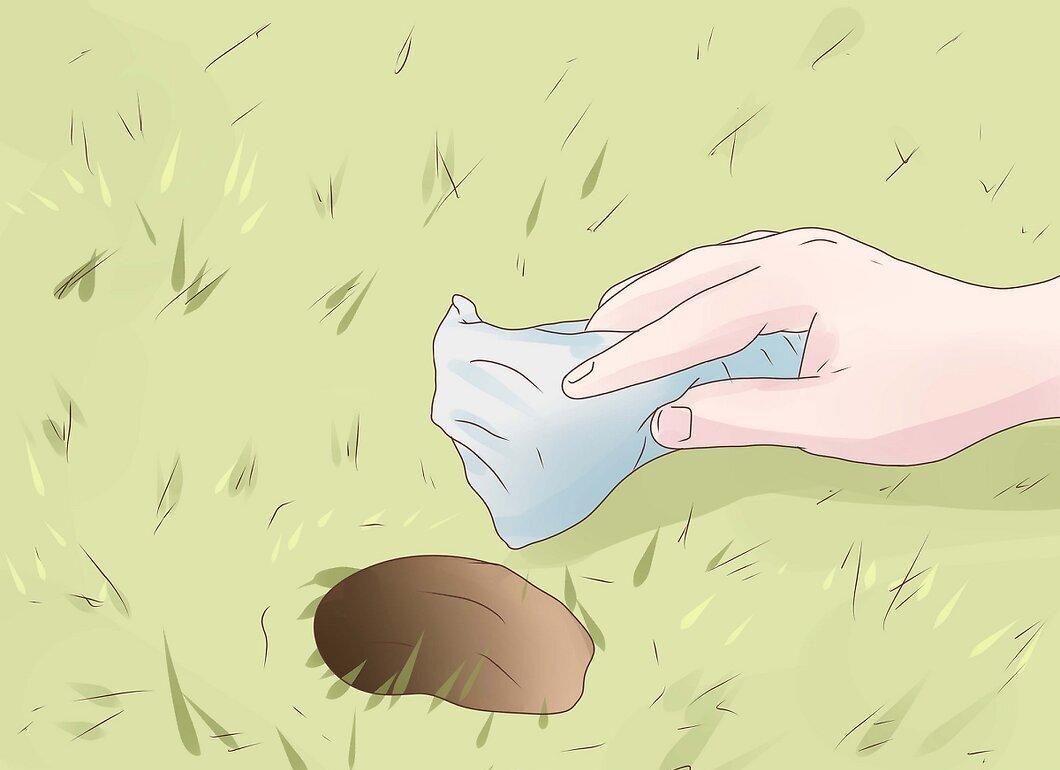
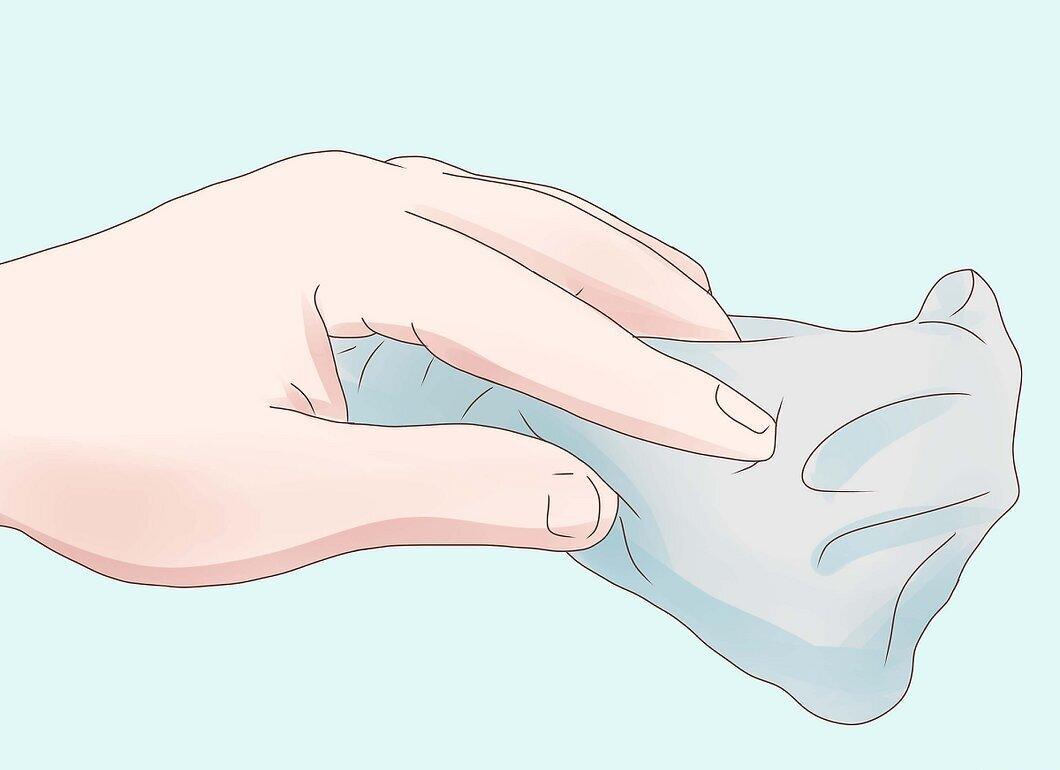
Soak a cloth in ammonia and place it at the entrance of the skunk's den. The smell of ammonia can be unpleasant for skunks.
- These methods are most effective when used directly at the den. If the skunk is living in a basement or another large space, it's better to use a one-way trap.
Step 7. Seal the Skunk Den.
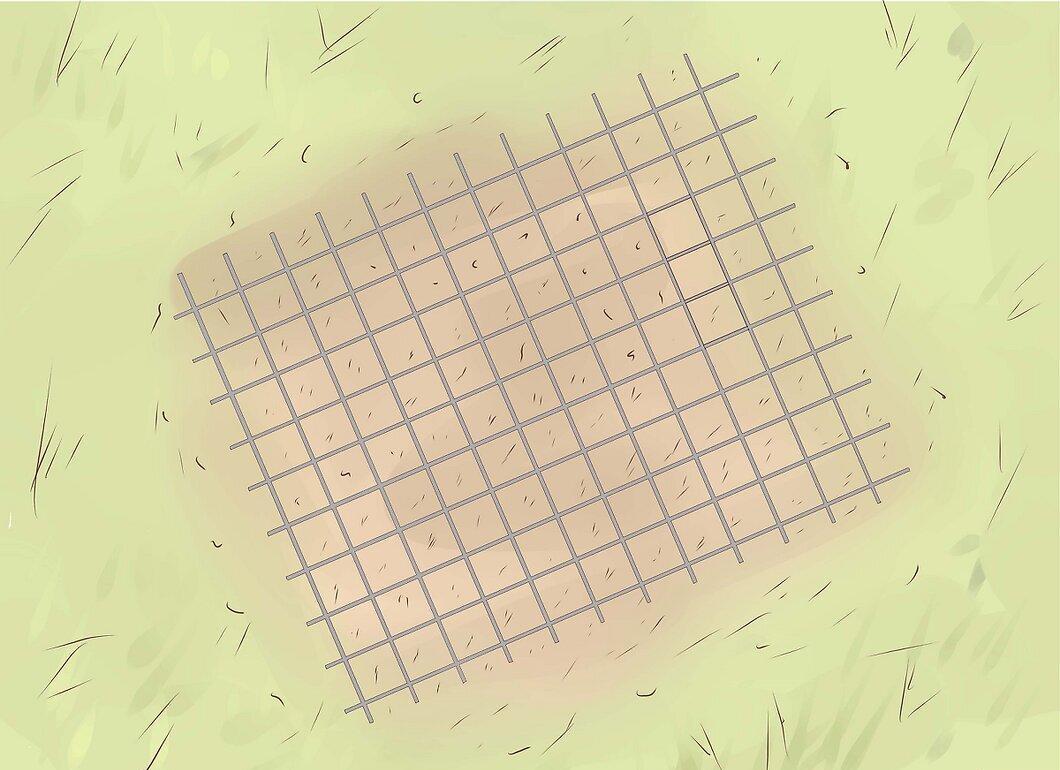
Once the den is vacated, fill it in with dirt and cover the entrance with wire mesh to prevent other animals from accessing it.
Using a One-Way Trap to Deter Skunks
Step 1. Find the Entry Point the Skunk Uses to Access Your Structure.
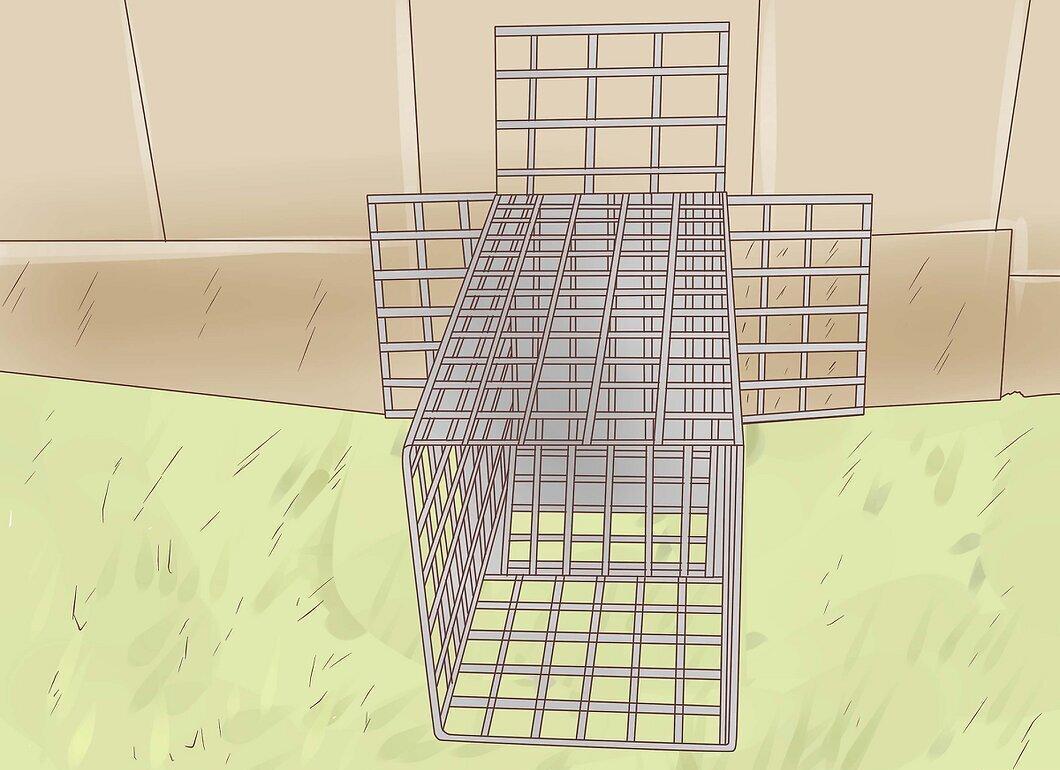
Identify the entry hole through which the skunk enters your home or garage. Set a one-way trap at each entry point to prevent it from returning.
Step 2. Wait if the Skunk Has Offspring.
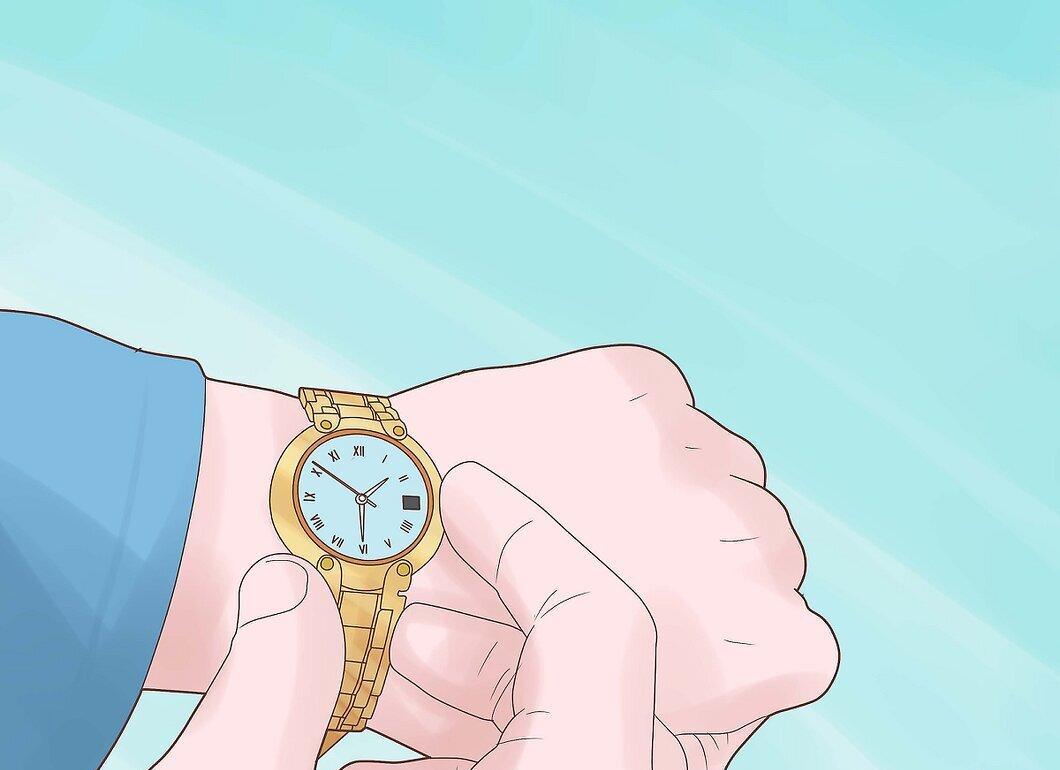
Wait until late spring or early summer if the skunk has young. Ensure the mother brings her young out before setting the trap, or they may starve.
Step 3. Purchase a Sturdy Hardware Cloth.

Buy a sturdy cloth that's 1 yard (1 meter) long. If the entry is larger than the cloth, cover part of it or choose a larger trap.
Step 4. Secure the Cloth at the Entry with Screws.
Attach the cloth to the top of the entry with screws. Make sure there's enough material on the sides and bottom. It should be heavy enough that a skunk can't move it.
- You may need to make several holes in the fabric before screwing it in place at stairways or basements.
Step 5. Ensure the Cloth is Flexible.
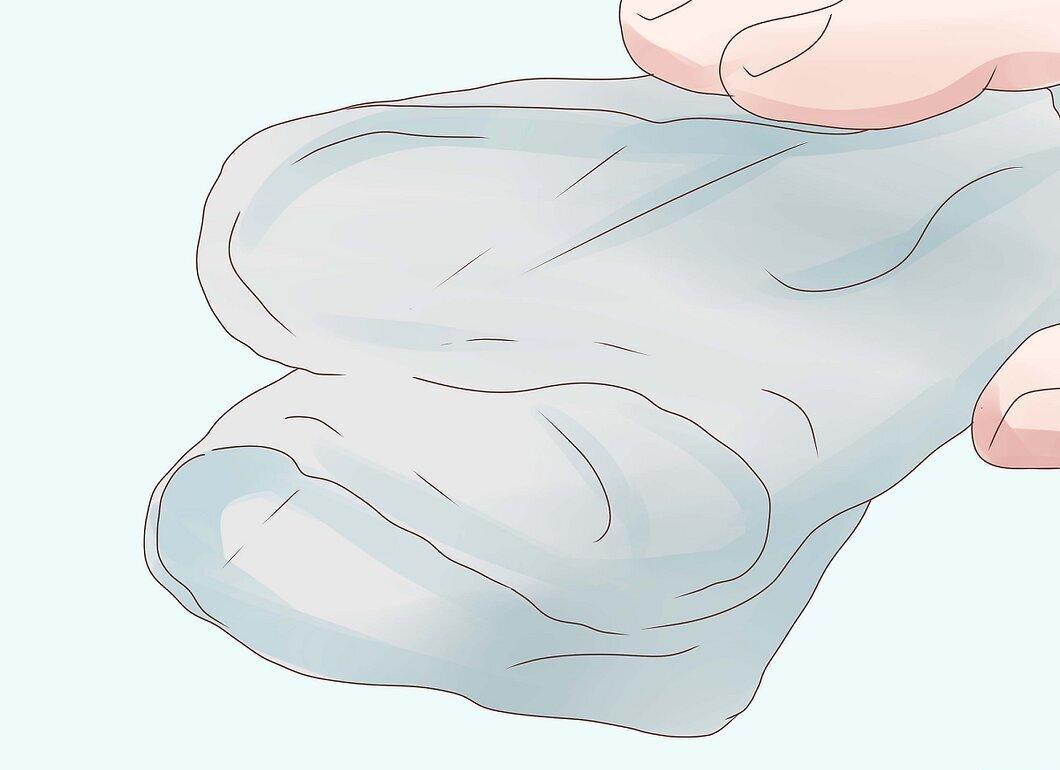
Make sure the material is flexible enough but does not allow the skunk to hide underneath it or crawl under the door.
- Choose a one-way trap made of wood or plastic. It can be purchased from pest control specialists or ordered online.
Step 6. Wait for the Skunk to Leave the Den.
Wait for the skunk to leave its den. Look for digging signs to confirm it has tried to return.
Step 7. Check for Skunk Tracks.
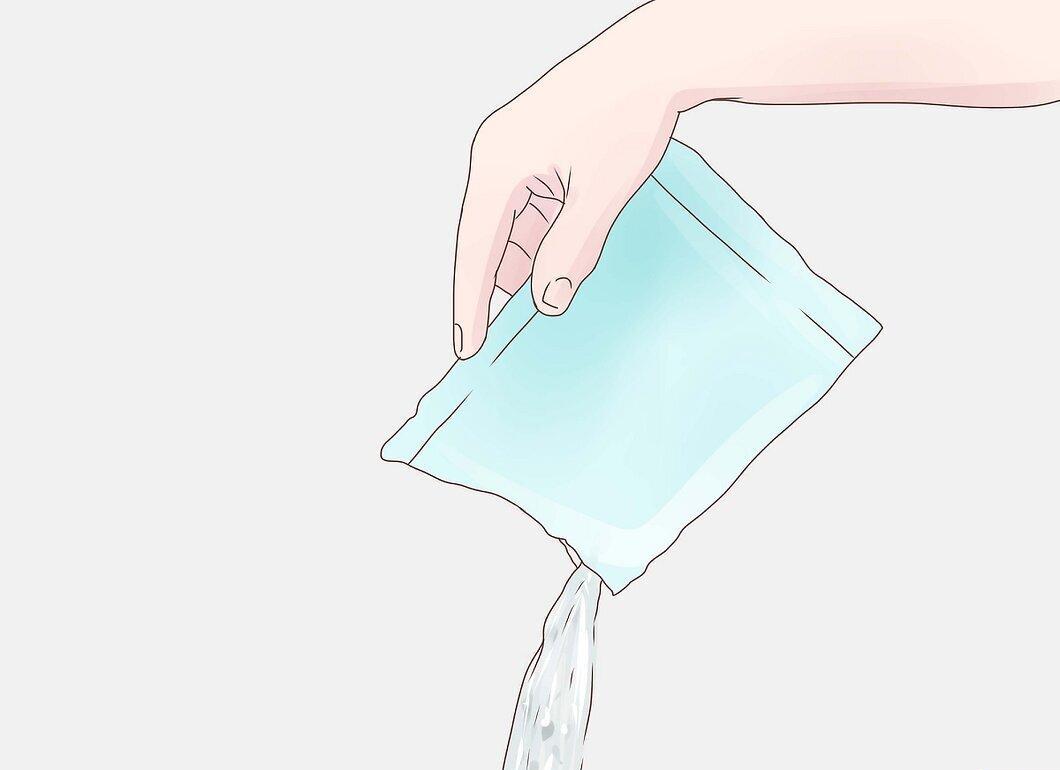
Sprinkle flour around the den area to see if there are any skunk tracks. If there are no tracks, it means the skunk has permanently left its den.