Frogs and toads, while similar in appearance, actually differ significantly. It's important to recognize which physical and behavioral traits will help you distinguish between them. For example, frogs are more often found near water bodies, while toads can be found much farther away. Additionally, frogs can jump higher than toads. If you pay attention to the details, distinguishing these amphibians will be straightforward.
Assess Physical Characteristics
Step 1. Check the Hind Legs.
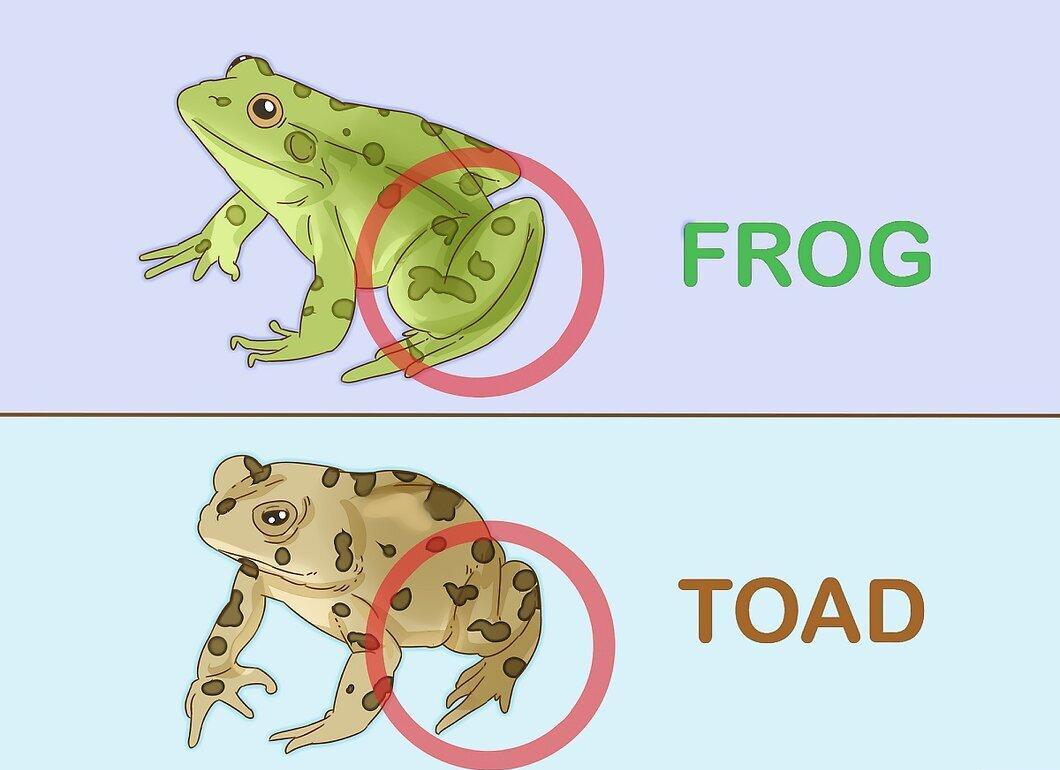
Look at the hind limbs. The length of the legs will help you determine who you are looking at. If you can get closer, pay special attention to the hind legs.
- Frogs have very long hind legs as they jump actively. These legs are often larger than their heads and bodies.
- Toads have shorter hind limbs since they tend to crawl. Their legs are usually smaller than their heads and bodies.
Step 2. Examine the Limbs.
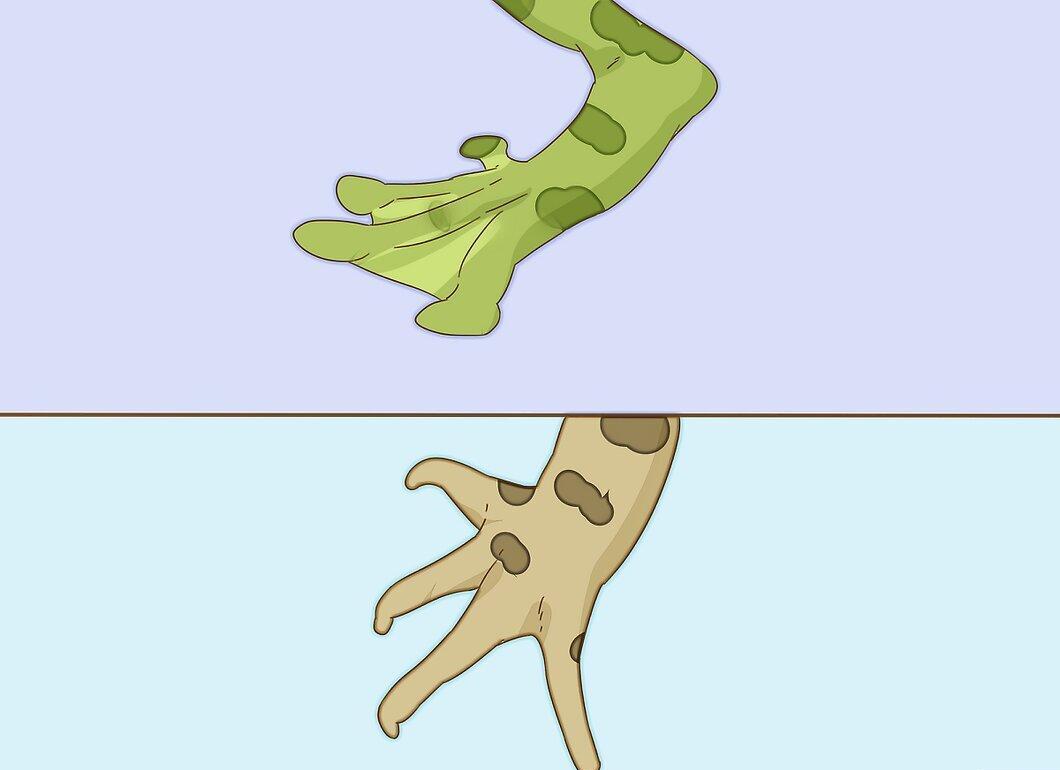
Look at the limbs. Frogs often have webbing as they spend a significant portion of their lives in water. You can notice webbing on their hind legs, and in some species, even on their front ones. Frogs also have sticky pads on their feet. Toads typically have non-webbed limbs and lack pads.
Step 3. Evaluate the Body Shape.
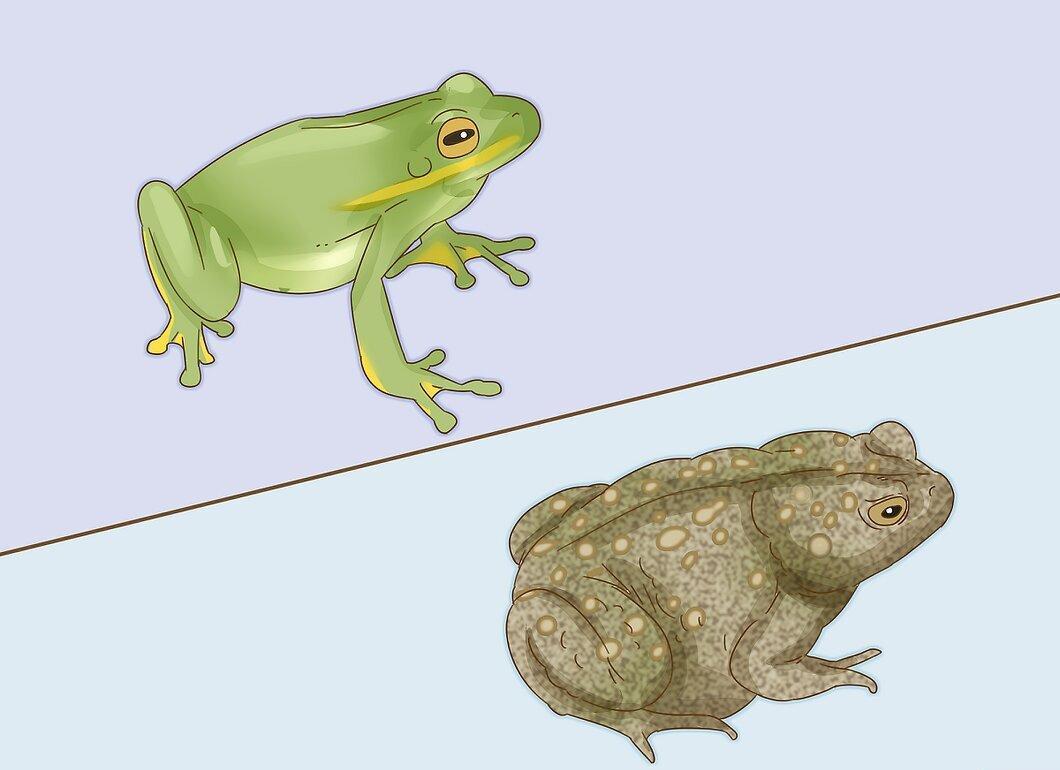
Pay attention to the body shape. Frogs generally appear long and muscular, while toads are shorter and more squat.
- If you encounter a slender amphibian with elongated limbs, it's likely a frog.
- If the creature has a short, stocky body with small legs, it's probably a toad.
Step 4. Assess Skin Condition.
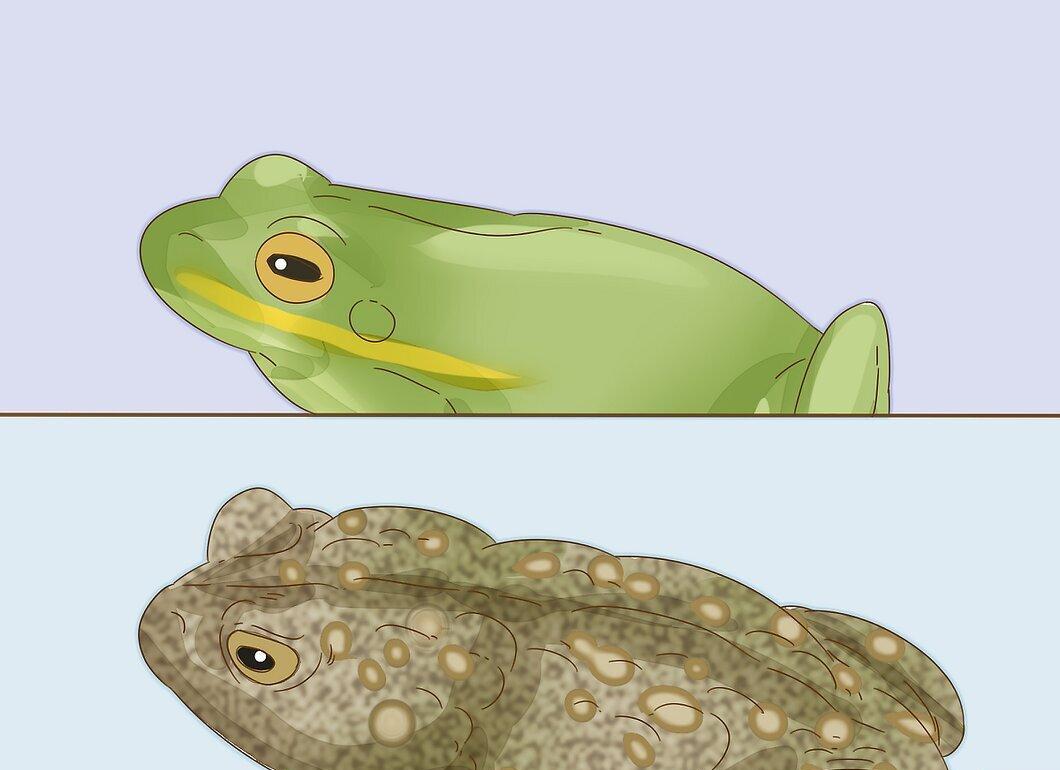
Notice the skin texture. Frog skin is usually smooth, while toad skin has a bumpy surface. Frogs have elastic, smooth skin, while toads often look like they have warts.
Step 5. Investigate Color.
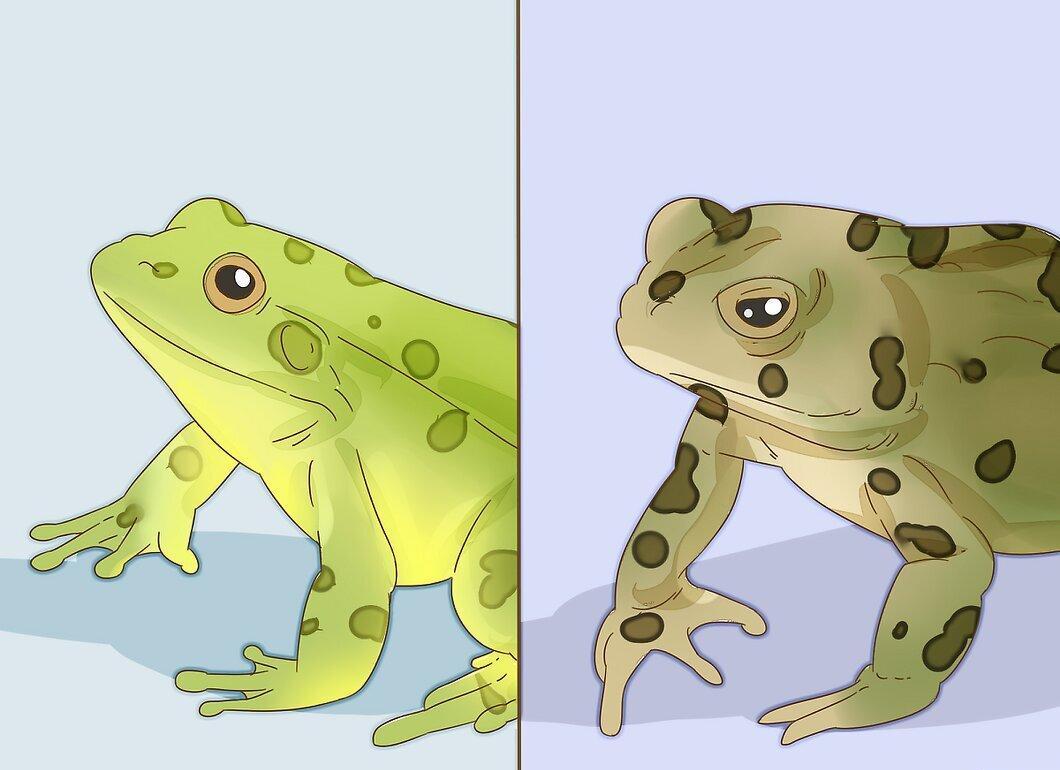
Pay attention to coloration. Frogs are often lighter and have greenish hues. Toads, while they can be green, are usually darker.
- Toads can range from dark green to olive.
- Frogs, on the other hand, have brighter and yellowish tones. Some may be yellow-olive.
- However, don’t rely solely on color, as some frogs can be brownish-green.
Study Behavior
Step 1. Observe Jumping.
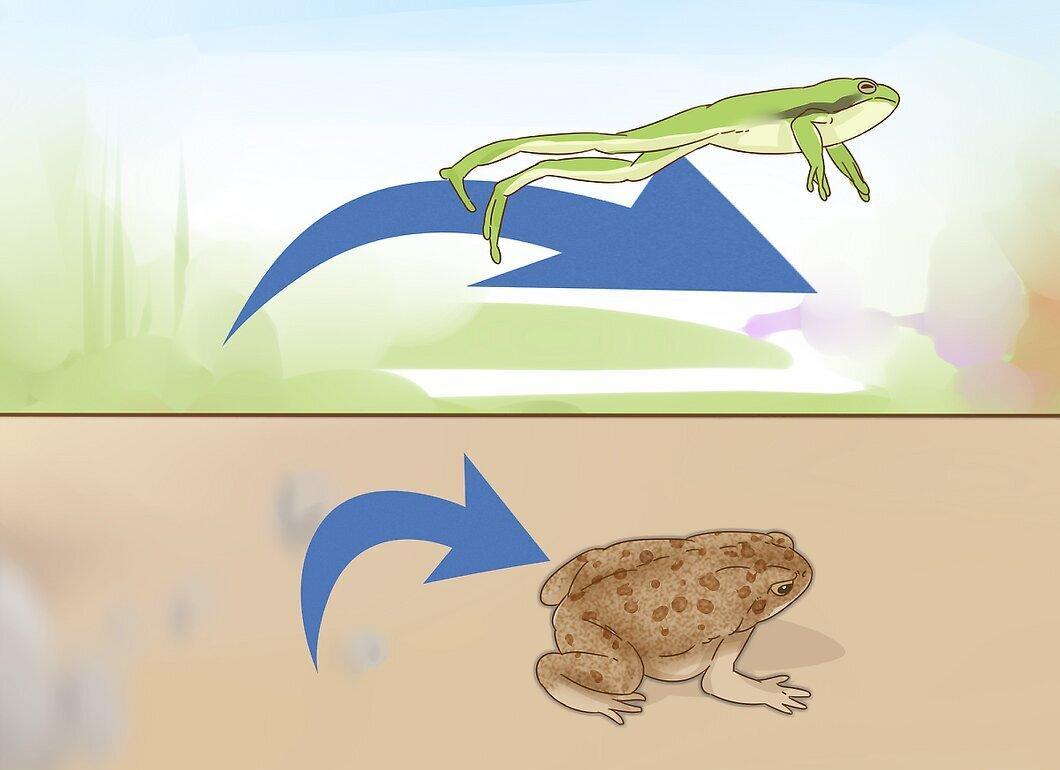
Watch how the animal jumps. Both frogs and toads can jump, but frogs do it much more often and higher.
- Frogs can make high and long jumps.
- Toads only make small jumps and cannot jump far.
Step 2. Notice the Movement Style.
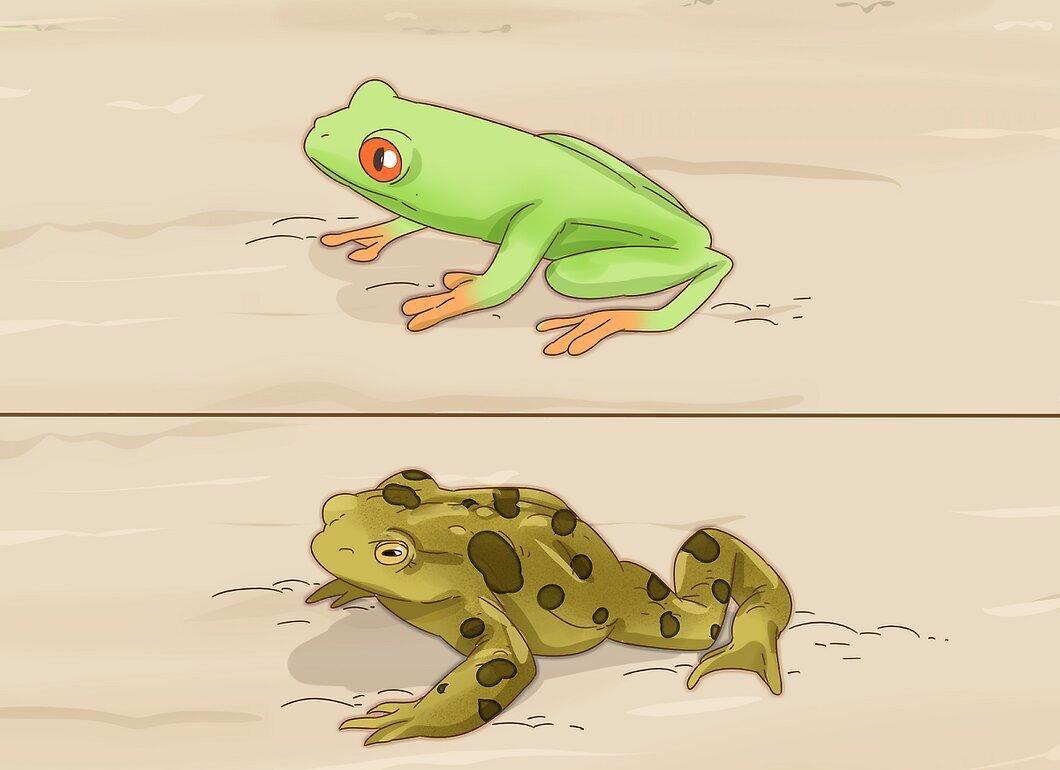
See if the animal is crawling. Toads crawl significantly more than they jump. Crawling is their primary mode of movement. Frogs are rarely seen in this position. If you see a crawling amphibian, it’s likely a toad.
- Keep in mind other factors, as an injured frog may also crawl.
Step 3. Consider the Habitat.
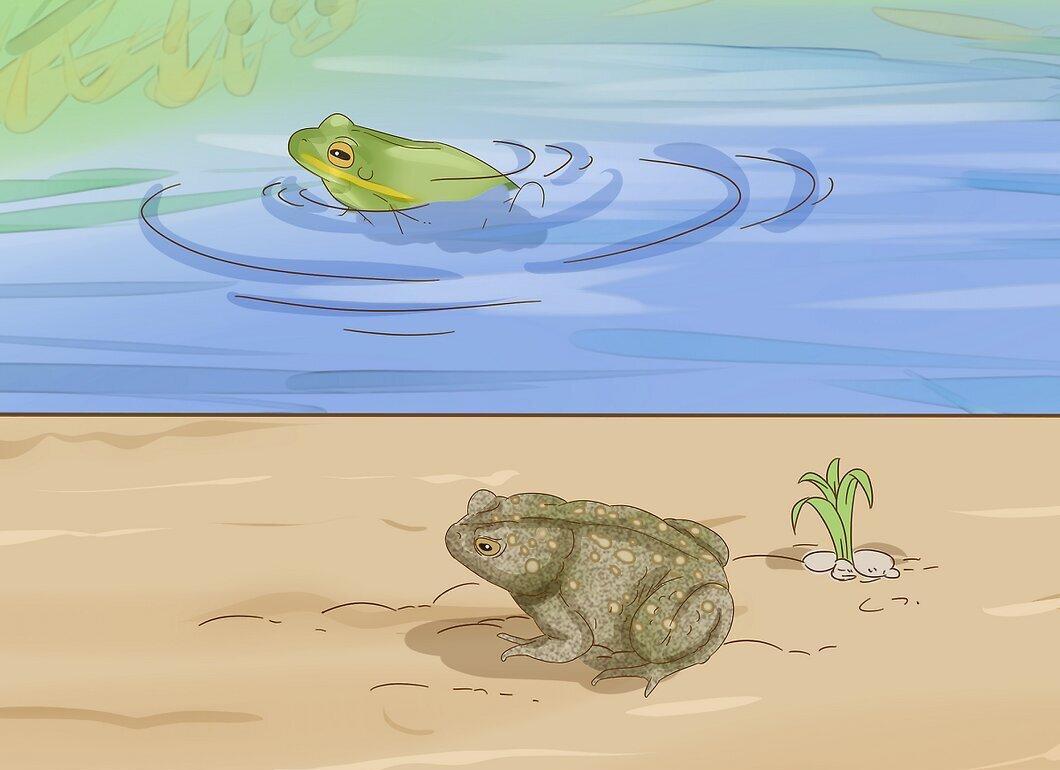
Take into account where you found the animal. Frogs need to be close to water, whereas toads can stay far from water bodies for long periods. If you see an animal near water, it’s likely a frog. If it’s far from a water source, then it’s probably a toad. Frogs don’t tend to wander far from water bodies.
How to Avoid Problems with Frogs and Toads
Step 1. Reduce Lighting to Minimize Noise.
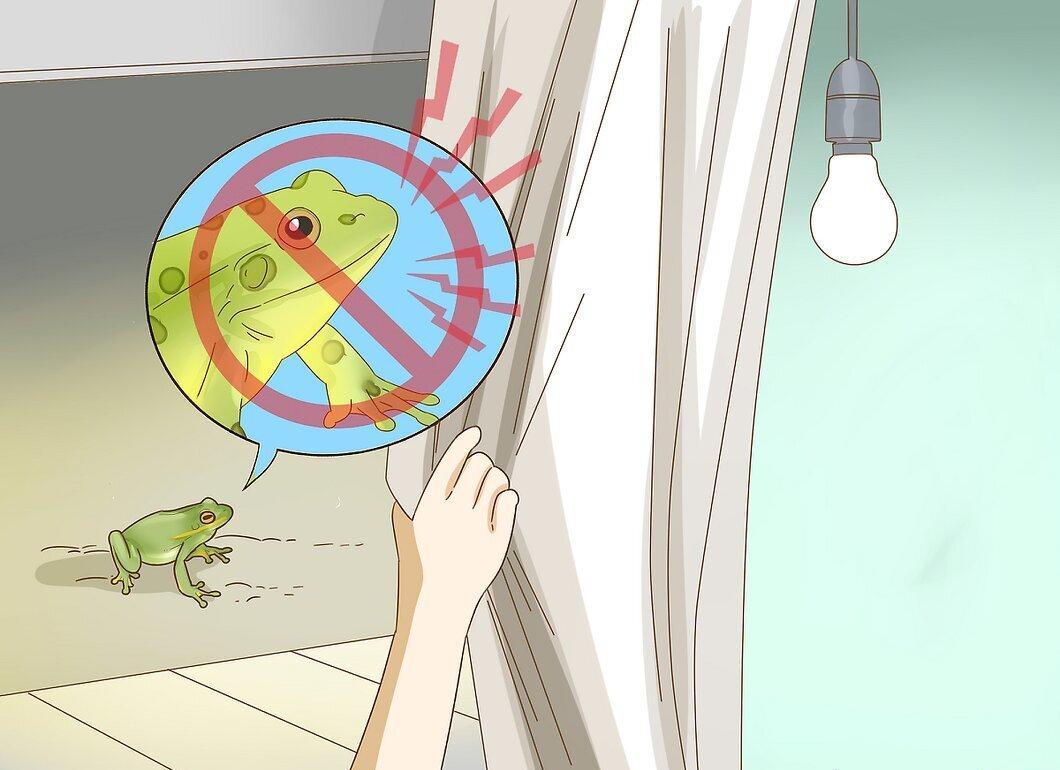
Lower the lighting to reduce noise from frogs. These amphibians can make a lot of sounds at night, especially during breeding season. Frogs attract insects, and bright lights can encourage them to come near your home.
- If you live in a house, turn off outdoor and garden lights at night.
- To avoid attracting insects indoors, you can use curtains.
Step 2. Keep Dogs Away from Frogs and Toads.
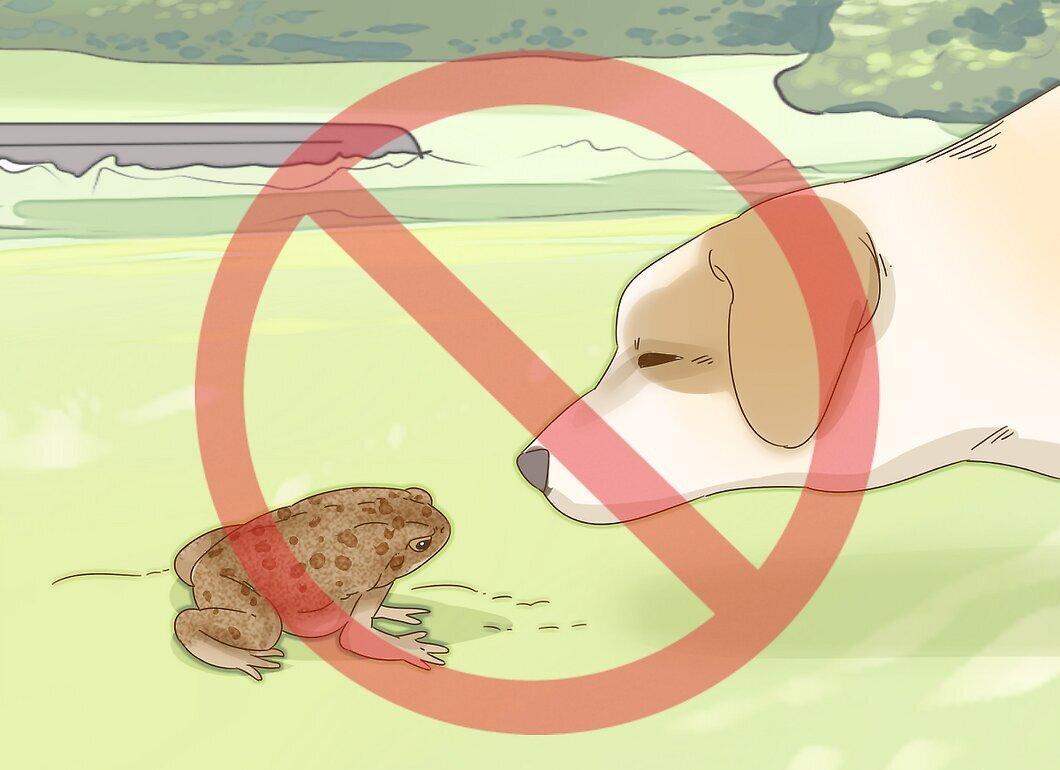
Protect your dogs from encountering frogs and toads. Some of them can be toxic to your pets. If a dog grabs a toad, it can release toxins harmful to it. If you notice your pet has found a toad, take it to the vet immediately.
- Symptoms of toad poisoning include excessive drooling, rubbing their eyes or mouth with paws, seizures, difficulty breathing, and unsteady walking.
- If you observe any of these signs, seek medical help right away.
Step 3. Wash Hands After Contact with Frogs or Toads.
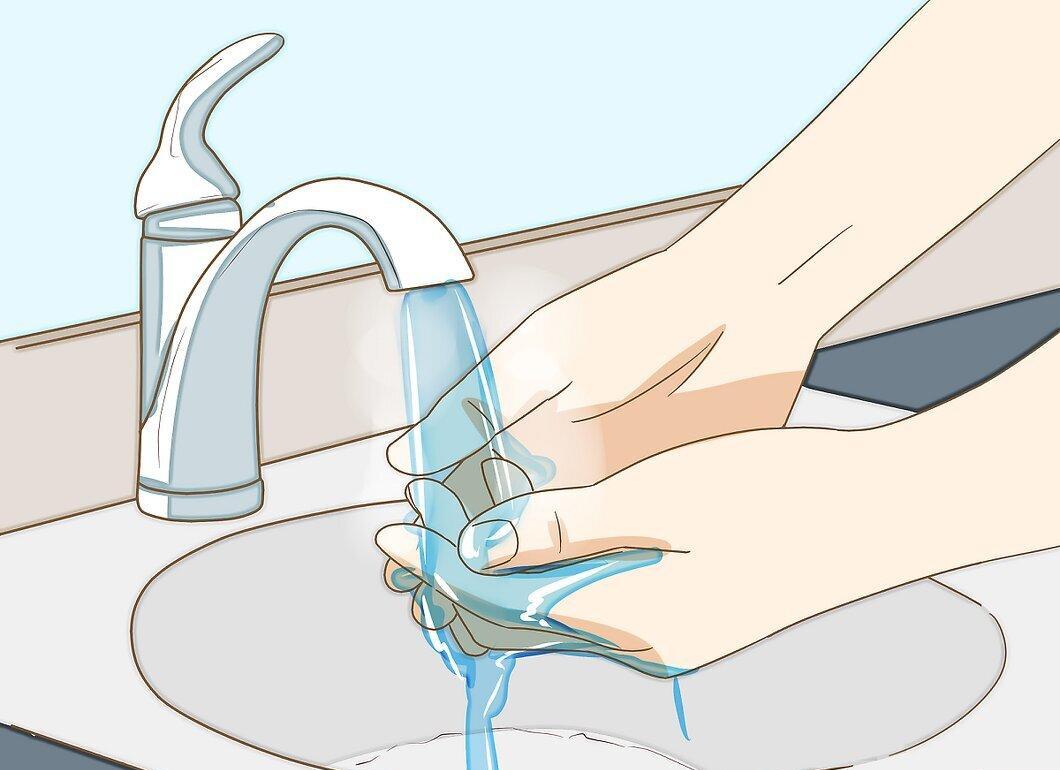
Be sure to wash your hands after touching a frog or toad. In general, try to avoid contact with wild animals. However, if you do touch them, remember to wash your hands thoroughly.
- If your child picks up a frog or toad, make sure to help them wash their hands.
Step 4. Do Not Keep Wild Frogs and Toads as Pets.
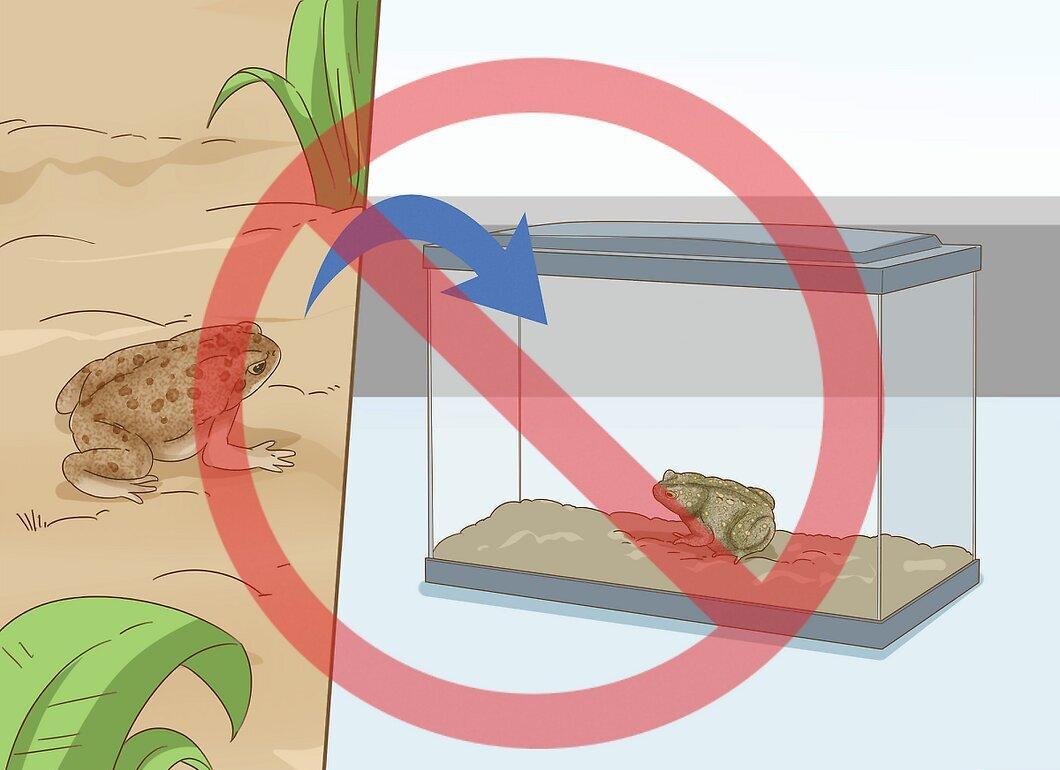
It’s a bad idea to keep wild frogs and toads as pets. Wild animals cannot adapt to life in captivity and may experience stress. They can also carry various diseases. If you want a frog or toad as a pet, it’s better to buy one from a pet store.
Step 5. Properly Care for Your Pet Frog or Toad.
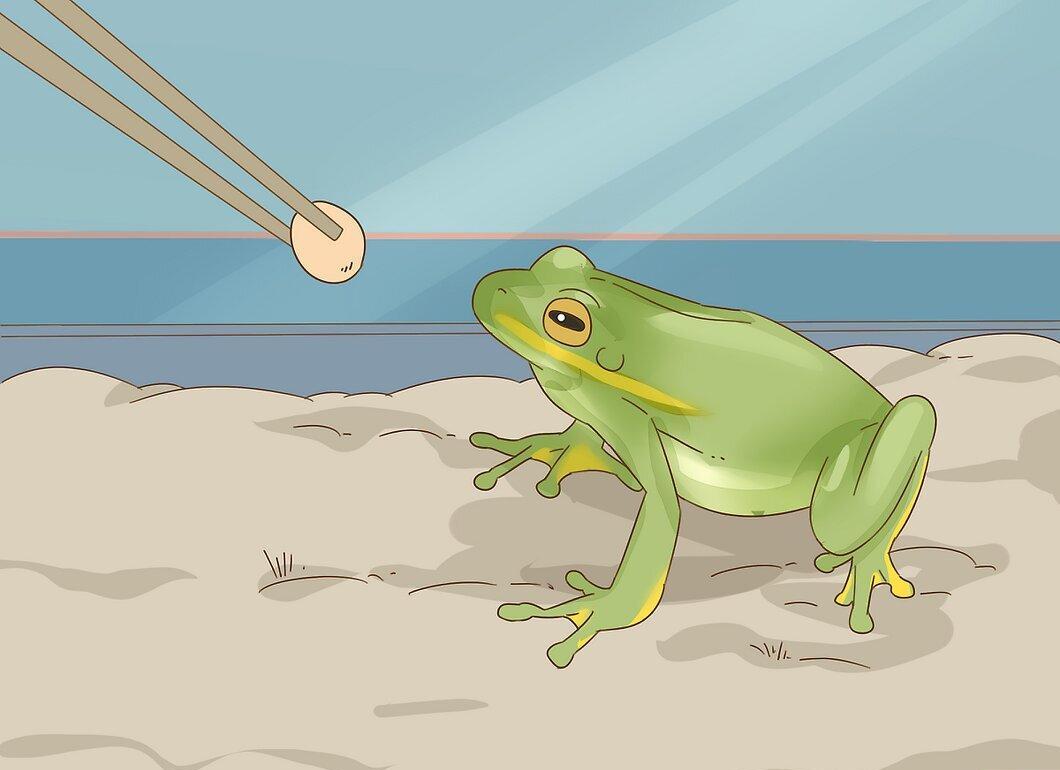
Ensure you take good care of your pet. Pet stores offer frogs and toads that can become your beloved companions. Make sure you can provide them with proper care and comfortable conditions.
- Regularly clean their aquarium or terrarium as a dirty home can pose a health risk to the pet.
- Frogs and toads require a varied diet. Pet stores sell food made of crickets and mealworms, but it’s also important to give them other insects for a complete diet. For example, you’ll need to feed them grasshoppers, snails, and silkworms.
- Limit contact with pet amphibians. Even pets from pet stores can carry diseases. Wash your hands after interacting with animals and avoid cleaning their cages in the kitchen or bathroom, don’t kiss or hug your pets.