Raising goats is a wonderful activity that can bring the whole family together if done thoughtfully. There are many ways to set up a goat farm, and we present you with several essential steps.
Choosing Your Animals
Step 1. Research Local Livestock Regulations.
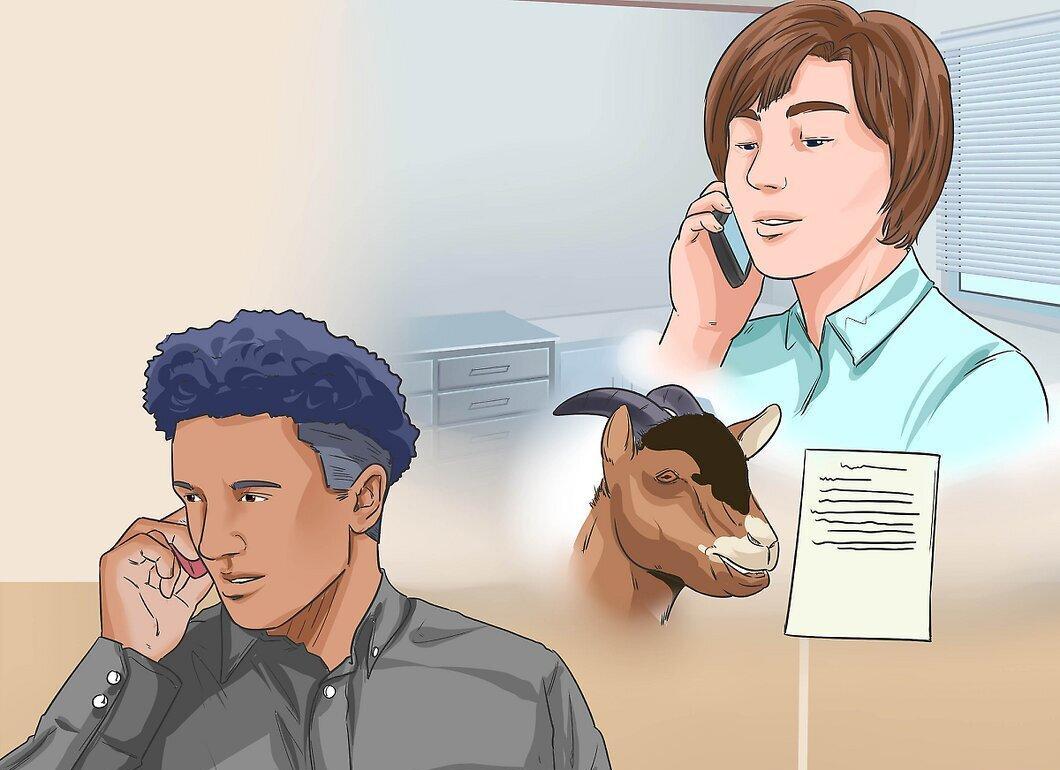
First and foremost, familiarize yourself with the local regulations governing animal husbandry. For instance, starting a goat farm in an urban area can be quite challenging. Contact your local authorities to find out which breeds are permitted for breeding, as well as any requirements and restrictions that may apply. Don’t forget to consult with the landowner where you plan to operate.
- Breeding goats for personal use and for commercial purposes are two entirely different matters, and they may be subject to different laws.[1] Source
Step 2. Acquire At Least Two Goats.
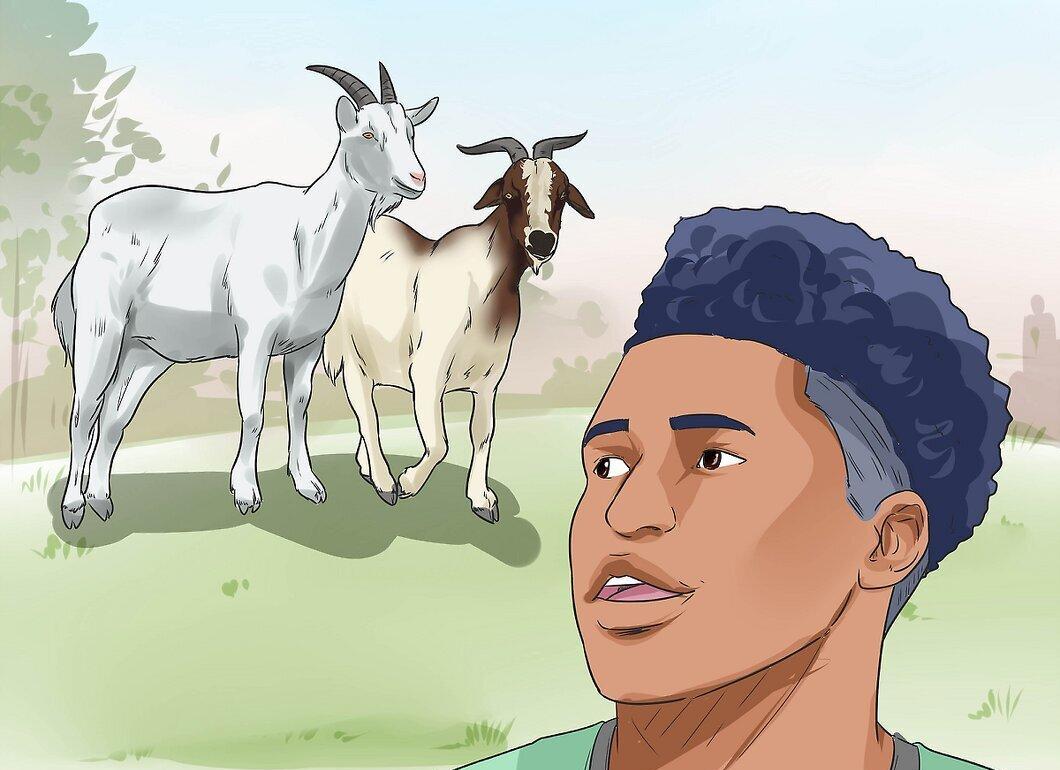
You need to purchase at least two animals. Goats are social creatures and can become stubborn and prone to escape when alone. There should be no less than two animals in each pen, and since males cannot be kept with females (unless they are neutered), it’s advisable to acquire more than two goats right from the start.
Step 3. Determine How Many Goats and Bucks You Need.
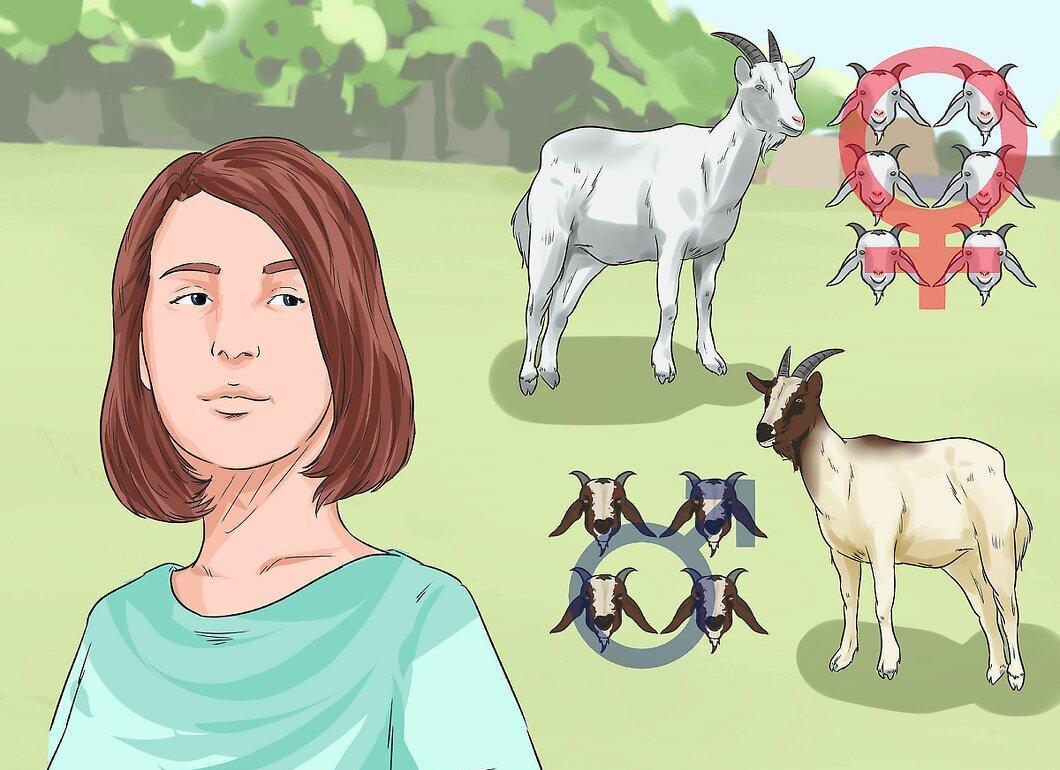
Decide how many goats and bucks you will need. Note that bucks can be either castrated or uncastrated. For goats to start producing milk, they need to be bred, but breeding uncastrated bucks can be quite complicated, as they require separate housing, have a distinctive smell, and can be aggressive. Initially, it might be easier to buy two does and rent a buck for breeding purposes as needed.
- Don’t expect breeding benefits from castrated bucks, as their fate is typically to become meat.
- If you are acquiring a buck for breeding, choose one with a good pedigree to know what to expect from the offspring.
Step 4. Decide on the Age of the Animals.
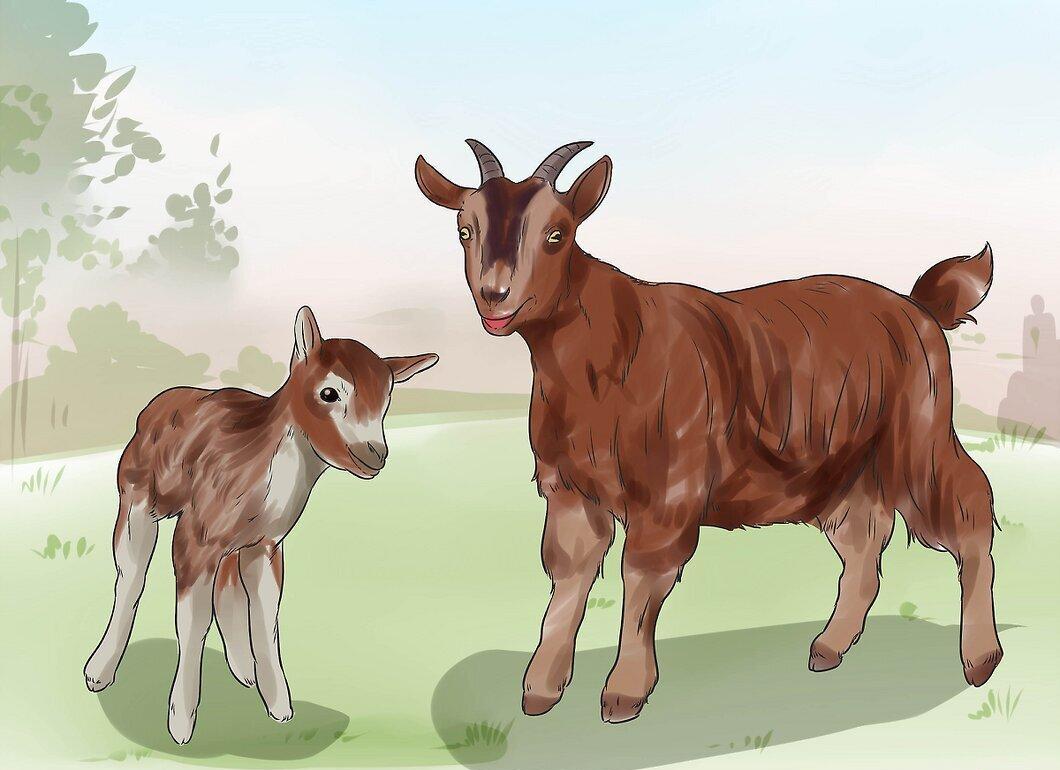
Choose animals based on their age. Kids, especially around two months old, usually cost less and have a calmer demeanor, but they will take about one to two years before they can produce milk or meat. Older kids require less time to adapt, but some may already be sexually mature, allowing for earlier milking. Adult animals can also be purchased at reasonable prices, but be cautious not to fall for sellers trying to offload unhealthy animals.
Step 5. Select the Appropriate Breed.
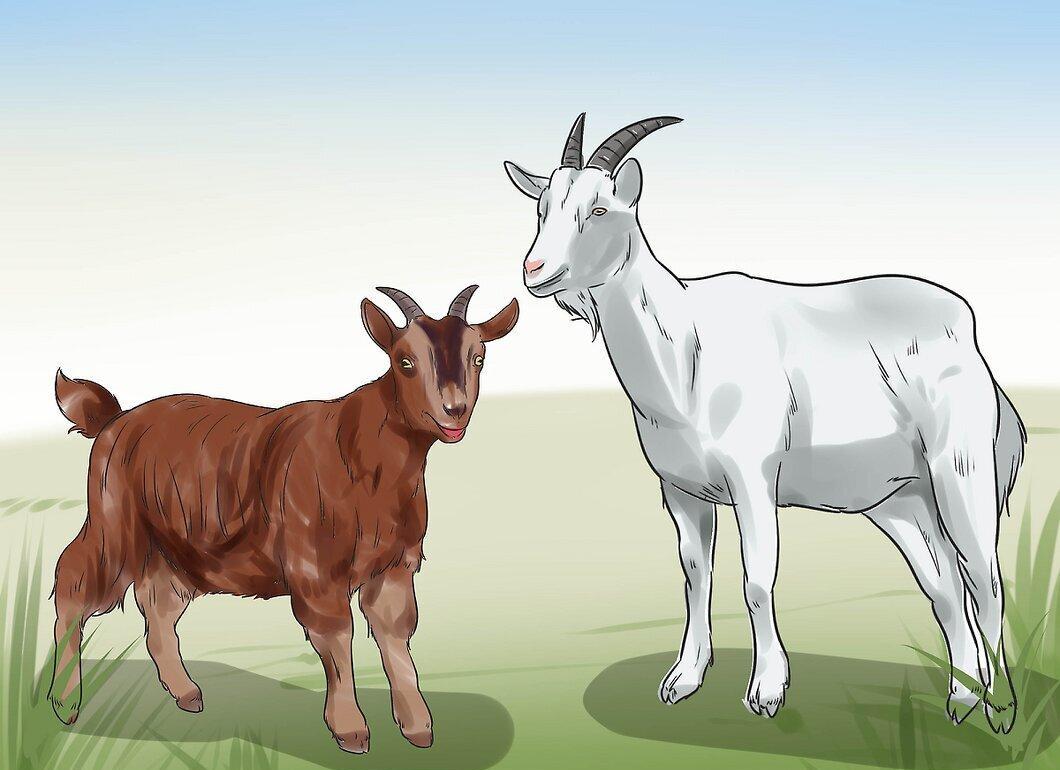
Decide on the breed. The breed name is less important than its purpose—whether it’s for milk, meat, meat and milk, or fiber. Find out what breeds are raised in your region, their characteristics, and other important aspects. It’s best to know in advance why one herd is calm while another is aggressive or prone to illnesses.
- You might be interested in learning about milking, shearing, or slaughtering goats. Additionally, the presence of a nearby slaughterhouse can be a compelling reason to raise meat breeds.
Step 6. Assess Your Costs.
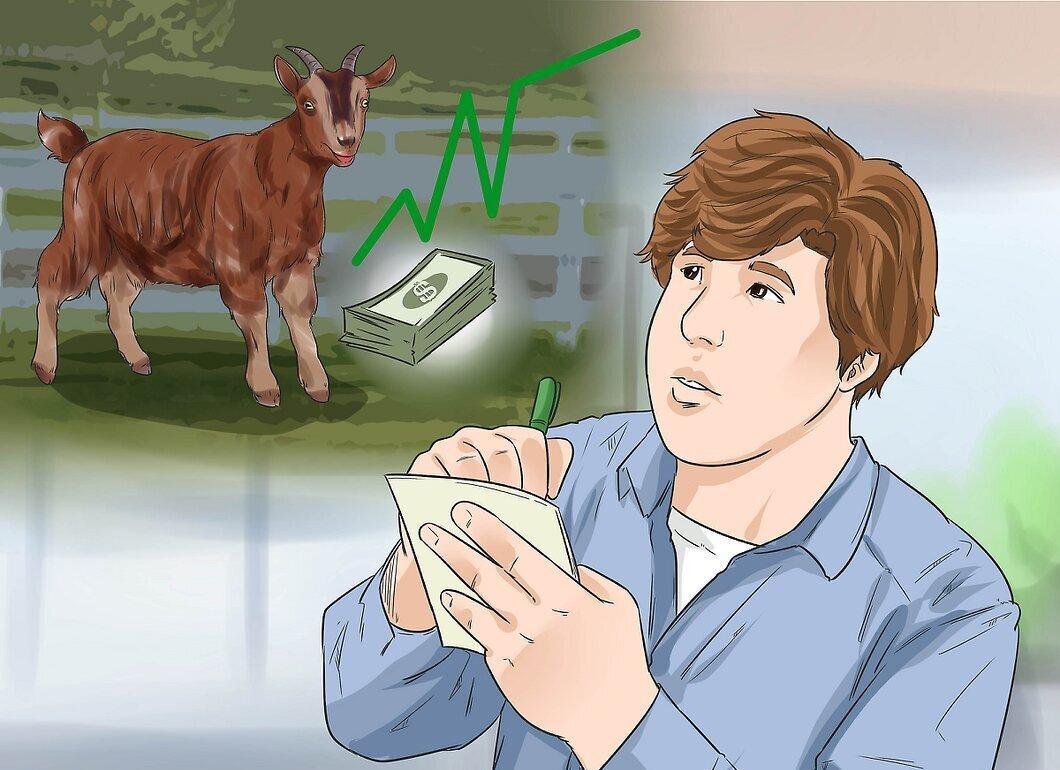
Preliminary cost assessment is essential. Of course, exact figures will depend on your region, so it’s wise to set a budget in advance, especially if you plan to breed commercially. Talking to other goat farmers can provide you with a wealth of useful information. If you discover that you lack sufficient funds, it might be worth reconsidering your plans—for example, by reducing the number of animals or choosing more affordable breeds. Keep in mind that you may not see profit from the farm for the first year or two, especially if you’re raising kids and building the farm from scratch.
- What is the cost of keeping a goat or a buck? Try to find the most accurate data.
- How much milk can one goat of your chosen dairy breed produce? What price can you sell it for?
- How much meat can you obtain from one animal of a meat breed? Is there demand for it? Is it consistent or seasonal?
- Do you have a buffer for unexpected expenses, such as fence repairs or animal illnesses?
Preparing the Farm
Step 1. Install a Secure Fence.
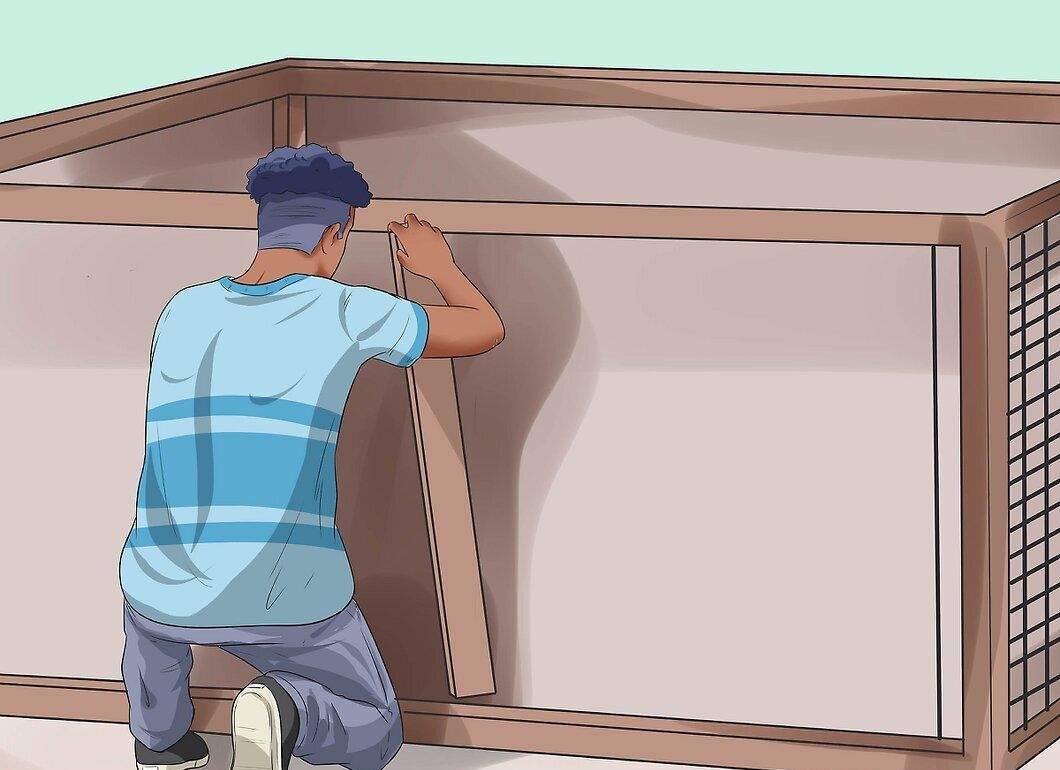
A secure fence is a must. Goats are excellent climbers and can easily squeeze through gaps. The fence should be at least 1.5 meters high and constructed in such a way that the animals cannot climb over it. The fence separating the pens for does and uncastrated bucks should be particularly sturdy to avoid unexpected situations.
- Avoid keeping animals of significantly different sizes together unless they are does and kids.
- Uncastrated bucks can display aggression when they smell a female, so such animals should be kept separate from the others, even if you don’t mind when and from whom your does get pregnant.
Step 2. Create a Pen for the Goats.
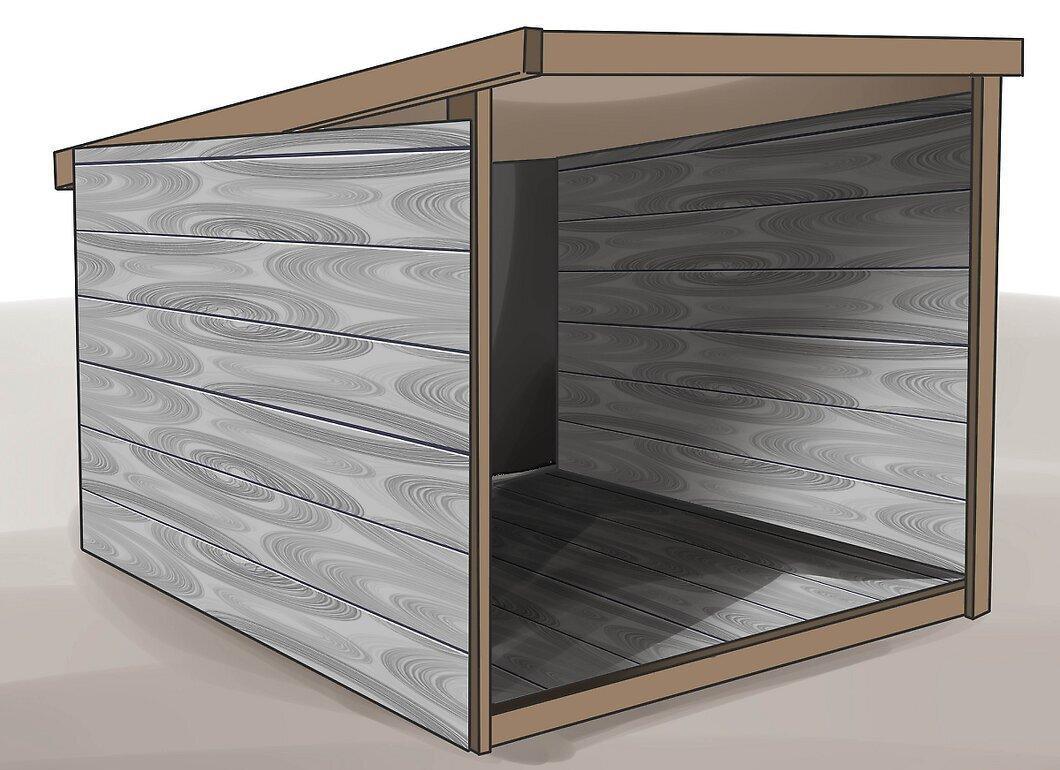
Don’t forget to build a pen for the goats—they need shelter from rain and cold. A small shed will suffice. If you live in a warm climate, three walls may be enough, while in a colder region, it’s better to have a pen with four walls, as long as the animals can go outside during the day.
- Goats dislike puddles and dampness. If you live in a rainy climate, it’s advisable to provide a more spacious pen.
Step 3. Remove Poisonous and Strong-Smelling Plants from the Pasture.
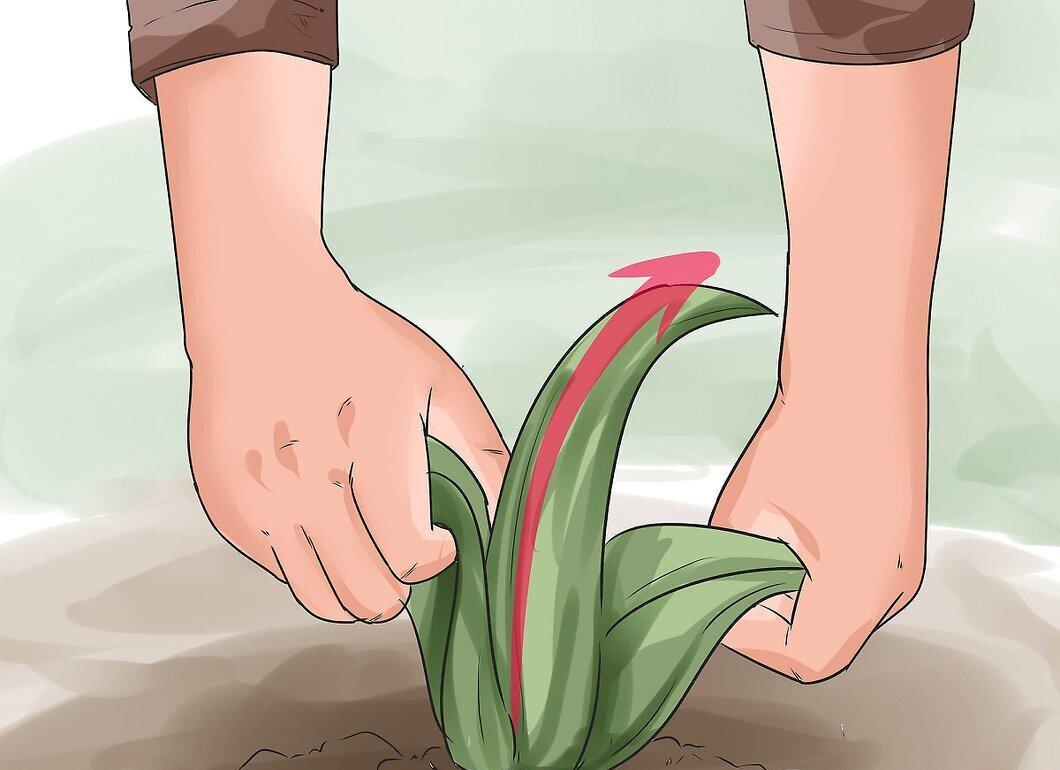
Eliminate poisonous and strongly scented plants from the pasture. Goats are not picky eaters and may munch on anything, including plants that are dangerous for them. If the animals have enough feed, they may ignore toxic shrubs, but it’s still best to find out which plants are hazardous and remove them. It’s especially important to remove plants whose smell may spoil the milk, such as onions, dill, cabbage, and others.
Step 4. Acquire All Necessary Supplies.
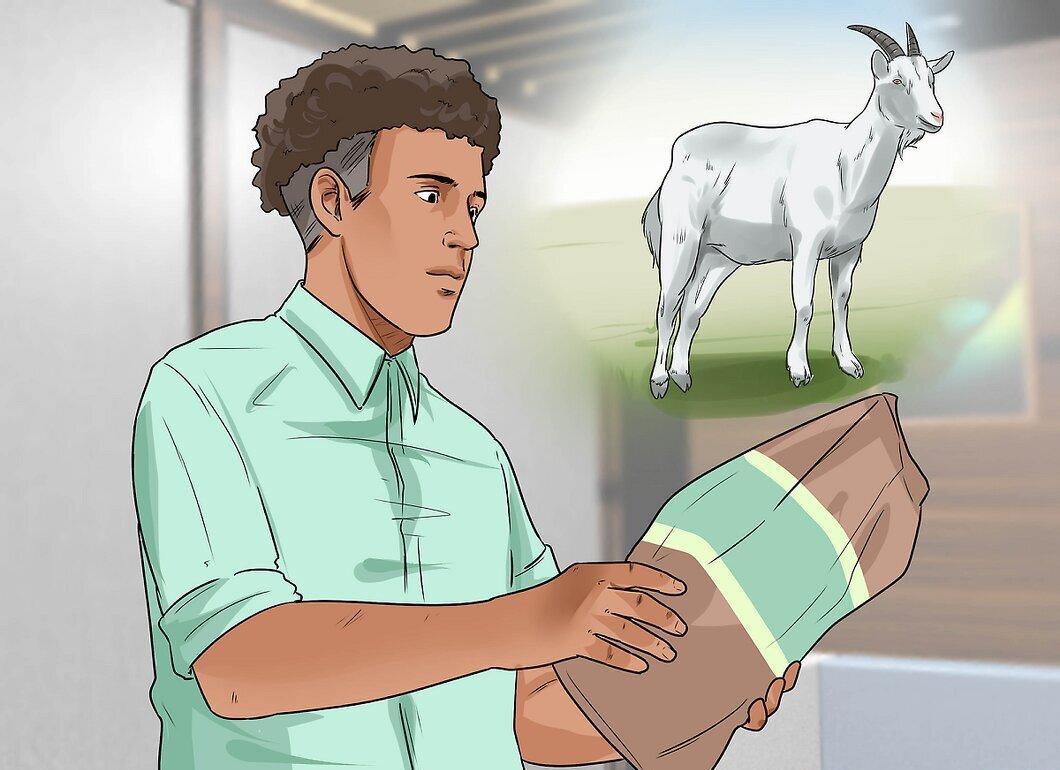
Gather all the necessary supplies for goat care. You will need feed, water buckets, balanced feed mixes rich in calcium and phosphorus (in a 1:2:1 ratio for prevention), as well as minerals and supplements. At this stage, it would be beneficial to consult with an experienced veterinarian or animal specialist.
Getting Started
Step 1. Disbud Young Kids.
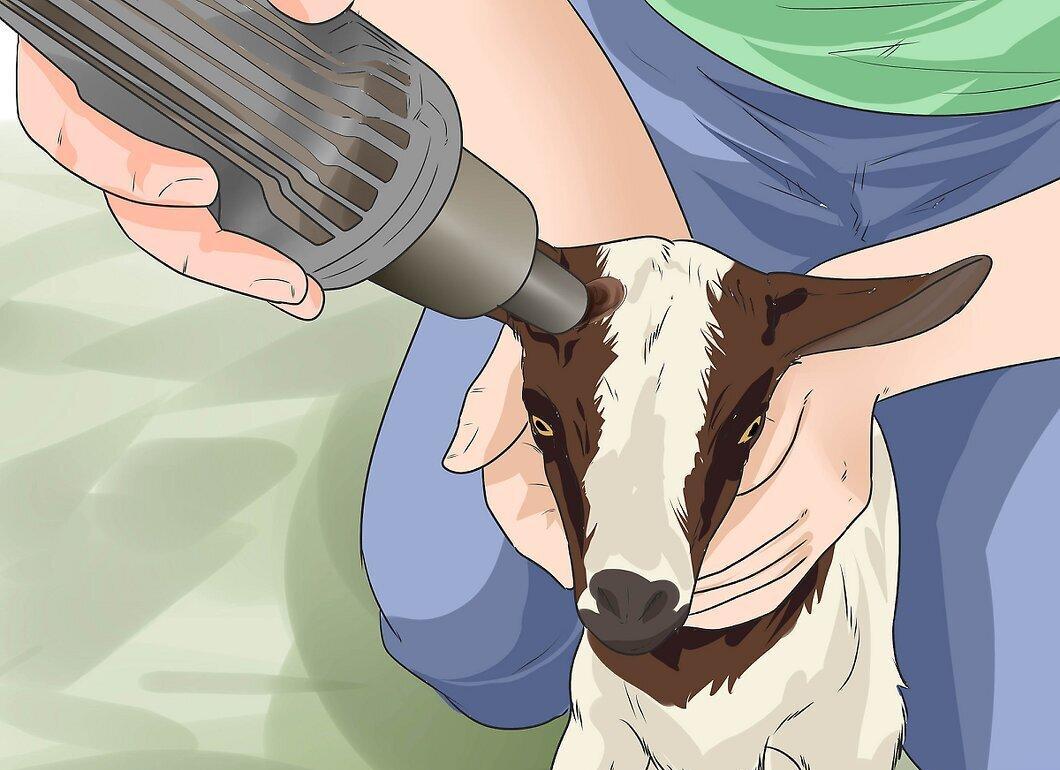
Disbudding is an important procedure for many goat breeds, as horns can be dangerous. It’s best to perform this procedure in the third week of the kid’s life. This can be painful for both the animal and the farmer, so it’s advisable to hire a veterinarian who uses anesthesia.
- There are also naturally polled breeds that do not require this procedure.
Step 2. Neuter Young Bucks.
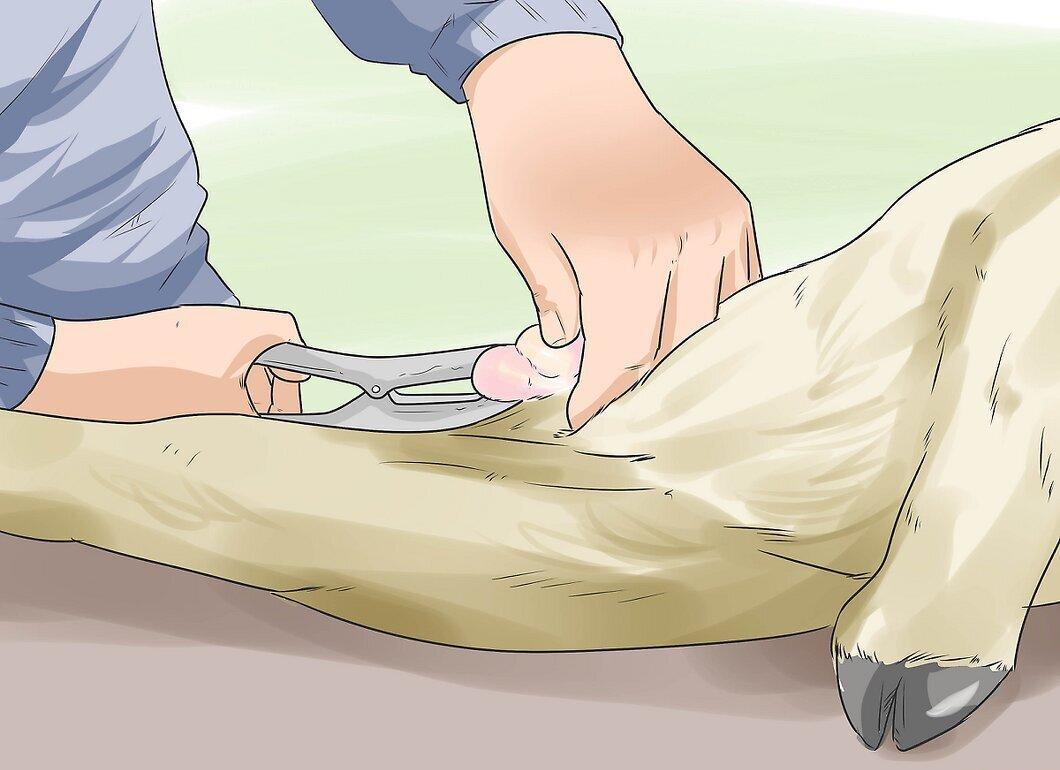
If you plan to breed goats, you don’t need more than one uncastrated buck for every 25-50 does. Therefore, the kids you don’t intend to use for breeding should be neutered at 2 weeks old or older, but only if the kids are healthy. Don’t forget to have the veterinarian vaccinate the animals against tetanus beforehand!
- Adult bucks can have quite large testicles, so even castrated males will look similar to their uncastrated counterparts.
Step 3. Ensure Goats Are Bred.
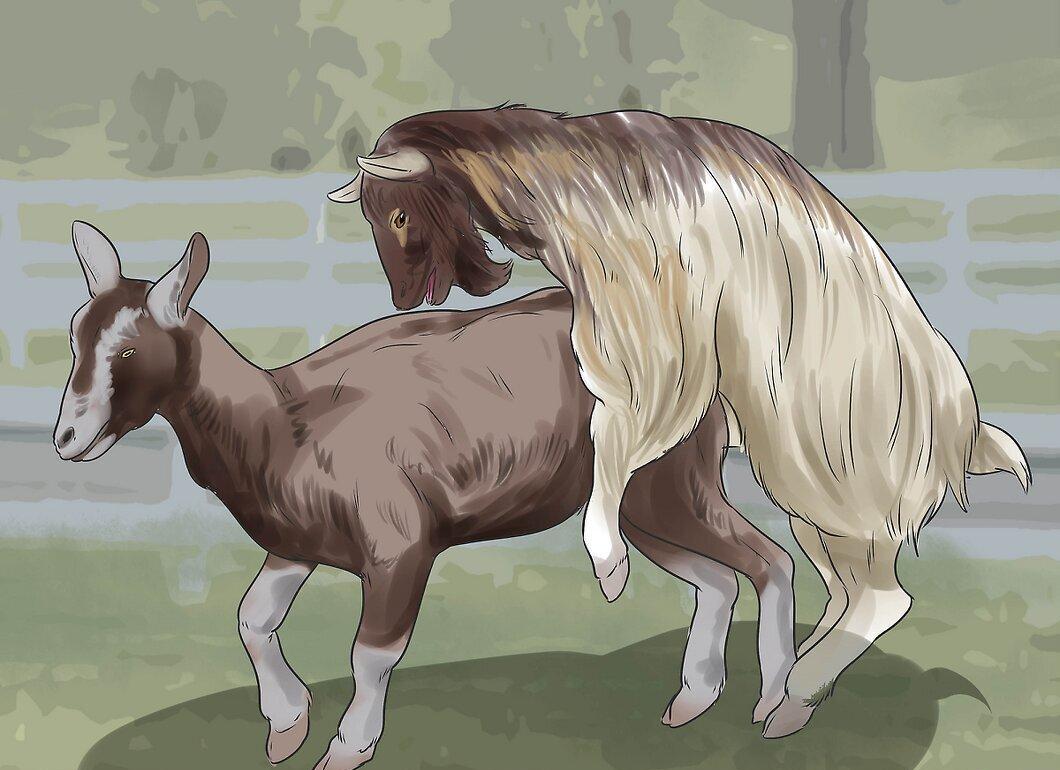
Monitor the breeding process of the goats. This is particularly important for dairy breeds, as a non-bred doe will not produce milk. When a doe comes into heat, remove her from the herd and bring her to the breeder. Typically, 2-4 breedings ensure nearly 100% pregnancy, which lasts about 150 days (exact figures depend on the breed).
Step 4. Milk Goats Regularly.
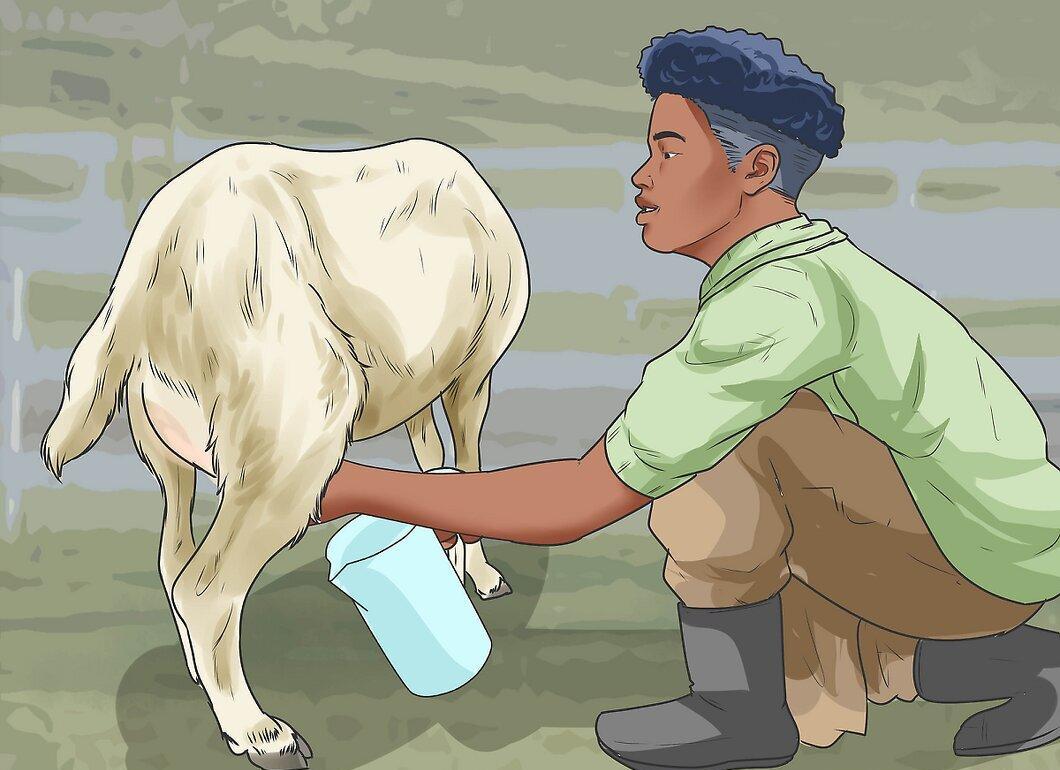
Milk the goats daily. You can milk pregnant does if their udders are full. Do this 1-2 times a day until there are two months left until birth. Then, take a break to allow the doe to nurse her kids. After the kids reach six weeks of age, you can resume milking. If milk production hasn’t significantly decreased, there’s no need to rebreed the doe.
Step 5. Consult Professionals for Serious Issues.
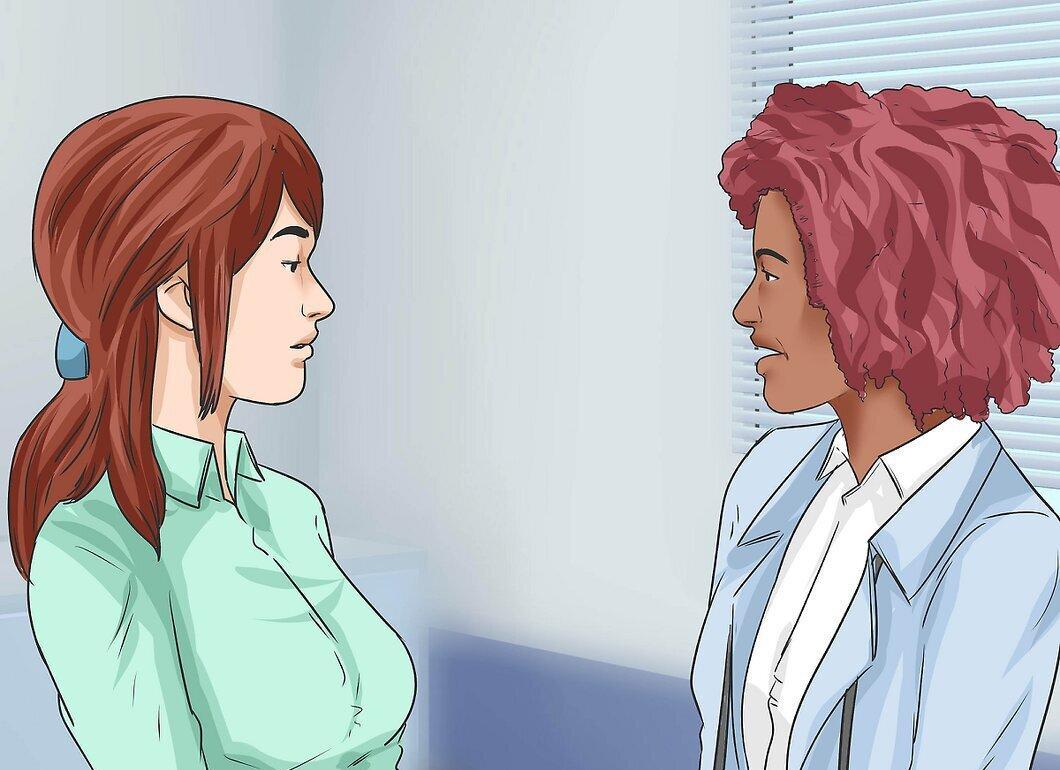
If you encounter serious challenges, don’t hesitate to reach out to professionals. You need to know whom to contact if your herd falls ill or escapes. If there are no qualified specialists nearby, learn about goat husbandry through books and other resources!
Step 6. Find Markets for Your Products.
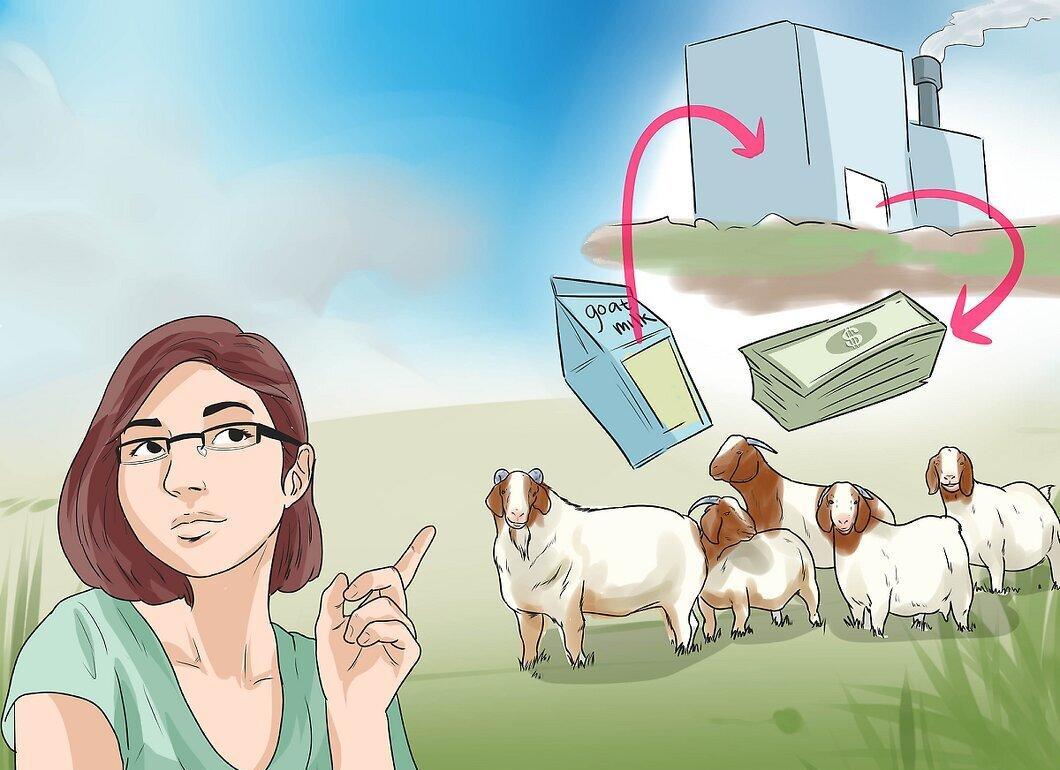
Try to establish channels for marketing your products. Whether you plan to sell meat, wool, or milk, you need a market! Small batches are easier to sell locally, while larger quantities may require reaching out to wholesale buyers.
- Opening the farm to visitors is a good idea, but remember that it should be a paid experience.