Coyotes are incredibly intelligent and resourceful creatures. They are so clever that they sometimes even follow school children hoping they’ll leave behind their lunches![1] X Source As their population increases, coyotes are becoming bolder and more accustomed to human areas, making them harder to deter. With their activity spilling over from forests into urban zones and campgrounds, there’s a pressing need to defend against these animals to prevent potential harm to both people and the coyotes themselves.
Part 1
Step 1. Install a Fence.
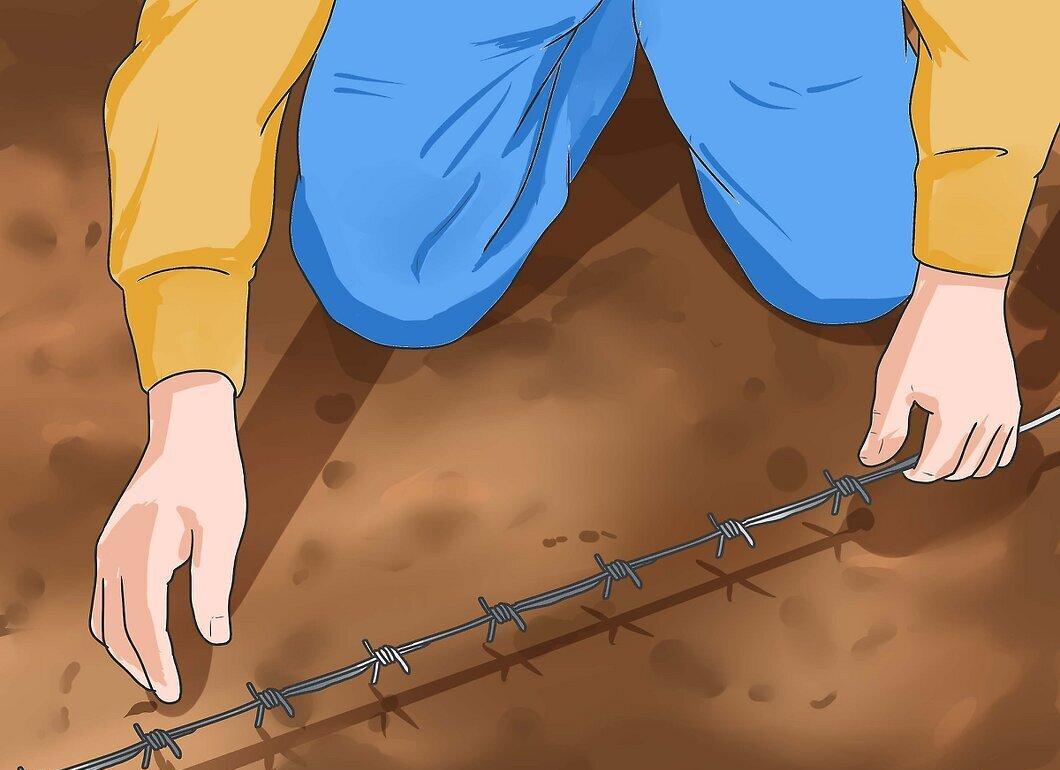
Put up a fence! It is recommended that your fence be at least 6 feet tall, with the bottom buried 12 inches underground. The vertical gaps should not exceed 4 inches. Coyotes are known for their cleverness and can sometimes jump over fences or dig under them. This is especially crucial for livestock farms, where a hungry coyote may go to great lengths for food.
- Installing barbed wire at the base can help prevent digging.
- A fence that is tall enough and buried deep will provide protection for yards and farms. It's also important to ensure that livestock is kept behind the fence or is monitored during feeding or movement.
- More expensive fences may include underground aprons and overhangs, which can be beneficial for feedlots and enclosed areas.[5] X Source
- Electric fences are a great and cost-effective option for larger areas.[6] X Source
- Provide safe shelter for livestock at night.
- Llamas and donkeys can serve as guardians for your livestock.[7] X Source It’s better to choose a jenny or a gelded donkey, as unaltered males may exhibit aggression.[8] X Source If you have llamas or donkeys, ensure they do not have contact with other animals, as they might neglect their protective duties. Mixed grazing can enhance protection, such as with sheep and goats.
Step 2. Use Sounds.

Make noise! Sounds can significantly impact coyotes that wander onto your property.
- Try banging on the lid of a trash can or any object to create noise and scare off the coyote.
- Yell and make lots of noise in any way possible.
- Motion sensors can be very useful. There are even specialized audio systems that mimic the sounds of a cougar—coyotes’ natural enemy—which can help in repelling them.
- Propane exploders can also be used to deter coyotes from farms and ranches.[9] X Source
Step 3. Use Surprise Tactics to Scare Off Coyotes.
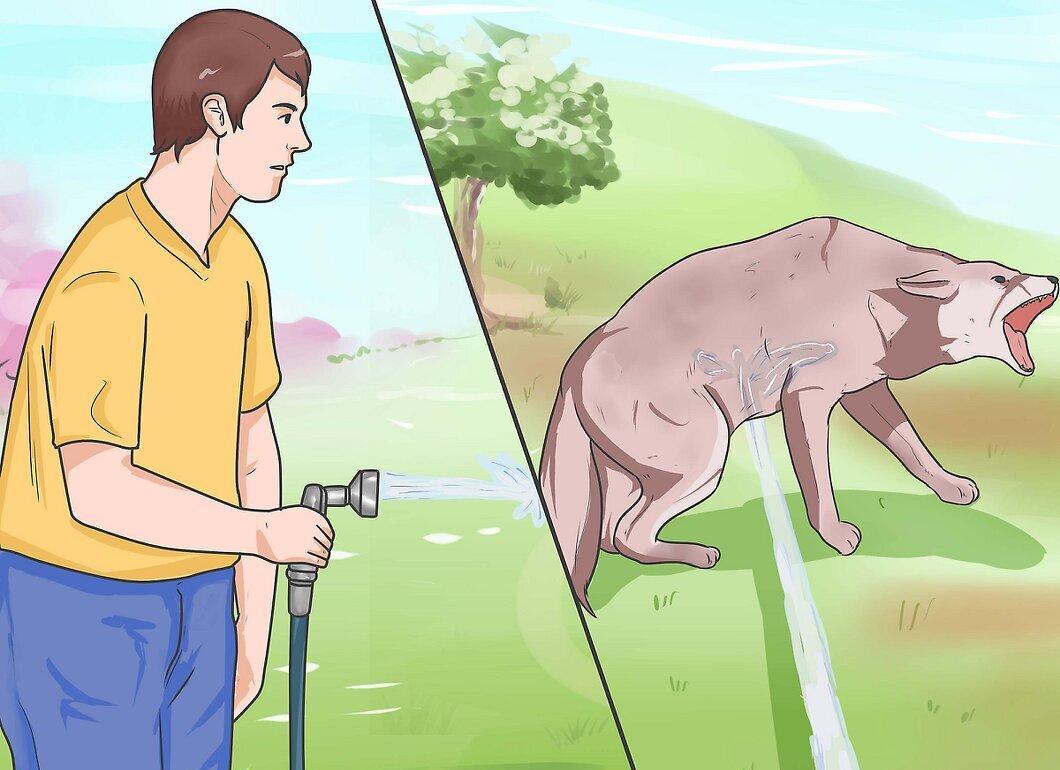
If a coyote does wander onto your property, use unexpected tactics. Instead of just making noise, try to surprise it. Coyotes dislike unexpected stimuli, and this tactic may frighten them. However, never look a coyote directly in the eye or turn your back to it, as this can be interpreted as a threat or provoke it to chase you. If you need to leave, do so calmly, but you can also use these intimidation methods:
- Spray the coyote with water from a hose.
- Actively wave your arms and legs to assert your dominant position.
- Use noisy children’s toys that make sounds to scare the coyote away.
- Install motion-activated lighting to keep coyotes at bay.[11] X Source There are also strobe lights with sirens that can effectively deter coyotes if used according to the manufacturer's instructions.
- While a vehicle can temporarily keep a coyote at bay, be cautious as it may become a shelter for an attack.[12] X Source
Step 4. Eliminate Food Sources Attractive to Coyotes.
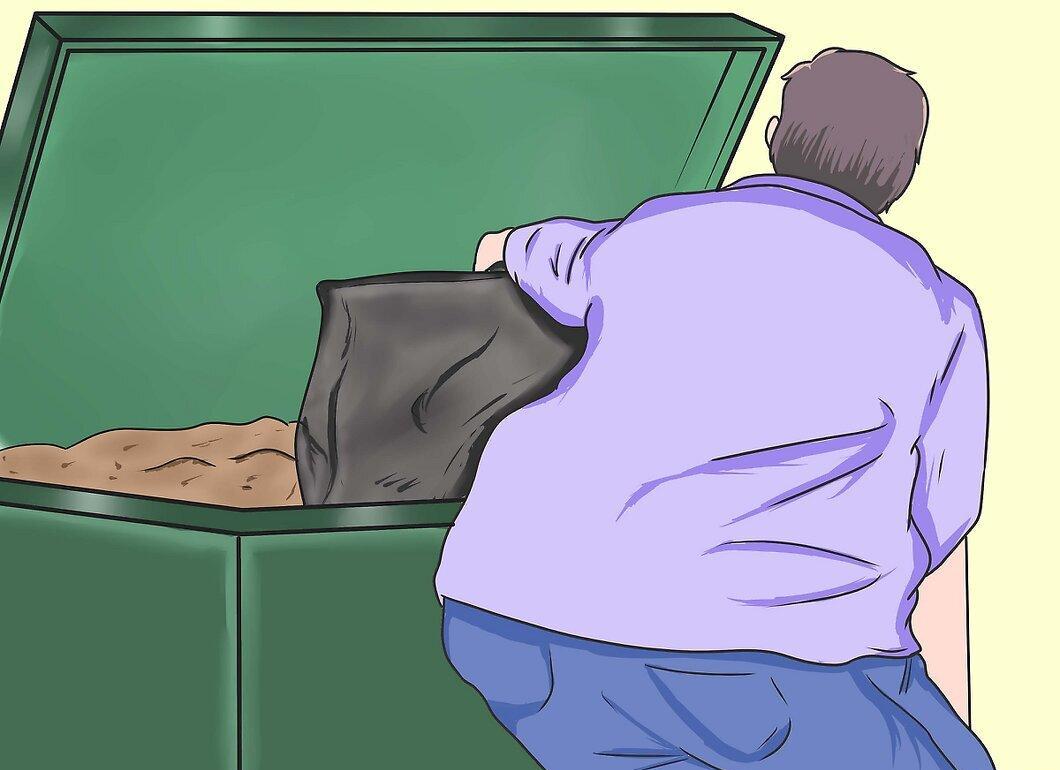
Get rid of food sources that might attract coyotes. These animals are not picky eaters and will readily consume meat, particularly small rodents. Therefore, it’s crucial to ensure they do not find food nearby. Never feed coyotes in an attempt to tame them, as this will only reinforce their habits and make them bolder. Here are some tips for removing food sources from your property:
- Keep trash in secure containers that a coyote cannot open. Generally, if they are tightly sealed, this will deter coyotes. Consult local services if suitable containers are not available in stores.
- Properly dispose of all food waste from your home or campground. The waste area should be secured or placed in a safe composting garbage can. Do not leave food scraps visible.
- Pick ripe fruits from trees and remove fallen ones before they become easy prey for coyotes.
Step 5. Protect Your Pets from Coyotes.
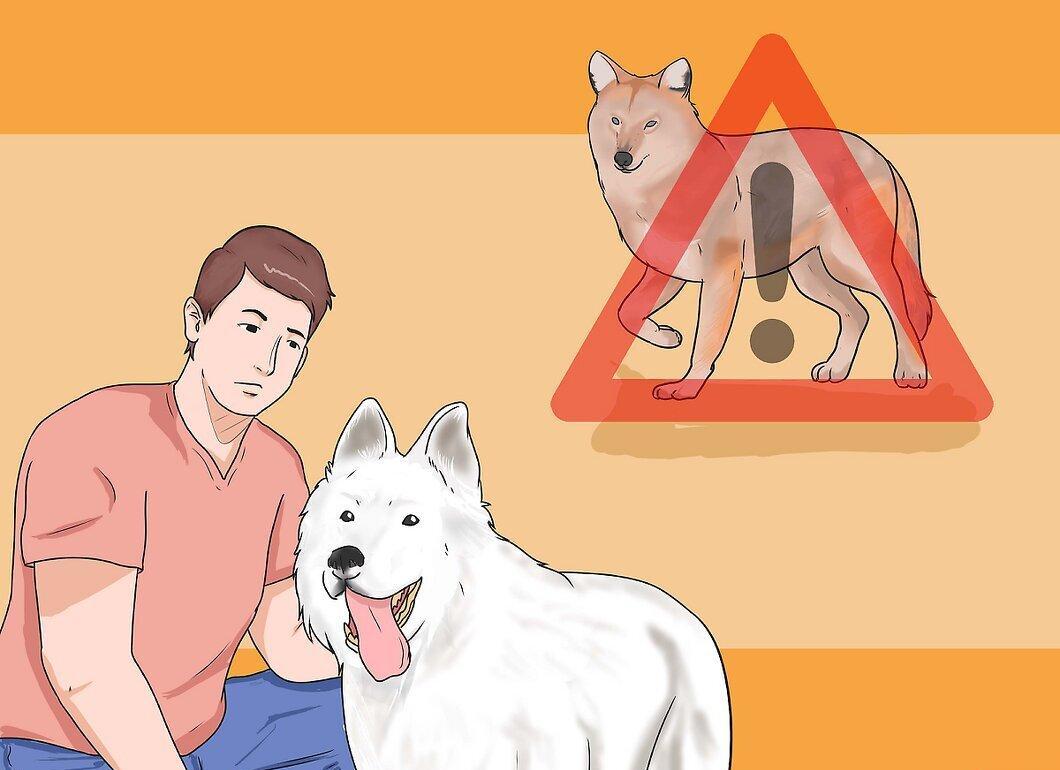
Ensure the safety of your pets from coyotes. Cats, dogs, and other pets can become victims of attacks, especially if you are in coyote territory or have pets at a campground. To protect your animals, follow these guidelines:
- Keep pets (cats and dogs) indoors at night and supervise them during the day to prevent attacks.
- Store pet food indoors or in places inaccessible to coyotes. If you want your pets to eat outside, clean up leftovers immediately after feeding.
- Spay or neuter your dogs, as unaltered dogs in heat can attract coyotes looking to mate.[14] X Source
- Do not use your dog to protect against coyotes unless it is trained to do so. Such a dog must undergo training to be capable of protecting the farm; otherwise, it may become a victim.[15] X Source
- Cover fish ponds, as coyotes may eat goldfish.[16] X Source
- Do not scatter bird feed around, as it can attract coyotes.[17] X Source Collect leftover feed after feeding birds or employ methods that prevent coyotes from accessing the feed.
Step 6. Remove Debris from Your Property.
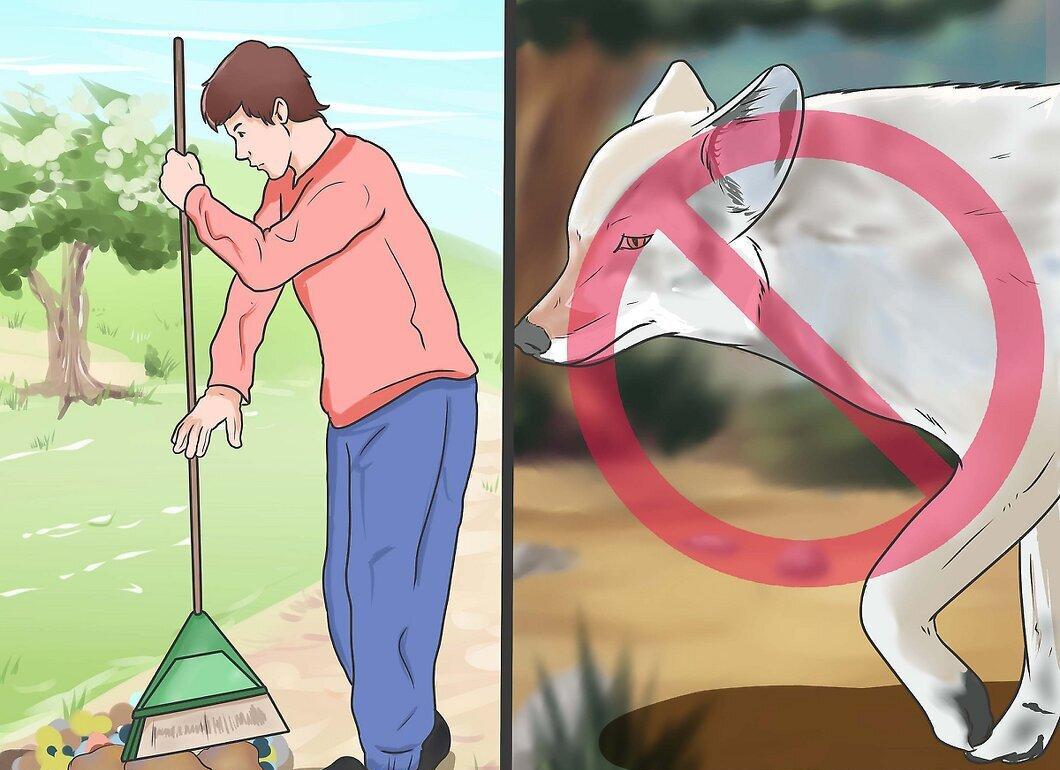
Clear away debris from your property. They can serve as cover for both prey and predators. Rabbits and other prey species may use these piles for nesting, thereby attracting coyotes. Moreover, coyotes can hide behind debris before attacking. Removing debris also reduces the risk of snakes, venomous insects, and improves the overall appearance of the area.
- Remove all water sources, as they can attract coyotes.
Step 7. Use Wolf Urine.
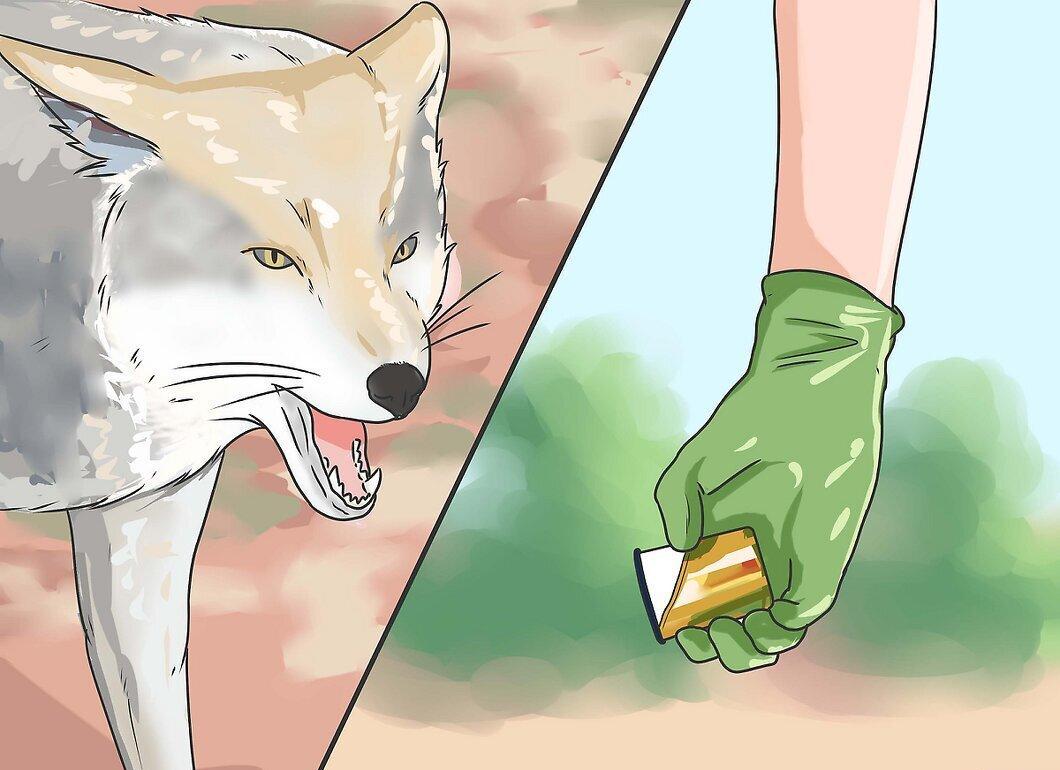
Try using wolf urine. This natural and effective deterrent for coyotes. Wolves are predators that hunt coyotes, and their presence can reduce the latter's population.
- The scent of mothballs or ammonia-soaked rags can also deter coyotes.[20] X Source Place such items in strategic locations on your property or campground.
Step 8. Seek Professional Help if Other Methods Fail.
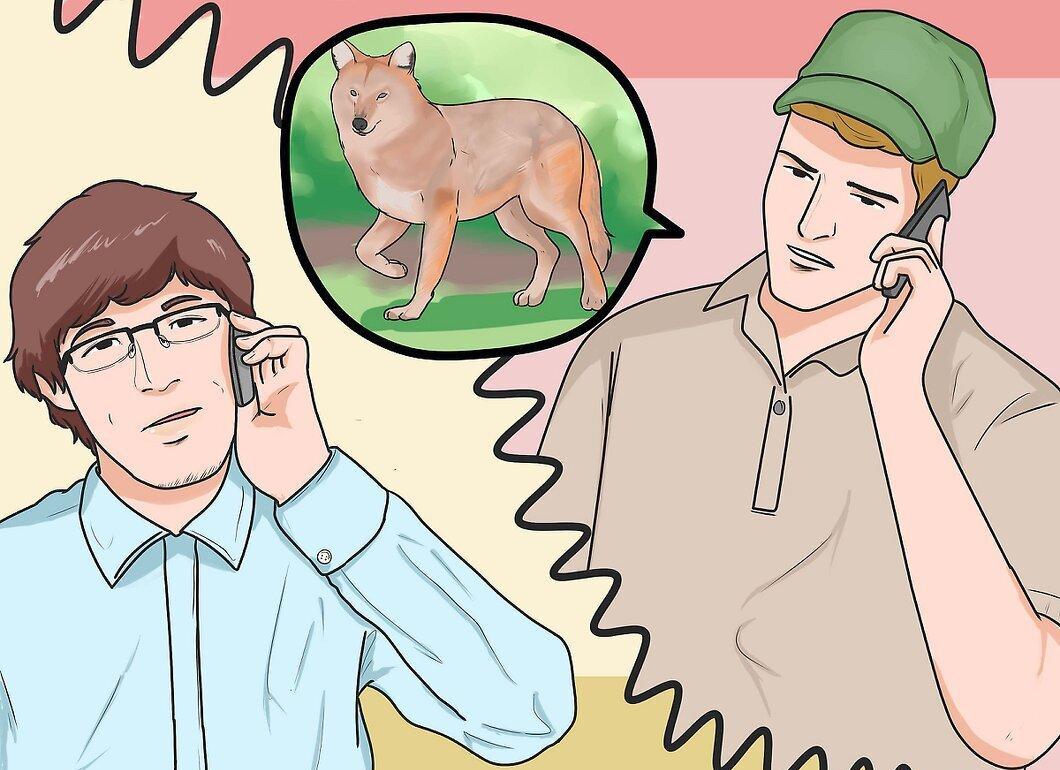
If humane methods are not resolving the problem, consider reaching out to professionals. Wildlife control experts use live traps to catch coyotes without harming them. However, remember that relocating coyotes is not an effective solution, so it’s better to adhere to the protective methods outlined above to live harmoniously with nature.