By learning how to sell your artwork, you'll be able to find buyers more quickly and master the business side of this world. Don't worry if you're trying to sell your work for the first time—there’s no need for an agent or a masterpiece to get started.
Grab Attention for Your Art
Step 1. Order business cards and leave them in art galleries and at exhibitions.
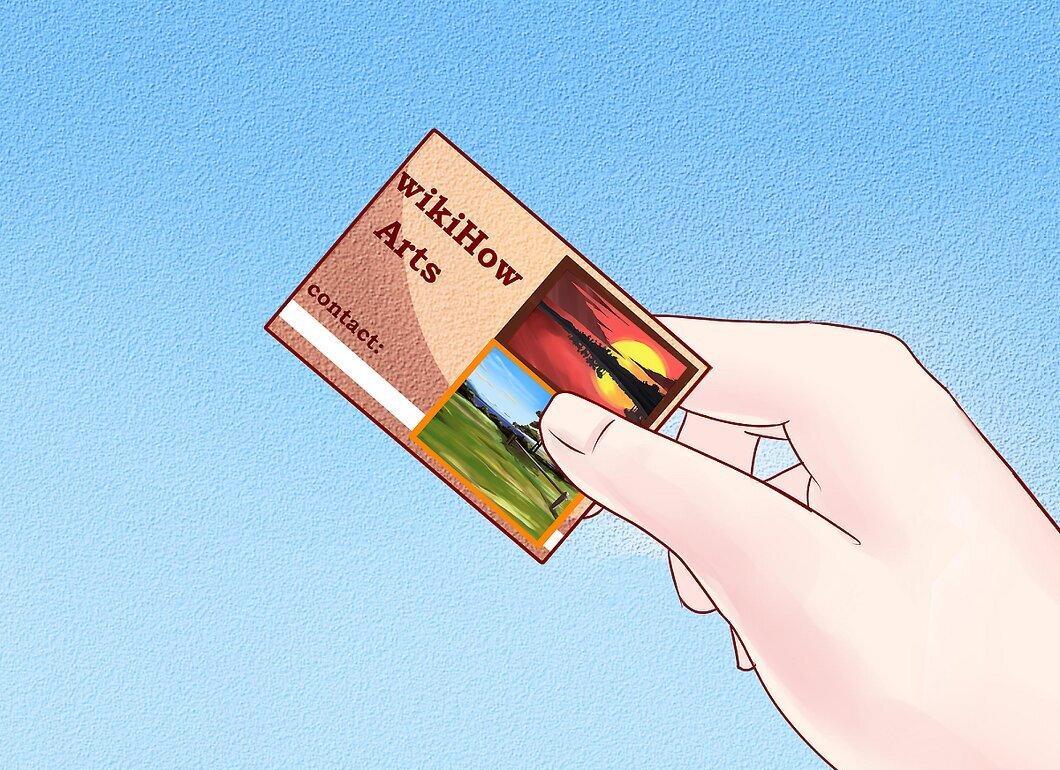
- Ask local art vendors if you can leave your business cards or post advertisements on their bulletin boards. Target those whose customers might be interested in your work.
- Don’t forget to hang flyers in local cafes and shops to attract a diverse audience.
Step 2. Inform friends, family, and colleagues that you are selling artwork.

- Show your work to loved ones so they can share it with their acquaintances. Also, provide them with promotional materials containing your contact information.
Step 3. Participate in local art exhibitions.
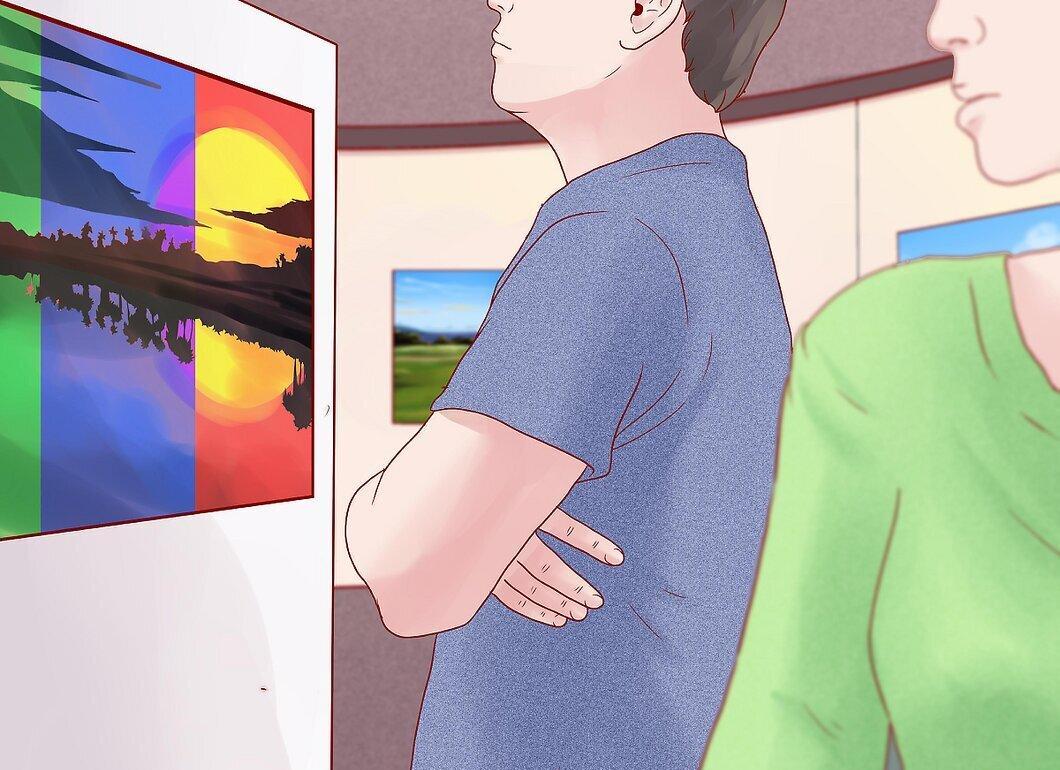
Join local art exhibitions to showcase your work. Research various exhibitions and select those suitable for your products.
- For example, if you create paintings, choose an exhibition dedicated specifically to that art form.
- Keep in mind that there may be fees for participating in exhibitions, but consider it an investment in your business. The costs will be justified by the sales of your works.
Step 4. If you have friends who appreciate your art, host a small exhibition at your home.
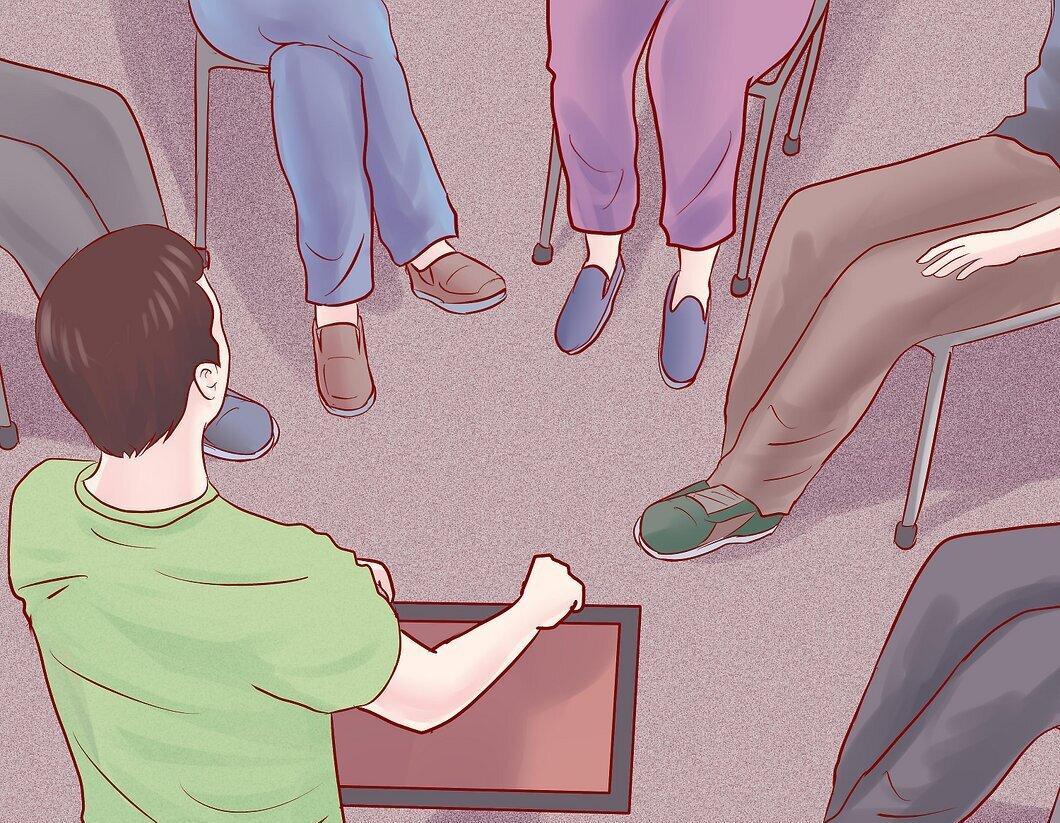
- This private showing increases the chances of attracting interested buyers who may not visit exhibitions. Ask guests to invite their art-loving acquaintances to widen your potential client base.
Strengthen Connections with the Local Community
Step 1. Organize your personal exhibition in a local gallery.
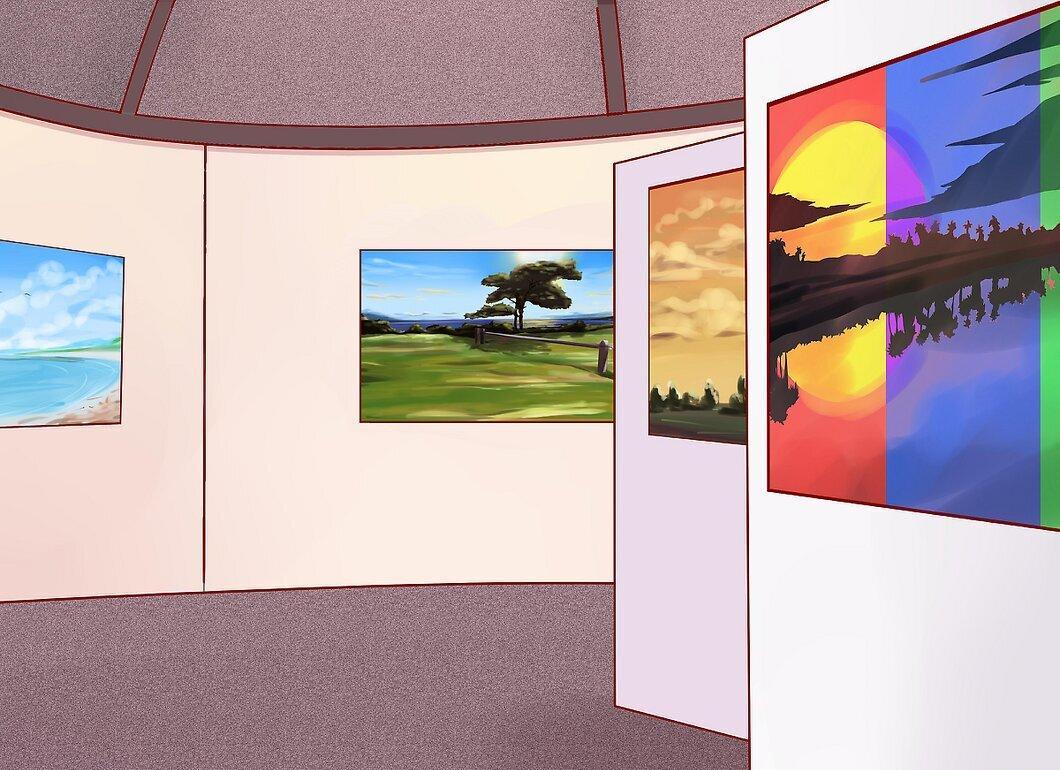
Set up a personal exhibition in a local art gallery. Galleries often host exhibitions for emerging artists to help them gain recognition among art enthusiasts.
- Galleries have a steady audience, making them ideal places to promote your name and work. Even if you don’t catch the eye of major collectors, your name will become known among people who can spread the word about you.
- Additionally, galleries collaborate with art promoters who assist young artists. These professionals attract collectors, which also aids in selling your work.
- Don’t limit yourself to exhibitions in galleries. Mini-exhibitions of local artists are often held in cafes, offices, schools, and other venues, which can draw attention from viewers who don't visit galleries.
- Be aware that a portion of your income will likely go to the gallery for their support in promoting your name and sales. This is a small price to pay for visibility.
Step 2. Attend exhibitions of other artists.
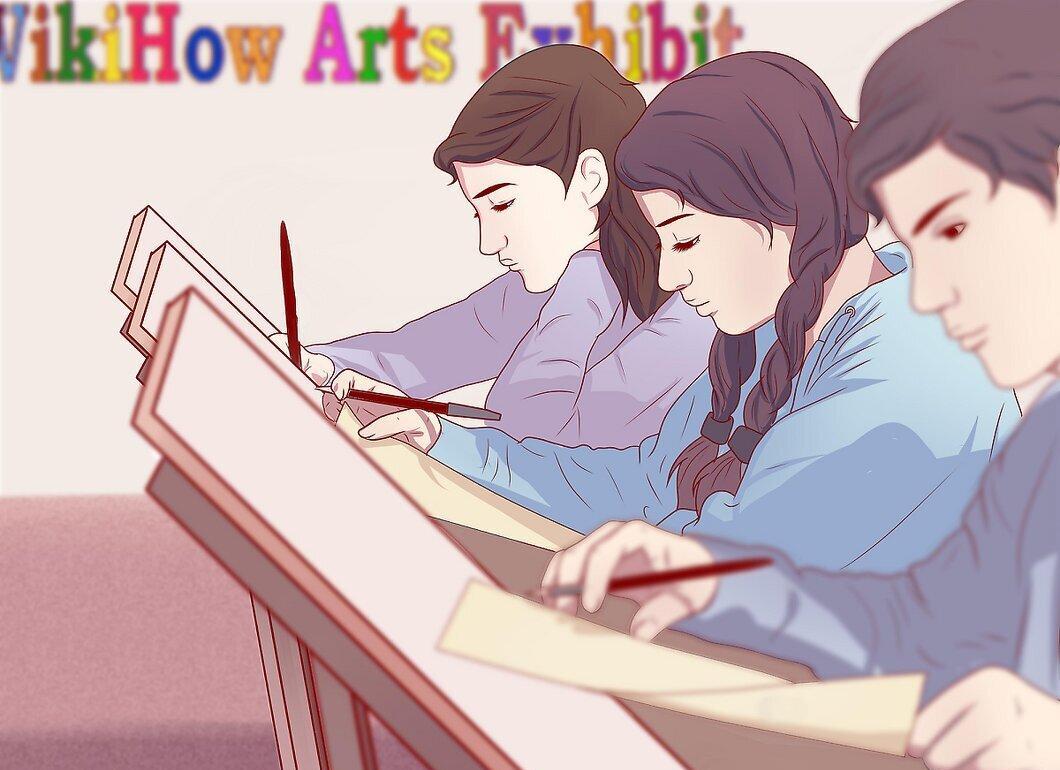
By attending your colleagues' exhibitions, you can support them and possibly receive support in return when you host your own exhibitions. Additionally, you can make valuable connections.
- There may be organizations in your city that conduct cultural events and exhibitions, supporting local talents in exchange for their participation in social projects.
- Find a website dedicated to art in your area to stay informed about events and not miss out on profitable opportunities.
Step 3. Build relationships with local business owners.
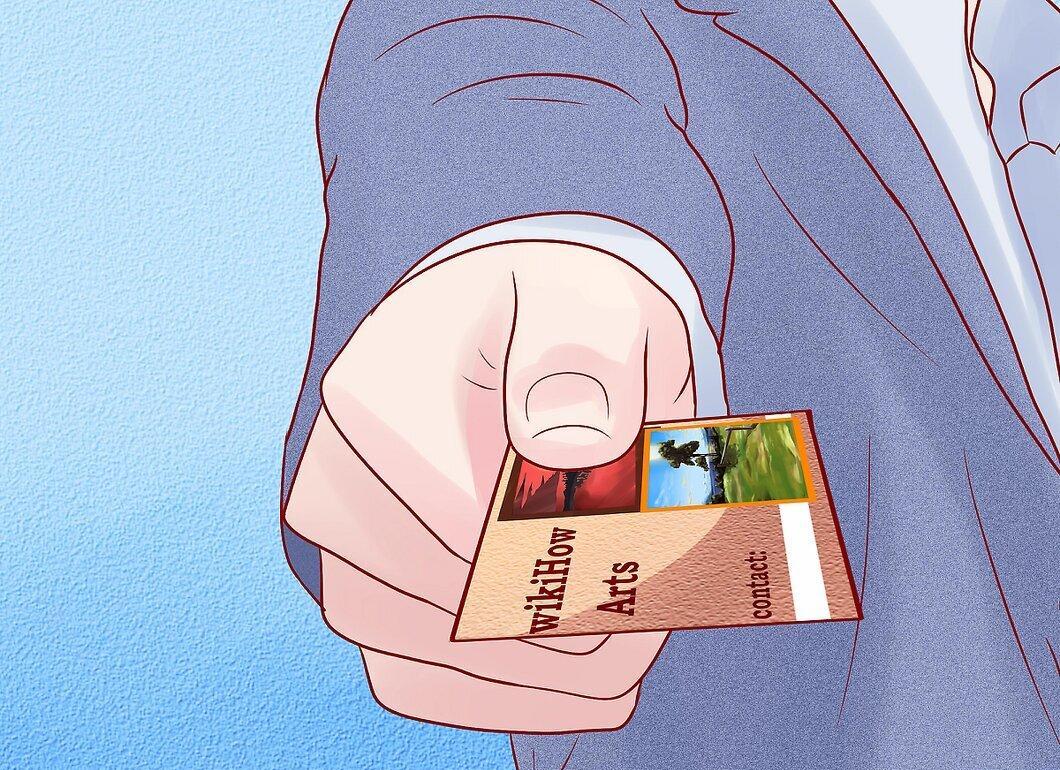
- Participate in events organized by business owners to establish beneficial connections (don’t forget your business cards!). This could lead to interesting commissions.
- Sometimes companies need artwork for office decor or as gifts for top employees. You may also be offered to create designs for a company's website or products.
Step 4. Contact local media about your exhibitions.
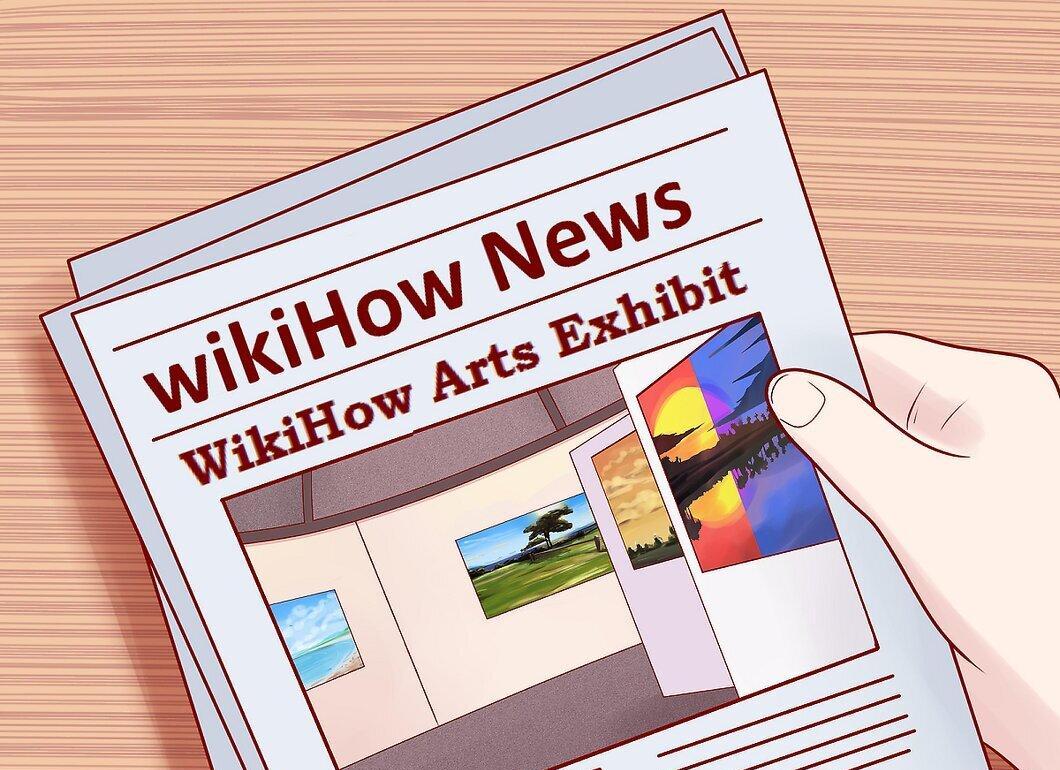
Reach out to local radio stations, newspapers, and other publications. Inform them about your exhibitions and find out who to contact for coverage in local news.
- Local media are often eager to cover interesting personalities like artists, so journalists may want to write about you.
- After each exhibition or project completion, send a press release to the media, including tickets to your event.
- Don’t hesitate to engage with journalists. They are always ready to highlight emerging talents, and having your name mentioned in local newspapers will help promote your work.
Step 5. Connect with local charities.
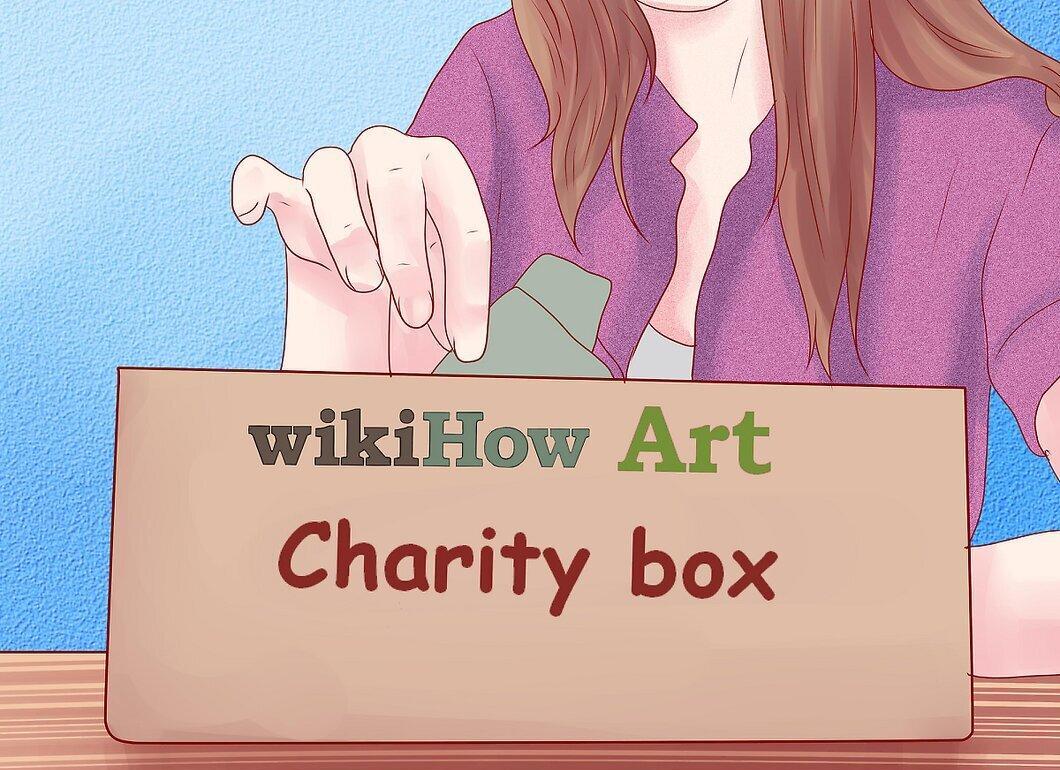
Show your works to local charitable organizations. Associating your name with charity will earn you a good reputation in the community, potentially opening up new selling opportunities for your work.
- Find an organization whose cause resonates with you, and offer your assistance—such as decorating an event or donating your works.
- Most charitable organizations have ties to the media. By helping them, you might find yourself featured in newspapers and magazines, drawing attention to your art.
- For instance, after the devastating typhoon in the Philippines, Wells Fargo organized a campaign where funds were paid for each artistically decorated handprint. Many artists seized this opportunity to support the cause and draw attention to their art.
Step 6. Sell your work online.
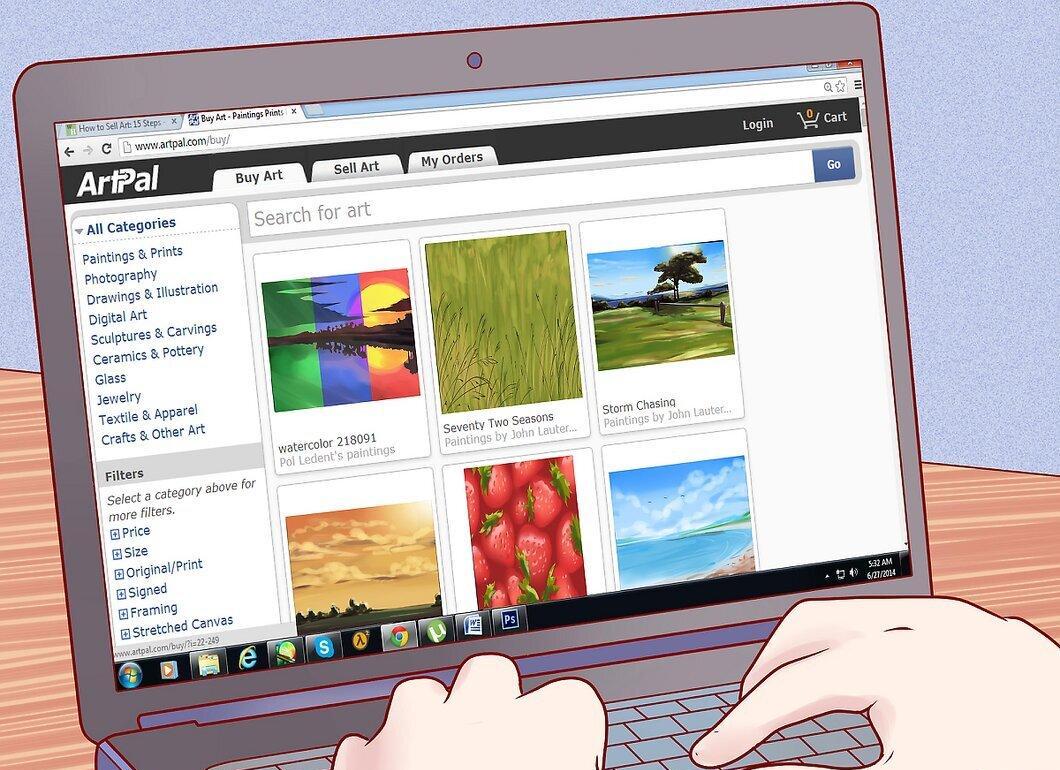
The internet is an excellent platform for sales. Use the following websites to showcase your work.
- Artpal.com — a platform for artists offering free membership and opportunities to sell artwork.
- Sell your work on popular online stores like Amazon or eBay, where you can reach a wide audience, paying only for shipping.
- Post ads on Craigslist.com to expand your customer base and generate additional income.
Maintain Relationships with Customers
Step 1. Create a blog or website for your art.

- Use social media like Facebook or Twitter to share information about your website. This will help your customers stay informed about how to contact you.
Step 2. Keep your customers' contact information for future communication.

- Create a database of your admirers, which will be a powerful marketing tool. Ensure you have their contact info (phone numbers, email addresses) to inform clients about upcoming exhibitions.
- If you’re working with a gallery, don’t sell your work through other channels, as many galleries don’t want to share contacts due to fears that artists will sell their work independently.
- Be persistent in seeking new clients—it may take time to find someone interested in purchasing.
Step 3. Create a newsletter to keep customers informed about new exhibitions.
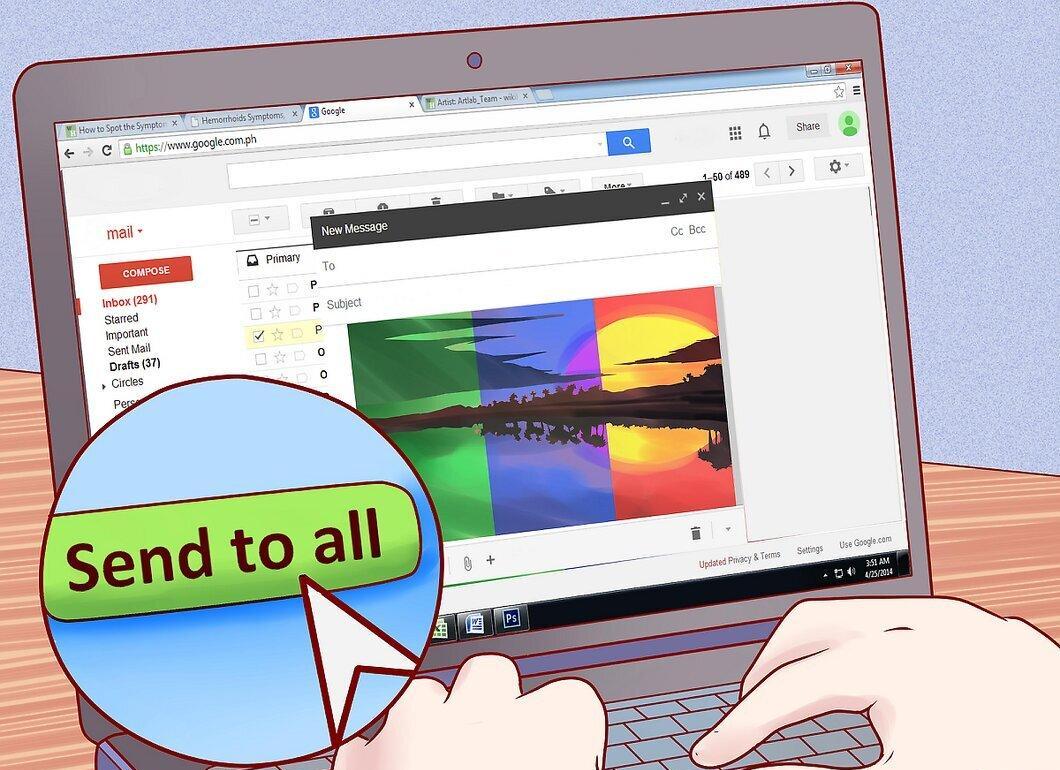
- Ask customers for permission to send them emails. They may agree to receive newsletters from you, but avoid spamming.
- Personally reach out to customers when you have new works or someone purchases your painting. Send a thank-you note to show that you appreciate their interest. If you don't do this, you risk losing customers.
Step 4. Identify repeat customers after creating your database.
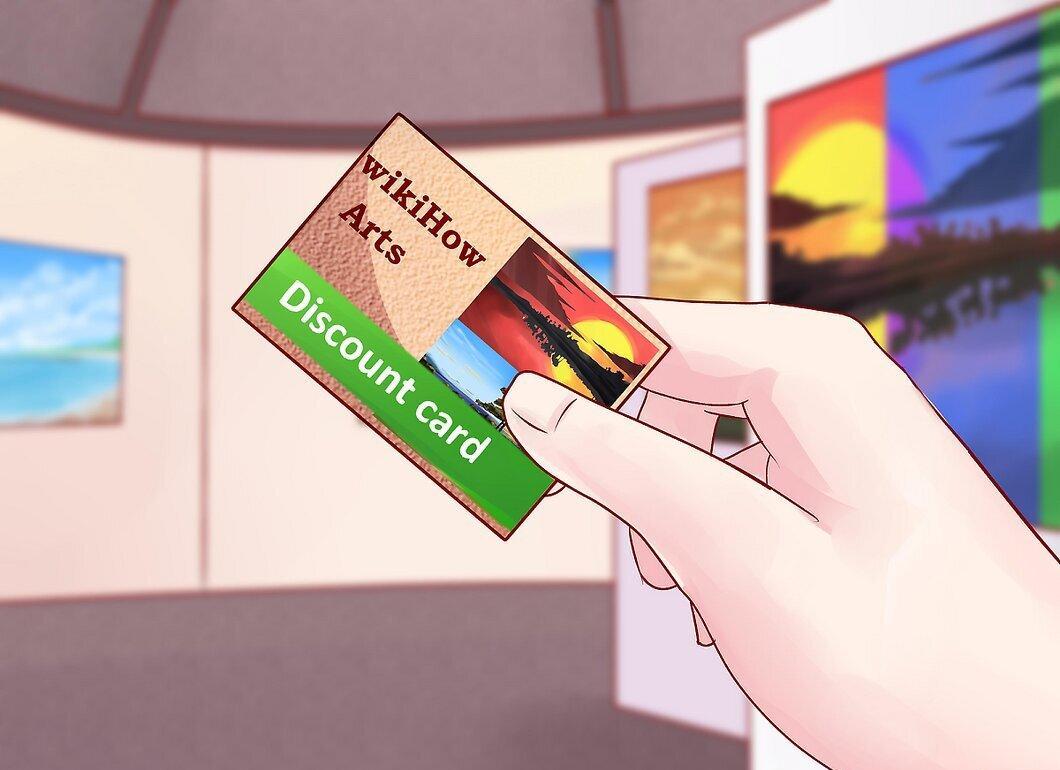
After establishing a stable customer base, identify your regular buyers. Offer them special conditions, like the chance to see and purchase your new works first.
- If you create portraits, consider gifting a portrait to your loyal client. Show that your love for art is more important than money, and they will respond in kind.
- Repeat customers are your most dedicated admirers. They have already affirmed their support and appreciation for your work. Make sure they know how much you value their interest.
- Remember that as your popularity grows, the number of repeat customers will increase. Don’t hesitate to spend on special offers to keep them interested in your work.
Step 5. Host dinners or lunches for your clients.
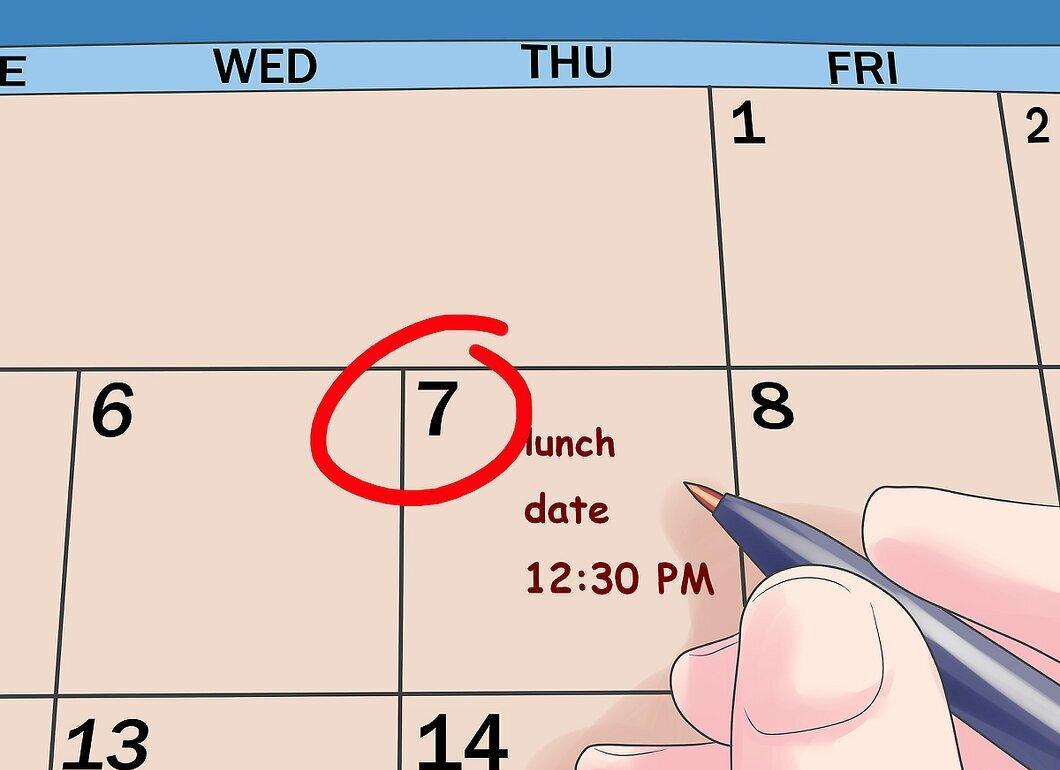
Organize dinners or lunches and invite your clients. Informal relationships with buyers are just as important as attracting them to your side.
- Casual interactions with the artist can change their perception of the work.
- Don’t hesitate to recommend your colleagues (other artists and photographers) to your clients. As they gain recognition, they may also recommend you to their buyers.