Want to shed some extra pounds? Keep in mind that this will be a gradual process that can greatly benefit your health. Instead of resorting to radical and exotic diets, it's better to concentrate on small changes in your diet and lifestyle. Start by setting small, achievable weight loss goals. Eat fresh, nutritious foods and engage in regular physical activity. Track your progress, set new goals as you achieve the initial results, and in just a few months, you’ll feel healthier and happier!
Set Your Goals
Step 1. Determine Your Healthy Target Weight Using BMI.
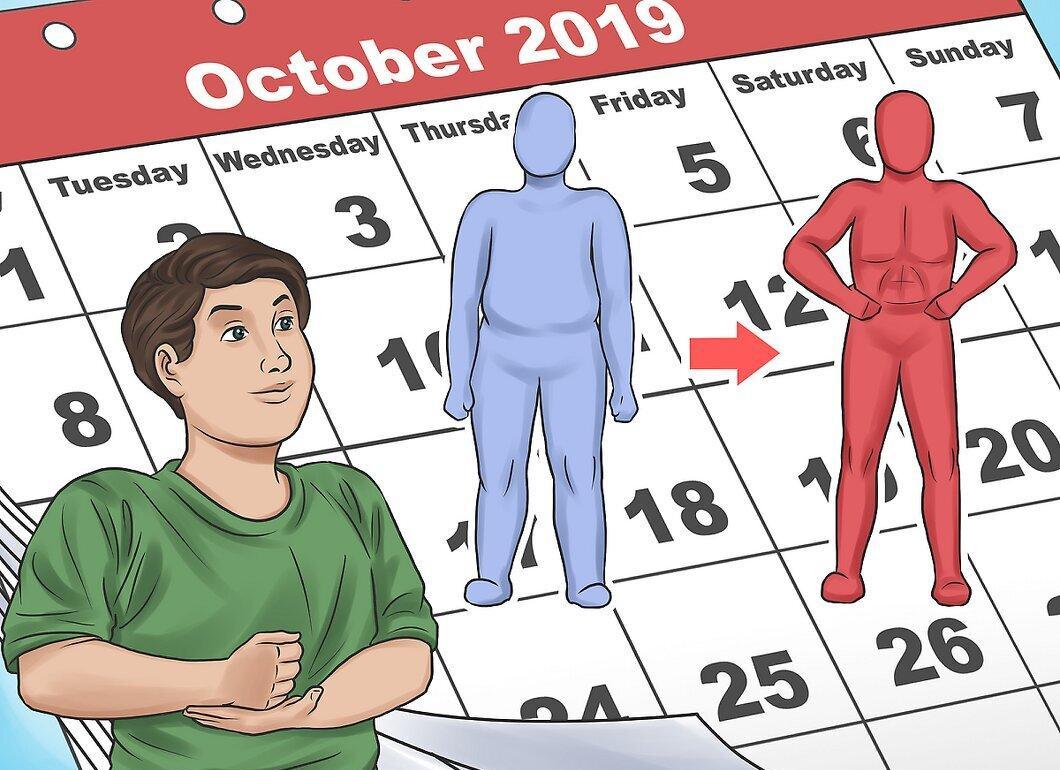
First, find out what weight is considered healthy for your height using the Body Mass Index (BMI). Look up a BMI chart online where you can enter your height and age. You will see three weight categories: "normal," "overweight," and "obesity." If your weight falls into one of the last two categories, aim for the upper limit of the "normal" range.
- If you are already in the "normal" category, losing weight may negatively affect your health. In this case, be sure to consult a doctor before making changes to your diet or lifestyle.
- Remember that your body type also affects fat distribution. Don’t expect to look exactly like someone else with similar measurements.
Step 2. Start with Small, Achievable Goals
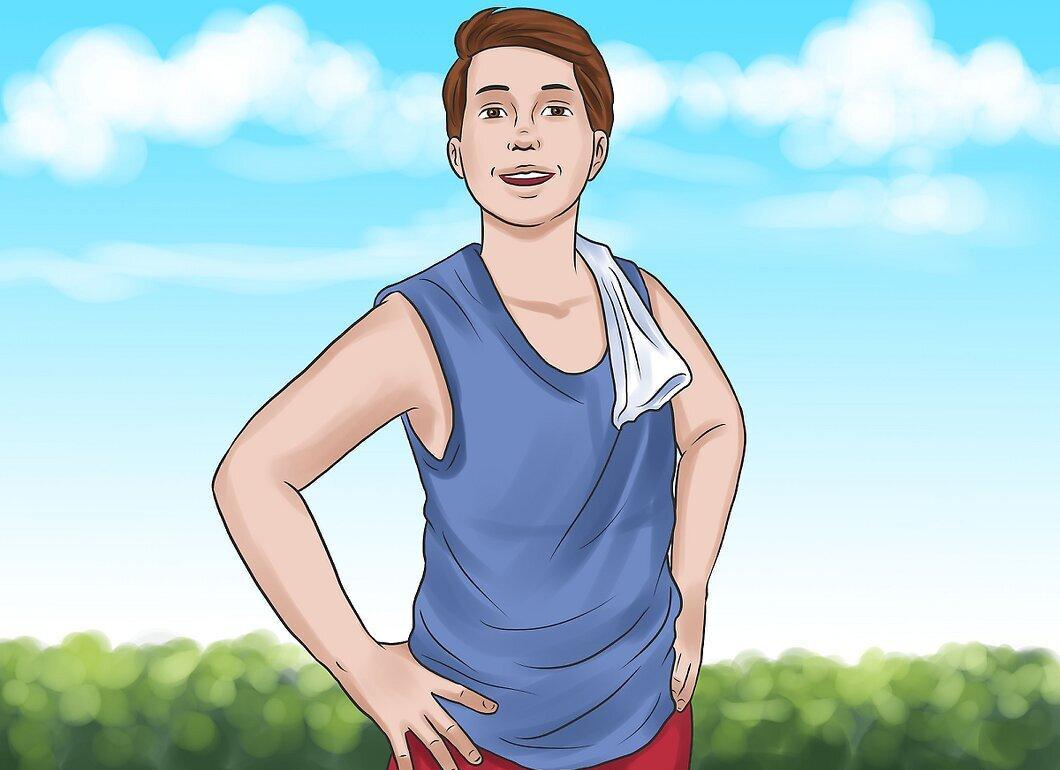
At the start of your weight loss journey, set small and realistic goals. Instead of trying to lose 45 kilograms in one season, begin with a more modest yet achievable target. Typically, teenagers can lose between 0.5 to 1 kilogram per week, which can add up to significant results over a few months. Aim to lose 2–4.5 kilograms in the first month.
- Early successes, even if they are small, will boost your motivation for further achievements.
- Don’t get discouraged if your weight doesn’t change in the first week. Keep a positive mindset, and you will soon see results.
Step 3. Keep a Food and Activity Journal
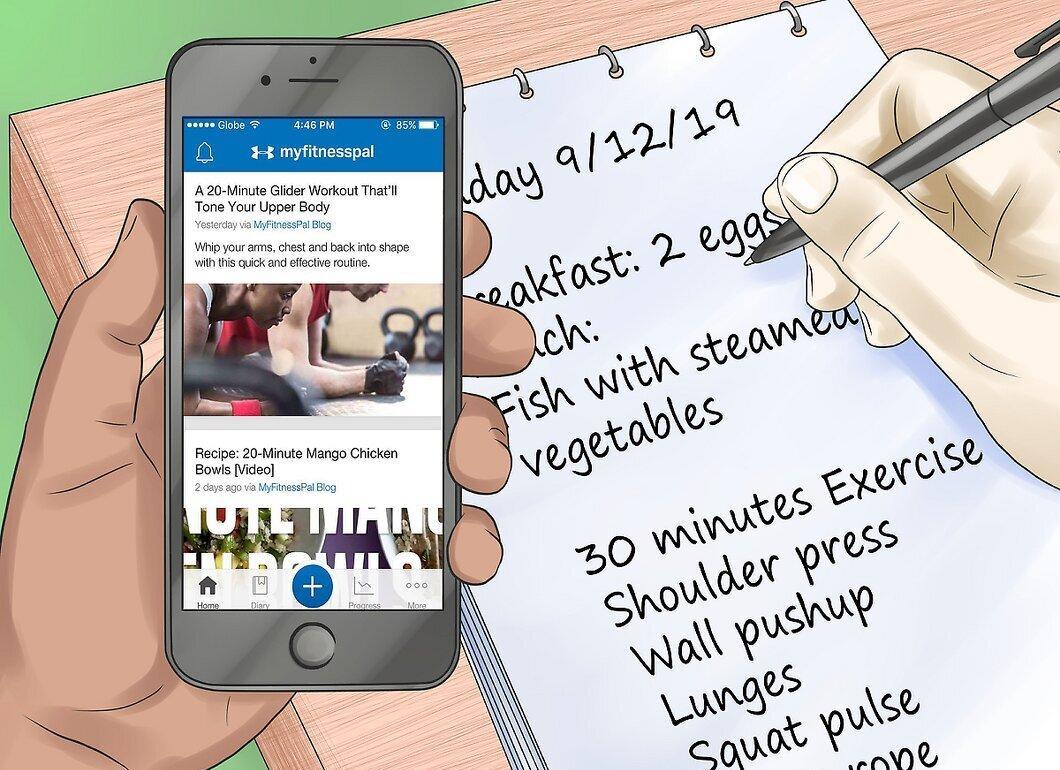
Create a journal to record your meals and physical activity. Each day, note what and how much you eat and drink—this will help you track calories. Keep a record of all the foods and exercises, as well as your weigh-ins. At the end of the day, calculate how many calories you consumed and how many you burned.
- Use specialized apps or websites for journaling that automatically calculate calories.
- Analyze your journal entries to understand what works for you and make necessary changes. For example, if you notice that you often buy unhealthy food after swimming, consider bringing fruits for a snack.
Step 4. Weigh Yourself Every Week in the Morning
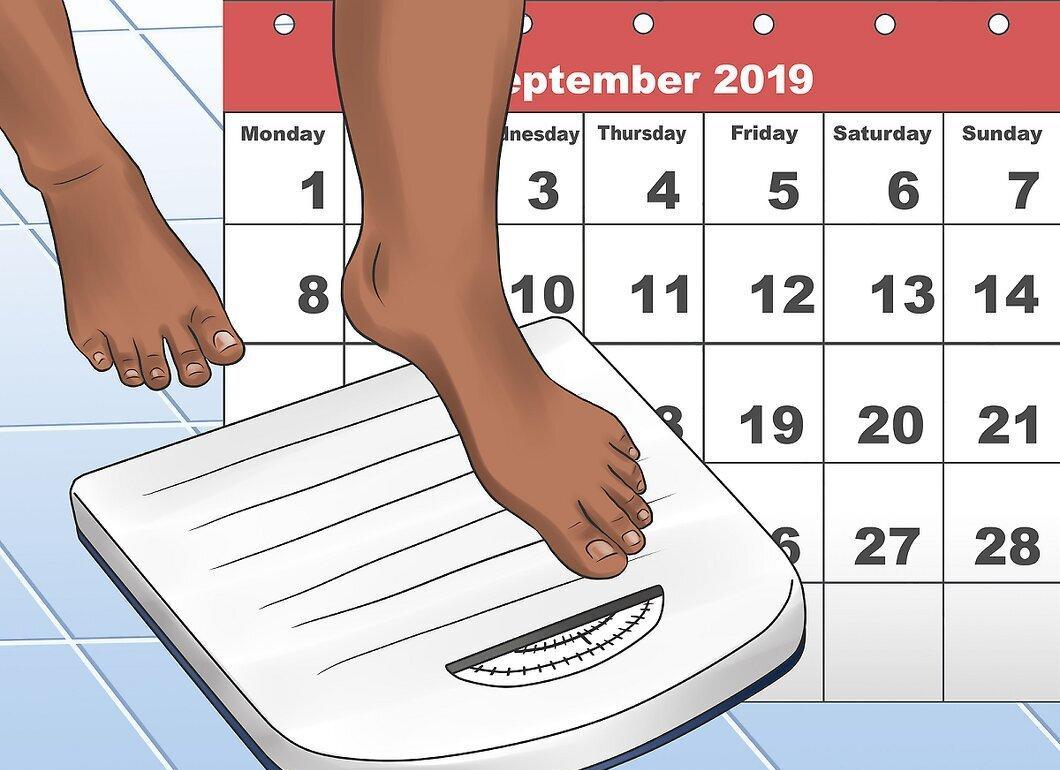
Check your weight every week in the morning. Try to weigh yourself at the same time and on the same day for more accurate results. The best time is in the morning after using the restroom and before breakfast. Also, measure your waist, hip, and shoulder circumference to track body changes.
- Avoid daily weigh-ins, as they can lead to unwanted thoughts about weight. Water retention can temporarily increase weight, which may affect your perception of progress.
- Weight loss is a long-term process. Healthy habits develop over time, and losing weight in just a few days is impossible.
Step 5. Be Kind to Yourself During the Weight Loss Process
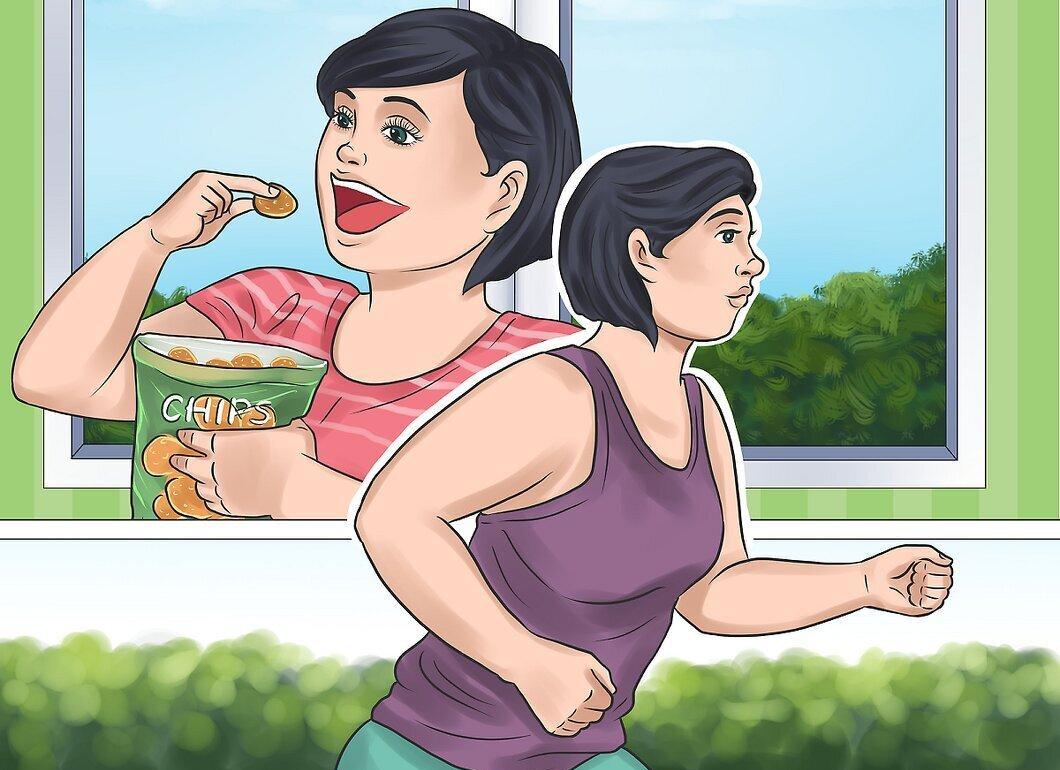
Treat yourself with respect during your weight loss journey. Emotions and stress can make this path challenging. Set realistic goals and regularly track your progress to maintain motivation. Remember to celebrate even small successes and forgive yourself for setbacks.
- If you spend a day lounging instead of exercising, don’t beat yourself up. If you eat something unhealthy after a stressful day, don’t worry. Just promise yourself to return to a healthy lifestyle the next day!
Maintain a Balanced Diet
Step 1. Determine How Many Calories You Need Daily
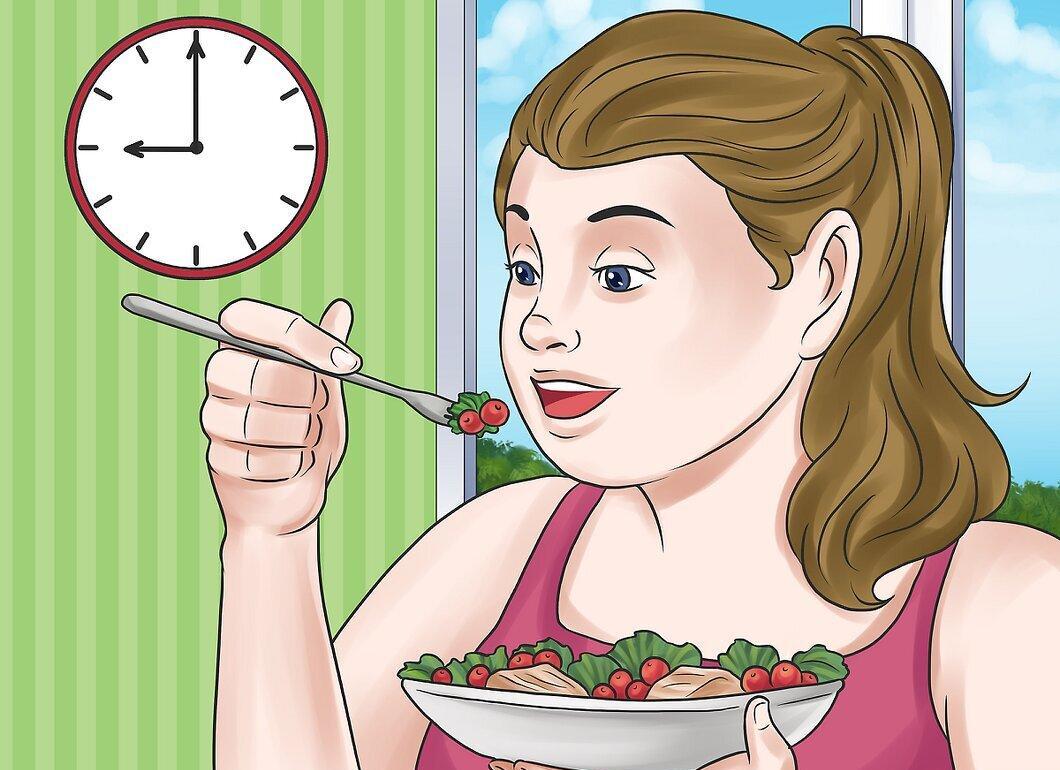
Find out how many calories you need each day. This depends on your age, gender, height, and level of physical activity. Boys require 2000–3000 calories per day, while girls need 1600–2400. Look for recommended calorie charts online or consult a doctor. Then, create a meal plan and track your journal to avoid exceeding these values.
- For example, a 14-year-old active boy may need up to 3000 calories, while his less active peer might suffice with 2000. A moderately active 14-year-old girl may also need around 2000 calories.
- If you accidentally overeat on a Monday, don’t try to compensate by drastically cutting calories on Tuesday; this will only lead to an unhealthy cycle of starvation and binge eating.
Step 2. Cut Down on Sugary Drinks
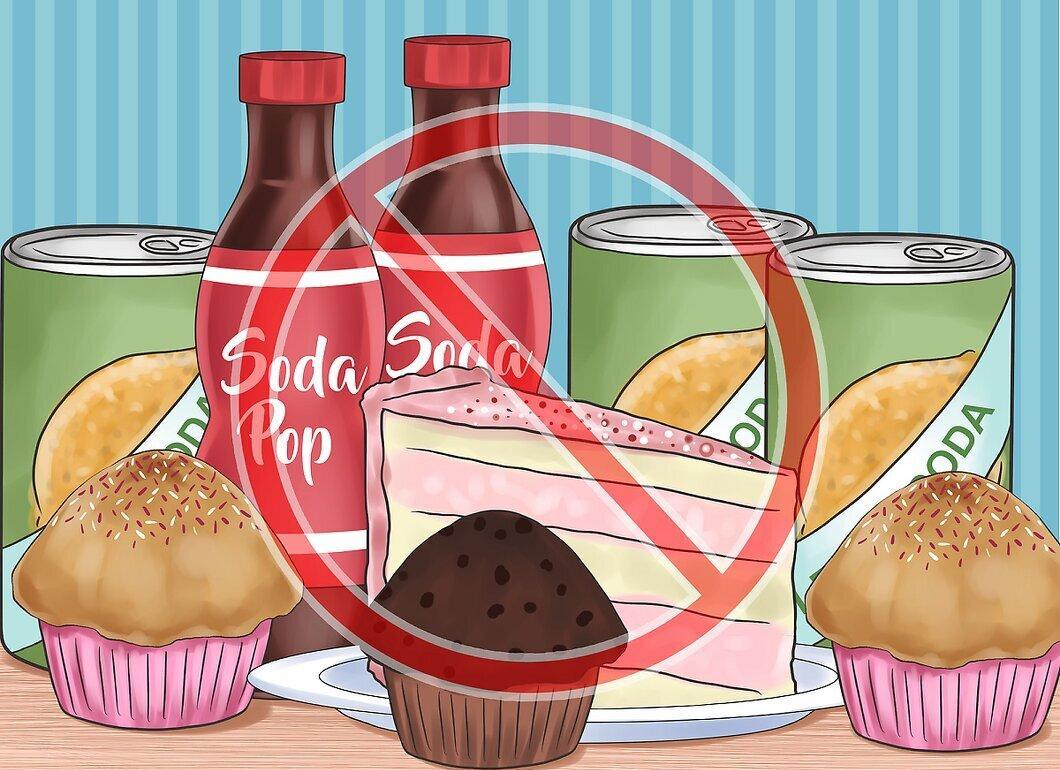
Minimize your consumption of sugary drinks. Cut out sodas, energy drinks, and sweet juices. Drink more water and sugar-free beverages. Make fresh juice yourself instead of buying pre-made options. Also, include low-fat milk in your diet for calcium.
Step 3. Aim for About 2 Liters of Water Daily
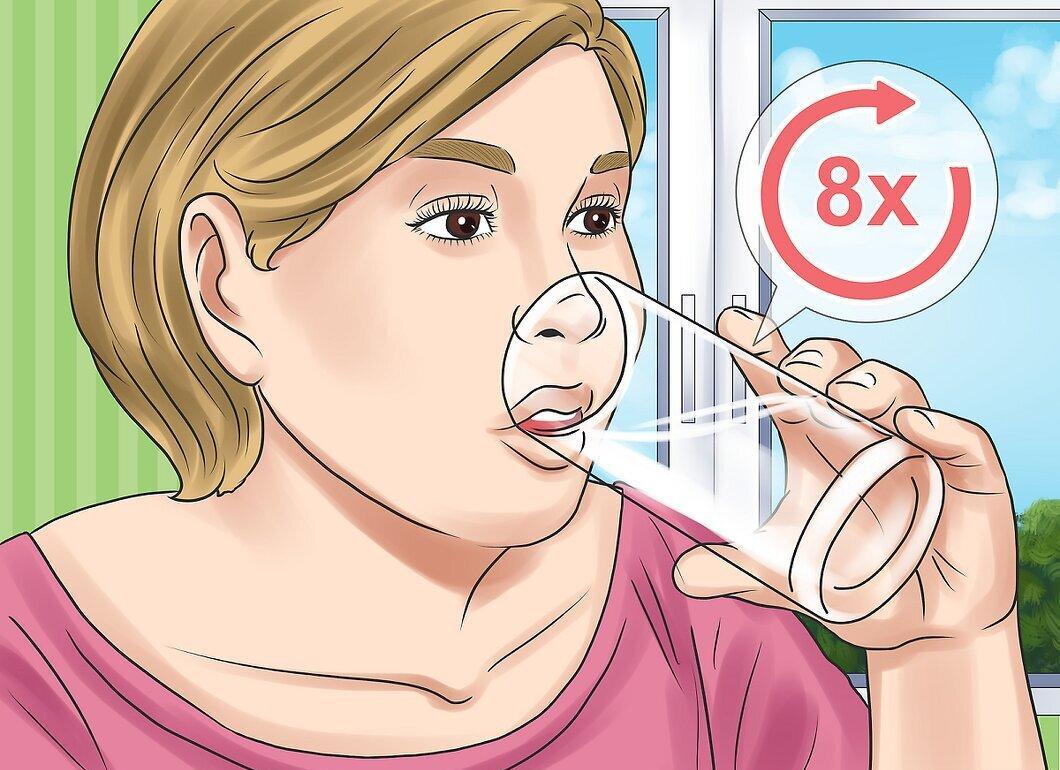
Try to drink around 8 glasses (2 liters) of water daily to maintain hydration. Keep a water bottle handy to stay on track and meet your daily requirement.
- For variety, you can make fruit-infused water or brew herbal tea that can be enjoyed hot or cold.
- Staying hydrated throughout the day will help you feel fuller.
Step 4. Reduce Portion Sizes
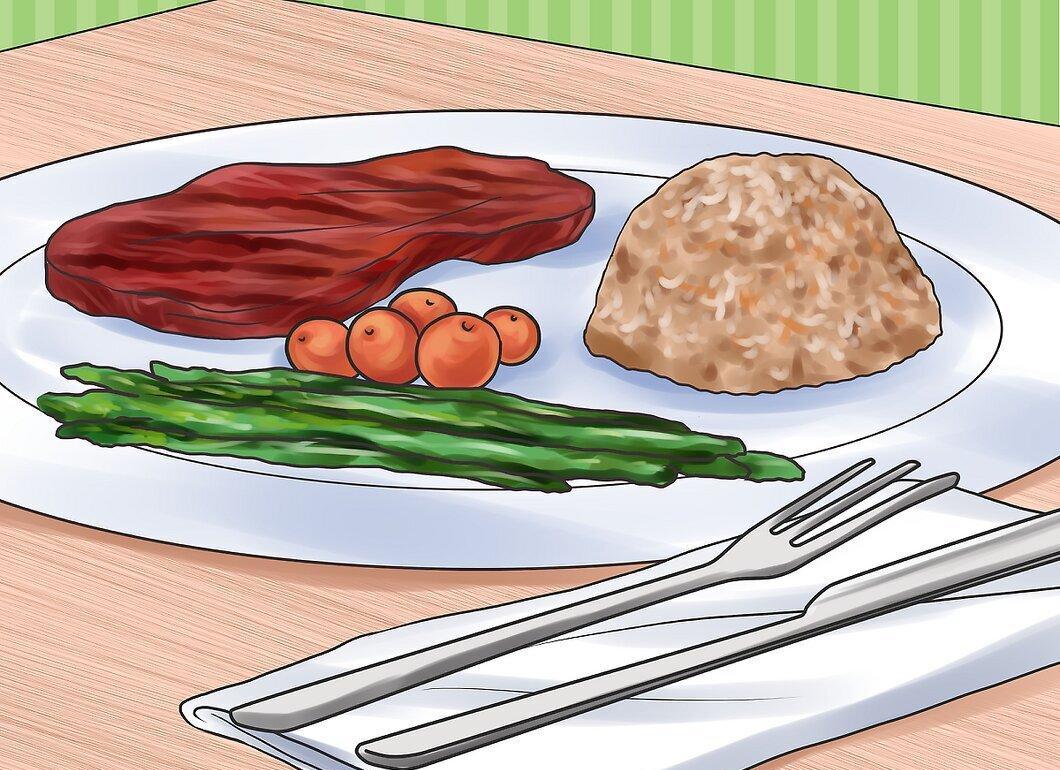
Decrease portion sizes during meals. Ask for smaller servings or cook 30–50% less than usual. This will help you resist the temptation to clean your plate. Use smaller plates to control the amount of food.
- Instead of eating a whole chicken breast for dinner, cut half of it and save it for the next day.
- At lunch, take one serving of casserole instead of two.
- Remember, eating less doesn’t mean eating faster. Take your time and chew your food thoroughly—this will help you lose weight and improve digestion.
Step 5. Fill Your Diet with Fresh Vegetables, Fruits, and Lean Protein
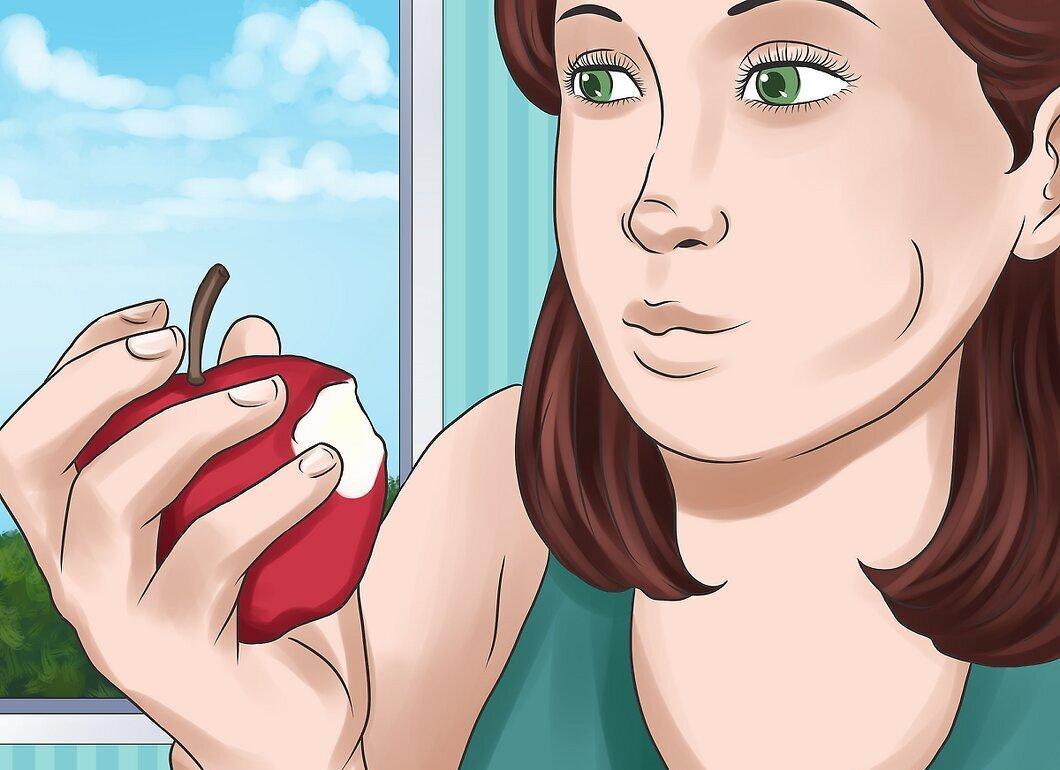
Enrich your diet with whole foods, fresh vegetables, and fruits, as well as lean protein. Avoid fast food, sweets, and fatty foods. Aim to eat at least five servings of vegetables and fruits daily, ensuring they occupy half of your diet. Prefer whole grains and lean protein sources like chicken and fish. Substitute sweet desserts with fresh fruits.
- Cooking methods like steaming, baking, or grilling are preferable to frying.
- Choose light and low-calorie dishes when dining out. This way, you can enjoy delicious food without breaking your diet.
- Allow yourself to indulge in sweets occasionally, but in moderation. You don’t have to completely give up your favorite treats—just limit yourself to one small piece.
Step 6. Don’t Eat When You’re Not Hungry
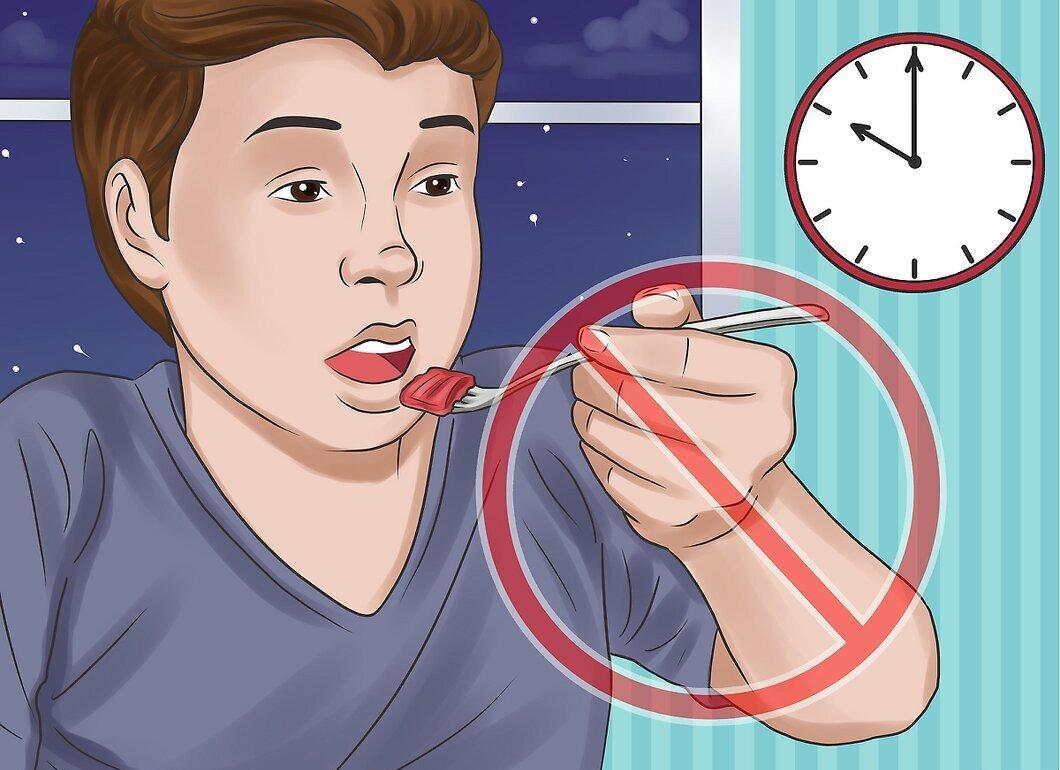
Avoid snacking if you’re not hungry or are feeling stressed. Pay attention to your stomach: as soon as you feel full, put your utensils down. If you’re bored or upset, don’t snack just for the sake of it.
- Avoid nighttime snacking. Instead, drink water or herbal tea to suppress the urge to eat.
- If your friends prefer unhealthy food, suggest switching to healthier snacks, like hummus.
Step 7. Try to Eat Regularly and Include Healthy Snacks
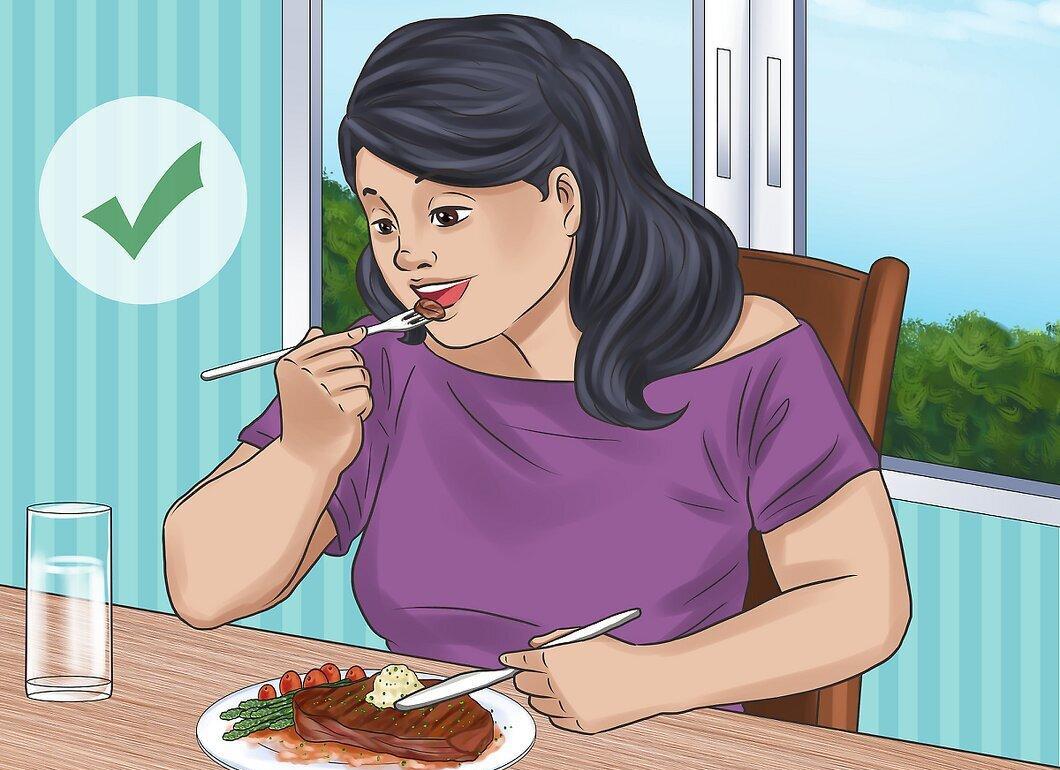
Eat three main meals and include 1–2 healthy snacks. Don’t skip meals and avoid starving. Even if you have a busy schedule, try to find time for a proper breakfast, lunch, and dinner (with portion control). If necessary, wake up 15 minutes earlier to have breakfast.
- Snack on fruits, unsalted nuts, or granola bars.
Stay Physically Active
Step 1. Engage in Physical Activity for at Least One Hour a Day
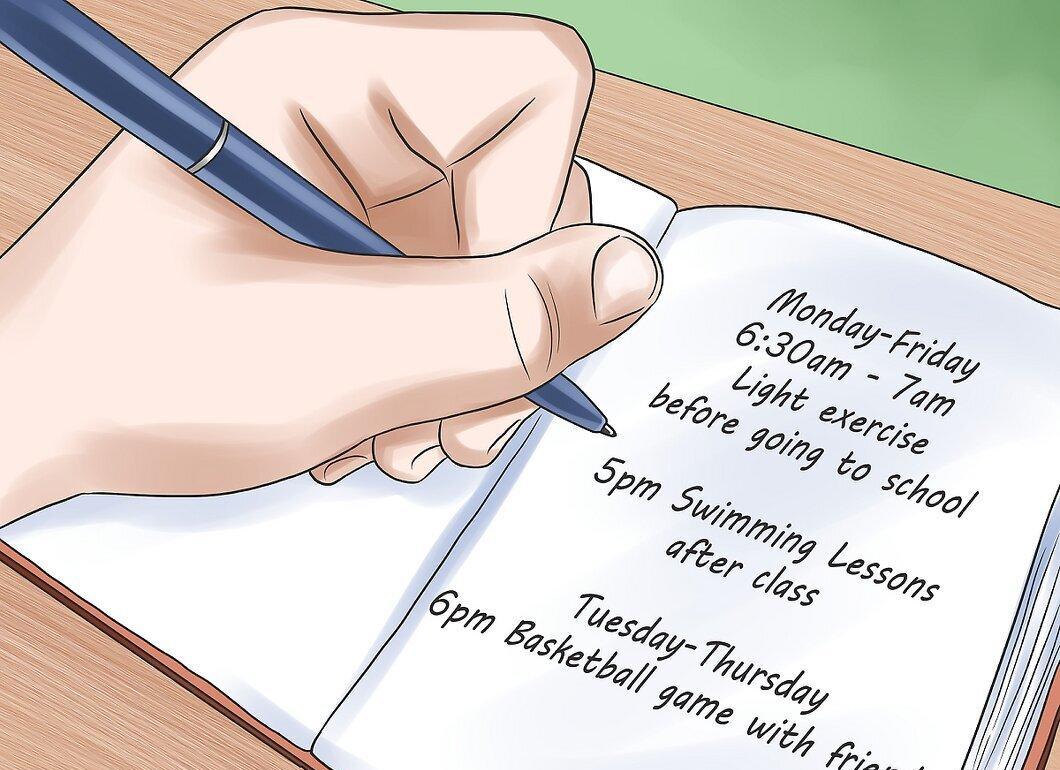
Dedicate an hour each day to moderate physical activity. Find time for workouts before or after school. This can be anything from intense workouts to walking, swimming, or treadmill sessions. If you stay active for about 60 minutes a day, you can effectively burn calories.
- Break your workouts into shorter sessions. For example, do 30 minutes of physical education at school, followed by 10 minutes of stretching and 20 minutes of dog walking.
- Instead of playing video games with friends, suggest playing soccer outside.
Step 2. Join a Sports Team or Fitness Club
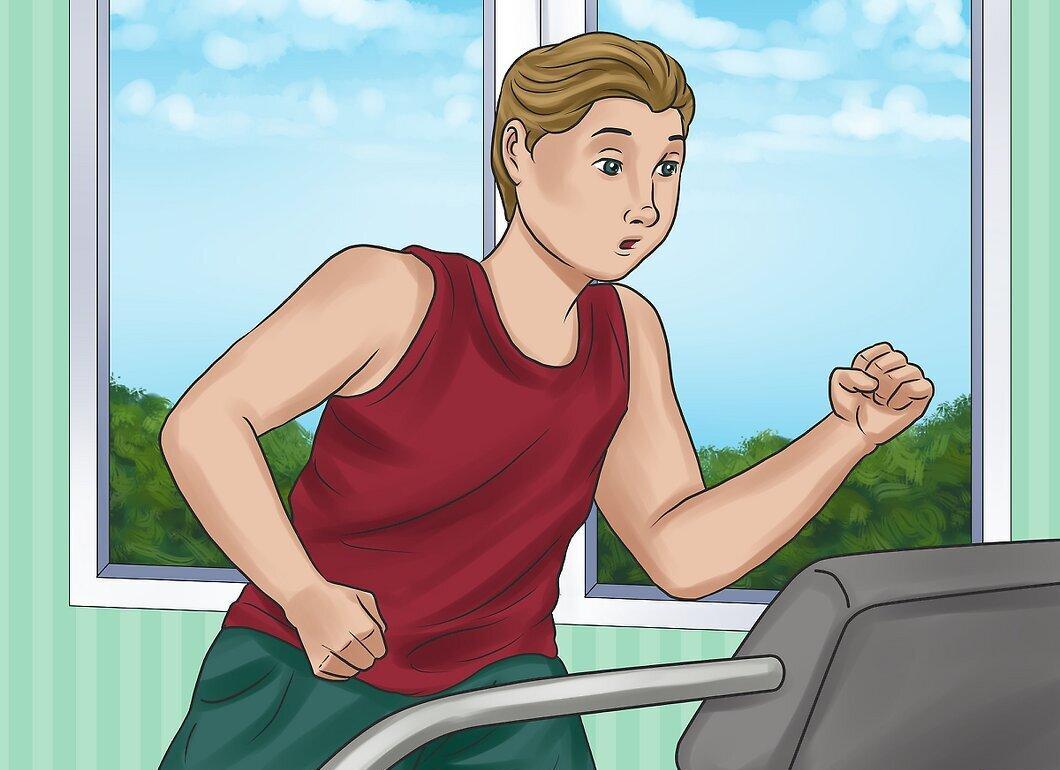
Sign up for a sports team, fitness club, or gym for regular workouts. Exercising in a team or group sessions is much more fun and helps with self-discipline. Choose something you enjoy and enroll in classes at school or a local fitness center.
- Consider joining a school team or a group that just gathers to play.
- Don’t be discouraged if the first sessions seem tough. Soon, you will notice improvements in your strength and endurance.
Step 3. Seize Every Opportunity for Activity
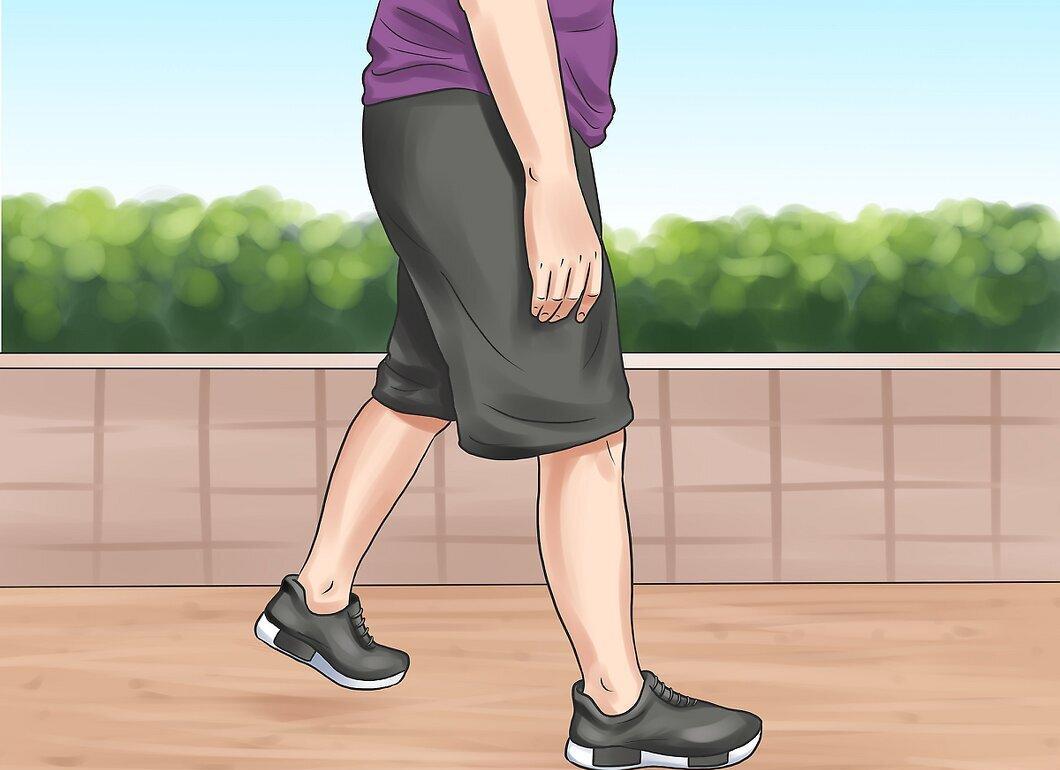
Look for any opportunities to walk, stand, and take the stairs. Use apps or pedometers to track your steps. Set an initial goal and gradually increase your step count each week. At home, work, and school, choose stairs over elevators. You can even dance to your favorite music to add activity to your day.
- Aim for brisk walking, but slow down if you feel short of breath.
- Pay attention to your posture and try to keep your back straight, as this will engage your muscles and burn more calories. If you live close to school, try cycling there instead of taking public transport.