In high school and university, you'll face the challenge of writing a research paper, which essentially means investigating different scientific, technical, or social aspects of a phenomenon that interests you. If you've never done this before, it might seem daunting. But there's no need to panic! Research your topic, find reliable sources, and formulate your thesis. Then, create an outline and start writing. Make sure to allocate enough time for proofreading your work, as this is a crucial step if you want your paper to stand out.
Choosing a Topic
Step 1. Ask Yourself Key Questions About the Topic.
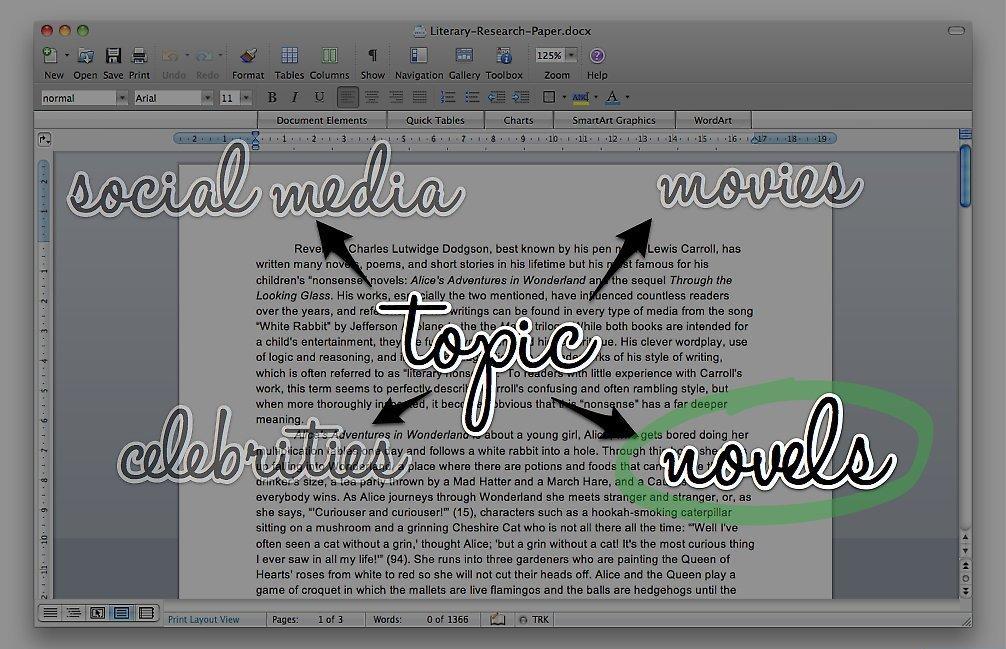
Try to ask yourself several key questions about your upcoming research. You might have to stick to a rigidly assigned topic, but it’s still important to choose an appropriate aspect. This is the first and most important step. It doesn’t matter whether your topic is something you dream about or something less exciting. Consider how much material is available on your chosen topic. Is it a new, underexplored area where you can express your opinion? Does it fit the assignment's framework?
Step 2. Find a Topic That Inspires You.

If possible, choose a topic that interests you. If you enjoy exploring what excites you, it will positively impact the quality of your work.
Step 3. Ensure Originality.

Originality is important. If you are writing on an assigned topic, think about whether one of your classmates has chosen it as well. How can you make your paper stand out?
Step 4. Listen to Others' Suggestions.

If you're struggling to decide on a topic, don't hesitate to seek help from your teacher or classmates. They might have ideas that resonate with you! Even if their suggestions don't fit, it could inspire something new. Asking a teacher for help might feel awkward, but it's in their interest for you to succeed, and they are usually happy to assist.
Step 5. Don’t Be Afraid to Change Direction.
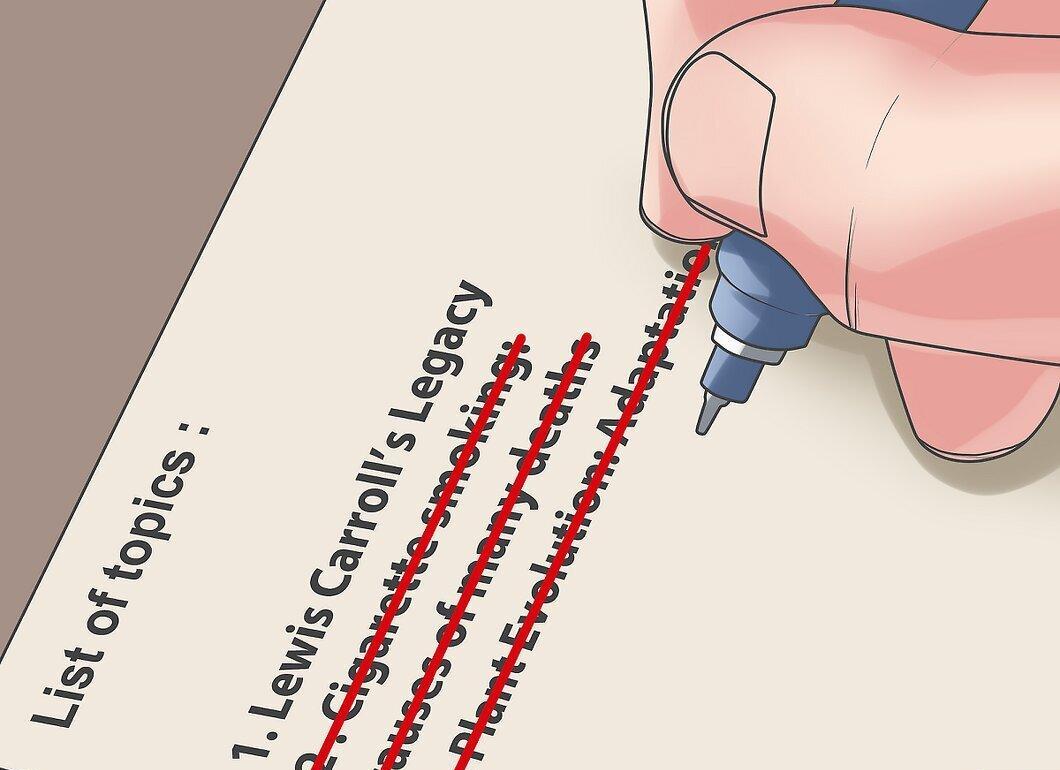
Don't be afraid to change your topic. If you start exploring a chosen aspect and realize it’s not for you, don’t despair. Even after starting your work, it’s okay to switch topics. Yes, you may lose some time and part of your effort, but that’s perfectly fine.
Conducting Research
Step 1. Start Studying the Topic.
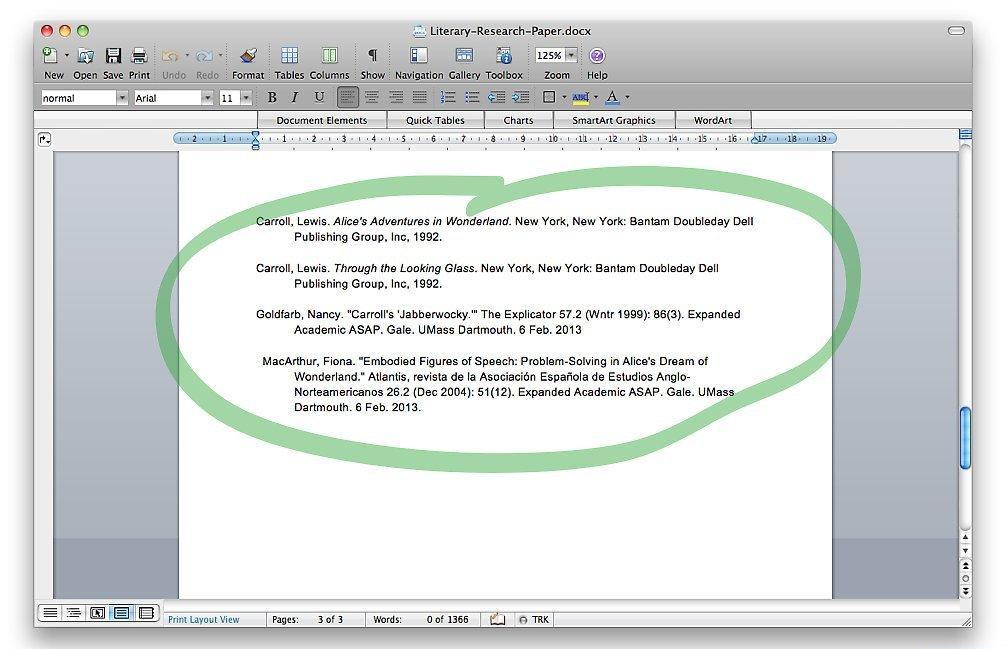
Now that you've chosen a topic, it’s time to start your research. Use a variety of sources: websites, journals, books, encyclopedias, interviews, and blogs. Be sure to visit thematic sites related to your topic. Use at least five sources; don’t rely solely on one or two.
Step 2. Explore Empirical Data.
Don’t forget about empirical studies. If possible, refer to authoritative research presented in scholarly journals or books that have been endorsed by other experts.
Step 3. Visit the Library.

Don’t overlook your local library! Although this method may seem outdated, libraries contain a wealth of useful materials. Don’t hesitate to ask librarians for help—they’re ready to assist you.
Step 4. Search for Information Online.
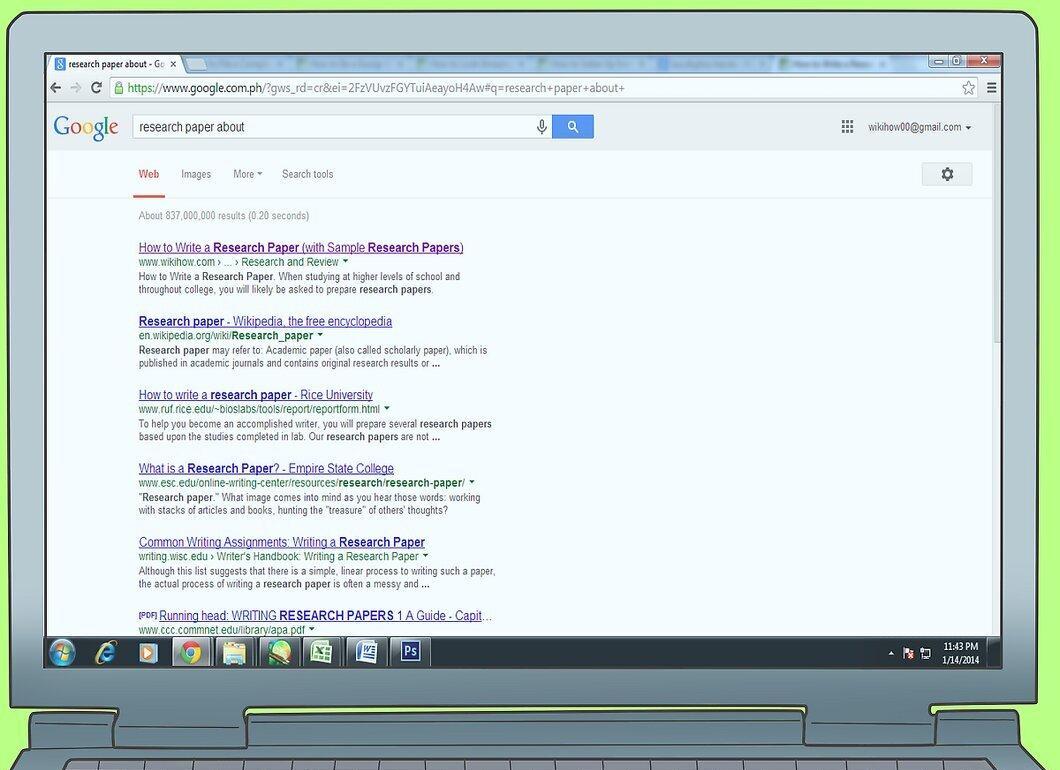
When searching for information online, don’t stop at the first links. Critically evaluate the materials you find. Take your time; first familiarize yourself with the information before drawing conclusions. Websites, blogs, and forums are not always reliable sources.
- Websites with .edu, .gov, or .org domains are more reliable, as they belong to educational institutions, government entities, or organizations.
- Vary your queries to find diverse results. If nothing comes up, it may be worth rephrasing to better align with the topics of the articles.
Step 5. Use Academic Databases.
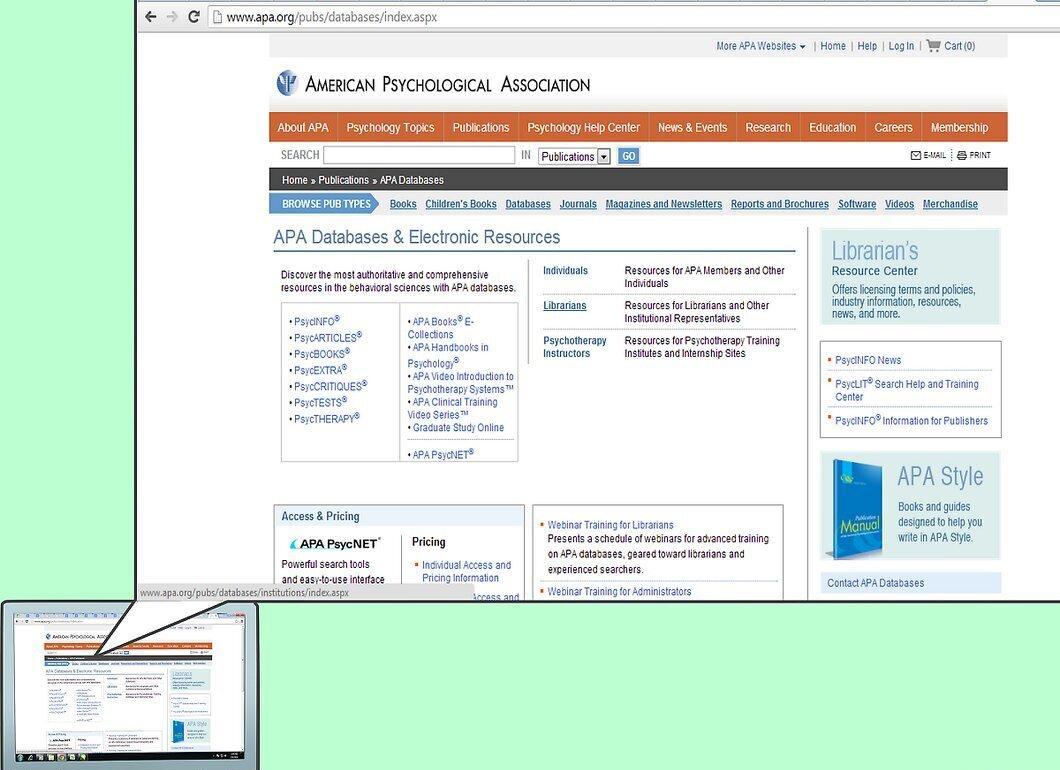
There are specialized search engines and academic databases that house thousands of articles, journals, and books. While many of them require a subscription, there are ways to gain free access.
- Look for databases relevant to your topic, such as PsycInfo for psychology and sociology. Searching in such databases will yield higher quality results.
- Most academic databases allow you to fine-tune your search parameters, which is helpful for obtaining the information you need.
- You can learn about academic databases and access passwords at your institution's library.
Step 6. Be Creative!

If you find a suitable book, don't forget to check the reference list—there may be dozens of additional useful sources related to your topic!
Preparing a Draft
Step 1. Write an Abstract.
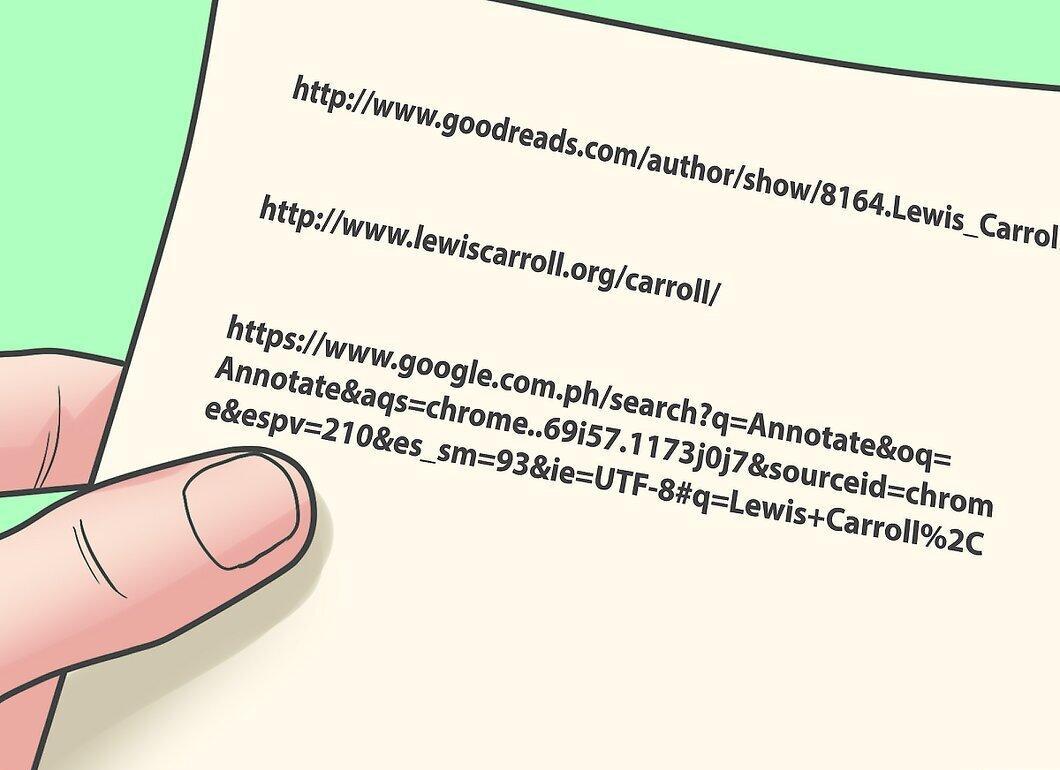
After gathering materials, print them out and highlight all important points. This step is crucial: read carefully and take notes, emphasizing key points. You can write on the printed pages or use sticky notes.
- Spend time on this stage to make your future work easier. Mark everything that might be useful!
- Don’t hesitate to add your comments to highlighted sections to avoid confusion later. Jot down ideas on how to use specific excerpts.
Step 2. Organize Your Materials.
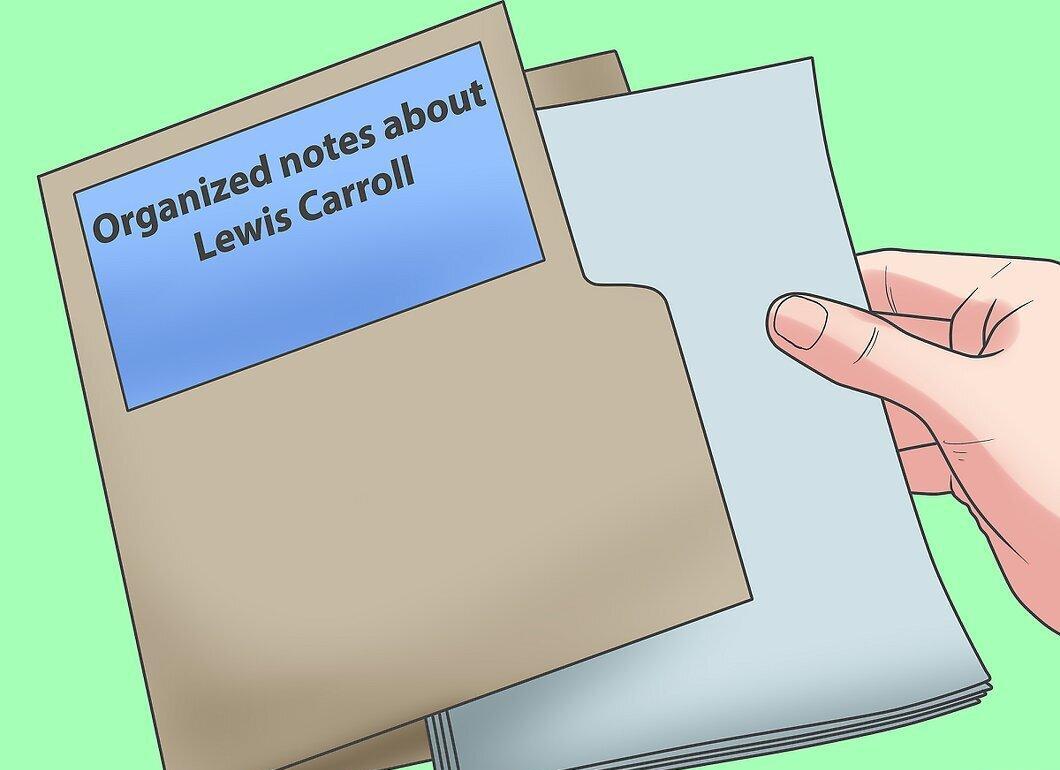
Start organizing your materials. Annotation is just the beginning; you need to structure the data for easier work. Divide everything into themes. For example, if you are researching a literary work, use categories like characters, symbolism, and plot.
- You can record information on index cards or separate sheets to make reorganization easier.
- It can be helpful to use color codes; for instance, highlight information about characters in green and plot in orange.
Step 3. Create a Preliminary Bibliography.
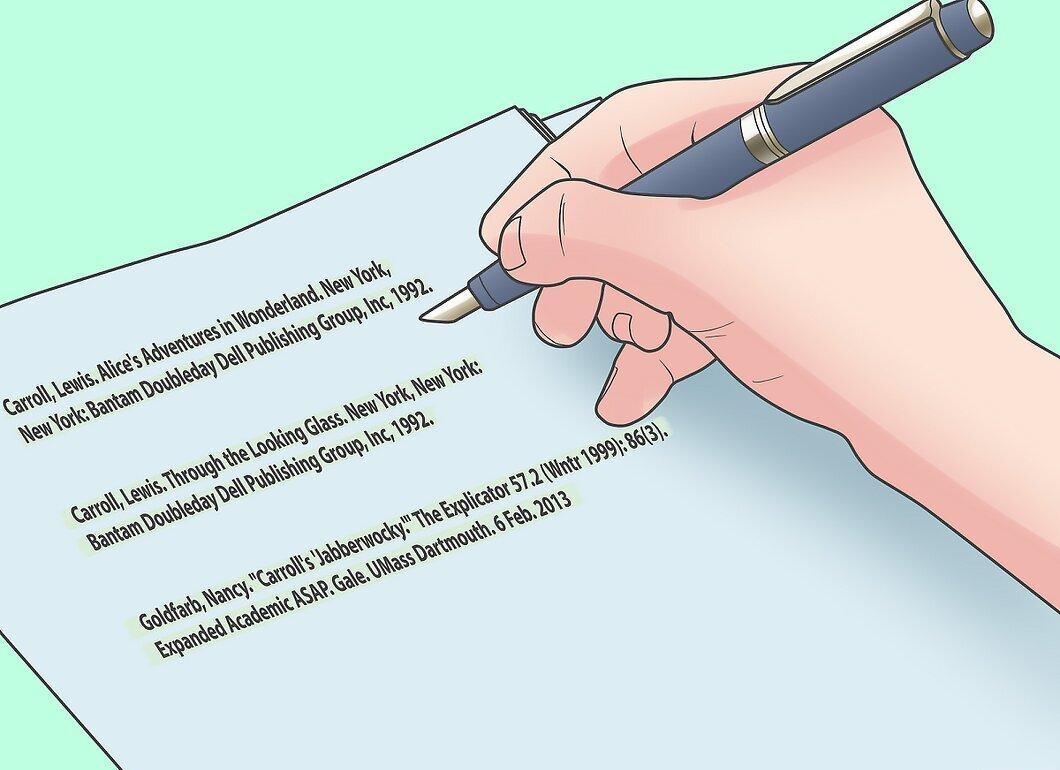
When working with materials, don’t forget to note down authors, publication years, publishers, and the pages where you found the necessary information. This will make your life much easier in the future.
Step 4. Define the Purpose of Your Paper.
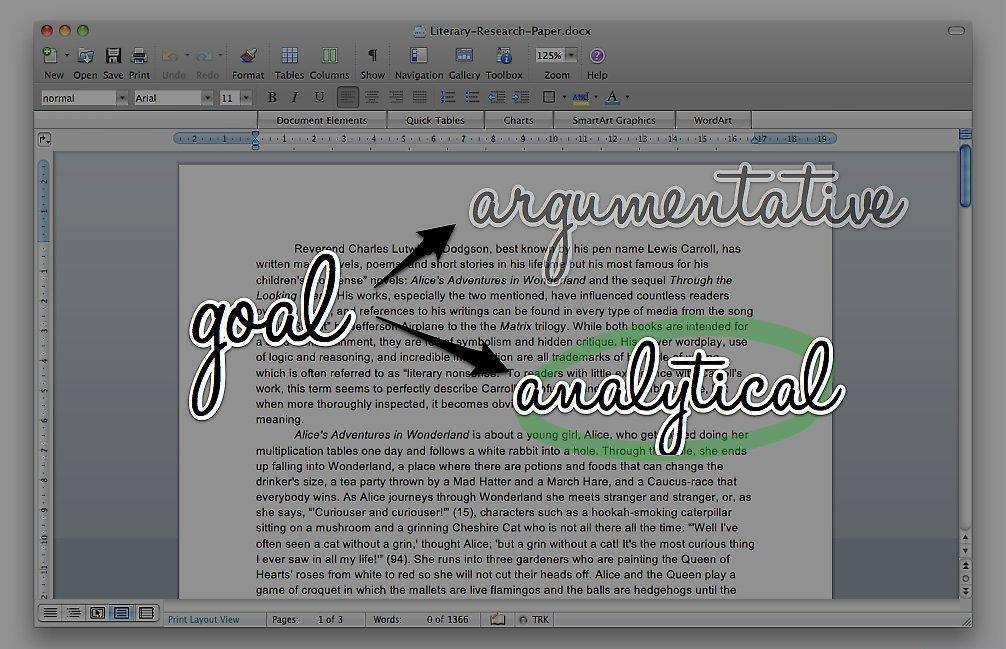
There are two types of research papers, each requiring a different approach, which should be considered when preparing your draft.
- A discussion paper is based on a controversial issue and presents arguments for or against it. It’s important that the problem has counterarguments.
- An analytical paper offers a new perspective on an important question. The topic may not be contentious, but you must convince readers that your ideas are worth considering.
Step 5. Identify Your Paper's Target Audience.

Who will read your paper? Will it be published? It’s crucial to understand who your audience is. If you’re writing for a scholarly journal, there’s no need to explain the basics. If your work is for a broader audience, provide detailed explanations with examples.
Step 6. Formulate a Preliminary Thesis.

The thesis is the main idea of your paper, making a statement about a particular issue and then providing arguments. At this stage, create a preliminary thesis (1-2 sentences) that may change later. Your work should be connected to the thesis, so it’s important to articulate it clearly.
- The thesis answers the question you want to explore. For example: "How does socio-cultural destigmatization impact the successful treatment of mental illnesses?" This will lead to the formulation of your thesis.
- The thesis should reflect the main idea without containing arguments or a summary of the work.
Step 7. Identify Key Questions for the Article.
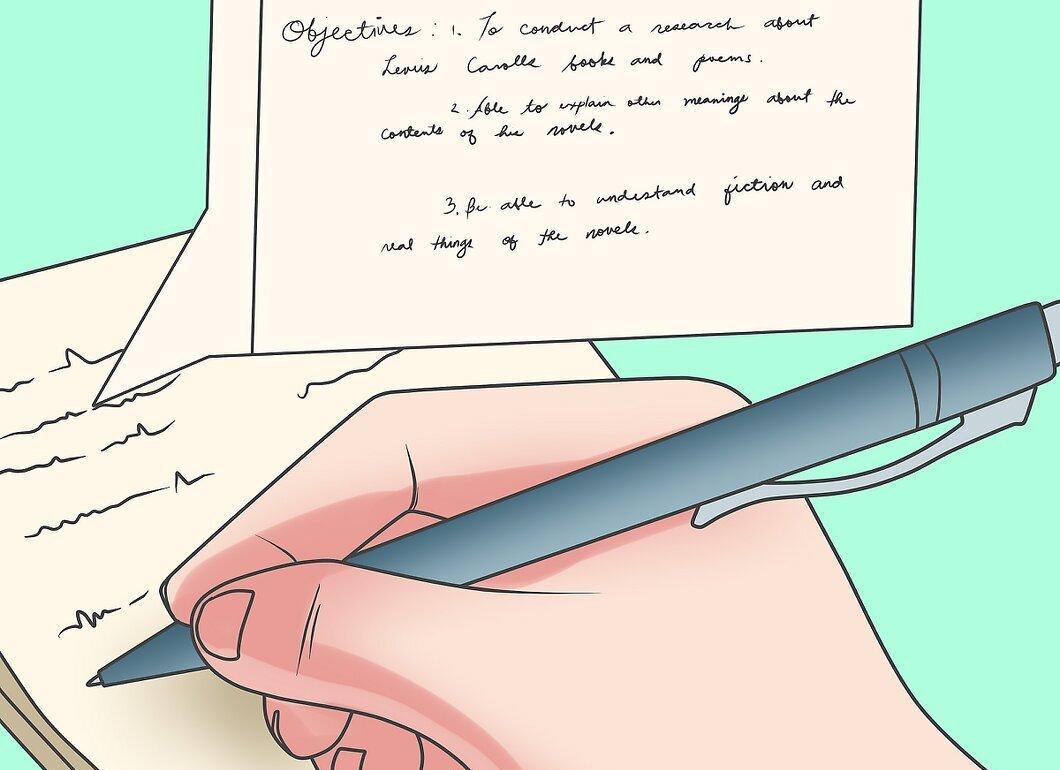
While working on your article, you’ll need to answer important questions about the topic. Return to your collected materials and see which questions are most relevant. Write down key questions on paper and list the materials that support each one.
- It’s important to think about the order of presenting the material. The most significant conclusions or questions are best placed at the beginning, while more controversial ones can be closer to the end.
- Don’t limit yourself to the format of “1 question — 1 paragraph.” Major ideas can be developed in a larger volume of text.
Step 8. Consider Formatting Requirements.
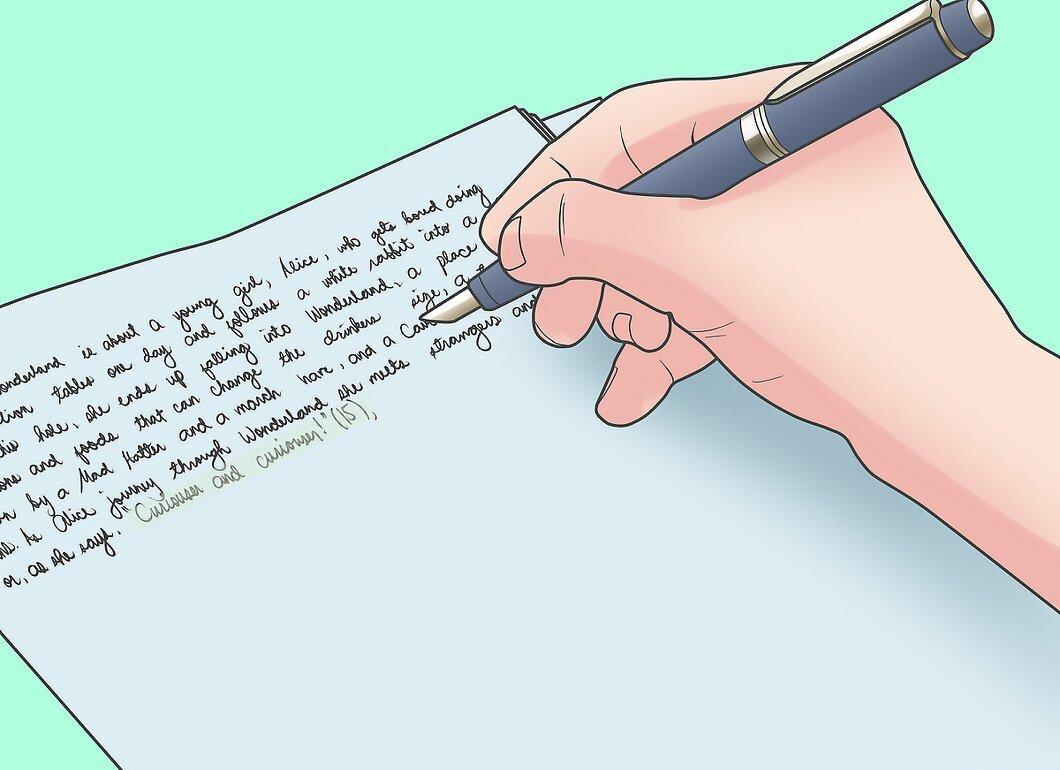
Different articles may have different formatting requirements. Check with whoever assigned the work to know how it should be formatted. Remember that formatting can affect how you prepare the final version.
Step 9. Complete the Draft.
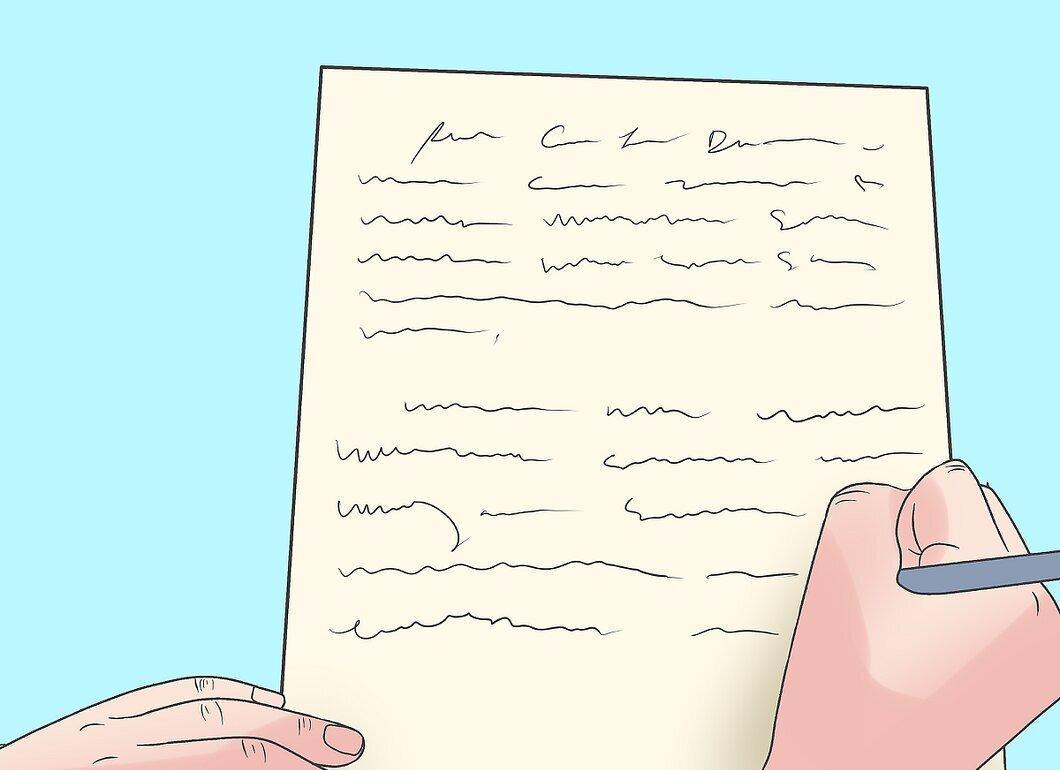
With all recommendations in mind, prepare your draft. Don’t forget about formatting, alignment, and indentation. The draft should be a concise summary of your article, incorporating all necessary citations.
Preparing the Final Version
Step 1. Start Working on the Article Text.

While it may seem odd not to advise starting with the introduction, it's true—it's easier to write the introduction when the article is almost ready. Begin with describing the support for your thesis. Adjust ideas and comments as necessary.
- Every statement you make should be supported by facts. Your work is research-based, and you need to keep facts in mind.
- Provide clear and detailed comments. If you’re presenting opinions, back them up with facts. But remember to explain why and how it matters.
- Avoid lengthy direct quotes. The essence of your work lies in your own thoughts. If a quote isn’t critical, it’s better to paraphrase and analyze.
- Ensure smooth transitions between points. Your work should read easily and fluidly.
Step 2. Write the Conclusion.

Now, after careful consideration, write a conclusion that summarizes your findings. Start with the main thesis, remind the reader of important points discussed in the paper. Gradually unveil the topic and conclude on a high note, summarizing your research.
- The conclusion should answer the question: "What is the main takeaway?" Ensure that the reader has gained new insights from your work.
- It’s better to write the conclusion before the introduction when the information is fresh in your mind. This will help you utilize your entire vocabulary in the conclusion and then simply rephrase it for the introduction.
Step 3. Write the Introduction.

The introduction should be the opposite of the conclusion. Start with a broader idea and gradually narrow it down to your topic, avoiding repetitions from the conclusion.
Step 4. Compile a Reference List.
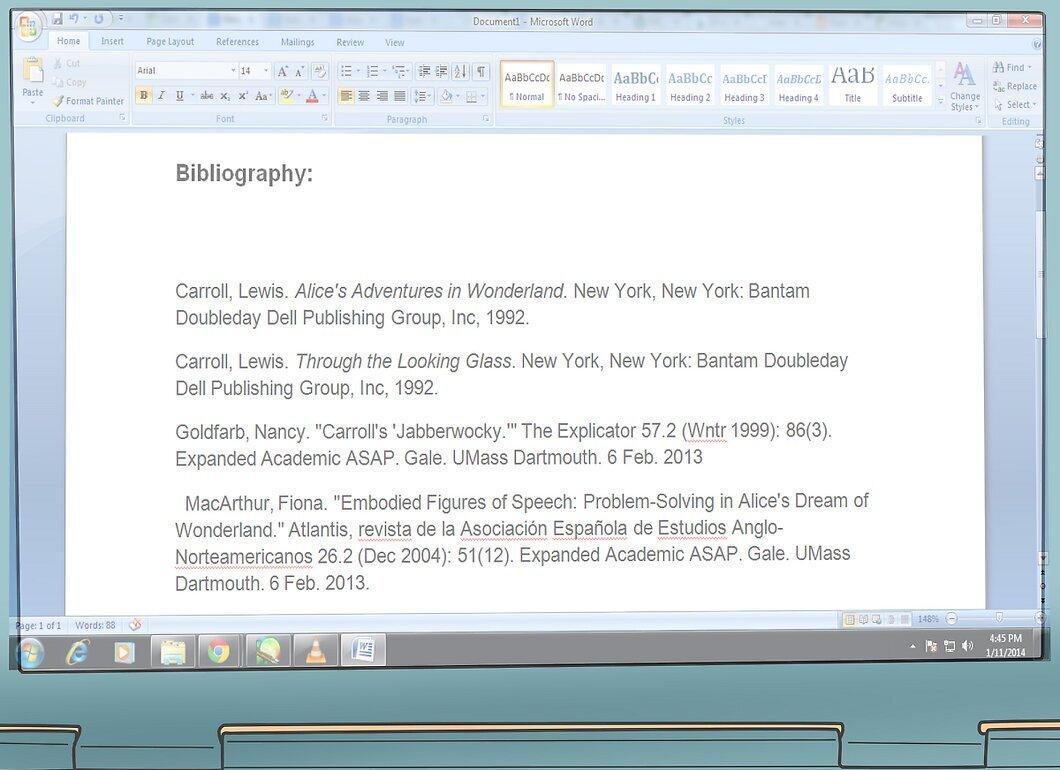
List all sources used in your work. Format the bibliography according to the required style, such as MLA, APA, or Chicago style.
- The MLA format is often used for analyzing literary works and requires a "Works Cited" section at the end.
- The APA format is used in social sciences and requires in-text citations and a "References" list.
- The Chicago style is applied in historical works and requires footnotes at the bottom of the page.
Step 5. Edit Your Work.

While the temptation to use automated proofreading is great, it’s better to read through your work carefully yourself or ask acquaintances for help. They can check grammar and assess the persuasiveness of your article.
- If you’re editing your work yourself, do it three days after completion to rest and approach it with fresh eyes to spot errors.
- Listen to feedback from others. If several people suggest rewriting a part, they might have a valid reason.
Step 6. Prepare the Final Version.
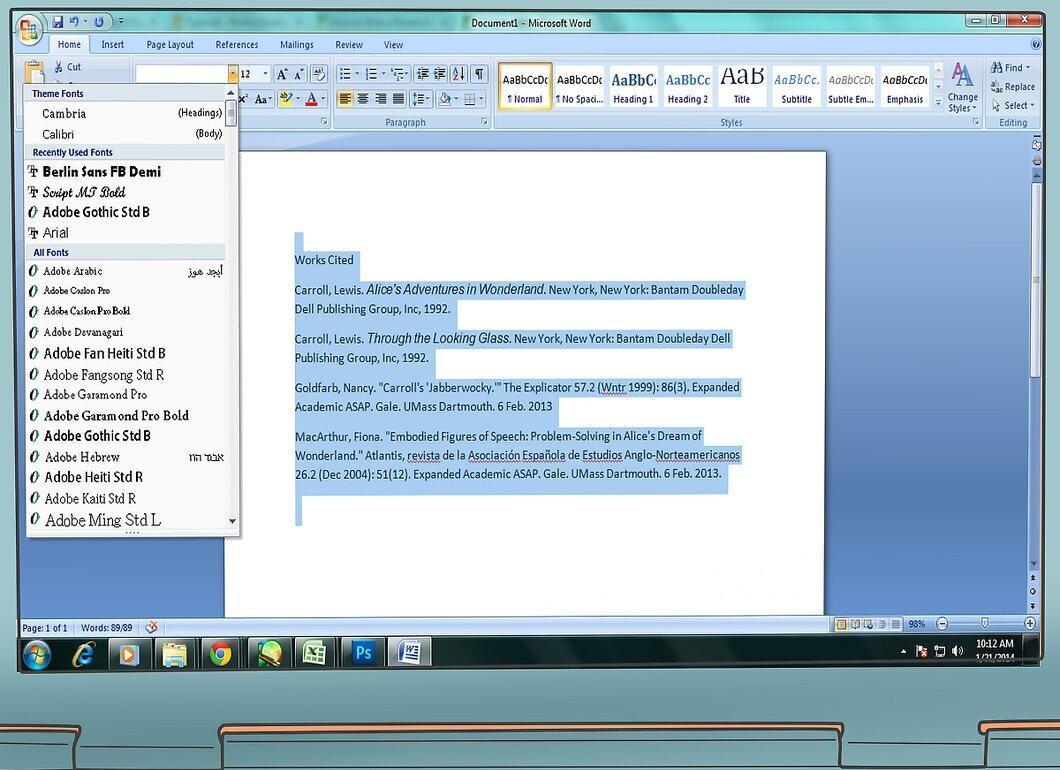
When your work has been reviewed and formatted, all that’s left is to prepare the clean copy. Reread the article and make necessary adjustments, including formatting and the title page. These are the final steps in completing your work. Be sure to make several copies in both paper and electronic formats!