Every woman is a distinct story, and each embarks on her own path to maturity. However, there are common threads: to transition from girlhood to womanhood, one must prepare for significant physical, emotional, and mental changes. Some transformations can be controlled, while others come with time and are part of the natural process. Growing up is not an instant process; it requires time and experiences that shape your life.
Emotional Growth
Step 1. Acknowledge that being a woman is a unique perspective on the world.
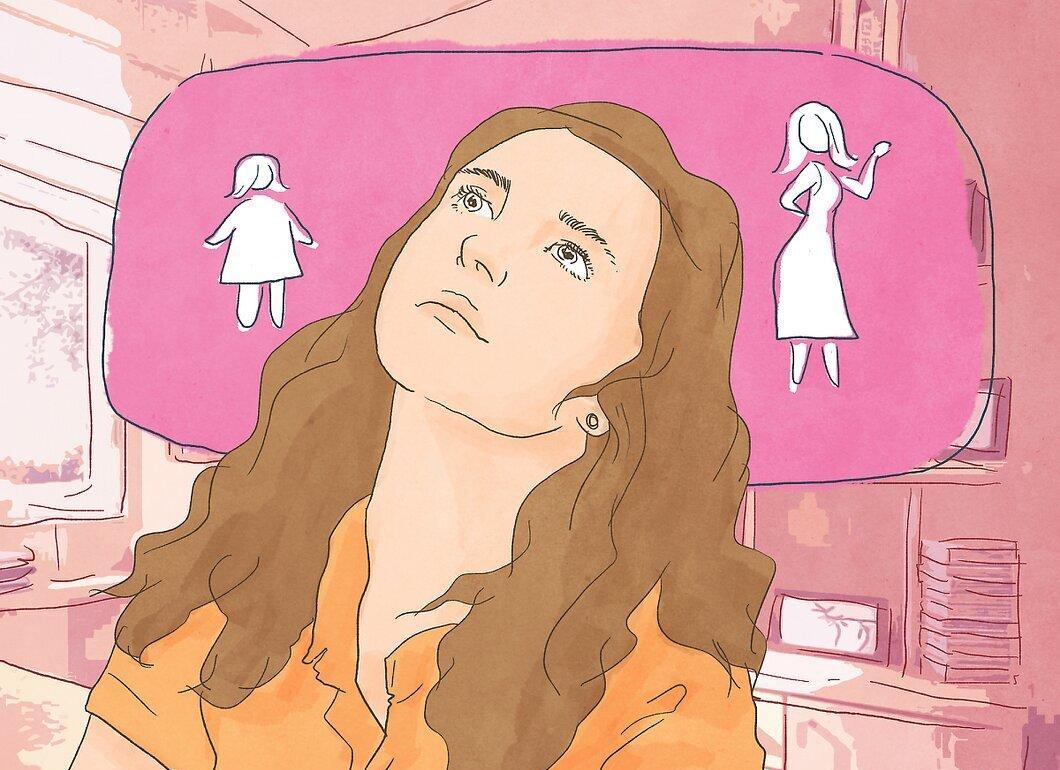
Recognize that a woman's mindset is different. The transformations involve not just your appearance but also your thoughts and feelings. Becoming a woman can take time and effort, but there are ways to assist yourself in this journey.
Step 2. Immerse yourself in literature about growing up from women for women.
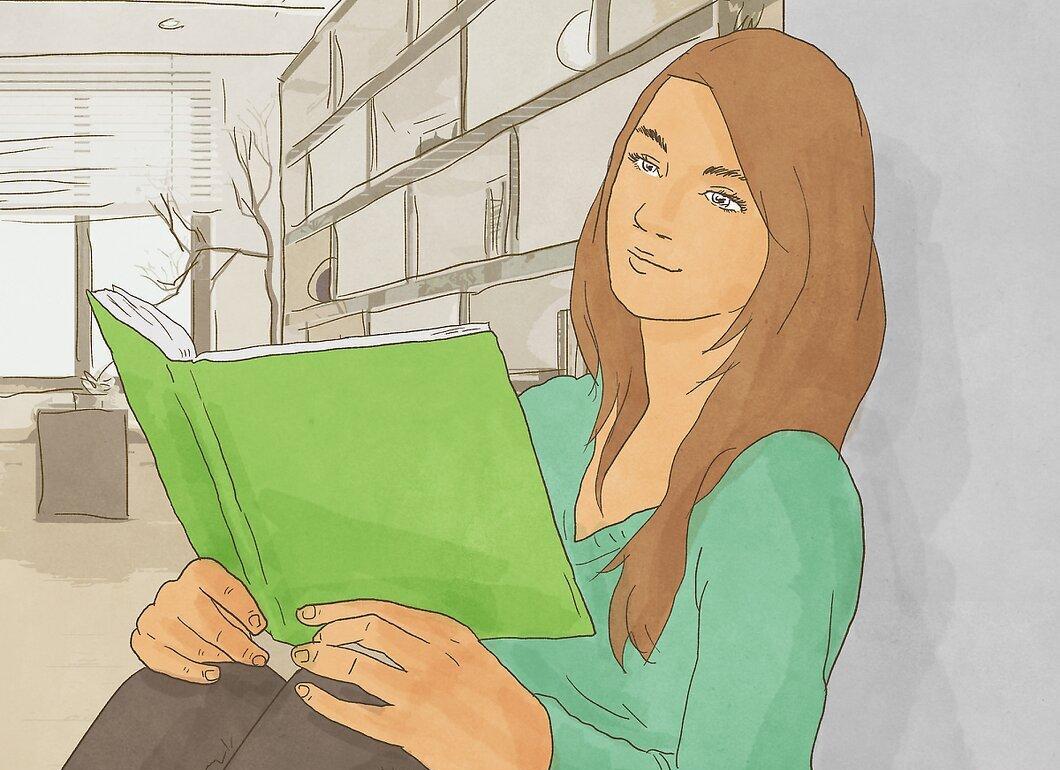
Read books written by women about growing up. The world is constantly changing, and there's always something new to learn. Acquire books that help you understand the female experience, or borrow them from the library. Pay special attention to memoirs and autobiographies of women you admire. You'll learn about their experiences and challenges, which can help you navigate your own.
Step 3. Learn the social skills inherent to mature women.
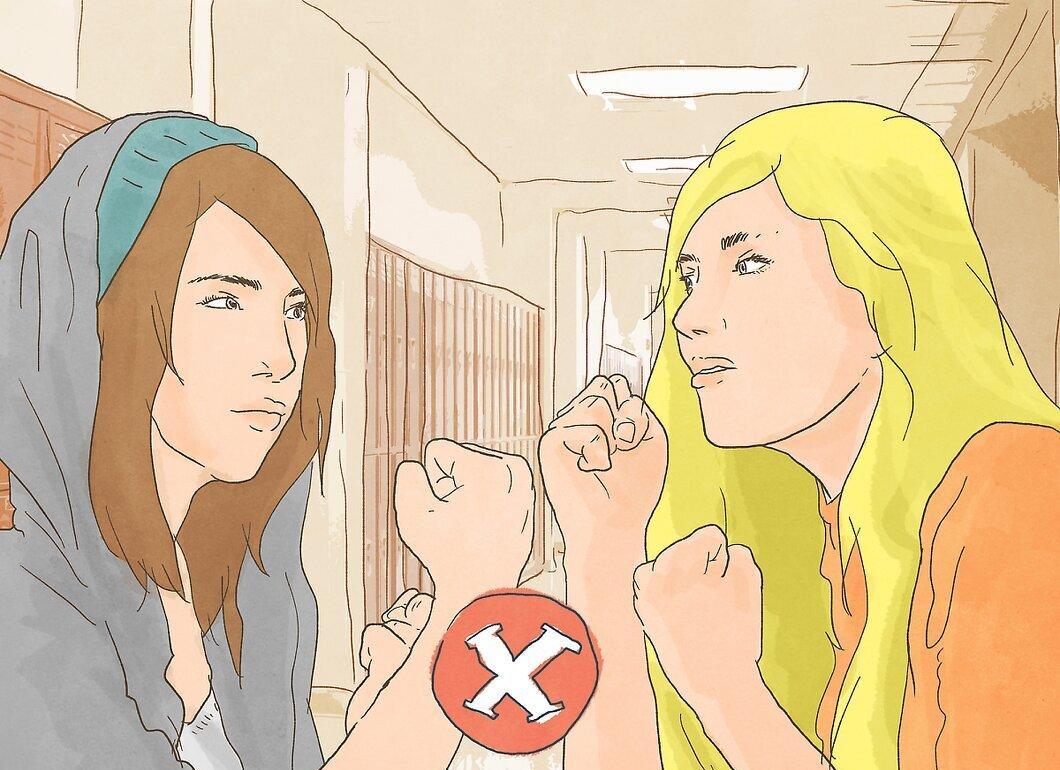
Master the skills that will help you behave like an adult woman. When you start to act like an adult, those around you will perceive you accordingly, boosting your self-esteem. To achieve this:
- Avoid procrastination. Be accountable for your promises and finish what you start.
- Mind your manners. Courtesy and politeness will help you become more responsible.
- Stand your ground. Politeness is important, but don’t let others disregard you. Learn to express your thoughts confidently, even if someone is being rude.
Step 4. Be decisive in your actions.
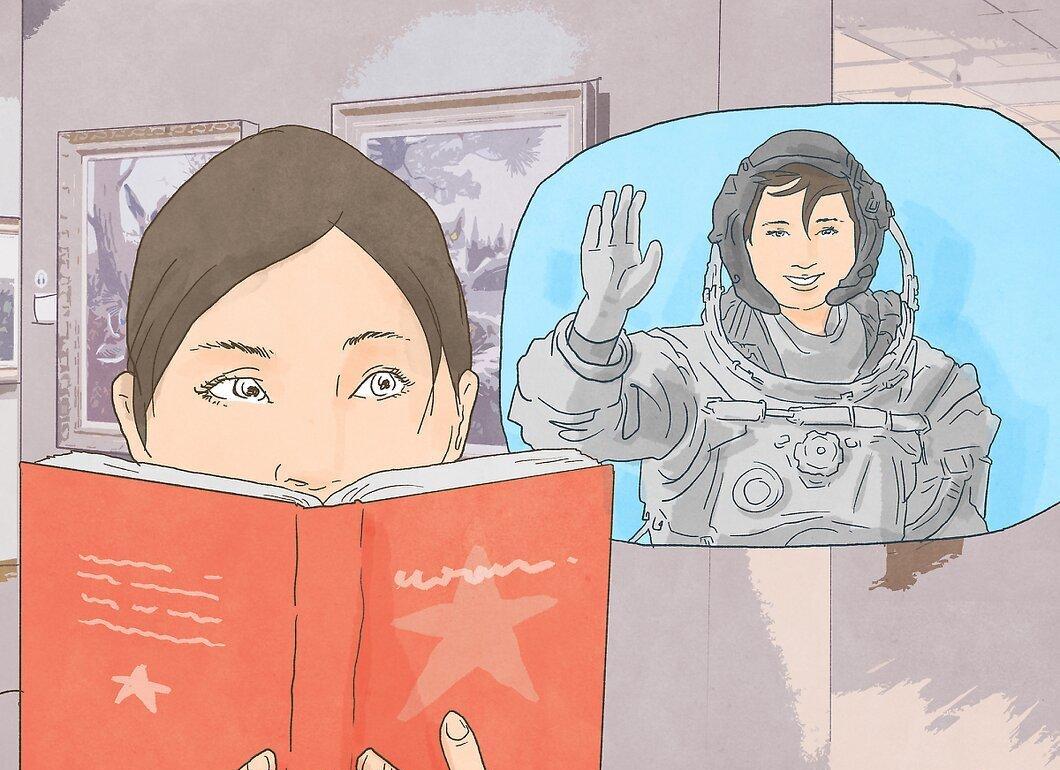
Act with confidence. Women often underestimate their abilities, while men may overestimate theirs. Both approaches can be detrimental. Remember: even if you feel uncertain, you may be the most knowledgeable person in the room. Here are some ways to cope with insecurity:
- Find inspiration from a successful woman. Networking with a woman in a leadership position will help you develop leadership qualities.
- Don’t let upbringing hinder your achievements. Politeness is important, but don’t sacrifice your knowledge for it. Find a balance.
- Speak confidently. Practice presenting your ideas assertively. Maintain good posture, speak clearly, and make eye contact with your listeners.
- Share your knowledge with others. By being a role model for younger generations, you will also enhance your leadership skills.
Step 5. Stay informed about the world.

Keep up with global news. This will help you appear informed and responsible, and it will provide you with topics for conversation. Doing so will help you better understand your place in society and define your values. Useful actions include:
- Read, watch, or listen to the news regularly.
- Follow journalists you trust.
- Study documentaries on topics that matter to you.
- Form your own conclusions based on information from credible sources. If you have the opportunity to vote, choose candidates and laws that align with your beliefs.
Step 6. Participate in a rite of passage into adulthood.
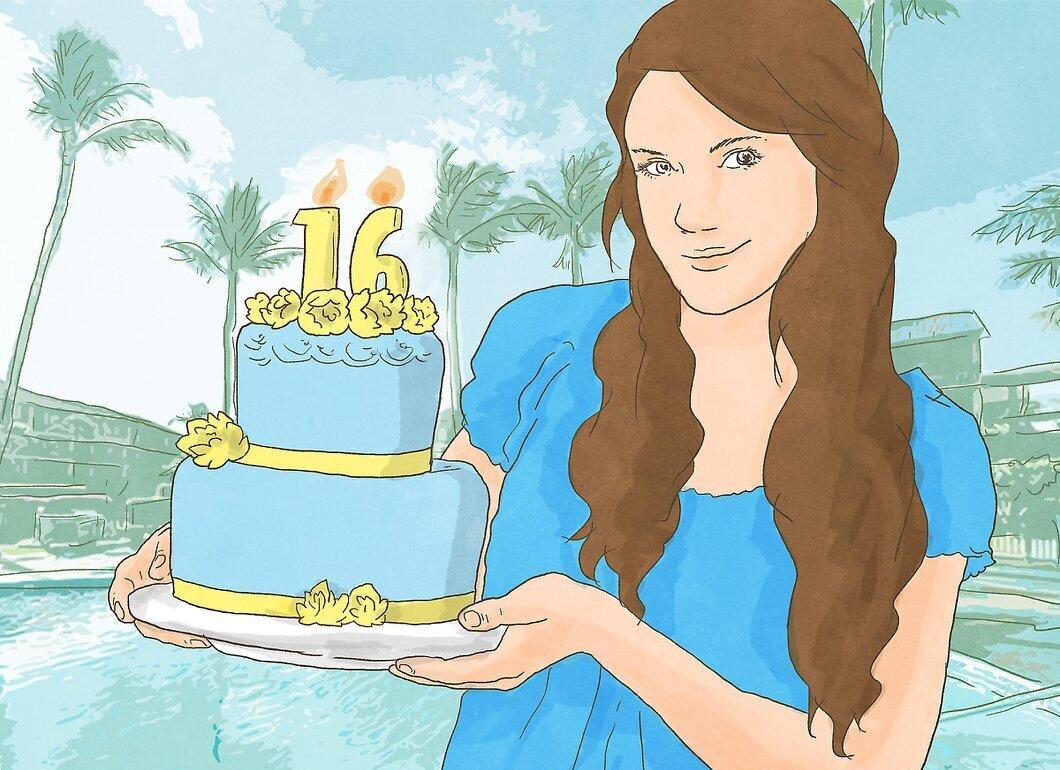
Engage in rituals that symbolize the transition from childhood to adulthood. Many cultures have ceremonies that help young people feel part of the adult community. Consider how you could hold such a ritual in accordance with your cultural traditions.
Step 7. Set your goals and strive for them.
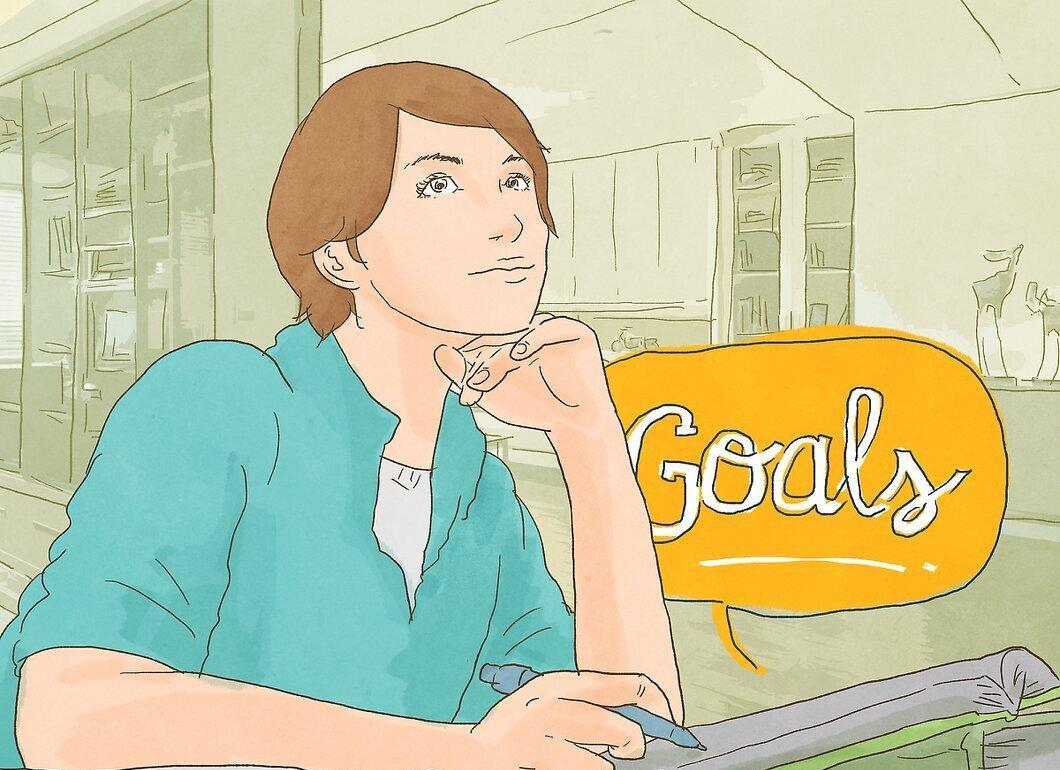
Set goals that reflect your desires. They should be uniquely yours and may not align with your parents' expectations. Your life should be founded on your decisions and values. Reflect on what you want to achieve and how to get there.
Developing Useful Skills
Step 1. Remember that growing up involves more than just physical changes.
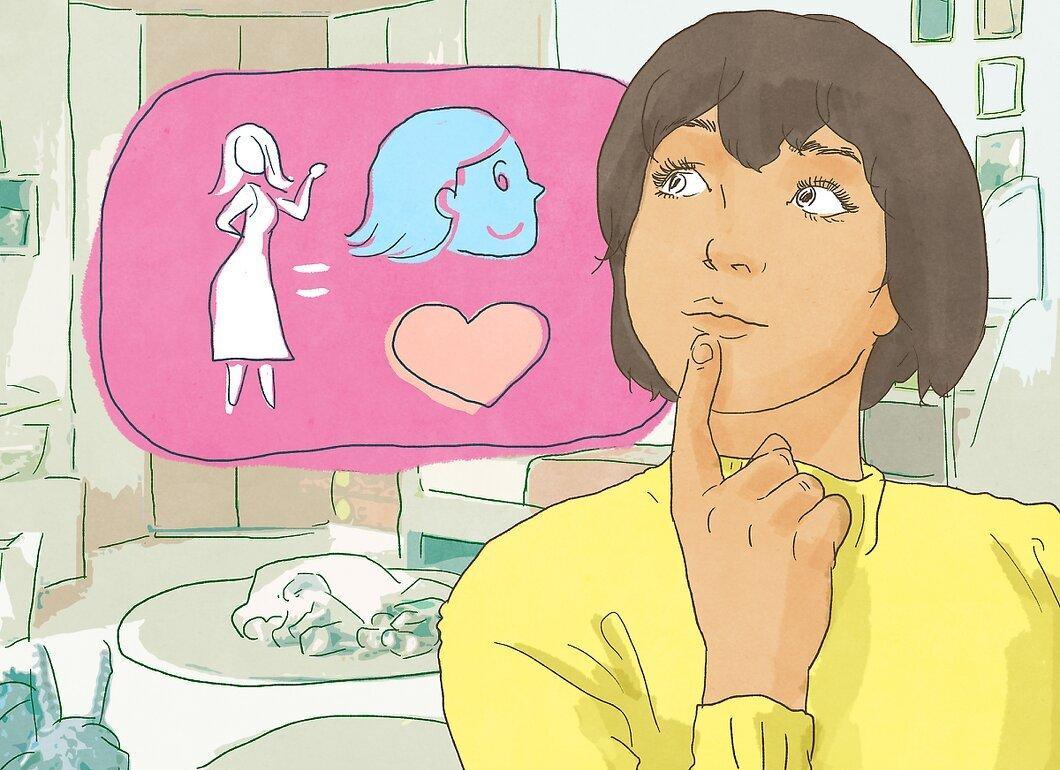
Growing up involves not only physiological changes but also emotional and behavioral development. A crucial aspect is learning to be independent. This will require acquiring new skills and habits for a successful adult life.
Step 2. Identify which skills you need to develop.
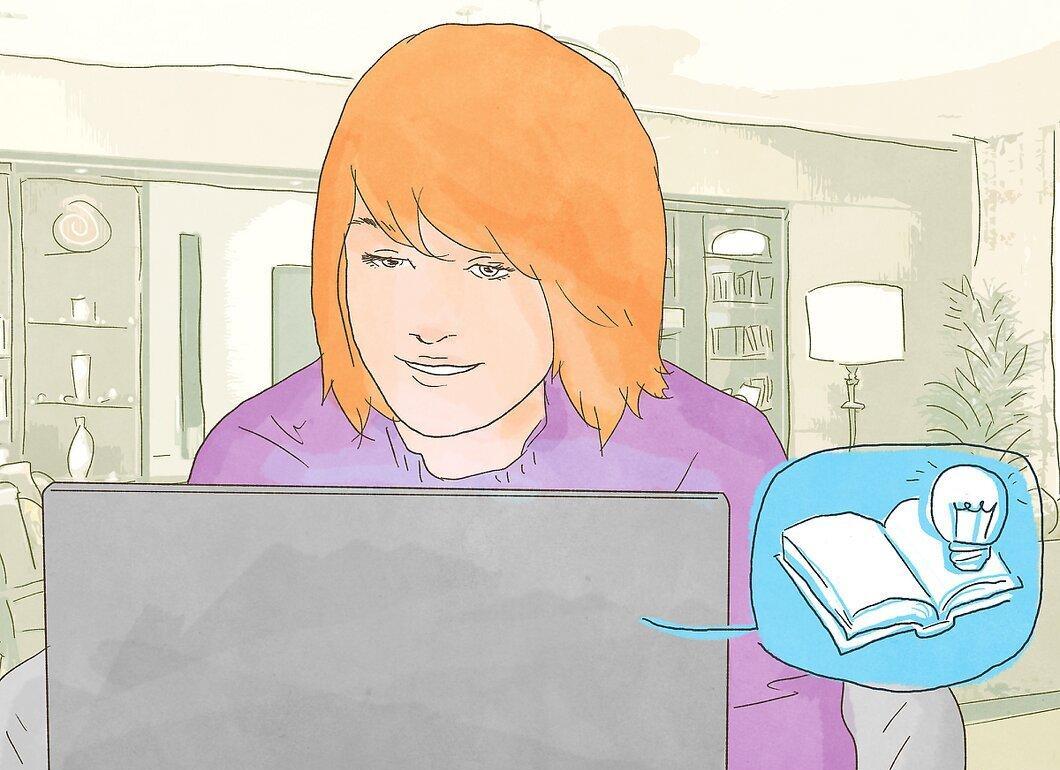
Reflect on the skills you'd like to cultivate. You can learn a great deal, and while not everything will come at once, some skills will help you become self-sufficient. Read books that will help you adapt to adult life, seek advice online, and from people you trust.
Step 3. Learn to manage your finances effectively.
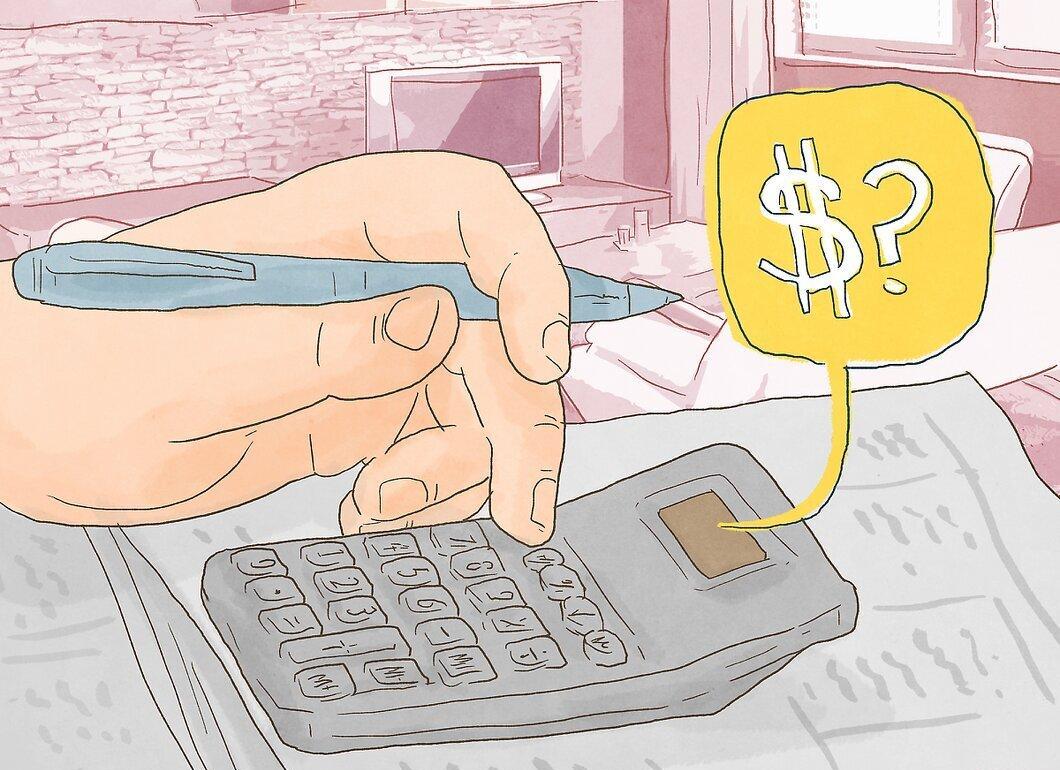
Financial literacy is a vital aspect of growing up. Whether you’ve started your first job or are preparing for independent living, you'll need skills such as:
- Monitoring expenses;
- Tracking income and expenditures;
- Paying taxes on time;
- Saving for major purchases and building a financial cushion;
- Making informed decisions about loans.
Step 4. Determine your mode of transportation for getting around the city.
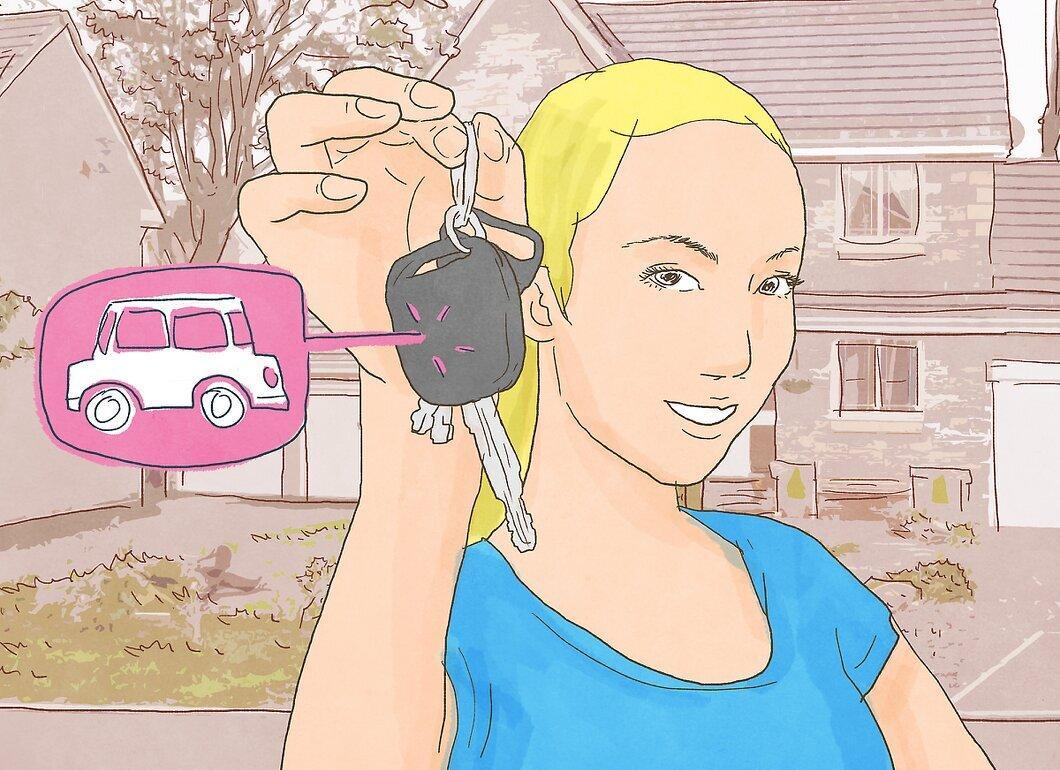
Decide how you'll navigate the city. To become independent, you need to choose a convenient way to get from point A to point B without your parents' assistance. If you're 18 or older, consider getting a driver's license. For others, learn how to effectively use public transportation.
Step 5. Develop skills necessary for work.
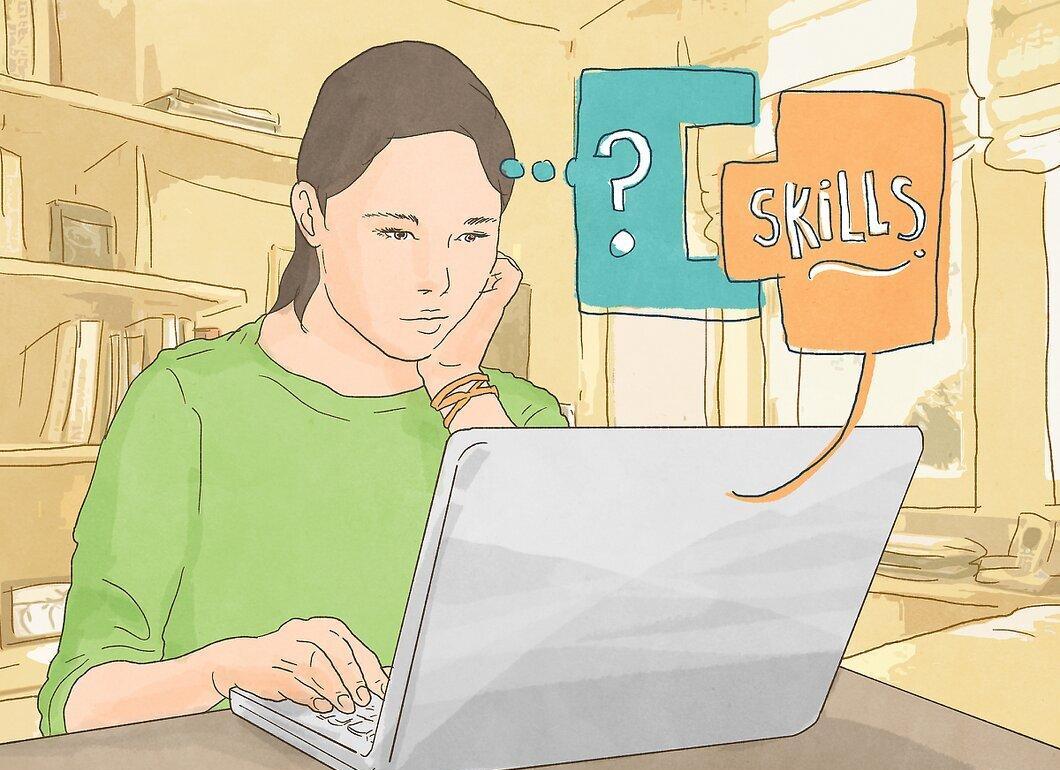
Cultivate skills that will be useful in your professional life. Being reliable, punctual, and accountable for your actions are essential qualities for a successful career. Work will become your path to independence and provide financial freedom.
Step 6. Take care of your appearance and maintain personal hygiene.
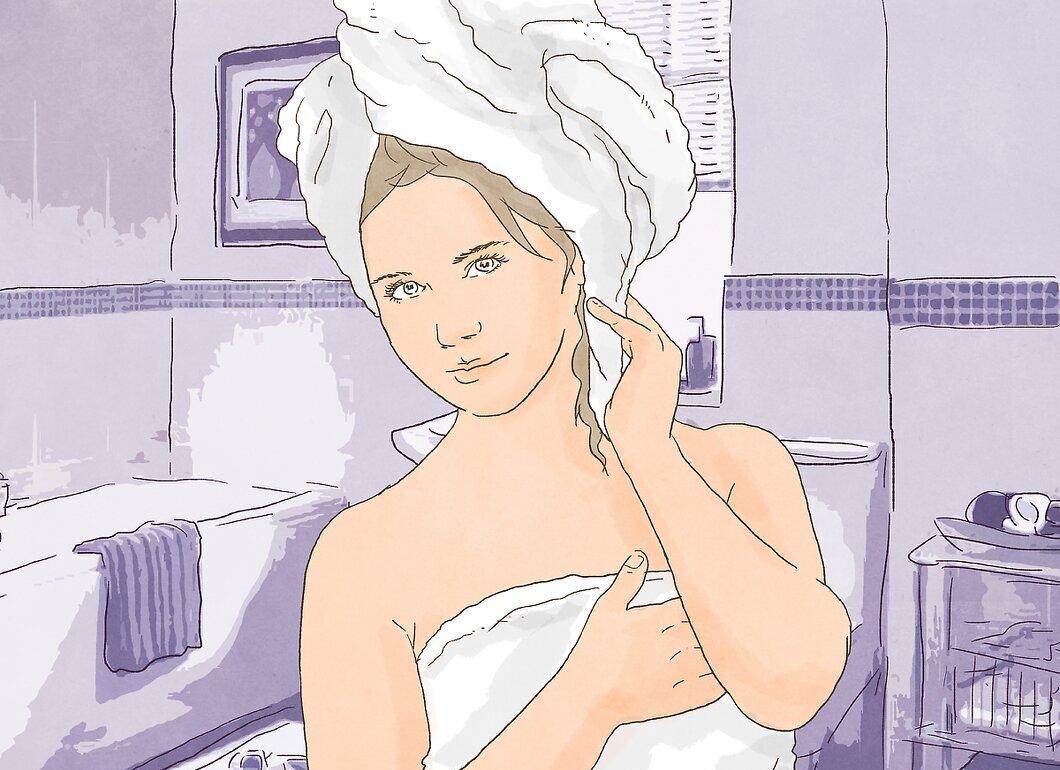
As your body develops, your self-care needs may change. You might need to shower more frequently and use specific skincare products. Remember the following aspects:
- Maintain your hair to keep it clean and well-groomed.
- Pay attention to your clothing: it should be clean and tidy.
- Wear appropriate accessories, choosing them according to age and occasions.
Step 7. Keep your living space tidy.
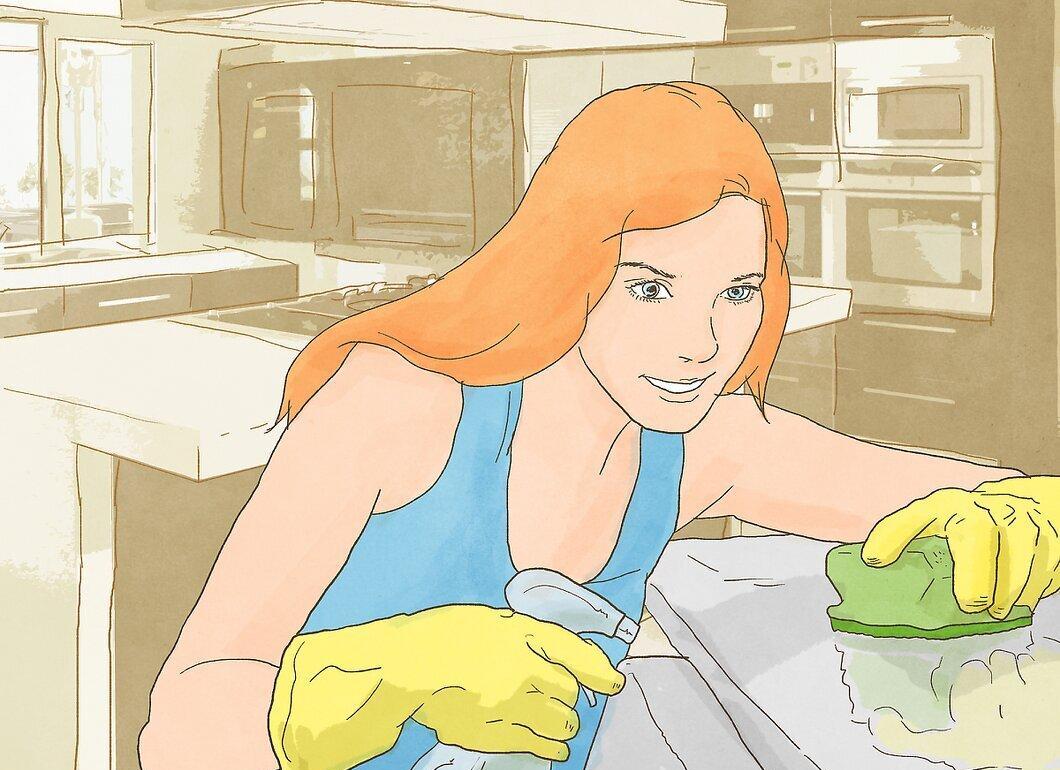
Taking responsibility for your living space is an important step in growing up. You must learn to clean up after yourself and maintain cleanliness, even if your parents used to do this for you.
Step 8. Master cooking skills.
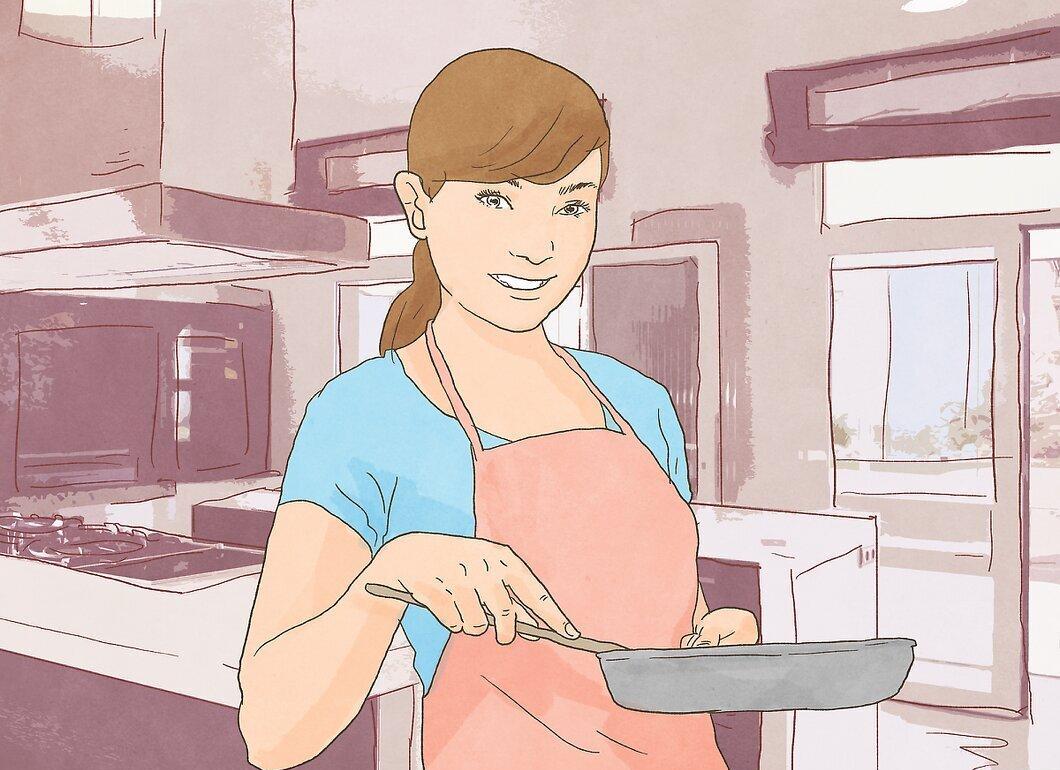
Learn to prepare simple and healthy meals. Being able to cook will help you become more independent and healthy. Be prepared for mistakes, as every failure is a chance to learn something new.
Physical Growth
Step 1. Understand what puberty is.
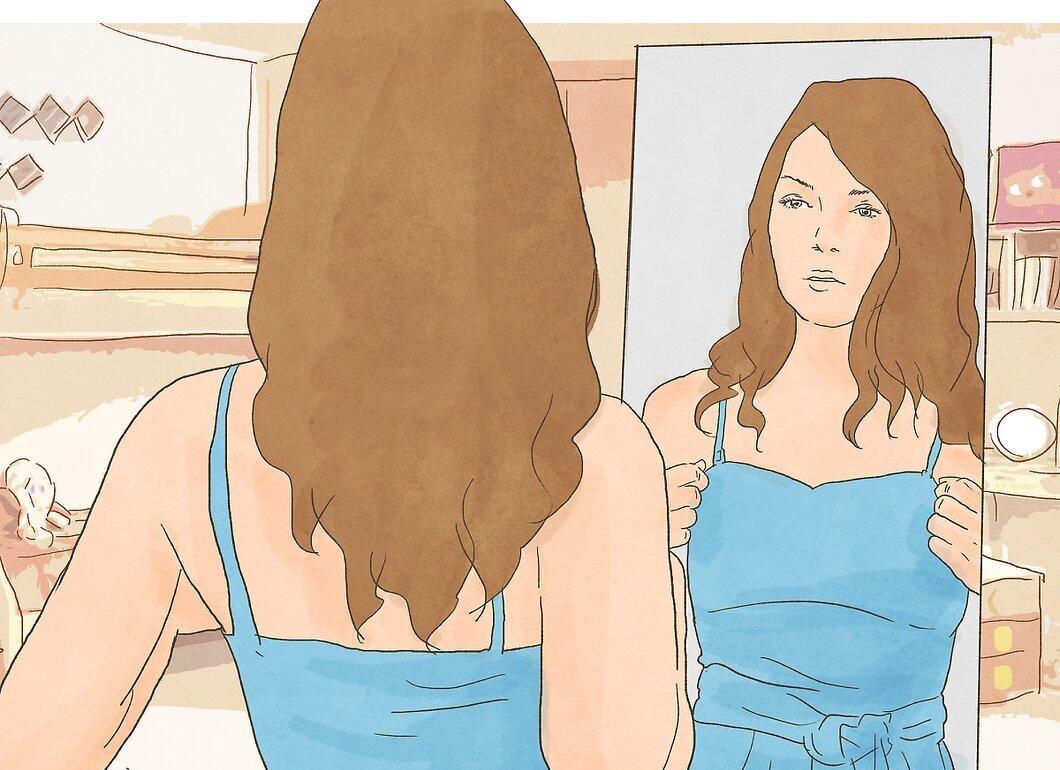
Puberty is the time when your body undergoes significant changes, transforming you from a girl into a woman. This process begins between ages 8-13 and can last up to six years. It's crucial to be prepared for these changes so they don’t come as a shock. Typically, during this period, the following transformations occur:
- Sudden growth spurts.
- Increased size of hips and breasts, which may cause discomfort and sensitivity.
- Appearance of hair in underarm and pubic regions.
- Increased sweating.
- Potential skin issues, such as acne.
- Onset of menstruation.
- Mood swings.
- If menstruation hasn’t begun by age 14, it’s advisable to consult a doctor for health checks.
Step 2. Talk to a trusted woman about physical changes.
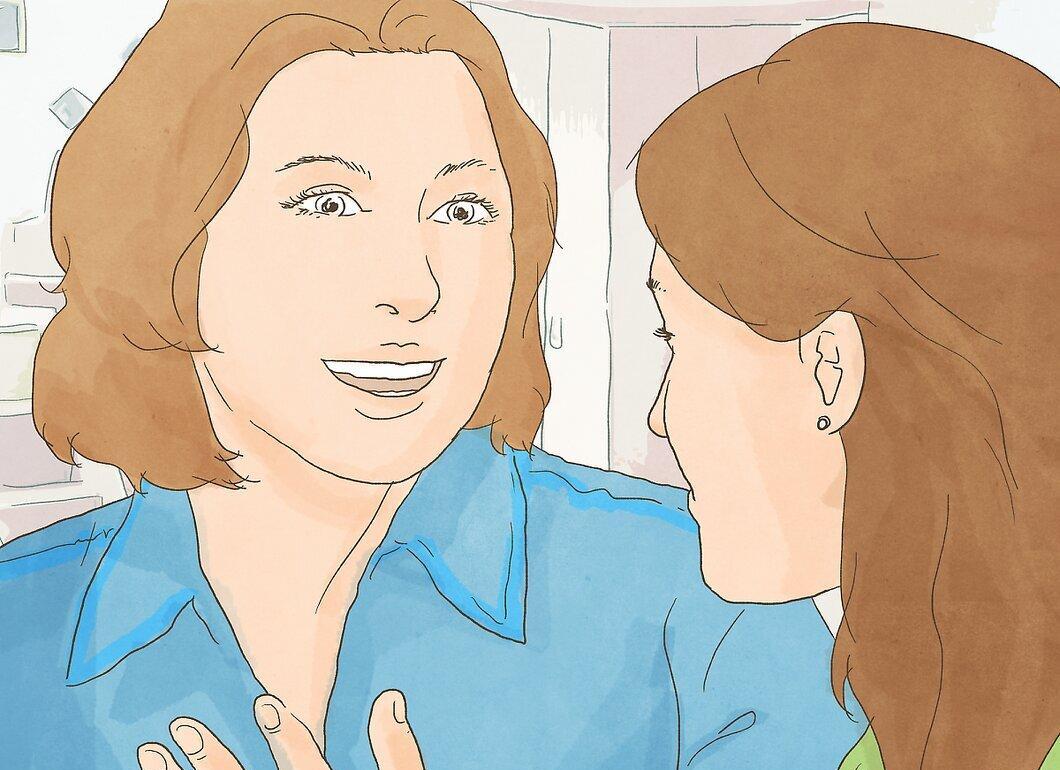
Discuss the changes associated with puberty with an adult woman. Everyone goes through this process differently, and sharing experiences can help you cope with changes more easily. Find a mentor who can support you and offer valuable advice.
Step 3. Embrace the changes happening in your body.

The growing-up phase can be both exciting and daunting. Many young women experience negative emotions due to changes in their bodies. To combat this, practice self-care and remember that media portrayals are not the norm. Compliment yourself and support your friends.
Step 4. Go shopping with a friend or mentor.

If you need to update your wardrobe due to changes, don’t hesitate to seek help from a friend or mentor. Shopping together can make it easier to choose items that suit you and help you embrace the new changes.
Step 5. Visit a gynecologist for reproductive health care.
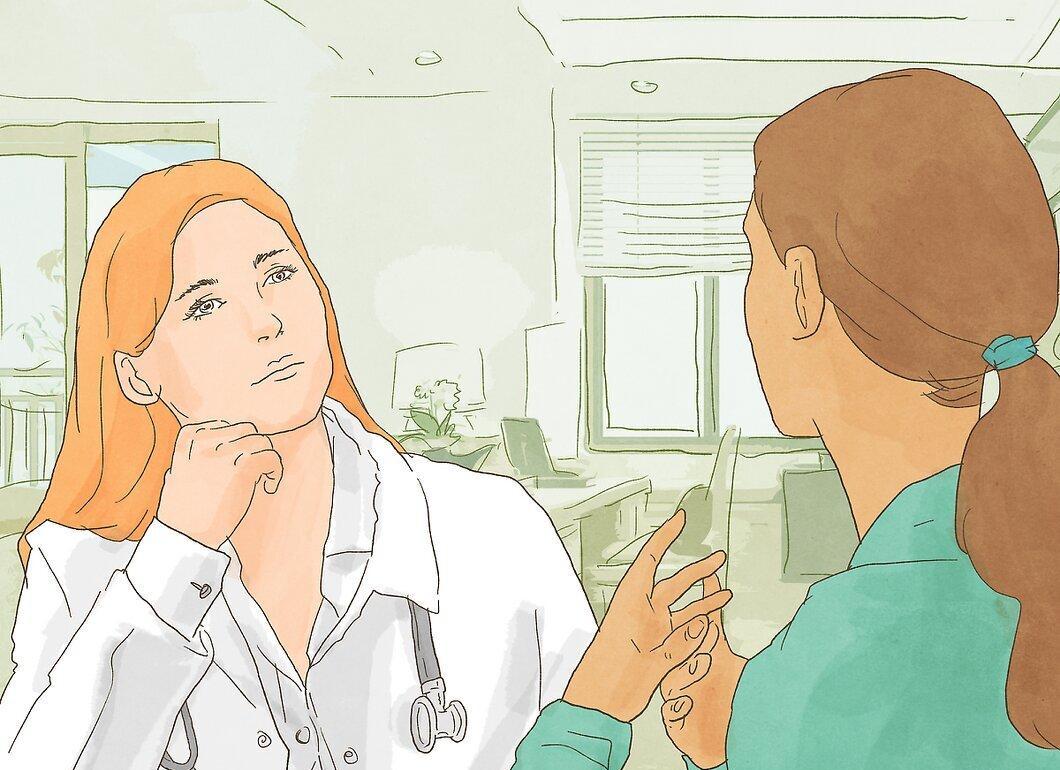
Regular visits to a gynecologist will help you take care of your reproductive health and learn about contraception methods and disease prevention.
Step 6. Be patient with the growing-up process.

Keep in mind that emotional maturity doesn’t happen overnight. On average, women reach it by age 32. Growing up is a lengthy process, and it’s important to enjoy it, even if it takes time.