
In a remote corner of Northern California grows the tallest tree on the planet, known as Hyperion, standing at 115.61 meters (or 379.3 feet)! [1] X Information source. While the height of this tree was determined using a long measuring tape, there are simpler ways to estimate a tree's height without complex mathematical calculations. Although these methods may not provide exact measurements to the centimeter (or inch), they are quite reliable and suitable for measuring tall objects, whether they are trees, buildings, or even a mythical beanstalk, as long as the top is visible.
Method Using a Sheet of Paper
Step 1. A Simple Way Without Mathematical Calculations.
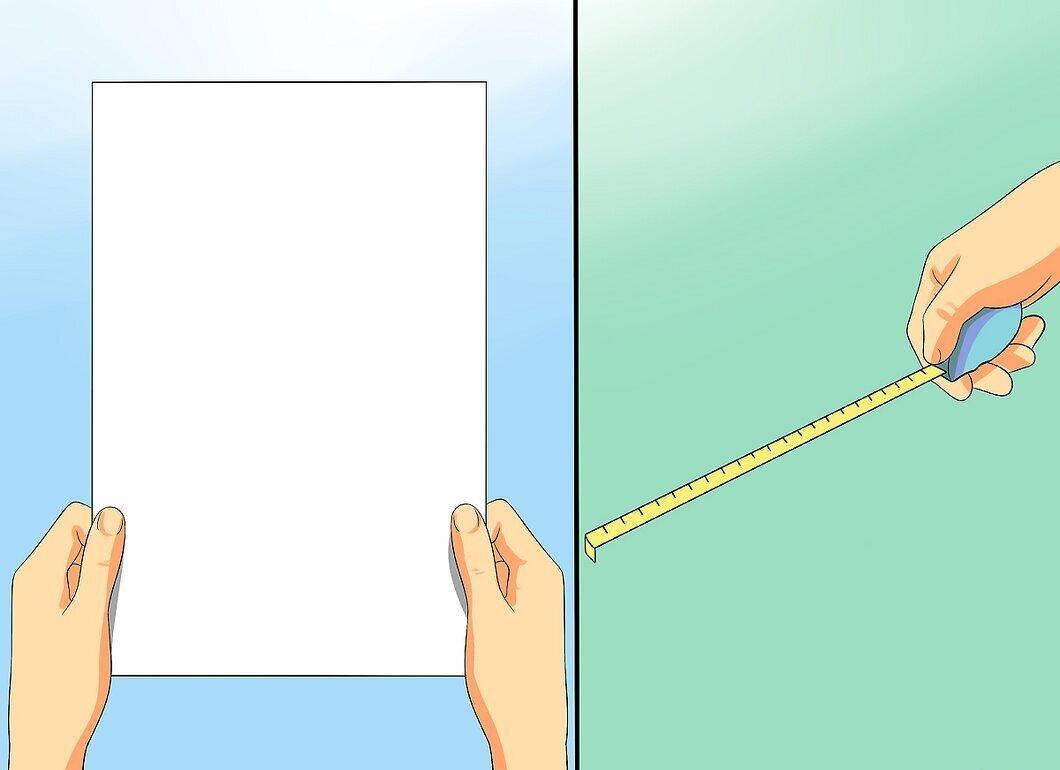
This method allows you to determine the height of a tree without the need for complex mathematical operations. You will only need a sheet of paper and a measuring tape. If you're curious about how this method works, it might be helpful to familiarize yourself with some basic principles of trigonometry.
- The "Clinometer or Theodolite" section contains all the necessary mathematical explanations, but they are not required to apply this method.
Step 2. Fold the Sheet of Paper Diagonally.
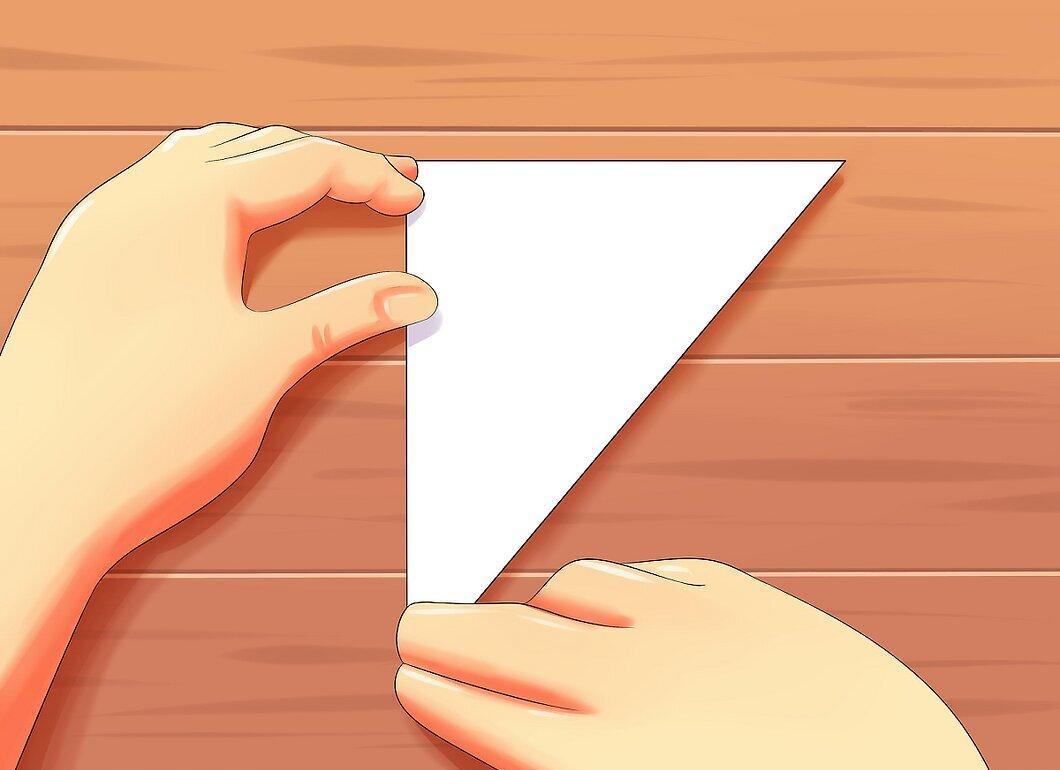
Fold the sheet of paper so that it takes the shape of a triangle. If your sheet is rectangular, first make it square by folding one corner. Connect two adjacent edges to form a triangle, then cut off the excess part. Now you have a triangle with one right angle and two acute angles of 45 degrees.
Step 3. Bring the Triangle to Your Eye.
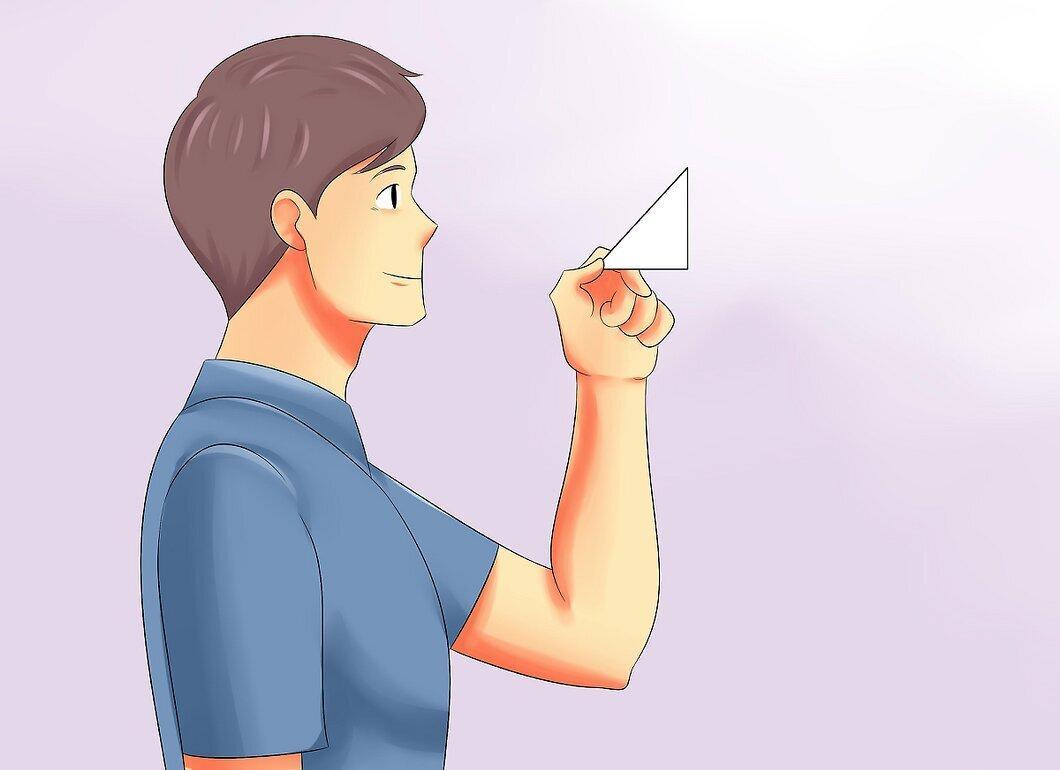
Hold the triangle vertically so that its right angle is at the bottom and facing away from you. One of the shorter sides should be horizontal, and the other should be vertical. Make sure you are looking along the long side of the triangle.
- The long side will be the hypotenuse of the triangle.
Step 4. Step Back from the Tree.
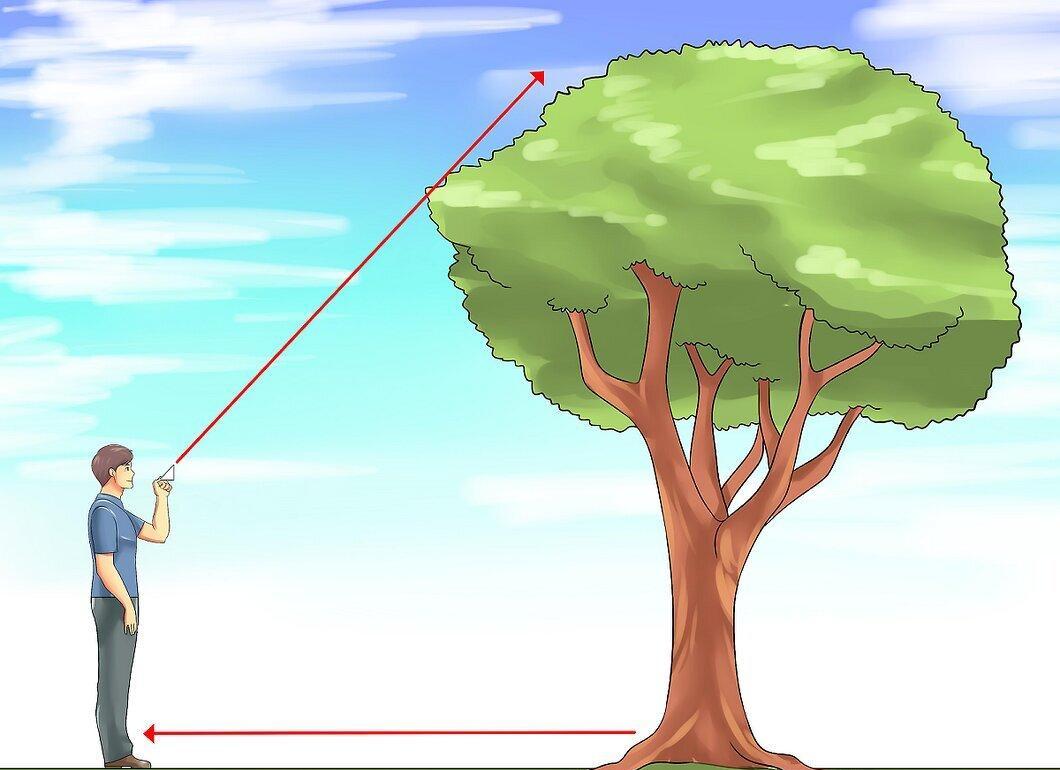
Step back from the tree until its top aligns with the upper sharp angle of the triangle. Close one eye and look with the other along the long side until you see that the top of the tree is at the level of the triangle.
Step 5. Mark the Spot on the Ground and Measure the Distance to the Tree.
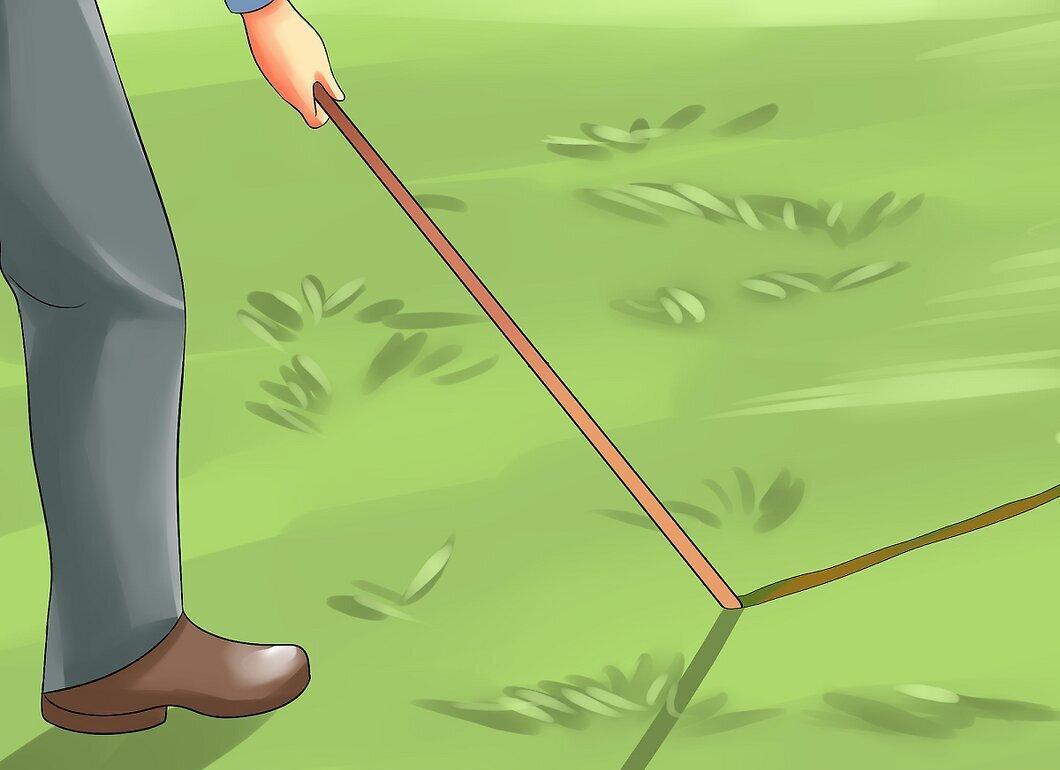
Remember where you are standing and measure the distance from that spot to the base of the tree. This value will be nearly the full height of the tree. Don’t forget to add your height since you were not looking at the tree from the ground but from the height of your eyes. And there you have it—you’ve learned the height of the tree!
- This method is based on the fact that the tangent of a 45º angle equals 1. This allows us to write the equation: (height of the tree) / (distance to the tree) = 1, which makes it easy to obtain the height.
Shadow Comparison Method
Step 1. You Will Need a Measuring Tape or Ruler.
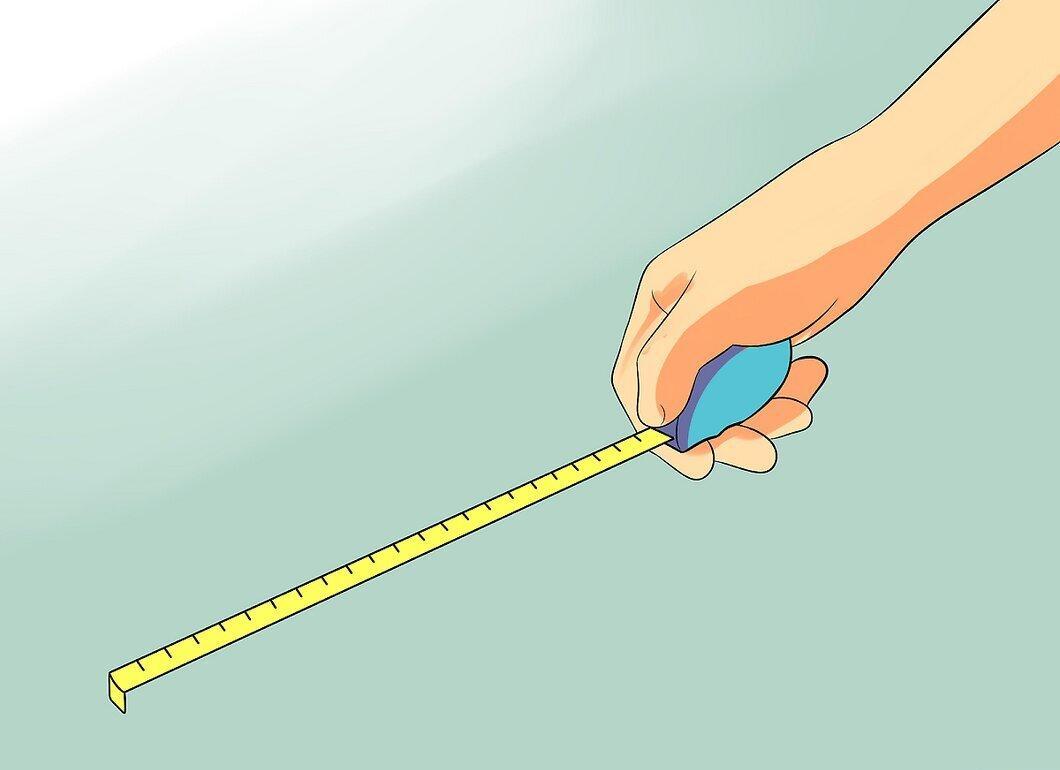
This method is suitable if you have measuring tools. You can estimate the height of the tree quite accurately without additional tools. You will only need simple mathematical operations: multiplication and division.
- If you don't want to calculate manually, use an online tree height calculator by simply entering the measured values.
Step 2. Measure Your Height.
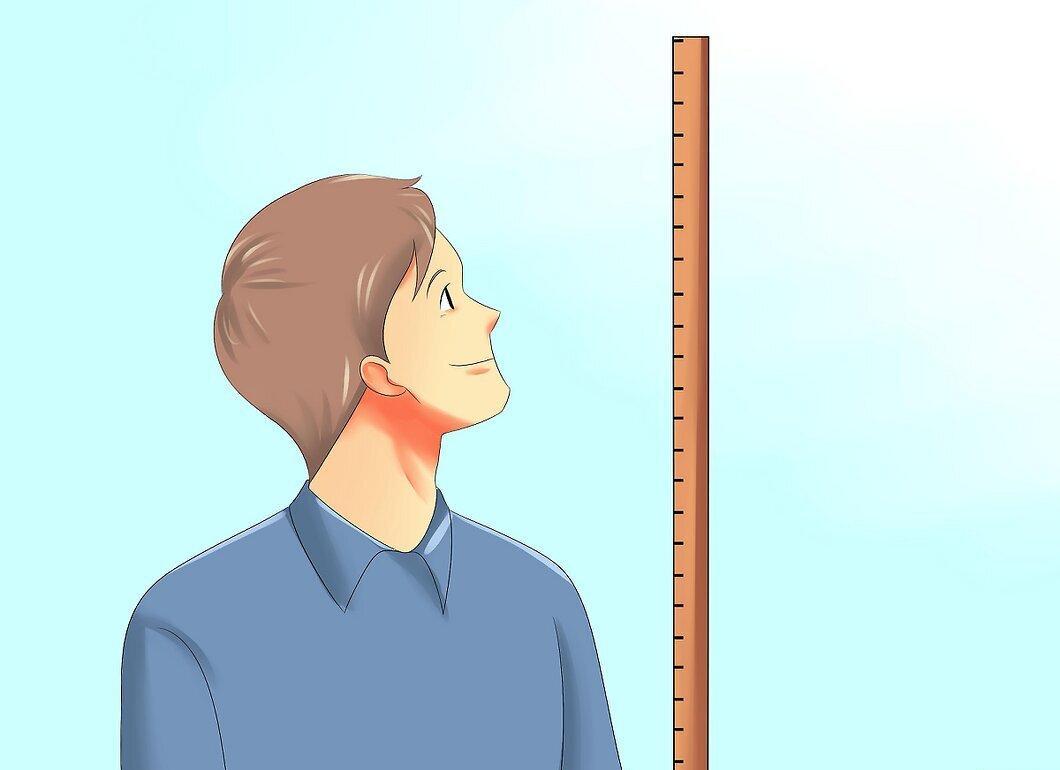
Measure your height using a measuring tape or ruler. Make sure you are wearing the same shoes you will wear when measuring the height of the tree. Record your measurements on paper.
- Write down the data in the same units, such as centimeters, and avoid mixing different units of measurement. If you’re unsure how to convert, use the tape measure or ruler length as a standard.
- If you are in a wheelchair, you can measure your height in a comfortable position from which you plan to determine the tree's height.
Step 3. Find a Sunny Spot.
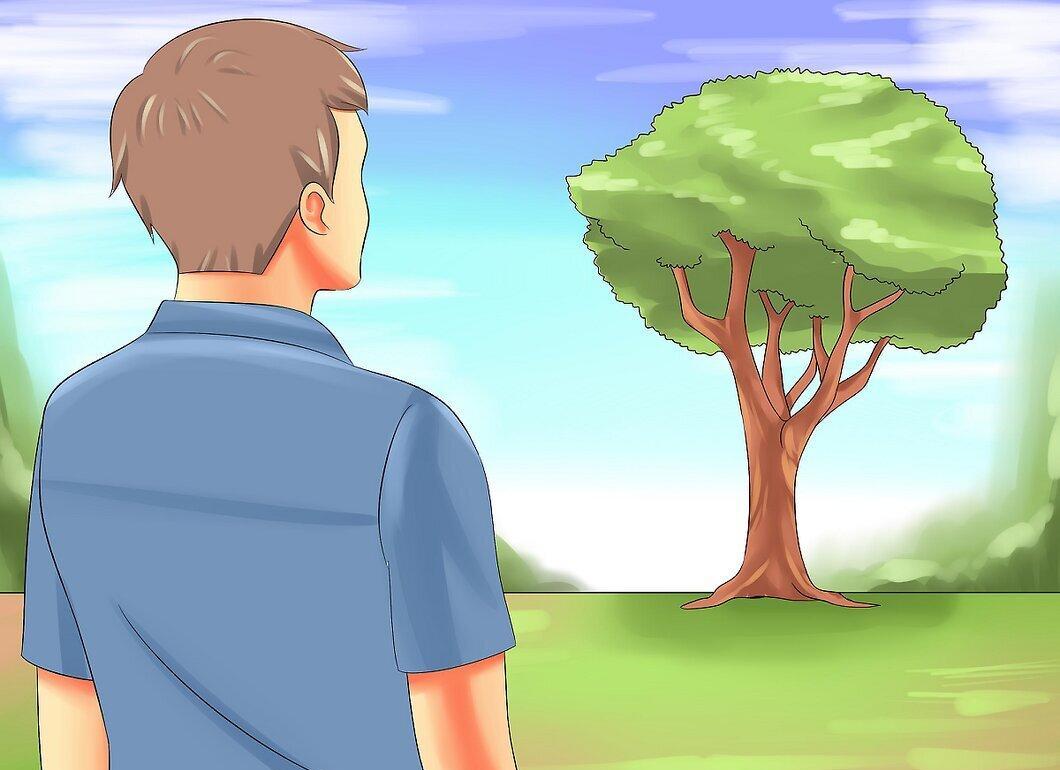
Stand on a flat, sunny area next to the tree. Make sure your shadow falls on a flat surface, as it will be difficult to get accurate measurements on a cloudy day.
Step 4. Measure the Length of Your Shadow.
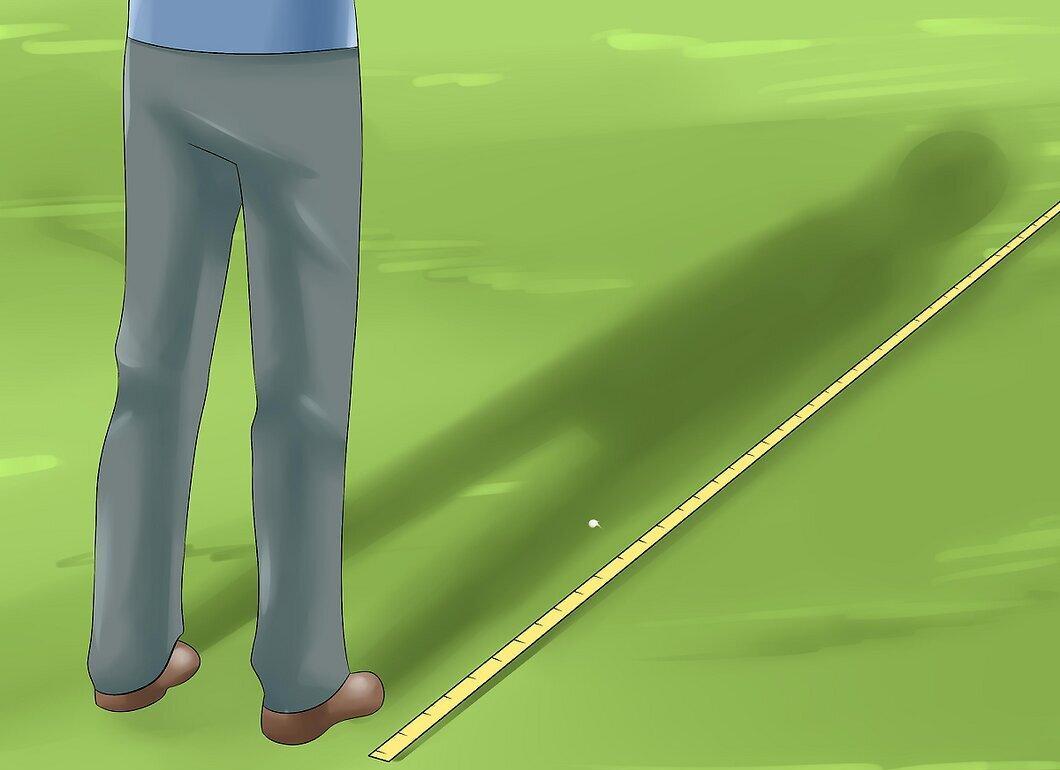
Determine the length of your shadow using a measuring tape. If there’s no helper, mark the end of the shadow by dropping a small stone on it. Then step back and measure the distance from your heels to that spot.
- Record all measurement results to avoid confusion with the numbers.
Step 5. Measure the Length of the Tree's Shadow.
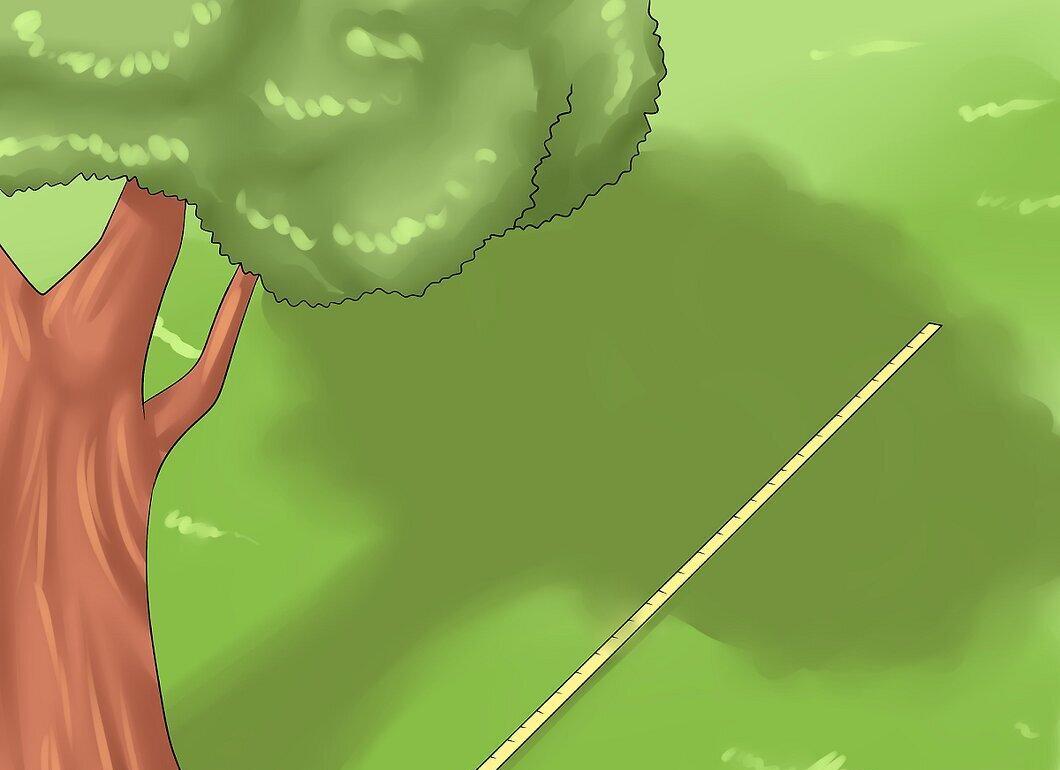
Measure the length of the shadow cast by the tree. Ensure the tree is growing on flat ground for accurate results. Measure the shadow immediately after determining the length of your shadow, as shadow lengths change with the sun’s position.
- If the shadow from the tree falls on a sloped area, wait until it is shorter or change its direction.
Step 6. Add 1/2 of the Trunk's Width to the Length of the Shadow.
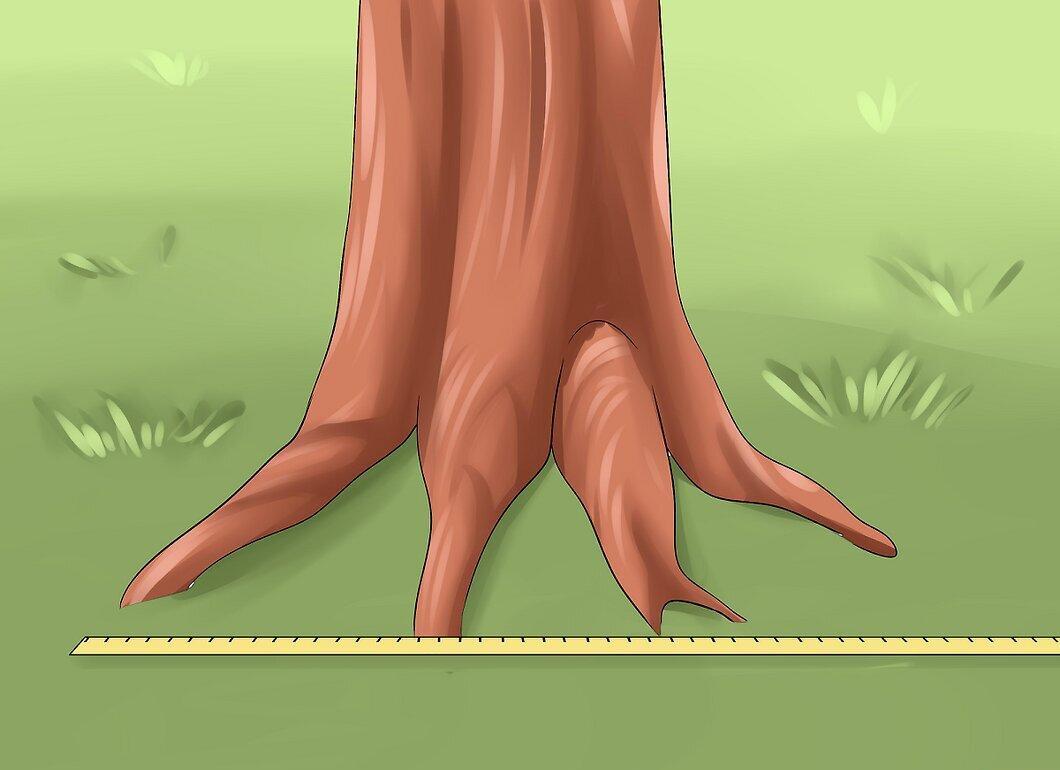
Add half of the trunk's width to the length of the tree's shadow. Most trees grow vertically, and in this case, the top of the tree will be in the middle of the trunk. Therefore, by adding 1/2 of the trunk's diameter to the length of the shadow, you account for the fact that the shadow from the top of the tree may not be visible.
- Measure the trunk's width and divide by 2 to get 1/2 of the width. If it's difficult to measure, try drawing a square around the trunk and measure its side.
Step 7. Calculate the Height of the Tree.
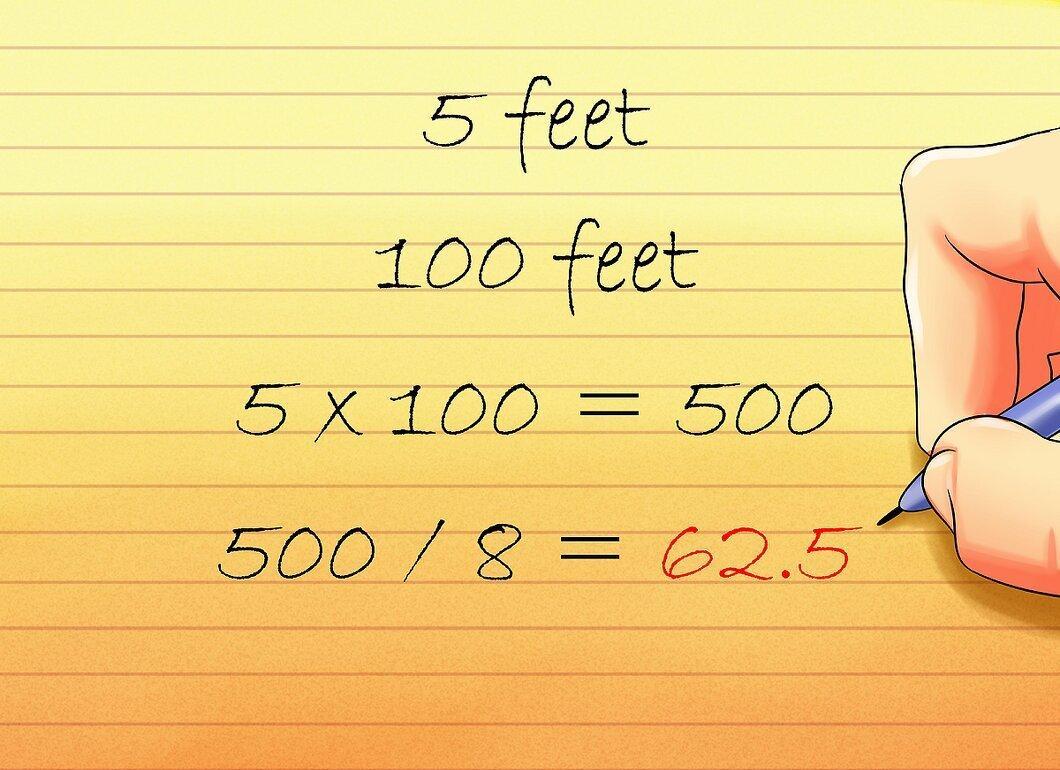
Now, with all the necessary measurements: height, length of your shadow, and length of the tree's shadow (including 1/2 trunk width), you can calculate the height of the tree. Use the proportion: (length of your shadow) / (your height) = (length of the tree's shadow) / (height of the tree).
- Multiply the length of the tree's shadow by your height. For example, if your height is 1.5 m and the length of the tree's shadow is 30 m, then 1.5 x 30 = 45 m.
- Divide the result by the length of your shadow. If the shadow is 2.4 m, then 45 / 2.4 = 19.05 m.
- If you have trouble with the calculations, use an online calculator.
Pencil Method (Requires a Helper)
Step 1. An Alternative to Shadow Comparison.

This method can be used as an alternative to the previous one, especially in conditions where it’s not possible to use shadows, such as on cloudy days. If you have a measuring tape, it will make the task significantly easier. Otherwise, a little calculation will be needed.
Step 2. Stand So You Can See the Entire Tree.
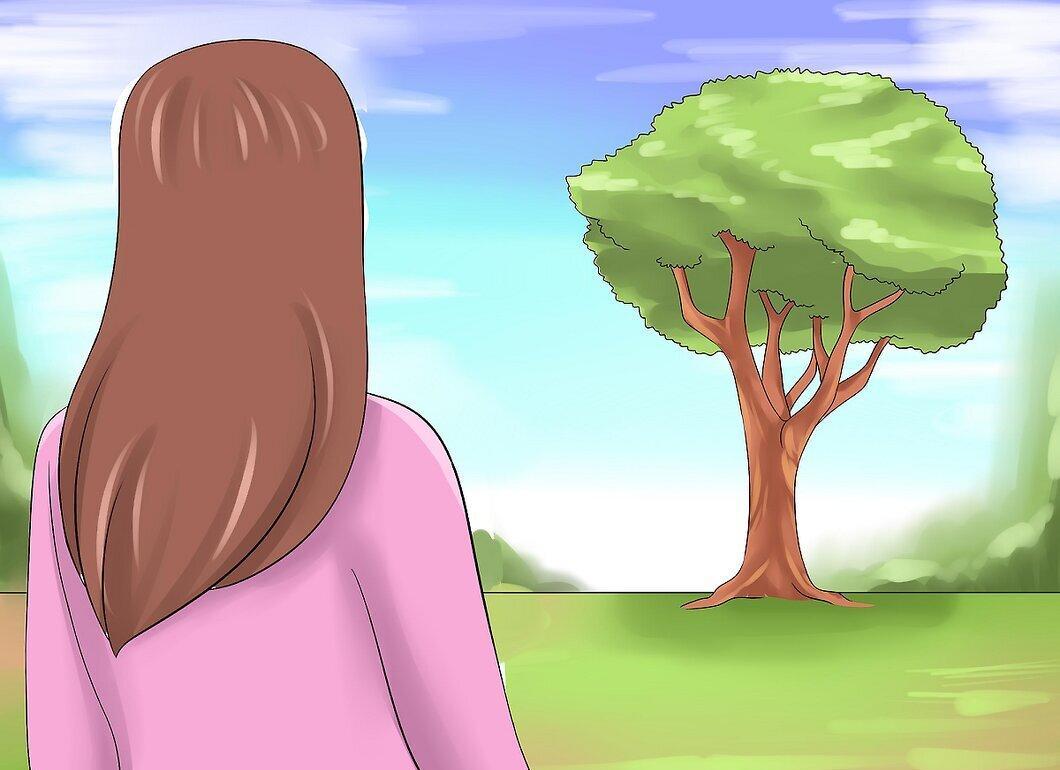
Step back from the tree far enough that you can see it fully without bending or tilting your head. Ensure your feet are level with the base of the tree.
Step 3. Take a Pencil or Another Straight Object.
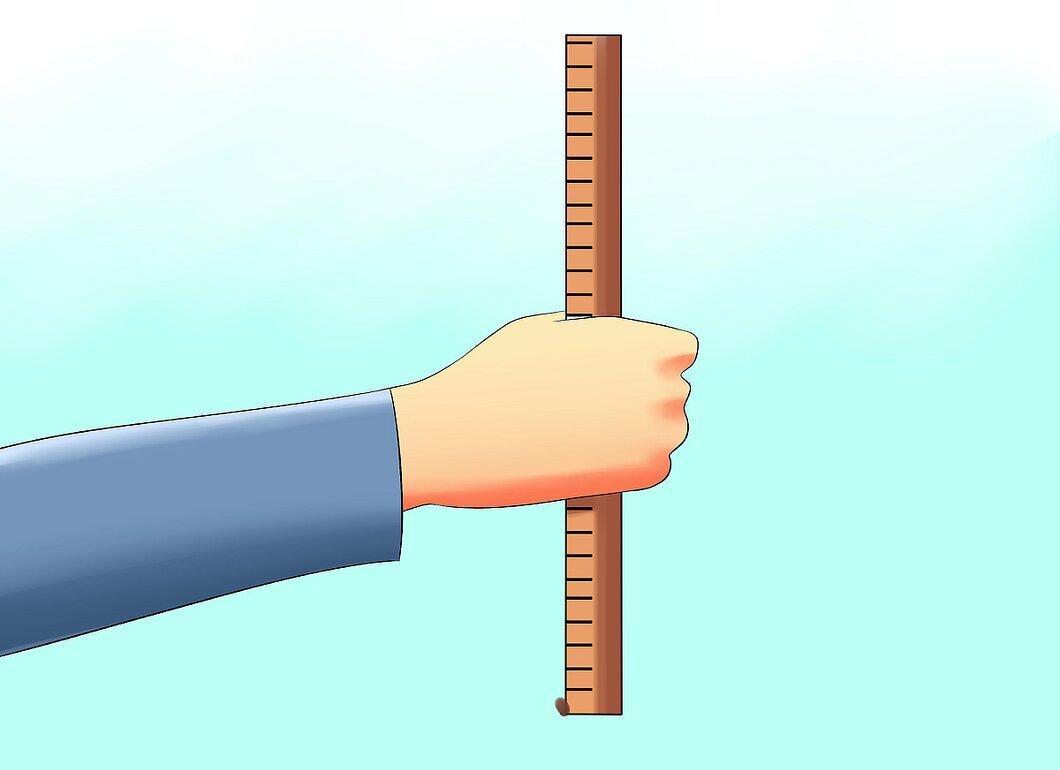
Hold the pencil at arm's length in front of you. Instead of a pencil, you can use a ruler or a stick. Make sure the object is directly in front of you.
Step 4. Close One Eye and Raise the Pencil.
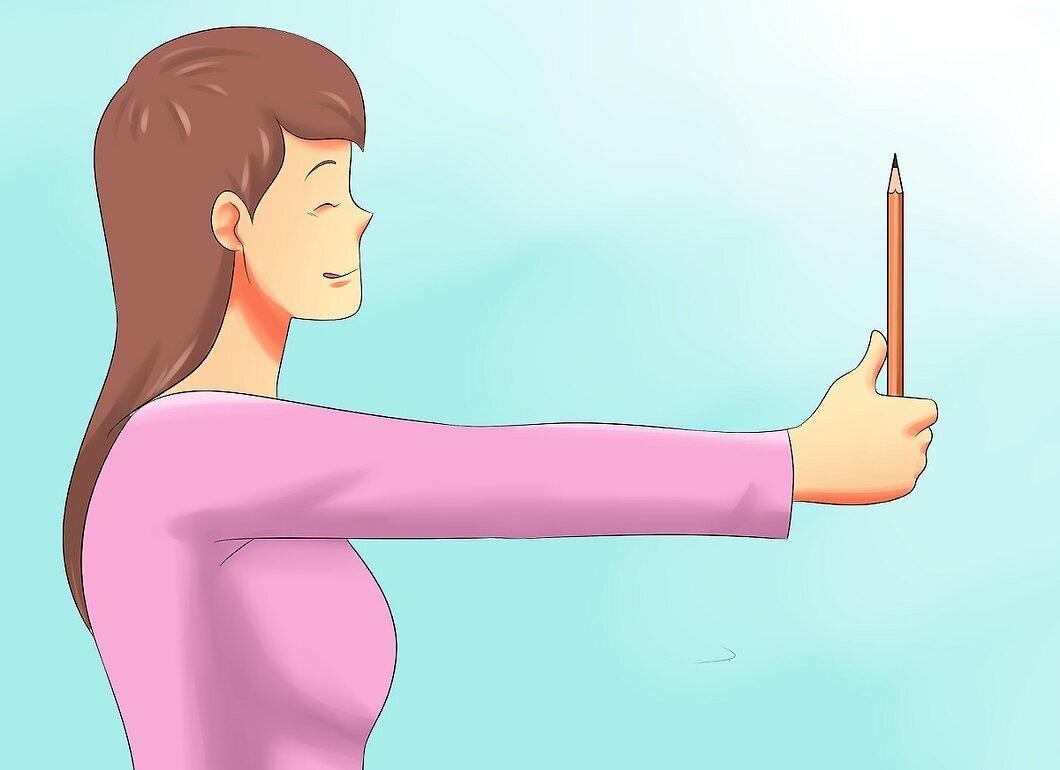
Close one eye and raise the pencil so that its top aligns with the top of the tree. Hold the pencil with the pointed end facing up.
Step 5. Align Your Thumb with the Base of the Tree.
Move your thumb along the pencil so that its tip aligns with the base of the tree. While keeping the pencil's top on the tree, move your thumb to where you can see the base of the tree.
Step 6. Turn Your Hand with the Pencil Horizontally.
Now turn your hand so that the pencil is horizontal, parallel to the ground, and keep your thumb pointing towards the base of the tree.
Step 7. Ask a Helper to Stand at the Pencil's Level.
Ask a friend to stand so that their feet are at the level of the pencil’s tip. They should be at the same distance from you as the tree so you can estimate the height.
Step 8. Measure the Distance Between Your Friend and the Tree.
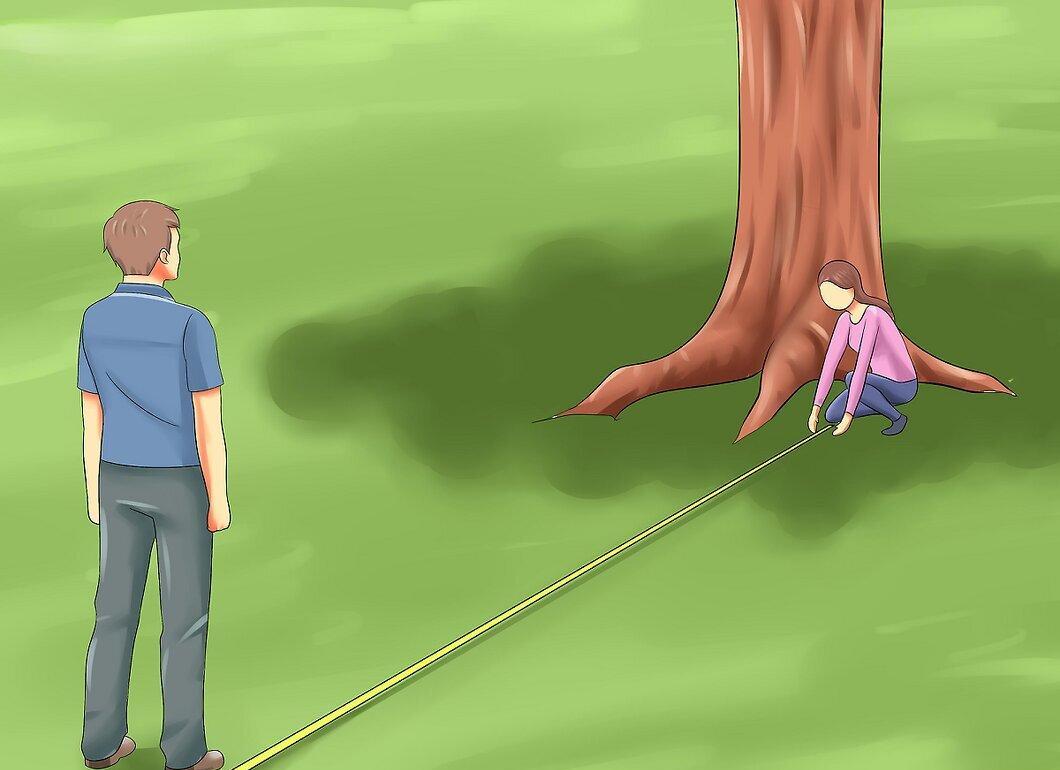
If you have a measuring tape, measure the distance from your helper to the tree. Ask them to stay still, or mark their position to measure later.
Step 9. If No Measuring Tape, Mark Your Helper's Height on the Pencil.
If you cannot use a measuring tape, make a mark on the pencil at the height of your helper and the height of the tree. Then, like with the tree, raise the pencil so that its top aligns with your helper's head.
Step 10. Calculate the Height of the Tree.
Now measure the distance between the pencil's tip and your marks. Compare this to your friend's height to find the height of the tree. For example, if your friend's height mark is 5 cm below the tree's height mark, the tree is 3.5 times taller than them. If your friend's height is 180 cm, the tree's height will be 630 cm.
- Note: If you have a measuring tape handy, you can measure the height directly next to the tree without any calculations.
Using a Clinometer or Theodolite
Step 1. A More Accurate Measurement Method.
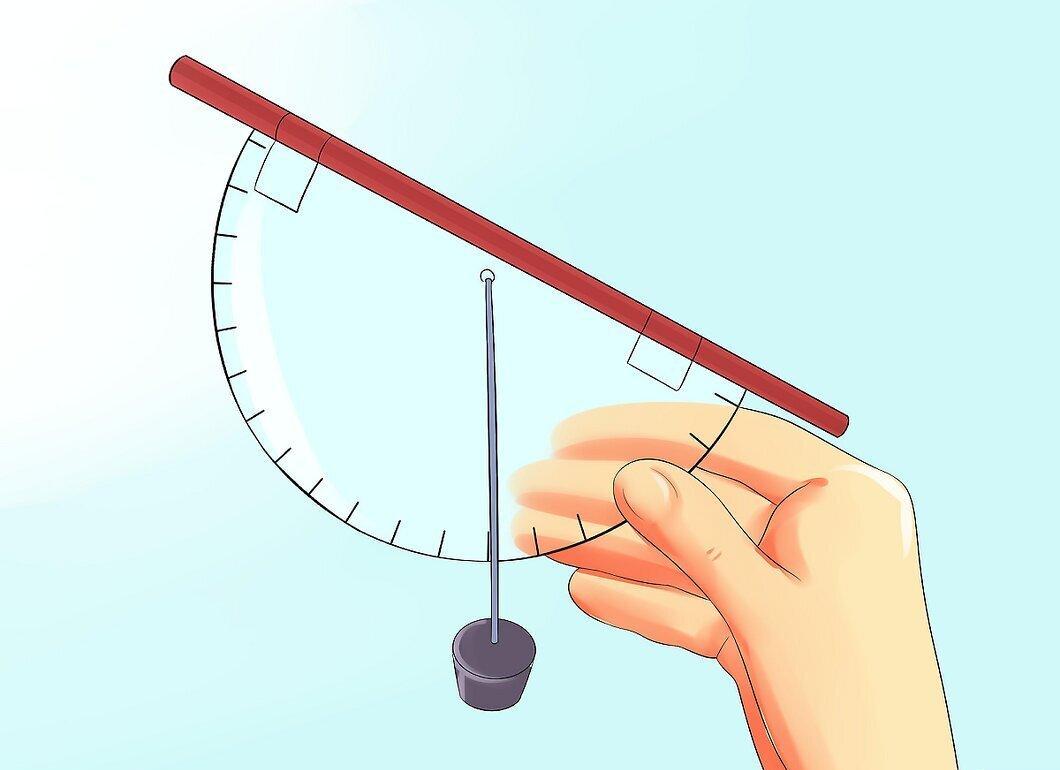
This method allows for more precise results. While the previous methods are reliable, using specialized tools and a bit of calculations will help achieve greater accuracy. You will need a calculator with a tangent function and simple materials to create a clinometer to measure angles between you and the tree's top.
- The "Using Paper" method uses a triangle. This method allows you to measure the height of a tree from any distance without getting close to it.
Step 2. Measure the Distance to the Tree.
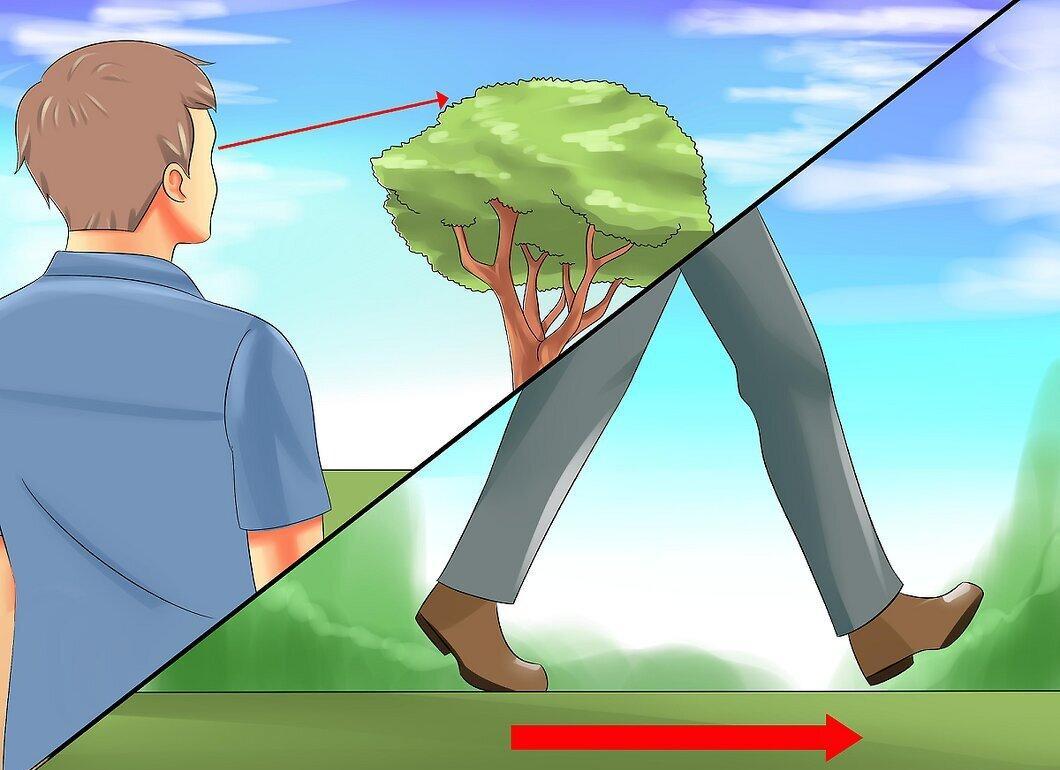
Step back from the tree a distance equal to 1-1.5 times its height, and measure this distance with a measuring tape.
Step 3. Determine the Angle Between the Ground and Your Line of Sight to the Tree.
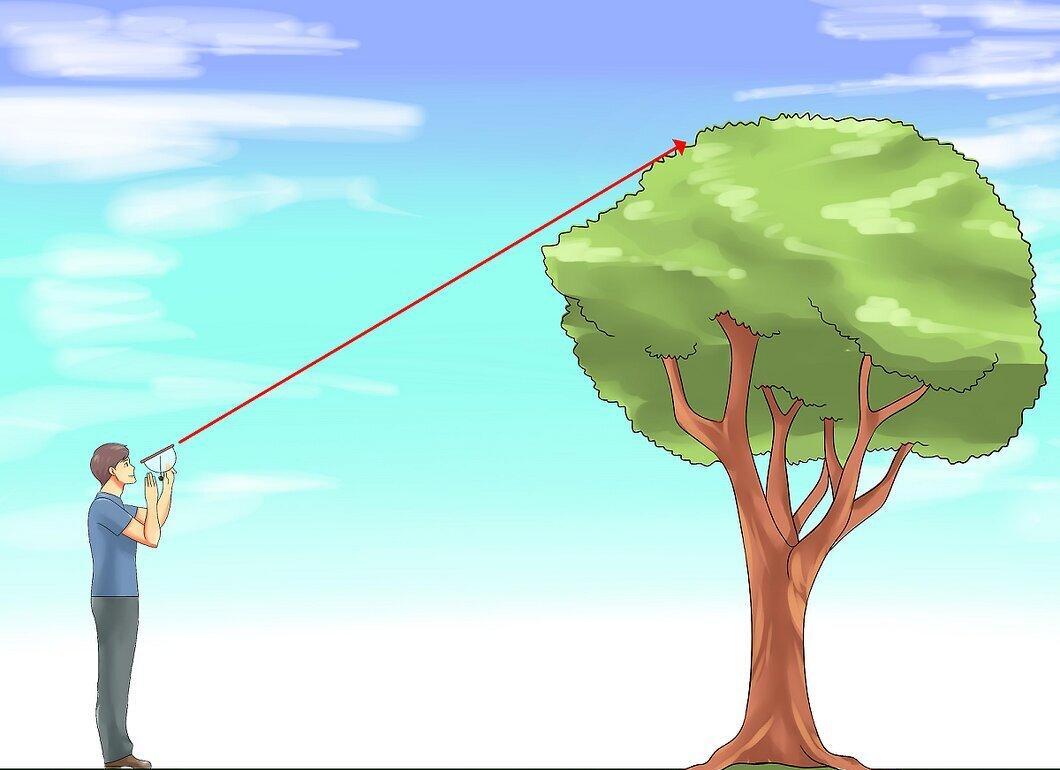
Measure the angle between the horizontal plane and your line of sight using a clinometer or theodolite. This is called the angle of elevation.
Step 4. Find the Tangent of the Angle.
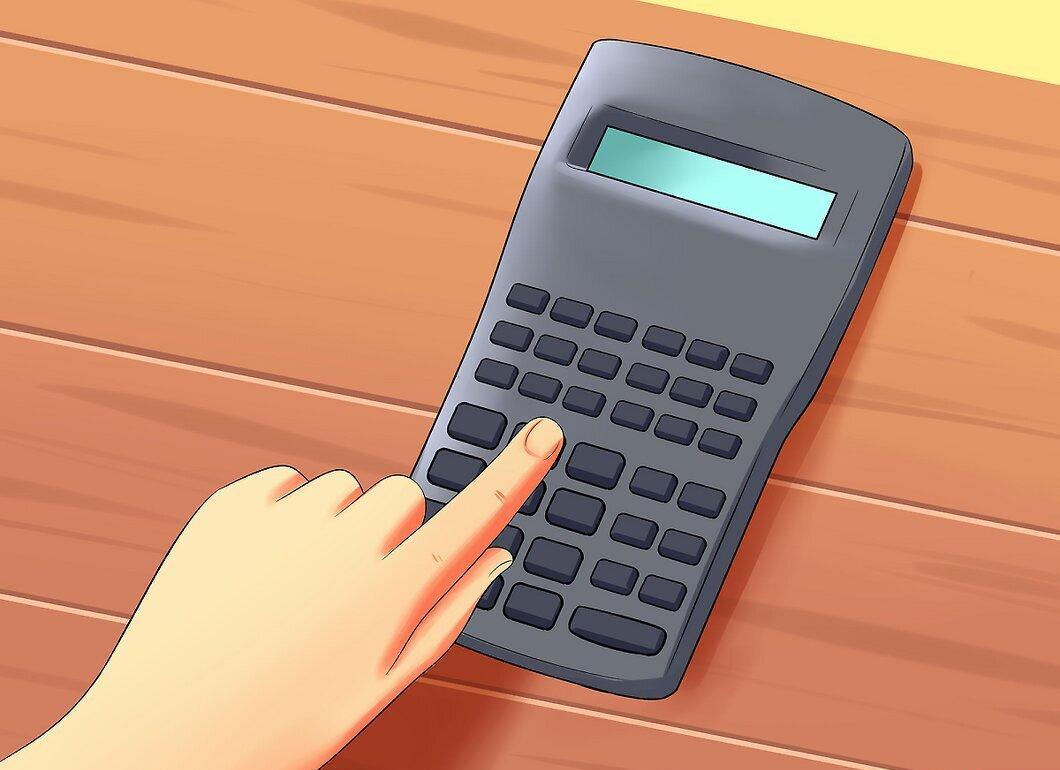
Use a calculator to compute the tangent of the angle. For example, if your angle is 60 degrees, press "tg", enter 60, and get the value.
- You can find an online calculator to compute the tangent.
Step 5. Multiply the Distance by the Tangent of the Angle.
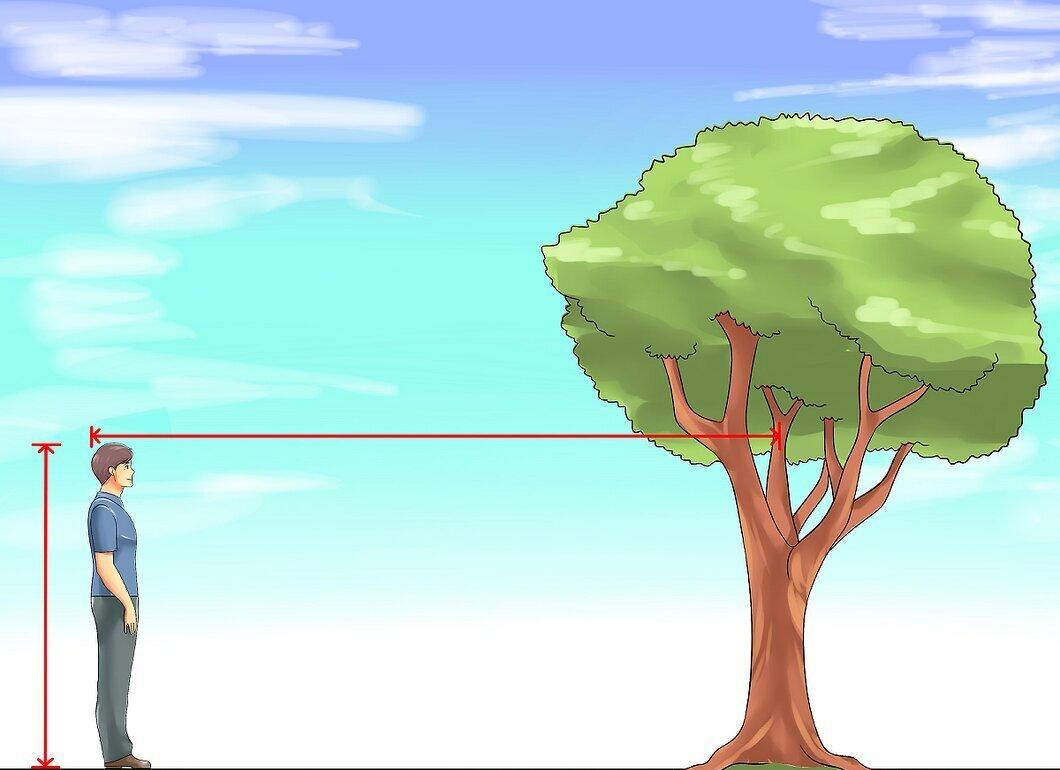
Multiply the measured distance to the tree by the tangent of the angle of elevation. This will give you the height of the tree, as the angle was at the level of your eyes.
- You will get: (height of the tree) = (tangent of the angle) x (distance to the tree).
Step 6. Add Your Height to the Resulting Value.
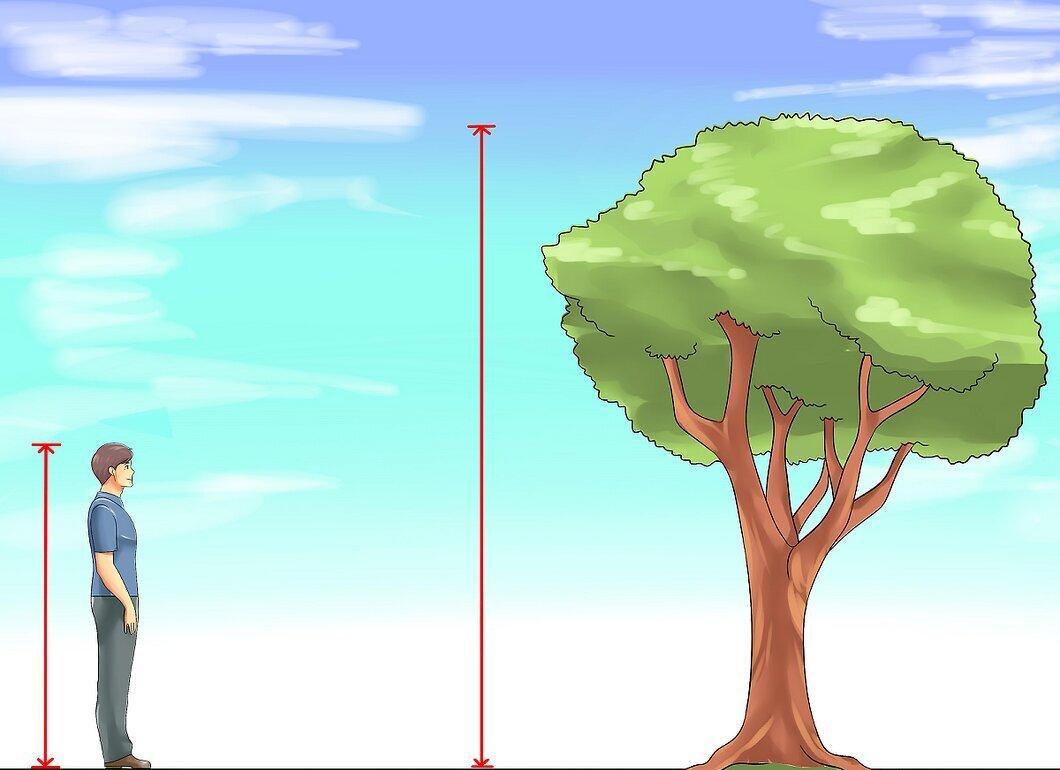
To get the total height of the tree, add your height to the value found, as the clinometer was at eye level. For greater accuracy, you may measure the distance from your feet to your eyes and add that instead of your full height.