
The shipping cost of your package relies on its length, width, and height, regardless of the postal service you choose. Therefore, knowing the exact dimensions of the package you are sending is crucial.
How to Measure Standard-Shaped Packages (Rectangular Prism)
Step 1. Find the longest side of the top or bottom face and measure it with a ruler or tape measure.
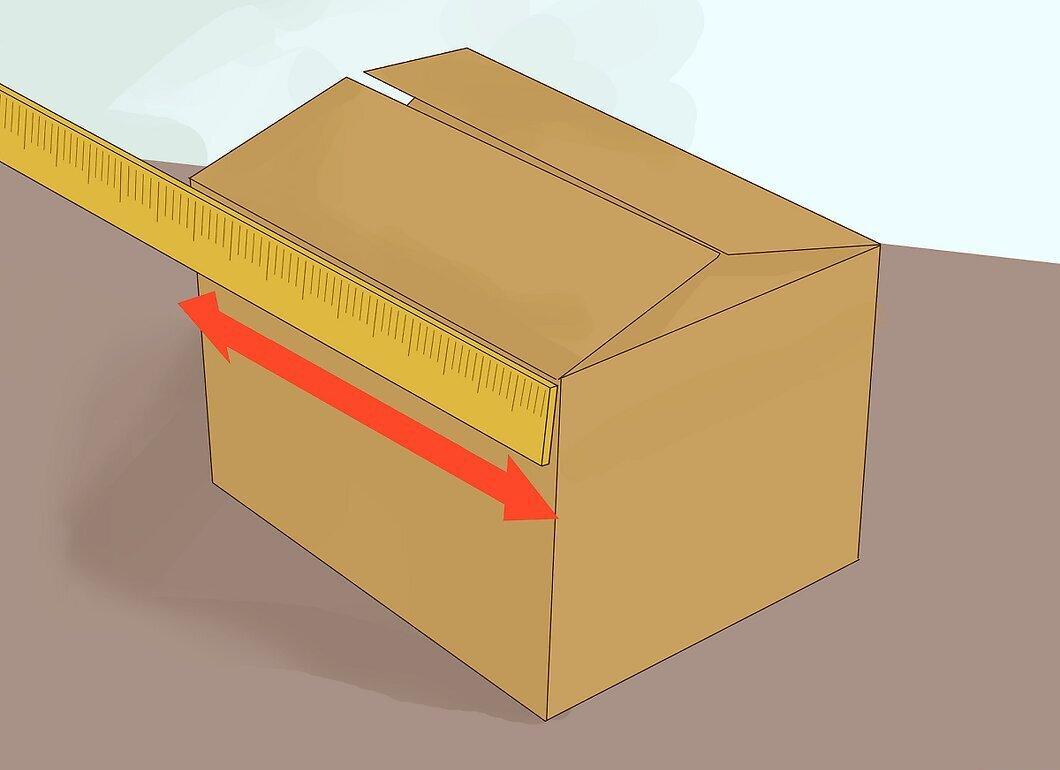
- Round the result to the nearest centimeter.
- Now you have the length of your package.
Step 2. Measure the width of the package (also with a ruler or tape measure).
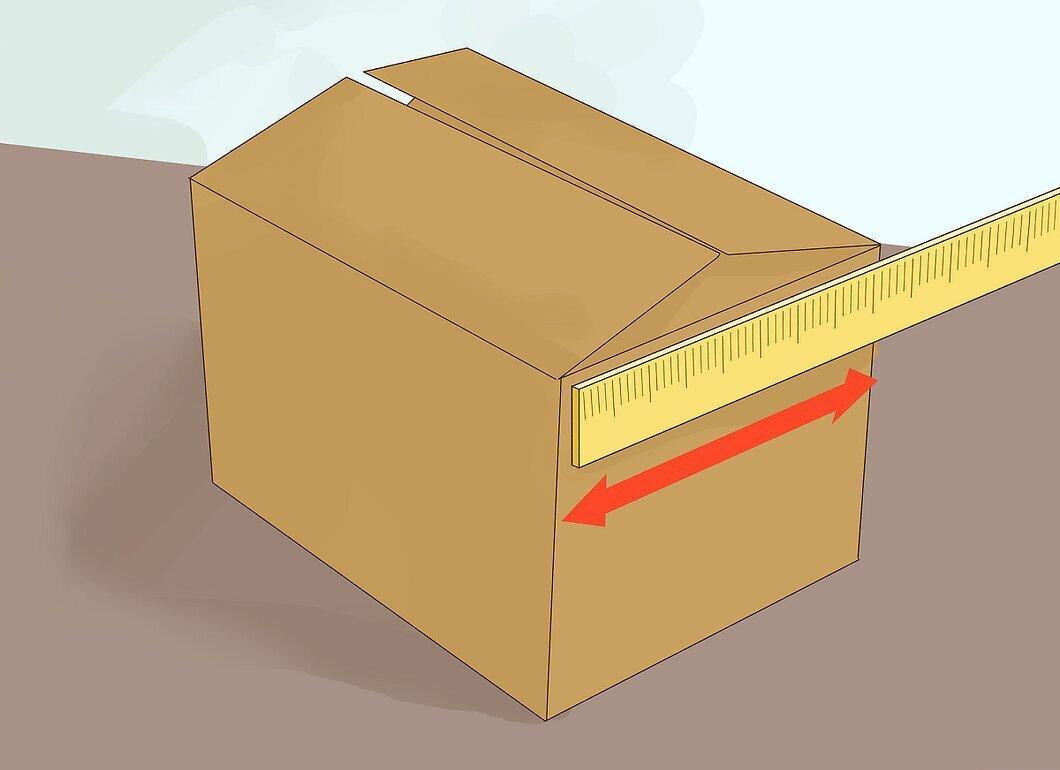
The width of the package is the shorter side of the top or bottom face.
- Round the value to the nearest centimeter.
- If you confuse length and width, it won’t affect the outcome, but height must be measured accurately.
Step 3. Measure the height of the package.
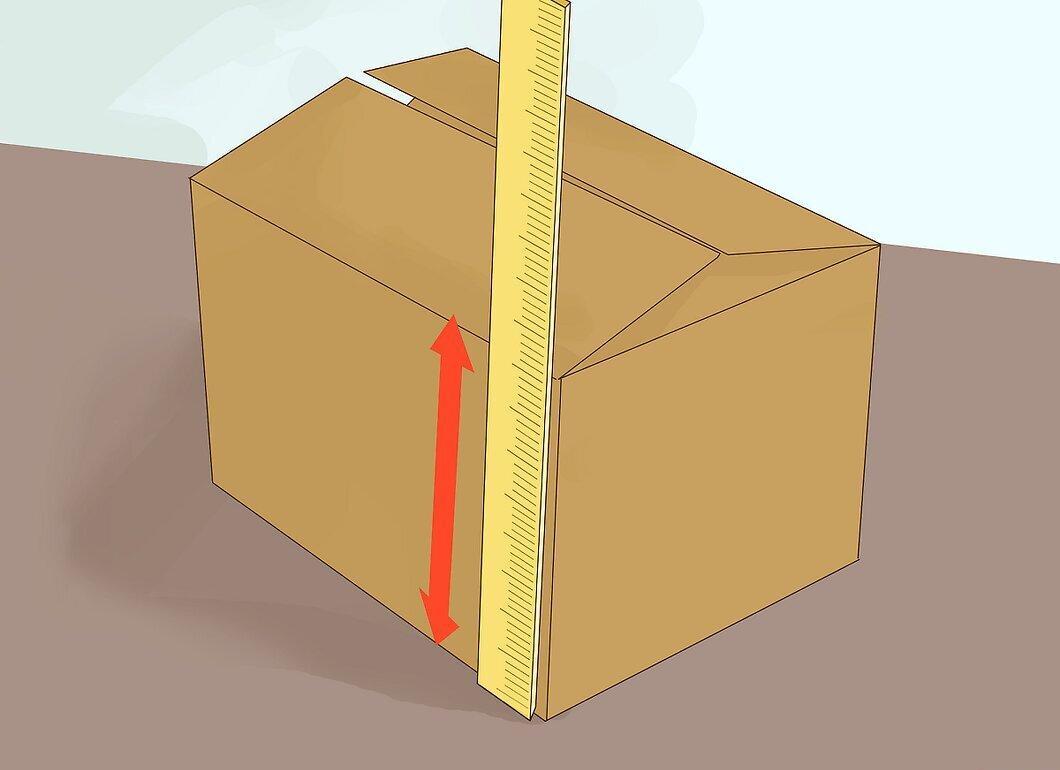
Height is the distance between the bottom and top faces of the package.
- Height should be the third dimension you measure.
- Round the result to the nearest centimeter.
Step 4. Multiply the width by 2.
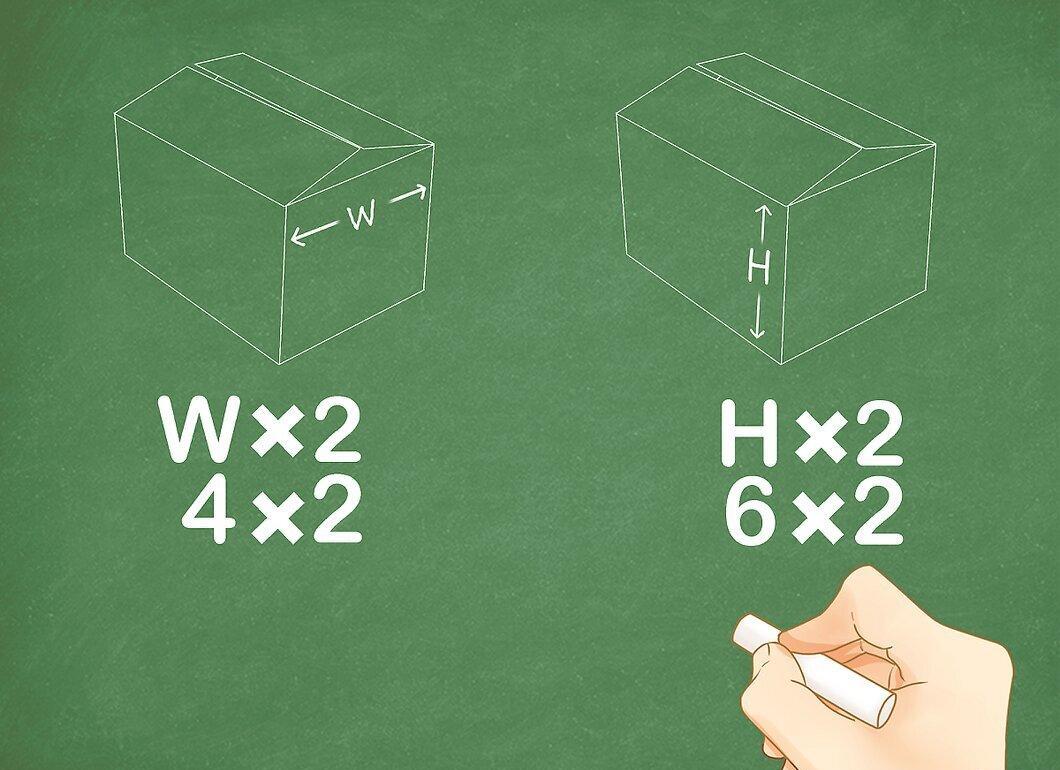
Multiply the width by 2 and then the height by 2.
- This will give you the doubled values of width and height.
- Do not multiply the length.
- For example, if your package is 30 cm long, 10 cm wide, and 15 cm high: Doubled width: 10 * 2 = 20 cm. Doubled height: 15 * 2 = 30 cm.
Step 5. Add the doubled width and height together.
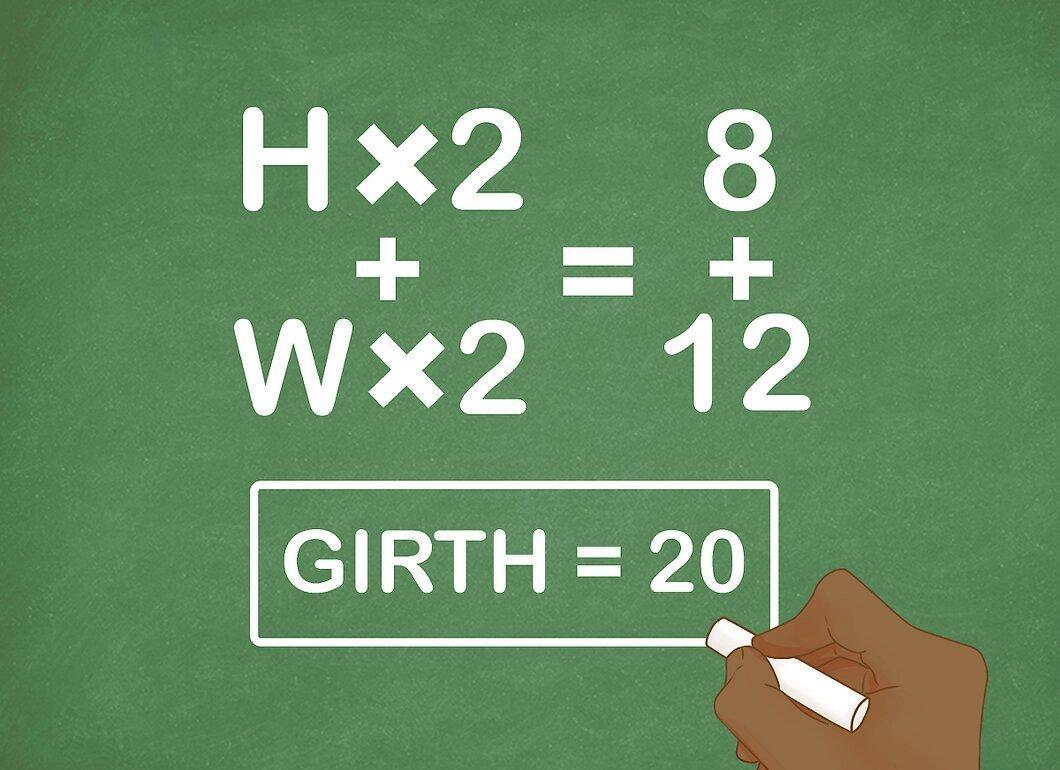
Add the doubled values of width and height to get the girth of the package.
- Girth is the perimeter of the cross-section of the package.[1] X Source
- In our example: doubled width is 20 cm and doubled height is 30 cm, therefore, the girth: 20 + 30 = 50 cm.
Step 6. In some cases, you may need to calculate the total size of the package.
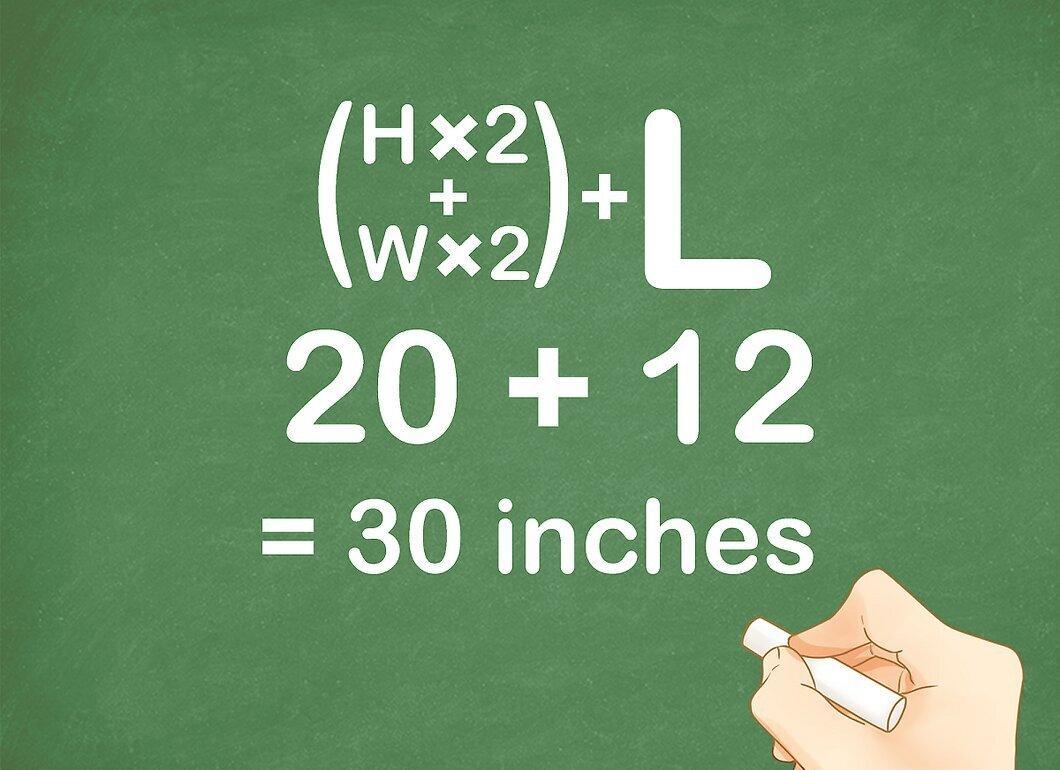
To do this, add the length and the girth together.
- In our case, the girth is 50 cm, and the length is 30 cm, so the total size of the package is: 50 + 30 = 80 cm.
Step 7. Write down all the values you obtained.
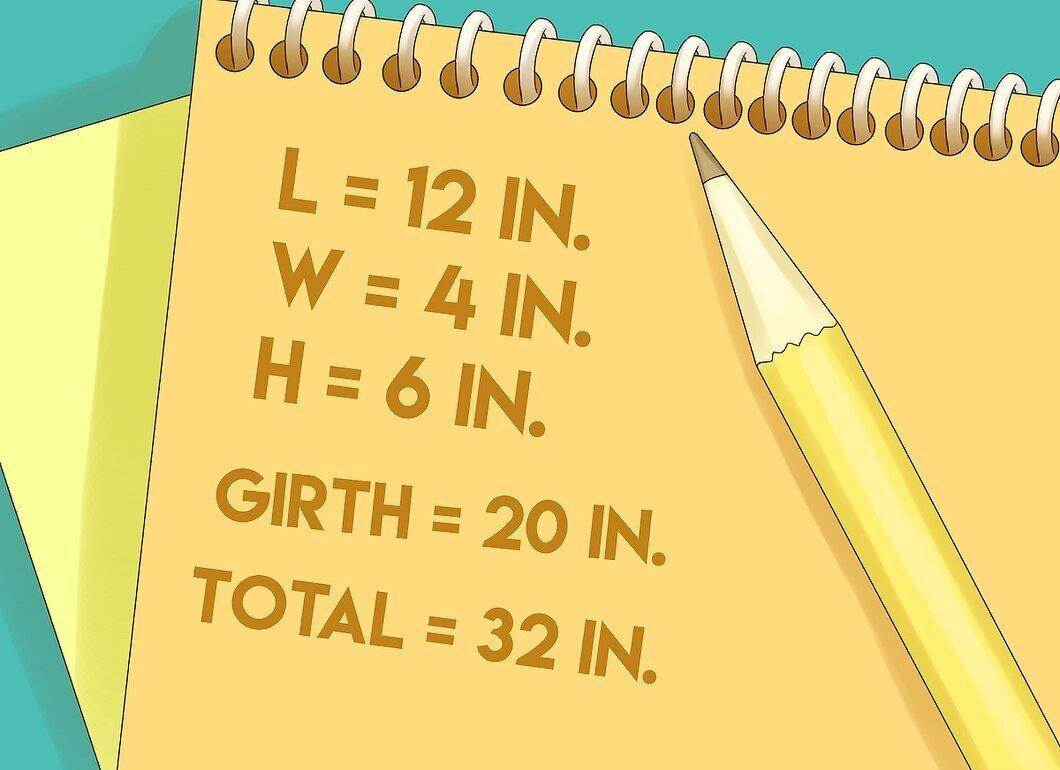
Record the measured values. Now you have all the necessary data for shipping your package.
- You may be asked about: Length, width, and height of the package (L, W, H).
- Length and girth (L; 2W + 2H).
- Total size of the package (L + 2W + 2H).
Measuring Irregularly Shaped Packages
Step 1. Find the longest part of the package and measure it.
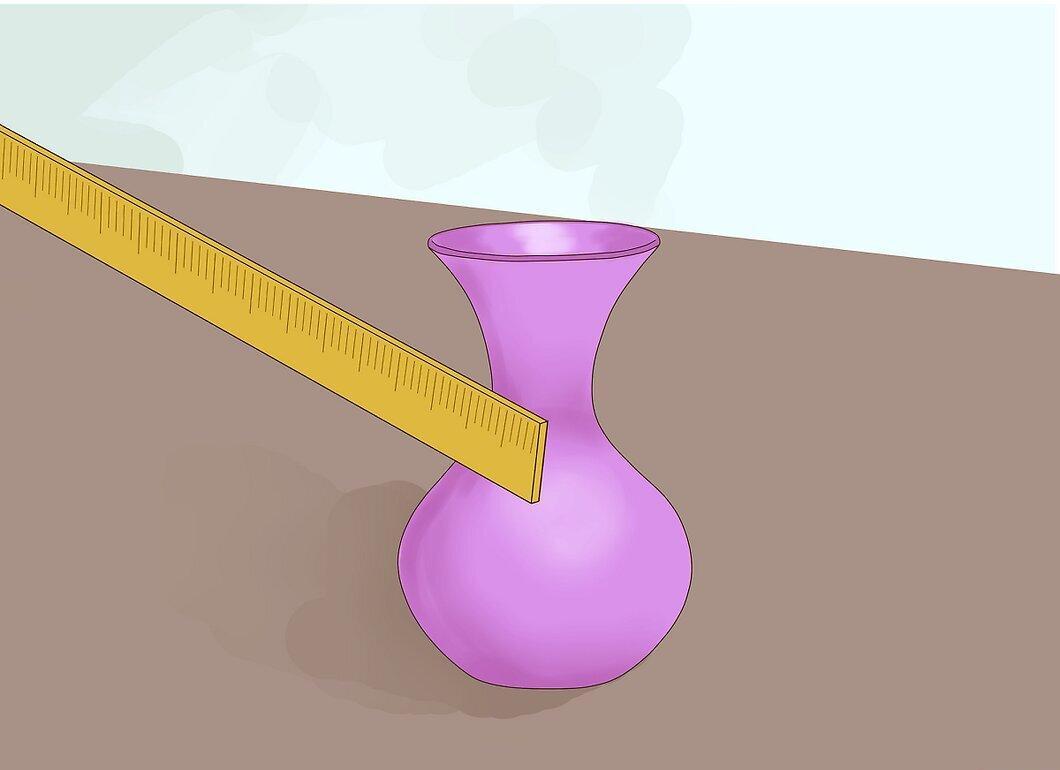
Identify the longest part of the package, which we will call the "length".
- Measure this value with a ruler or tape measure, if possible along the bottom face where the endpoints are located. If the endpoints are on another face, measure along that face.
- Round the result to the nearest centimeter.
Step 2. Measure the widest part of the package (this will be the "width").
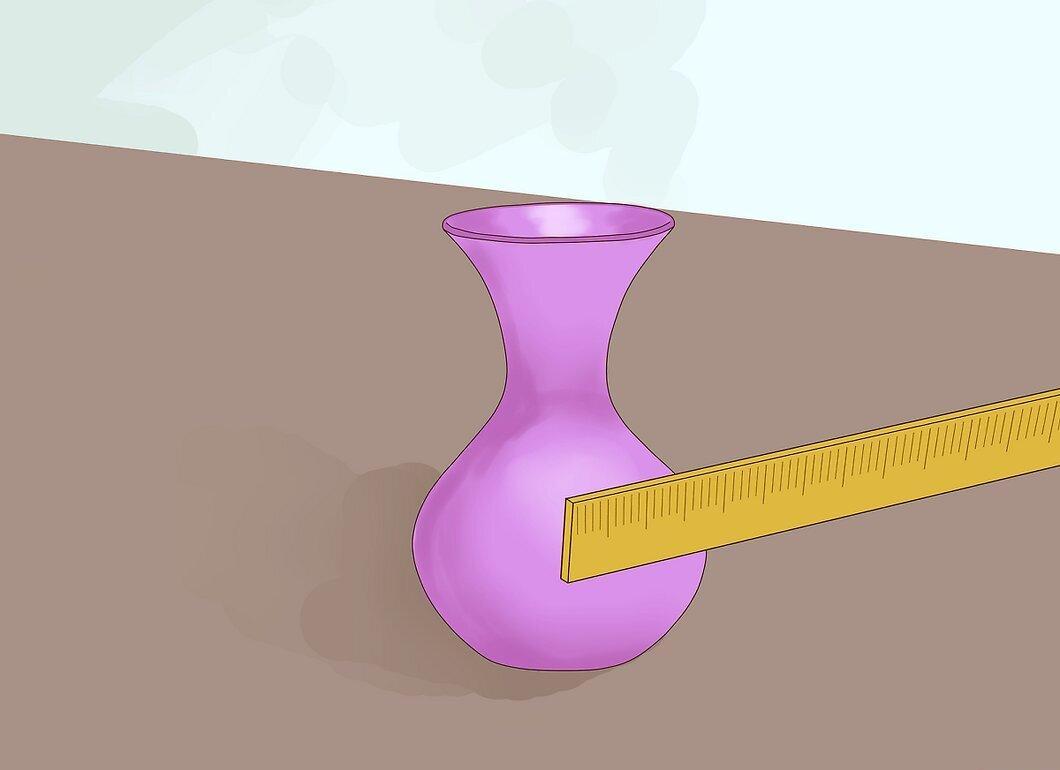
Place the package so that its longest part is parallel to the surface of the table or floor, and measure the widest part.
- Measure the width along the face where the length lies if the endpoints of the wide part are on it. If the endpoints are on another face, measure the width along that face.
- Measure the width with a ruler or tape measure, rounding to the nearest centimeter.
Step 3. Measure the highest part of the package (this will be the "height").
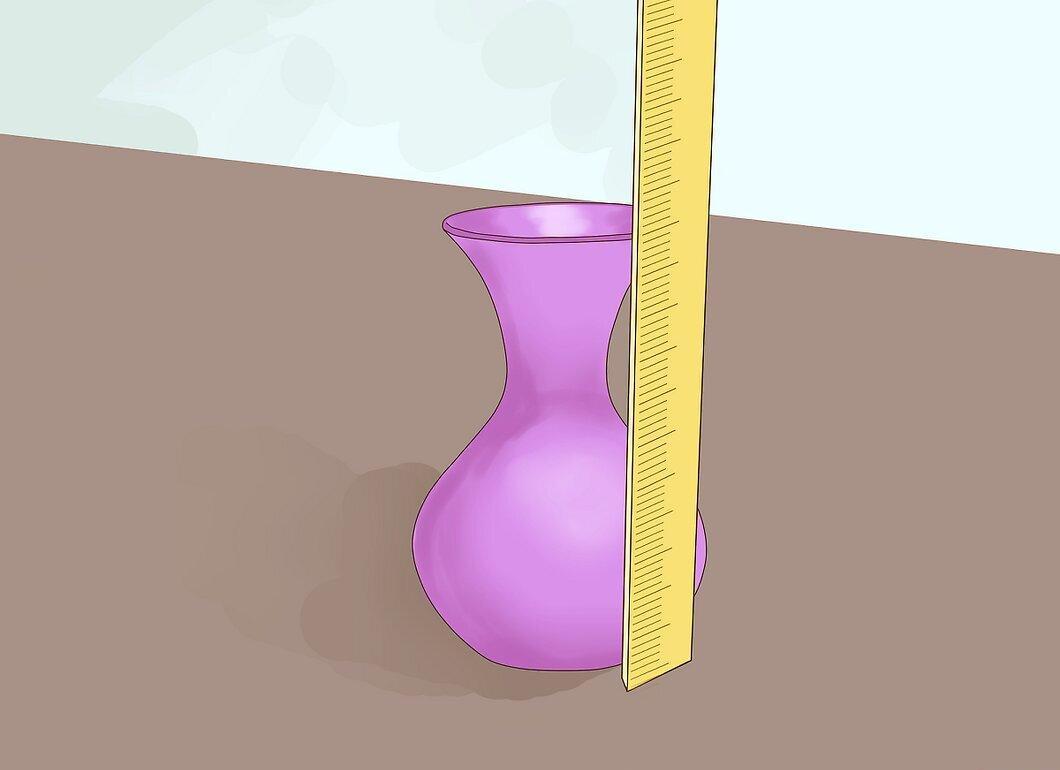
Measure the height, which should be perpendicular to the surface of the table or floor.
- Find the highest point and measure the distance from it to the floor, holding the ruler perpendicular.
- Measure the height with a ruler or tape measure, rounding to the nearest centimeter.
Step 4. Treat the irregularly shaped package as a regular-shaped package using the method from the previous section.
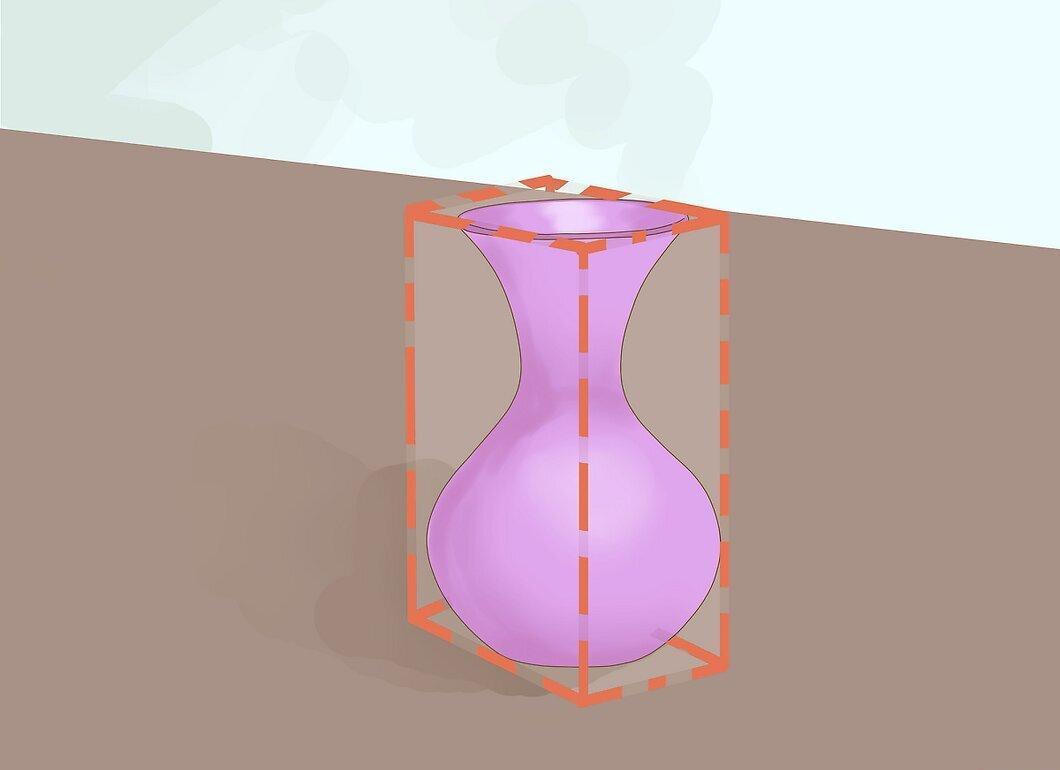
If you are asked to provide the overall dimensions of the package, add its length and girth together.
- If asked for length, width, and height, provide the values from the previous steps.
- If asked for length and girth, use the known length and the girth, which is the sum of the doubled width and height. Example: length = 15 cm; width = 5 cm; height = 10 cm.
- Girth = (2 * 5 cm) + (2 * 10 cm) = 10 cm + 20 cm = 30 cm.
- Example: girth = 30 cm; length = 15 cm.
- Total size of the package = 30 cm + 15 cm = 45 cm.
How to Calculate Dimensional Weight
Step 1. Measure the length, width, and height of the package using a ruler or tape measure.
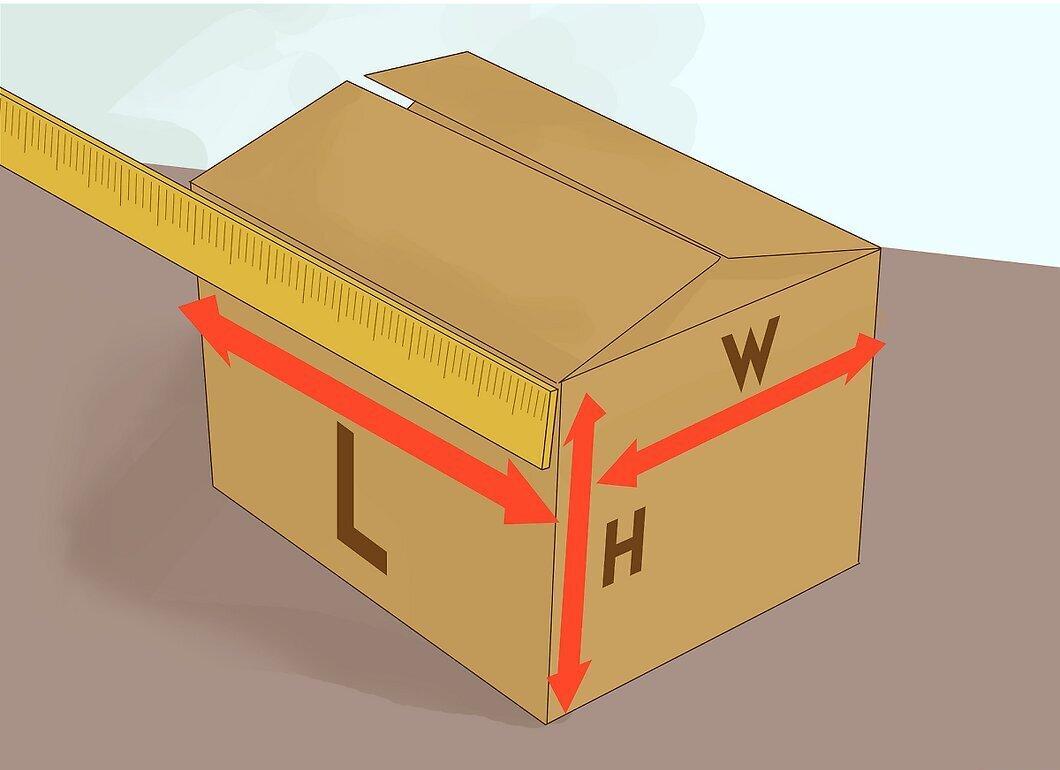
Round the results to the nearest inch.
- When calculating dimensional weight, it doesn’t matter which sides you choose for length, width, and height. The key is to measure all three dimensions accurately.
- Write down the obtained values on paper.
- Remember that it’s better to use the imperial measurement system for calculating dimensional weight.
Step 2. Calculate the volume by multiplying the length, width, and height of the package.
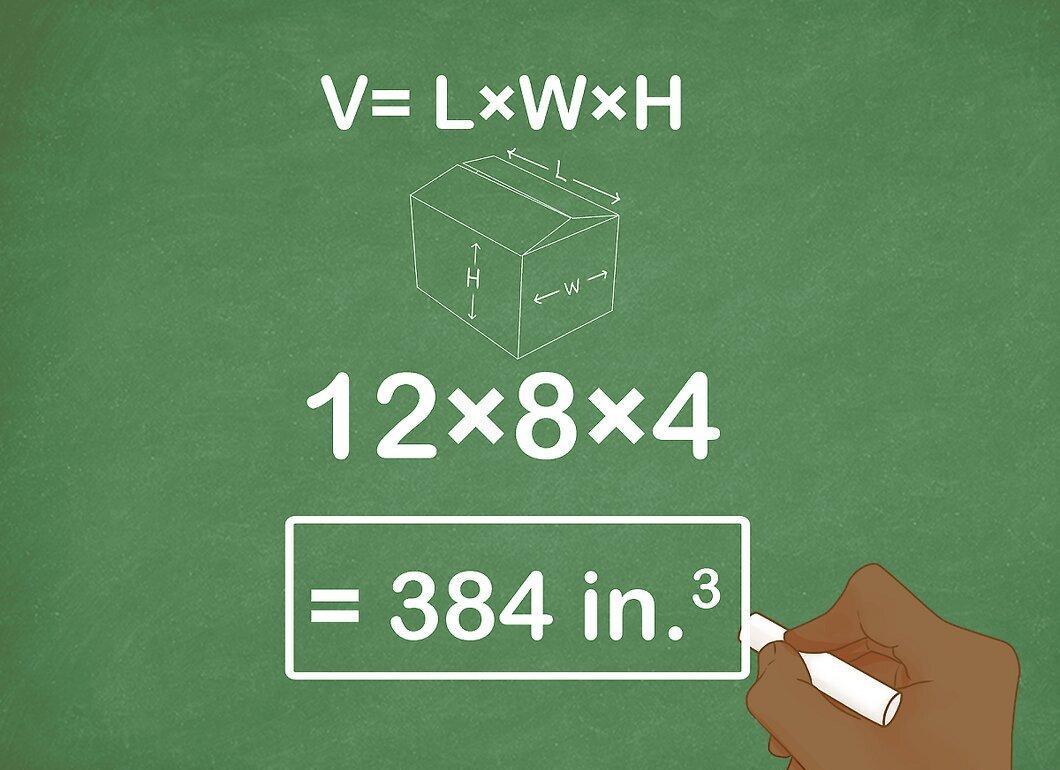
- For example, if the length is 12 inches, width is 8 inches, and height is 4 inches, the volume will be: Volume = 12 inches * 8 inches * 4 inches = 384 cubic inches.
Step 3. Divide the volume by 166 for countries using the imperial measurement system (USA, UK) or by 366 for countries using the metric system.

- For example, for a package with a volume of 384 cubic inches: Dimensional weight (for metric countries) = 384 cubic inches / 366 = 1.05.
- Dimensional weight (for imperial countries) = 384 cubic inches / 166 = 2.31.
Step 4. Find out the actual weight of the package by putting it on postal scales.
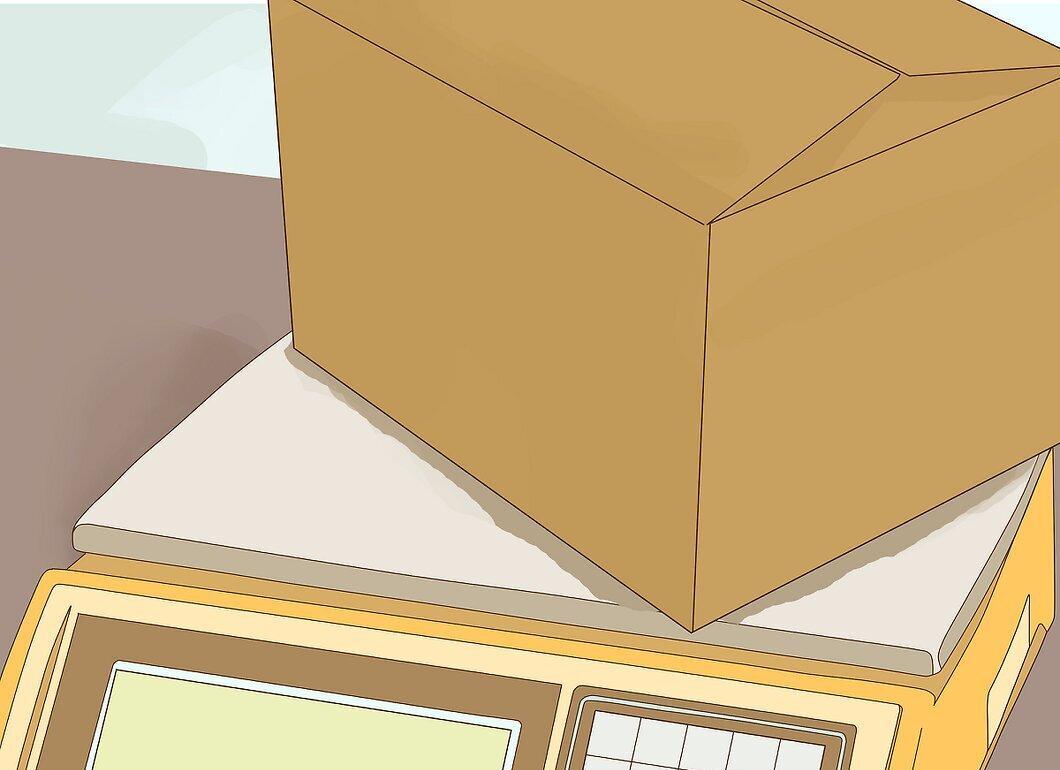
- If you have difficulty using the scales, ask a postal or delivery service employee for help.
Step 5. Compare the dimensional and actual weight.
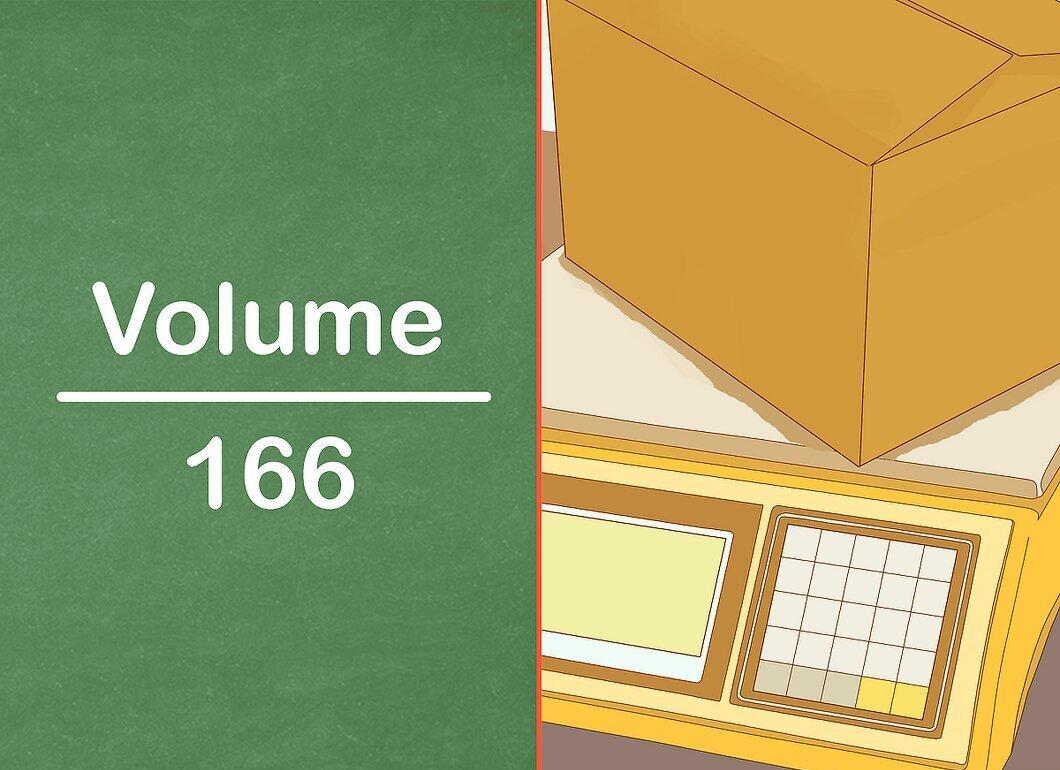
If the dimensional weight exceeds the actual weight, the delivery service may charge an additional fee (beyond the standard shipping rate).
- Dimensional weight is an approximate value.
- For lightweight packages, the rate is based on dimensional weight, while for heavy packages, it is based on actual weight.