Need to write to a government official? All you have to do is follow the proper etiquette and format, and know where you’re sending it. Here’s a detailed guide on how to address letters to officials in both the U.S. and Canada.
Writing a Letter to an Official
Step 1. Decide who you need to contact.

Determine who you need to reach out to. This will help clarify your issue. By doing so, you can narrow down your list of potential contacts. If you suspect that your neighbor poses a threat to public safety, you should probably contact the Department of Homeland Security. If your local park is in poor condition, you might want to send a letter to your city’s Parks and Recreation Department.
Step 2. Find the address.

- Search online for the website of the government agency you wish to contact, such as finding your U.S. senator's address.
- Look for the address the old-fashioned way. Leadership Directories, Inc. (LDI) provides high-quality contact information for government officials as well as various public and private organizations. These "Yellow Pages" can be found in most libraries.
Step 3. Follow proper etiquette.
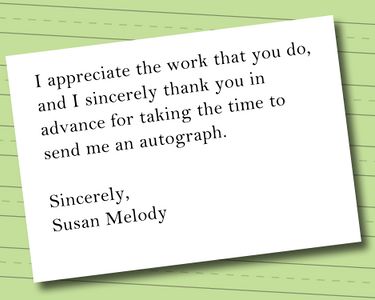
Adhere to proper etiquette. Below you will find how to address various government officials in your letter. Be sure to start your letter with a greeting and end it with a courteous closing.
- Know which titles require the last name. If there is only one recipient in the letter (e.g., the President of the United States or the Chief Justice), there is no need to use the official’s last name when addressing them. If the letter is addressed to an organization with multiple officials, such as a senator, then you should include their last name.
Step 4. Follow official letter formatting guidelines.
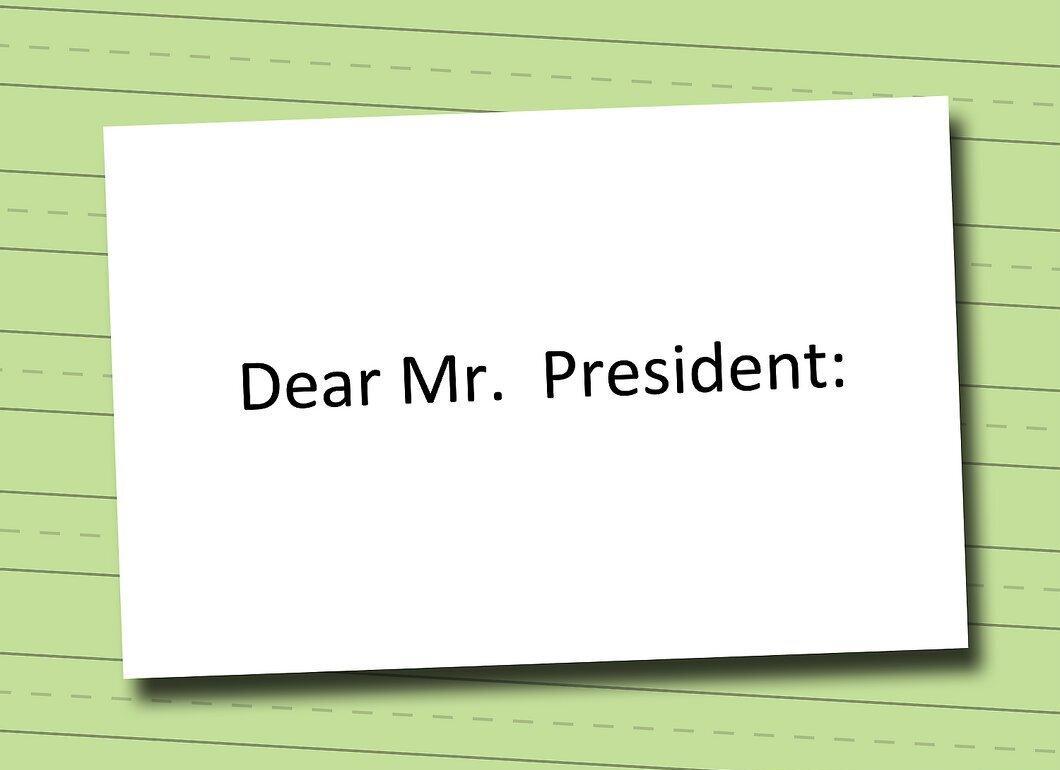
President of the United States
- Greeting: Dear Mr. President:
- Courteous closing: Yours respectfully, or Sincerely,
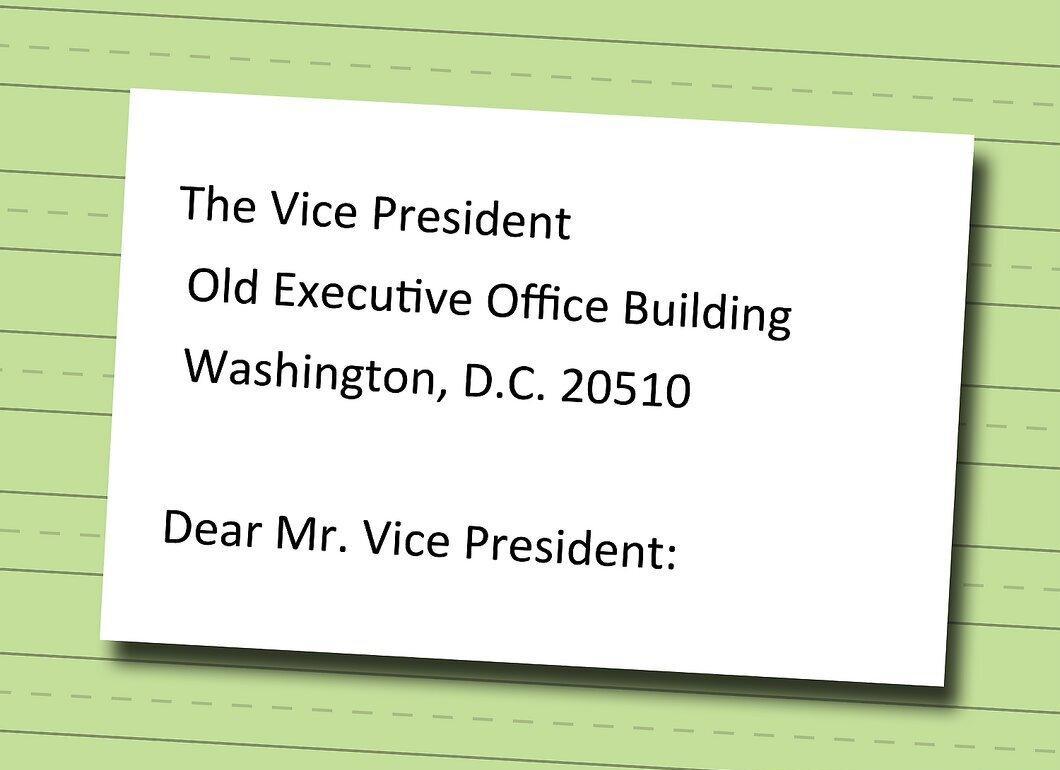
Vice President of the United States
- Greeting: Dear Mr. Vice President:
- Courteous closing: Yours respectfully, or Sincerely,
Chief Justice of the United States
- Greeting: Dear Mr. Chief Justice:
- Courteous closing: Yours respectfully, or Sincerely,
Associate Justice, Supreme Court
- Greeting: Dear Judge or Dear Judge [Last Name]
- Courteous closing: Sincerely yours,
Members of the U.S. Cabinet
- Greeting: Dear Secretary:
- Courteous closing: Sincerely yours,
Attorney General of the United States
- Greeting: Dear Attorney General:
- Courteous closing: Sincerely yours,
Former President of the United States
Courteous closing: Sincerely yours,
- Greeting: Dear Mr. [Last Name]: How to address a former President depends on two things: If he or she has not held any other office since leaving the presidency, you should use the title held only prior to the presidency. For example, Bill Clinton would be "Governor Clinton." Barack Obama will someday be referred to as "Senator Obama."
- If he or she has held other offices since leaving the presidency, you should use that title. For example, former President Taft became Chief Justice Taft.
U.S. Senator
- Greeting: Dear Senator [Last Name]:
- Courteous closing: Sincerely yours,
Speaker of the House of Representatives
- Greeting: Dear Speaker:
- Courteous closing: Sincerely yours,
U.S. Ambassador
- Greeting: Dear Mr./Ms. [Last Name]
- Courteous closing: Sincerely yours,
Governor (U.S.)
- Greeting: Dear Mr./Ms. Governor
- Courteous closing: Sincerely yours,
Mayor (U.S.)
- Greeting: Dear Mayor [Last Name]:
- Courteous closing: Sincerely yours,
Federal Judge (U.S.)
- Greeting: Dear Mayor [Last Name]: Dear Mr./Ms. Mayor:
- Courteous closing: Sincerely yours,
Governor General
- Greeting: Dear Judge [Last Name]:
- Courteous closing: Sincerely yours,
Prime Minister (Canada)
- Greeting: Sir/Madam:
- Courteous closing: Sincerely yours,
Cabinet Members (Canada)
- Greeting: Dear Sir/Madam: or Dear Mr./Ms. Prime Minister: or Dear Prime Minister:
- Courteous closing: Sincerely yours,
Senator (Canada)
- Greeting: Dear Sir/Madam:
- Courteous closing: Sincerely yours,
Chief Justice of Canada
- Greeting: Dear Sir/Madam: or Senator: or My esteemed Senator:
- Courteous closing: Sincerely yours,
Canadian Ambassador (on behalf of a Canadian citizen)
- Greeting: Sir/Madam: or Dear Sir/Madam: or Dear Mr./Ms. Chief Justice:
- Courteous closing: Sincerely yours,
Provincial Premier
- Greeting: Dear Sir/Madam:
- Courteous closing: Sincerely yours,
Members of Provincial Governments - Executive Council
- Greeting: Dear Sir/Madam: or My Esteemed Prime Minister: or Dear Mr./Ms. [Last Name]
- Courteous closing: Sincerely yours,
Mayor (Canada)
- Greeting: Dear Sir/Madam:
- Courteous closing: Sincerely yours,
Part 24
- Greeting: Dear Sir/Madam: or Dear Mr./Ms. Mayor:
- Courteous closing: Sincerely yours,