Knowing how to properly give injections to cows—whether subcutaneously, intramuscularly, or nasally—is crucial for effective vaccination or medication administration. In this article, you will find tips and a step-by-step guide on how to properly administer injections to cows.
Part 1
Step 1. Identify the animal or animals that need treatment or vaccination
Step 2. Restrict the animal's movement by placing it in a pen.
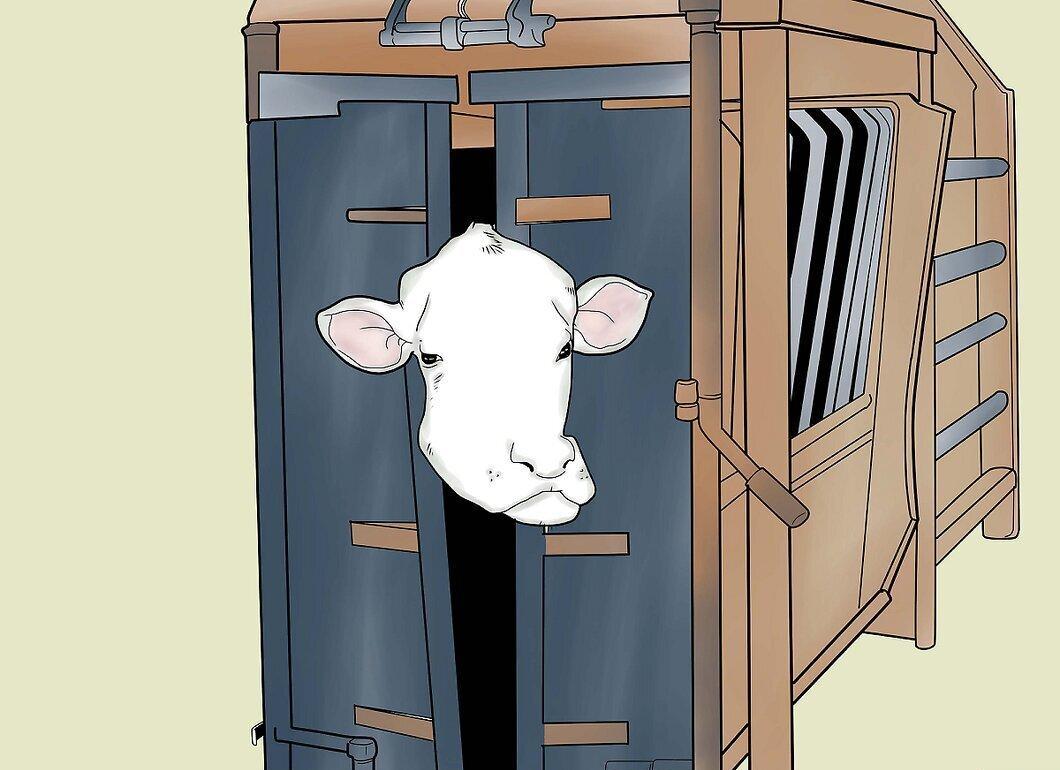
Restrict the animal's movement by placing it in a pen. Ensure that the animal's head is secured in a headgate—a special device that holds the head in place within the pen. It's much easier to give injections to cows when their movements are limited by a pen or headgate, such as those that keep the animal near a fence or barn, than to do so without these tools. If you don't have a pen or headgate, seek help from individuals with lassos and trained horses to immobilize the cow while you administer the injection. This will help keep the animal steady.
Step 3. Choose the injection site.
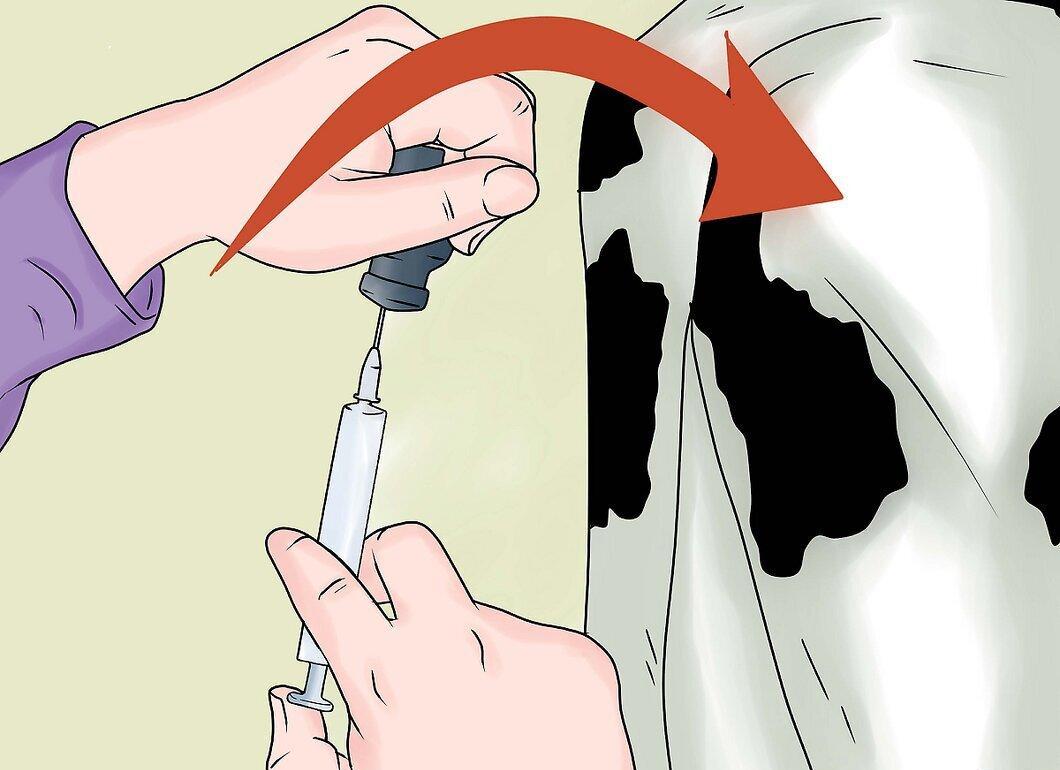
Choose the injection site. The best places for administering medication or vaccinations with a syringe and needle are the neck area or sometimes between the base of the tail and the hip bone (pelvis) of the animal.
- You may encounter specific vaccines or medications that must be administered in particular parts of the animal's body (for example, medications for mastitis), so this should be taken into account. Additionally, consult your veterinarian for information or confirmation on the best injection site for the animal.
Step 4. Administer the medication or vaccine according to the instructions on the bottle:
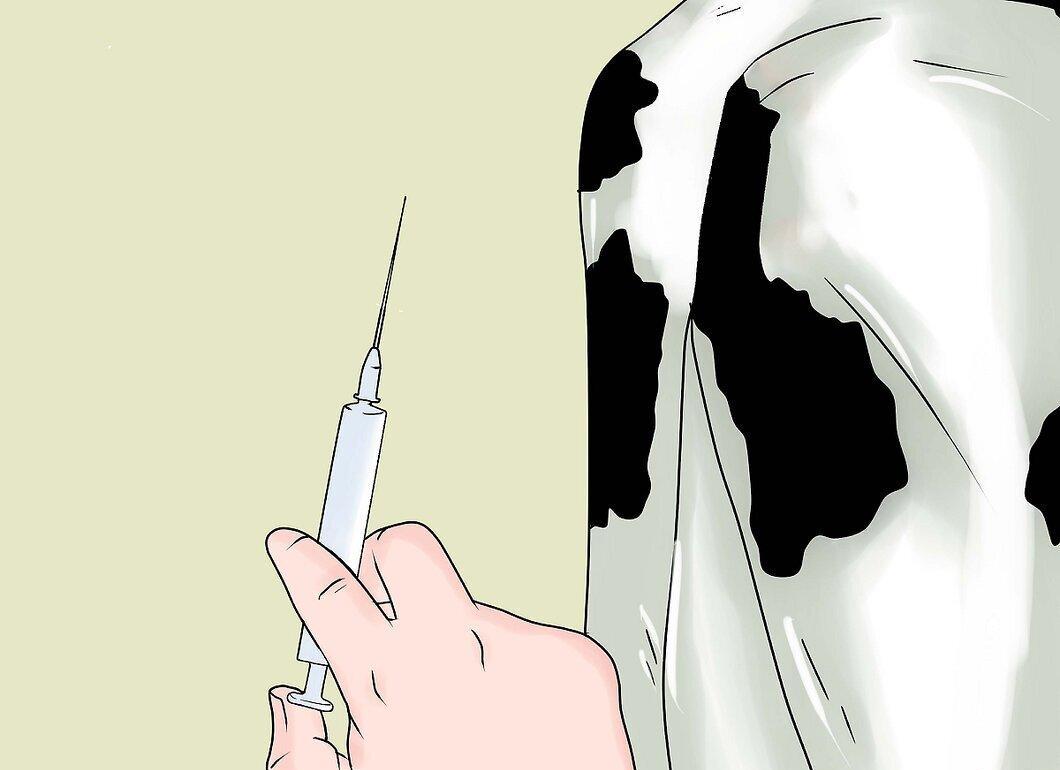
Administer the medication or vaccine according to the instructions on the bottle: subcutaneously, nasally, intramuscularly, or intravenously:
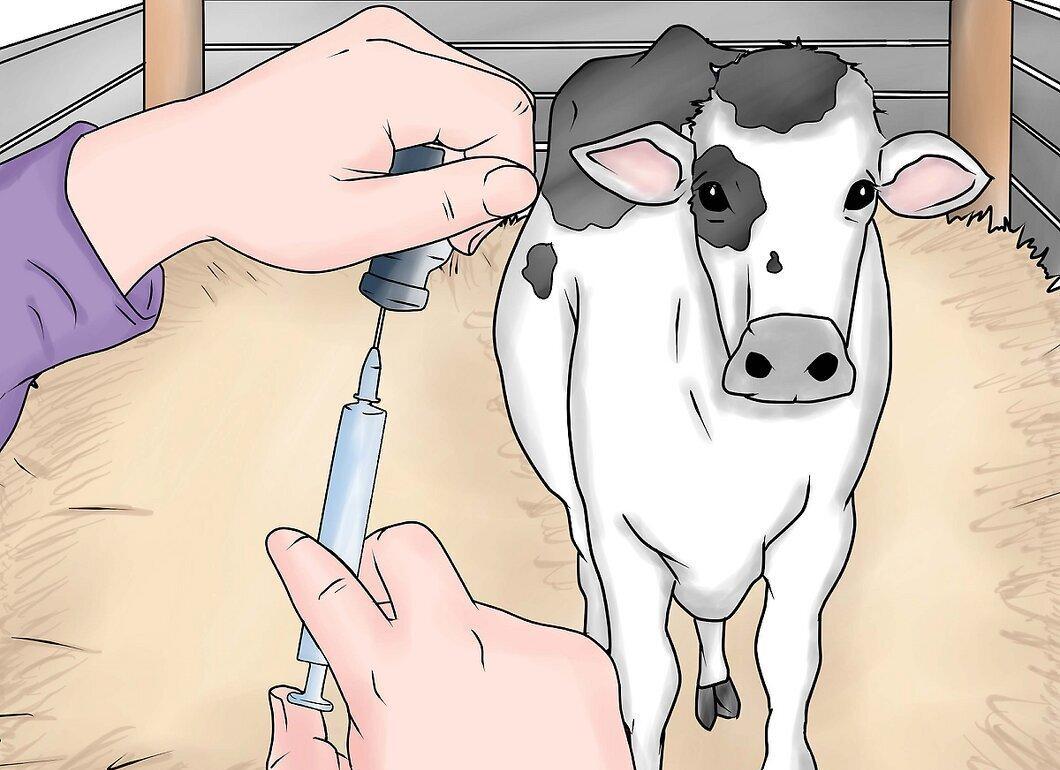
- Subcutaneously (under the skin). The neck area, near the withers and around the shoulder of the animal, is best for this. Pinch the skin with one hand, and with the other, insert the needle just below your thumb under the skin. Be careful not to pierce through the skin or accidentally inject yourself, as this can lead to complications. Usually, it's sufficient for the needle to be inserted halfway under the skin. This allows you not to insert the needle fully while ensuring it is in the right place. Administer the injection until the syringe is empty.
- Nasally (injected into the nose). Put a halter on the animal to prevent it from moving its head. If the animal is tame enough, you can ask a friend or partner to hold the cow's head steady, but be cautious—cows are MUCH stronger than you and can easily toss you aside. Use a plastic needle specifically for nasal injections and spray the solution into each nostril. Use half of the volume indicated on the medication container for each nostril.
- Intramuscularly (into the muscle). To avoid compromising the quality of the meat, most intramuscular injections should be given in the neck, just like subcutaneous injections. Intramuscular shots are best administered in the most muscular point of the neck, rather than in the middle where the veins and arteries are located. Tap the surface with your fist a few times, then quickly insert the needle. Allow the animal to calm down if it jumps when you insert the needle. Attach the syringe to the needle (if not already attached), and administer the medication.
- Intravenously (into the vein). Locate an appropriate blood vessel (but not the major veins, as the environment is not sterile), then insert the needle at an angle that prevents it from falling out. After that, connect a bottle or IV drip with the medication, regardless of what you are administering (usually, it could be calcium, magnesium, or intravenous fluids). Before administering the injection, ensure there is no air in the syringe or rubber tubing. Then, very slowly administer the medication. Don’t rush, as too much can cause complications.
Step 5. Administer the medication until the syringe is empty or the required amount has been given to the animal.
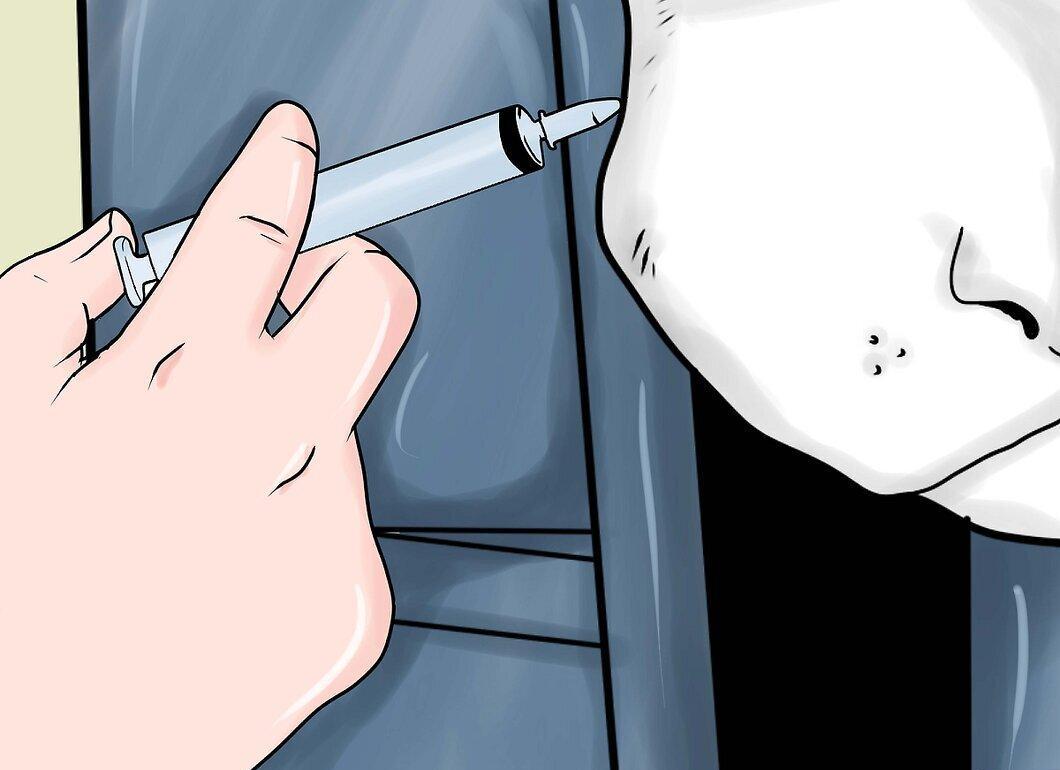
Step 6. Remove the needle from the injection site.
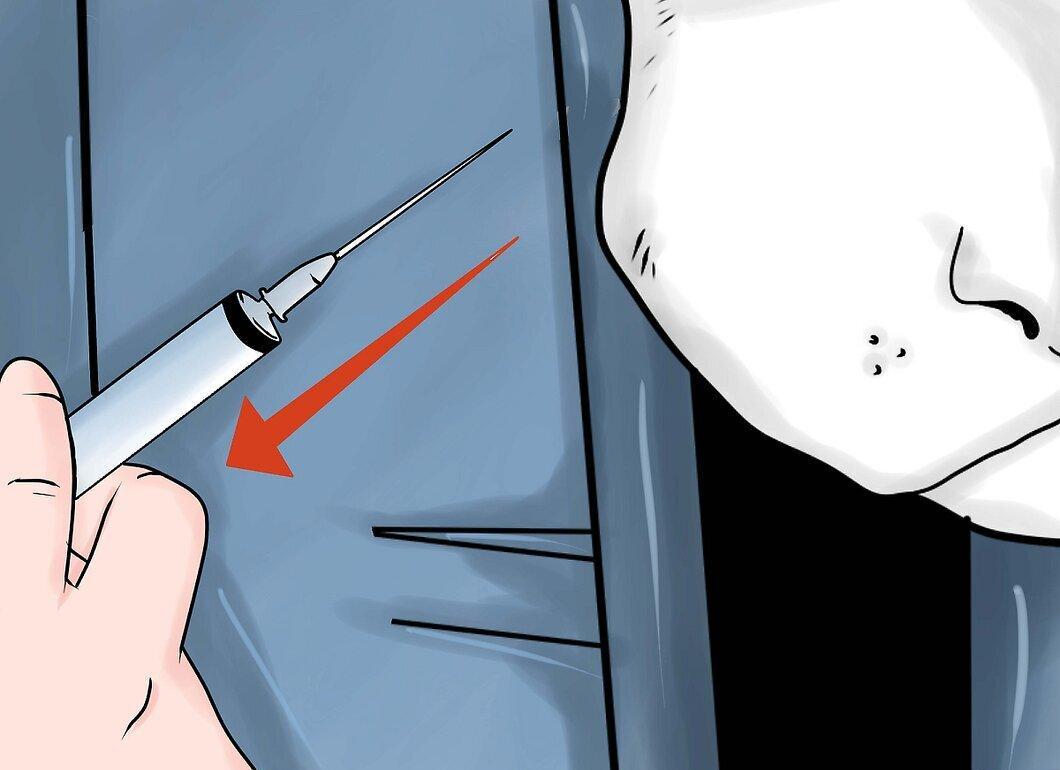
Step 7. Release the animal and repeat the process with the next animal (if necessary).