Menstrual cramps and the discomfort women experience every month can be quite a challenge. However, there are several ways to help lessen the discomfort and allow you to keep doing what you love!
Part 1
Step 1. Choose the Right Hygiene Products.
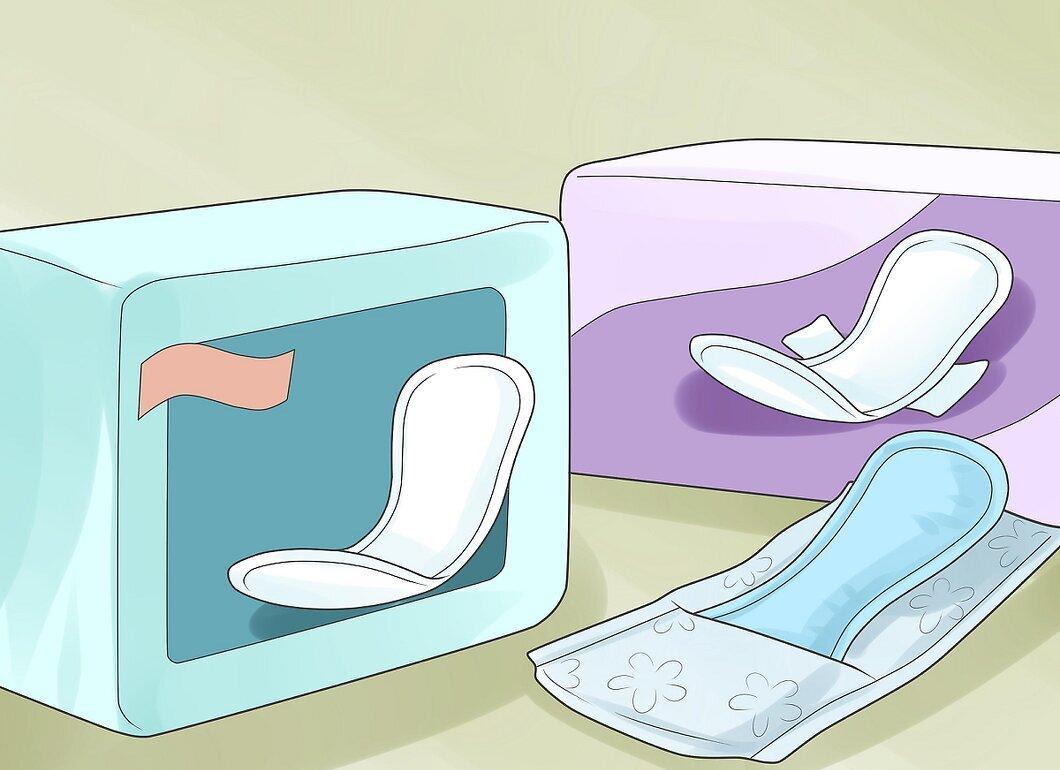
Choosing the right hygiene product is a crucial step. There are many types of pads designed for different flow levels and stages of the menstrual cycle. To determine which pads suit you best, assess how heavy your flow is (light, moderate, heavy, or very heavy). Keep in mind that your flow may vary on different days of your cycle, so it’s worth trying out a few options to find the perfect fit. Also, consider your activity level: if you’re active, pads may be uncomfortable.
- Panty Liners: Ideal for use at the beginning or end of your period when the flow is minimal. They are very thin and can provide extra protection when using tampons.
- Regular Pads: Designed for use during menstruation, with various absorbency levels to choose from. They are typically thin, except for those designed for heavy flow, which can be more difficult to conceal under fitted clothing.
- Winged Pads: Similar to regular pads but feature wings that secure to your underwear, helping to prevent shifting and leaks.
- Non-Applicator Tampons: Reliable and less prone to leaks when not saturated. They are smaller than pads, but it may take time to learn how to insert them properly. Remember to wash your hands before use and change them at least every 8 hours to avoid Toxic Shock Syndrome (TSS).
- Applicator Tampons: Easier to insert thanks to the applicator. They may be slightly larger, but compact options are available. Their absorbency is generally higher than non-applicator tampons. It’s also essential to wash your hands before use and change tampons every 8 hours to avoid the risk of TSS.
Step 2. Track Your Menstrual Cycle.
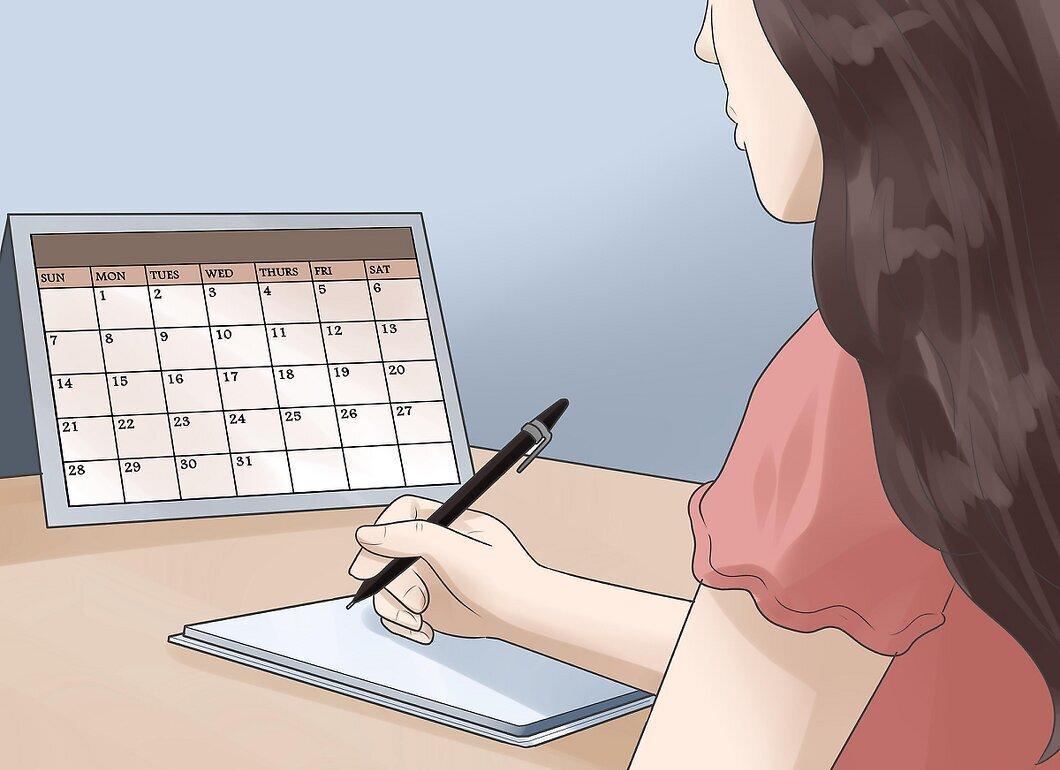
Keep track of the start and end dates of your period. This will help you create a calendar that can predict when your next period will begin. Being prepared can help you avoid unpleasant surprises when you're out and about. Don’t worry if your cycle is irregular; many girls may not have a regular cycle for several years, and some women never establish one.
- If you have a regular cycle but notice changes such as delays or a shorter duration, be sure to consult a doctor, especially if you have been sexually active.
- If your cycle is irregular and your period started more than two years ago, it’s wise to consult a doctor to determine any potential issues and ways to address them.
Step 3. Prepare Hygiene Products for Emergencies.
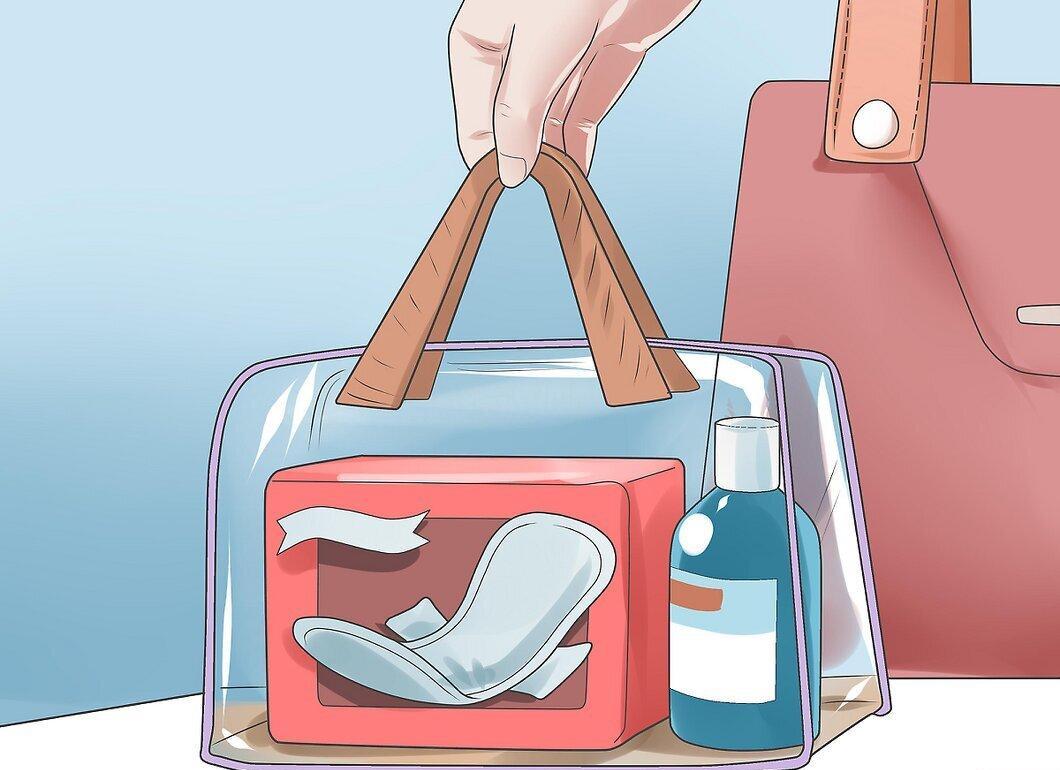
Always carry hygiene products in your bag for unexpected situations, especially if you expect your period. Place your chosen pads or tampons, as well as pain relievers and some change in your cosmetic bag in case you need to buy more supplies. It’s also useful to take: a disposal bag for used products, wet wipes for personal hygiene, and a pair of clean underwear in case of leaks. Keep all of this in a separate bag so no one can guess its contents!
- If your period starts and you have no hygiene products, head to the restroom and use toilet paper as a makeshift pad. If you're at school, the nurse may have pads, or you can ask a friend; they likely have some on hand.
Step 4. Dress Comfortably.
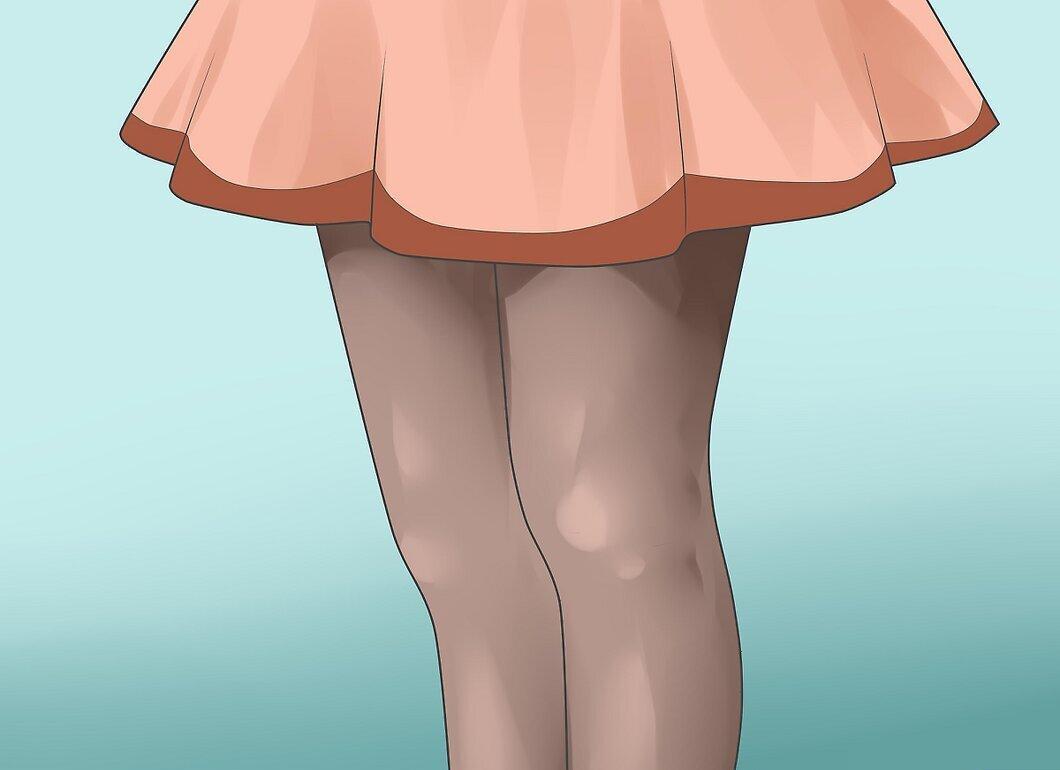
Choosing the right clothing is also important. If you’re wearing a skirt or dress, you might feel uncomfortable due to fears of leaks. In warm weather, opting for shorts can provide more confidence. If you need to wear a skirt, you can wear fitted shorts or tights underneath for added protection.
- If you notice a stain on your clothing, you can quickly hide it by wrapping a cardigan or sweater around your waist until you have the chance to change.
- Choose the right underwear. Avoid lace panties during your period. Instead, opt for comfortable, larger underwear to ensure the pad fits well. Black or red underwear can help conceal any potential leaks.
Step 5. Don’t Forget to Change Your Pad or Tampon.
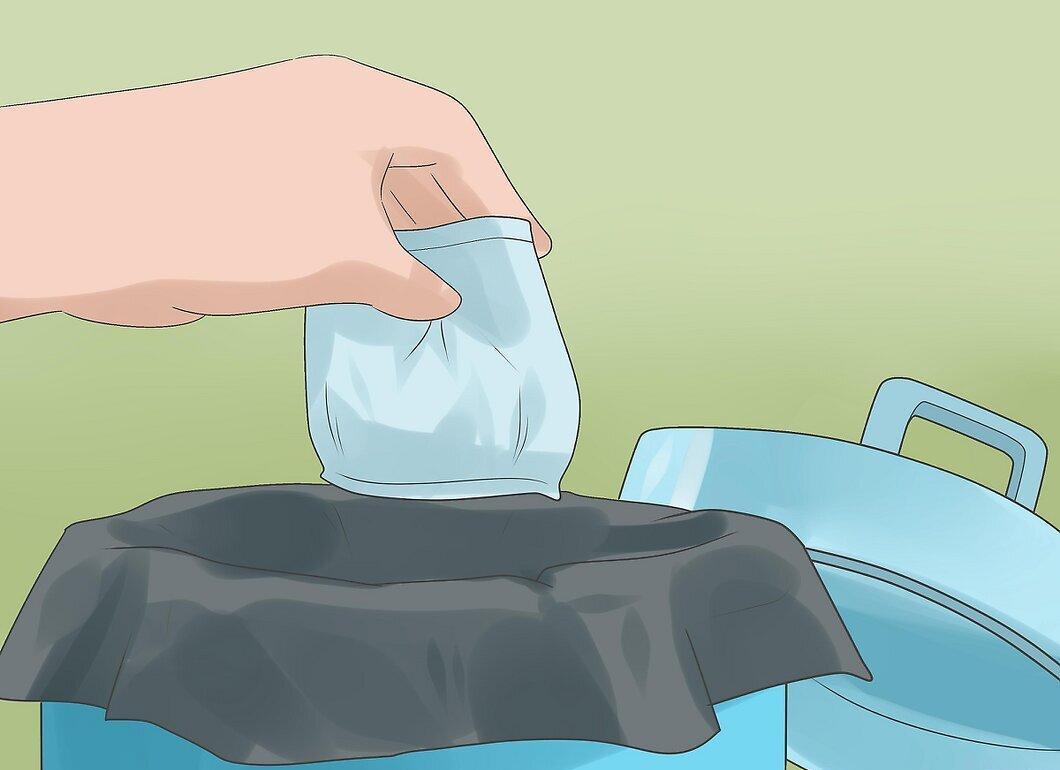
Regularly changing pads and tampons helps avoid unpleasant odors and discomfort. Pads should generally be changed every 2-4 hours, depending on your flow. Tampons can be left in for up to 8 hours, but be mindful of safety and do not exceed this time.
- If you need to leave class to change your hygiene product, simply tell your teacher you need to go to the restroom. If they refuse, wait for a moment to talk to them privately and explain that you have "women's issues." Don’t be shy, even if it’s a male teacher — he is mature enough to understand.
- There’s a discreet way to go to the restroom unnoticed: place a pad or tampon in your bra or under the waistband of your underwear so no one can see what you’re carrying.
Step 6. Find Ways to Relieve Pain.
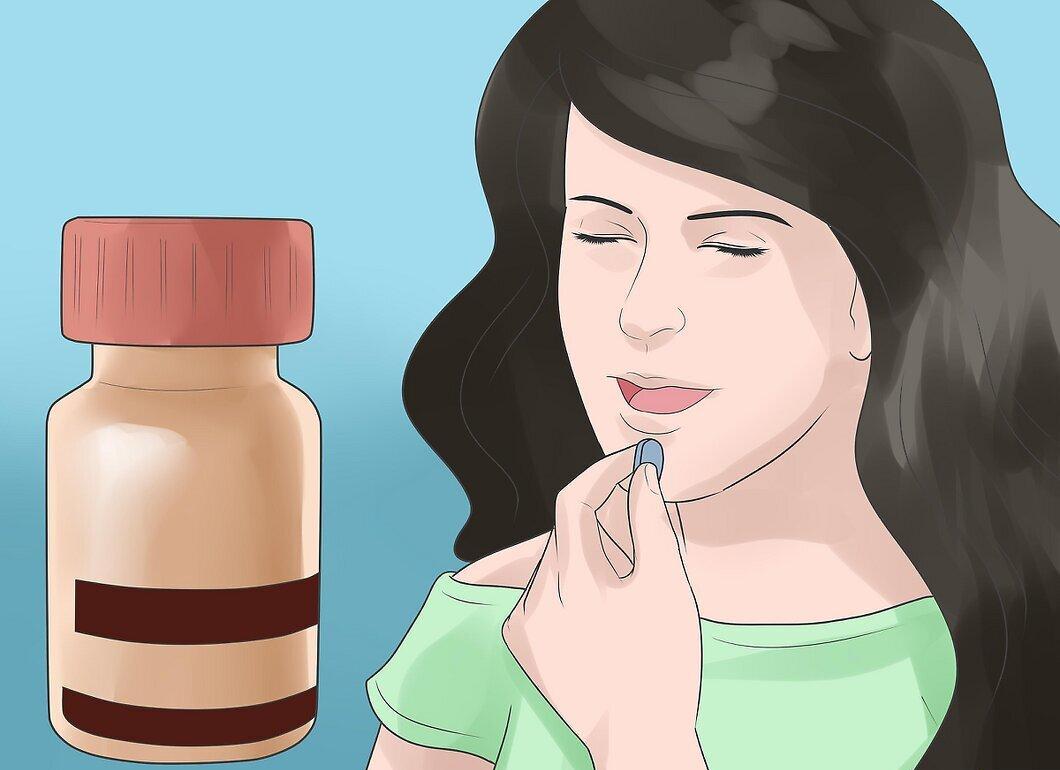
To cope with pain caused by muscle contractions in the lower abdomen, use appropriate pain relievers. Try different medications such as acetaminophen or ibuprofen. Keep in mind that not all medications work for everyone. Sometimes, exercise can be a great solution, even when you don’t feel like moving. Physical activity promotes the release of endorphins, which can help alleviate pain and improve your mood. You can also try:
- If the pain is so severe that you need to skip school or work, be sure to consult a doctor to rule out any potential health issues.