
Do you frequently encounter troubles? Do new problems arise unexpectedly? Do you often argue with friends? If so, it's time to learn how to avoid conflicts with those around you. Don't worry, there is a solution to every situation. If you're determined to improve your life and steer clear of unpleasant situations, be sure to read this article to the end.
How to Keep Yourself Occupied
Step 1. Engage in Sports.
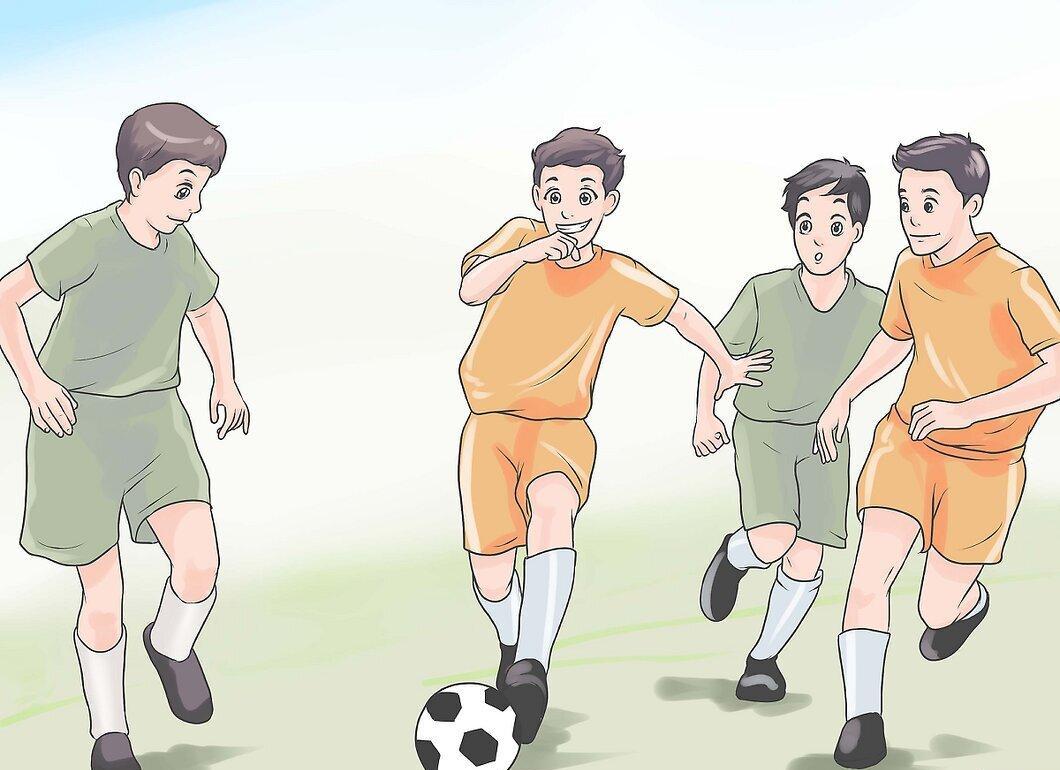
Sports are a great way to avoid unnecessary conflicts. Whether you play soccer, basketball, or baseball, team sports will help you make plenty of new friends. By actively spending your free time on sports, you won’t have time for silly antics, which in turn will reduce the number of problems.
- Aim to take on the role of team captain — this will allow you to channel your energy into the game.
- Additionally, engaging in sports will help you direct all that negative energy into something constructive.
Step 2. Join a Club.

Join a club. If sports aren't your thing, you can find a hobby in a cooking club, an art school, or a French language course. The key is to find something you enjoy to fill your free time.
- You can try out a few clubs and choose the one that suits you best.
Step 3. Volunteer.
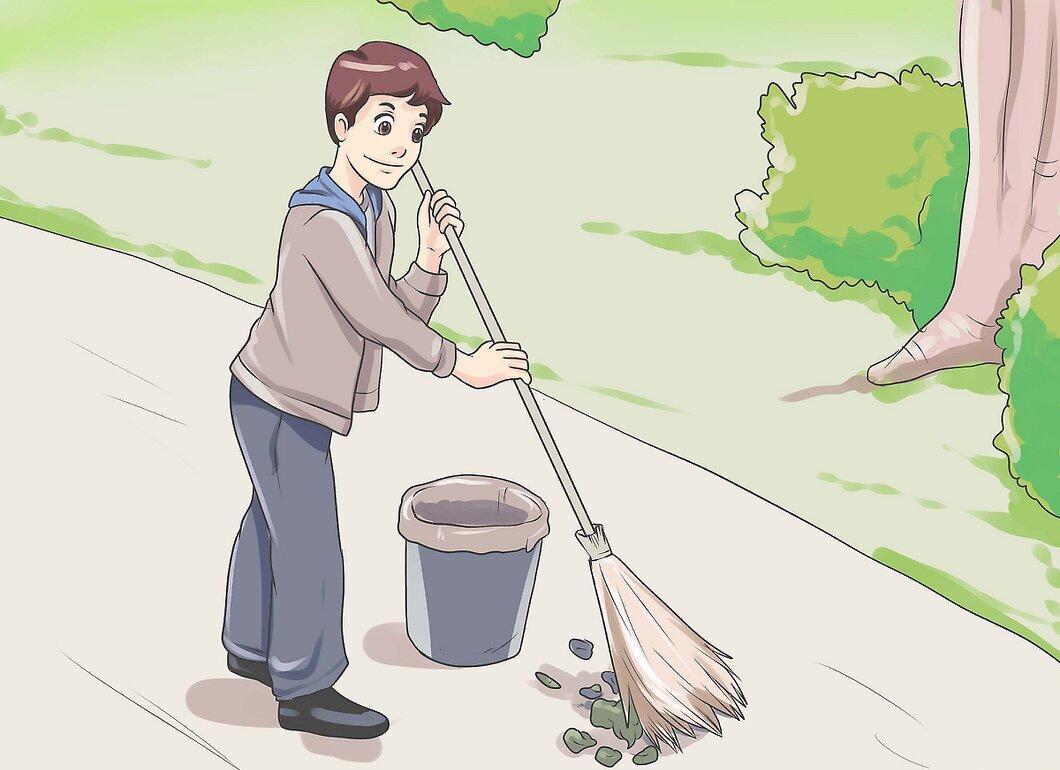
Become a volunteer. You’ll see how petty squabbles lose their meaning when you notice people in need of help. If volunteering alone feels daunting, bring your parents along. Whether you’re teaching, cleaning a park, or helping in a kitchen — choose something that resonates with you and dedicate at least one day a week to it.
- Now you'll have a busier schedule, but don’t forget to leave time for yourself. Engage in activities you love.
Step 4. Strive for Knowledge.
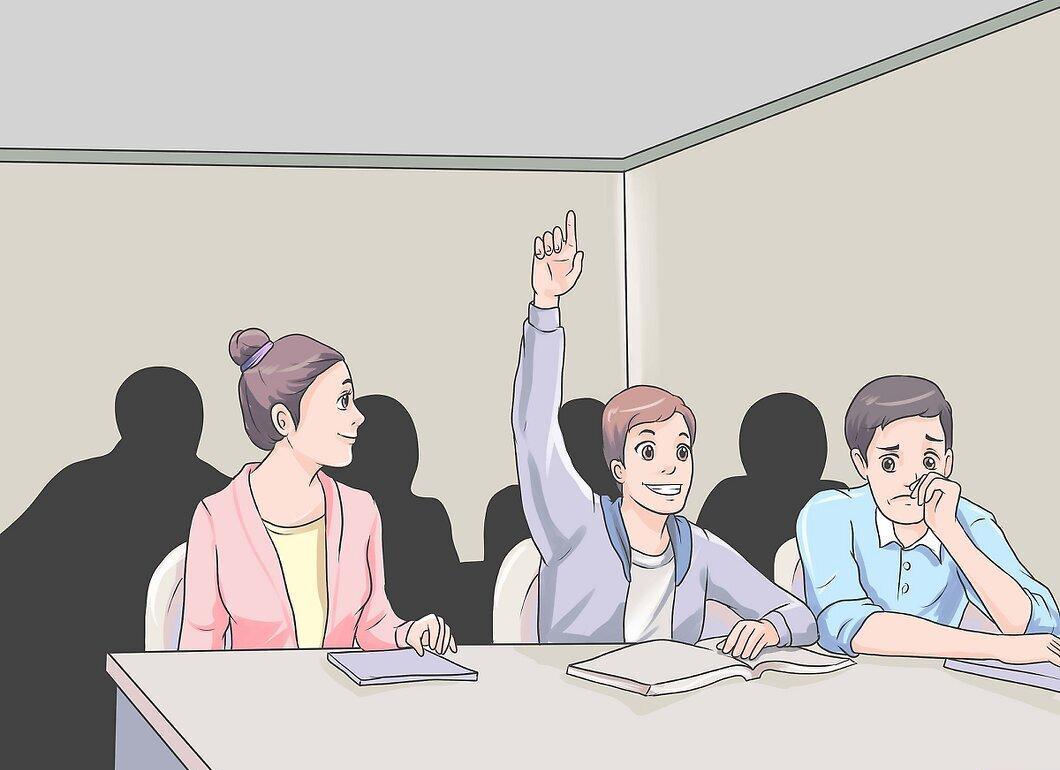
Focus on learning. If you become a diligent student, you won’t have issues with parents or teachers. It takes a little effort: attend classes, be on time, and complete your homework on schedule.
- Try doing a bit of research on a topic that interests you. This will help you distract yourself and learn something new.
- Set a goal for yourself — to improve your grades in certain subjects. You don’t have to strive for perfection in everything, but you can raise your grade from a 4 to a 4+.
Step 5. Read More.

Reading will help expand your vocabulary and make you a more educated person. Moreover, it can provide you with a different perspective on the world. Engaging books will transport you to new worlds and open new horizons. Start by reading for at least 20 minutes before bed — it will become a good habit.
- Read a variety of books — from scientific articles to fiction — to discover what you enjoy.
Step 6. Be Creative.

Engage in creativity. Write a play and perform it with friends. You can also paint, practice pottery, or even decorate your room in a wild nature style. Direct your energy toward creation instead of destruction.
- Consider enrolling in an art school or asking a teacher for additional assignments.
Generate Positive Emotions
Step 1. Listen to Your Instincts.

Follow your instincts. Perhaps you’ve found yourself in unpleasant situations by ignoring your inner voice. If you feel that an action may lead to trouble or that interacting with certain people would be inappropriate, trust your feelings. If something seems suspicious, it’s best to keep your distance.
- If a friend offers you something questionable, don’t rush to agree.
Step 2. Spend Time with Loved Ones.

Spending time with family fills you with positivity and boosts your mood. Of course, you may not always want to watch old movies with your parents or help your younger sister with her homework, but family will always provide reliable support. Strong bonds with loved ones are very important.
- The more time you spend with family, the less likely you are to encounter new problems. Create a schedule that includes time for family dinners and helping relatives.
Step 3. Stay Away from Negative People.

Avoid interactions with negative people. Even the closest friends can let you down. If you feel that someone might tarnish your reputation, it’s better to change your company.
- Don’t be misled if your friends get into trouble — you could also get caught up, even if you haven’t done anything wrong.
Step 4. Find Good Friends.

Surround yourself with positive people. If your friends are determined and kind, you’ll be encouraged to strive for better. However, if you’re surrounded by bullies, don’t expect anything good. Finding a good friend can be challenging, but don’t lose hope — such people might be closer than you think.
- Meet new people in clubs, sports teams, or courses.
Step 5. Build Relationships with Teachers.

Friendly relationships with teachers can help you avoid troubles. This doesn’t mean you should be overbearing, but try to be attentive, arrive on time, and ask questions if something is unclear.
- If you already have a bad reputation, try to improve your grades in subjects where you’ve faced difficulties.
Step 6. Find a Role Model.

Identify an ideal to strive towards. This could be anyone — a parent, a teacher, a family friend, or even a public figure. The key is that this person inspires you to achieve new goals and is willing to share their experiences with you.
- The right role model can help you make important decisions and influence your life as a whole. Ideally, they should have also made mistakes and learned from them.
How to Avoid Conflicts
Step 1. Don’t Gossip.

Avoid gossip. This is one of the simplest ways to prevent conflicts, no matter who is involved. Gossip often leads to unpleasant consequences, so try to uplift others and maintain a positive attitude.
- If you’ve already said something negative about someone, be cautious — it may come back to haunt you and create significant problems.
Step 2. Don’t Try to Prove Something to Someone.
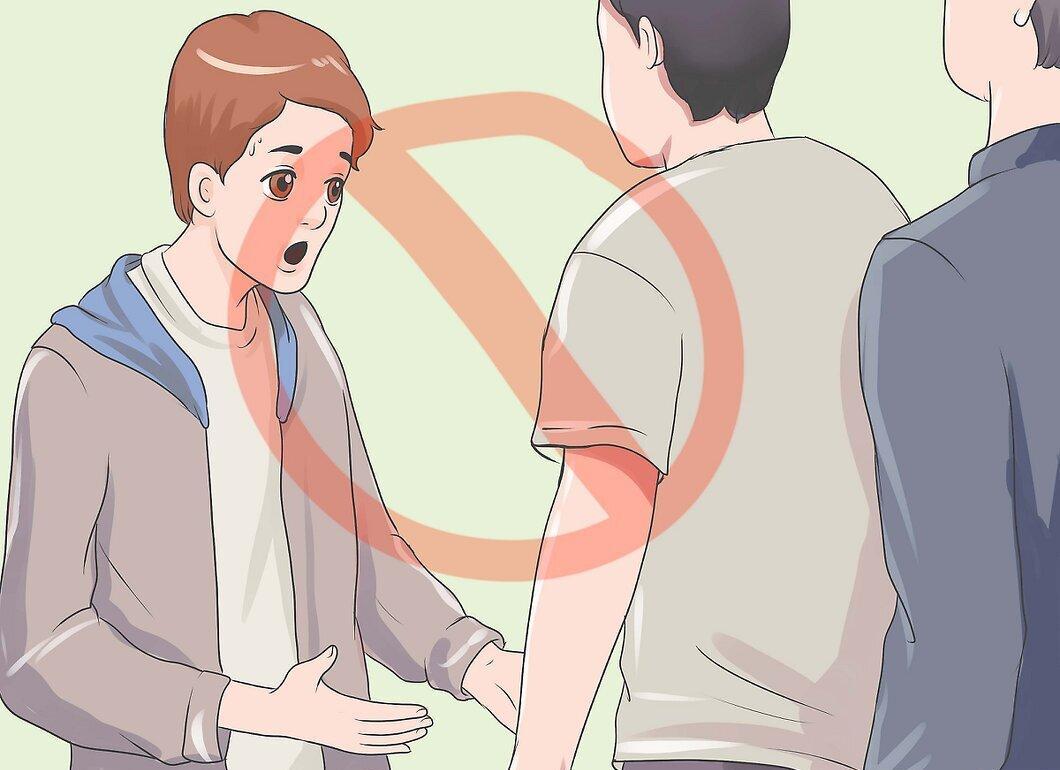
Don’t always strive to prove something to someone. Why convince someone who doesn’t want to listen to you? If you have differing opinions with someone, it’s best not to delve into conflict — keep your distance.
- Avoid arguments whenever possible. They will only waste your time and energy.
Step 3. Don’t Fight.

Avoid fighting. If this habit has already formed, it will be hard to break. Don’t solve problems with force. Remember that fighting can lead to more problems than solutions. Just calm down and try to walk away from the conflict.
- In such cases, it’s better to walk away than to engage in a conflict — this doesn't make you a coward, but rather shows your wisdom.
Step 4. Don’t Challenge Teachers.

Don’t conflict with teachers. You can’t please everyone, and you may not get along with some of them. But even if you are sure you are right, be polite and try to find a compromise. Keep your composure in such situations.
- While you’re studying, follow the rules. As you grow up, you’ll be able to set your own terms, but for now, it’s better to adhere to the established ones.
Step 5. Be Polite to Everyone.

Be courteous. Say "hello" and "please" to everyone, from neighbors to service staff. If you’re not friendly, no one will support you in case of a conflict.
- Don’t forget about politeness at home. Be considerate not only in public but also with your loved ones.
Step 6. Take Care of Yourself.

Take care of yourself. You might not see the connection between a healthy lifestyle and a desire to avoid troubles, but it’s true. A healthy body fosters a healthy mind. If you haven’t slept or eaten well, it can lead to aggressive behavior.
- Focus on your health so you don’t get distracted by trivial matters.