In any relationship, effective communication plays a crucial role. There are two primary forms of direct interaction – verbal and non-verbal communication. Both are interconnected and interdependent: body language always complements verbal expressions. If you possess a good vocabulary and a coherent way of expressing your thoughts, you can be successful in any area of life. Here are some tips to help you succeed through effective communication.
Part 1
Step 1. Presenting Yourself Correctly is Key to Being a Good Conversationalist.

Presenting yourself correctly is key to being a good conversationalist. Are you trying to persuade others? Your words will become more impactful if accompanied by a warm smile. If this feels challenging, imagine you are playing a role in a movie or theater. You need to act like a professional actor to ensure your facial expressions and gestures match the situation. People with a stone-faced demeanor tend to be uninteresting to others and are bound to fail.
Step 2. Use Well-Chosen Words.

Use well-chosen words. Remember that a properly constructed phrase should be delivered at the right place and the right time; only timely responses hold value. This is possible only if you can instantly, almost automatically, read the situation without becoming robotic. To easily read situations, you must be a good observer/listener and make an effort to react quickly and appropriately.
Step 3. Take Brief Pauses Where It Feels Natural.
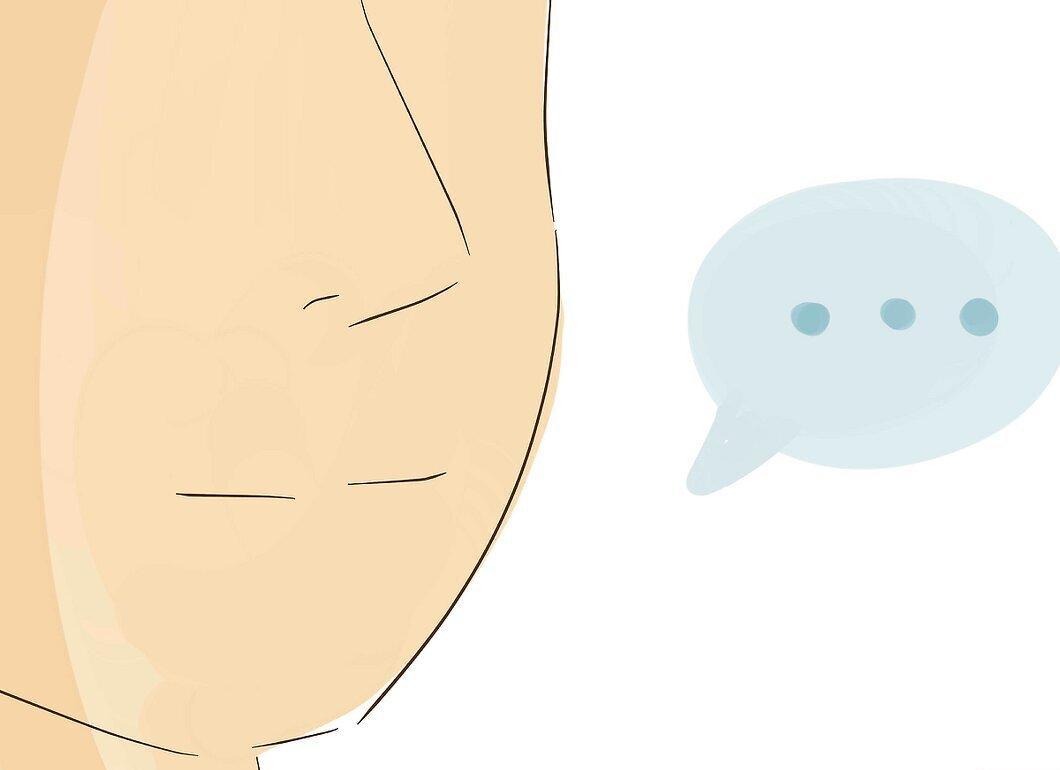
Take brief pauses where it feels natural. This means giving your conversation partner a moment to “digest” what you have said. Allow them to ask questions, voice their objections, and share their thoughts. Here, your observational skills will come in handy. If you sense that your partner is losing interest in the conversation, try to smoothly change the topic.
Step 4. Avoid Excessive Confrontation with Your Conversation Partner, Even If You Feel They Are Wrong.
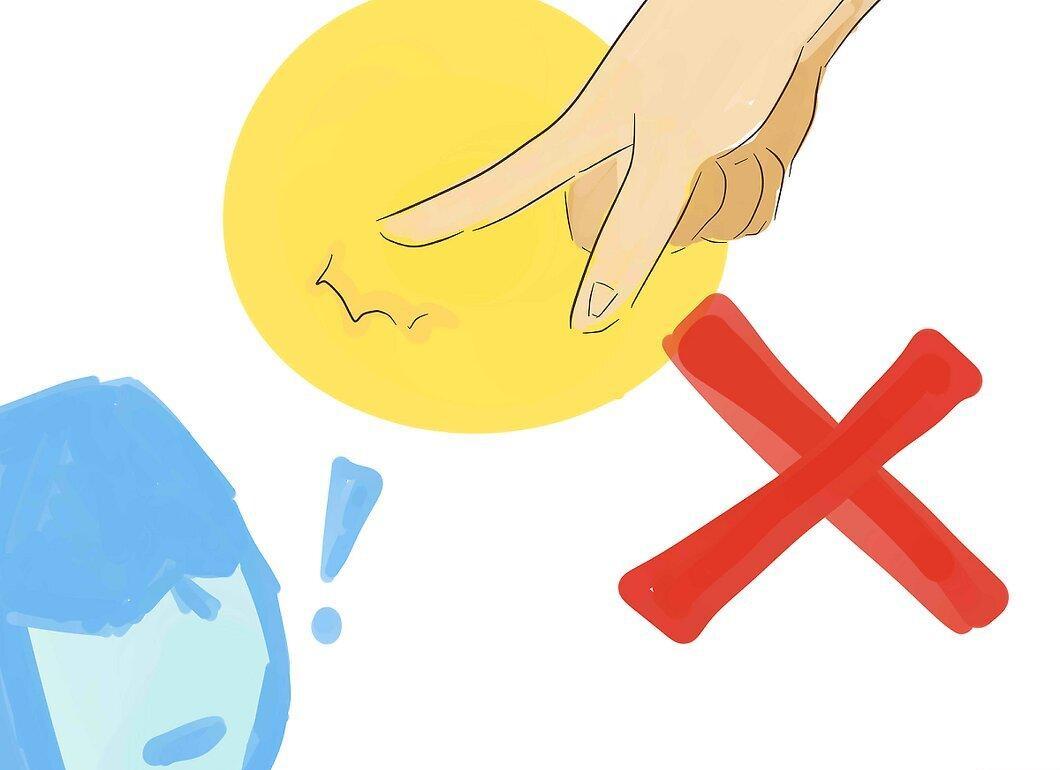
Avoid excessive confrontation with your conversation partner, even if you feel they are mistaken. Doing so might cause your words to lose value and evoke negative feelings in the other party. Be polite to others.
Step 5. Consider the Topic of Conversation and the Surrounding Environment to Choose the Best Type of Physical Contact.

Consider the topic of conversation and the surrounding environment to choose the appropriate type of physical contact. If you are discussing business deals in an office or other formal setting, a confident voice and a smile will suffice to support your words. A firm handshake (or a bow, if appropriate) upon greeting and parting should be friendly and expressive. However, if you are having a heartfelt conversation while walking in a garden, holding hands could be acceptable, provided it suits the participants involved.
Step 6. To Be a Good and Pleasant Conversationalist, Avoid Over-Explaining Every Detail Unless Asked.

To be a good and pleasant conversationalist, avoid over-explaining every detail unless prompted. Otherwise, your conversation may become boring or even offensive to the other participant. Additionally, constant “lyrical” digressions can divert the listener's attention, diminishing the value and importance of the topic you were discussing.
Step 7. Listen to Your Partner with Patience.
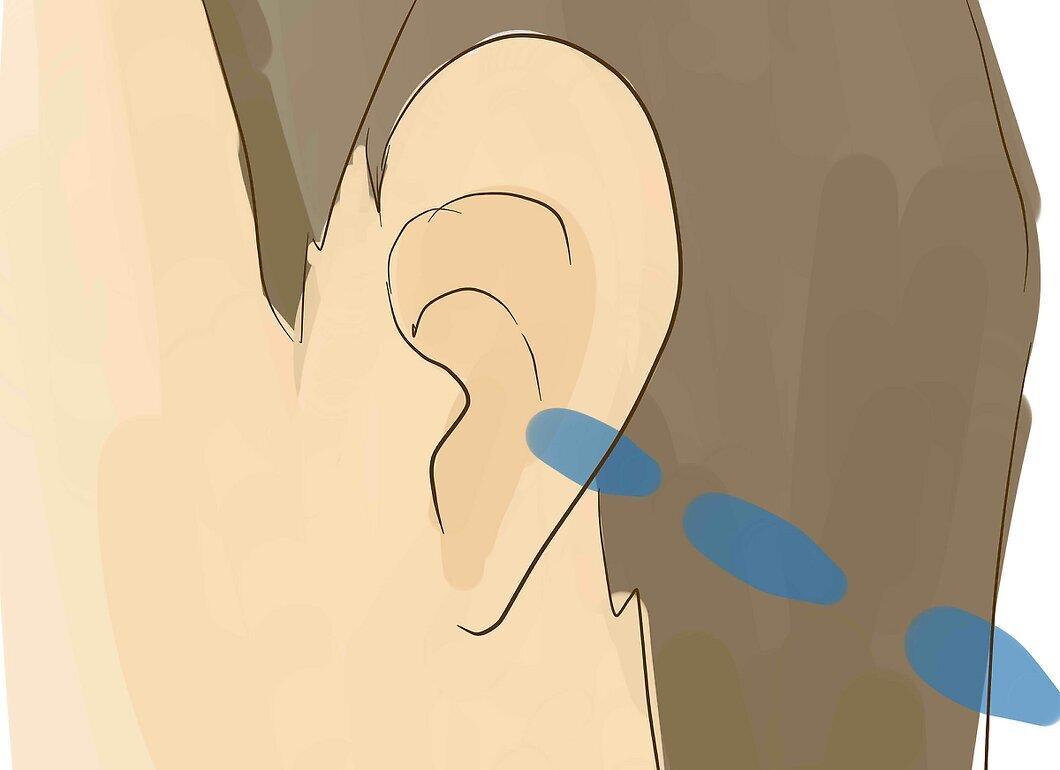
Listen to your partner with patience. The ability to listen is another important quality of a good conversationalist. If you are not prepared to listen to them, imagine you are listening to a radio announcer who needs to convey how to win a prize or share some important information with you. While listening to your partner, you should actively respond to what you hear, using body language (usually smiling or nodding in agreement) or short affirmations like “yes,” “I agree,” or “you’re right.” This will let them know you are genuinely interested in listening, speaking, and discussing. It's quite possible that by the end of the conversation, your partner will reward your attentiveness (for example, by accepting your plan or purchasing your product).
Step 8. Pay Attention to Your Tone.

Pay attention to your tone. Your tone should always match the meaning of your words. Do not say an aggressive phrase in a polite tone and vice versa. This could come off as sarcasm or illogical. If you break this rule, your chances of achieving a positive outcome in your relationship with your partner will significantly decrease.
Step 9. Be Mindful of the Volume of Your Voice.
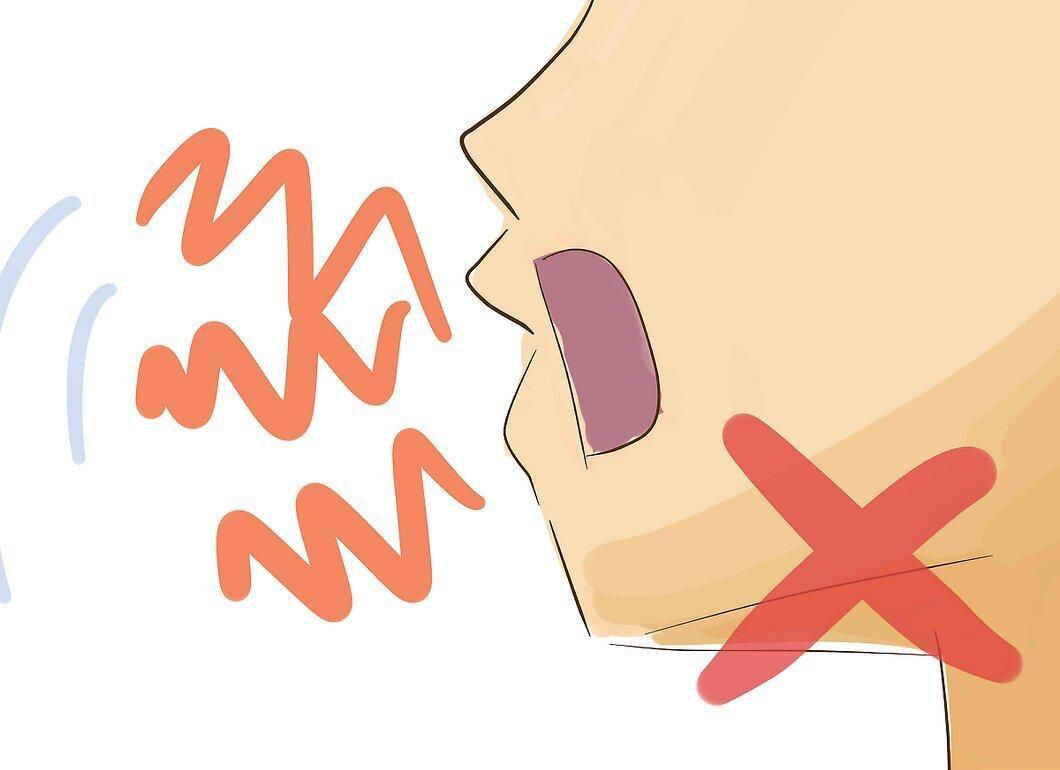
Be mindful of the volume of your voice. You should speak not so loudly that passersby can overhear, but also not so softly that your conversation partner can’t hear you easily. Otherwise, your partner may feel offended or uncomfortable.
Step 10. If You Feel Your Partner Does Not Want to Agree with You, Avoid Continuing That Topic.

If you feel your partner does not wish to agree with you, you should not continue that topic. However, suddenly and unexpectedly switching to a completely different subject is also a poor idea. Changing the topic should be done gradually and subtly to maintain the spirit of the conversation and continue to communicate successfully.