
The rules of hosting guests can vary depending on the guests and the situation. For instance, you might need to accommodate someone who needs a place to sleep or host a dinner party. When a close friend or relative visits, you can be yourself, but if someone brings an unfamiliar guest, you may need to step up your game. Regardless of the situation, there are several guidelines that can help you provide warm hospitality.
How to Host a Dinner Party or Gathering
Step 1. Invite People You Like and Trust.
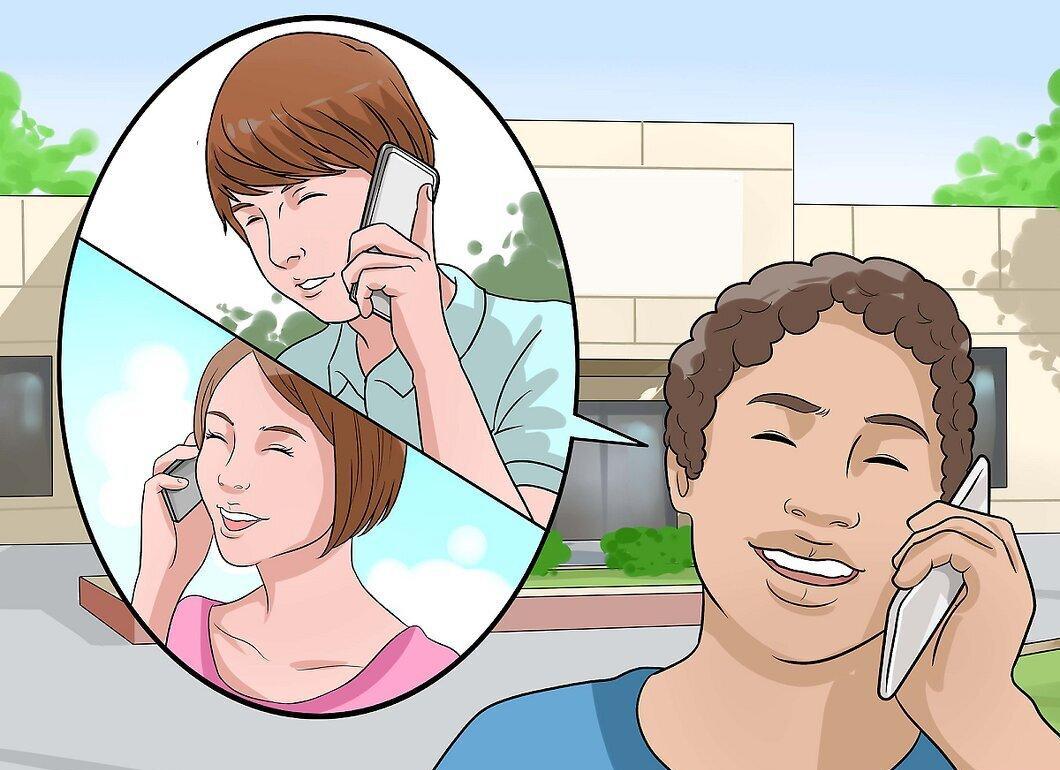
Invite people you enjoy and trust. There’s no need to invite those you don’t like or want to get closer to. Choosing the right guests will help you be a great host. Consider how comfortable your guests will be with each other. Avoid inviting people who are unlikely to get along or have unresolved conflicts.
Step 2. Specify the Start Time of the Event.
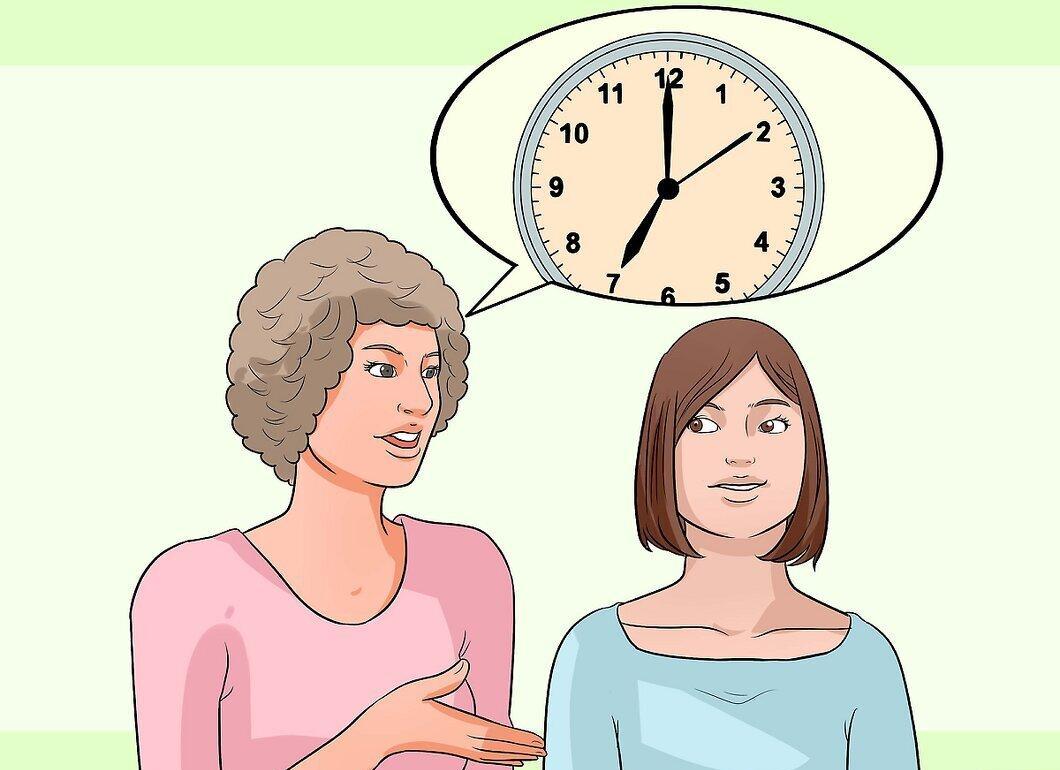
Specify the start time of the event. It’s important to let your guests know when to arrive. Inform them about the gathering in advance (at least a week, or even earlier for significant events). Remember, people need to make time in their schedules. Don’t just invite them to "drop by" if you genuinely want their company. State a specific time so that your invitation sounds sincere. You can provide a time window, but it shouldn't exceed a few hours.
- If guests are late, try to make them feel comfortable. Don’t hold a grudge against them the whole evening, as it will only worsen the situation. Act casually, as if you didn’t notice their lateness.
- Etiquette dictates notifying people about events in advance. If guests know what to expect, it will be easier for them to plan their time.
Step 3. Consider Your Guests' Food Preferences and Allergies.
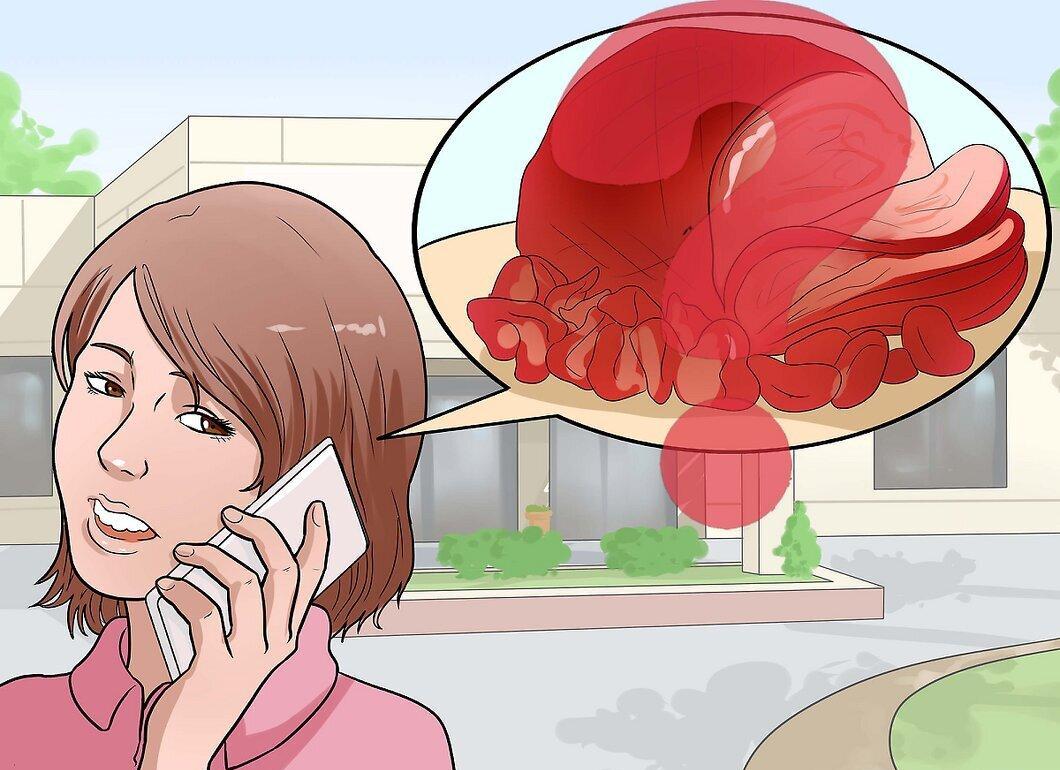
Consider your guests' food preferences and allergies. When choosing dishes, think about what your guests enjoy. Ask them in advance if they have any food allergies or specific dietary requirements. If you invite a vegetarian and serve meat, it will make things awkward for both of you. Prepare something you can cook with joy.
- Avoid asking, "Do you have any food preferences?" Instead, say, "I’d like to invite everyone for dinner on Friday. Do you have any food allergies or dietary requirements I should know about?"
- Don’t go all out preparing a complex dish. Guests will appreciate any delicious food.
Step 4. Clean Up Your Home.
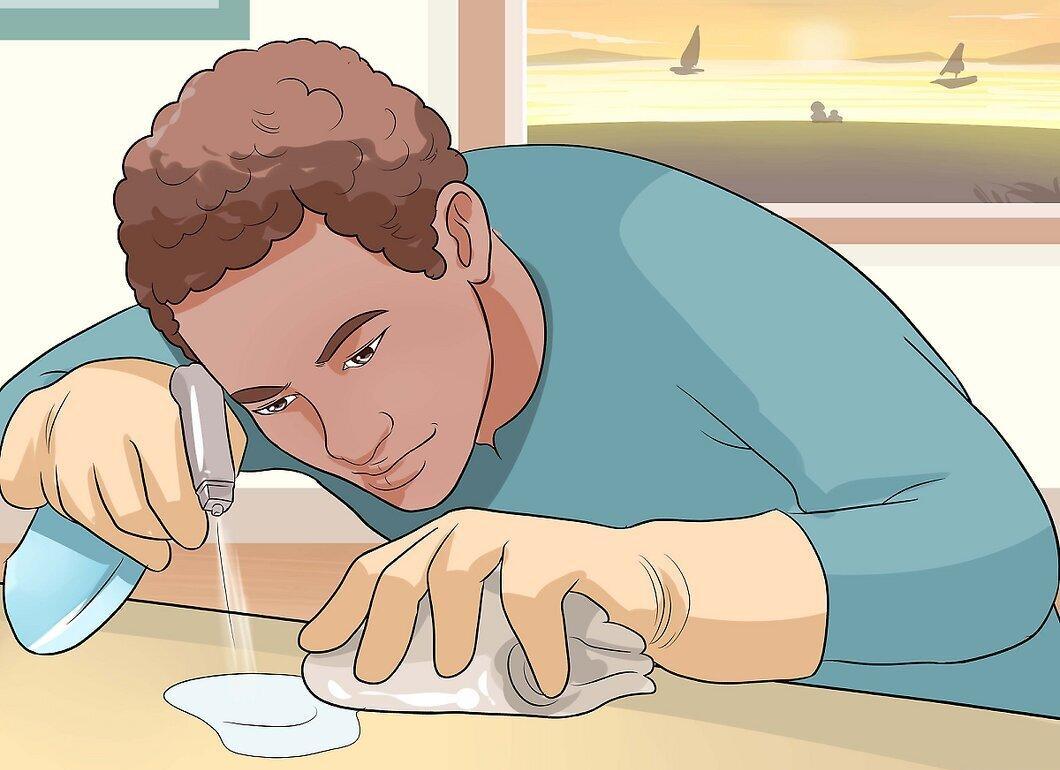
Clean up your home. Make sure to tidy up before your guests arrive as a sign of respect. If your home is messy, guests may feel uncomfortable and think you don’t care about your surroundings. Put away toys, tools, and clear any clutter. Remove allergens by vacuuming carpets, rugs, and upholstered furniture.
- If you have a dog that loves greeting guests (jumping on them or barking when they enter), temporarily keep it in another room. Some people are afraid of dogs and may not want to get too close, while others might be allergic to pet hair.
- If you have pets, find out if your guests are afraid of animals or have allergies to fur. If they do, inform them about the pets so they can take antihistamines if needed.
Step 5. Be Welcoming.
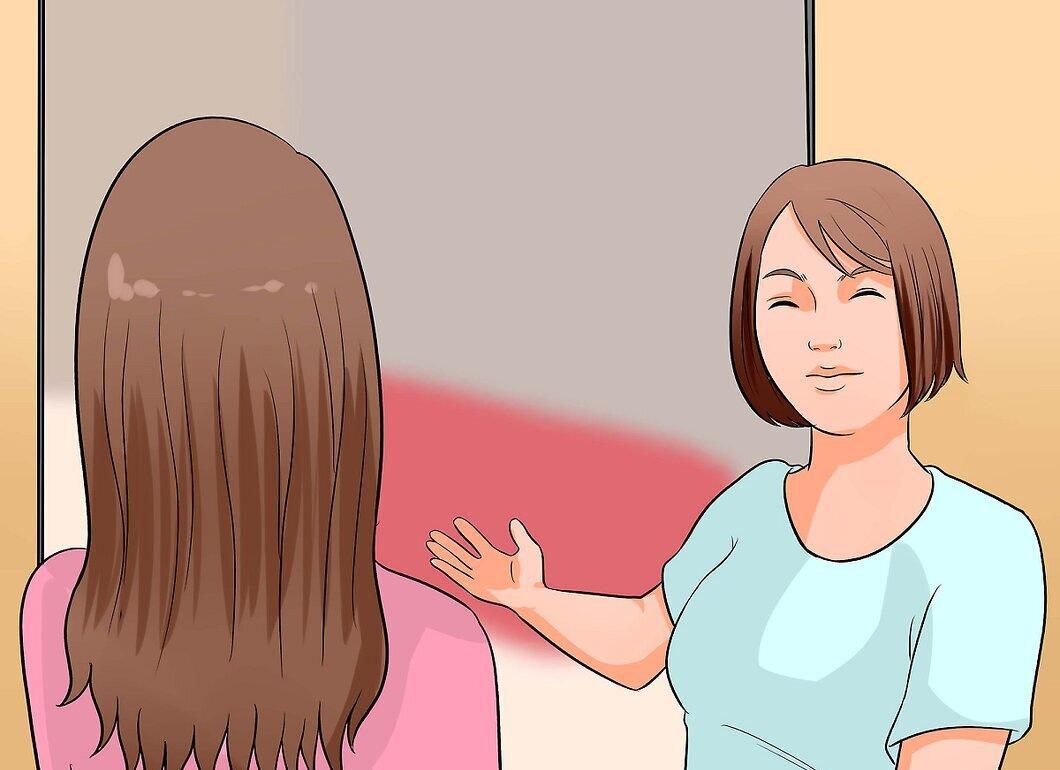
Be welcoming. When your guests arrive, open the door and show them where to place their belongings. Point out the bathroom and toilet, lead them to the living room, and offer them a seat. Never leave guests alone at the entrance and expect them to follow you silently. If you need to finish something, engage with your guests while you wrap up your tasks. By the time guests arrive, your cleaning should be done, so you only have to finish preparing the food.
- Ask your family members or housemates to entertain guests while you finish cooking. Set out light snacks on the coffee table for guests to nibble on.
- Ask guests what they would like to drink. Offer at least two beverage options. Choose drinks that complement the occasion, such as coffee, tea, water, beer, or wine.
Step 6. Prepare All (or Most) Food Before Guests Arrive.
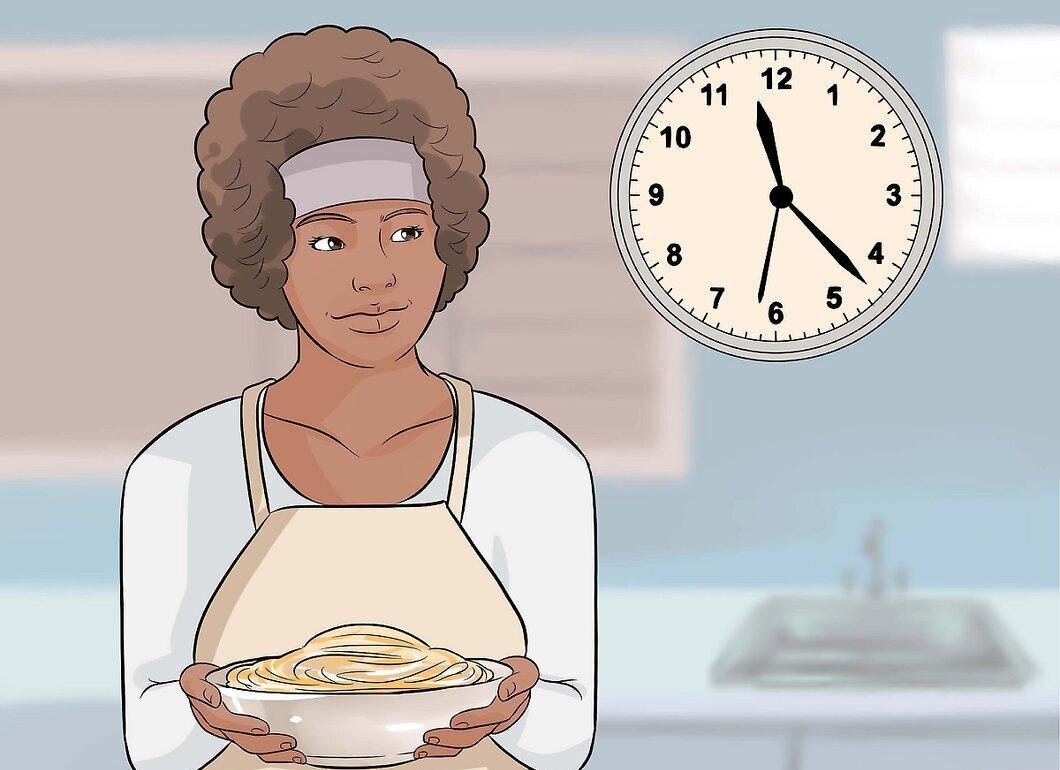
Prepare all (or most) food before your guests arrive. Don’t rush. Avoid looking flustered, as it may make guests think they’re causing you stress.
Step 7. Offer Drinks After Dinner.
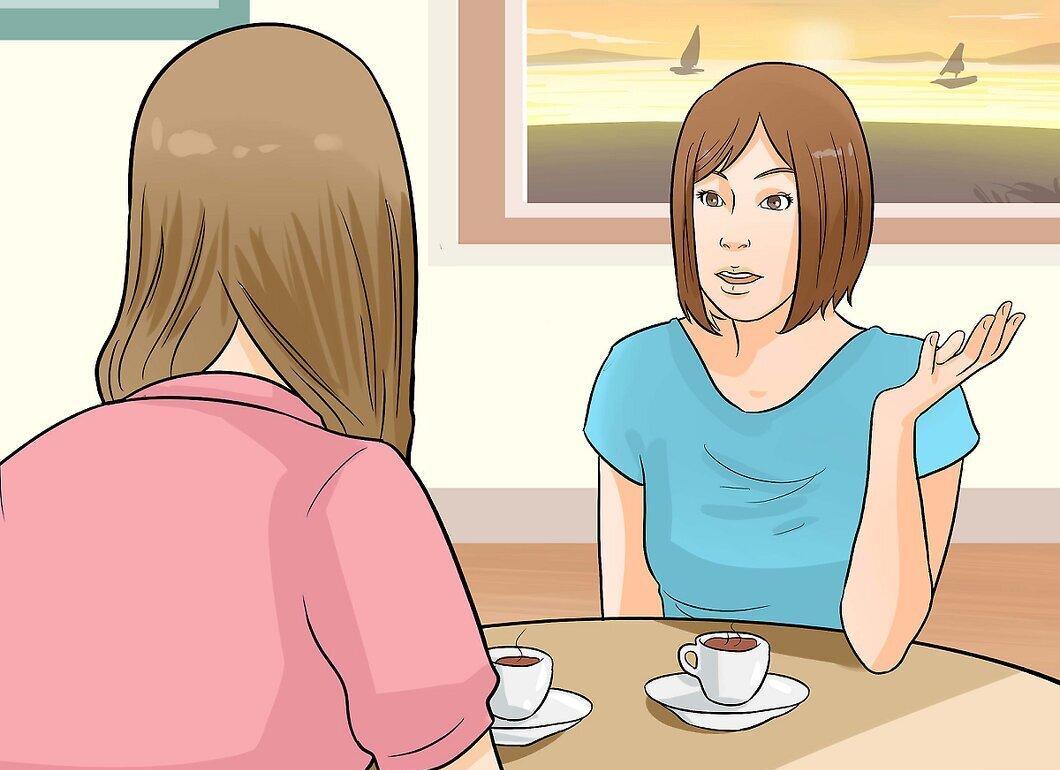
Offer drinks to guests after dinner. Once dinner is over and dessert is served, suggest drinks to your guests. You can serve coffee, tea, or alcoholic beverages. Sit on the couch and chat with your friends over a cup of tea or a glass of wine.
Step 8. Entertain Guests with Conversation.
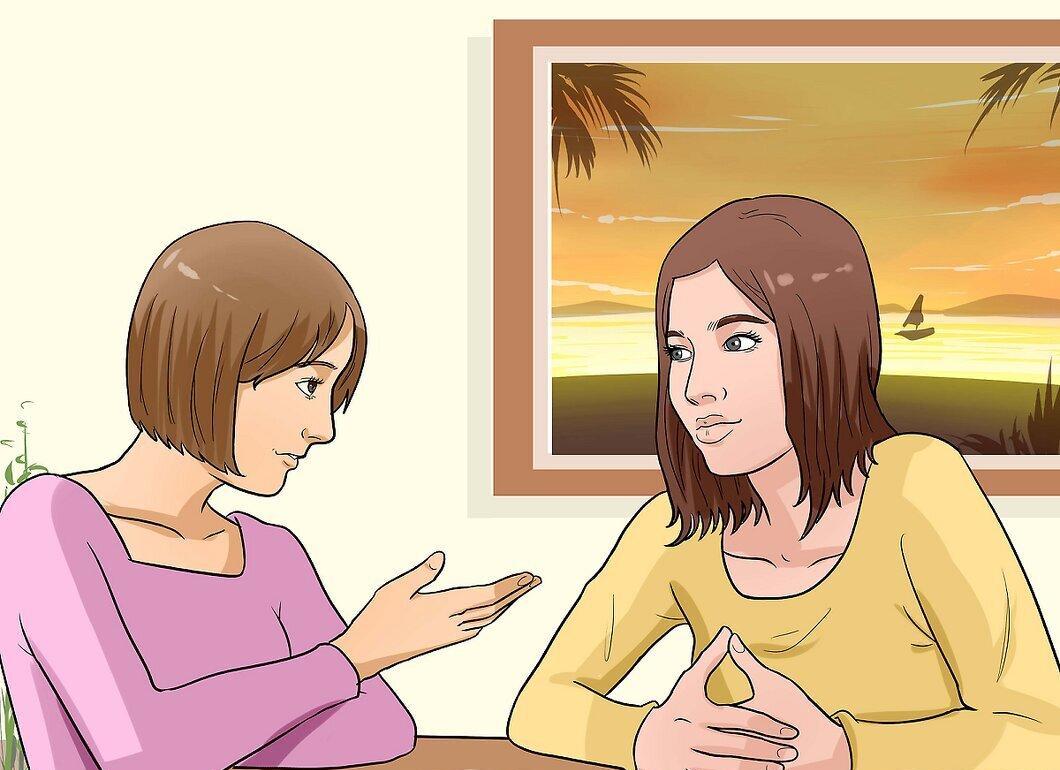
Entertain guests with conversation. Discuss topics that interest them. Ask questions about their work, travels, or family. Avoid complaining about how your child was sick all week or family problems. Show genuine interest in what your guests are saying. Keep the conversation light and engaging.
- Business topics can be discussed, but tread lightly. Many people prefer to separate their work and personal lives. Try to gauge whether your guests are open to discussing such topics and don’t push it if they’re not.
Step 9. Let Guests Know You Appreciate Them.
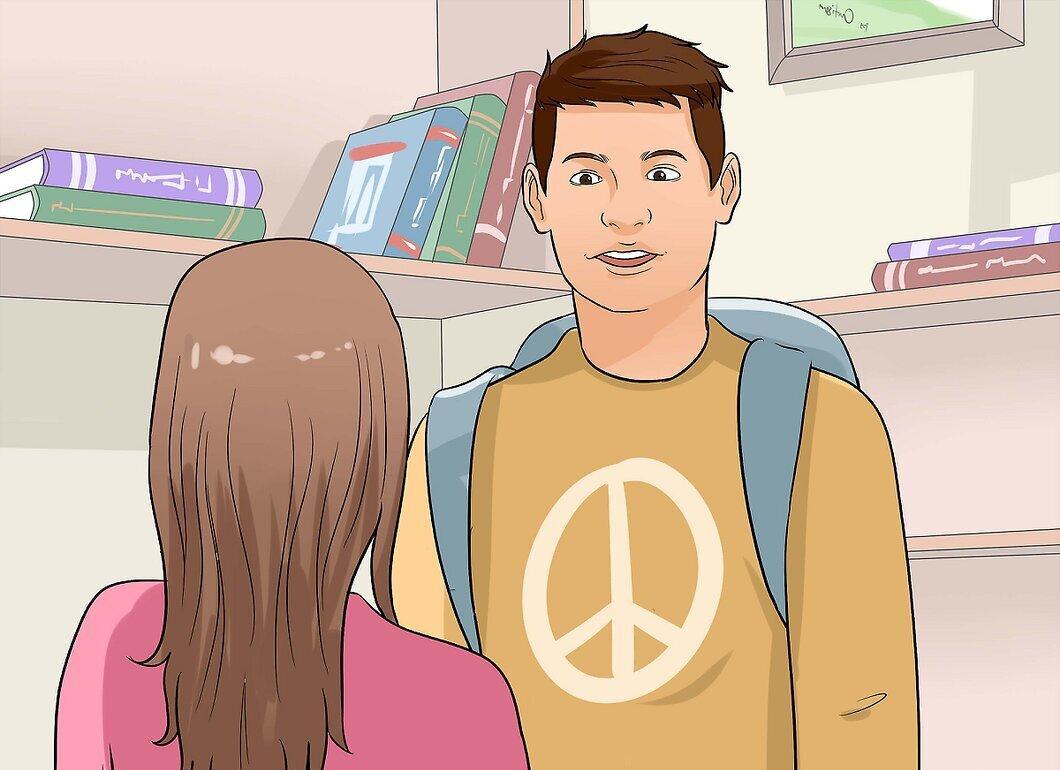
Let guests know you value their presence. If they express a desire to leave, ask them to stay a bit longer because you enjoy their company. Tell them you had a great time and would like to see them again. If you notice guests enjoyed any particular dish, offer them leftovers to take home. Let them know you have plenty of food and are happy when someone enjoys your cooking.
How to Host Overnight Guests
Step 1. Consider How Well You Know Your Guests.
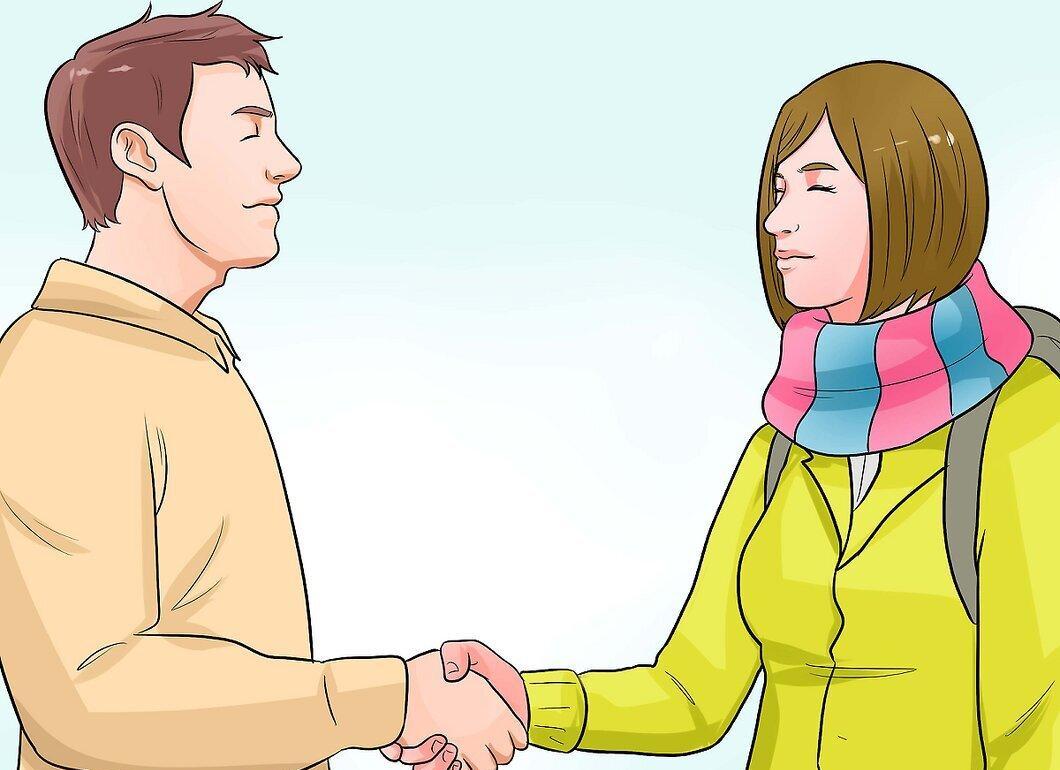
Consider how well you know your guests. While many people host overnight guests, the level of comfort and access to amenities will depend on your relationship with them. If a close friend or relative is staying over, you’ll gladly let them feel at home, but if an unfamiliar person (like a guest from AirBnB or Couchsurfing.org) is visiting, the nature of your relationship will be different. Nevertheless, hospitality should always be shown.
- If you’re renting out a room on AirBnB, you might not be home when your guest arrives. You may be away. Leave notes around your place to help your guest understand how to navigate your home.
Step 2. Prepare the Bedding.
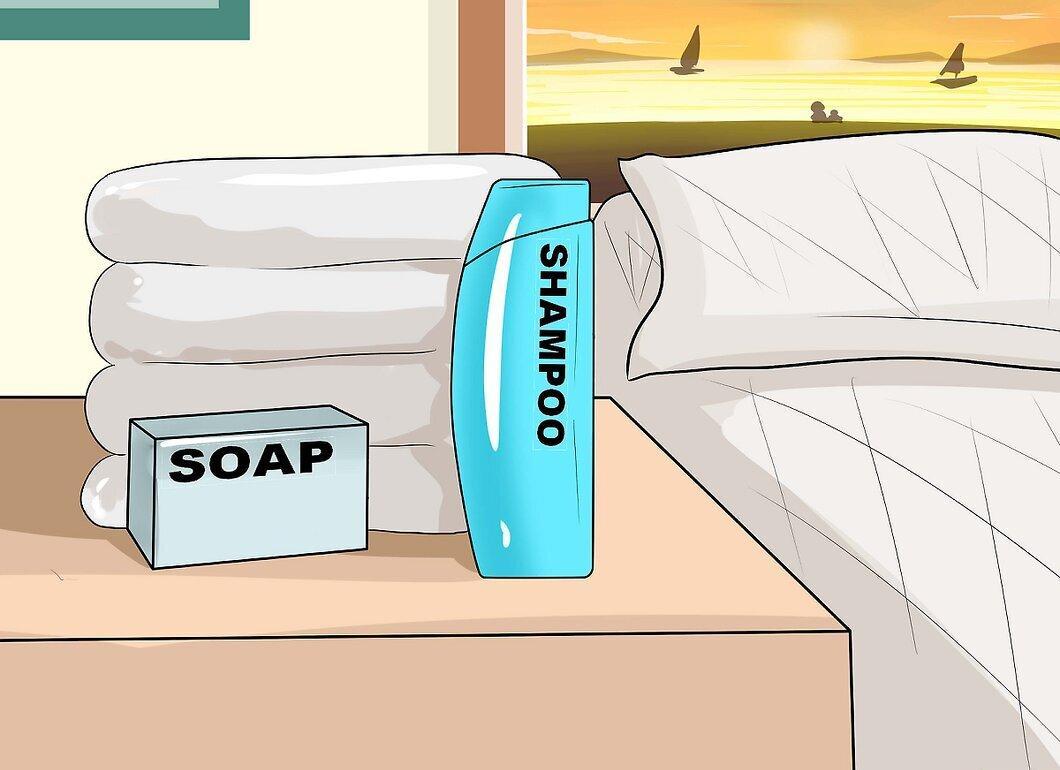
Prepare the bedding. Leave spare towels if possible. Place neutral-scented shower gel or soap in the bathroom and provide neutral shampoo and conditioner of average quality.
- If your guest has a separate room, you can put all toiletries on the bedside table with a note saying, "If you need anything, feel free to ask." If your guest has their own bathroom, leave all necessary items there.
Step 3. Consider Room Temperature.
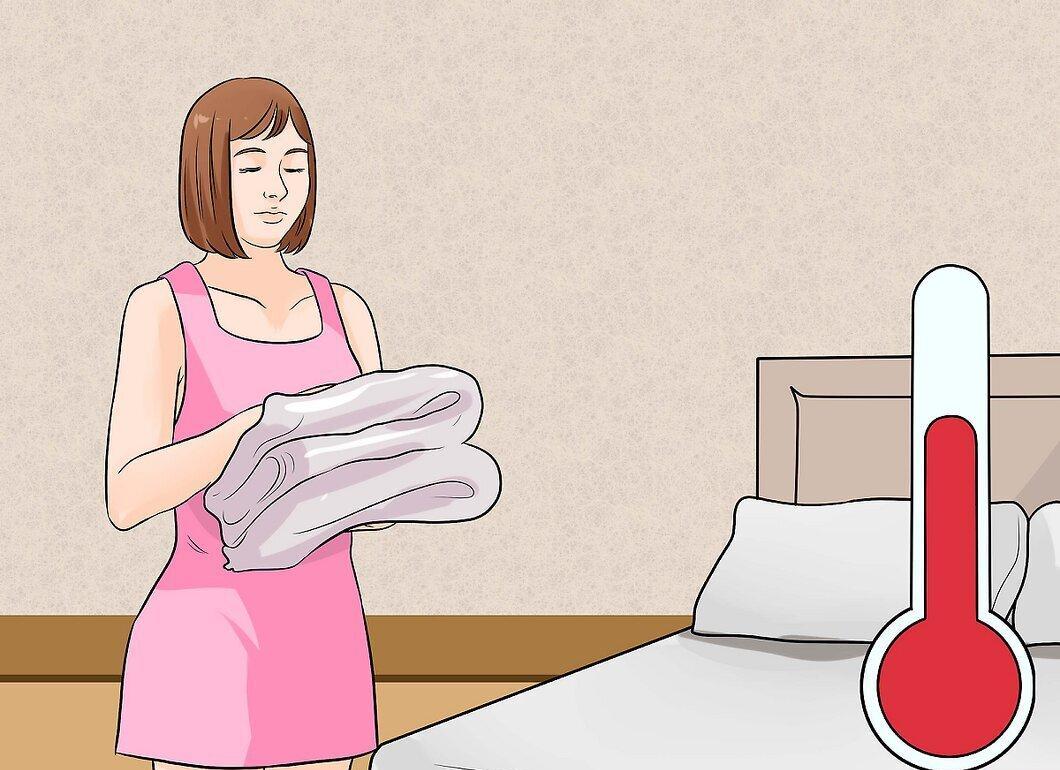
Consider the room temperature. It’s impossible to predict how comfortable someone will be. Some prefer warmth, while others like it cool. Don’t assume someone will be comfortable just because you are. Prepare an extra blanket and place it in the dresser, on the bed, or on the top shelf of the closet.
Step 4. Allow Guests to Use the Washer and Iron.
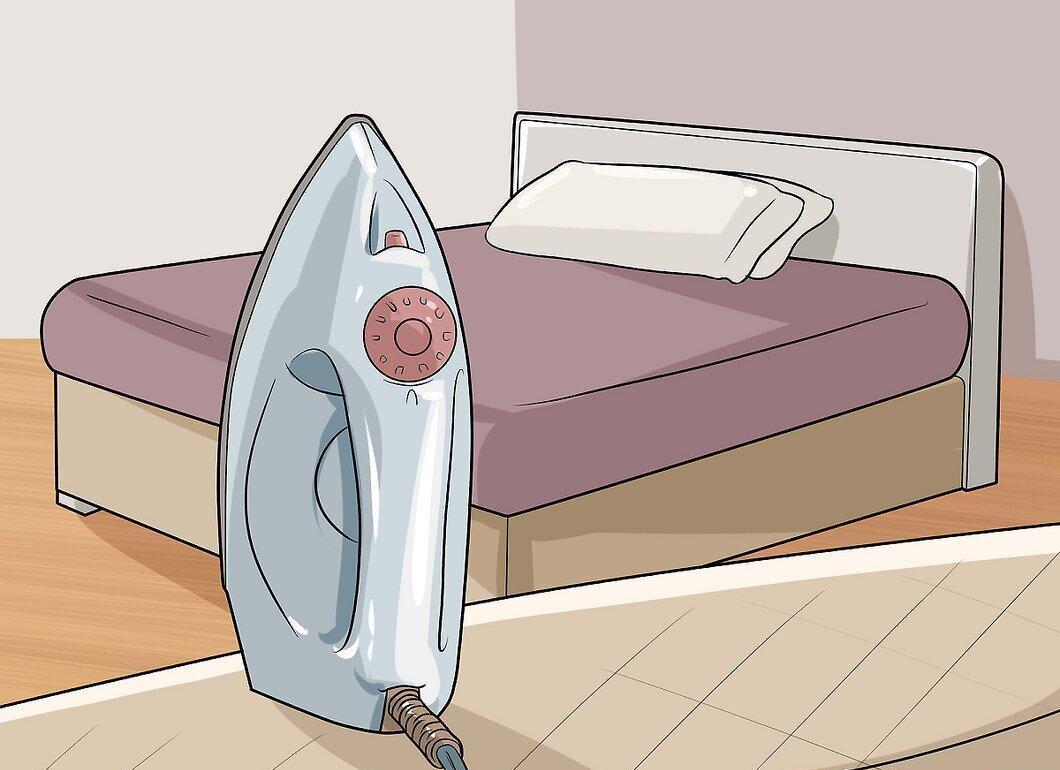
Allow guests to use the washer and iron. Leave the iron and ironing board in a cupboard or corner of the room. Show them where the washing machine is and how to use it. If your guests traveled from far away, they’ll likely want to do laundry.
Step 5. Offer Breakfast to Guests, But Don’t Feel Obligated to Change Your Routine for Them.
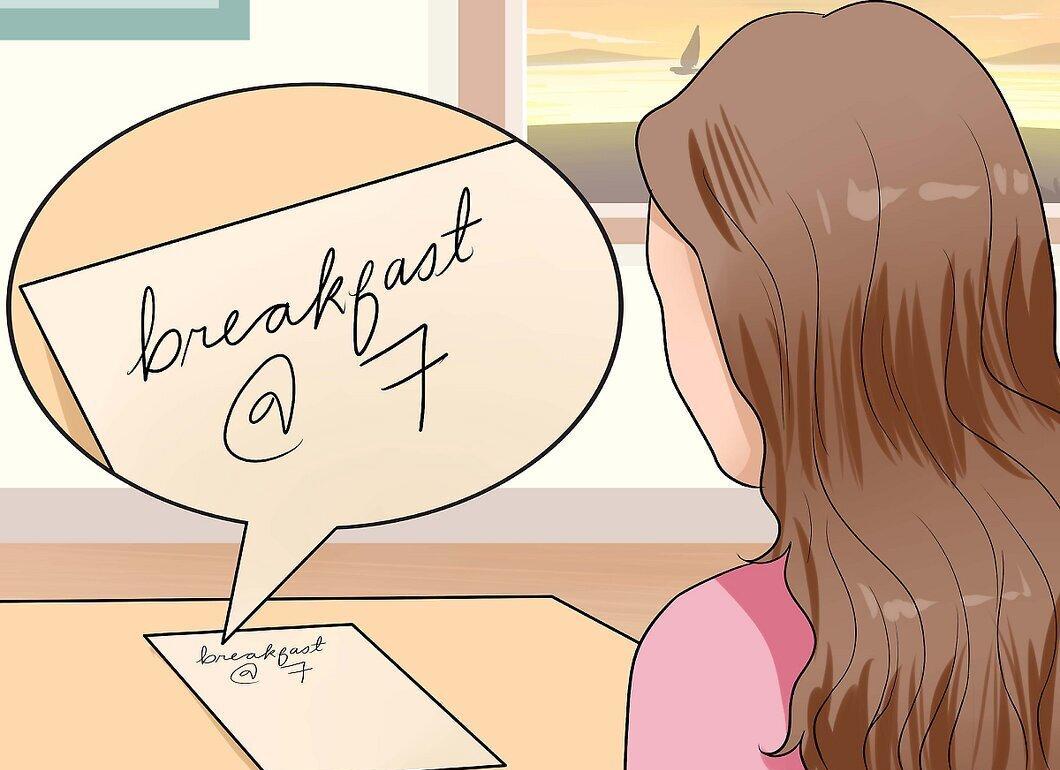
Offer breakfast to guests, but don’t feel obligated to change your habits for them. If you wake up early, leave a note on the table explaining that you have breakfast at 7 AM (or another time) and that you’d be happy if guests join you. You can arrange breakfast the night before. Don’t forget to mention what will be served.
- If your guest doesn’t like breakfast or doesn’t want to wake up early, you can suggest they prepare something in your kitchen, recommend a good breakfast spot, or leave a simple breakfast for them on the table. You might leave pastries, butter, and jam for them to snack on until lunch.
- Your guest should feel welcome, but remember that your needs are important too. You are not obligated to change the family routine for a guest.
Step 6. Help Guests Settle into Your Home.
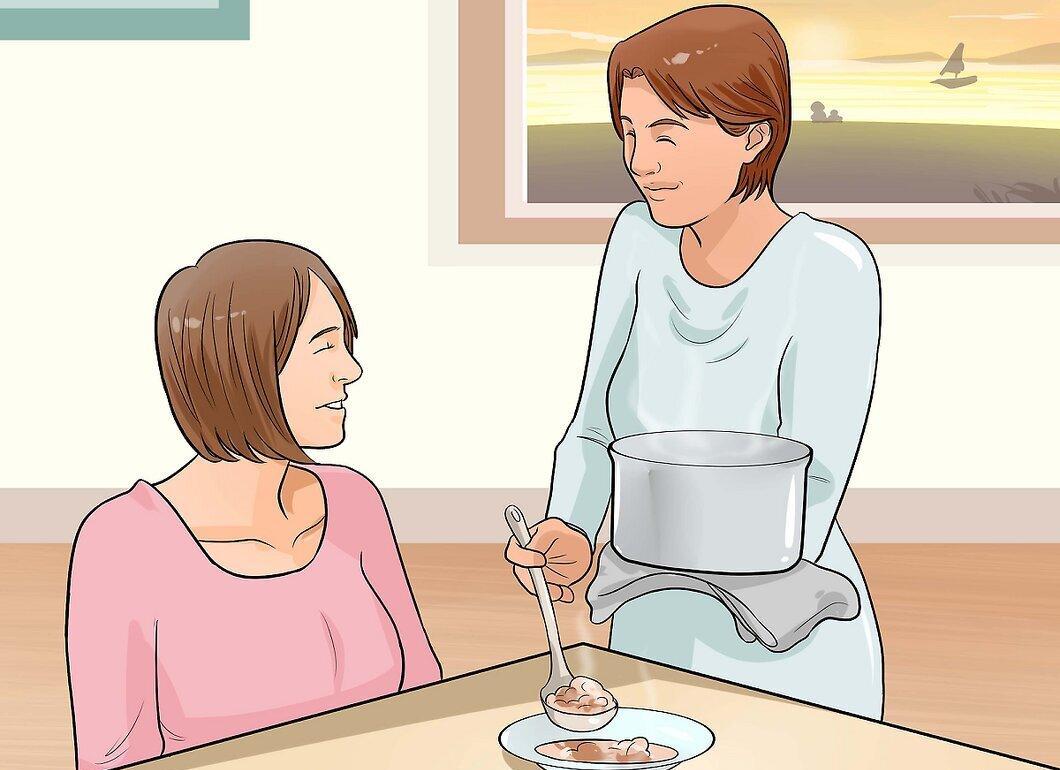
Help guests settle into your home. Offer them food, snacks, and share where they can go. Show them where you keep tea, coffee, and sweets, and explain how to connect to the internet. As the host, you don’t have to wait for your guest, but you can include them in your daily routine. You might suggest going for a walk around the city or hiking together, but don’t insist if they prefer to stay home.
Step 7. Show Guests Around Your Neighborhood or Leave Route Descriptions.

Show guests around your neighborhood or leave them descriptions of routes. If you have time, introduce your guest to your neighborhood and friends. Show them where the attractions are in town and try to vividly describe the place where you live. If you can’t dedicate the whole day (for example, if you have school or work), suggest interesting routes or ask them to wait at home.
- If your guest wants to explore a new city on their own, don’t feel obligated to lend them your car. Offer them a bicycle or a public transport pass. Explain the best ways to get around the city. Suggest a couple of attractions and let them know you can meet up somewhere in the city in the evening.
- Try to prevent your guest from getting bored, but remember you’re not obligated to entertain them all the time — they’re capable of doing that themselves.
General Recommendations
Step 1. Prepare Your Home for Guests’ Arrival.
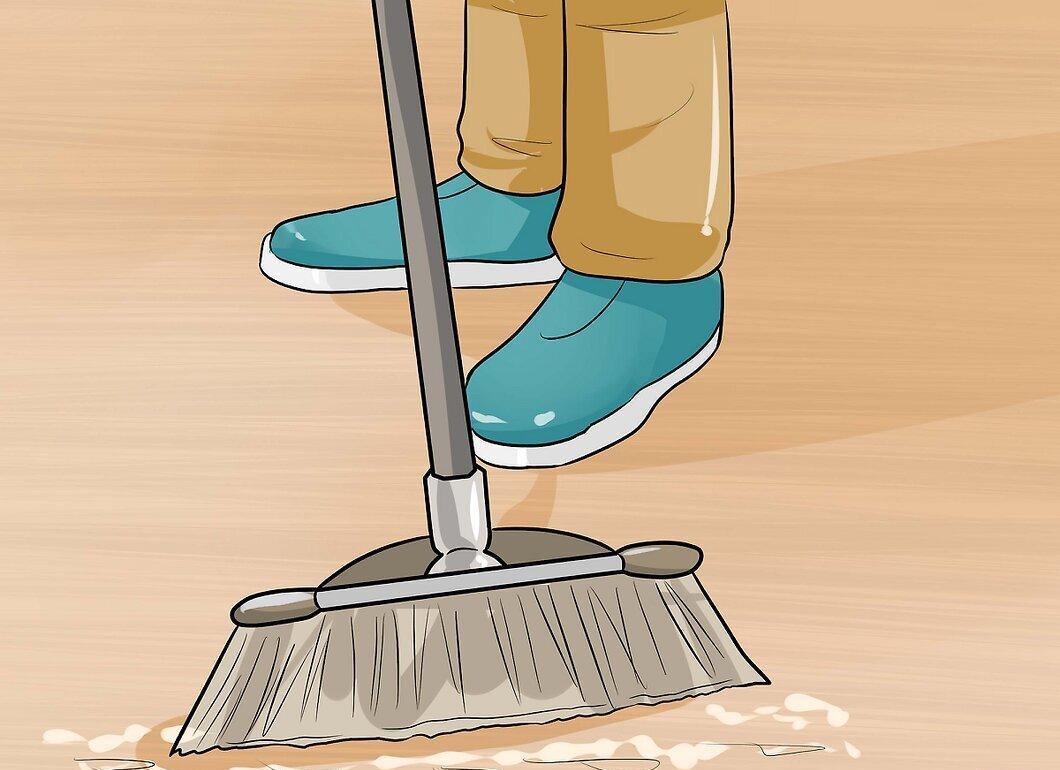
Prepare your home for guests’ arrival. Being a good host means creating a pleasant atmosphere from the moment guests enter your home. This means you need to prepare in advance. Clean up, designate space for guests' bags, shoes, clothes, and umbrellas. If you plan to play games or watch something, get everything ready before guests arrive.
- Anything you might feel embarrassed about will make guests uncomfortable: dirt; specific books, magazines, or movies; clutter in a cupboard or drawer.
- Find out in advance if guests have any allergies. Ask about allergies to foods, drinks, pets, and cleaning products.
Step 2. Clearly Communicate House Rules.

Clearly communicate house rules. When guests arrive, explain the basic rules of your home. This doesn’t mean you need to lecture them. Just clarify what you expect from their stay in your home.
- If you want guests to take off their shoes, don’t wait for them to walk around the apartment. Immediately take off your shoes and invite them to do the same. They will understand.
- If you have furniture that guests shouldn’t touch or rooms they shouldn’t enter, let them know right away to avoid misunderstandings later.
- Immediately show the bathroom and toilet. This way, no one will have to interrupt the conversation with sudden questions.
Step 3. Allow Guests to Help Around the House, But Don’t Expect Too Much from Them.

Allow guests to help around the house, but don’t expect too much from them. Don’t force guests to tidy up, but don’t refuse if they offer to help. Many people prefer to do something rather than wait to be served. Keeping their hands busy will ease any discomfort.
- Give guests small tasks — like clearing dirty dishes or setting dessert on the table.
- If a guest offers to wash the dishes, it’s better to decline and offer them a drink instead. Let them sit in the kitchen and chat with you while you wash the dishes. If they still want to help, set aside your tasks and simply talk with them, ignoring the dirty dishes.
Step 4. Ensure Guests Are Physically Comfortable.
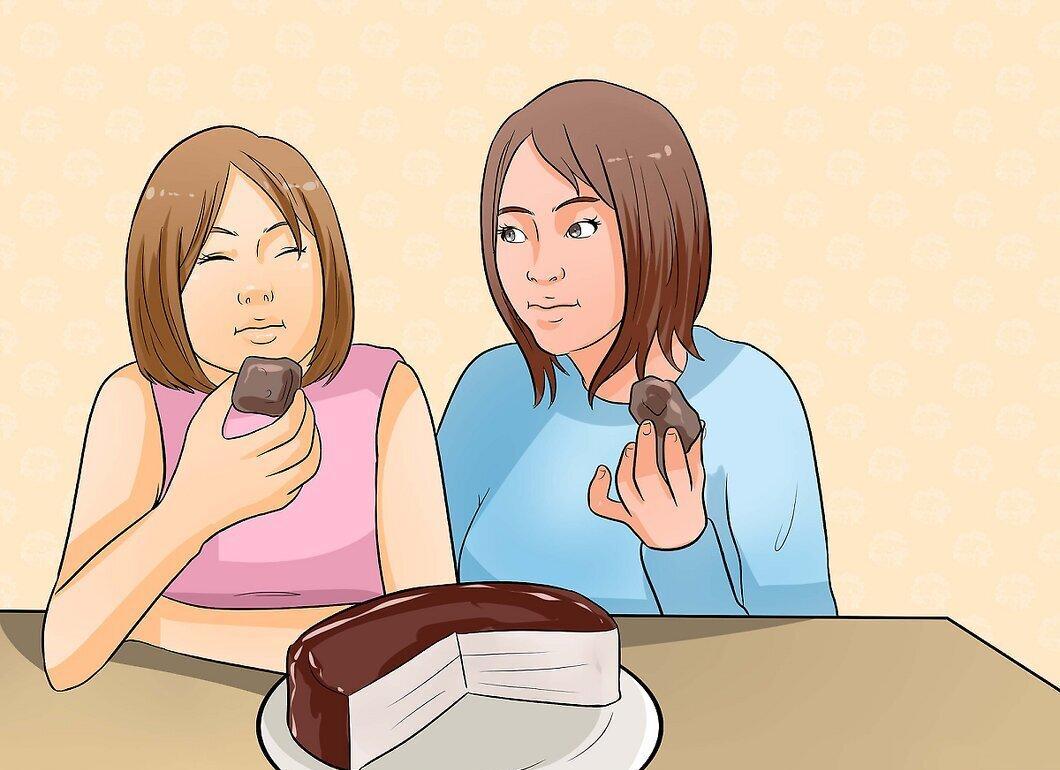
Ensure guests are physically comfortable. No one likes to stand in the middle of the room, holding a bag and not knowing where to go. Take what they don’t need from their hands (if they wish) and offer them a seat. Bring them a drink. Once they’re settled, you can even step away for a moment (pretending to get a drink) so they can relax and look around.
- If you engage constantly with someone, they won’t be able to immerse themselves in the home atmosphere and will get distracted from the conversation. But this doesn’t mean you should leave your guest alone for too long. 1-2 minutes is enough.
- People need something to occupy their hands. Offer guests drinks and snacks, but be sure to eat something yourself too; otherwise, they may feel greedy and gluttonous. Grab a snack for yourself as well.
Step 5. Plan Entertainment.

Plan entertainment. It’s rude to invite someone and then expect them to come up with entertainment on their own. They won’t know what is acceptable or not in your home and might feel uncomfortable making decisions. Even if you’re unsure whether a board game will appeal to your guest, any game is better than none.
Step 6. Keep the Conversation Going.
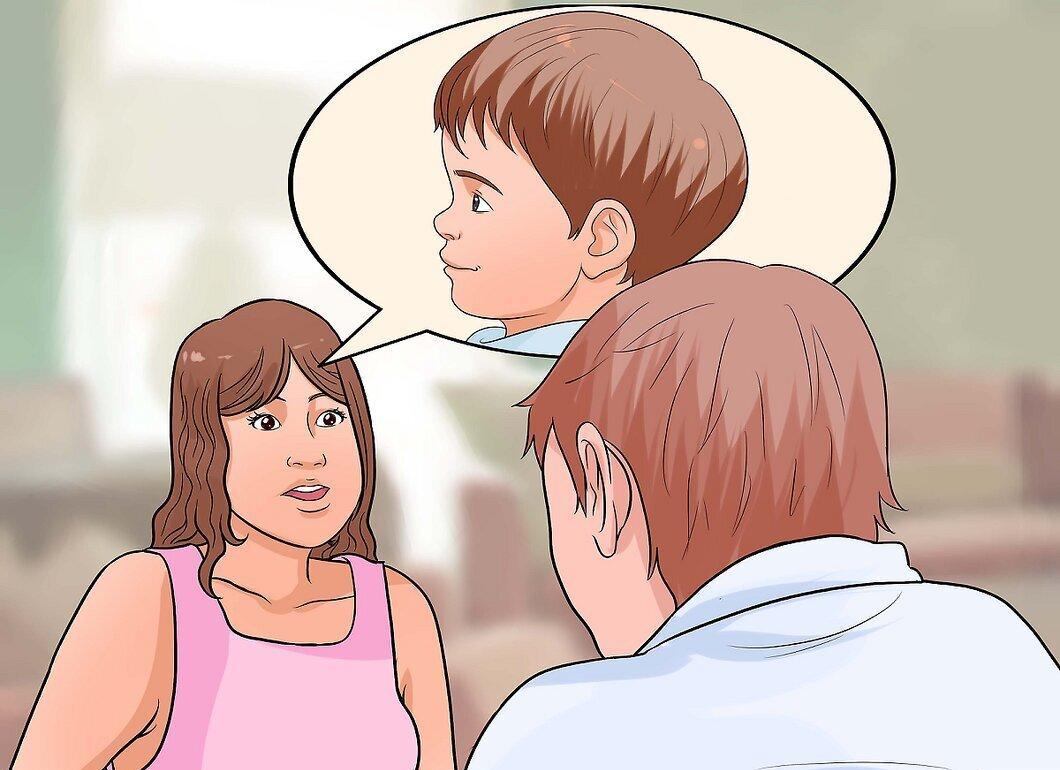
Keep the conversation going. One of the main roles of a host is to oversee the evening's flow. You need to set a positive tone for the conversation and intervene if something goes awry. Be ready to steer the conversation in a different direction — change the topic or direct attention away from someone who’s causing discomfort. Your role as a host is to make your home a safe and enjoyable space for everyone who’s come to visit, regardless of who stirs up trouble.