The nature of your relationship with your younger sibling plays a crucial role. While parents can serve as good role models, it’s the sibling bond that helps shape responsible and successful individuals. Support your brother or sister, show kindness, and be a good example for them to follow.
Support
Step 1. Learn to Listen

Learn to listen. One of the simplest ways to be a great older sibling is to show interest in your younger sibling’s life and actively listen to their responses. Make it a point every day to briefly discuss their day, especially if they are still in their teenage or early adolescent years. Often, they crave the attention and acknowledgment of someone they respect.
- Practice active listening during heartfelt conversations and exchanges. Treat every talk as an opportunity to learn something new, understand your sibling better, and discuss important issues.
- Focus on your brother or sister and avoid interrupting. Show your attention and respond thoughtfully, without judgment. This approach will help them feel comfortable confiding in you.
Step 2. Resolve Conflicts Maturely and Graciously.

Resolve conflicts maturely and graciously. Siblings often argue over trivial matters, but try to avoid serious disputes. Sometimes, it takes generosity to allow your younger sibling to win a minor argument. Also, suggest compromises that allow both parties to get something they want. This way, your younger sibling will feel your support and respect while understanding that they won’t always get their way.
- When you can’t resolve a conflict on your own, seek advice from older friends, relatives, or parents. Show that you’re not afraid to ask for help when necessary.
Step 3. Encourage Your Sibling Through Tough Times and Failures.
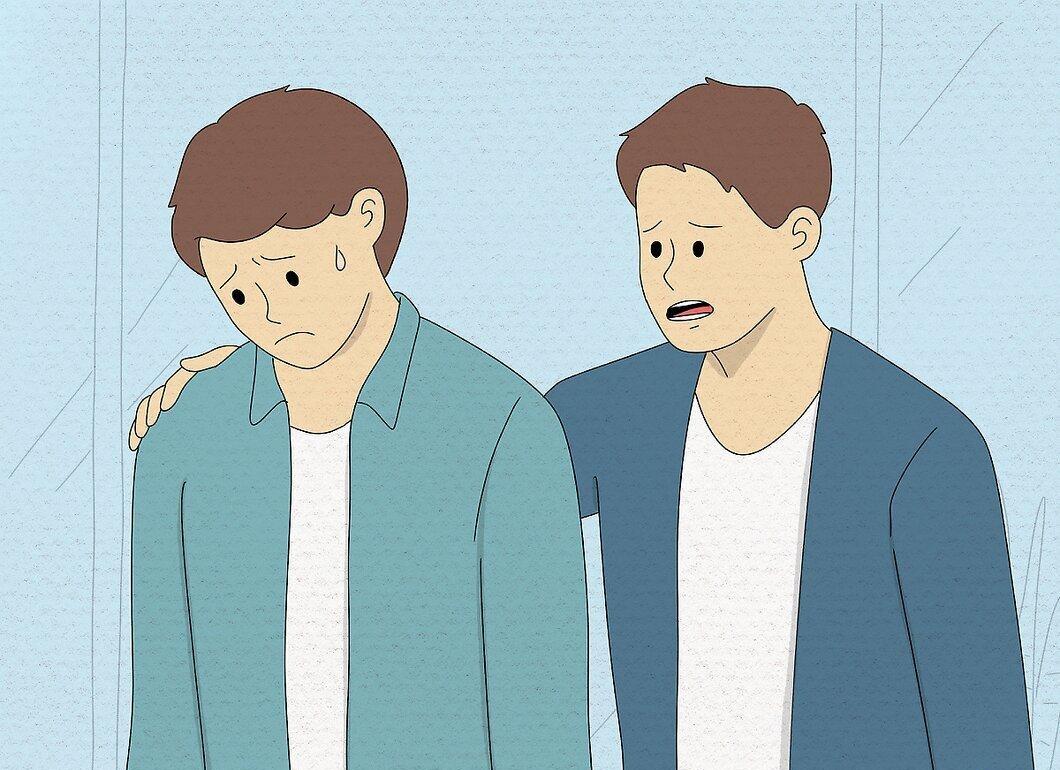
Encourage your sibling through tough times and failures. Everyone faces challenges, and on the path to great achievements, obstacles or setbacks are inevitable. Avoid shaming your brother or sister for their failures or making them feel guilty. Instead, offer them support and comfort.
- Tell them to hold their heads high and be proud of themselves, even if the outcome wasn’t what they hoped for. Remind them that there will be plenty of opportunities to make things right.
- You can also try to distract your sibling from their failure by inviting them to their favorite café or another fun place. This will help lift their spirits and prevent them from dwelling on mistakes.
Step 4. Respect Personal Boundaries and Independence.
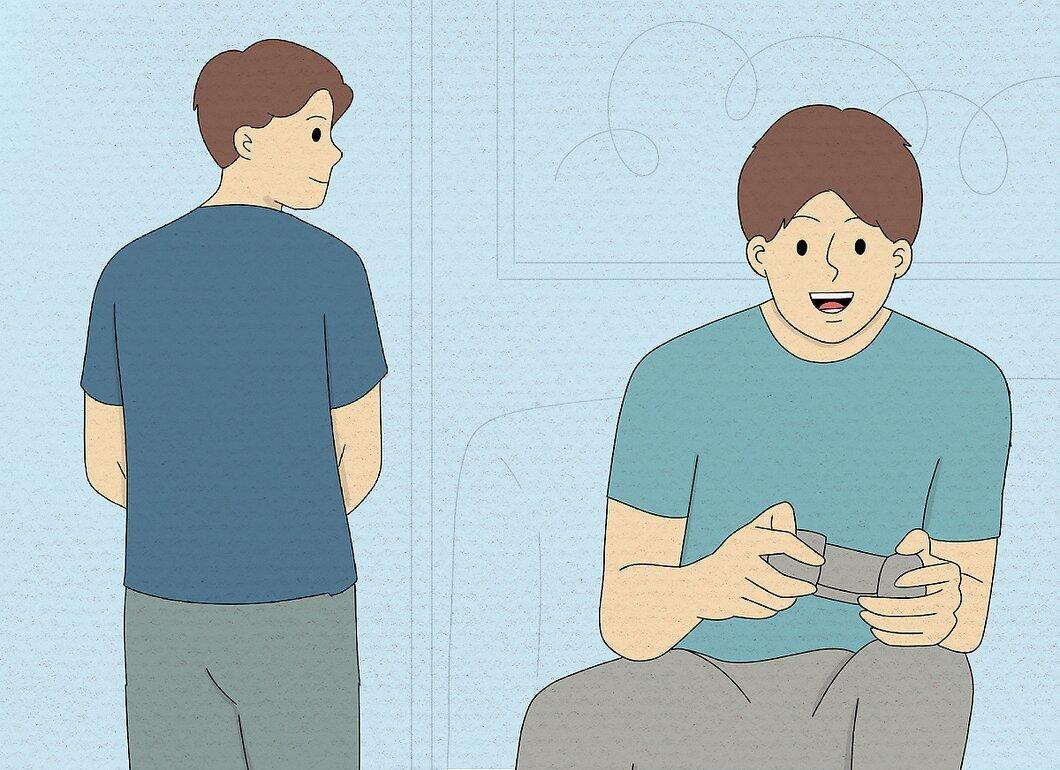
Respect personal boundaries and independence. Teach your brother or sister to set boundaries and be independent by modeling how to respect oneself and others. Try not to tickle or touch them without consent to maintain their personal space. It’s also essential to respect their psychological boundaries—don’t impose your opinions or ideas, and avoid trying to control their thoughts.
PROFESSIONAL TIP William Gardner, PsyD Clinical Psychologist Dr. William Gardner, Psy.D., is a clinical psychologist with a private practice in the financial district of San Francisco, California. He has over 10 years of clinical experience, providing tailored psychotherapy for adults using cognitive-behavioral techniques to help alleviate stress.
- Don’t force your sibling to grow up too quickly or take on adult responsibilities. Allow them to enjoy their teenage years, even if it means making mistakes and facing conflicts. Offer support when necessary.
- If your brother or sister is interested in adult activities like having dinner together, that’s perfectly fine, but don't pressure them into adult behaviors that don’t interest them.
Step 5. Offer Advice Based on Personal Experience.

Offer advice based on personal experience. Relevant advice also shows your support, but don’t offer suggestions unless asked. Give advice and recommendations only when directly questioned and remember to listen to your sibling first. Vague and general advice is often unhelpful, so base your suggestions on your own experiences of successfully resolving various issues. Show empathy and express genuine support.
- For instance, if your brother or sister struggles to find a balance between studying and having fun, suggest they create a weekly schedule that allocates time for both.
- If they ask for advice about romantic relationships and you have relevant experience, encourage them to share their feelings and situation. Offer practical advice on how to build healthy and responsible romantic relationships.
Help
Step 1. Assist Your Sibling with Homework and Responsibilities.

Assist your sibling with homework and other responsibilities. If you want to be kind to your younger sibling, offer to help with schoolwork. Does your sister need to prepare an oral report? Offer to be her first listener. If your brother is struggling with a math problem, try to solve it together. Focus on practical help—share your knowledge on the subject or assist in completing projects on time.
- You can also help with household chores or share responsibilities when your sibling has a busy school schedule.
Step 2. Attend Their Performances and Competitions.

Attend their performances and competitions. If your brother or sister is participating in a play or sporting event, come and support them in the audience or on the field. This will show your support and love.
Step 3. Stand Up for Your Sibling in Difficult Situations.
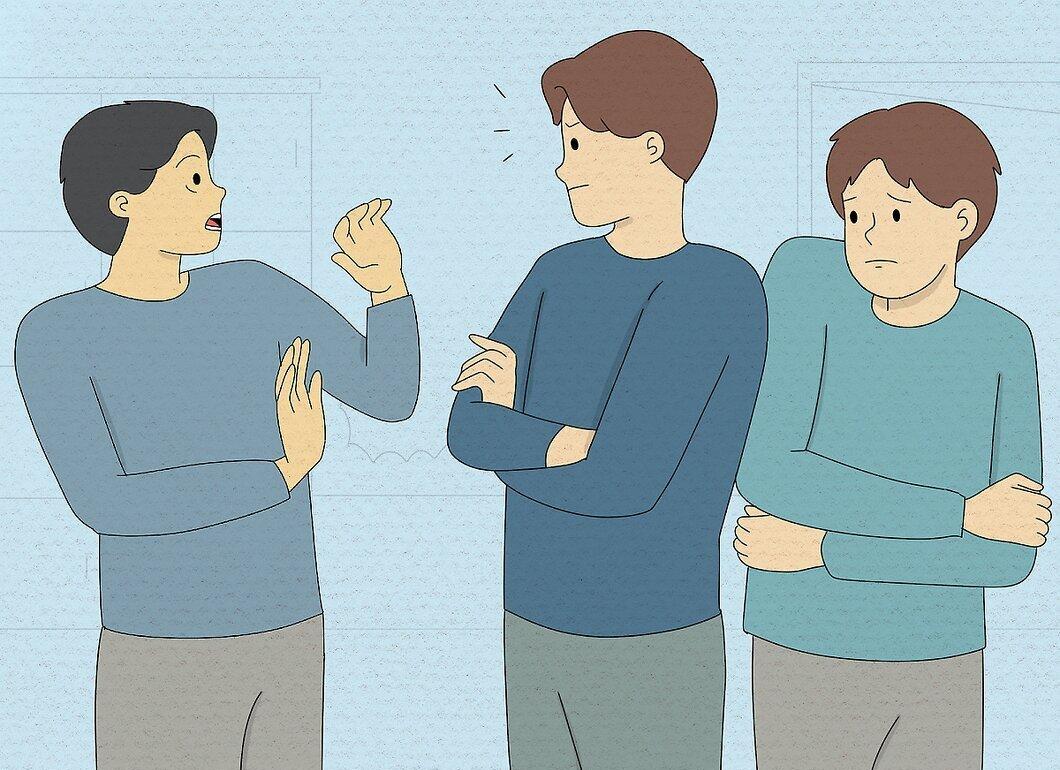
Stand up for your sibling in difficult situations. Older siblings should look out for their younger siblings and advocate for them in tough situations. Defend them in arguments with school bullies or mediate disputes with parents. Always try to be on your sibling’s side and offer solutions to problems. This support will show them they can rely on you.
Step 4. Motivate Your Sibling to Pursue Their Interests and Goals.

Motivate your sibling to pursue their interests and goals. A good older sibling serves as a role model and inspires younger ones to improve. Pay attention to your sibling’s abilities and talents and actively help them become better in those areas.
- For example, if your sister shows an interest in drawing, encourage her to enroll in art classes or set up a home studio.
- If your brother wants to apply to a prestigious university, help him prepare and submit his application.
Role Model
Step 1. Excel in Your Studies and Help Around the House.
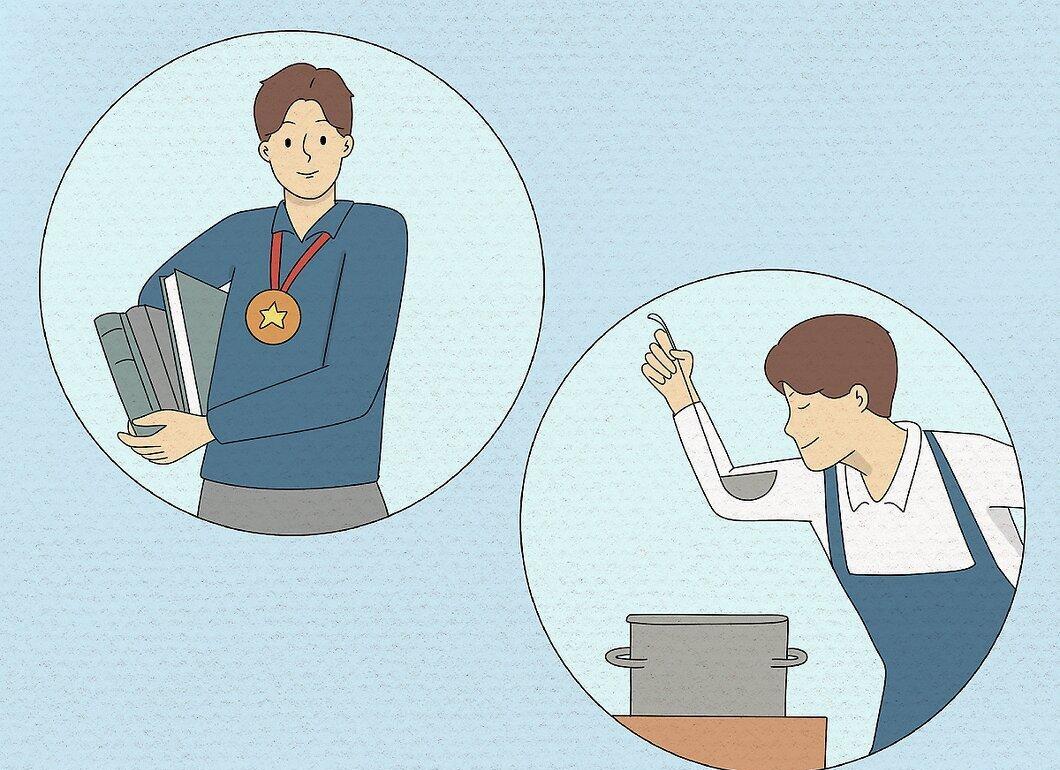
Excel in your studies and help around the house. Be a role model in academics and household responsibilities. Your younger sibling will surely notice your achievements in school and other duties like sports and chores. Pay attention to your personal needs and responsibilities to become a good mentor. The better you manage your tasks, the more you can help and support your sibling.
- Don’t be afraid to make mistakes in front of your sibling. This will show them you are human, which will earn their respect and encourage them to come to you in various situations.
Step 2. Maintain a Healthy Social Life.
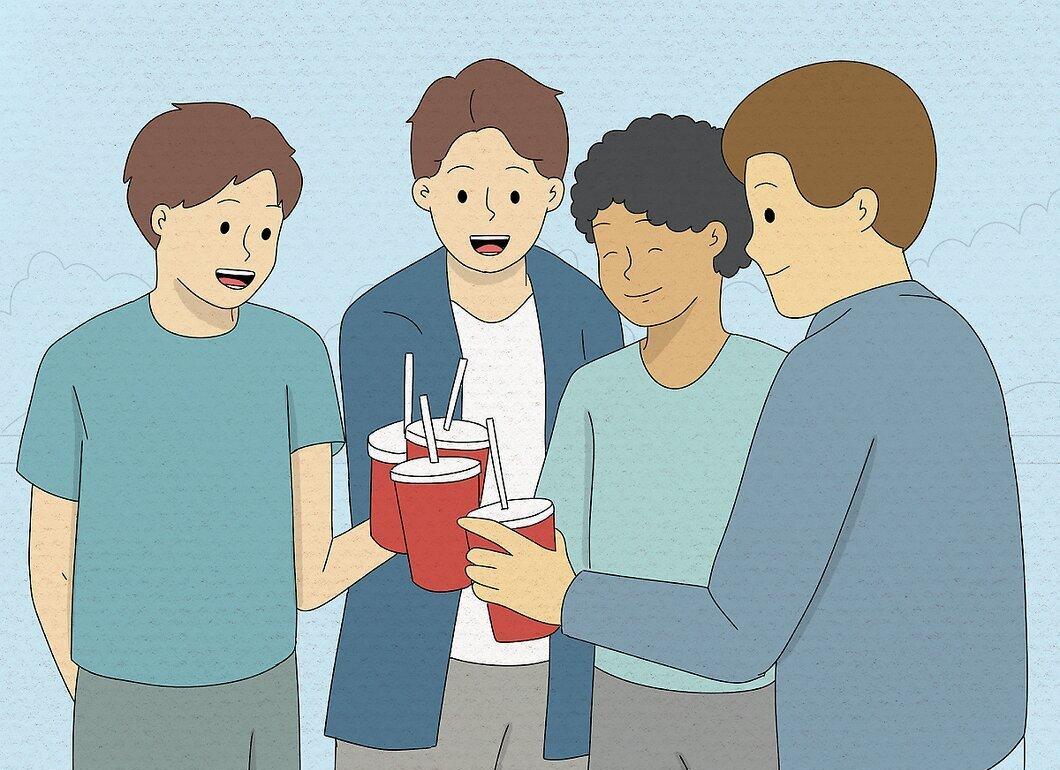
Maintain a healthy social life. Another way to be a great role model is to lead an active and healthy social life. Your interactions with friends will show your brother or sister how to connect with different people.
- If your brother or sister struggles to make friends, invite them to meet your friends. This will help them feel valued and learn how to interact with others.
Step 3. Respect Parents and Elders.
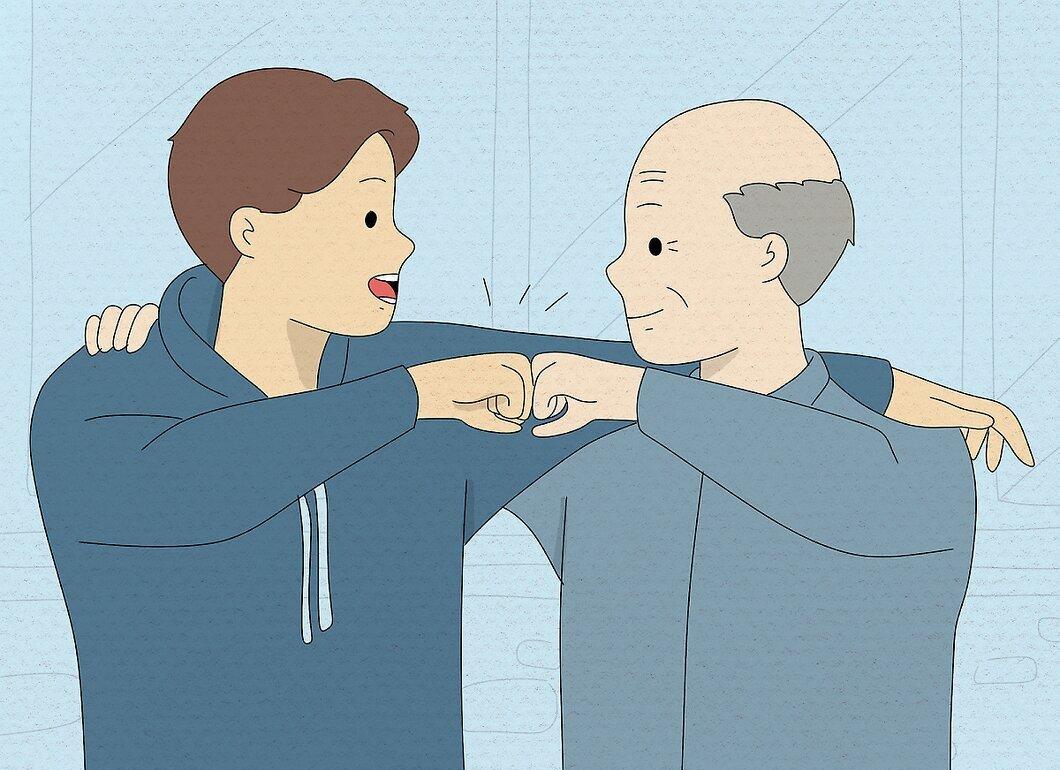
Respect parents and elders. Communicate politely with your parents and other older individuals, like teachers or your friends’ parents. Being respectful to elders will set a good example and demonstrate the importance of respect.
Step 4. Apologize and Acknowledge Your Mistakes.
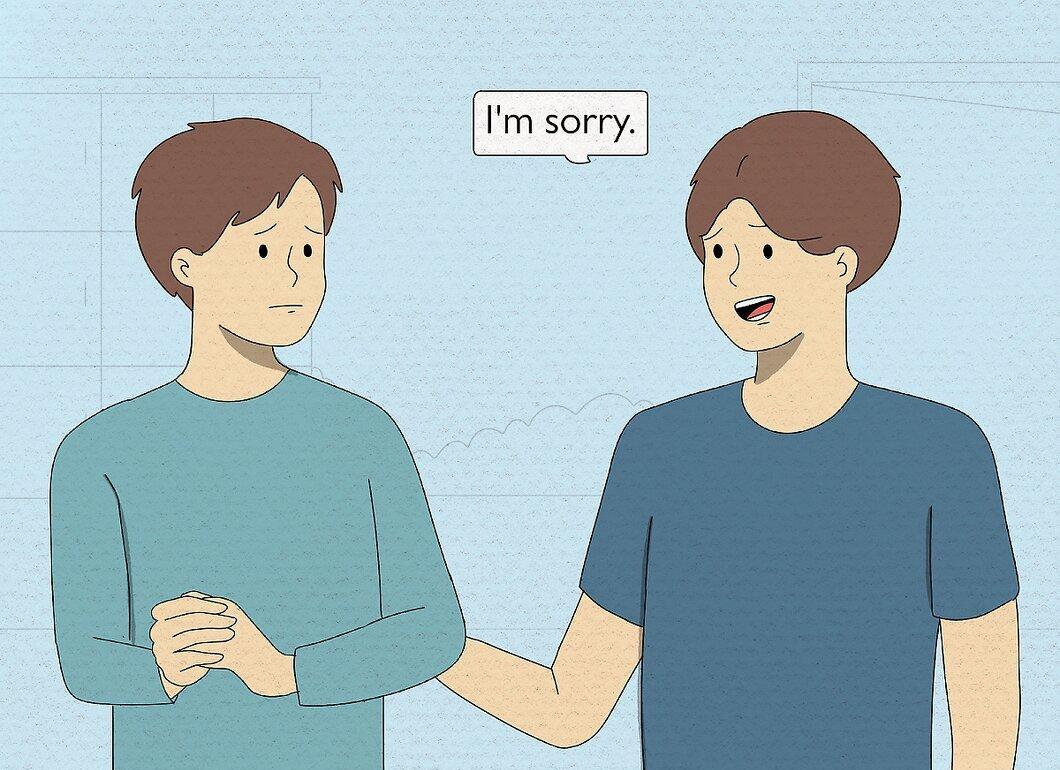
Apologize and acknowledge your mistakes. A good role model always admits their mistakes and offers sincere apologies. If you make a mistake, apologize and acknowledge your fault. Always show your brother or sister the value of apologies and the importance of recognizing mistakes through your own example. This way, they will understand that making mistakes is perfectly normal, but it’s crucial to acknowledge them to rectify the situation.