Teaching is one of the most important professions in modern society. As a teacher, you will shape the minds of others and encourage them to think independently. To become a great teacher, it’s crucial to be organized. Long before each school day, create lesson plans, set goals and practical assignments, and develop a grading system. Engage students in learning by creating a positive and comfortable yet challenging classroom atmosphere. Remember, you can always seek assistance from other teachers.
Create a Positive Classroom Environment
Step 1. Set Daily Goals for Students.

Set daily goals for students. This way, they will have a clear action plan. It demonstrates that you have thoughtfully prepared the assignments for the day and know what they will lead to. Ideally, the goals should be clear, concise, and realistic. As each task is completed, remind students of what they have achieved together.
PRO TIP
Timothy Linetsky
Music Producer and Teacher
Timothy Linetsky is a DJ, producer, and teacher who has been creating music for over 15 years. He makes educational videos for YouTube about electronic music production and has over 90,000 subscribers.
Teaching Online?
Set high standards for yourself to set the tone for your students.
- For example, in a high school literature class, a goal could be to thoroughly and thoughtfully read a specific poem by the end of the lesson.
- Some teachers find it helpful to write the goals on the board.
- It’s perfectly fine if not all goals are completed each day. In some cases, it’s better to go with the flow of a particular discussion than to return to the original topic.
Step 2. Listen to Your Students.
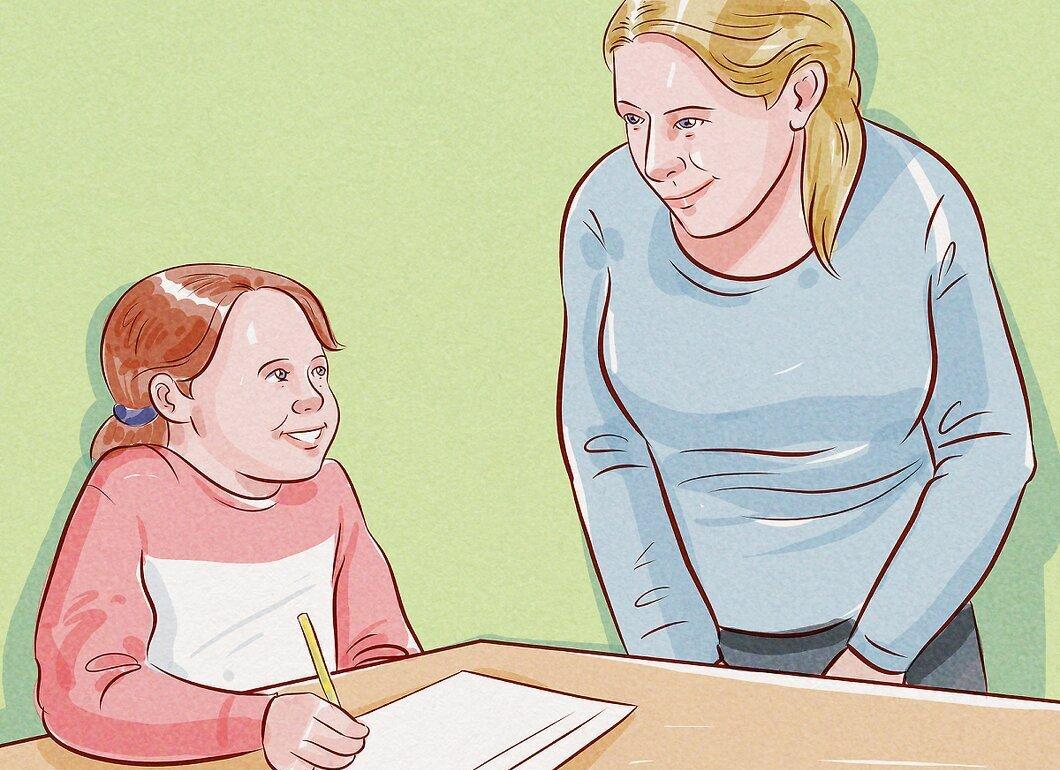
Listen to your students. Ask open-ended questions when they make statements or assertions. Encourage them to ask you questions as well. Show that you are listening by nodding or gesturing for them to continue. Maintain eye contact while they speak and try not to interrupt unless you need to redirect the conversation.
- By being an active listener, you will show students that you respect their opinions in the classroom. In return, they are more likely to respect you as a teacher.
- It’s also a good idea to model how to respectfully listen to someone while disagreeing. You can say, "I’m not sure I agree with your statement; could you elaborate? Or maybe someone else wants to join the discussion?"
Step 3. Keep Students Engaged with Tasks.
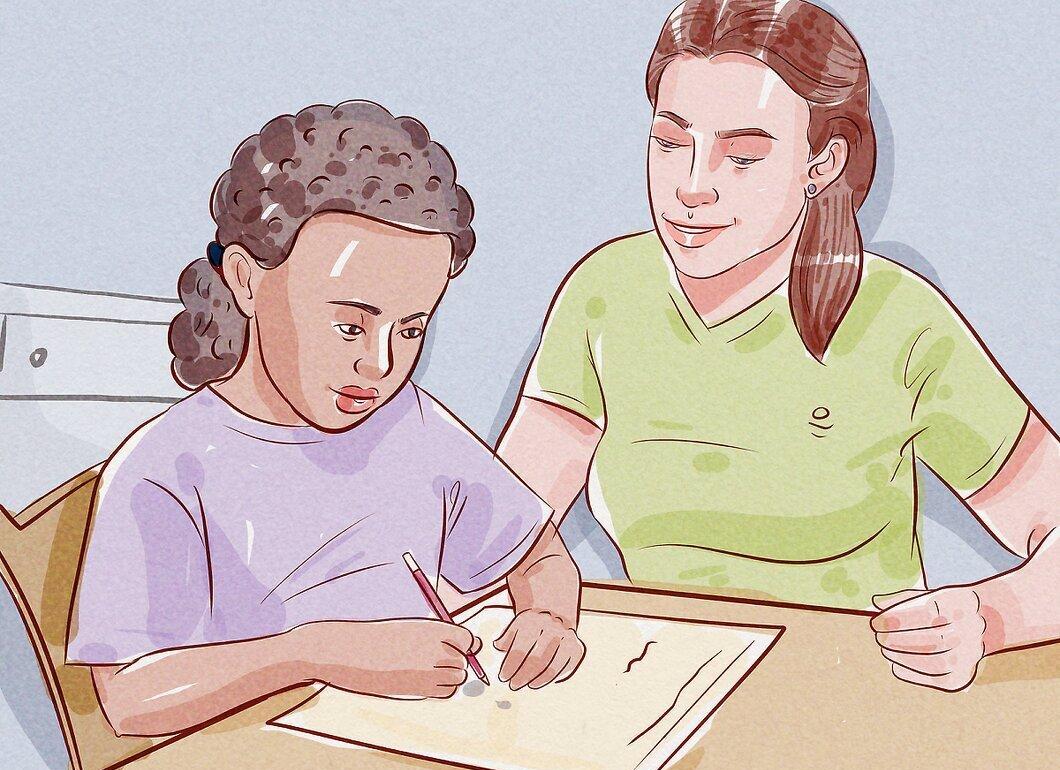
Don’t leave students without tasks. Set time limits for exercises or activities in class. Use your responses to their comments as tools to manage the class. For example, you could say, "I like where your thoughts are going. How do you think this relates to question number five?"
Step 4. Encourage Student Success.

Encourage students to succeed. Strive to create an environment where students need to engage their intellect constantly. Let them know that it’s perfectly fine to fail from time to time. You need to find a balance between setting tasks that are too difficult and too easy. Monitor students’ progress—it will guide you. They should be improving steadily, but not without significant effort.
Expert Response
Question: What do you enjoy most about teaching?
Timothy Linetsky
Music Producer and Teacher
- For instance, you might give high school students a short, challenging task when reading a foreign text and ask them to use a dictionary to look up the meanings of unfamiliar words. When used moderately, this is a great way to challenge students to expand their vocabulary.
Address Classroom Issues
Step 1. Maintain Discipline Wisely and Promptly.
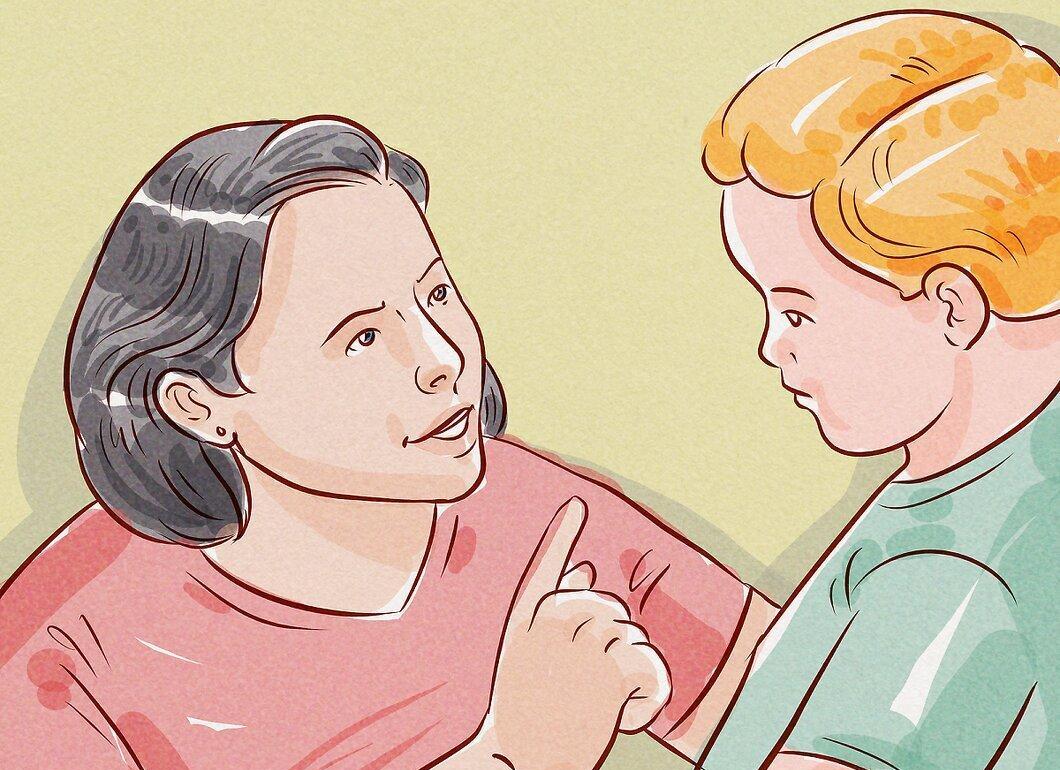
Maintain discipline wisely and promptly. Set very clear and consistent rules for your lessons and for each activity. If a student breaks a rule, address it immediately in class before moving on. However, once you’ve taken disciplinary action, don’t dwell on it to avoid creating additional issues. Always ensure that the consequences match the misbehavior.
- For example, if a student accidentally disrupts the established "quiet period," the first time, a simple verbal warning may follow.
- You might also ask the student to stay after class and talk with you. This is one way to address consequences without derailing the lesson.
Step 2. Assign Leadership Roles to Challenging Students.
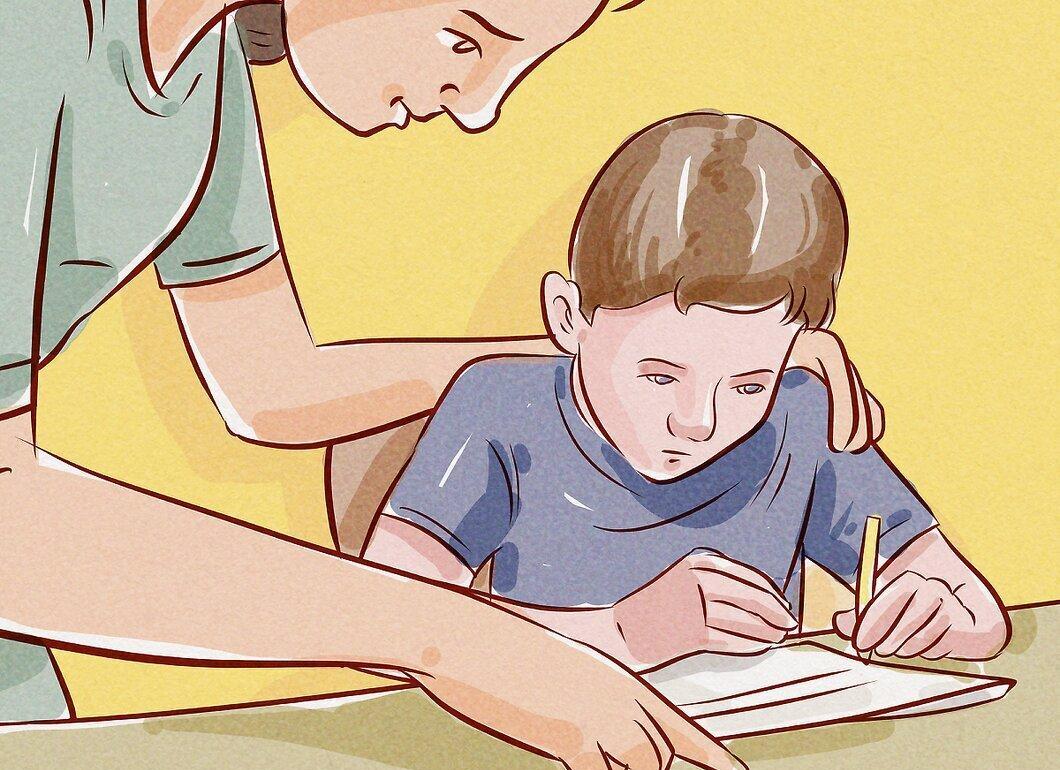
Assign leadership roles to challenging students. Some students undermine discipline in the classroom due to boredom or a sense of disconnection from the subject or teacher. Start by giving these students small personal tasks. Over time, reward them with more complex and communal responsibilities.
- For example, you can ask a student to keep track of the time during an exercise.
- Keep in mind that this option may not suit every challenging student. If they struggle with simple tasks, don’t give them more complex ones.
Step 3. Show Personal Interest in All Students.

Show personal interest in all students. If you demonstrate that you enjoy their company and value their opinions, they are much less likely to exhibit problematic behavior in the classroom. Make it a habit to ask students about their daily lives and personal interests. In return, share a bit about yourself, but stay within professional bounds.
PRO TIP
Timothy Linetsky
Music Producer and Teacher
Working with Students One-on-One?
Timothy Linetsky, a music teacher, advises, “When scheduling, aim to…"
- For example, talk to students about where they plan to go during the upcoming long break.
Step 4. Stay Calm When Dealing with Argumentative Students.
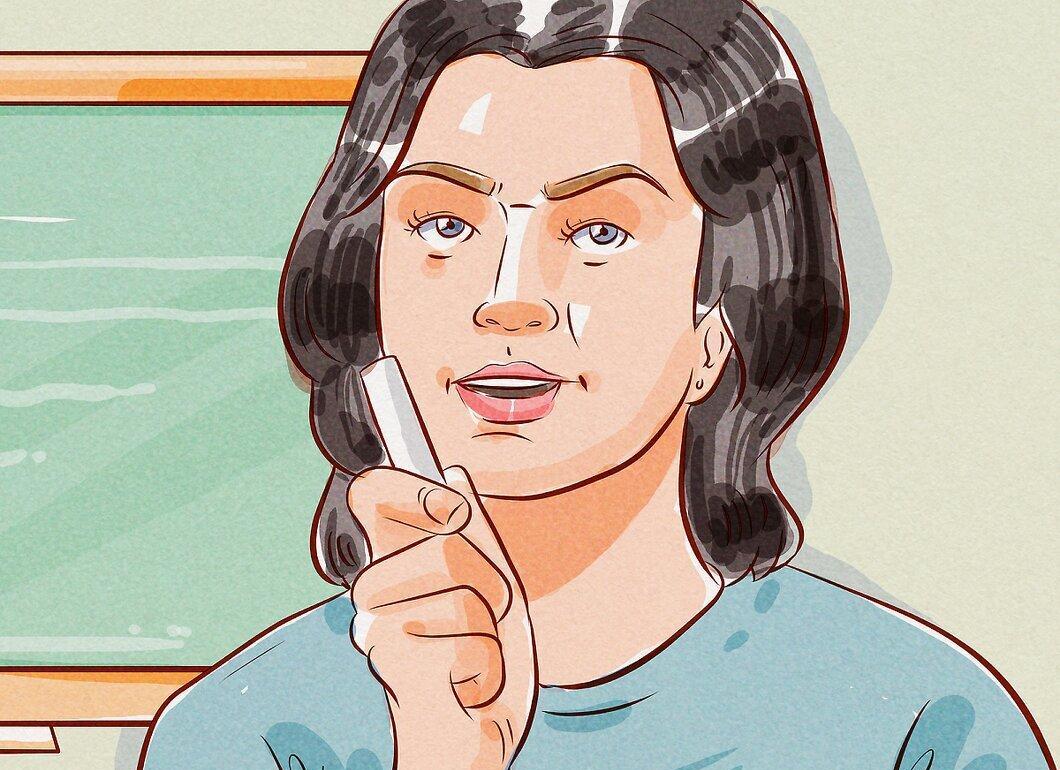
Stay calm when dealing with argumentative students. It’s easy to lose your cool when faced with a challenging or critical student. Instead, take a deep breath and try to consider their perspective. Ask them to explain their position in more detail. Invite other students to participate in the discussion.
Step 5. Provide Quiet Students with Plenty of Opportunities to Participate.

Provide quiet students with plenty of opportunities to participate. There are many possible reasons why a student may be silent in class. Encourage them to learn by creating a comfortable environment for every opinion. Offer various options: for example, to submit assignments through a special form or via email. Don’t put quiet students in the spotlight unless it aligns with your overall teaching style.
Step 6. Offer Help to Students Who Struggle.
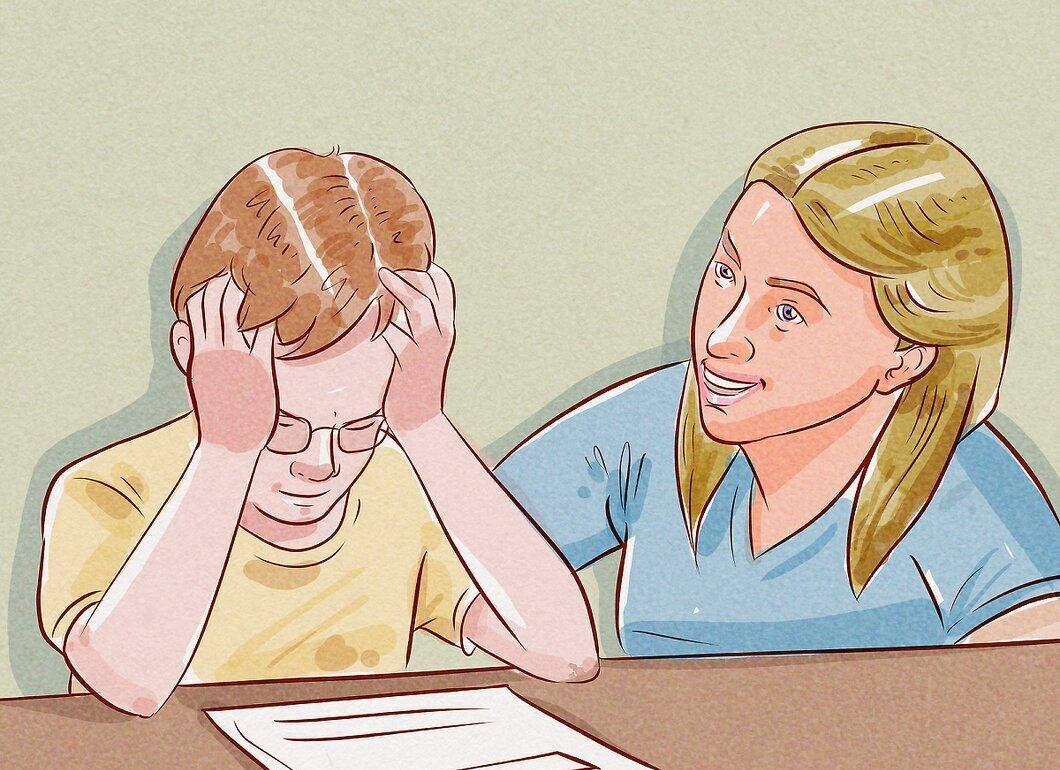
Offer help to students who struggle with their studies. Try your best to identify students who are having difficulty with your subject early on. Provide opportunities for learning in class, such as pair work. Perhaps you conduct extra sessions—if so, ask the struggling student to attend them; if not, talk to their parents and try to persuade them to hire a tutor for their child.
Maintain the Right Mindset
Step 1. Always Be a Professional.

Always be a professional. Dress appropriately for the educational setting. Keep your teaching materials and classroom organized. Spend time preparing for each school day. Show respect when communicating with colleagues, principals, and the director. Reflect on what it means to be a good teacher and strive to embody that standard.
- Sometimes, it’s helpful to think about a teacher from your past whom you would describe as a true professional. Consider how you can incorporate their mannerisms into your own classes and teaching career.
Step 2. Laugh and Maintain a Sense of Humor.
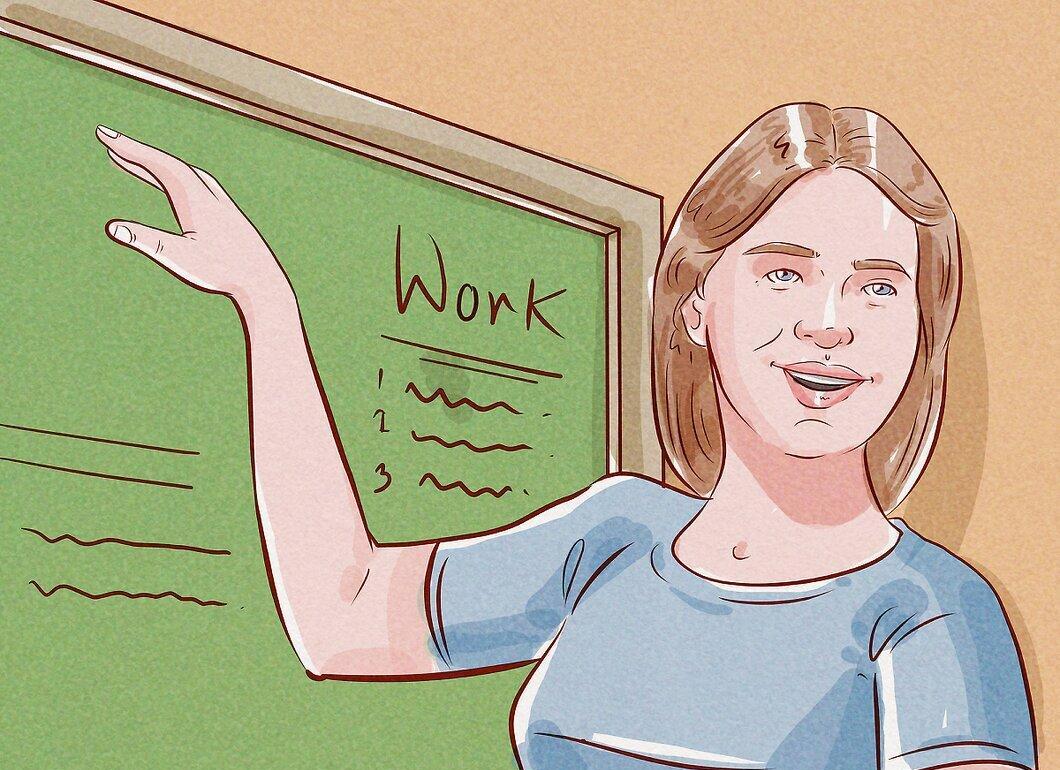
Laugh and maintain a sense of humor. Convey to students that learning doesn’t have to be serious 24/7. If you do something funny or clumsy, laugh at yourself. If you show a bit of self-deprecation, students will feel more comfortable around you. Additionally, if you incorporate humor or jokes into your curriculum, students are more likely to remember the material.
Step 3. Repeat Positive Mantras on Tough Days.

Repeat positive mantras on tough days. Not every school day will go perfectly, and some days may even be catastrophic. However, it’s important to maintain a positive attitude; otherwise, students will pick up on and reflect your negative energy. Take a minute to tell yourself, "Everything will be okay," or, "Tomorrow is a new day." Put on a smile and keep going.
- You can even say out loud, "I love teaching because..." and list a few reasons. For example, think of a moment when you saw real improvements in a student’s life due to your efforts.
- If it was a tough day for students too, you can announce that you want to make a "reset." Say that you officially want to start the day over, beginning from this moment.
Step 4. Build Good Relationships with Students' Parents.

Build good relationships with students' parents. Communication is key when it comes to working with parents. Keep in touch with them both at meetings and in writing, reporting on student behavior. Show that you are interested in parents' ideas and perspectives on teaching. Additionally, you can ask for their help with events or celebrations in your class.
- Connect with the school’s parent committee and ask what contributions you can make.
Improve as a Teacher
Step 1. Seek Mentors in Teaching.

Seek mentors in teaching. Look for teachers in your school who are willing to discuss teaching with you or even let you observe their classes. If they are interested, invite them to your lessons in return. After they’ve seen your teaching style, ask them to provide constructive feedback. See if they have suggestions on how you can become an even better teacher.
- For example, one suggestion might be to set lesson goals more clearly. Then you can discuss how you handle that.
- Additionally, it would be beneficial to exchange teaching materials with your mentors or colleagues. Show them the format you use for quizzes or tests and ask to see their versions. You don't have to teach the same subject to benefit from the conversation.
- You can also find mentors in other educational institutions or even at conferences. Stay connected with people you meet and reach out to them for advice when needed.
Step 2. Set Aside Time to Reflect on Your Work.

Set aside time to reflect on your work. At the end of each term, sit down and evaluate what worked well and what didn’t. Be honest with yourself and realistically assess what you can change before you start teaching that course again. If you’re preparing for a specific course that always has challenges, consider seeking advice from a mentor.
- For instance, you might find that students grasp the material more easily when you use media resources. In that case, think about how you can incorporate more media-related assignments into your lessons.
Step 3. Take Advantage of Professional Development Opportunities.
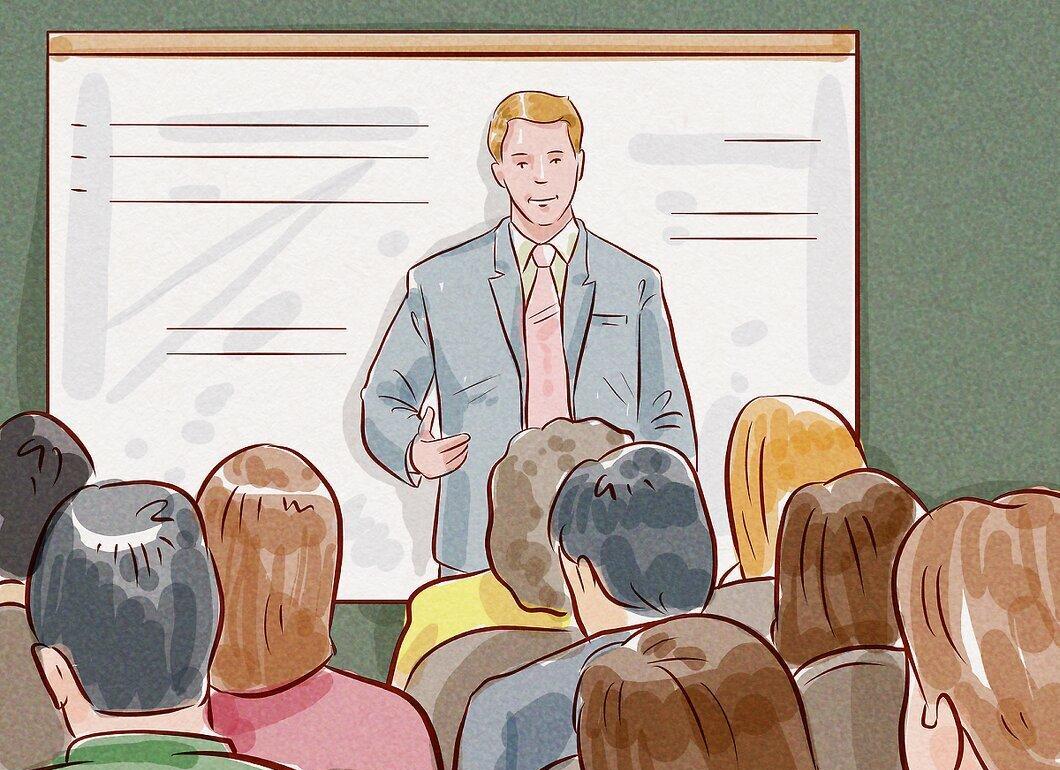
Take advantage of professional development opportunities. Speak at local teacher conferences and network with other professionals in education. Write articles about teaching and publish them in local journals or newspapers. Participate in exam committees, such as during state exams. Furthermore, keep learning, and you will be a role model for your students.