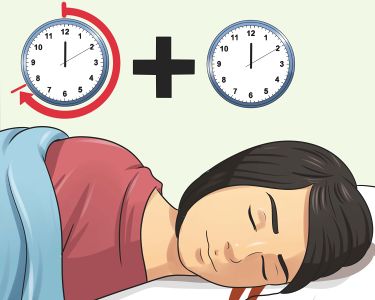
How to Be a Healthy and Confident Teenager
Maintaining health during adolescence involves many factors. It's essential to develop habits around proper nutrition and regular physical activity, as well as to pay attention to personal hygiene. Being healthy is not just about taking care of your body; it’s also about cultivating a positive outlook on life and making wise choices about your behavior and appearance. Take care of yourself so you can feel confident and attractive!
Building Healthy Habits
Step 1. Choose Healthy Foods.
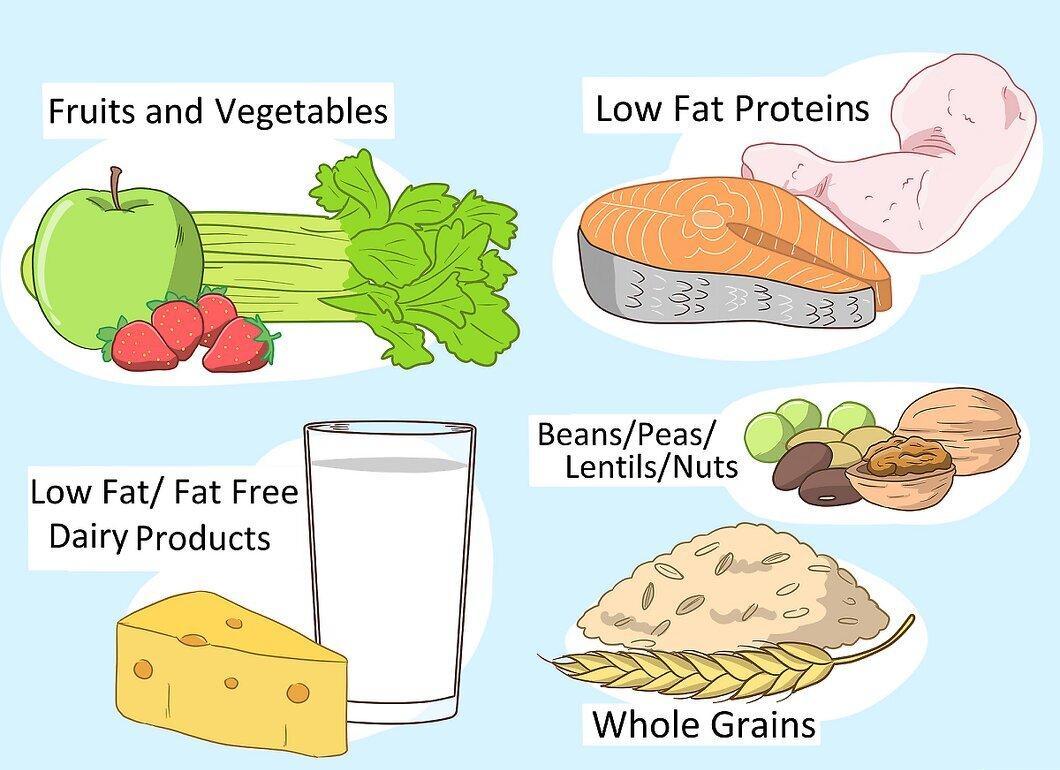
Opt for nutritious foods. Your diet is fuel for both your body and mind, so aim to choose only high-quality products! Reduce your intake of foods high in sugar, salt, and fat. Avoid fast food, fried dishes, and unhealthy snacks like chips, canned goods, and pastries. Focus on fresh fruits and vegetables, whole grains, low-fat dairy, and proteins such as fish, chicken, nuts, beans, and lentils. For snacks, choose fruits, nuts, or a small piece of low-fat cheese.
- If you’re unsure where to start, consult a doctor or dietitian. They can help you create a meal plan that includes essential vitamins and minerals. You can also find helpful tips online.[2] X Source
Step 2. Stick to a Regular Eating Schedule.
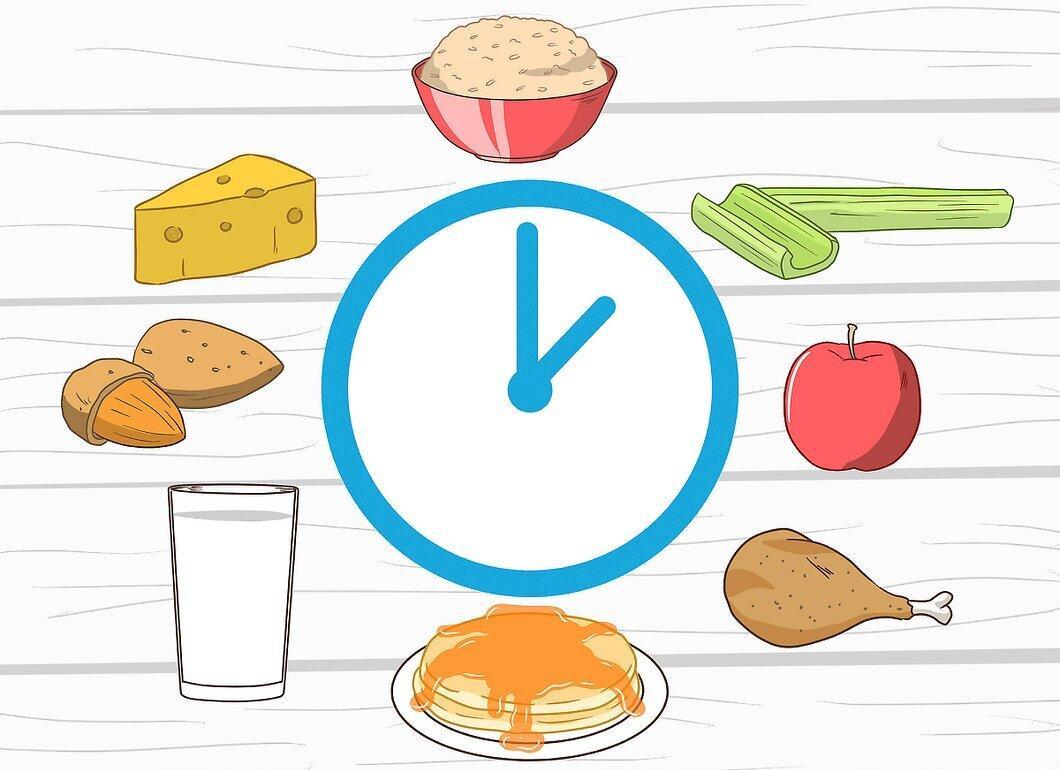
Maintain a consistent eating schedule. It's not just about what you eat, but also how you eat, to stay fit and healthy.
- Don’t skip breakfast, as it provides your body with energy and helps you focus. A healthy breakfast might include fruits, eggs, low-fat milk, oatmeal, or whole-grain toast.
- Pack your lunch for school to ensure you have a nutritious meal.[3] X Reliable source National Institute of Diabetes and Digestive and Kidney Diseases
- Participate in choosing groceries and planning meals at home; this will help other family members eat healthily too![4] X Reliable source National Institute of Diabetes and Digestive and Kidney Diseases
- Your doctor can assess your weight. If they recommend losing weight, start monitoring portion sizes — the amount of food you eat at one time.[5] X Reliable source Mayo Clinic Use smaller plates and keep a food diary to track your portions, filling most of your plate with fruits and vegetables.[6] X Reliable source National Institute of Diabetes and Digestive and Kidney Diseases
- Keep track of your calorie intake. The average teenage girl should consume 1600–1800 calories per day with low physical activity and 2200–2400 calories if active.[7] X Source
- Avoid trendy and restrictive diets. It’s difficult to maintain weight loss, and it can negatively impact your health. Always consult a doctor before starting a diet or if you are concerned about your weight.
Step 3. Maintain a Healthy Weight.
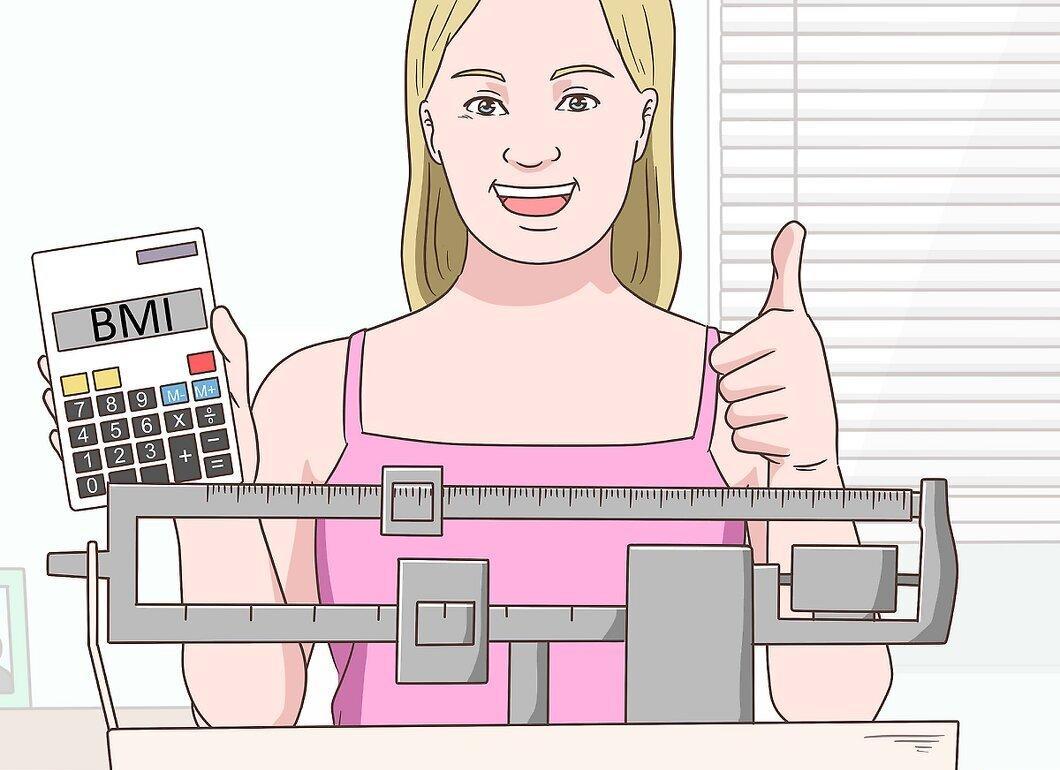
Monitor your weight. Instead of worrying about the numbers on the scale, focus on your Body Mass Index (BMI), which shows whether your weight is appropriate for your height and age. Use a calculator [1] to find your BMI.
- A healthy BMI for teens falls between the 5th and 85th percentiles. If your BMI is below the 5th, it's underweight; 85–95 is overweight, and above the 95th is obesity.[9] X Reliable source Centers for Disease Control and Prevention Find online resources to help assess your level.
Step 4. Drink at Least 7 Glasses of Water
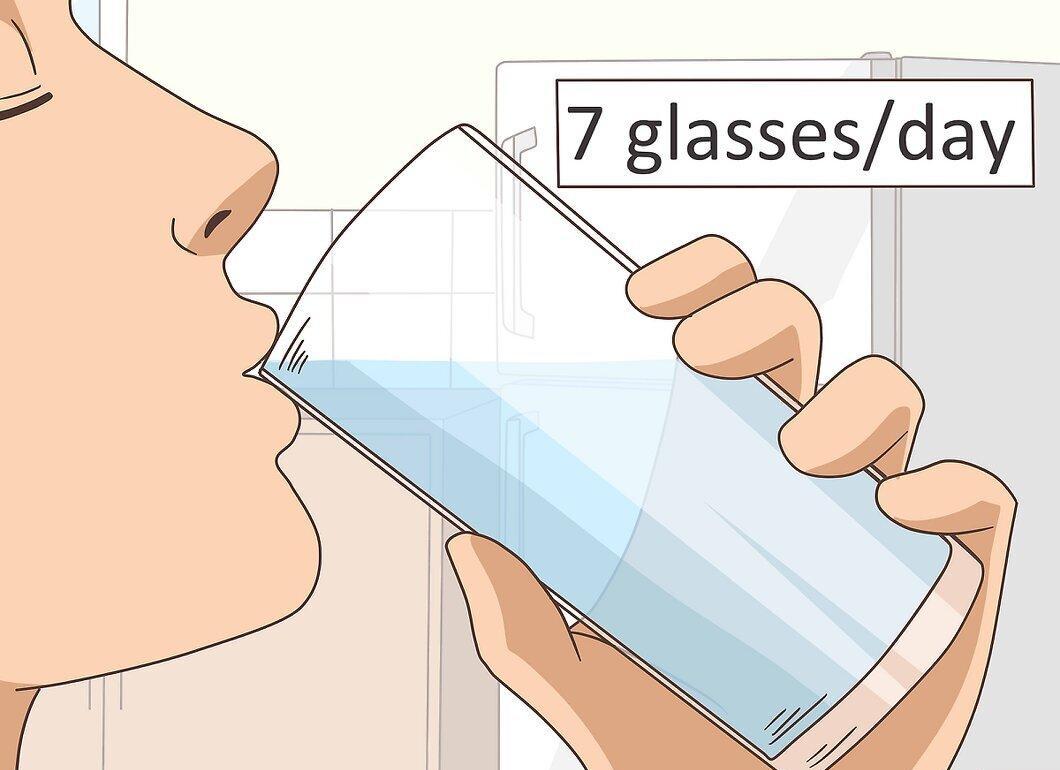
Aim to drink at least 7 glasses of water each day. This helps maintain hydration, cleanse your body, and boost metabolism.
- Keep a water bottle with you and drink throughout the day. Make sure to drink when you feel thirsty.
- Increase your water intake in hot weather or during physical activity.
- Your urine should be light yellow.
- Add a bit of lemon, lime, or fresh fruits for flavor!
Step 5. Get 8–10 Hours of Sleep Each Night.
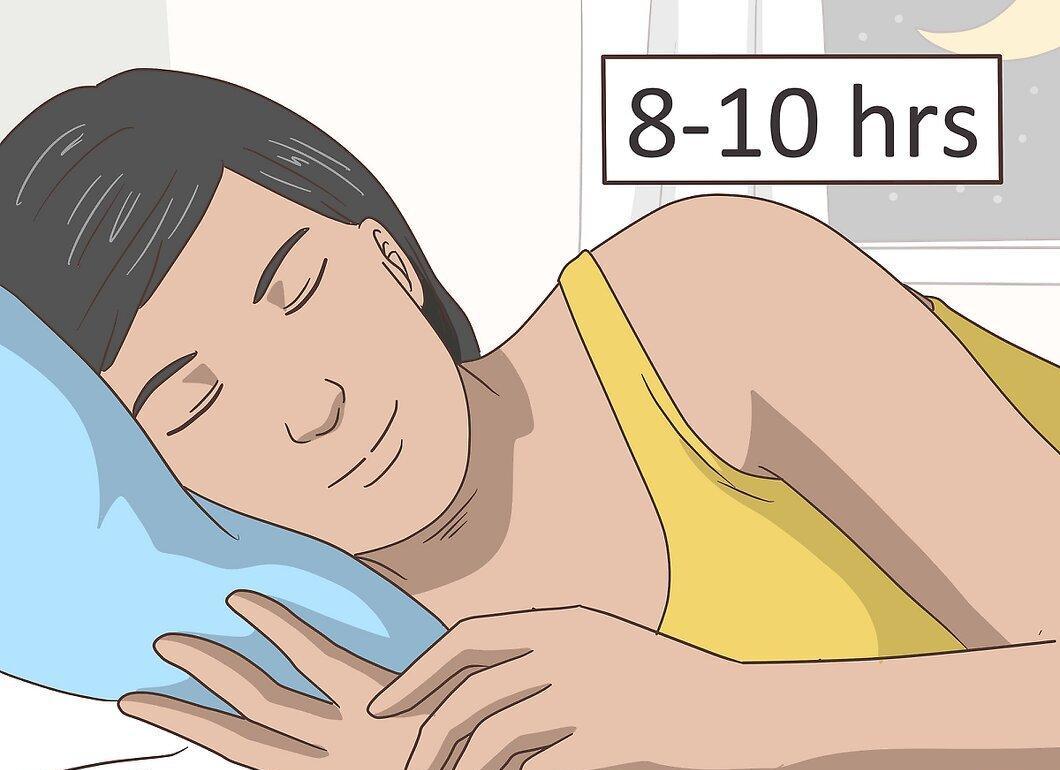
You need 8–10 hours of sleep each night. It improves attention, concentration, and mood. If you find it hard to wake up in the morning, doze off during classes, or feel fatigued, you might not be getting enough sleep. Try to enhance your sleep quality with these tips:
- Go to bed at the same time each night.
- Exercise regularly (but not within 3 hours of bedtime to avoid over-stimulation);
- Avoid caffeine after 4 PM;
- Relax before bed with a warm bath or reading;
- Don’t nap too long during the day;
- Don’t stay up late to maintain a consistent sleep schedule.
- Create a conducive sleep environment: dim the lights before bed to signal your brain that it’s time to rest, keep your room cool and dark, and wake up with bright light.
Step 6. Engage in Physical Activity
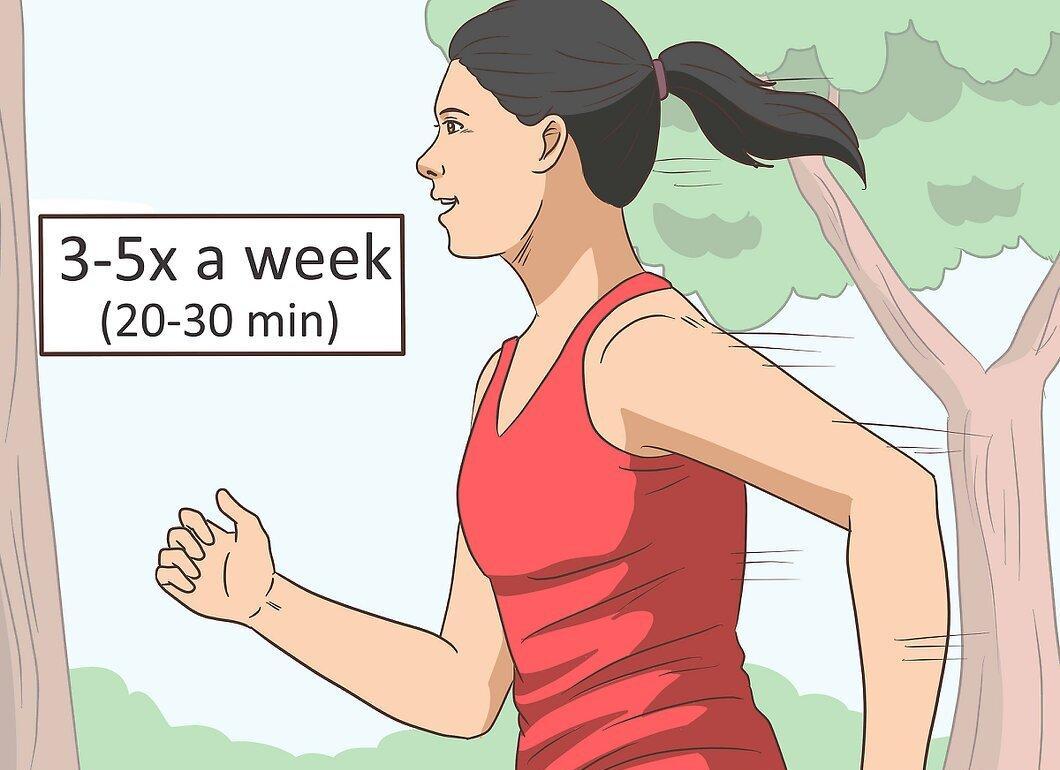
Be physically active at least 3–5 times a week. This helps boost your energy levels, improve mood, and reduce stress. Aim for 20 to 30 minutes of moderate activity, ideally up to an hour. Aerobic exercises (like running or swimming) increase your heart rate and breathing, positively impacting your heart and overall health. It’s also beneficial to do strength training for specific muscle groups, like your abs or legs.
- If the gym isn’t appealing, find creative ways to stay active. Try biking, hiking, joining a fitness class, walking your dog, or being part of a sports team.
- Use Wii Fit or Wii Fit U for at-home workouts!
- Jog in place or do squats while watching TV.
Step 7. Improve Your Posture.
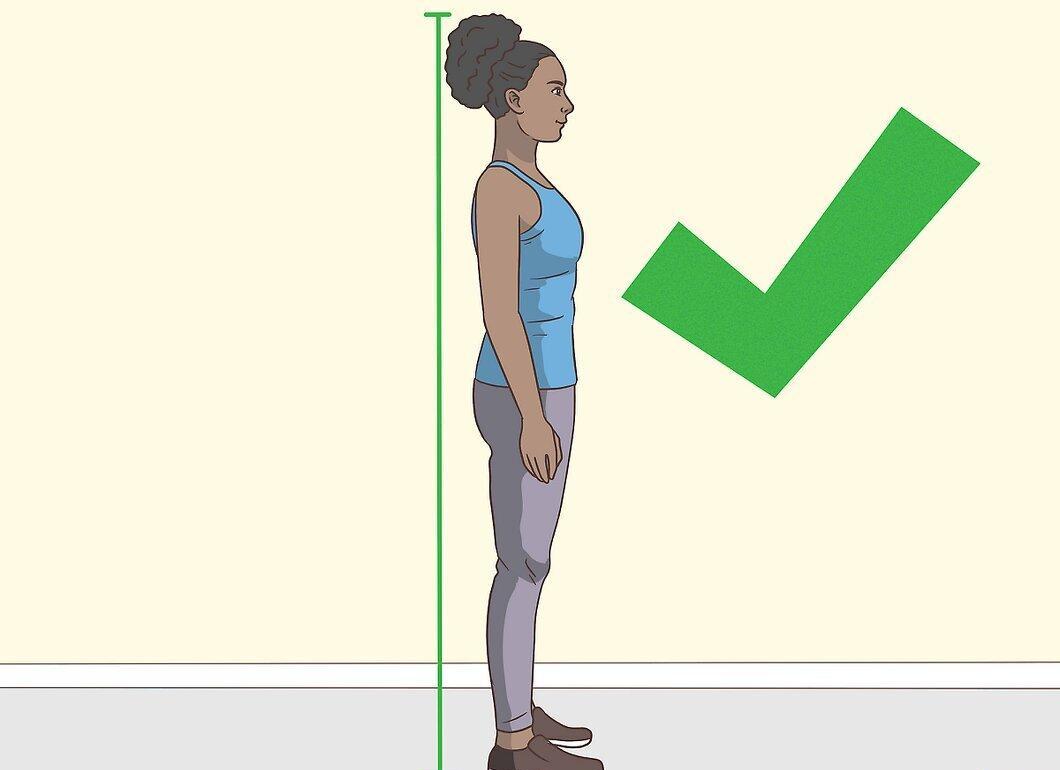
Pay attention to your posture. Good posture can boost your self-esteem and help you appear more confident. Maintaining proper posture also reduces tension and strain on your muscles. There are specific exercises that can help improve your posture.
Step 8. Protect Your Skin from the Sun.
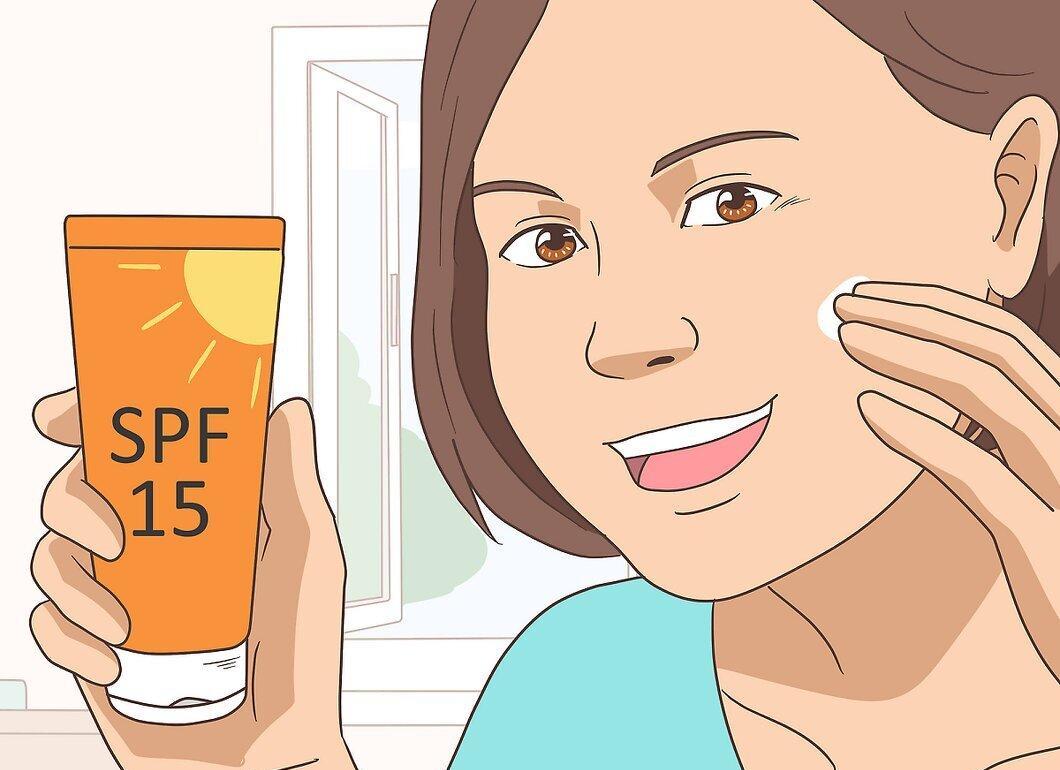
Take care of your skin to prevent sunburn. While a tan may seem healthy, it can lead to premature wrinkles and skin cancer. Always use broad-spectrum sunscreen with an SPF of 15 or higher; for your face, choose a sunscreen with SPF 30 or higher, as this area is most vulnerable to sun exposure.
- Many moisturizers also contain SPF 15, which is a simple way to keep your skin hydrated and protected.
- Apply sunscreen every 2 hours or after swimming or sweating.
- Wear sunglasses to protect your eyes and the sensitive skin around them from UV rays.
- Avoid tanning beds, as they increase the risk of skin cancer. Using a tanning bed during adolescence can also raise the risk of melanoma later on, which is one of the most dangerous forms of skin cancer.[16] X Reliable source Centers for Disease Control and Prevention Consider using self-tanner or lotions, but avoid applying them around your eyes and mouth.
- Stay out of the sun during peak hours, from 10 AM to 4 PM.
Maintain Cleanliness, Hygiene, and Health
Step 1. Establish a Self-Care Routine
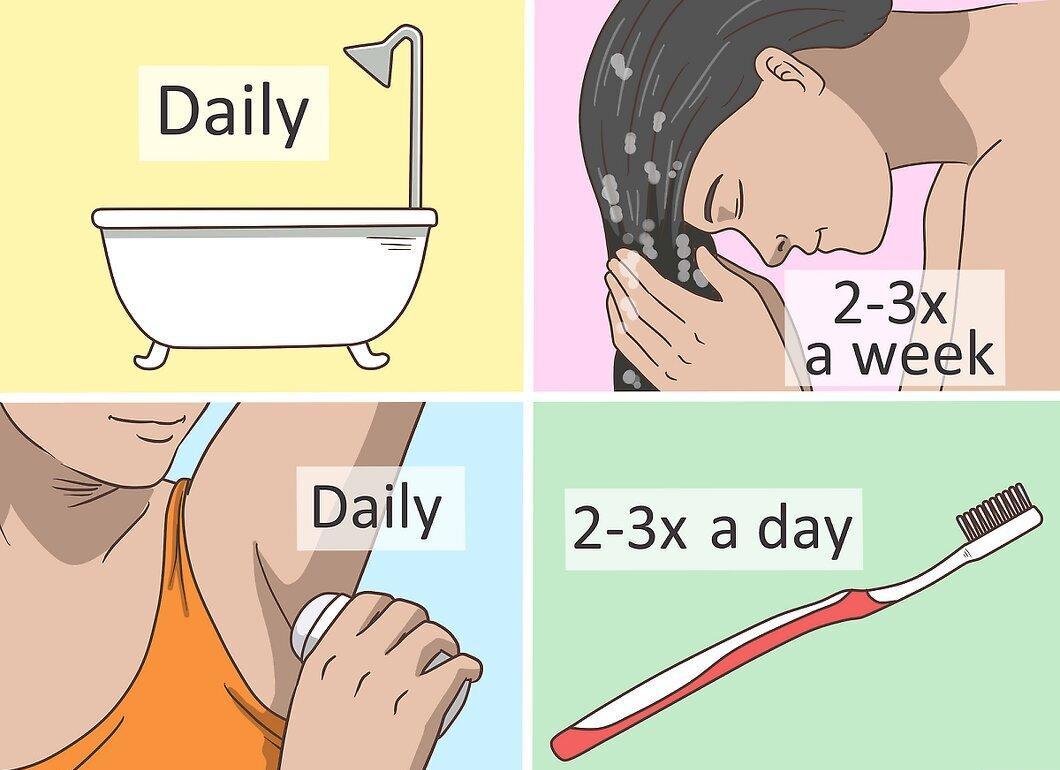
Create a self-care routine. Taking care of your appearance will help you feel better, and maintaining personal hygiene is crucial as your body changes. Develop your schedule and stick to it. It may differ from your friends’ routines, as everyone is unique.
- Shower or bathe every day.
- Take care of your hair. If it becomes oily, you might need to wash it daily or every other day. Otherwise, wash your hair 2–3 times a week to avoid dryness.[17] X Source
- Brush your teeth 2–3 times a day: in the morning, after meals, and before bed. Don’t forget to floss and brush your tongue.
- Use deodorant daily, shower after physical activity, and wear clean cotton clothes to minimize body odor. Remember to change your underwear every day.[18] X Source
Step 2. Treat Acne.
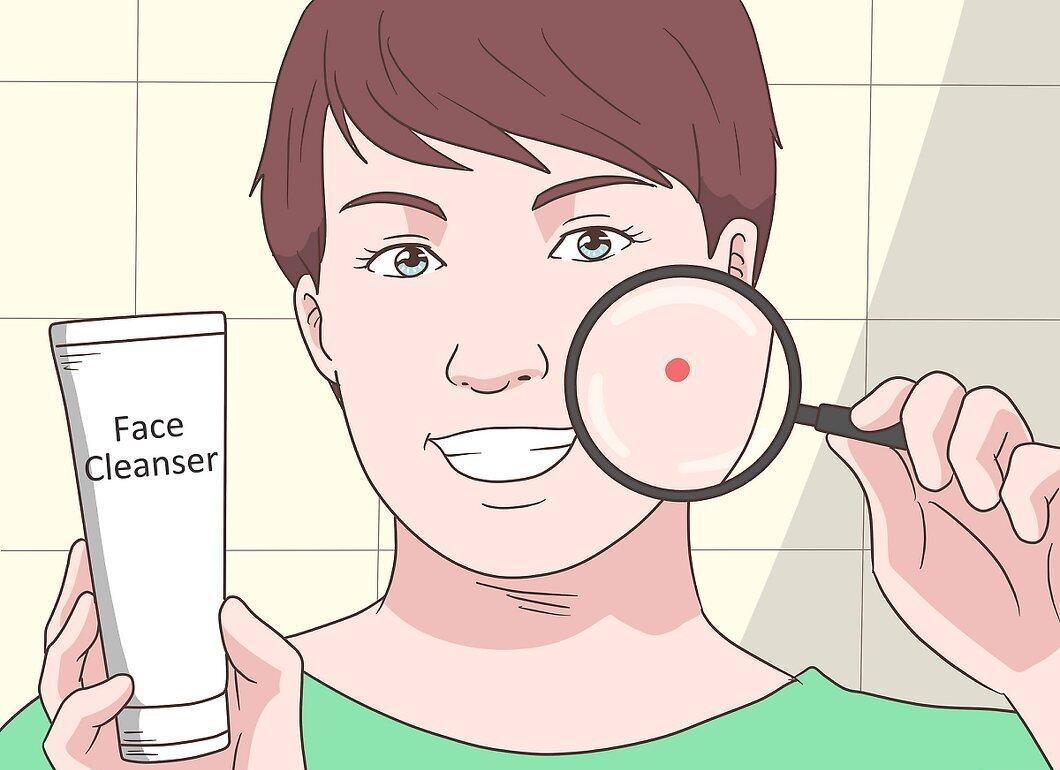
Take care of your skin. Keep it clean and healthy by treating any acne on your face, neck, and back. If you have severe breakout issues, consult a dermatologist for treatment. Otherwise, use oil-free, hypoallergenic skin care products and gentle facial cleansers. Wash your face in the morning and before bed.
- Avoid applying too much makeup on problem areas to prevent clogging pores.
Step 3. Remove Body Hair if Desired.
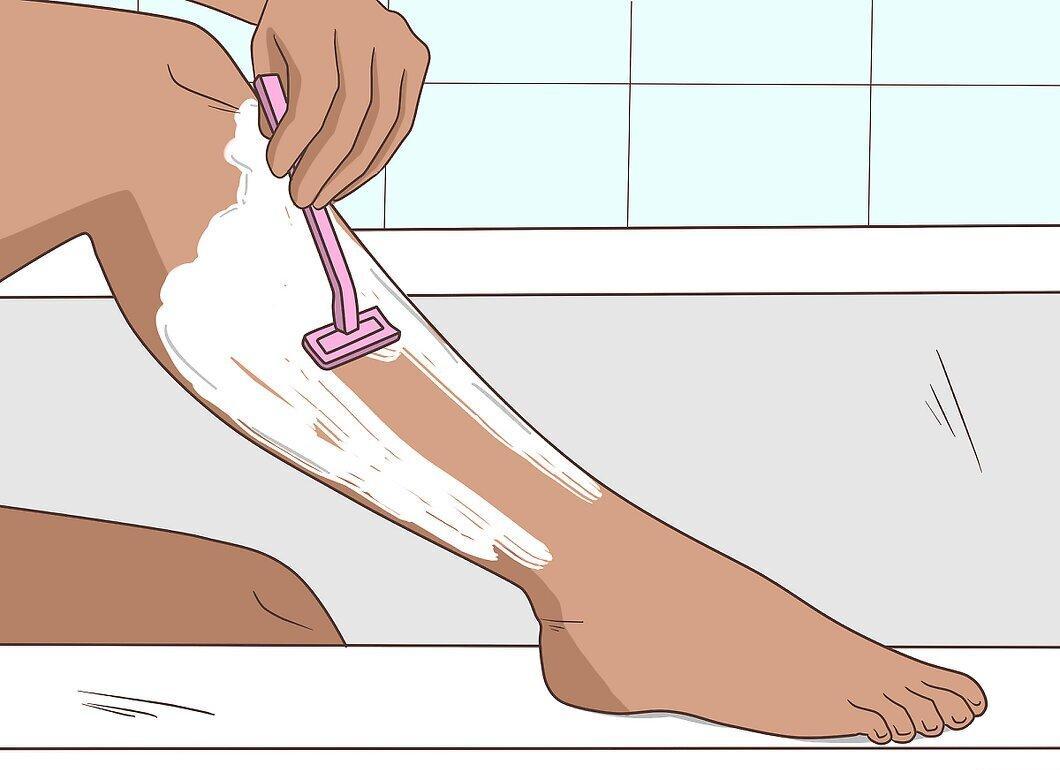
If you wish, remove body hair. The choice to shave legs, underarms, and intimate areas is yours. If you have long hair in these areas, it can retain moisture and odor, but regular hygiene will help avoid these issues. If you decide to shave, follow safety rules:
- Use clean, new, sharp blades and plenty of shaving cream or gel (not just soap). Take your time and be careful.
- Don’t shave your face. For removing stray hairs, it’s better to use tweezers or consider bleaching, depilatory cream, or waxing. If you have a lot of facial hair, consult a doctor about electrolysis for removal.[20] X Reliable source American Academy of Family Physicians
Step 4. Manage Your Period.
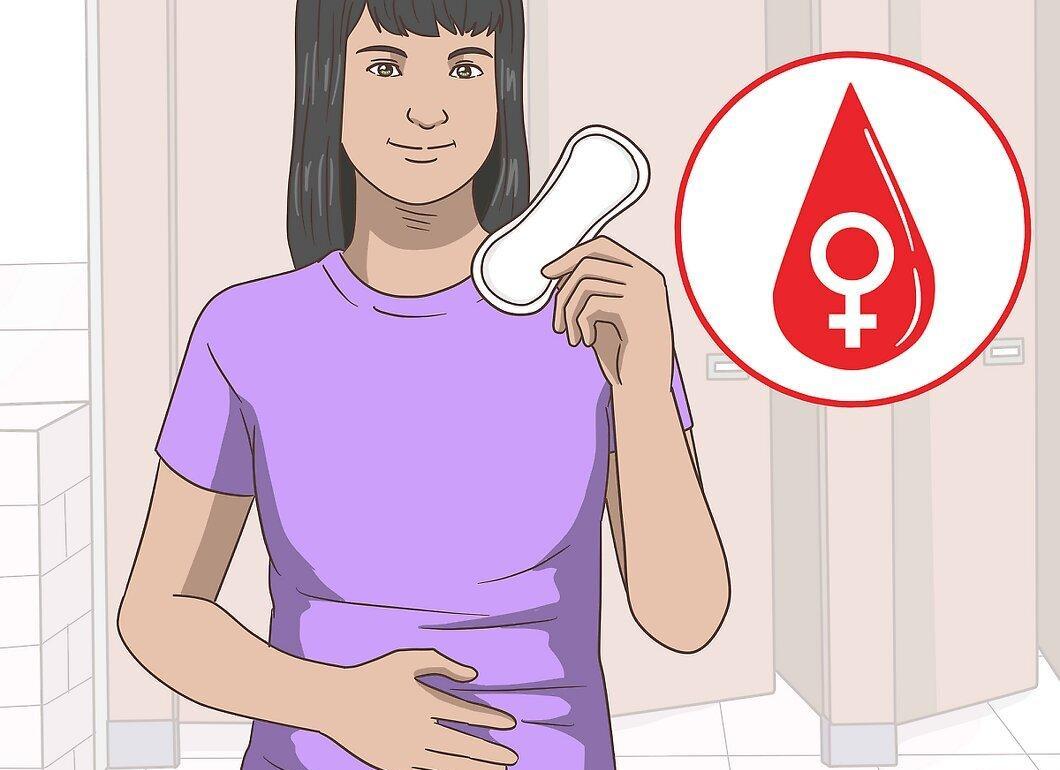
Understand your period. If you’ve just started menstruating or want to learn how to cope with painful symptoms, be prepared and follow hygiene rules.
- Change personal hygiene products every 4–8 hours (or more frequently during heavy flow). On average, you will need 3–6 pads or tampons a day. Use longer pads at night or during heavy flow to avoid leaks. Change pads or tampons every 4–8 hours, depending on your flow volume.[21] X Source
- Shower regularly.
- Keep track of when your period starts and have pads and tampons handy. You can use a period tracking app.[22] X Source The average cycle lasts 28 days, but it can vary. Keep a calendar to track its duration.
- Consult a gynecologist if your period lasts more than 10 days or if you have severe pain that interferes with daily activities or if your cycle is irregular.
Step 5. Visit the Doctor Regularly.
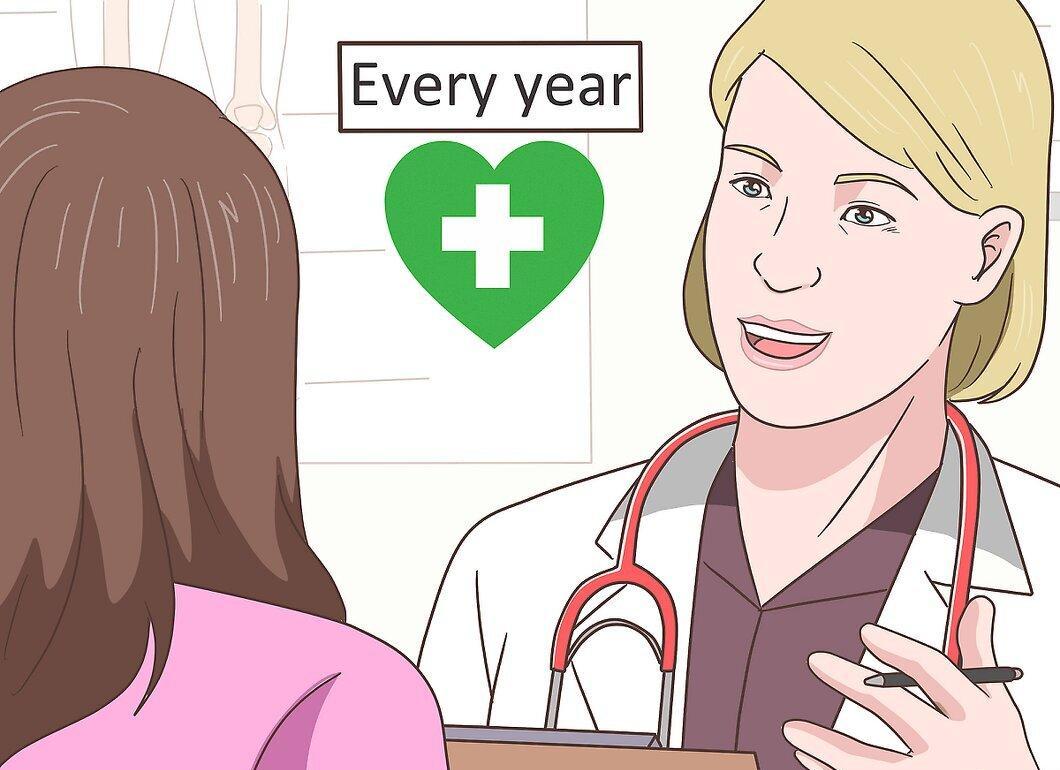
Don’t forget about regular doctor visits. As you grow and develop, it’s essential to have a check-up at least once a year. It’s a great opportunity to ask any personal questions about your health.
- Ask your doctor about vaccines for chickenpox, hepatitis B, MMR (measles, mumps, rubella), meningococcal, polio, Tdap (tetanus, diphtheria, whooping cough), and HPV (human papillomavirus).[23] X Reliable source Immunization Action Coalition These vaccinations are mandatory, and now that you are growing up, it’s crucial to take care of your health.
- If possible, choose a doctor you trust and will visit regularly. Decide whether you prefer working with a male or female doctor, and find out if they specialize in treating teenagers. Look for a suitable doctor through recommendations from friends or online, or ask your insurance company about covered specialists.
Step 6. Schedule Annual Gynecologist Visits.
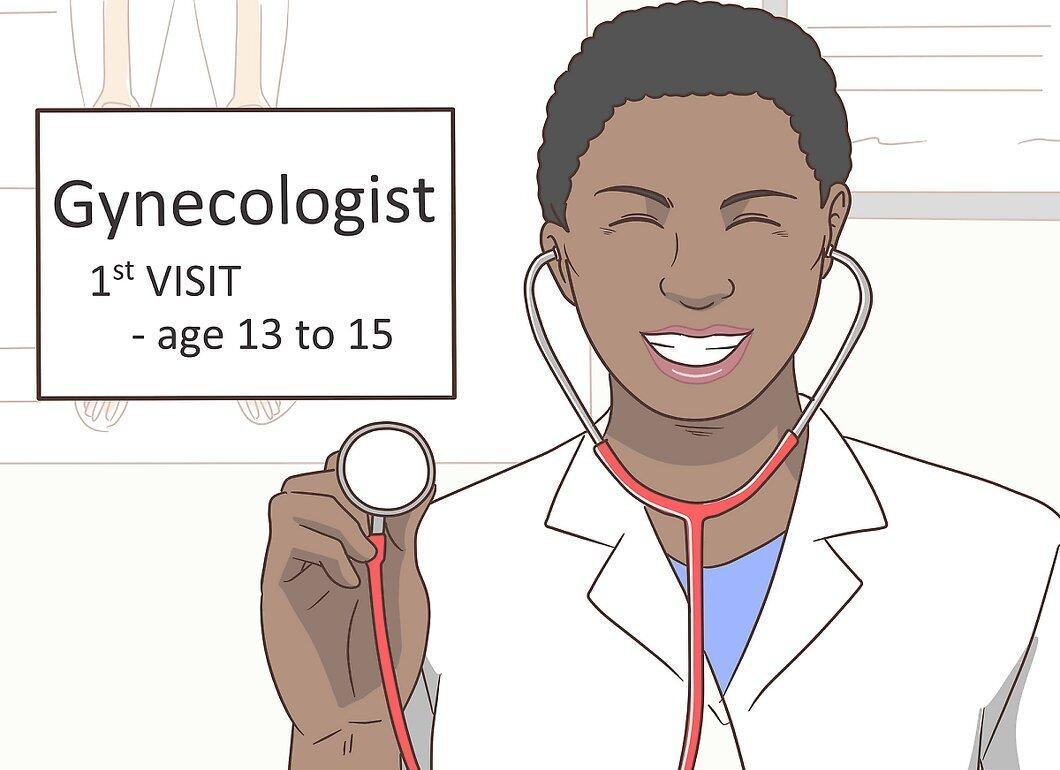
Plan to see a gynecologist every year. The first visit should occur between ages 13–15 or when you start being sexually active. They will conduct an examination and answer your questions about health and your body. This is a good opportunity to get information you might not want to discuss with your parents.
- During each visit, get tested for sexually transmitted infections if you are sexually active or have symptoms like itching or discharge.[26] X Source
- If a private clinic is too expensive, you can get free screenings at a public clinic (up to age 18). Find out which clinic serves your area and schedule an appointment.
- You will start having vaginal exams when you turn 18 or when you become sexually active. The gynecologist may do this earlier if you have discharge, pain, or itching, if your period lasts more than 10 days, if your menstruation hasn’t started by age 15, or if you miss periods.
Take Care of Your Mental Health
Step 1. Maintain a Positive Attitude.
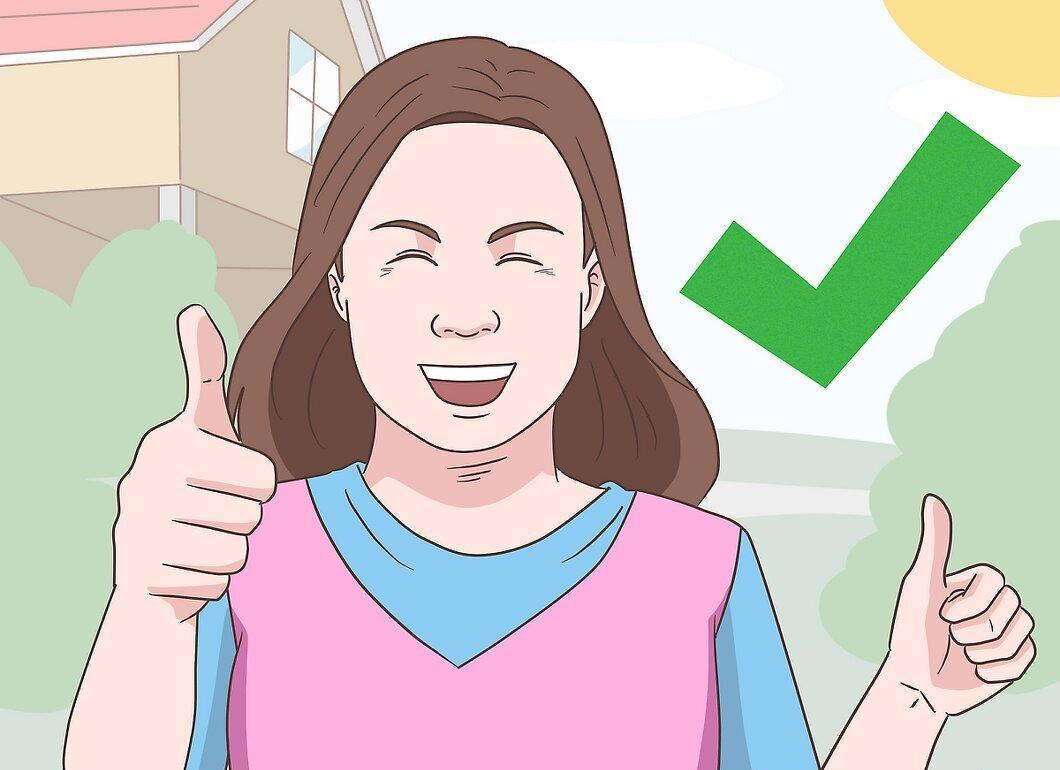
Try to keep a positive mindset. Your mental health and habits should focus on your well-being, not on pleasing others. Don’t let those around you influence you. If you take care of your health, you'll be satisfied with yourself. So stay positive and believe in yourself!
- Think constructively. What you say to yourself in your head truly influences your mood and perception of the world. If you make a mistake, think, “I’m just human,” instead of “I’m a failure.”[27] X Source
- Don’t compare yourself to others. This can lead to feelings of inadequacy and distract you from recognizing your unique qualities!
- Don't believe that everyone online is as happy as they seem. Social media can create the impression that everyone has a perfect life, but everyone has their problems, and many are trying to appear happier than they truly are.
Step 2. Express Yourself Creatively.
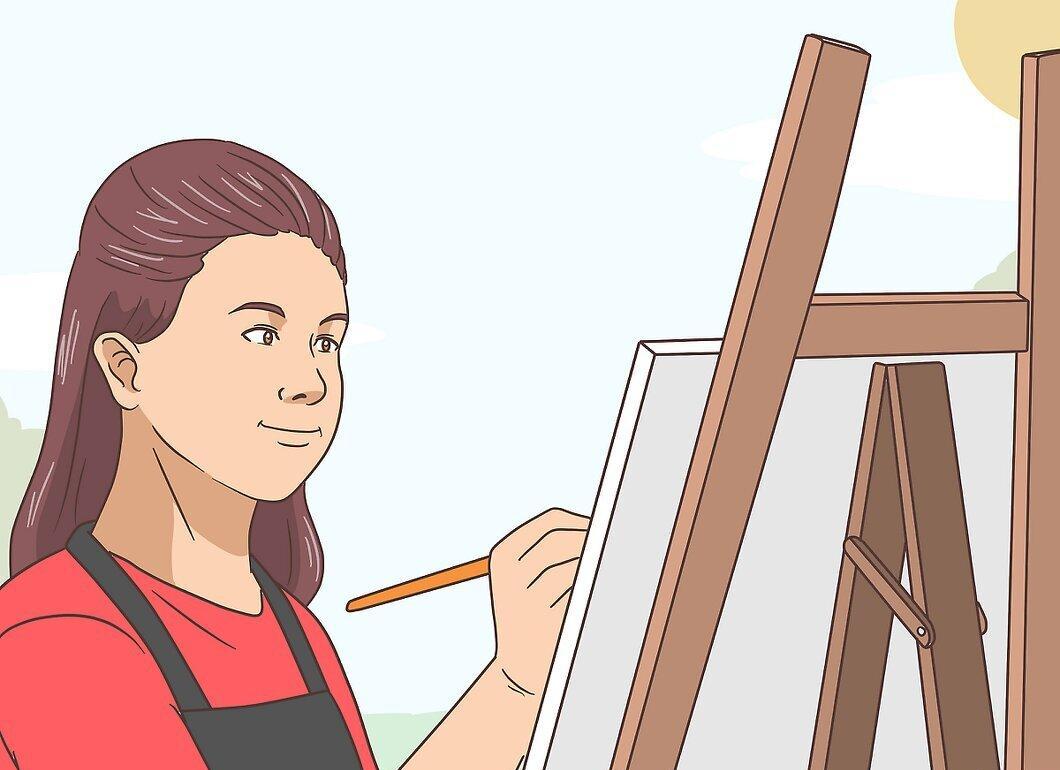
Engage in creative activities to express yourself. Journaling, music, drawing—find a hobby that helps reduce stress and learn to appreciate your strengths. Experiment with different interests, and remember: it’s about enjoyment, not talent.
- Anyone can find a way to express their creativity. Learn to play a musical instrument, draw, create something with your hands, or tend to a garden.
Step 3. Recognize Your Beauty.
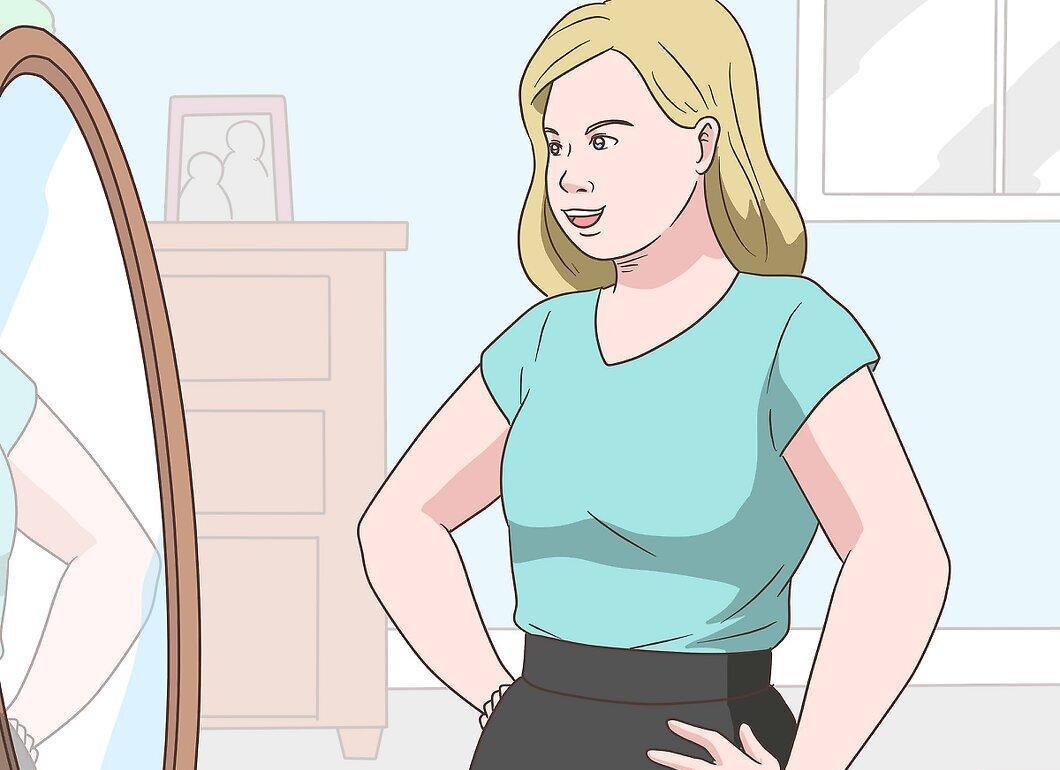
Understand that you are beautiful. Body image (how you see yourself and whether you consider yourself attractive) is closely tied to self-esteem. It’s important to develop a positive attitude towards your body, especially during adolescence when peer and media pressure can be significant. Work on your body image with these tips:
- Remember that your body belongs to you, and it doesn’t matter how it looks. It’s your unique vessel for life! Respect your body and appreciate its individuality.
- Understand that there are things you can change and things you can’t. Don’t fixate on what’s impossible to change. Everyone has something they dislike about their appearance.
- Set realistic goals to change what’s possible. If you want to lose weight, create a meal and exercise plan. If you’re unhappy with your hairstyle, experiment with a new style.
- Compliment yourself every day, at least three times. Say something nice and genuine to yourself.
Step 4. Develop Time Management Skills.
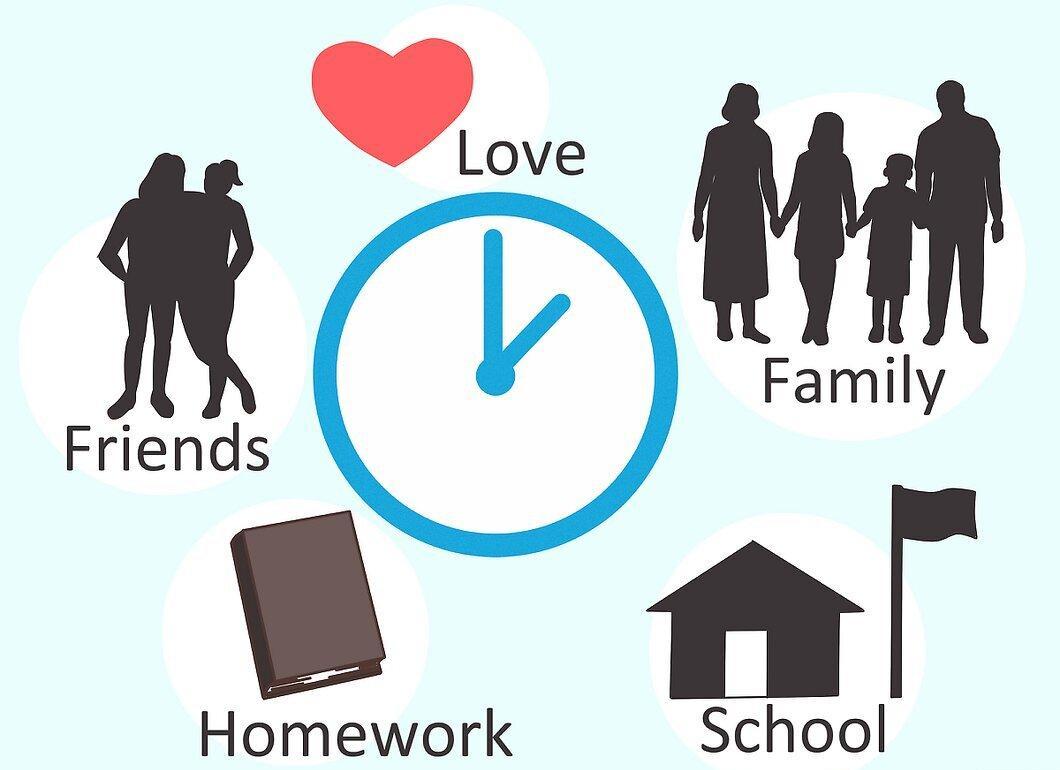
Learn to manage your time. Balancing schoolwork, homework, friends, family, and personal activities can be challenging. By creating a time management system, you can complete all important tasks and avoid burnout. Try these ideas:
- Make a weekly to-do list with three columns: “Must Do,” “Would Like to Do,” and “Want to Do” (for relaxation).
- Use calendar notes on your phone or Google Calendar to always have access to your schedule.
- Break larger tasks into smaller ones. For example, instead of cleaning the entire house, break it down into cleaning the bathroom, tidying your room, and doing the dishes.
- Prepare for the next day in advance. Otherwise, in the morning, you’ll rush and likely forget something.
- Keep things organized so that each item has its place. This will help avoid losing them.
- Analyze how much time you spend on various tasks and compare it to your plan. Use time tracking apps, like 30/30.
Step 5. Manage Stress
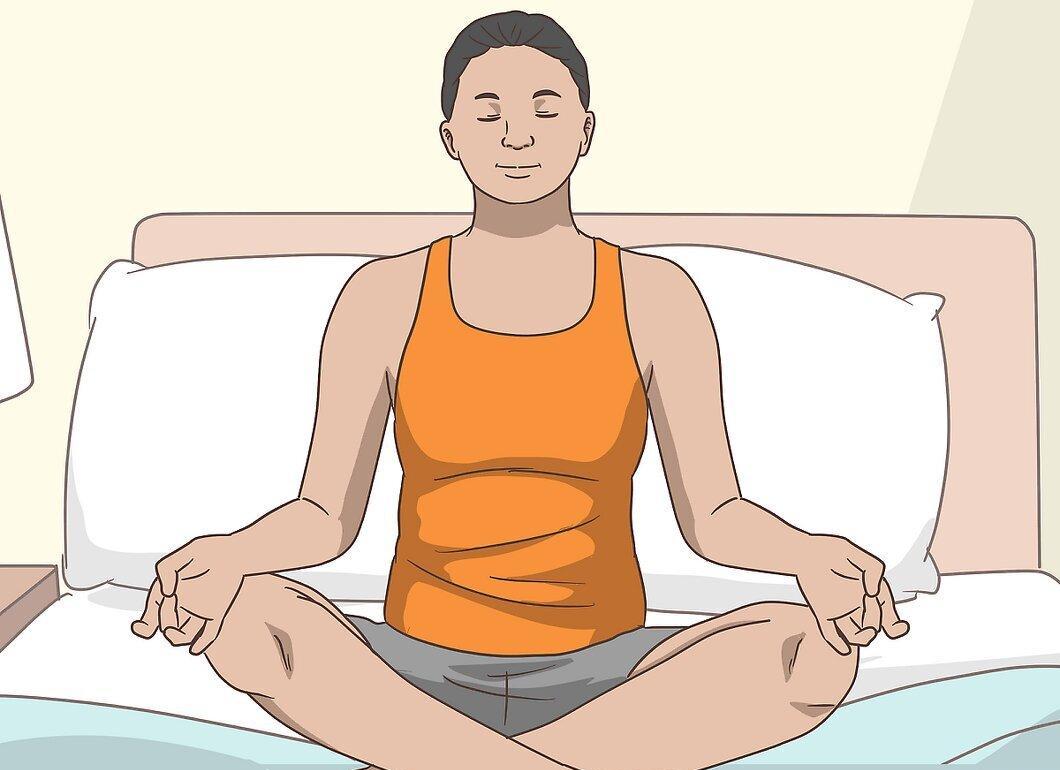
Manage your stress levels. If you’re feeling irritable, exhausted, depressed, or guilty, you may be experiencing stress. Signs of stress can include headaches, stomach issues, poor sleep, and negative thoughts. To reduce your stress, try the following:
- Make a list of things that cause you anxiety. Divide them into controllable and uncontrollable. Accept what you cannot change.
- Make changes in your life where possible. If you’re busy, drop less important tasks.
- Say “no” to things you don’t need or don’t have time for. You’re not obligated to help others if it harms your well-being.
- Talk to someone you trust, including friends, family, or a counselor. Journaling can also help release built-up emotions.
- Try relaxation techniques, massage, or yoga. While there’s limited scientific data on how teens use alternative medicine, many find it beneficial.[32] X Source
Step 6. Have a Healthy Understanding of Weight.
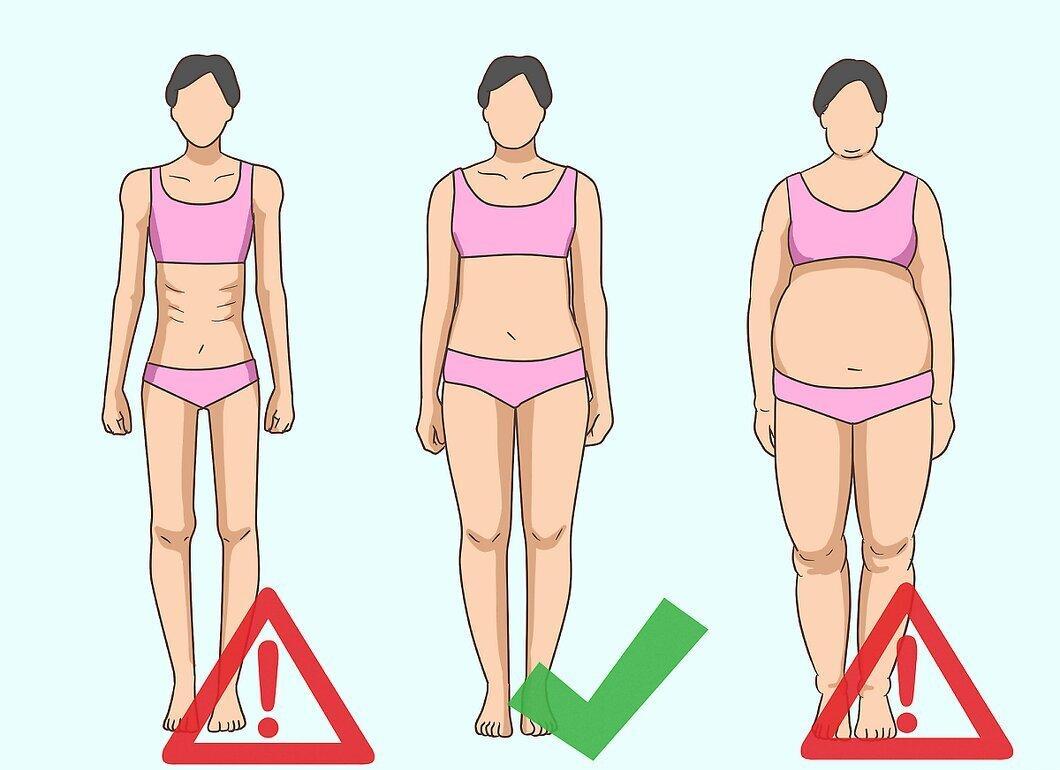
Understanding your weight should be healthy. “Healthy” doesn’t always mean “thin.” Obesity is a concern in many countries, but being underweight and malnutrition can also negatively impact health. Many teens struggle with eating disorders like bulimia and anorexia, while others adopt unhealthy habits, such as excessive exercise to lose weight. If you experience body image issues, seek help.
- Do you avoid food even when you’re hungry out of fear of gaining weight? Do you induce vomiting after eating, take laxatives, or exercise excessively? Have you stopped having periods due to extreme weight loss? Eating disorders require professional help. Teens with these disorders have a higher risk of health issues and may face serious consequences.[35] X Source
- Get support by talking to a doctor, family members, friends, or a school counselor. People who care about you can help you get the support and treatment you need. Learn about the symptoms and seek support from loved ones.[36] X Source
Step 7. Seek Help if Needed.
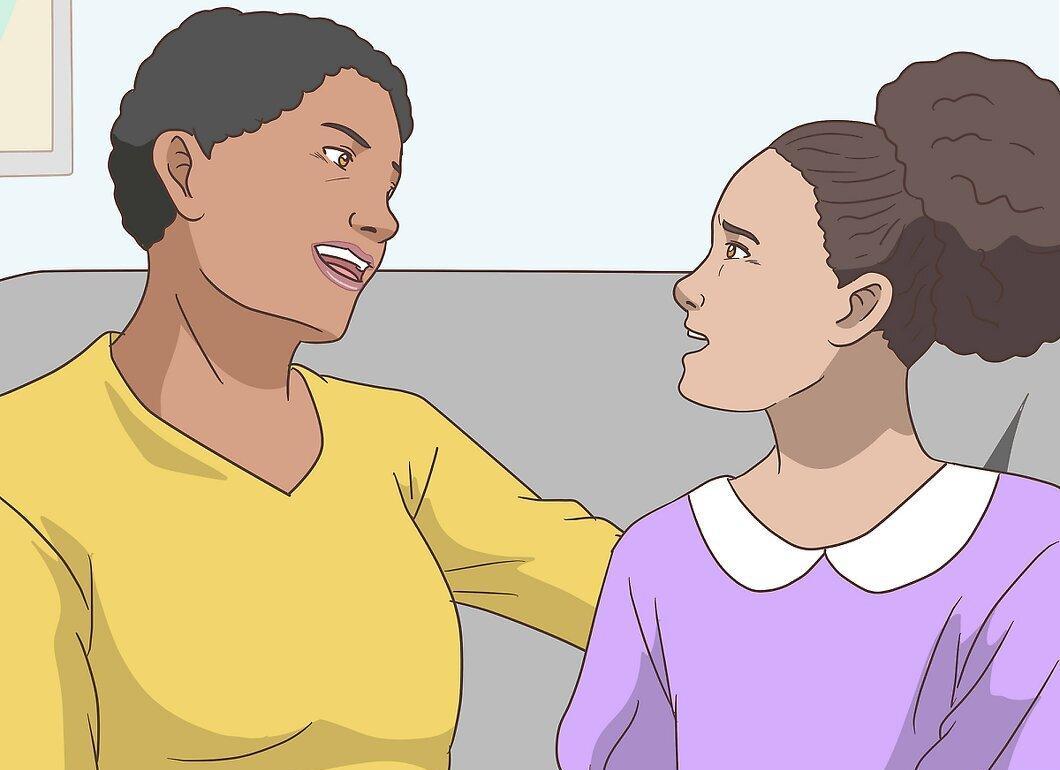
Don’t hesitate to ask for help. Teens often face depression, anxiety, bullying, and other issues. Family troubles, physical or sexual violence, and mental health problems can lead to thoughts of self-harm or suicide. You are not alone, and things can change!
- If you think about harming yourself, immediately talk to someone you trust.
- If you are in Russia, call the children’s helpline at 8 800 333-44-34 anytime.
- Look for information on teen mental health online. Understanding your feelings and communicating with a doctor can significantly help.
Maintain Healthy Social Interactions During Adolescence
Step 1. Avoid Alcohol.
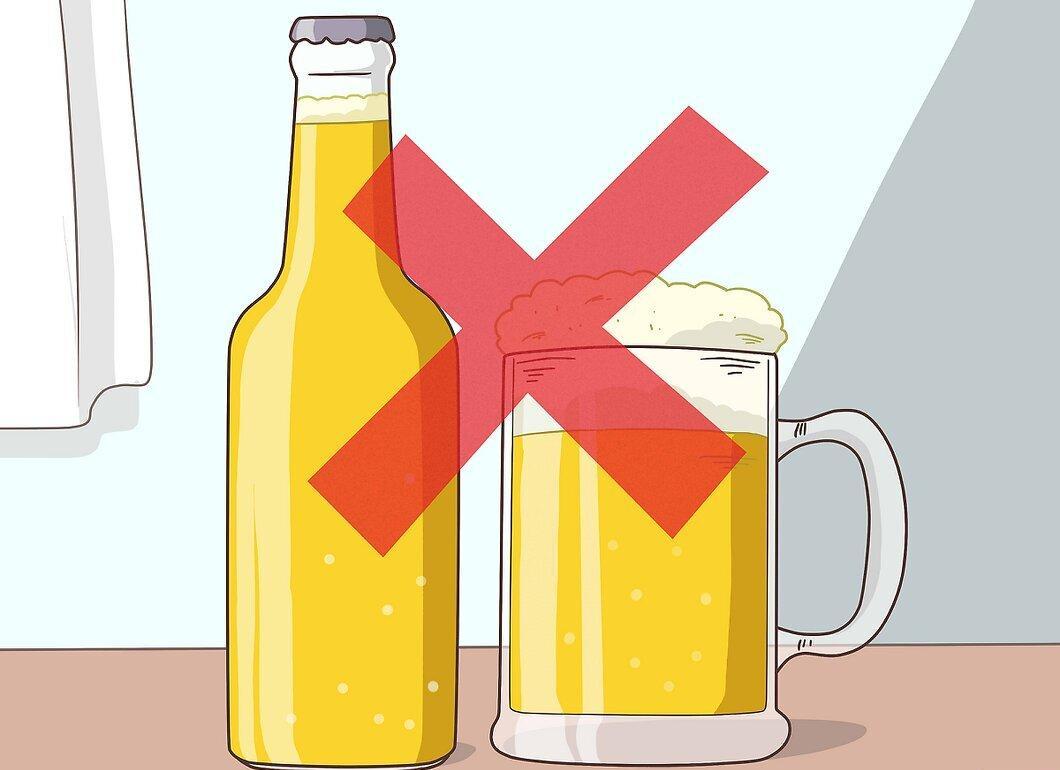
Say no to alcohol. Drinking during adolescence can slow brain development. Studies show that excessive drinking now can negatively affect your health and well-being in the future. Don’t drink alcohol before age 18 (for light drinks) or 21 (for strong drinks) to allow your brain to develop fully!
- NEVER drive drunk or get in a car with someone who has been drinking. If you’ve consumed alcohol, get home with a sober person or call a sober friend or parent to pick you up. Uber and Gett are also great options.
Step 2. Don’t Use Drugs.
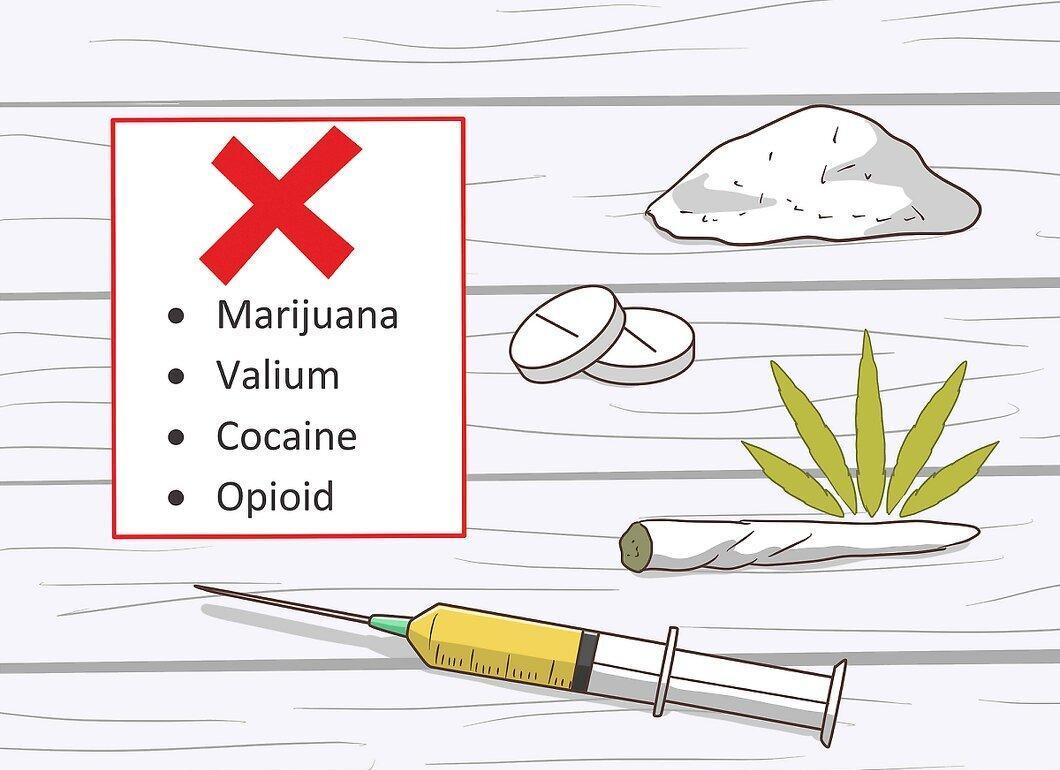
Don’t try drugs. They negatively affect your health and consciousness. Marijuana impairs memory and concentration. Sedatives like diazepam can cause respiratory failure. Stimulants like cocaine stress the heart and may lead to paranoia. Opioids, including heroin and prescription painkillers, can lead to addiction and serious problems. Drugs may seem tempting, but they’re not worth the legal, physical, and psychological risks.
Step 3. Don’t Smoke.
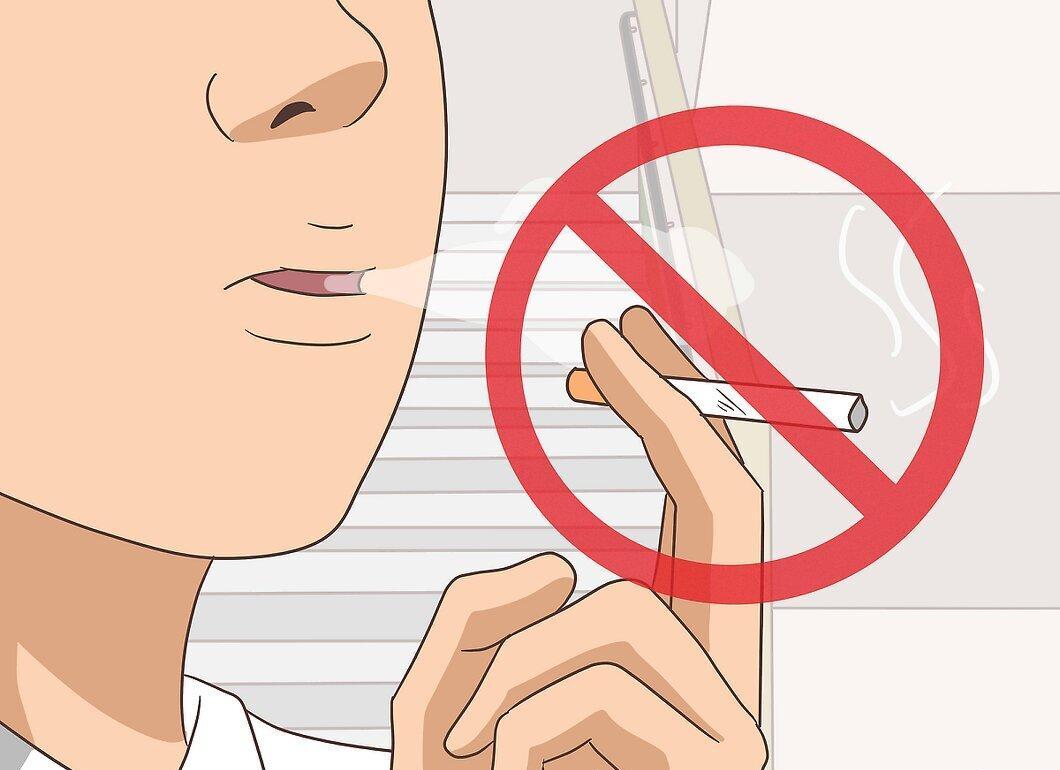
Avoid smoking. Smoking is highly addictive, so if you don’t smoke, don’t start. It carries more health risks than any other drug, and if you start, it will be hard to quit. Smoking is harmful to your health, even if you’re physically fit. It increases the risk of asthma and lung infections, reduces endurance in sports, damages teeth, causes bad breath, and leaves a smell on clothes.
- Soon after you quit smoking, you’ll notice improvements: your taste and smell senses will enhance, and breathing will become easier within just a few days.[43] X Reliable source National Health Service (UK)
Step 4. Be Careful Online.
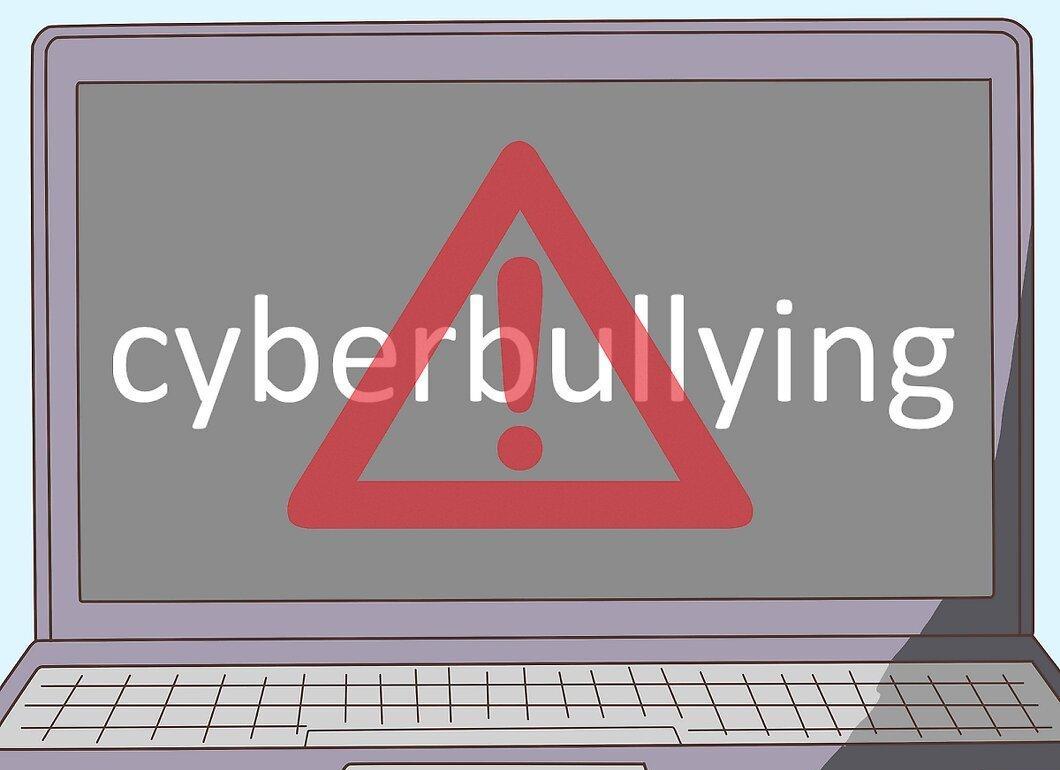
Use the internet cautiously. Modern technology allows you to connect with friends and gather information, but it also comes with risks. Cyberbullying affects many young people. Remember that everything you post online stays there forever.
- Never share personal information, such as your address, passport number, or personal details. Malicious actors can easily deceive you if they know too much about you.
- Avoid posting photos of yourself engaging in illegal activities or anything that you wouldn’t want your parents or future employers to see.
Step 5. Report Bullying.
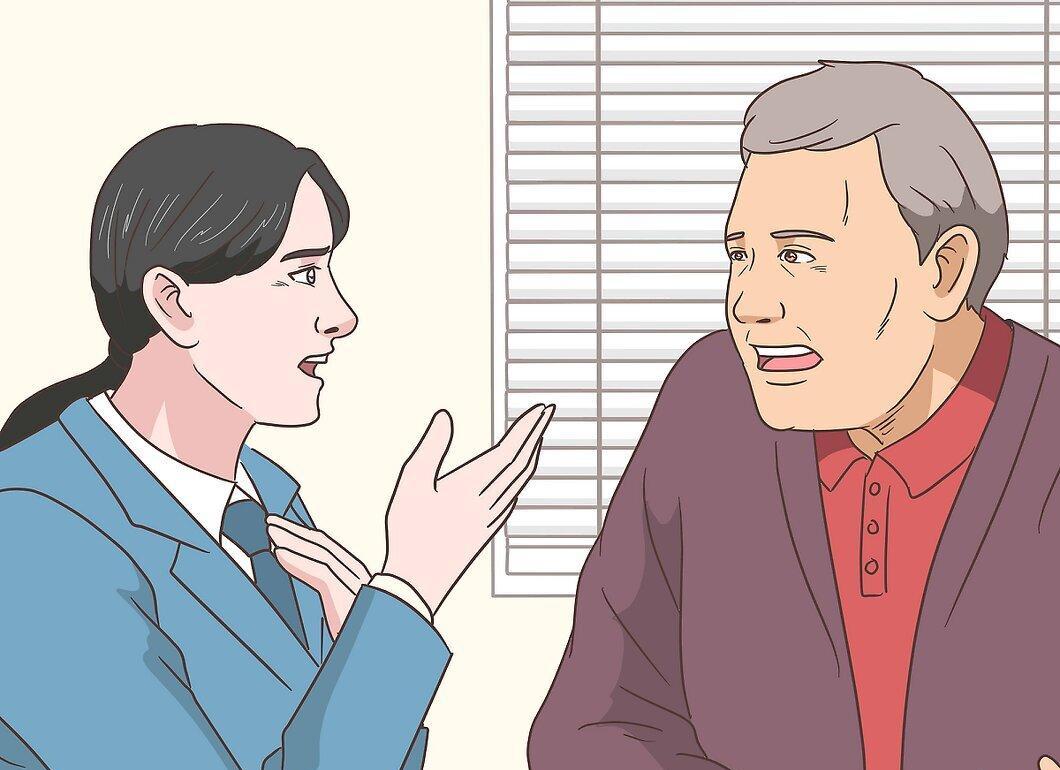
Don’t stay silent about bullying. Bullying can happen in real life and online. If you become a victim of bullying, don’t hesitate to report it. Some teens feel intense pressure and begin to harm themselves or others. This is unacceptable. Tell your parents or a teacher if someone:
- Spreads rumors about you;
- Threatens you physically;
- Calls you names or teases you;
- Makes derogatory comments about your gender, race, religion, or physical attributes;
- Calls, texts, or stalks you after you’ve already asked them to stop (this is harassment, and you can report it to the police).
Step 6. Be Informed About Sex.
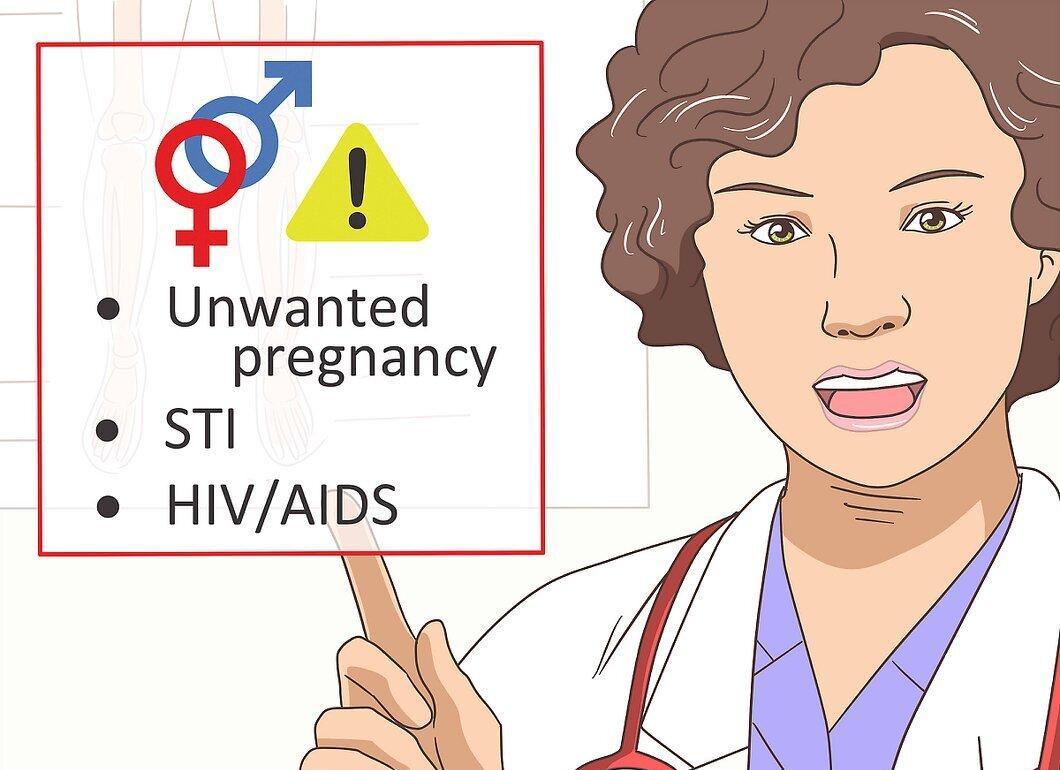
Seek accurate information about sex. Have an open conversation with your parents, doctor, or another trusted adult. Don’t believe everything your friends say about sex, as the information may be distorted. Get verified information before making decisions.
- Sex can lead to unintended pregnancies and sexually transmitted infections (STIs), including gonorrhea, chlamydia, hepatitis B, herpes, HPV, syphilis, and HIV/AIDS.[47] X Reliable source HealthyChildren.org Some infections can be treated, while others, like herpes, HPV, and HIV, remain for life. HPV can cause cervical cancer, and HIV/AIDS shortens lifespan.
- Consider your feelings about sex and your personal values. Why do you want to have sex? Why do you want to wait? Reflect on your religious and cultural beliefs, self-esteem, and readiness for responsibility.
Step 7. Determine Your Readiness for Sex.
Understanding when you are ready for sex is personal. Some want to wait until adulthood or marriage, while others feel comfortable at a certain stage in a relationship. No one should pressure you into having sex. Additionally, don’t have sex just because others are doing it. Here are signs that may help you understand your readiness:
- You and your partner trust each other and can be honest.
- You feel comfortable discussing feelings and risks associated with sex, including STIs.
- You are both informed about sex and know how to prevent pregnancy and STIs with contraception.
- You respect each other's wishes and are willing to wait until both are ready for sex.
Step 8. Don’t Succumb to Peer Pressure.
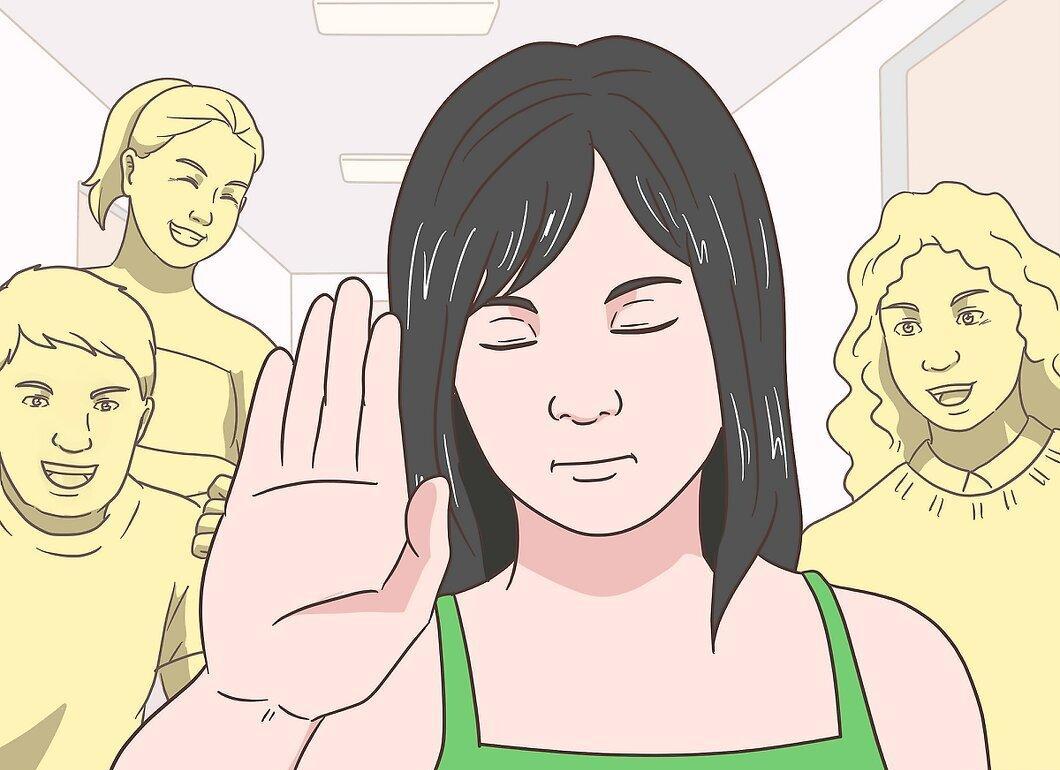
Don’t let others pressure you. No one has the right to force you to have sex, drink alcohol, do drugs, or engage in illegal activities. If someone pressures you, here are some responses:
- Everyone does it!: “I don’t care; I’m not everyone!”
- If you love me, you’ll sleep with me: “If you love me, you won’t force me to do something I don’t want to.”
- If you don’t have sex with me, I’ll break up with you: “If being your girlfriend means sleeping with you, then I don’t want to be your girlfriend.”
Step 9. If You Decide to Have Sex, Do It Safely.
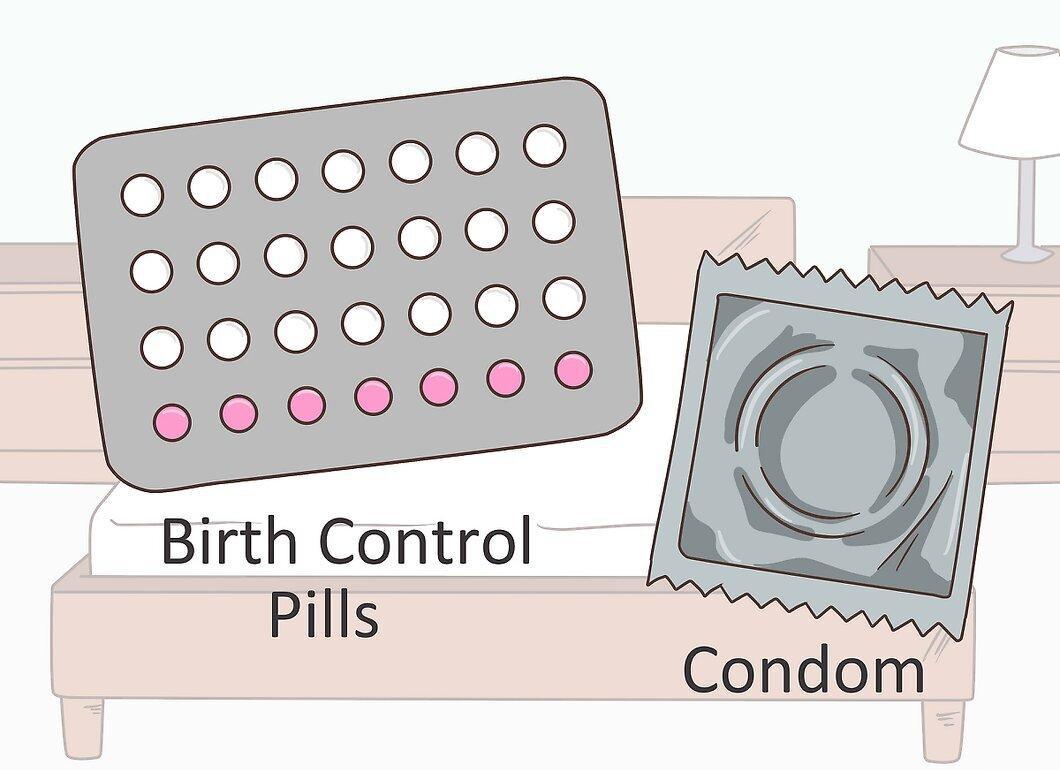
If you choose to have sex, follow safety rules. The only way to 100% avoid pregnancy and STIs is to abstain from sex. However, if you decide to engage in sex, minimize risks by using contraception and barrier methods. There are many forms of contraception: birth control pills, IUDs, hormonal rings, patches, and injections. The best way to choose protection is to consult a gynecologist. Remember that these methods do not protect against STIs. Use a new condom each time you have sex, and use a new condom during a single encounter if switching between vaginal, anal, and oral sex.