You might think that heroes only exist on comic book pages, in TV shows, and movies, but in everyday life, many people exhibit heroism and perform selfless acts. These include dedicated police officers, paramedics, and firefighters who risk their lives daily to help others, including strangers they’ve never met before danger strikes. While not everyone can do this, there are many other ways in which many of us can become heroes or perform heroic acts that everyone is capable of.
Part 1
Step 1. Determine if you are truly ready to change.
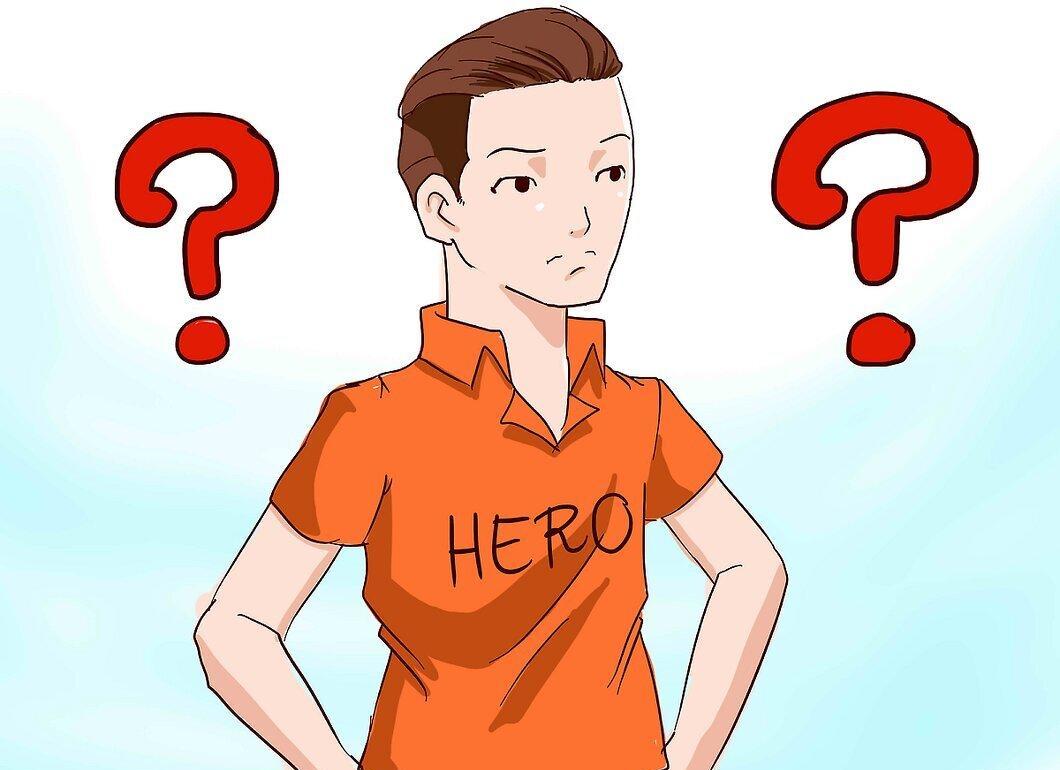
Decide if you are truly prepared to make a change. Being a hero can be dangerous and may even threaten your life.
Step 2. Never try to be a hero for your own gain.
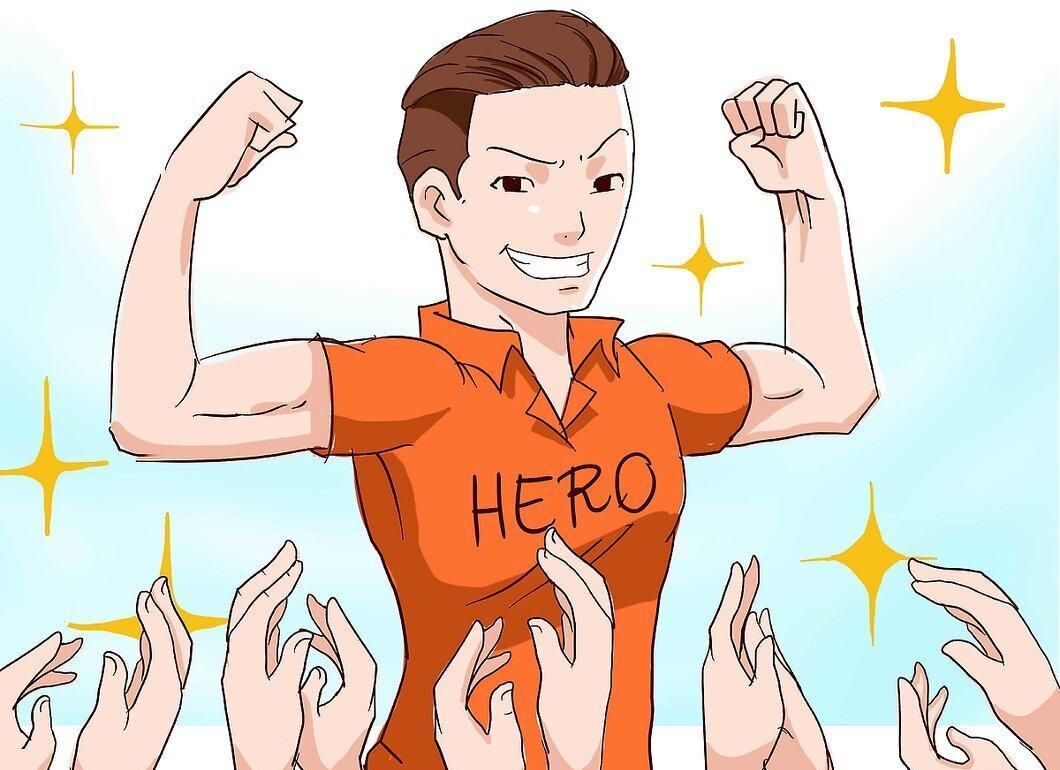
Never try to be a hero for your own benefit. Don’t seek glory or become a hero just because you want to be one. Do it because you feel it’s the right thing to do.
Step 3. Often, simply being a good example by doing the right thing is enough to become a hero.
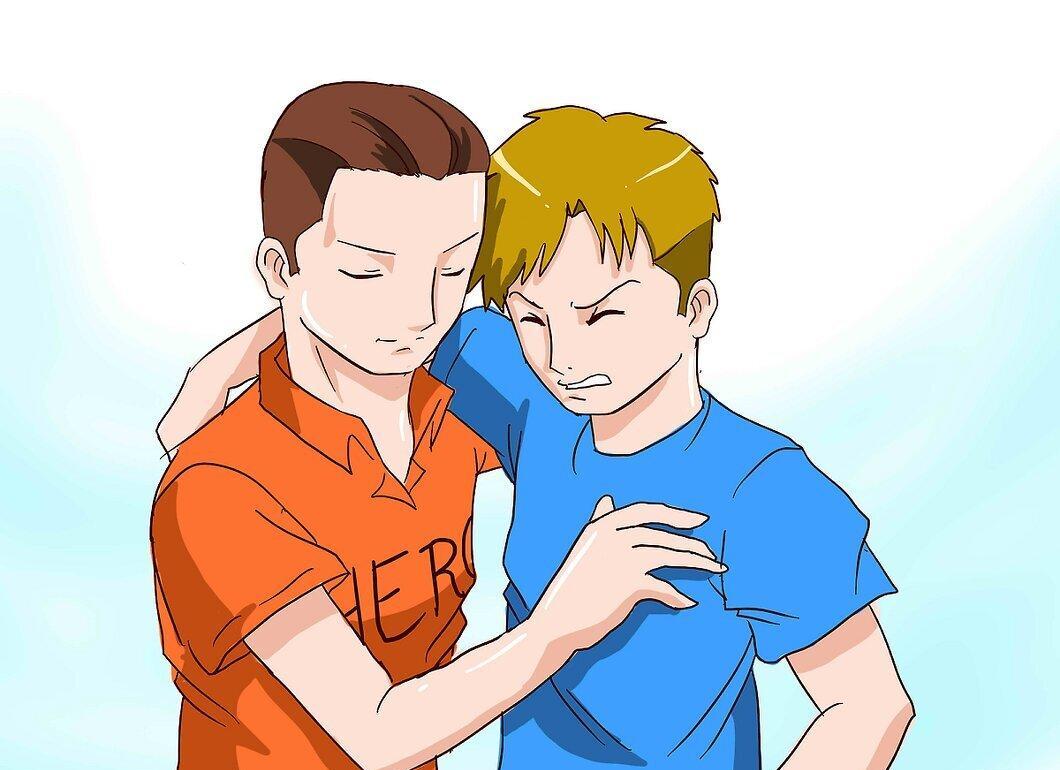
Often, simply being a good example by doing the right thing is enough to become a hero. This can be as simple as helping people when they need it, correcting them when they make mistakes, or assisting them with a wound or calling for help when they are unwell.
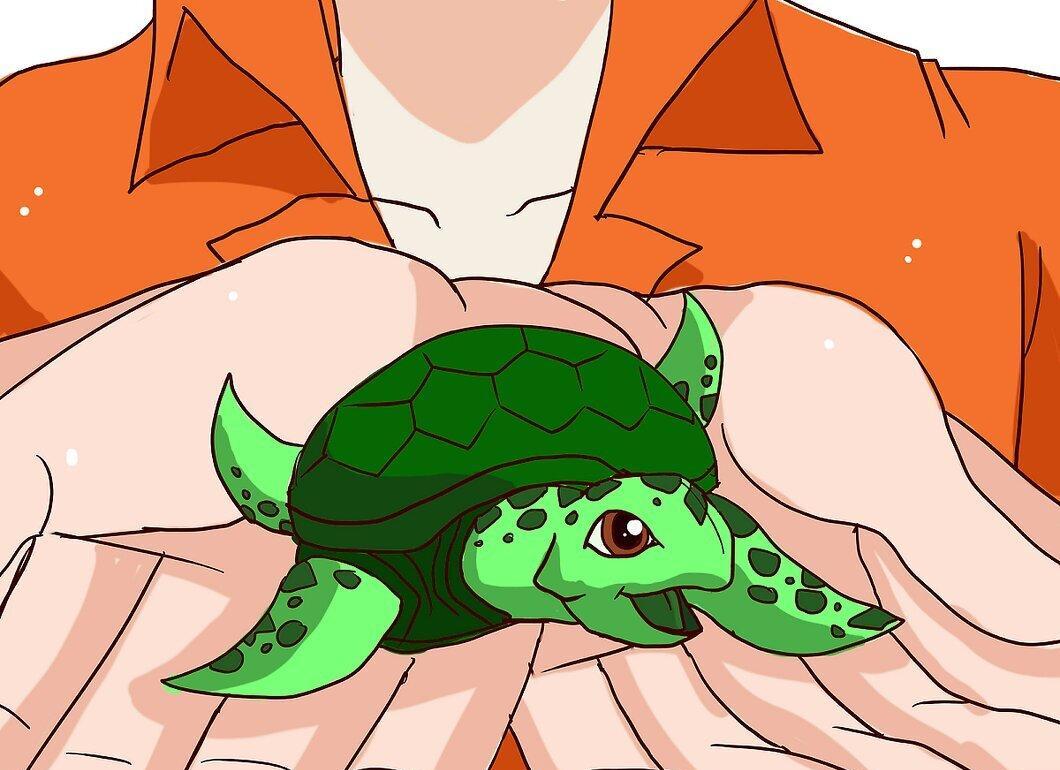
Step 4. You must remember that every life matters.
Step 5. If you witness an accident, do not put yourself at risk.
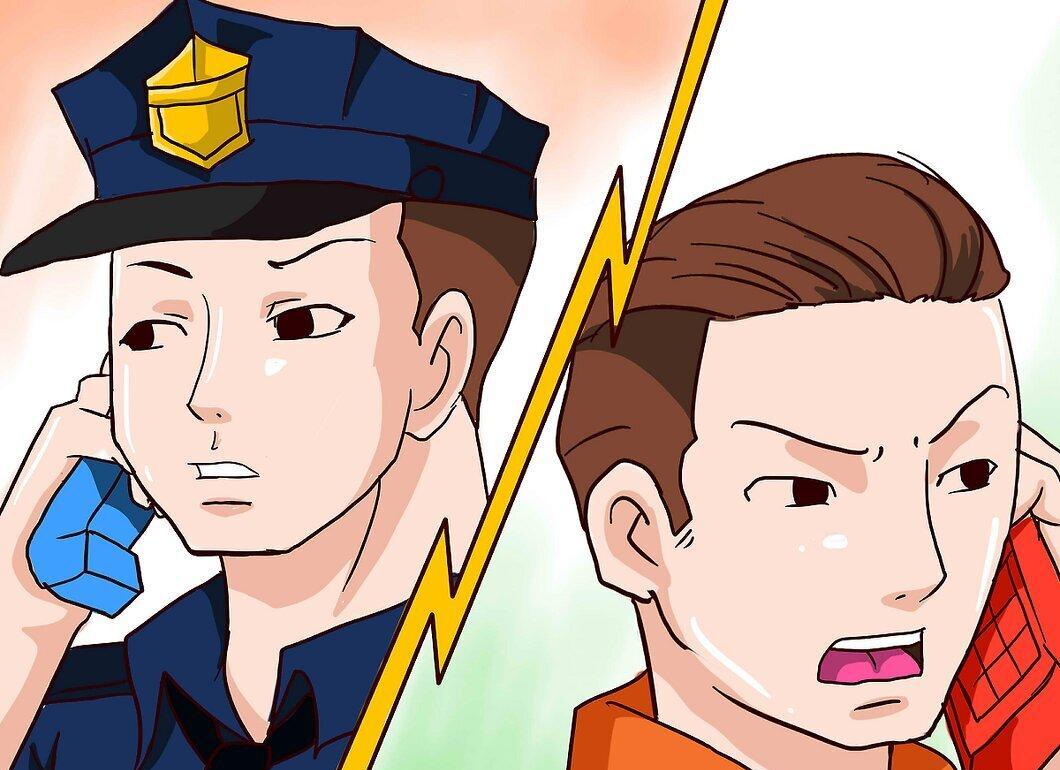
If you witness an accident, do not put yourself at risk. Sometimes there are safe ways to address problems that can also be heroic. Good examples include:
- Calling the police if you see a store being robbed, taking note of as many details as possible from a distance so you can report what you saw.
- Noticing people who are injured, such as those with severe burns, broken limbs, or anything else that prevents them from getting medical help on their own, and assisting them.
Step 6. If a situation arises that requires medical help, take responsibility for it until medical professionals arrive.
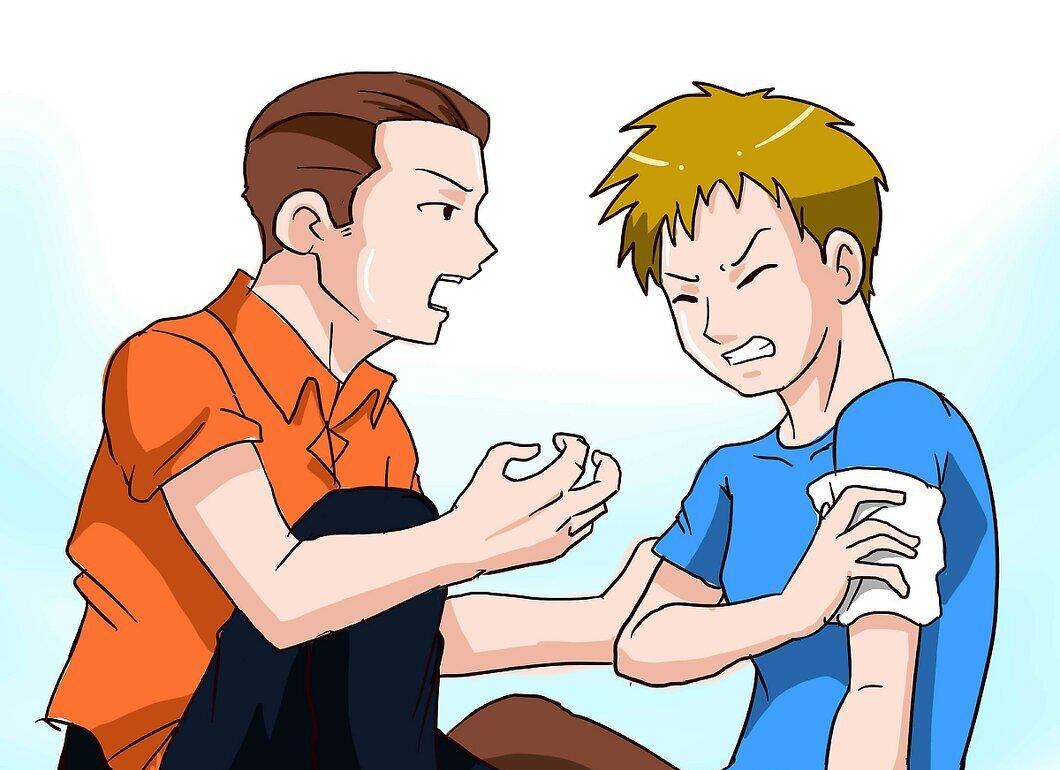
If a situation arises that requires medical help, take responsibility for it until medical professionals arrive. If you’ve never dealt with something like this in public, you don’t need to have extensive medical knowledge. You mostly just need to act heroically; if possible, take control of the situation and guide people on what to do until real help arrives. During this time, you might even save someone’s life if they are injured.
Step 7. You need to know your limits and when to act.
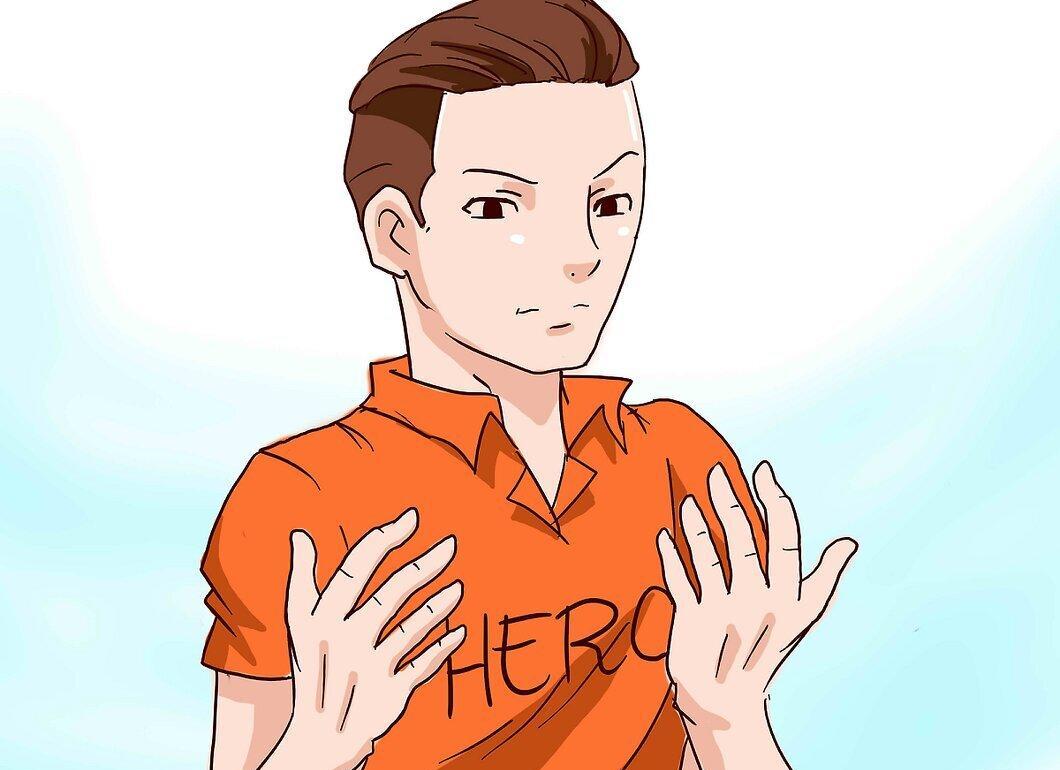
You need to know your limits and when action is necessary. Sometimes, you just need to think about whether it’s truly time to act. If someone has pointed a gun at you, for example, don’t risk the lives of others by trying to wrest the gun away from them. They may shoot you or others nearby. If you are not in good physical health, the chances of someone getting harmed are even greater.
Step 8. Stay active and maintain your health.
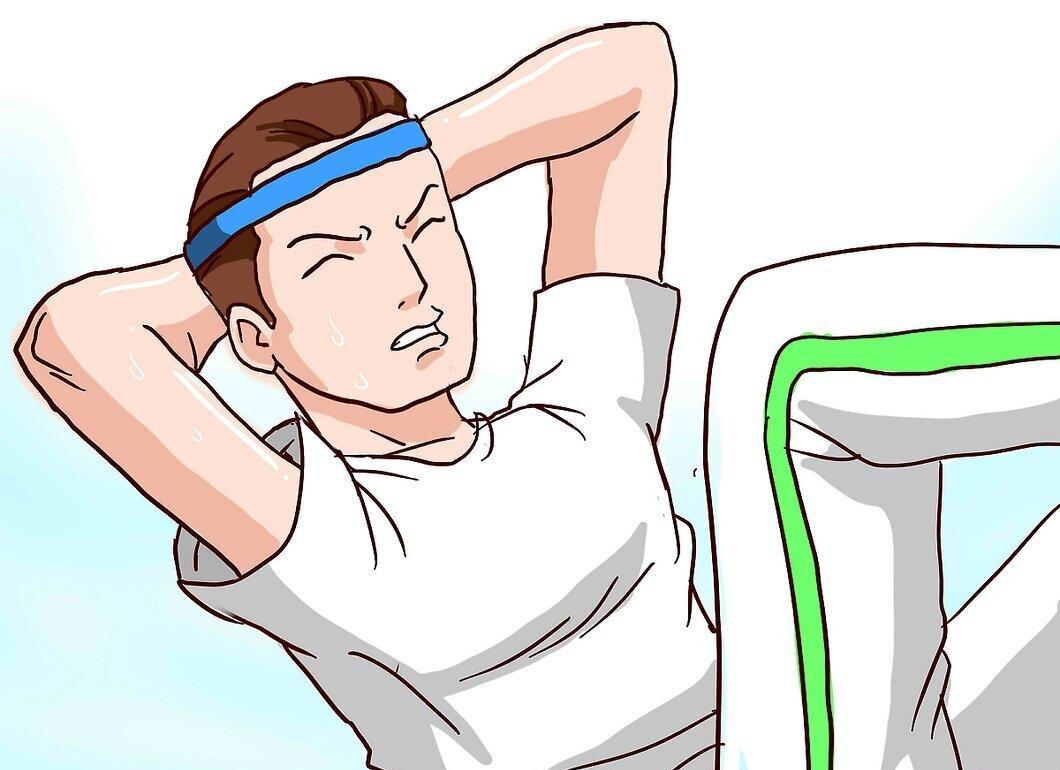
Stay active and maintain your health. If you want people to look up to you, it can often encourage them to do the same. Additionally, good health will help you stay fit and increase your chances of helping others more effectively.
Step 9. In many cases, being a hero or performing selfless heroic acts does not mean harming yourself or risking your life or the lives of others.
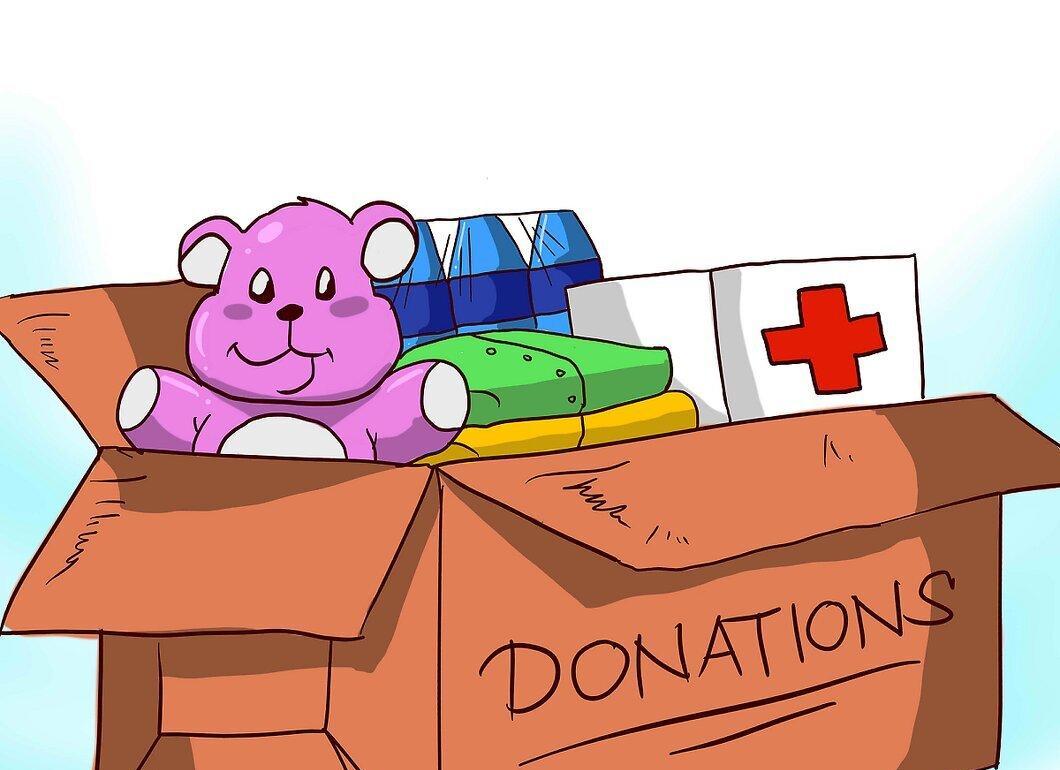
In many cases, being a hero or performing selfless heroic acts does not mean harming yourself or risking your life or the lives of others. Often, helping people when they need it and they don’t ask you to, or volunteering at a nursing home or similar places, or being a good role model by putting others’ needs above your own—this is selflessness. But don’t do it for the sake of gratitude. Good examples of such activities can include:
- Volunteering at a nursing home.
- Working at homeless shelters during Christmas or in your free time.
- Assisting individuals with mental or physical disabilities.
- If you can’t afford to volunteer, donate something to groups that help starving children or families in other countries who are much less fortunate, and perhaps you’ll give them a chance for a brighter future.
Step 10. Take self-defense or martial arts classes.
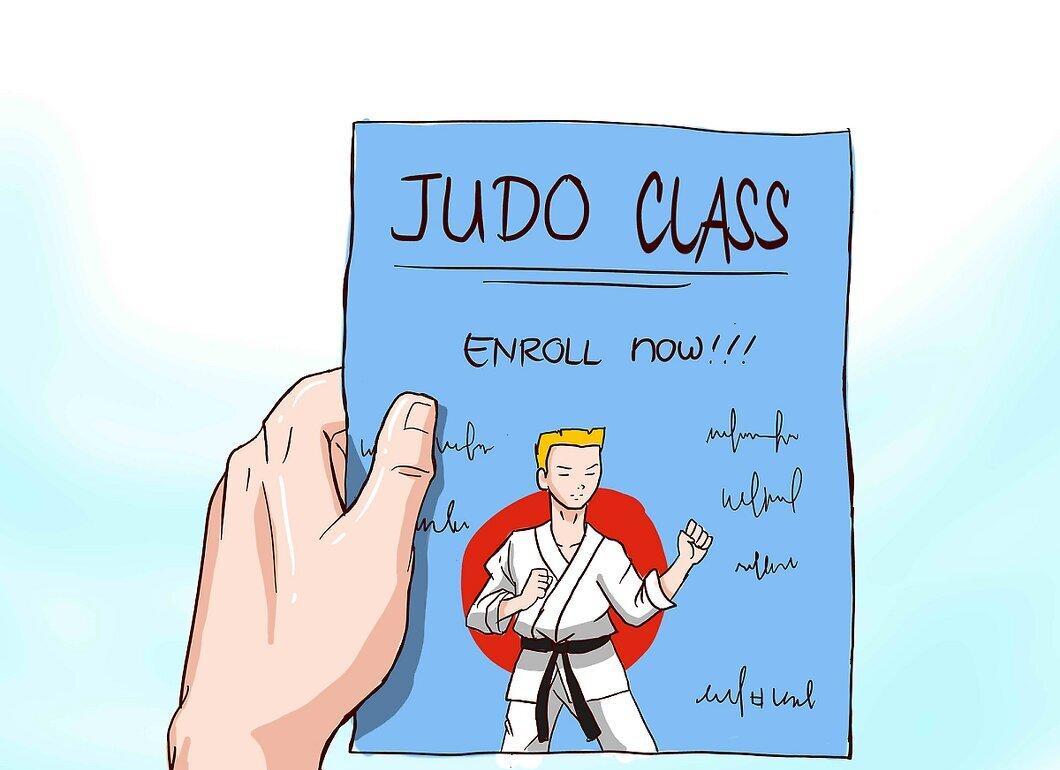
Take self-defense or martial arts classes. It’s very beneficial to know how to protect yourself and others because when the time comes to do so, you should act quickly and safely. But use this knowledge only as a last resort; do not use it in an attempt to heroically save others, as it could lead to accidents.
Step 11. It’s commendable to risk or sacrifice your life for others, but you must know WHEN and HOW to act.
It’s commendable to risk or sacrifice your life for others, but you must know WHEN and HOW to act. Because if you try to save someone at the wrong time or don’t know what to do, it could lead to negative consequences.
Step 12. Don’t be afraid to ask for help.
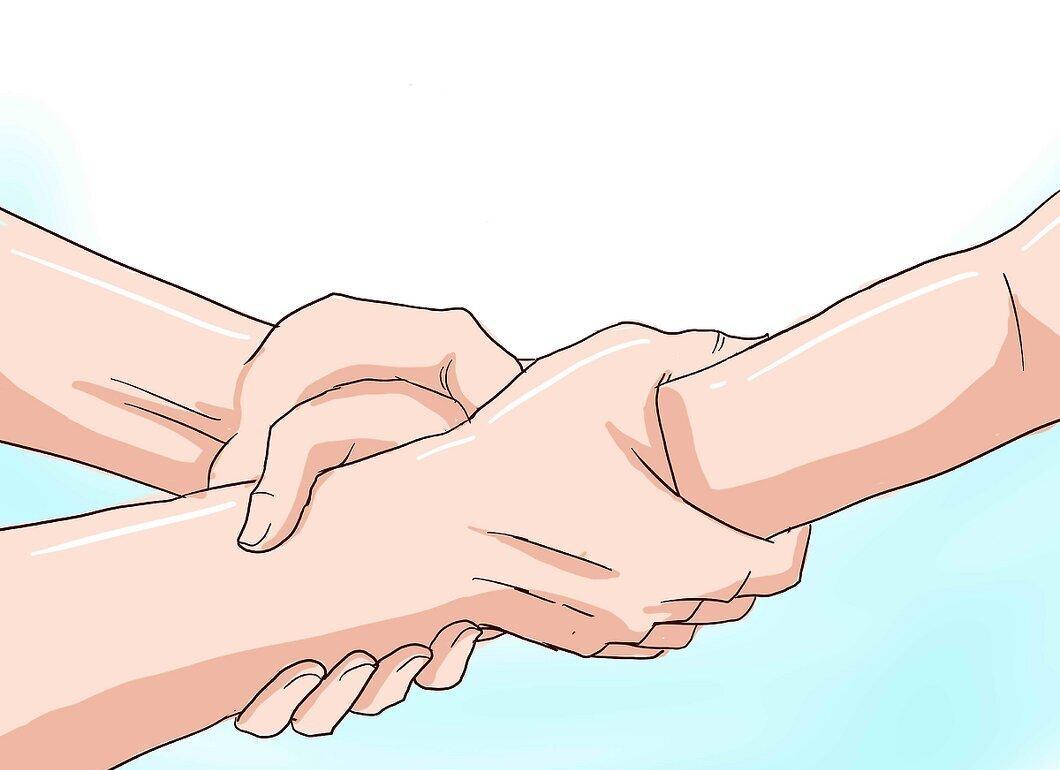
Don’t be afraid to ask for help. Sometimes everyone who tries to help others needs help, and you won’t seem any less heroic for it. In fact, sometimes asking for help is exactly what needs to be done.
Step 13. Remember that being a good citizen and being a hero are not everything.
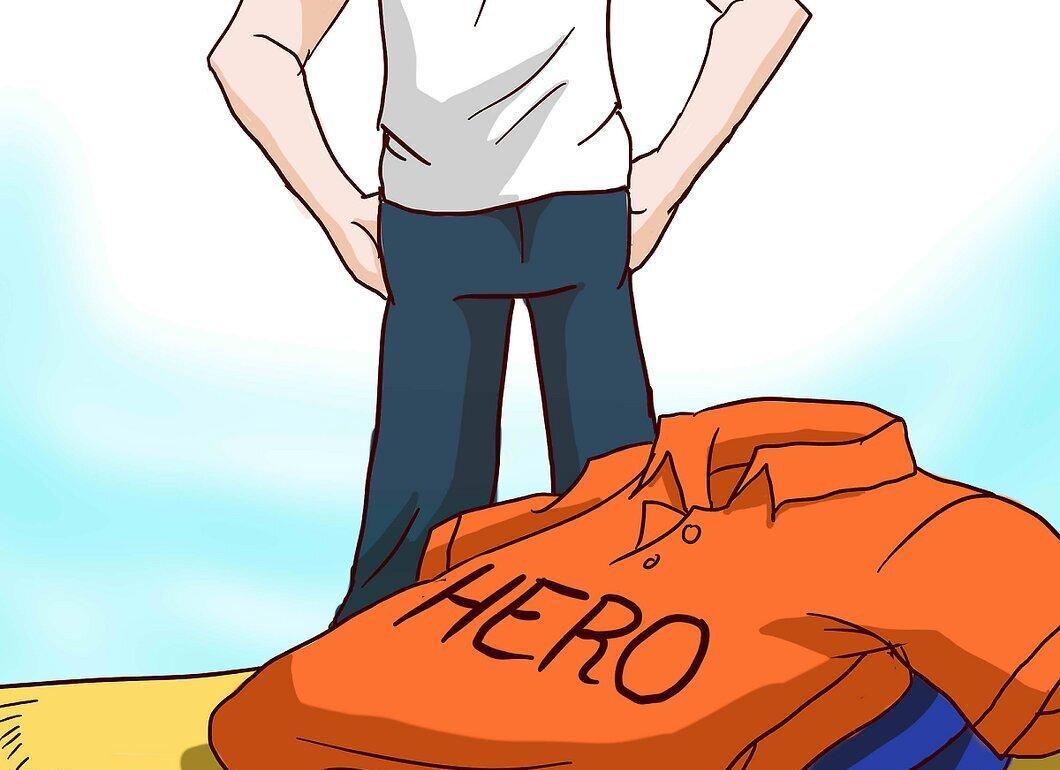
Remember that being a good citizen and being a hero are not everything. In rare cases, you can be more selfish with your personal time, but you can easily go too far, so be cautious.