
There's no one-size-fits-all recipe for normalcy as a teenager. It all depends on your interests, preferences, and biases. All teenagers experience a vast range of emotions and impressions: they join different social groups or avoid them, feel alienated from their peers or, conversely, engaged, swinging between joy and sadness, all while dealing with the physical changes that come with growing up. You may fervently wish to be accepted by a group of peers who are roughly the same age and share similar interests. Even those teens who behave like outsiders and emphasize their strangeness still have like-minded friends. It's perfectly normal to feel like something is off with you. We all want to be part of something, but this doesn't mean you have to become a mindless robot with an overwhelming urge for conformity. Embrace all your inner quirks and be your true self. That’s okay. Read the first step for more details.
How to Act Normal
Step 1. Spend time with people who engage in positive activities that you would like to try.
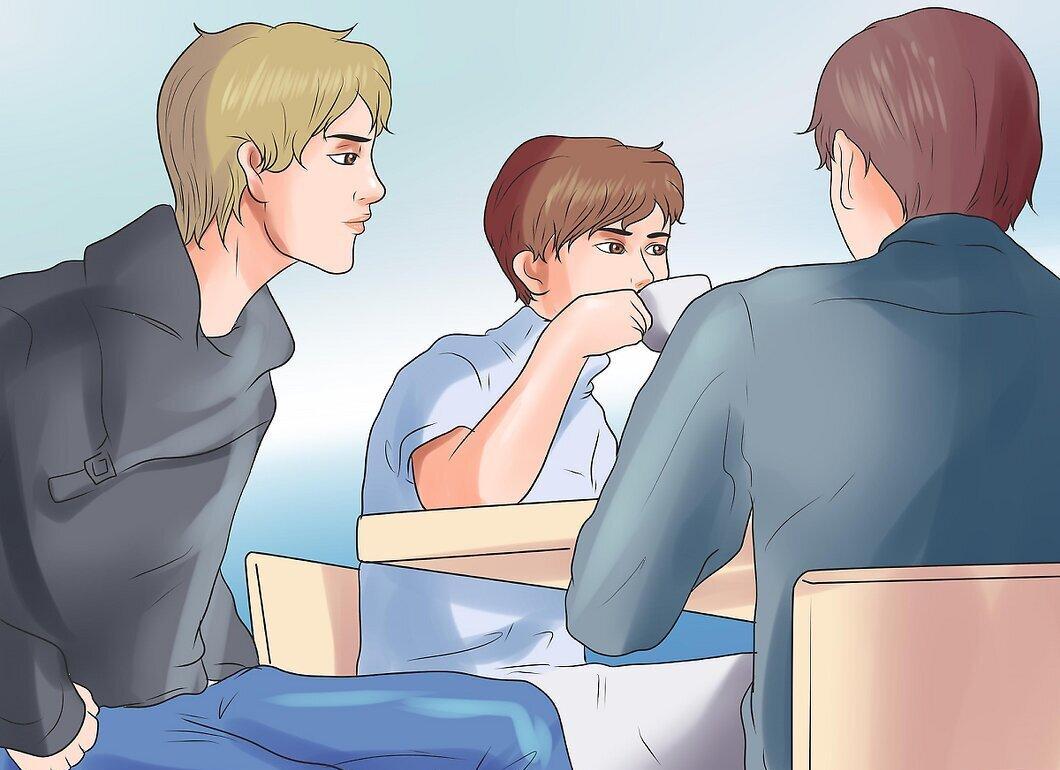
Spend time with people who engage in positive activities that you would like to try. It’s getting easier to spend too much time alone. While a little solitude can be beneficial, even loners need to go out for work, entertainment, or food. To behave in a socially acceptable manner (not too far off from existing norms), it’s important to spend time among other people, communicate with them, and learn something new. This way, you can interact with others more directly and easily integrate into different groups. Even if you are just around people in a café, restaurant, or movie theater, it can help you learn something about others and feel less isolated. The more experience you gain in socializing:
- Go to places where you’re likely to meet like-minded individuals. Do you love comics or books? Stop buying or reading them online and visit your local bookstore or comic shop. Enjoy drawing or crafting? Head to an art studio, craft store, or interest club, or visit a museum. Sign up for a class related to one of your interests and engage in conversation with those around you, as you’re all learning the same thing.
- Online friends exist only in theory. They are “real” a lot of the time, but our interactions through the internet are vastly different from real-world relationships. Try to match each hour of online communication with just as much, if not more, face-to-face interaction.
Step 2. Be happier by cutting ties with those who behave too wildly, oddly, or negatively.
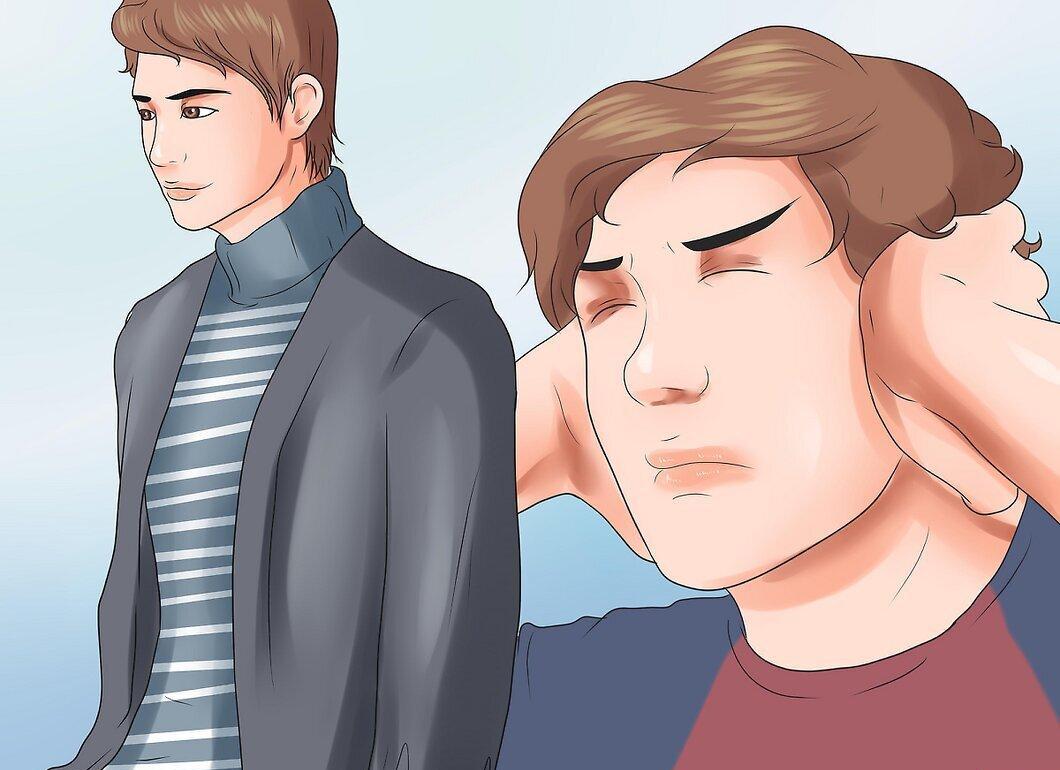
Be happier by distancing yourself from those who behave too wildly, oddly, or negatively. They can drag you down and involve you in significant trouble, leading to embarrassment and loss of reputation. Avoid getting close to or interacting with people who are filled with hate or behave destructively, sneakily, or maliciously.
- You can help people who are interested in your opinion or ask you to help them make or fix something, if you feel inclined.
- Don’t seek trouble; stay away from it.
Step 3. Pay attention to the body language of those around you.
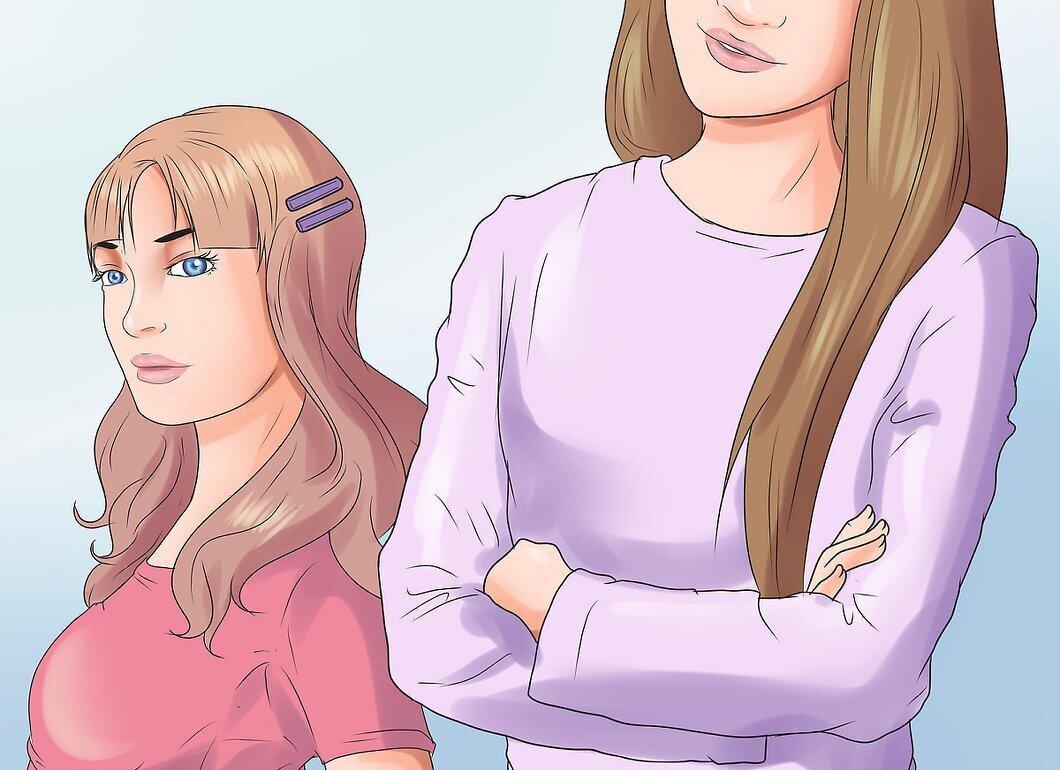
Pay attention to the body language of those around you. When you’re among people, watch for the cues they send through their body language. This will help you understand what is perceived as normal in that situation.
- Mirror the behavior of those around you if you’re comfortable doing so. If you’re in a library where everyone looks quiet and studious, engrossed in their work, it’s probably not the best time to start acting out or cracking loud jokes. If you’re at a school dance and everyone is dancing, it’s normal to dance too, although it’s not obligatory. Both behaviors can be normal.
- If your lunch neighbor in the cafeteria is trying to make eye contact and smiles at you, it’s likely a good time to start a conversation if you feel inclined. Try to be friendly. People who are open to conversation often have open body language: shoulders back, head held high, while not being overly relaxed. Slouching may indicate tiredness, sleepiness, anger, shyness, or irritability. Crossed arms and legs can signal that someone is closed off.
- If people are standoffish or unwilling to talk to you, they may lower their heads and cross their arms. If you press them, they might feel uncomfortable. Recognize these cues and avoid starting conversations in such cases. Give them some space.
Step 4. Be a good listener and wait your turn to speak.
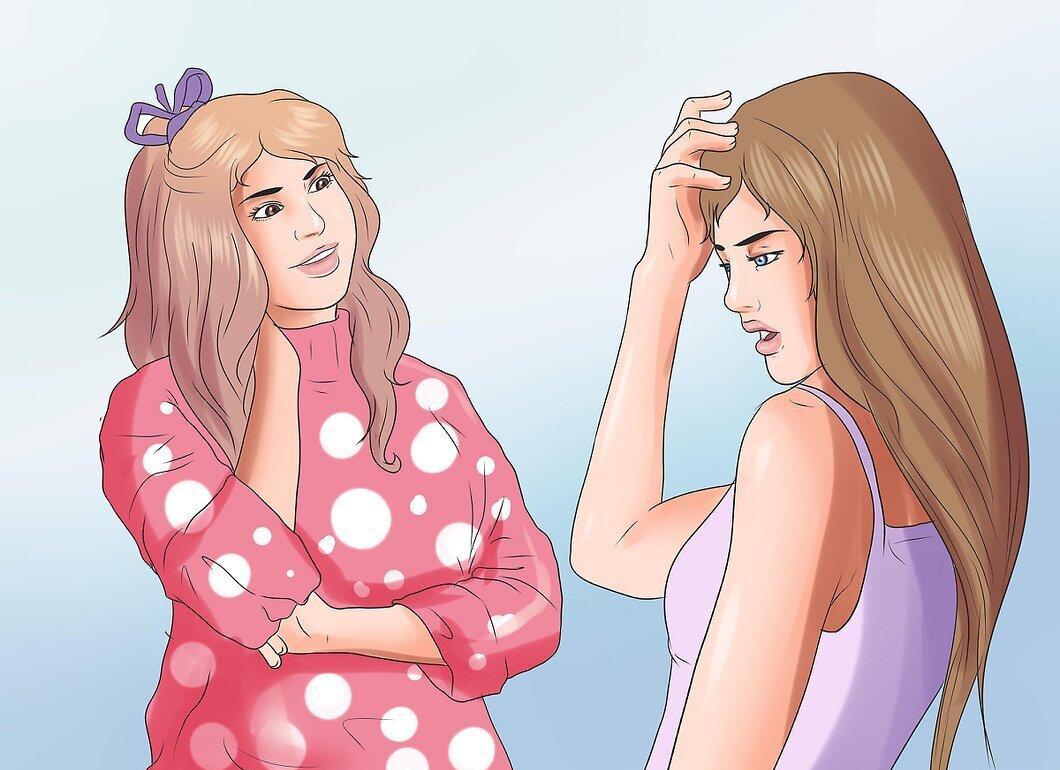
Be a good listener and wait your turn to speak. When conversing with one person or a group, try to allocate roughly equal time to listening and speaking. To be noticed, you don’t need to “hog the spotlight.” Actively listening is just as important as speaking. Look at your conversation partner, nod to show you’re truly listening to what they’re sharing.
- Stay on topic. If everyone is sharing how their weekends went, share your own if you have something to contribute. It would be quite odd to suddenly say something like, “My dad loves herring. He eats it all the time.” Don’t stray off-topic.
- Listening doesn’t mean planning what you’ll say when there’s a pause in the conversation and you can chime in. You should listen actively, giving your full attention to what your conversation partner is saying, rather than thinking about your next comment.
Step 5. Set your own norms and boundaries.
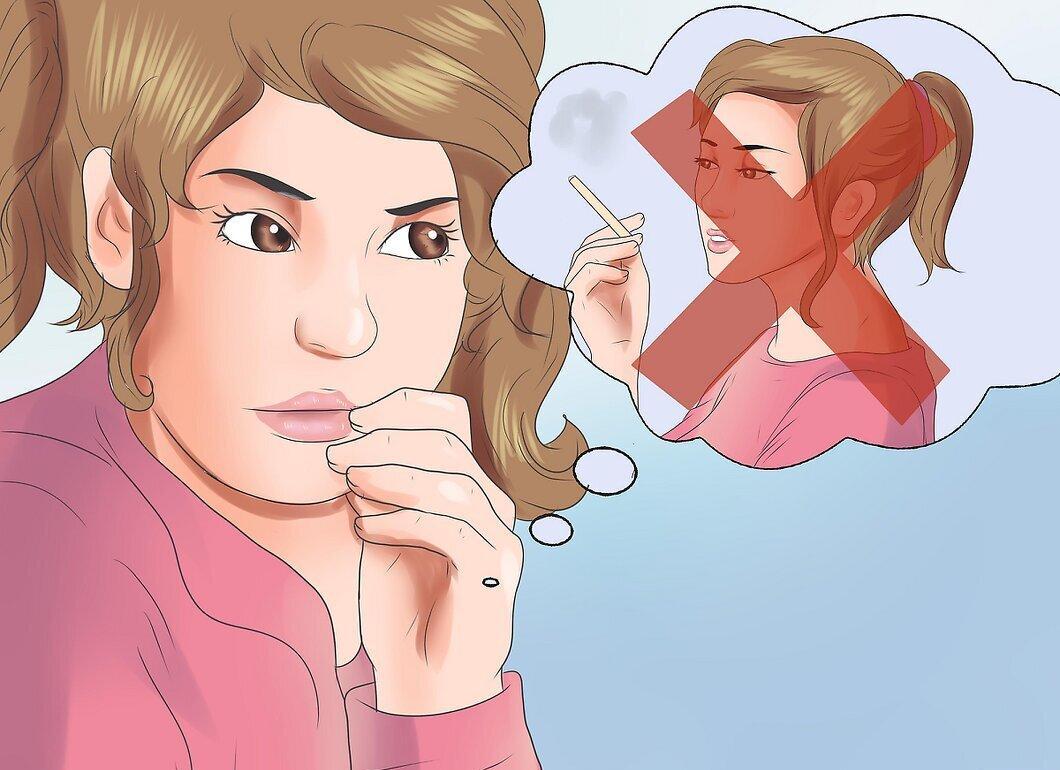
Set your own norms and boundaries. Teenagers want to be seen as individuals, mature and more experienced than their peers. This often leads to the temptation to dive headfirst into things you’re not ready for or even interested in. Smoking, drinking, experimenting with sex – many ordinary teenagers face these issues, and there’s no one right answer. You must be clear that this is your choice, and you are also responsible for the consequences. This is your life. Make your own decisions and develop your own principles of behavior.
- The desire to be accepted is normal, and risky behavior often seems like a good way to fit into a group and earn their respect. But when you compromise your beliefs, it means you stop being yourself. And then, they respect not the real you, but a false mask. You remain unnoticed.
- It’s also good to set some boundaries around openness. It’s perfectly okay to keep some thoughts to yourself. It has become too easy to showcase every little success and failure, every disappointment and joy through social media statuses. But does everyone really need to see all of that?
Step 6. Make your room your wonderful sanctuary.
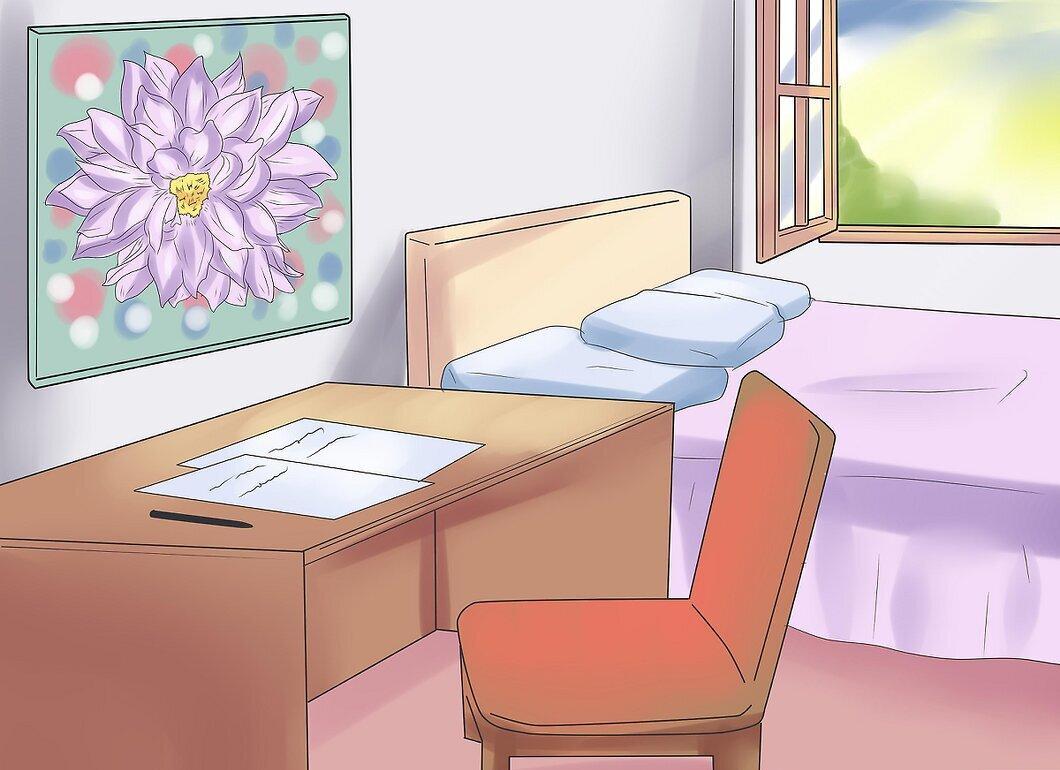
Make your room your wonderful sanctuary. There’s probably nothing more critical for a teenager than having a space that is entirely their own. Make it as unique as you are: fill it with posters or candles, records or drawings. Fill it with yourself. Paint your room any color you want and arrange it with things you like to look at. Think about how you want your ideal room to look and get permission to redecorate it.
- If you don’t have your own room, find a spot where you feel comfortable and can spend time. Take a walk in the nearest park or forest and find a beautiful log to sit on, or simply claim a table by the window in the library, or spend time at a friend’s place. Try to find an accessible spot where you can feel calm and good.
How to Look Normal
Step 1. Wear clean clothes that fit you well.

Wear clean clothes that fit you well. Generally, there’s no such thing as normal clothing: fashion changes constantly, and it can be tough to keep up with it, but two things are important: your clothes should be clean and fit you well. Wear whatever you want, as long as you feel comfortable in it, but make sure it suits your figure as much as possible.
- Skinny jeans and crop tops can also be in your wardrobe, but not because they are currently trendy or seen as normal, as that doesn’t necessarily mean they suit your body type. Wear clothes that highlight your figure’s strengths and make you feel comfortable, not those that leave you feeling insecure or too exposed.
- Don’t be afraid to dress in your own style. If you think a vintage basketball tank top and sports shorts look great, then that’s a good choice. If you feel that striped long-sleeve shirts and khaki pants look fantastic, that’s fine too. As long as the clothes you wear are clean and fit you well, you’re doing great.
Step 2. Learn something about modern fashion.
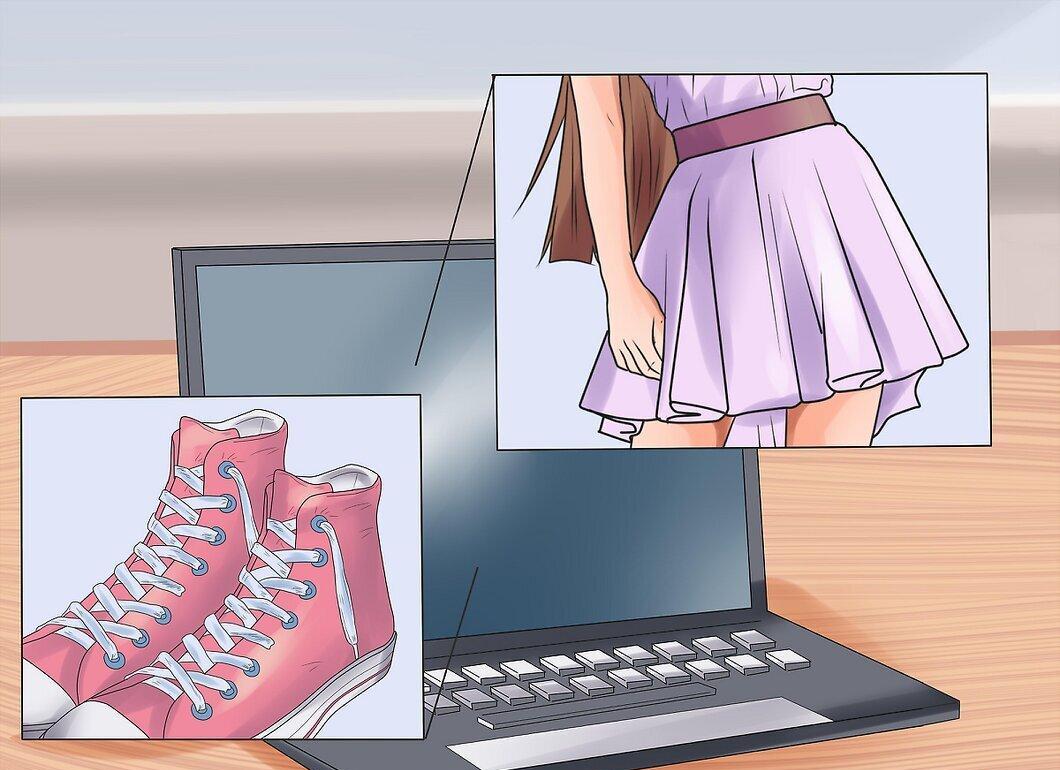
Learn something about modern fashion. It’s a good idea to pay attention to what your peers are wearing. Not to conform and wear the same things, but to have at least a basic understanding of what’s considered regular clothing these days. Also, if you decide to go in a different direction, at least you’ll know what you’re doing and won’t show up to school in striped grandpa pants and tennis shoes because you think it’s normal.
- You don’t need to shop at expensive boutiques to dress normally. Department stores and other retail outlets usually have interesting, fashionable items that you can afford. You might also try to find the newest and cleanest clothes in thrift shops or consignment stores.
- In high school, it may seem like everyone is preoccupied with getting a super-trendy item that’s usually expensive and will be forgotten in six months. For example, no one wears baggy jeans anymore.
Step 3. Groom yourself.
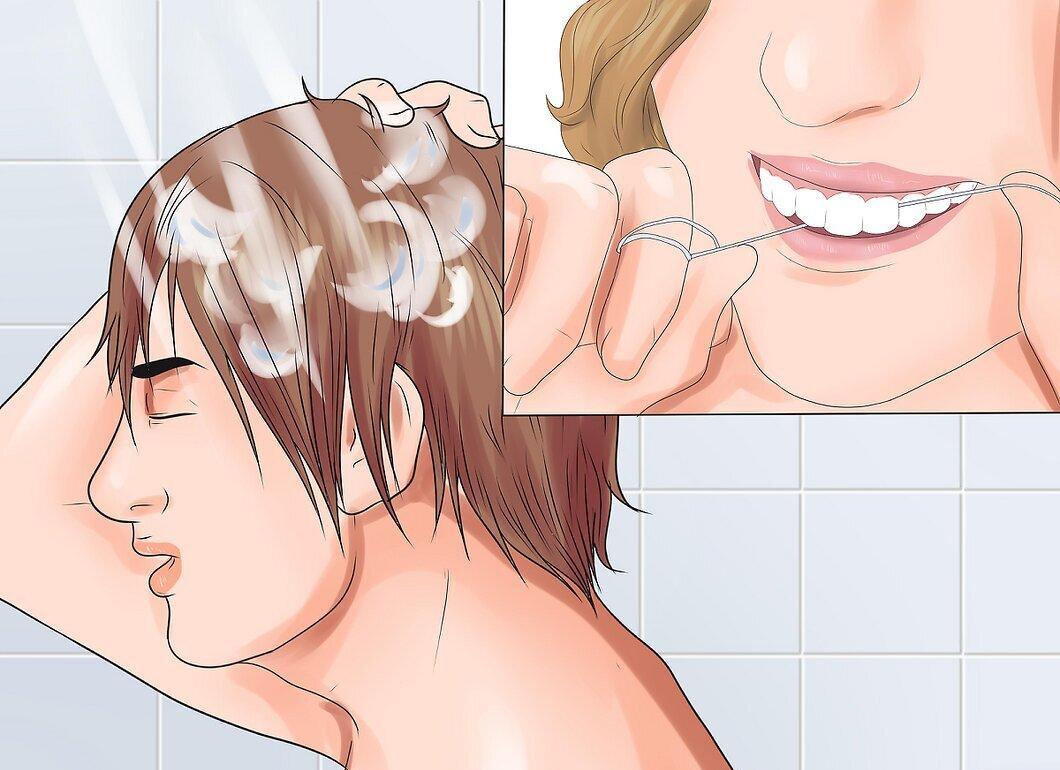
Groom yourself. If you want to look normal, you don’t need to come up with anything special in terms of self-care, just a bit of effort will go a long way. Take good care of yourself and maintain cleanliness – your confidence will grow from knowing you look your best.
- Brush your teeth with a toothbrush and floss. Your smile will always be inviting and ready to shine in unexpected photos if you take care of it. Healthy teeth will significantly boost your self-esteem.
- Take a shower at least every other day and definitely when you exercise. Wash your hair with shampoo and your body with soap or body wash.
- Keep your nails clean and neatly trimmed. Girls often enjoy painting their nails from time to time. That’s perfectly normal; you can try it if you want. Just make sure your polish is always fresh and remove it as soon as it starts to chip.
- Talk to your parents about when you can start wearing makeup if you feel you need it. Apply a little makeup in natural tones to highlight your beauty.
Step 4. Take care of your hair and keep it clean.
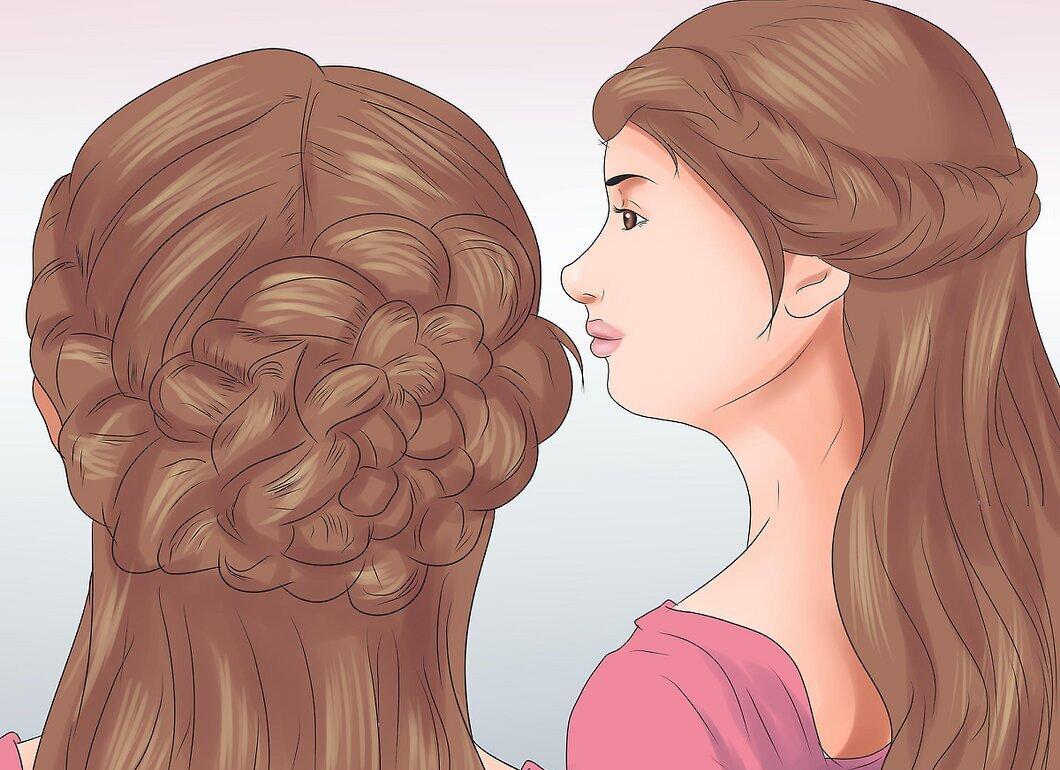
Take care of your hair and keep it clean. Your hair is just as important as other parts of your body: you need to put in some effort to keep it healthy and clean. Hair should be washed at least every two to three days to keep it strong and shiny. Both boys and girls should regularly brush their hair to prevent tangles and maintain its health.
- If you use styling products, don’t overdo it. A little mousse, gel, or hairspray may be more than enough. Don’t turn your hair into a hard helmet from hairspray like in the nineties. Aim for a natural look that enhances the beauty of your hair.
- Experiment with new hairstyles. You can get a short buzz cut or grow your hair out like a rocker if you want. Dye your hair bright red if it’s allowed at school. The teenage years are the only time you can experiment with your personality and appearance. And hair will always grow back.
Step 5. Take care of your body.
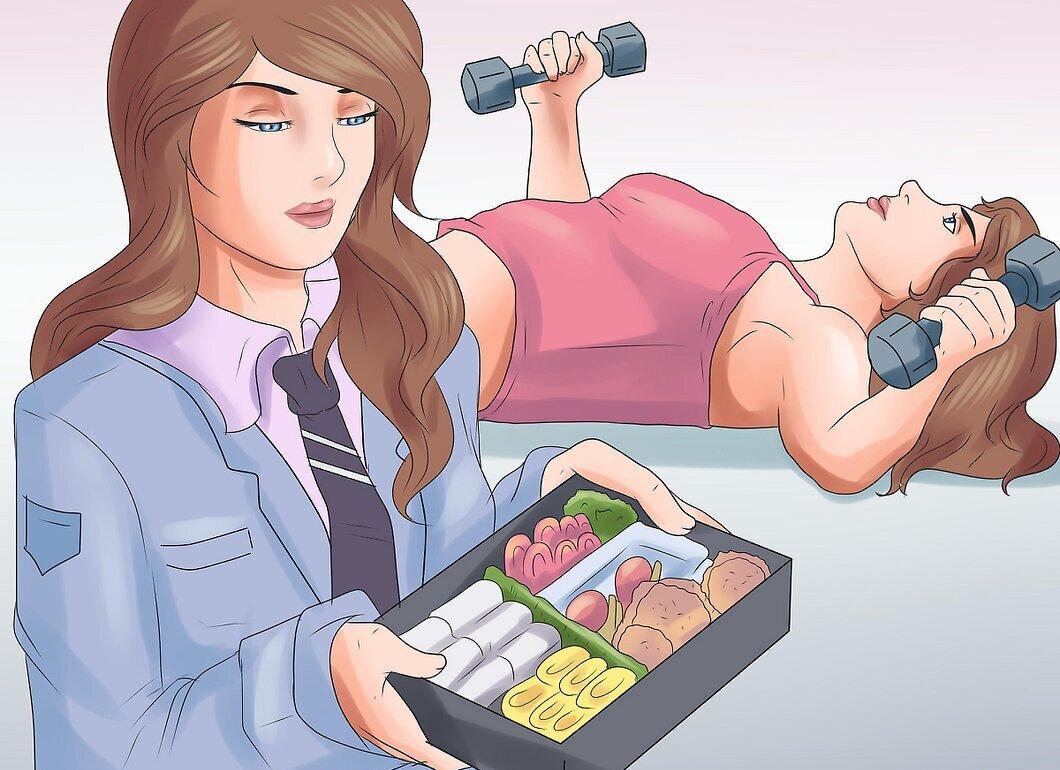
Take care of your body. When you’re young, it seems like you’re invincible. You can eat as if tomorrow will never come, stay up all night, and then spend the whole day on your feet as if nothing happened, recovering from any harm quickly. Unfortunately, this won’t last long. It’s important to develop good habits that will keep you healthy well into adulthood.
- Pay attention to what and how much you eat. Most teenagers have crazy metabolisms, meaning you can eat a ton of high-calorie food without gaining weight, especially if you’re physically active and play sports. When the high metabolism period ends, or if you stop exercising, you might unexpectedly gain a lot of weight. It’s crucial to develop a love for physical activity early on so that you can create good habits that will last.
- You don’t have to become a hardcore athlete to love working out. If you love basketball but don’t want to play on a team, just head to the park and shoot hoops. Who cares if you miss more than you hit? If you don’t like any competitive sport, try hiking or walking in the woods to connect with nature. You can try rock climbing and see if you enjoy it or any other exciting physical activity.
How to Practice “Normalcy”
Step 1. Find a hobby that helps you relax.
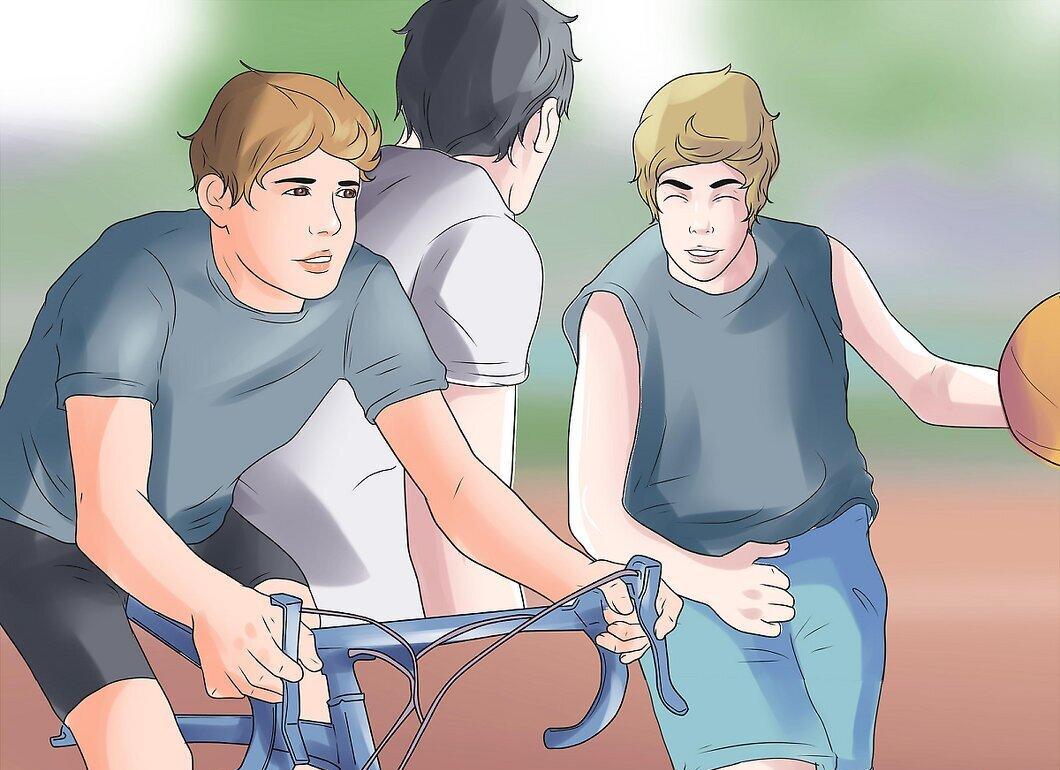
Find a hobby that helps you relax. It’s important for a teenager to have a favorite pastime and be interested in something to keep busy during free time. School likely won’t interfere with this. Try to find an activity outside of academics that allows you to unwind and experience positive emotions. Some types of activities can be a great way to meet and connect with your peers without the need for initiating contact yourself.
- Many teenagers take sports very seriously. Check out what sports teams are available at your school and try to join one. If you don’t like any of the sports offered at your school, you can take tennis lessons, go swimming, go-karting, or anything else that only requires you – just you. That might suit you better. You could even learn fencing.
- Find out what clubs your school offers. Sports are far from the only way to find a social circle. A language club, chess club, art club, environmental corner – these and many other organizations allow students to have fun and learn something outside of school. If you’re not interested in any school clubs, see what local youth centers, creative arts schools, craft centers, or cultural palaces offer.
- Try playing a musical instrument. Whether it’s a marching or concert band or your own garage rock group – music can be a fantastic outlet for teenagers. Research shows that students who engage in music in their free time perform better academically and have a lot of fun playing with friends.
Step 2. Broaden your horizons.

Broaden your horizons. As you grow older, it’s important to learn as much as you can about others and develop empathy. A child thinks only of themselves, an adult tends to think more altruistically, while a teenager is somewhere in between. This can be challenging.
- School exchange programs and educational trips can be excellent ways to enrich personal experience for many teenagers if they have the opportunity. Similarly, part-time jobs and attempts to work for themselves can be important milestones in growing up, which you can dedicate your summer break or weekends to.
- Read as much as you can and as many different things as you find. Step away from the couch and see what interesting novels, travel descriptions, science fiction, or fantasy books are available, depending on what you like. Read both challenging and easy things for you. Read all the time. Read everything.
Step 3. Try different ways of self-expression.
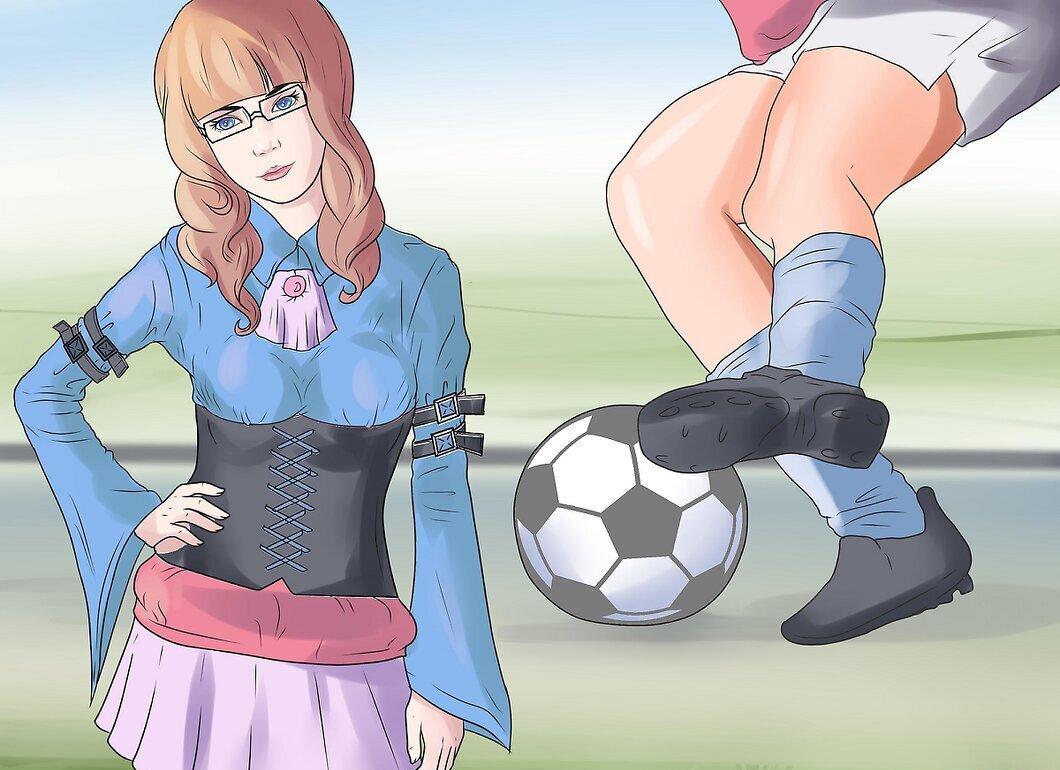
Try different ways of self-expression. The teenage years are the perfect time for experimenting, trying on different styles and behaviors until you figure out what suits you best. In just one year, you might swing from one extreme to another: one moment you want to be a doctor, then you realize you love your position on the soccer team, and then you don’t want to do anything but write poetry and hang out with artists while painting your nails black. That’s all okay! It’s perfectly normal!
- Try becoming an artistic person. Take a few drawing lessons and learn the basics to see if you’d like to spend your days in an art studio, creating strange masterpieces.
- Dive into the dark world of goth. Many teenagers find comfort in dark clothing and the eerie atmosphere of the gothic subculture. While it may seem odd, this interest is normal too.
- Embrace your inner athlete. Hardcore athletes don’t have to be the villains from college dramas. Become an emotionally balanced athlete who takes sports seriously. Make this your “thing.”
Step 4. Find like-minded people.
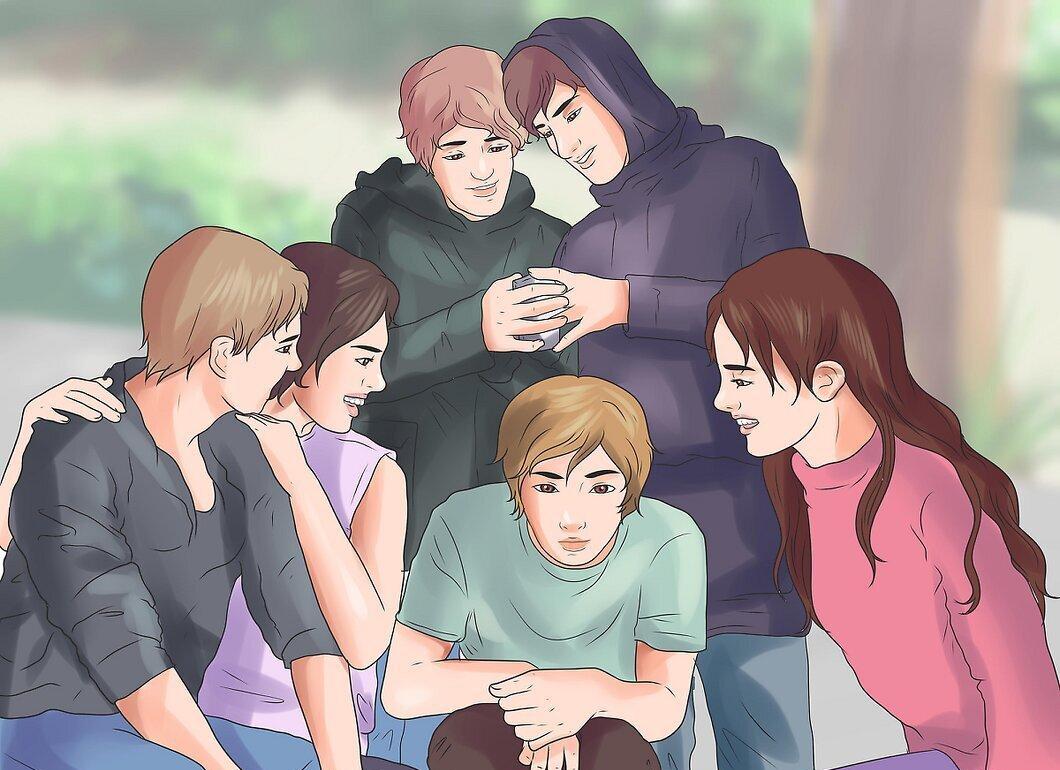
Find like-minded people. Seek out a group of people similar to you that you like and get to know them better. Engage with them at school and outside of it. Support and inspire each other.
- Focus on forming a few strong relationships rather than many superficial ones. Your 800 friends on VKontakte or Facebook don’t mean anything if you can’t have a conversation with any of them in real life. Another good option is to meet many people with whom you don’t have much in common. If you’re an athletic type, frequently socializing with the bohemian crowd can reveal what you share in common. Try making friends from different spheres.
Step 5. Set aside space in your life for school and work.

Set aside space in your life for school and work. Having fun is important, but taking your responsibilities seriously is just as crucial to growing up. Make sure you leave enough time in your busy teenage schedule to do homework and study as well as you can. Even if you think you know what you want to do in life, and that plan doesn’t include algebra with trigonometry, still pay attention to these things. You never know how much you might regret slacking off in metalworking class when you were learning welding or being inattentive in sewing class.
- Make sure to keep quality notes. Taking notes helps you focus, improves memory, and serves as a useful study aid.
- Complete your homework. Don’t skip it, because whether you believe it or not, it really helps you learn. Pay attention in class and ask questions to avoid missing anything important. Respect your teachers and try to get the most out of your classes.
Step 6. Think a little about your future.
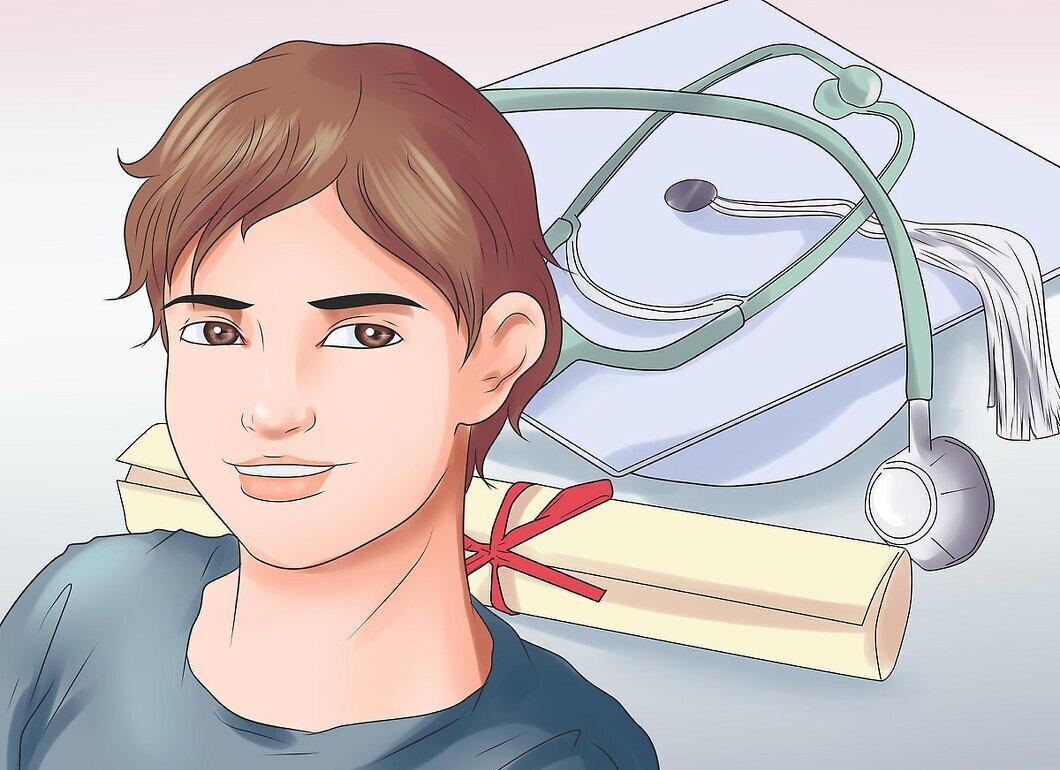
Think a little about your future. Where would you like to be in ten years? What about twenty? What do you want to do with your life? These are difficult questions for anyone and uncomfortable for most, especially teenagers. But it’s something you need to tackle. The more you work on this, the better you prepare yourself for your teenage and older years, and the more normal you will be. This is something everyone has to face before transitioning into adulthood.
- If you want to go to university or college, start researching which ones you might apply to. They should be attainable for you and offer majors you’d like to study, or be filled with like-minded people. Many teenagers who struggle to make friends in high school find themselves thriving in college or university.
- It’s also perfectly normal not to have any idea of what you want to do in life. Don’t stress about it too much. It’s okay. When someone asks you about it, just say that for now, you want to get through your teenage years.