
Have you always wanted to be a punk but are concerned about environmental issues? This article will guide you on how to tackle that dilemma.
Position
Step 1. Start Thinking Critically About Your Choices.

Begin to think critically about your choices. Environmental protection isn’t always straightforward or impartial. For instance, cows are killed for leather, while synthetic leather is made from petroleum. What’s the better option? It’s up to you to investigate and decide.
Step 2. The Capitalism Question.

The question of capitalism. Many environmental advocates believe that as long as capitalism exists, ecological destruction will never end. Try to research socio-economic systems and determine whether capitalism is compatible with environmental protection. If you conclude that capitalism must cease to exist, strive to find out which socio-economic system should replace it.
Step 3. Don’t Become an Anarchist Just Because It’s Typical for Punks.

Don’t become an anarchist just because it’s typical for punks. Be individualistic and choose the best economic system.
Step 4. Be Prepared to Fight for Your Beliefs.

Be ready to fight for your beliefs. Simply changing your lifestyle may help improve things slightly, but without engaging and actively involving others, you won’t create significant social change.
Step 5. Don’t Forget Your Influence on Others.

Remember your influence on others. Your choices can affect the decisions of those around you.
Personal Choices
Step 1. Become a Vegetarian or Vegan (Radical Vegetarian).

Become a vegetarian or vegan (radical vegetarian). Animals have rights, and you must respect them. Vegetarianism and veganism are very beneficial for the environment. Meat consumes many natural resources. Moreover, it can improve your health.
Step 2. Avoid Cosmetics or Choose Vegan and Non-Toxic Products with a "Cruelty-Free" Label.
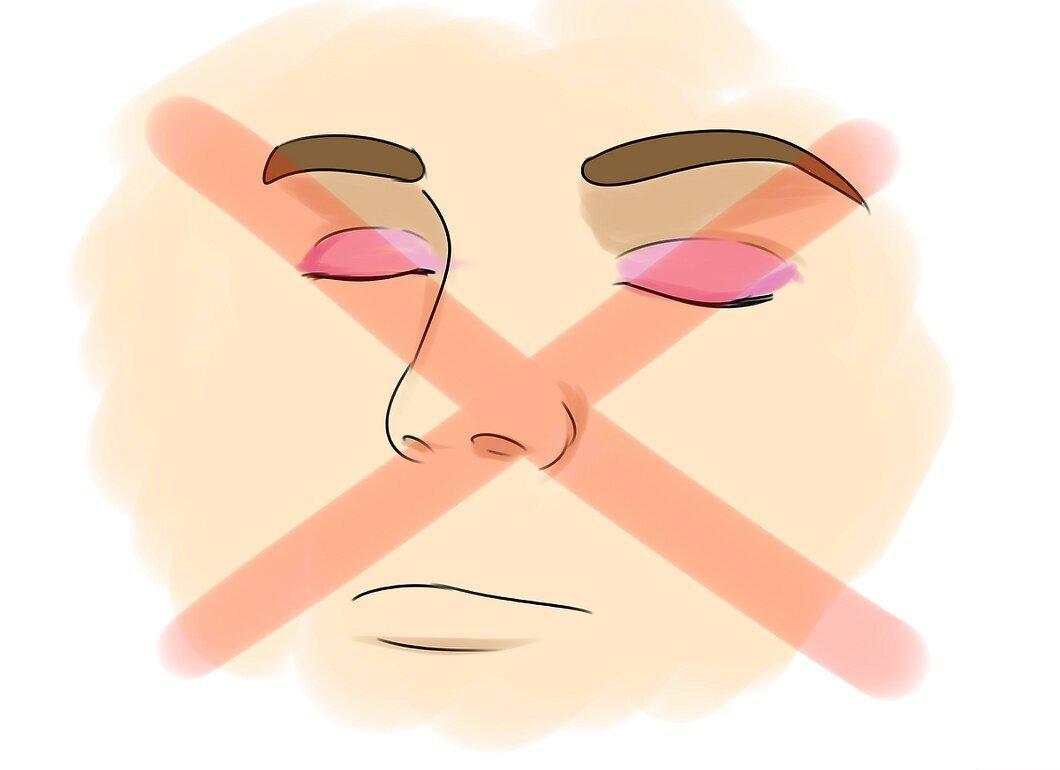
Avoid cosmetics or opt for vegan and non-toxic products labeled "cruelty-free". If the label states "not tested on animals," it’s safe to say it was tested on animals. Ensure that cosmetics are certified, have a "cruelty-free" label, and check the ingredients to confirm they are vegan. Try to buy non-toxic cosmetics, as others may contain harmful materials. Use the Safe Cosmetics database to know which products are good and which are not.
Step 3. Buy Eco-Friendly Footwear from Ethical Brands.
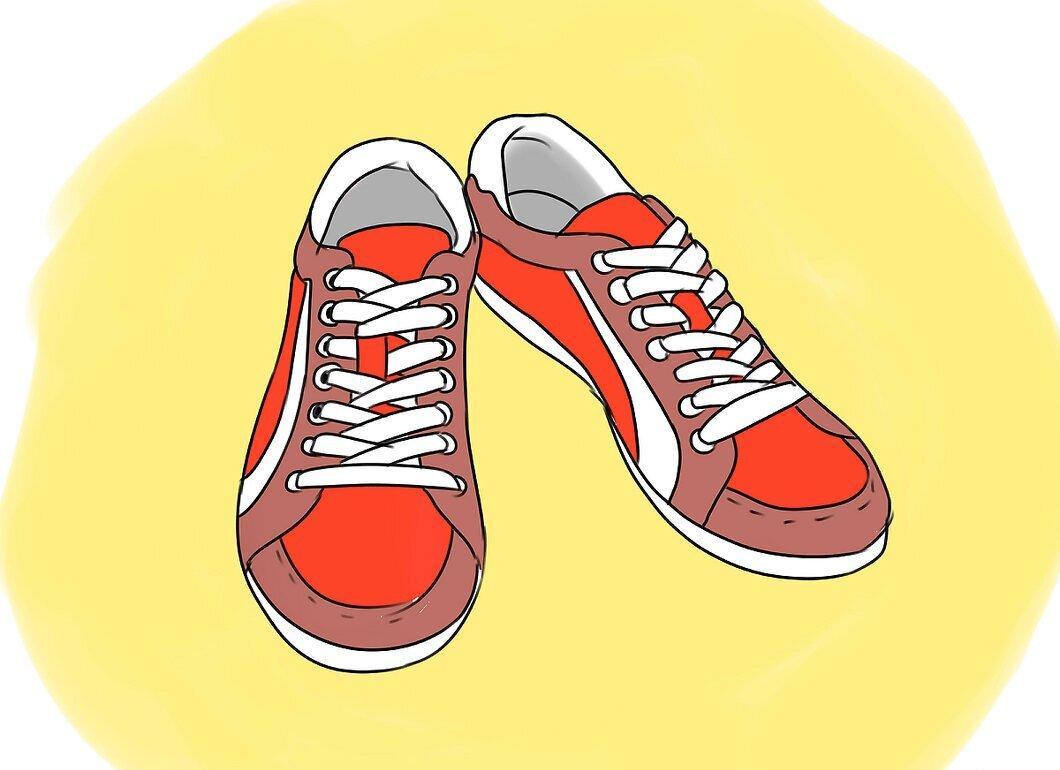
Purchase eco-friendly footwear from ethical brands. Avoid leather and synthetic leather shoes; stick to alternative materials. Aim to buy shoes from brands like Ethletic or Black Spot, which support Adbusters, a magazine focused on consumer rights.
Step 4. If You Like Leather-Like Shoes, Consider Buying from Brands like Vegetarian Shoes, or Shop Second-Hand or on eBay.
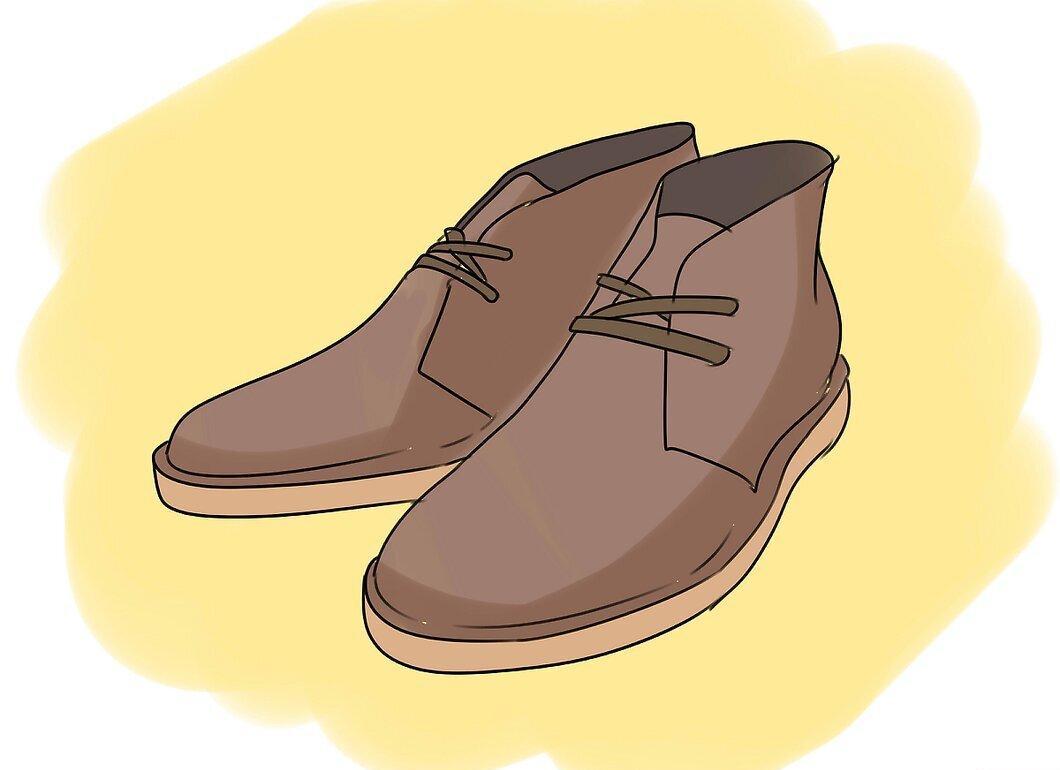
Step 5. Remember That Combat Boots May Give the Impression You Support War.
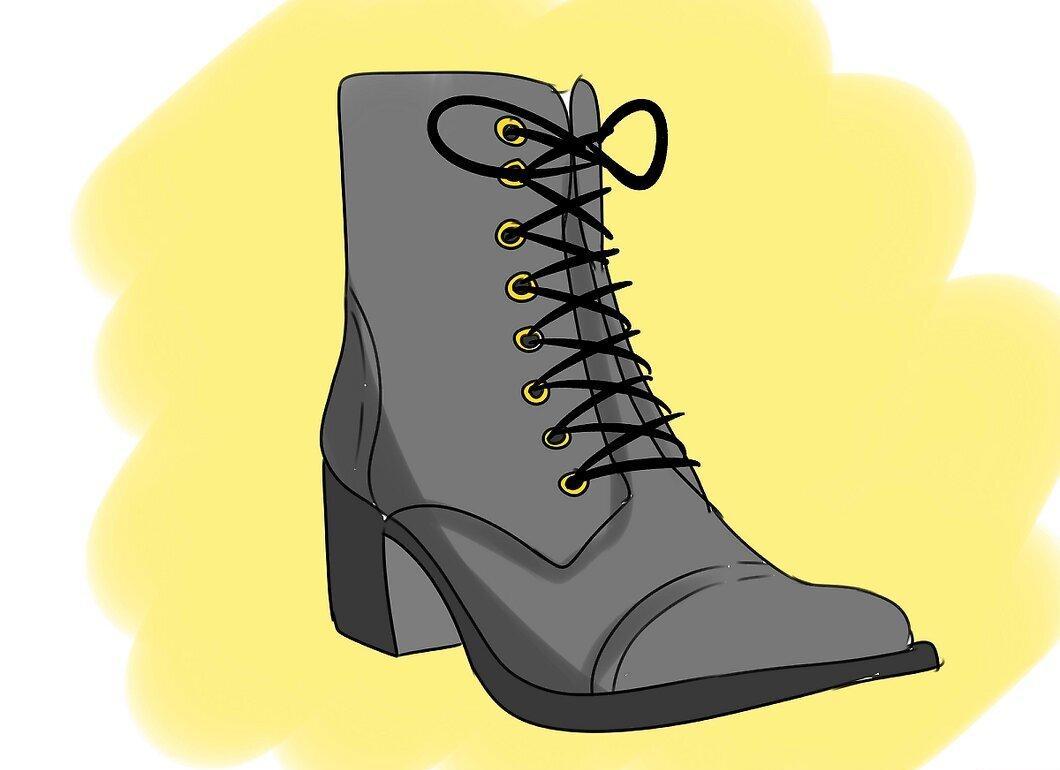
Keep in mind that combat boots can give the impression that you support war. Additionally, wearing leather or synthetic leather can encourage others to wear leather, as they may have a strong herd instinct. However, durable boots will last long, and you won't need to replace them often.
Step 6. Try to Wear Eco-Friendly Accessories.
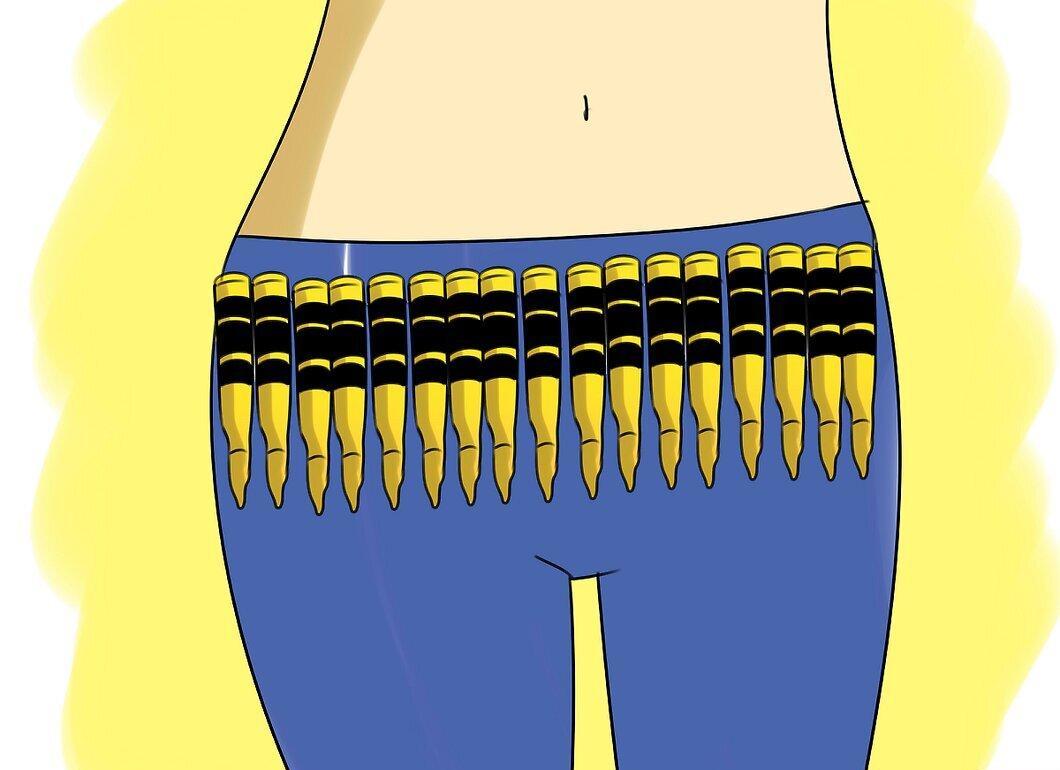
Make an effort to wear eco-friendly accessories. As mentioned earlier, both leather and synthetic leather have negative impacts on the environment, so opt for a fabric or hemp belt. A cartridge belt made from real cartridges is also a decent option since it’s recycled material, though it may seem like a sign of support for militarism.
Step 7. If You Want a Studded Belt, Consider Buying Second-Hand or a Vegan Option from Pangaea.
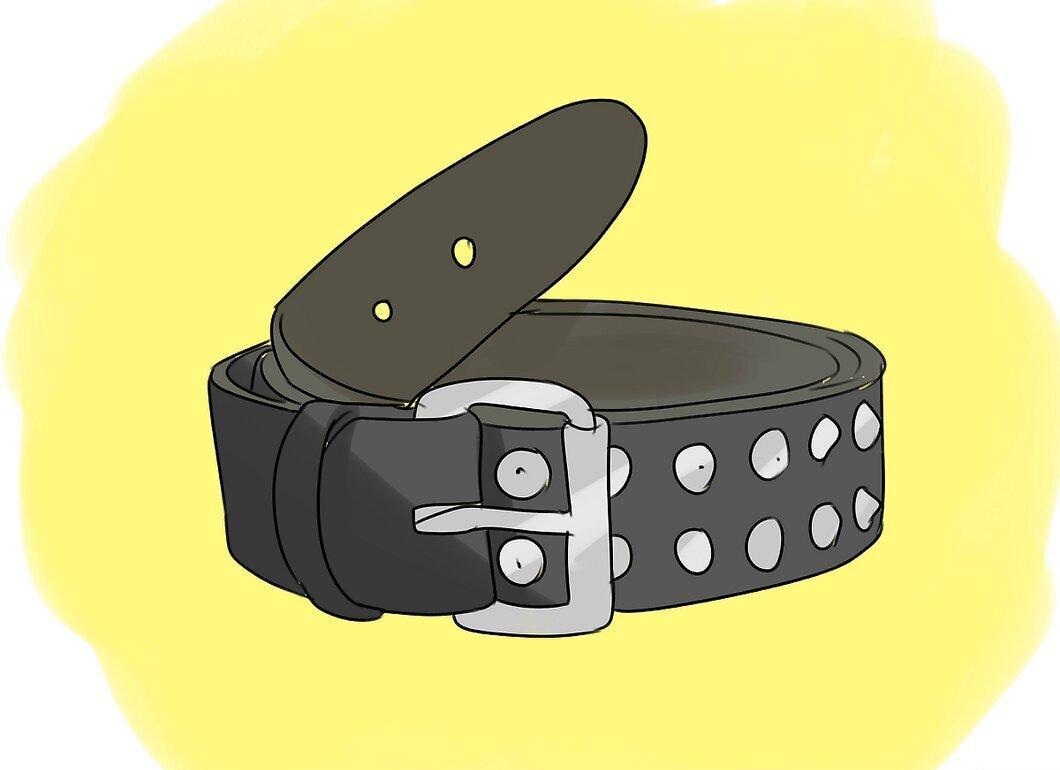
If you want a studded belt, look for second-hand options or buy a vegan one from Pangaea. You can also find used belts on Etsy, although most are made from leather, some are not.
Step 8. For Scarves, Gloves, and Other Items Traditionally Made from Wool, Try to Buy Synthetic or "Cruelty-Free" Options.

When it comes to scarves, gloves, and other items traditionally made from wool, aim to purchase synthetic or "cruelty-free" options. Try to acquire legal and second-hand accessories.
Step 9. Avoid Dying Your Hair with Non-Natural Dyes.

Do not dye your hair with non-natural dyes. All hair dyes, except henna and indigo, contain chemicals that negatively affect water.
- For red hair, you can dye it with henna, but it won’t lighten your hair, only add a bright red hue to already lightened hair.
- For black hair, you can dye it with indigo over henna. This will result in a color that can be blue-black, coal-black, purple-black, or burgundy-black, depending on your natural hair color.
Activism
Step 1. Be Confident in the Issue You Are Advocating and Ensure You Know a Lot About It.

Be confident in the issue you are advocating and ensure you know a lot about it. You will look foolish if you promote an idea you know nothing about.
Step 2. Attend Local Activist Groups.

Join local activist groups. They will help you and teach you the techniques of activism.
Step 3. Work Hard and Don’t Lose Hope.

Work hard and don’t lose hope. Everything may seem dire now, but you can work to make the future better.
Additional Reading
Step 1. [1]
[1] – Eco-Punk, a website dedicated to eco-punks – how to be "green" without cost.