Writers are known for their self-doubt, whether they are famous or just starting out. To become a writer, you will need time, persistence, and practice. This article provides some tips on how to become a great writer.
Write, Write, and Write Again
Step 1. Write Every Day.
Write every day. You can write in both long and short sessions. Write a paragraph or a whole page daily. Just make sure to write every day!
- If you don’t have time, wake up earlier or go to bed later to carve out at least 15 minutes to jot down a few lines.
Step 2. Don’t Be Afraid to Write Badly – Just Write.

Don’t be afraid to write badly – just write. Don’t leave pages blank. If you don’t know what to write, start with anything, like how bored you are or something in the room, and after a while, other ideas will come to you.
- You can find special writing prompts in bookstores or libraries designed to spark a writer's imagination.
Step 3. If You Write for a While, You Might Get Stuck in a Certain Style, Theme, or Format.

If you write for a while, you might get stuck in a certain style, theme, or format. Write daily, but make an effort to diversify your style or format. Effort is key to improving any skill. To enhance your writing skills, try the following:
- If what you’re writing starts to sound repetitive, change your style. Imitate another author’s style or blend the styles of several authors.
- If you’re writing for a blog or a specific project, take a break. Write something entirely unrelated.
Step 4. Ask Other Writers to Read and Critique Your Work; You Can Also Offer to Read and Review Their Work.

Ask other writers to read and critique your work; you can also offer to read and critique their work. Welcome constructive criticism aimed at improving your work; avoid having it read by people who are likely to be hostile (their criticism won’t be helpful).
- Look for online writing communities (like Scribophile or WritersCafe) or groups that focus on your topics.
- Research local writers' clubs online or in libraries.
- Write articles for wiki sites (like Wikihow or Wikipedia). You’ll help people looking for information, and they can suggest ways to improve your work.
Step 5. If You Struggle to Motivate Yourself to Write Regularly, Make a Commitment to Write for Others (This Will Be Your "External Motivation").

If you struggle to motivate yourself to write regularly, commit to writing for others (this will serve as "external motivation"). For example, consistently write letters to family or friends, start a blog and update it daily, or apply to enter a writing contest.
Step 6. A Writer's First Draft Always Needs Improvement.
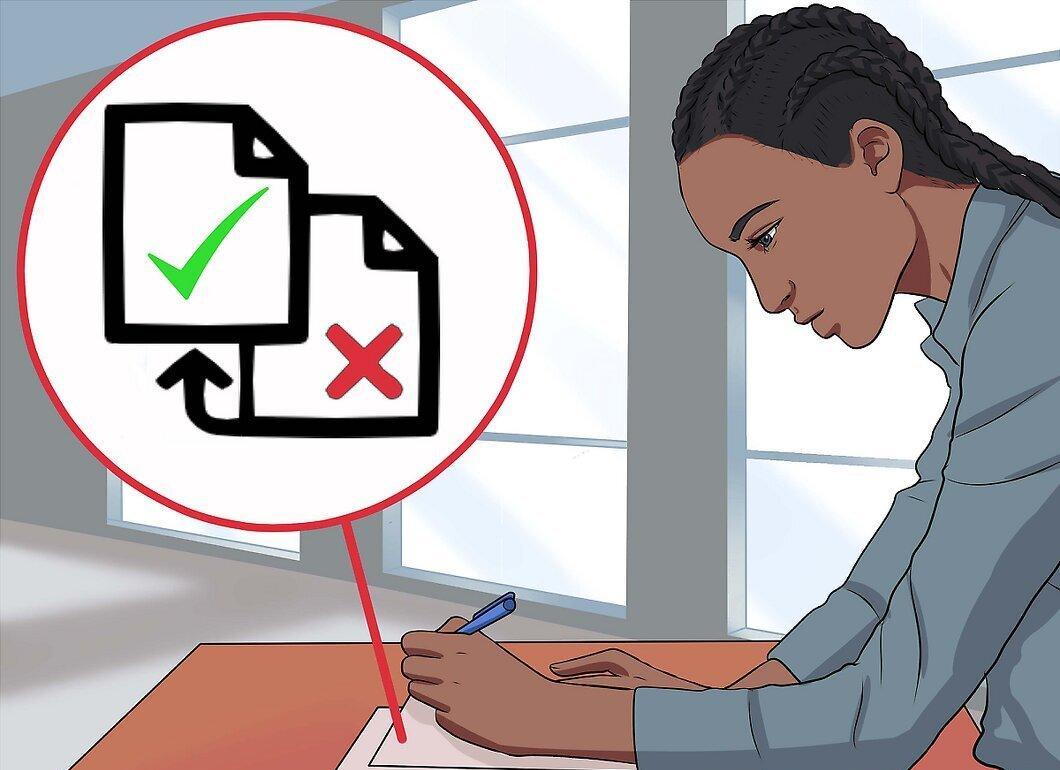
A writer's first draft always needs improvement. After you’ve written a piece (like a story or essay), read your work and find sentences, paragraphs, or entire pages that you’re not happy with. Rewrite scenes from another character's perspective, explore different plot lines, or change the order of events. If you’re unsure why you don’t like a certain paragraph (page, action, scene), rewrite it without looking at the original paragraph, then compare both versions and identify what you like in each.
- Remember that rewriting paragraphs (pages, actions, scenes) that you like can be incredibly difficult.
Essential Skills
Step 1. Read as Much as You Can.

Read as much as you can. Read a variety of literature – magazines, books, dissertations (but this doesn’t mean you have to read everything "cover to cover"). Reading will expand your vocabulary, improve your literacy, inspire you, and show you how to handle words. For an aspiring writer, reading is just as important as writing a few lines each day.
- If you’re not sure what to read, ask friends for recommendations or visit the library and pick a couple of books from each section.
Step 2. Enrich Your Vocabulary.

Enrich your vocabulary. Get a good dictionary and thesaurus and keep them handy (or jot down unfamiliar words to look up later). Great writers have often debated whether to use simple words or more ornate language. This is for you to decide (but not until you’ve mastered some basic skills).
- Definitions in dictionaries often don’t provide intuitive understanding of how to use words correctly. Find words online and read them in context to understand how to use them properly.
Step 3. Learn the Rules of Grammar.
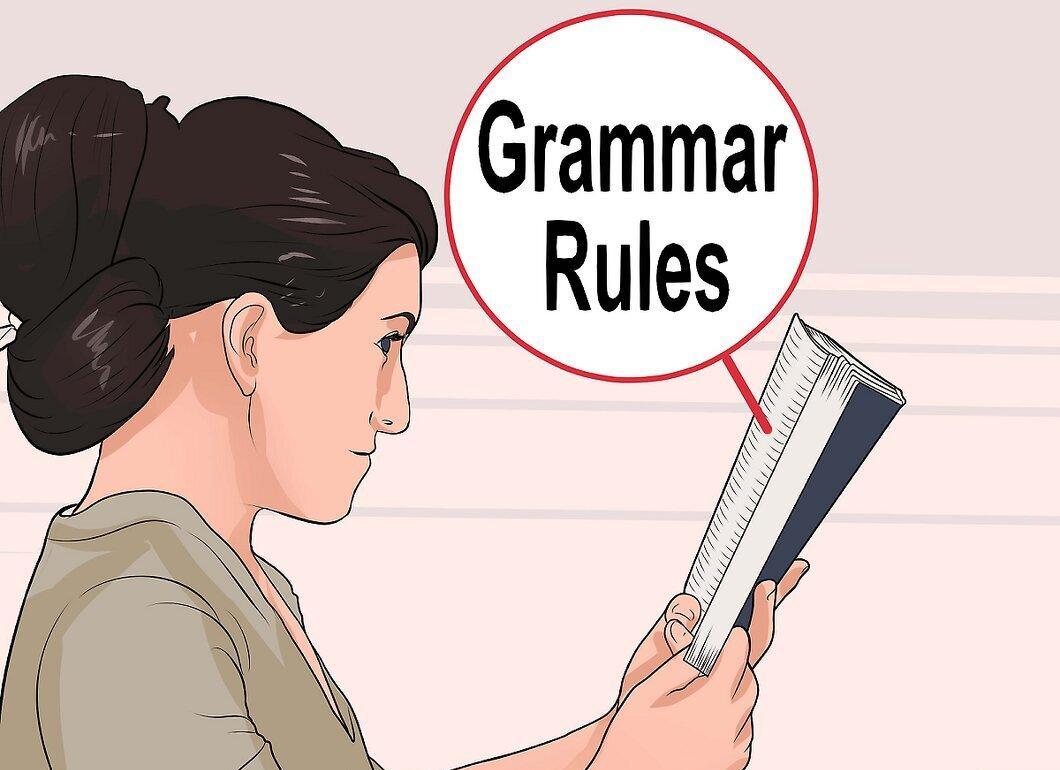
Learn the rules of grammar. Of course, there are many well-known and remarkable books written with some deviations from grammatical rules. However, by mastering grammar, you learn how to construct sentences and express your thoughts accurately. If you believe grammar is your weak point, read a grammar textbook or work with a tutor.
- Occasionally, writers deviate from grammatical rules.
- If you have grammar questions, feel free to consult a relevant book or website.
Step 4. Tailor Your Work to the Interests and Preferences of Your Target Audience.

Tailor your work to the interests and preferences of your target audience. Just as you change your clothing according to the season, you should adjust your writing style to meet your audience's needs. Descriptive language is more suitable for poetry than for a financial report. Choose the appropriate format, style, and sentence length. Limit jargon and provide enough information to simplify your readers’ understanding of your ideas.
Developing Your Work: From Start to Finish
Step 1. Brainstorm Before You Start Writing.

Brainstorm before you start writing. While pondering the theme of your narrative, jot down all ideas that come to mind, even the most absurd, because even a minor thought can grow into the main idea of your work.
Step 2. Write About What You Would Like to Read.
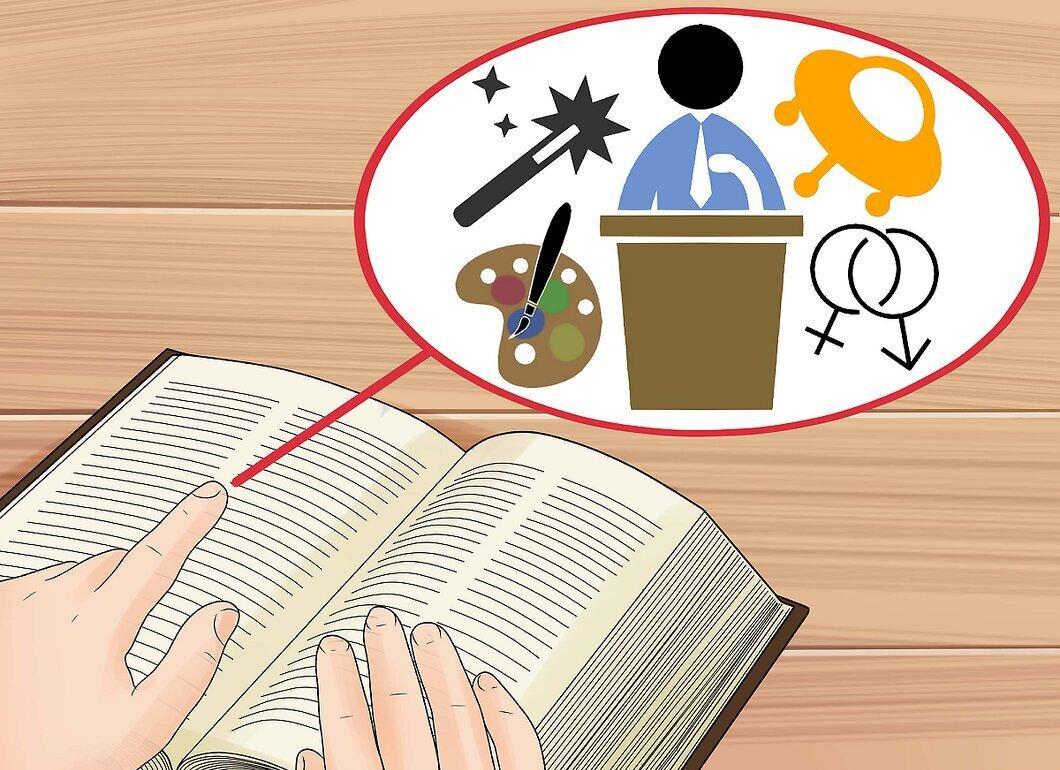
Write about what you would like to read. Find a topic that excites you the most. Your interest and enthusiasm will motivate you to write your piece and will guarantee its quality.
Step 3. Define the Format of Your Narrative.
Define the format of your narrative. A serious piece doesn’t necessarily have to be the size of a big book. Writing a short story is a labor-intensive process that can effectively improve your writing skills.
Step 4. Jot Down Ideas.

Jot down ideas. Carry a notebook and write down your observations, overheard conversations, and sudden ideas – basically, anything that makes you smile, prompts action, or inspires philosophical thoughts.
- You can also use the notebook to note unfamiliar words.
Step 5. Create a Plan for What You Want to Write.

Create a plan for what you want to write. Use any method that works for you. You can outline your plan as an event tree or use colored index cards to note specific scenes. This plan can be organized chronologically (for actions, scenes, etc.) or detailed to include all actions/scenes in depth. A plan will motivate you on those days when you don’t feel like writing.
- There are many writing programs available for creating outlines, like Scrivener or TheSage.
- You can deviate from the original plan, but if you decide to rewrite it completely, consider why you felt compelled to do so. Write a new plan and reflect on how you intend to execute it.
Step 6. Research Your Topic Thoroughly.
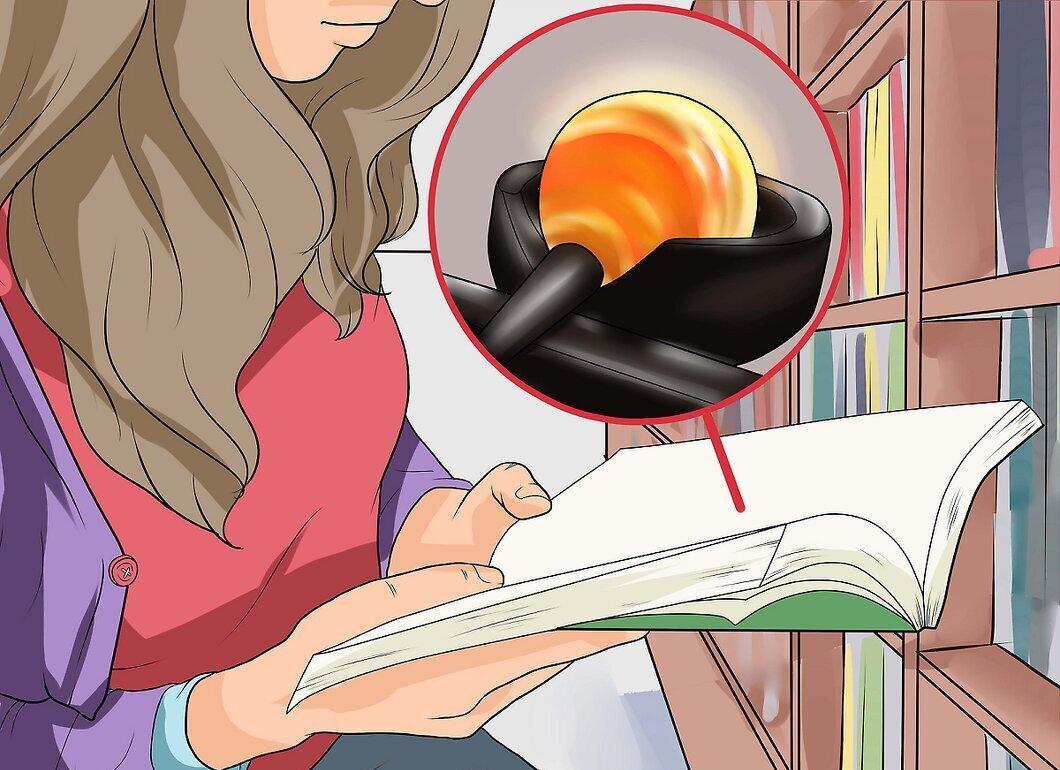
Research your topic thoroughly. Preliminary research is required not just for science fiction but also for fiction. If your main character is a glassblower, read a book about glassmaking and use the appropriate terminology. If you’re writing about a time before you were born, talk to people who lived during that time (like parents, grandparents).
- In fiction, you can start writing and then dive into research.
Step 7. Write as Fast as You Can, Without Looking at the Keyboard and Without Worrying About Grammar; Just Write What You Think.
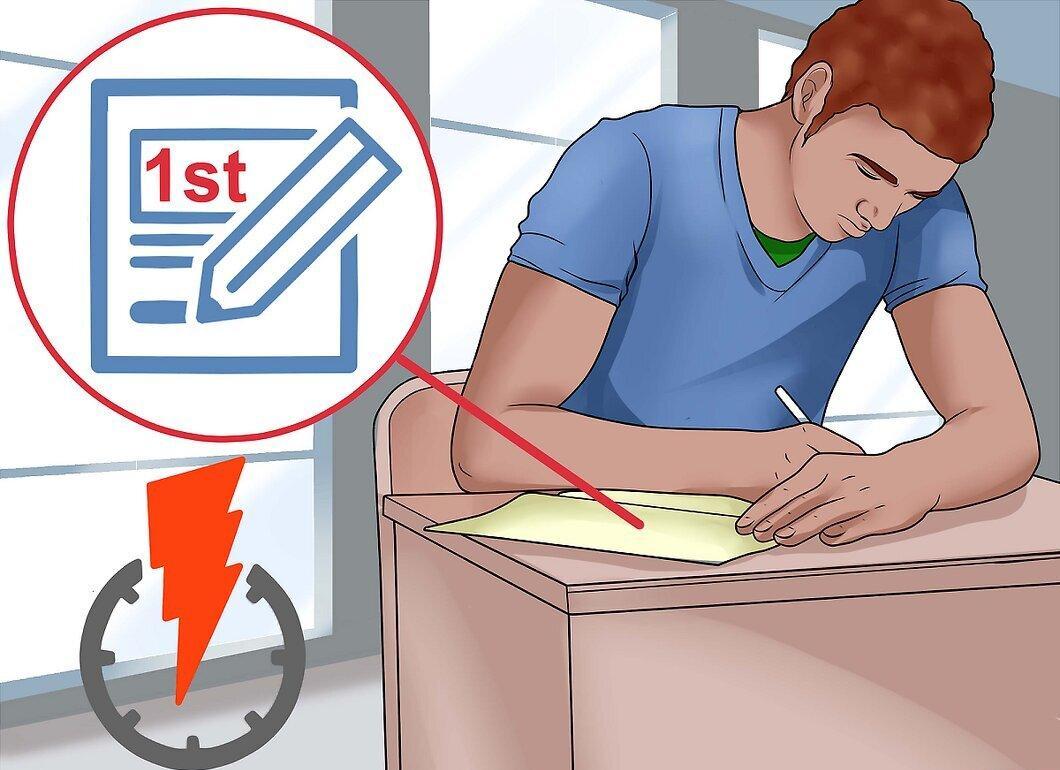
Write as fast as you can, without looking at the keyboard and without worrying about grammar; just write what you think. This is crucial for completing the first paragraph, page, or draft of your entire work.
Step 8. Edit Your Text.
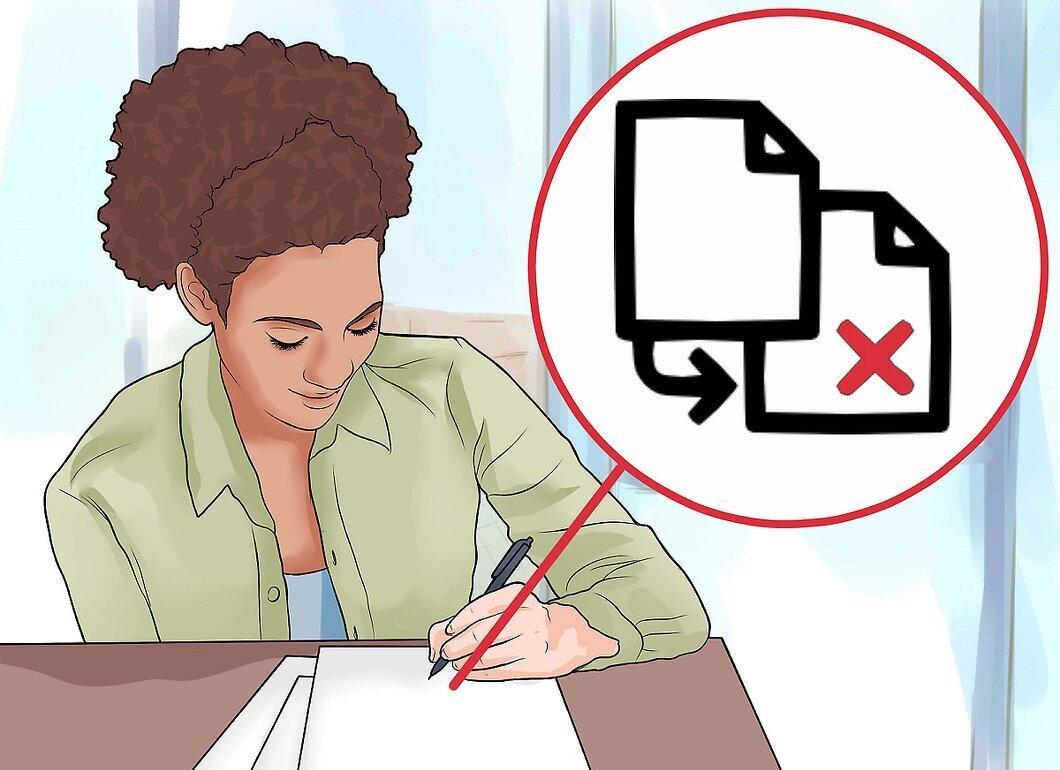
Edit your text. Once you’ve written a draft, read it over, reflect on it, and rewrite it, correcting grammatical and stylistic errors. If you’re unhappy with certain parts, rewrite them. Critically analyzing your own work is a vital writing skill that needs to be learned.
- Take a break between writing your piece and starting the editing process. It’s best to wait as long as possible, but even a short break can give you the necessary objectivity for productive error correction.
Step 9. Ask Someone to Read Your Work and Evaluate It, Like Friends, Other Writers (You Know), or Readers of Your Blog.

Ask someone to read your work and evaluate it, like friends, other writers (you know), or readers of your blog. Don’t get angry or upset by criticism – even if you disagree with it, you’ll learn which parts of your work don’t resonate with people.
Step 10. Rewrite and Rewrite Again.
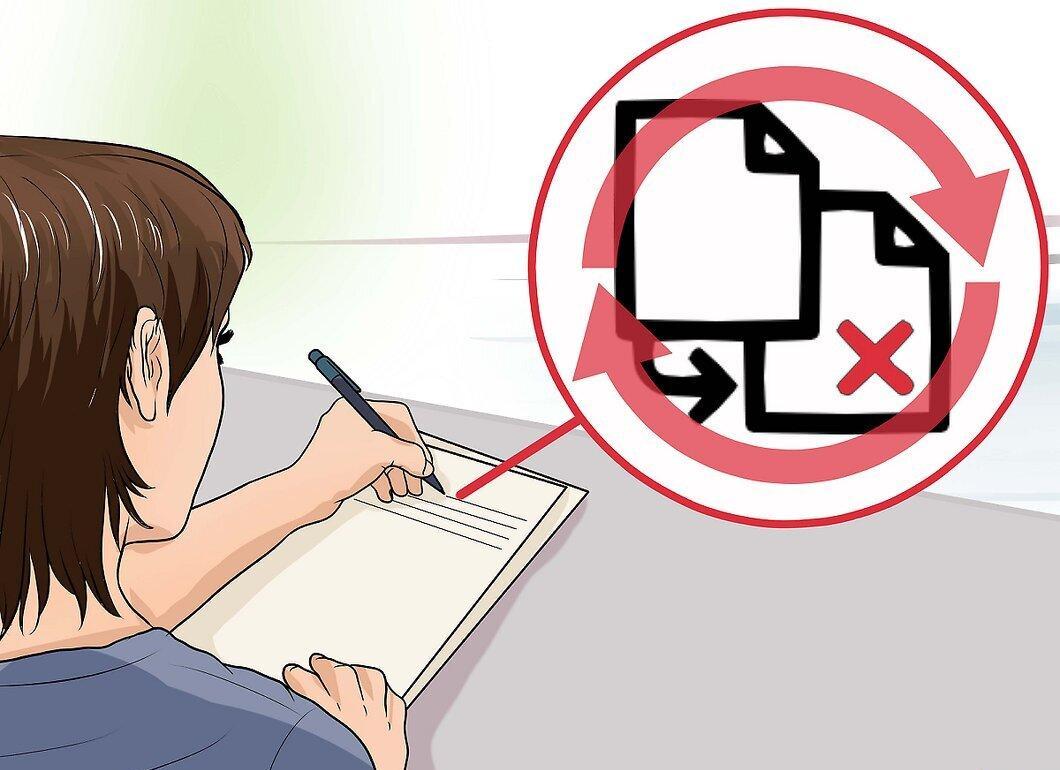
Rewrite and rewrite again. Don’t be afraid to make radical changes to your work (like rewriting entire chapters from another character’s perspective). Let others read your rewritten piece, and then rewrite it again. Don’t think of this as going in circles – it’s how you refine your writing skills. You can always take a break and write something completely different to distract yourself from your main piece.