To be well-read, you need to embrace the well-known saying, 'Read, read, and read again.' You can follow a strict reading list or choose books at random. It’s important that the books you select are beneficial, broaden your horizons, and teach you something new. In this article, we’ve gathered several tips on how to become well-read.
Classics
Step 1. Read classic works written before 1600.
Read classic works written before 1600. Reading the classics is the first step on the path to being well-read; this will serve as a foundation that helps you understand everything you read later. Keep in mind that novels only became popular in the 18th century, so you won’t encounter many of them yet. Remember, a person who hasn't read Homer or Sophocles has no moral right to call themselves “well-read.” So, read:
- The Epic of Gilgamesh (Author unknown, 18-17 centuries BC)
- The Iliad, The Odyssey (Homer, 8th century BC)
- Medea (Euripides, 431 BC)
- Oedipus Rex (Sophocles, 430 BC)
- The Aeneid (Virgil, 29-19 BC)
- One Thousand and One Nights (Author unknown, 700-1500)
- Beowulf (Author unknown, 975-1025)
- The Tale of Genji (Murasaki Shikibu, 11th century)
- The Divine Comedy (Dante, 1265-1321)
- The Decameron (Boccaccio, 1349-53)
- The Canterbury Tales (Chaucer, 14th century)
Step 2. Read classic works written between 1600 and 1913.
Read classic works written between 1600 and 1913. Yes, a lot was written in these 300 years, but from these books, you will get a practically vivid understanding of the progress that changed people's lives. You will encounter Romanticism, Victorian literature, exemplary Realism, feel the proximity of Modernism, and immerse yourself in the atmosphere of disillusionment and shattered hopes of World War I. Read:
- Don Quixote (Cervantes, 1605 and 1615)
- Othello, King Lear, and Hamlet (Shakespeare, 1609, 1608, and 1603)
- Gulliver's Travels (Swift, 1726)
- Pride and Prejudice (Austen, 1813)
- Father Goriot (Balzac, 1835)
- Dead Souls (Gogol, 1842)
- Wuthering Heights (Brontë, 1847)
- Moby-Dick (Melville, 1851)
- Madame Bovary (Flaubert, 1856)
- Great Expectations (Dickens, 1861)
- War and Peace, Anna Karenina (Tolstoy, 1869, 1877)
- Heart of Darkness (Conrad, 1899)
- Crime and Punishment, The Brothers Karamazov (Dostoevsky, 1866, 1880)
- Middlemarch (Eliot, 1871)
Step 3. Read classic works written between 1914 and 1995.
Read classic works written between 1914 and 1995. This period marks Modernism—experimentation and rebellion against tradition. To understand the journey literature took in the 20th century, you must read:
- In Search of Lost Time (Proust, 1913-27)
- Ulysses (Joyce, 1922)
- The Magic Mountain (Mann, 1914)
- The Great Gatsby (Fitzgerald, 1925)
- The Trial (Kafka, 1925)
- Mrs. Dalloway, To the Lighthouse (Woolf, 1925, 1927)
- The Sound and the Fury (Faulkner, 1929)
- The Stranger (Camus, 1942)
- The Fountainhead (Rand, 1943)
- 1984 (Orwell, 1949)
- The Catcher in the Rye (Salinger, 1951)
- Invisible Man (Ellison, 1952)
- The Sun Also Rises, The Old Man and the Sea (Hemingway, 1926, 1952)
- Lolita (Nabokov, 1955)
- Pedro Páramo (Rulfo, 1955)
- Things Fall Apart (Achebe, 1958)
- Rabbit, Run (Updike, 1960)
- To Kill a Mockingbird (Lee, 1960)
- The Golden Notebook (Lessing, 1962)
- The Bell Jar (Plath, 1963)
- One Hundred Years of Solitude (Márquez, 1967)
- Slaughterhouse-Five (Vonnegut, 1969)
Step 4. Read modern classics written from the 1980s to the present.
Read modern classics written from the 1980s to the present. Yes, these books have not stood the test of time yet, but there are many well-known works that can be considered classics. Moreover, frankly speaking, these books will contribute more to your well-read status—these are the books currently on everyone’s lips. So, read:
- Midnight's Children (Rushdie, 1981)
- The Handmaid's Tale (Atwood, 1984)
- Beloved (Morrison, 1987)
- The Wind-Up Bird Chronicle (Murakami, 1997)
- American Pastoral (Roth, 1997)
- The God of Small Things (Arundhati, 1997)
- Disgrace (Coetzee, 1999)
- White Teeth (Smith, 2000)
- Atonement (McEwan, 2001)
- The Amazing Adventures of Kavalier & Clay (Chabon, 2001)
- Everything Is Illuminated (Foer, 2002)
- Middlesex (Eugenides)
- The Kite Runner (Hosseini, 2003)
- The Known World (Jones, 2003)
- Gilead (Robinson, 2004)
- The Brief Wondrous Life of Oscar Wao (Diaz, 2007)
- 2666 (Bolano, 2008)
- Swamplandia (Russell, 2011)
- Short Stories by Alice Munro
Different Genres
Step 1. Read short stories.
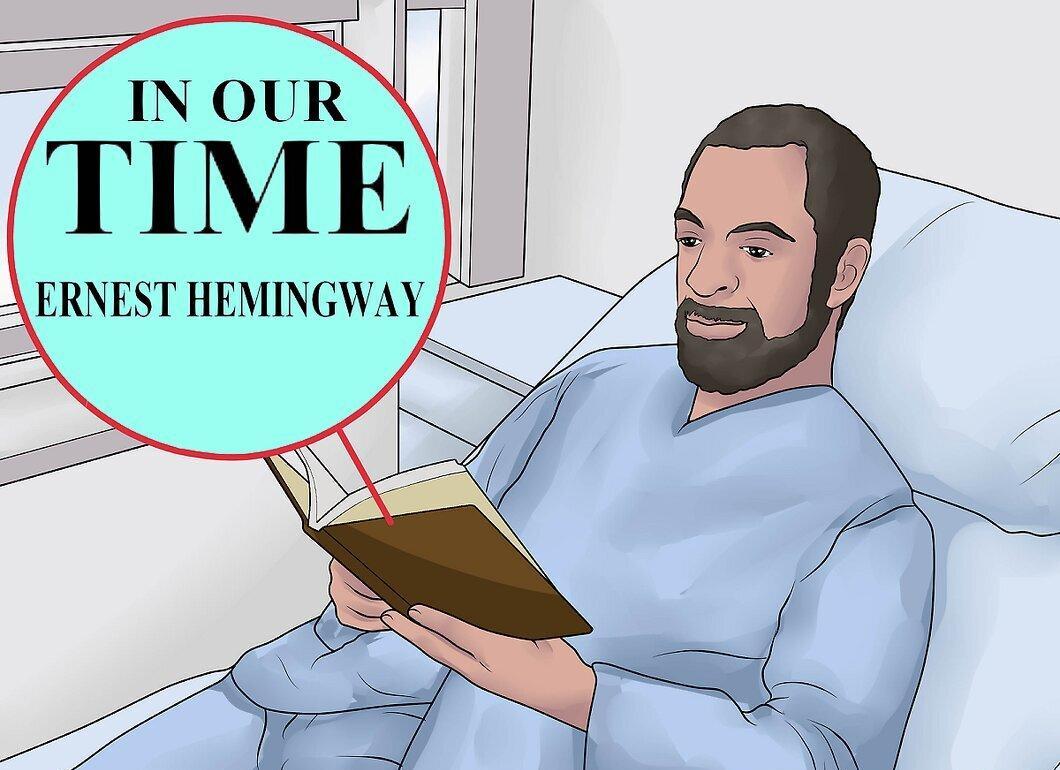
Read short stories. This is a unique genre, and if you want to become a well-read person, you must get acquainted with it. In this case, it’s more important to read specific authors than specific collections, so here are some noteworthy names:
- Classic masters (1600-1950): Poe, Chekhov, Hemingway, Borges, Kafka, Babel, Updike, Mansfield, Welty, and Bradbury.
- Contemporary masters (1950-present): O’Connor, Carver, Barthelme, O’Brien, Saunders, Lahiri, Junot Diaz, Packer, Oates, Denis Johnson.
- Classic short story collections: In Our Time (Hemingway, 1925)
- A Good Man Is Hard to Find (O’Connor, 1953)
- What We Talk About When We Talk About Love (Carver, 1981)
- Jesus’ Son (Johnson, 1992)
- Interpreter of Maladies (Lahiri, 1999)
Step 2. Read plays.
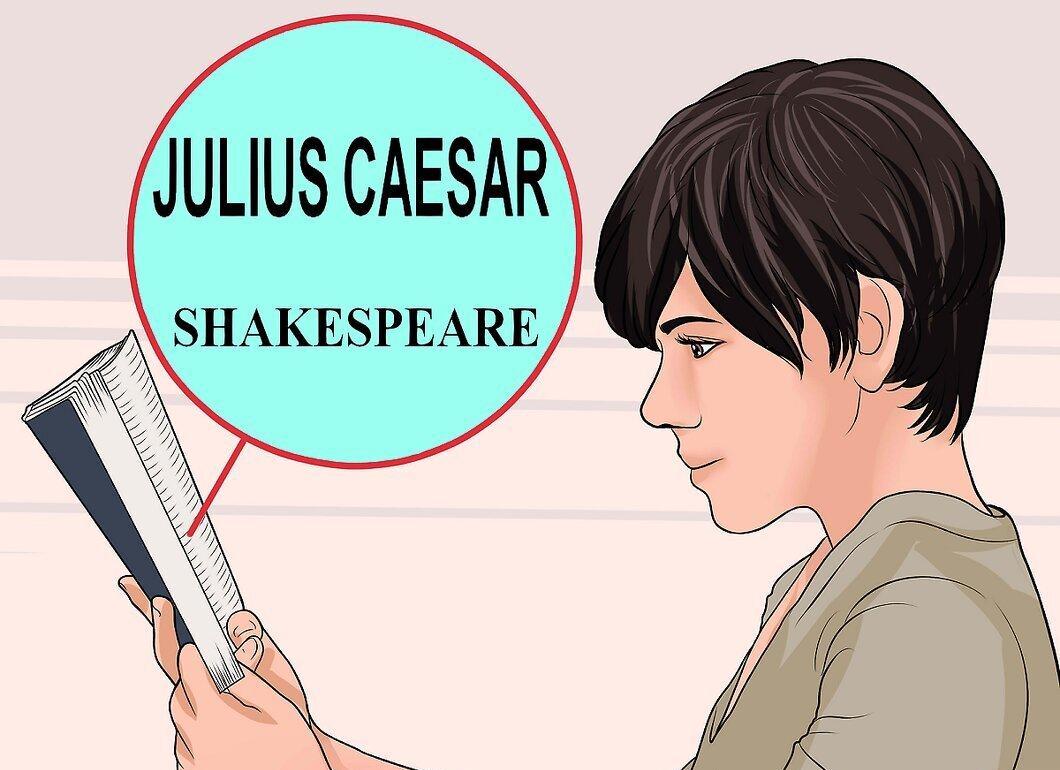
Read plays. A well-read person should be familiar with the works of classic playwrights. Shakespeare, of course, is essential, but he’s far from the only one! Below, you will find a mix of both classic and contemporary playwrights. So:
- Macbeth, Romeo and Juliet, Much Ado About Nothing, and other plays by Shakespeare (1606, 1597, 1599, etc.)
- Hedda Gabler, A Doll's House (Ibsen, 1890, 1879)
- The Importance of Being Earnest (Wilde, 1895)
- Cyrano de Bergerac (Rostand, 1897)
- The Cherry Orchard, Uncle Vanya (Chekhov, 1904, 1897)
- Pygmalion (Shaw, 1912)
- Our Town (Wilder, 1938)
- Death of a Salesman, A View from the Bridge (Miller, 1949, 1953)
- Waiting for Godot (Beckett, 1949)
- Twelve Angry Men (Rose, 1954)
- A Streetcar Named Desire, The Glass Menagerie, Cat on a Hot Tin Roof (Tennessee, 1947, 1944, 1955)
- No Exit (Sartre, 1944)
- The Birthday Party (Pinter, 1958)
- The Iceman Cometh and Long Day's Journey Into Night (O’Neill, 1946, 1956)
- A Raisin in the Sun (Hansberry, 1959)
- Who's Afraid of Virginia Woolf? (Albee, 1963)
- Rosencrantz and Guildenstern Are Dead (Stoppard, 1966)
- Betrayal (Pinter, 1978)
Step 3. Read poetry.
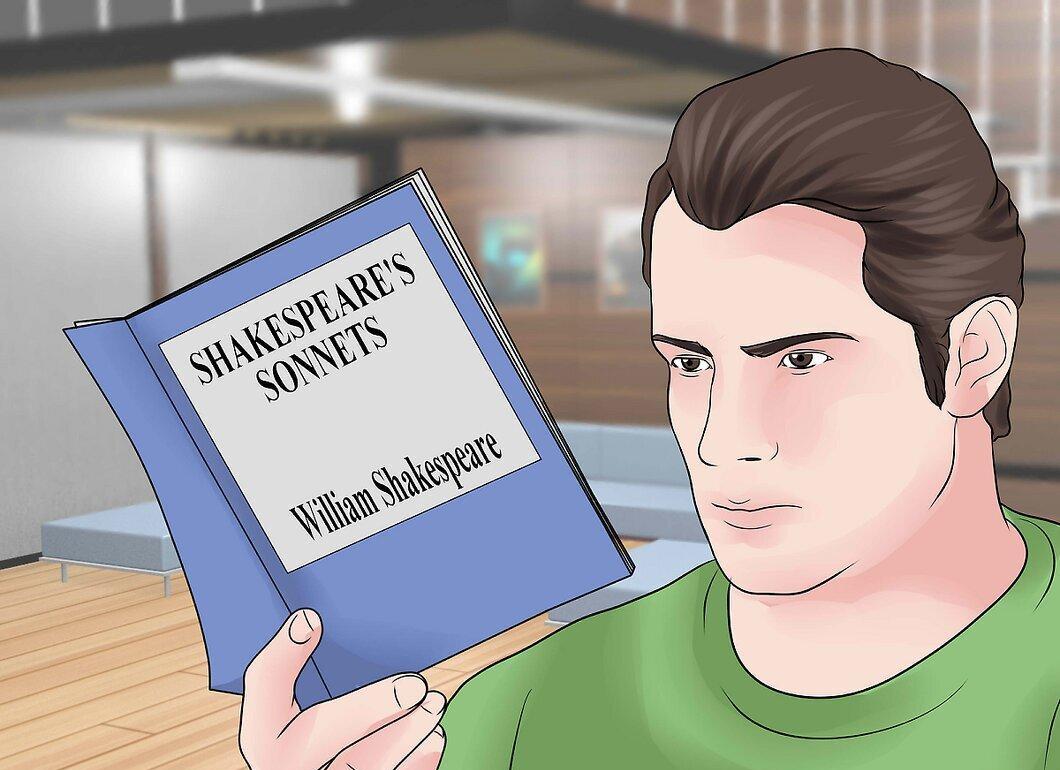
Read poetry. You might find it challenging to meet a poetry enthusiast, but for anyone who is well-read, it’s essential to understand poems! Here’s what you need to read:
- Shakespeare's Sonnets (Shakespeare, 1609)
- Paradise Lost (Milton, 1667)
- The Collected Poems of John Keats (1815)
- Leaves of Grass (Whitman, 1855)
- Selected Poems of Langston Hughes
- The Poetry of Robert Frost
- Selected Poems of Emily Dickinson
- The Waste Land and Other Poems (Eliot, 1922)
- Twenty Love Poems and a Song of Despair (Neruda, 1924)
- E.E. Cummings: The Complete Poems, 1904-1962
- Howl and Other Poems (Ginsberg, 1956)
- Ariel (Plath, 1965)
- The Complete Poems of Elizabeth Bishop, 1927-1979
- Open Land: Selected Poems (Heaney, 1966-1996)
Step 4. Read non-fiction works.
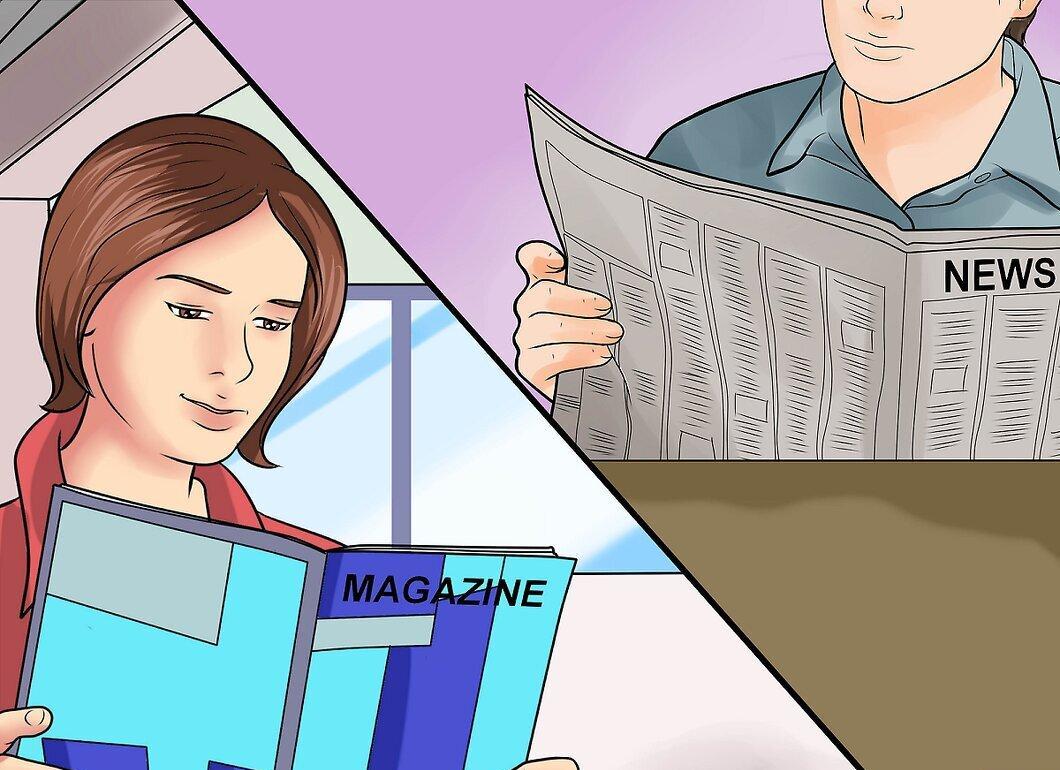
Read non-fiction works. A well-read person cannot limit themselves to just fictional stories. You need to read a wide variety of literature! You should understand politics, history, science, and everything in between. Thus, read works from the following genres:
- History
- Politics
- Journals
- Memoirs
- Biographies
- News
- The Bible and spiritual literature
Step 5. Read popular fiction and non-fiction.
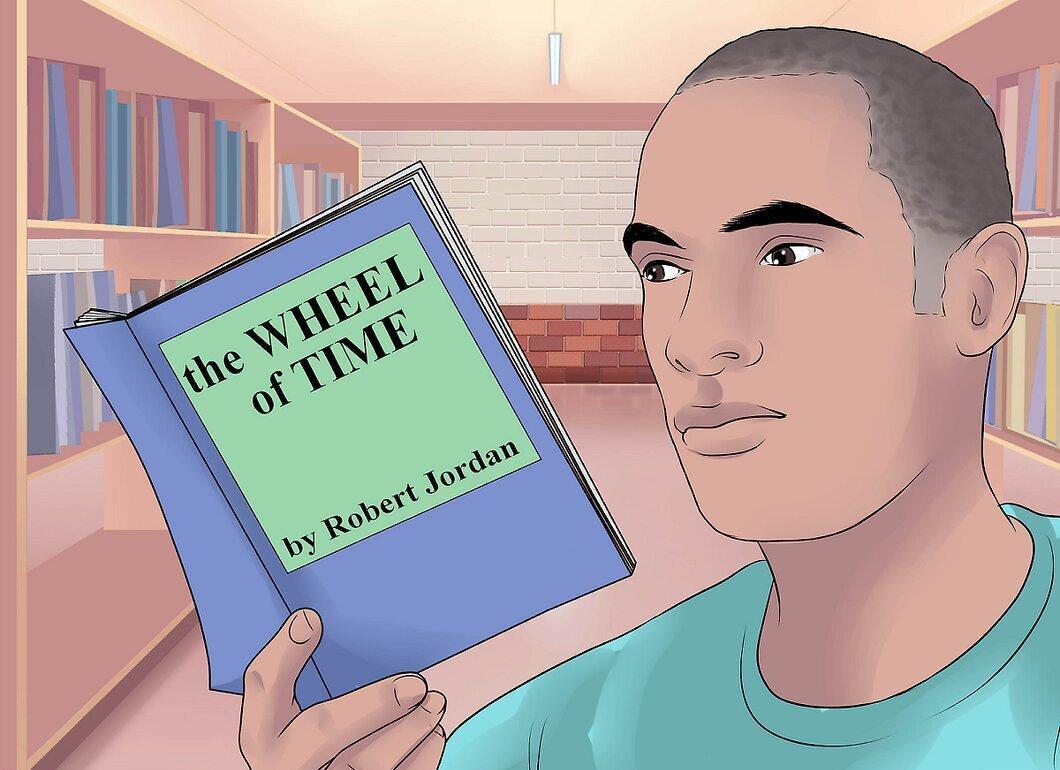
Read popular fiction and non-fiction. If you want to know what’s buzzing in conversations, it’s worth putting aside the classics and picking up something more contemporary. After all, you need to know what modern authors are writing for today’s readers. Compiling such a list is easy—include contemporary bestsellers published in the last 20 years or so. For example:
- The Lord of the Rings
- The Wheel of Time
- Harry Potter
- Any novel by Nicholas Sparks
- Any novel by John Grisham
- The Hunger Games (Collins)
- The Da Vinci Code (Brown)
- Atonement (McEwan)
- Catch-22 (Heller)
- The Road (McCarthy)
- The Girl with the Dragon Tattoo (Larsson)
Enjoy Reading
Step 1. Set goals.
Set goals. How will this help? Well, you feel good when you achieve goals, right? Start small—say, read one book a month. Then, aim for two books a month. Once you get into the swing of things, you can read a book a week or even faster! Create a list of books, stick to your plan, and you’ll succeed.
- Set goals so that you can spend your time productively. If, for example, you want to finish Ulysses in a week, you won’t get distracted by a new season of a soap opera!
Step 2. Read “Top 100” lists.
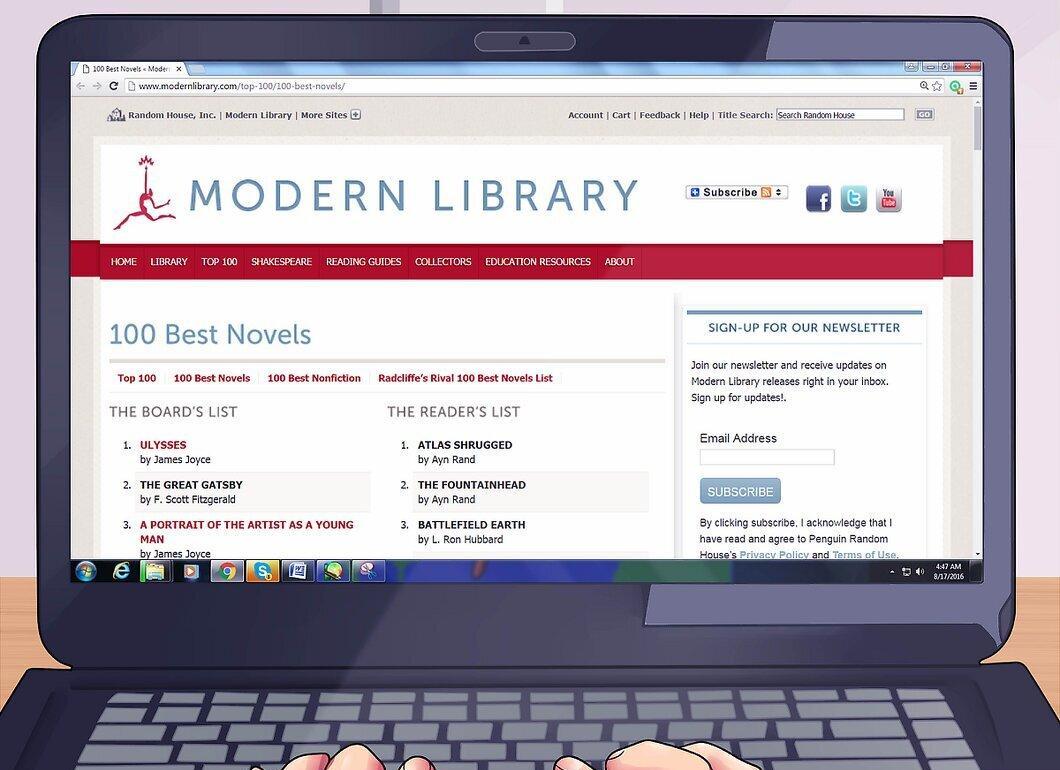
Read “Top 100” lists. Almost every respectable magazine has released its own version of the hundred books “everyone should read.” Why not read them too? You’ll become very well-read if you manage to read them all. In other words, seek out lists and read. For example, you can read works from lists like:
- 100 Best Modern Books
- 100 Greatest Books According to Times Magazine
- 100 Best Books According to The Guardian
- Read works by Nobel Prize winners.
- Read other books from best-of lists.
Step 3. Listen to audiobooks.
Listen to audiobooks. Find an audiobook; it’s just as good as reading a physical book! If you’re too tired to read with your eyes, listening with your ears can still count as reading. This can help you become very, very well-read! This option is especially good for those who spend a lot of time on the go. Use your time wisely!
- Before purchasing an audiobook, it’s a good idea to listen to a sample to make sure you like the narrator’s voice. If you don’t enjoy the voice, the book will feel very slow to get through…
Step 4. Get a Kindle e-reader.
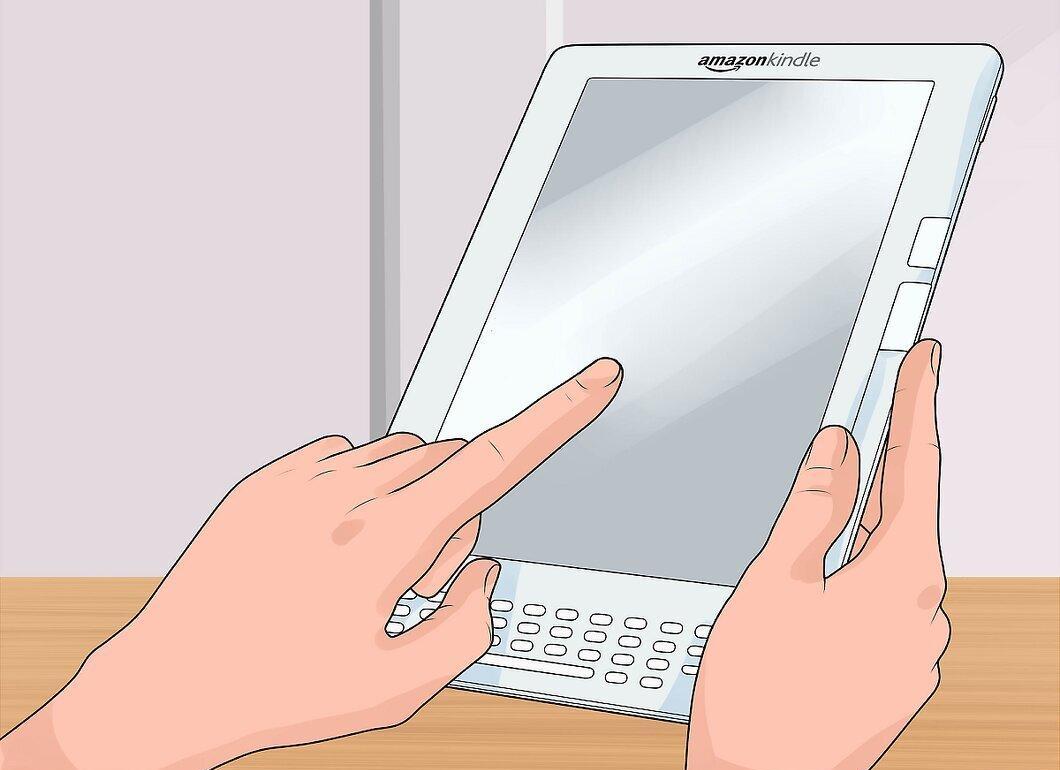
Get a Kindle e-reader. Yes, it’s not cheap, but it’s convenient, and you’ll save money on books later! Classic works can be purchased for almost pennies, and modern ones at a decent discount! Plus, with a Kindle, you can download a purchased book in seconds instead of waiting for it to arrive at your bookstore.
- If you have a Kindle, you can read a sample from a book before buying it.
Step 5. Read entertaining books.
Read entertaining books. Being well-read is important. Enjoying yourself and having fun is important too. Reward yourself for each classic book you read—perhaps with a book from your favorite genre!
Step 6. Join a book club.
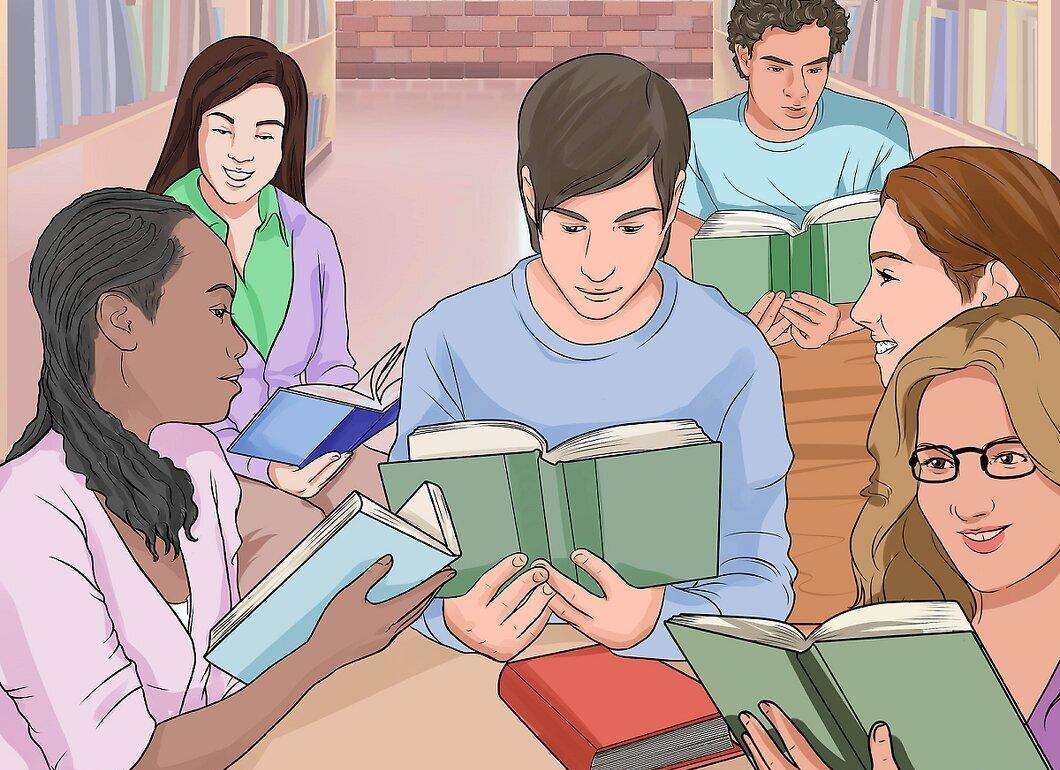
Join a book club. Or start one yourself. This way, you’ll not only connect with other well-read individuals but also discover many new books. Plus, you’ll have specific deadlines to finish reading particular books, which is also helpful. In book clubs, you’ll always have the chance to discuss the work you enjoyed! This, you know, is very useful; otherwise, there’s a risk of falling into mindless and unthinking reading.
- In many book clubs, there’s a rule where some members choose a book and others read it. This allows you to share your favorite authors with others!
Step 7. Create an account on Goodreads or a similar service.

Create an account on Goodreads or a similar service. These services will allow you to make a list of books you want to read, leave reviews, and connect with other book lovers. These services are usually free and extremely beneficial. Moreover, they can motivate you to read, so sign up!
Step 8. Write book reviews on Amazon.

Write book reviews on Amazon. Create an account there and start leaving reviews for the books you’ve read. Once you’ve read many books and written numerous interesting and helpful reviews, you’ll earn the status of “Top Reviewer.” If you think this is trivial, you’re mistaken—this status allows you to buy books at a discount and sometimes even access them before their official release!
- Even if you don’t achieve this status, no worries—writing reviews will help you better understand the book.
Step 9. Connect with other well-read people.
Connect with other well-read people. Interacting with them will open up many new thoughts, ideas, books, and names for you. There’s no point in being well-read if you can’t use your knowledge and discuss the latest releases in the book world!
Step 10. Listen to podcasts.
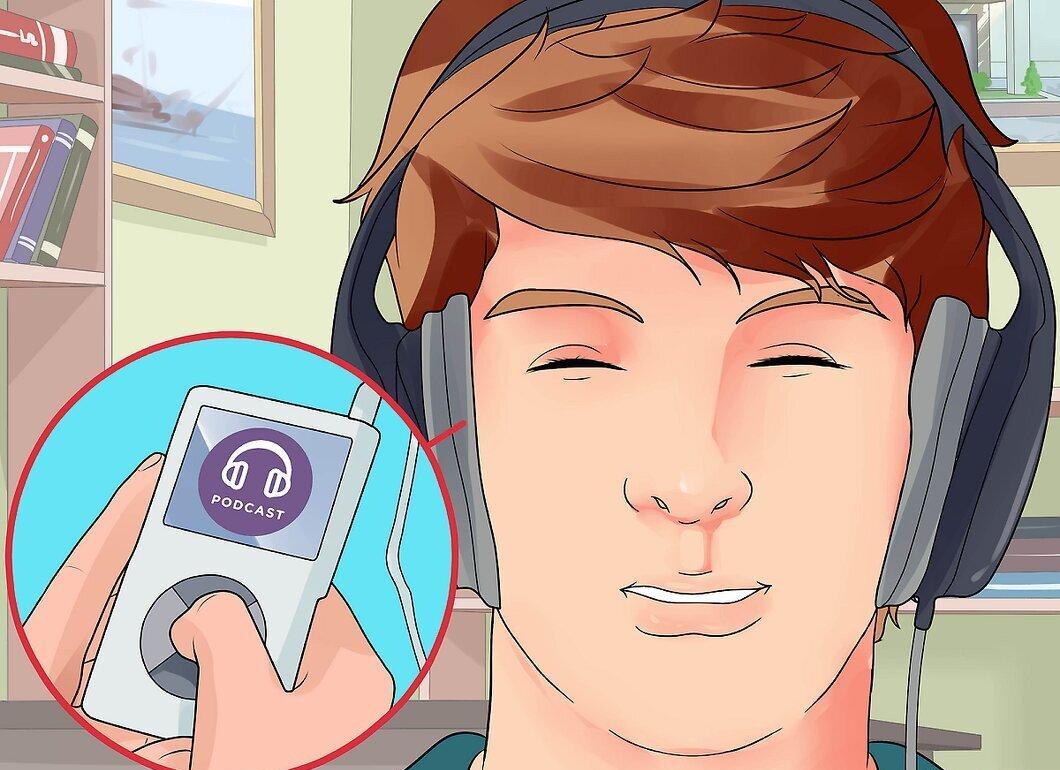
Listen to podcasts. If you can download free podcasts featuring author interviews, that’s great. You can learn a lot from podcasts and discover things you didn’t even know about. For those who want to become well-read “by ear,” here are some recommended podcasts (they are in English; you’ll have to search for similar ones in your native language):
- The New Yorker Fiction Podcast
- KCRW's Bookworm
- PRI's Selected Shorts
- WBEZ Chicago's This American Life
- PRI's America Abroad
- LearnOutLoud's Great Speeches in History Podcast
- New York Times Book Review Podcast