
Dry ice is a form of carbon dioxide that we exhale when breathing. It's called "dry" because it sublimates into gas, skipping the liquid phase, under normal conditions.[1] If you’re planning a science project or want to create a fog effect, follow these steps for safe handling of dry ice.
How to Buy and Transport Dry Ice
Step 1: Find Dry Ice at Local Stores

Look for dry ice at nearby grocery or general stores. Chains like Safeway, Wal-Mart, and Costco typically sell it.
- Try to buy dry ice as close to the time you plan to use it as possible. It sublimates quickly: 5-10 pounds (about 2-4 kg) can lose weight every 24 hours. [2]
- While most people can buy it, some stores sell dry ice only to individuals over 18 years of age.
Step 2: Choose Blocks of Dry Ice

Purchase dry ice in block form. These blocks are great for school experiments and creating fog.
- Dry ice is also available in pellets, but these are primarily used for surface cleaning and medical transport.
- The average price for dry ice ranges from $1.00 to $3.00 (approximately 30-100 rubles). Despite varying prices, it’s quite affordable.
Step 3: Store It in an Insulated Container
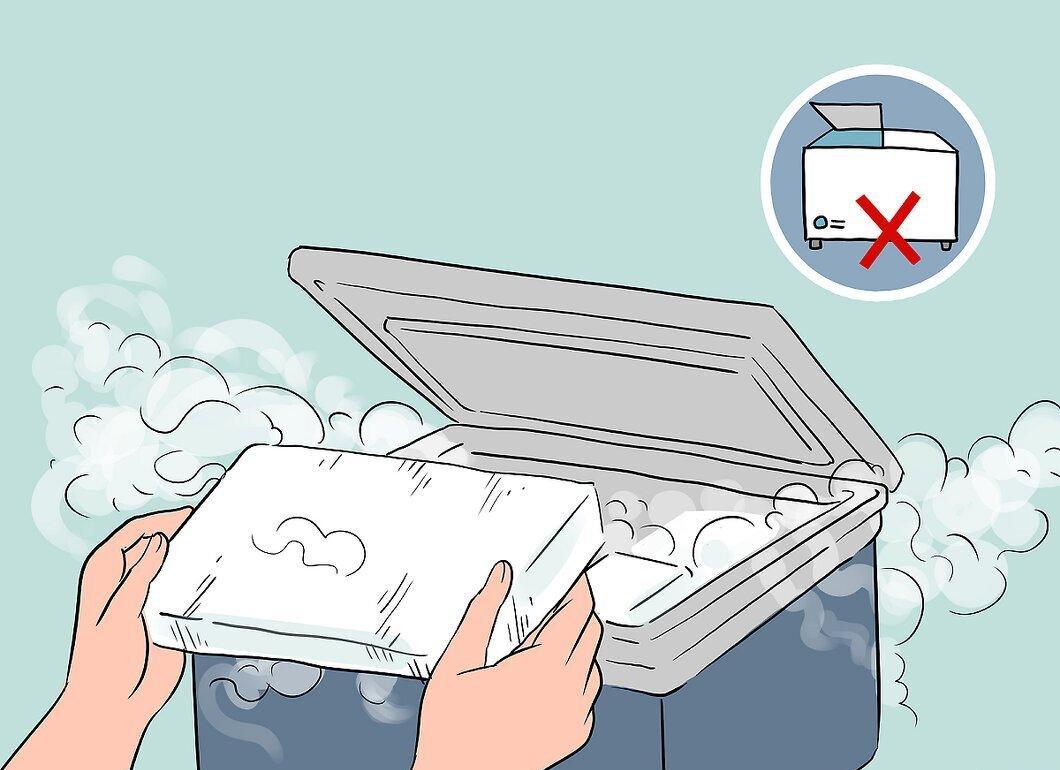
Place dry ice in an insulated container, such as a plastic cooler or ice box. It is significantly colder than regular ice (-109.3 to -78.5 degrees Celsius), so it doesn’t necessarily need to be kept in a freezer.
- The better the insulation of your container, the slower sublimation will occur.
- Try to open the container as infrequently as possible to slow this process down. You can fill any empty space inside the container with paper towels, which will also help slow sublimation. [3]
- Remember that storing dry ice in a freezer can trigger the thermostat to shut off, leading to excessive freezing of food.[4] In case of a freezer breakdown, dry ice can serve as a substitute to keep things cool.
Step 4: Transport with Care
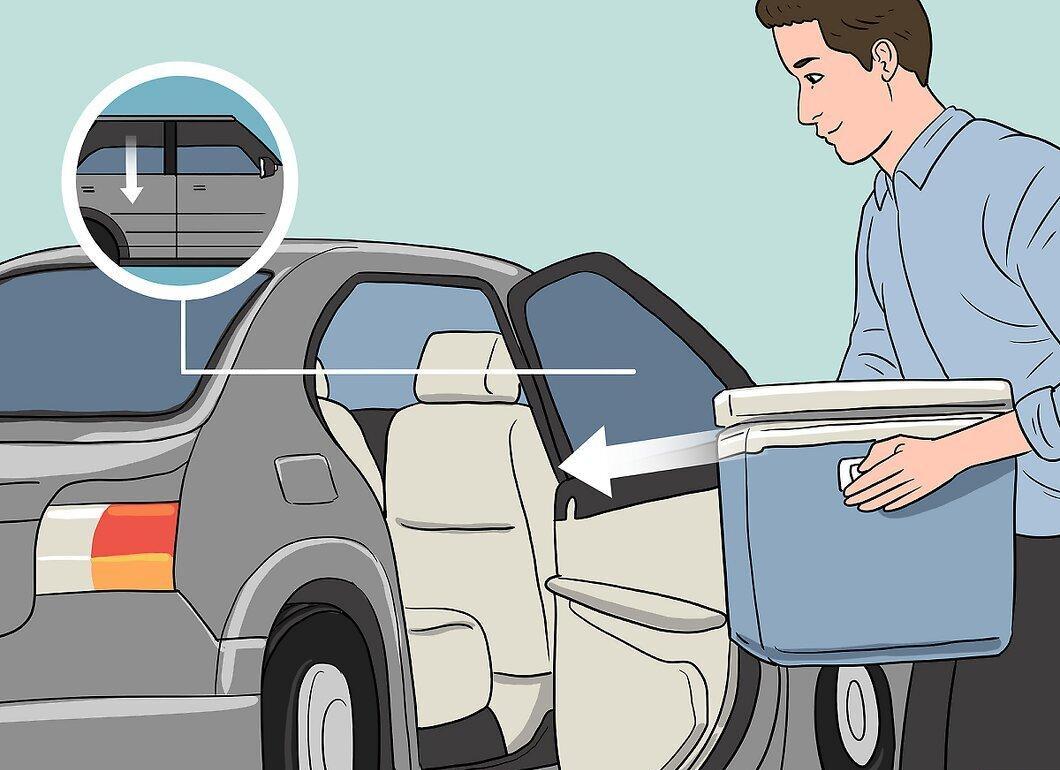
Place the cooler with dry ice in your vehicle and be sure to crack the windows. Keep in mind that dry ice releases carbon dioxide, which can be hazardous if inhaled in large quantities.
- Fresh air is especially important if you are transporting dry ice for more than 15 minutes. In a poorly ventilated vehicle, it can cause headaches and other health issues, and in some cases, lead to tragic outcomes. [5]
Handling Dry Ice
Step 1: Use Protection When Working with Dry Ice
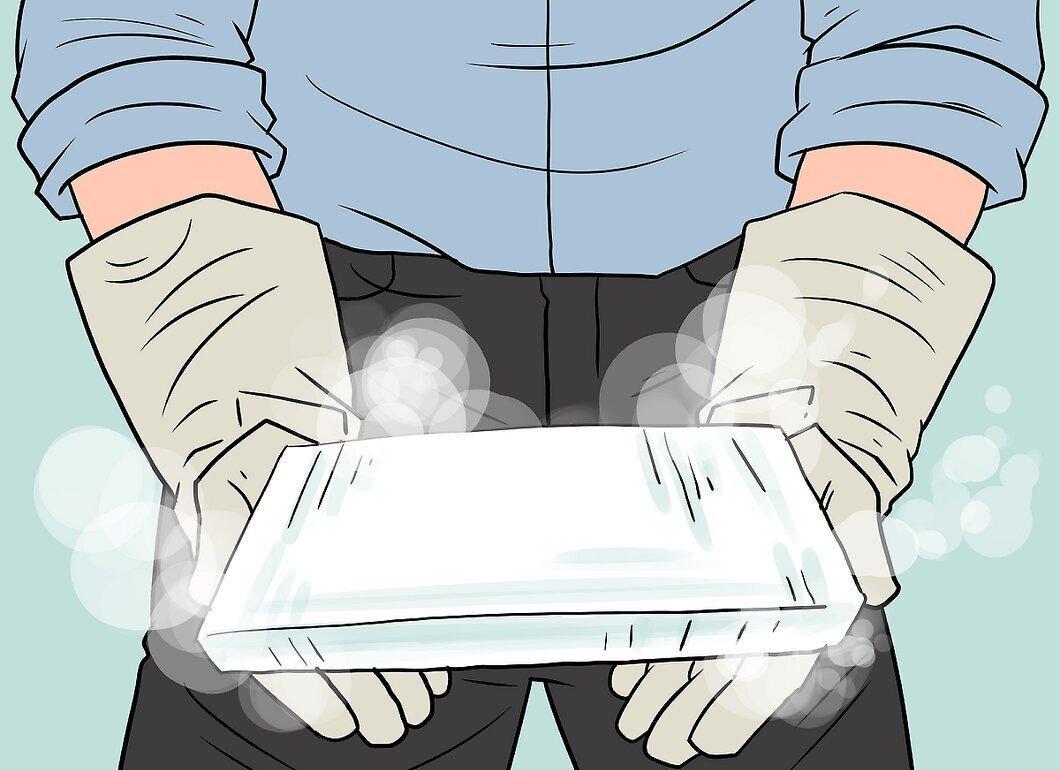
Always wear leather gloves and long sleeves when handling dry ice. Brief contact is safe, but prolonged exposure can cause skin freeze and burns.
- You can also use oven mitts or towels, but they are not as effective as gloves. Handle dry ice as you would hot cookware to avoid skin contact.
- Dry ice burns are treated similarly to regular burns. If your skin is just red, it's not serious and will heal quickly. If blisters appear, you will need antibiotic ointment and a bandage. For serious burns, seek medical attention immediately.[6]
Step 2: Store Unused Dry Ice in a Well-Ventilated Area
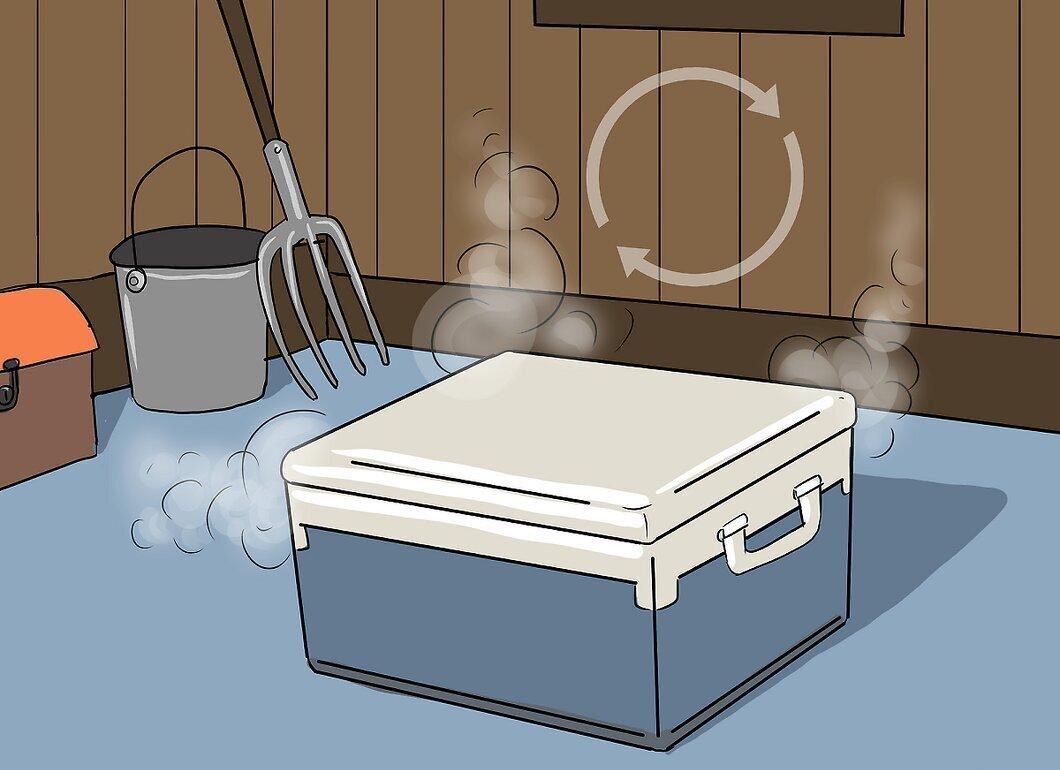
Unused dry ice should be stored in areas with good ventilation. Accumulating a large amount of dry ice in a confined space can lead to oxygen shortages.
- You can use a shed in your yard for storage, as it has good air circulation, which prevents suffocation hazards for people and pets. If you’re having trouble finding a suitable place, ask a chemistry teacher at your school about a safe area in the lab.
- Always store dry ice out of reach of children and pets.
Step 3: Ventilate the Area Where Dry Ice Has Spilled
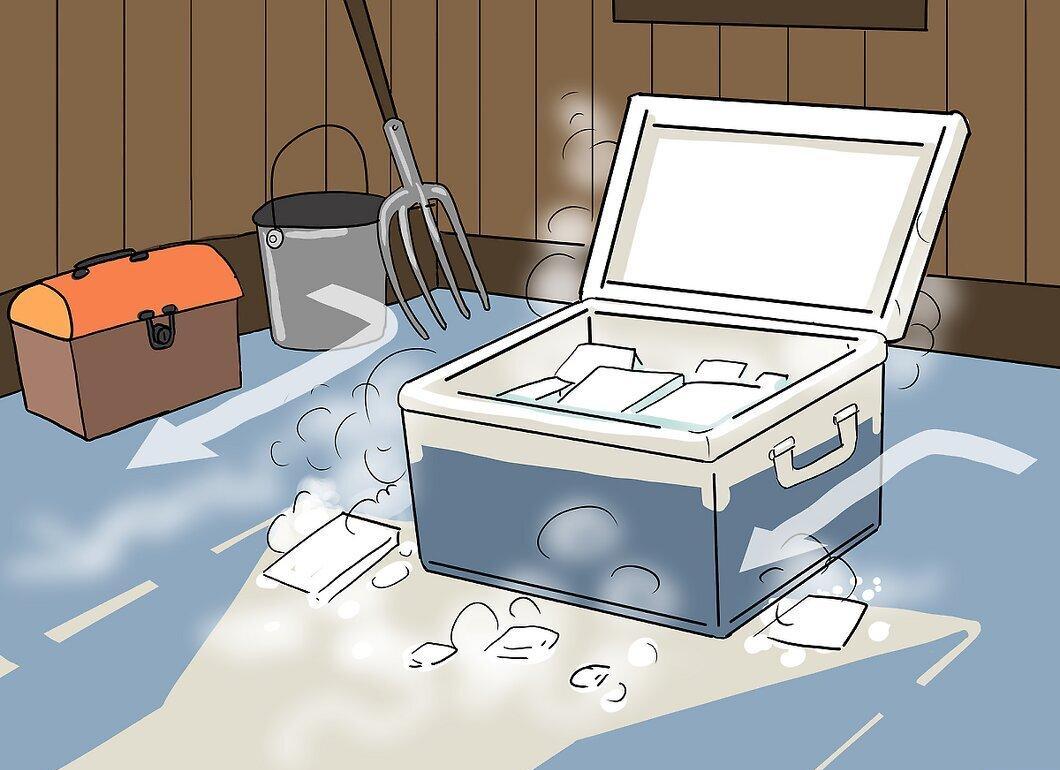
If dry ice spills, open doors and windows in the room to ensure fresh air. It will continue to sublimate and should mix with the atmosphere.
- Dry ice is heavier than air and will accumulate in low areas. Avoid putting your head near pits or confined spaces, as they may have a high concentration of carbon dioxide. [7]
Step 4: Dispose of Dry Ice Properly

If you wish to dispose of dry ice, leave it in a well-ventilated area at room temperature. Remember that it will sublimate, and you just need to leave it alone to evaporate.
- Your backyard is a great place for this. Make sure it’s safe and inaccessible to others for at least 24 hours.
- You can also place dry ice in a fume hood designed for working with hazardous materials. Your school may have such a hood, but consult with a teacher first.
What to Avoid
Step 1: Do Not Store Dry Ice in Airtight Containers
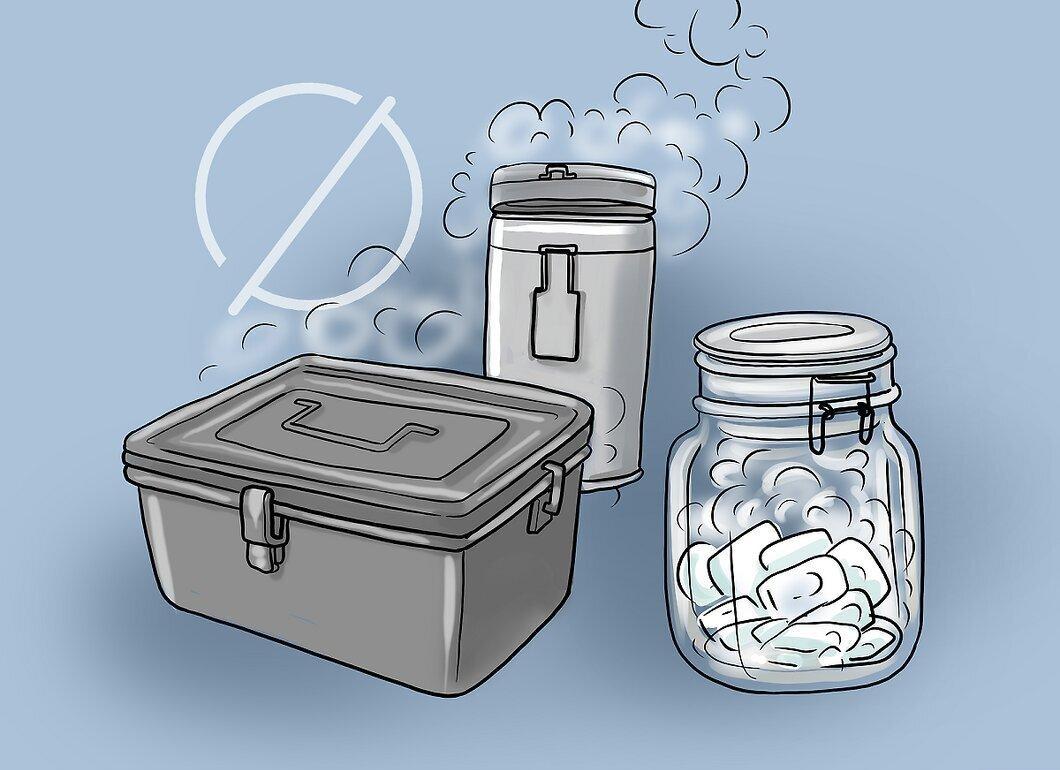
Never store dry ice in completely airtight containers. Sublimation will lead to increased pressure and can cause an explosion.
- Dry ice can cause violent expulsions if packed too tightly. Some people have even faced criminal charges for making a "bomb" out of dry ice. [8]
- Avoid using metal or glass containers, as an explosion could shatter them and cause serious injury.
Step 2: Do Not Store in Poorly Ventilated Areas
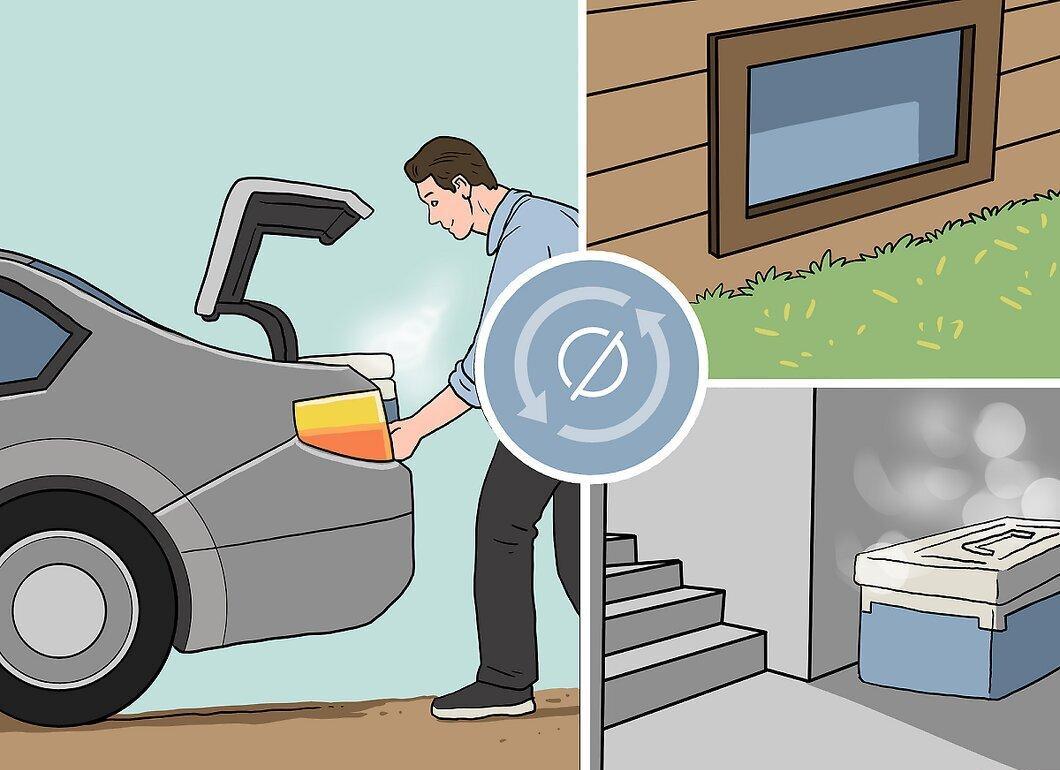
Do not allow dry ice to be stored in basements, cars, or other poorly ventilated spaces. Carbon dioxide will gradually displace oxygen and can cause suffocation.
- Ventilate areas where dry ice has been before entering them.
Step 3: Do Not Leave Dry Ice Unattended
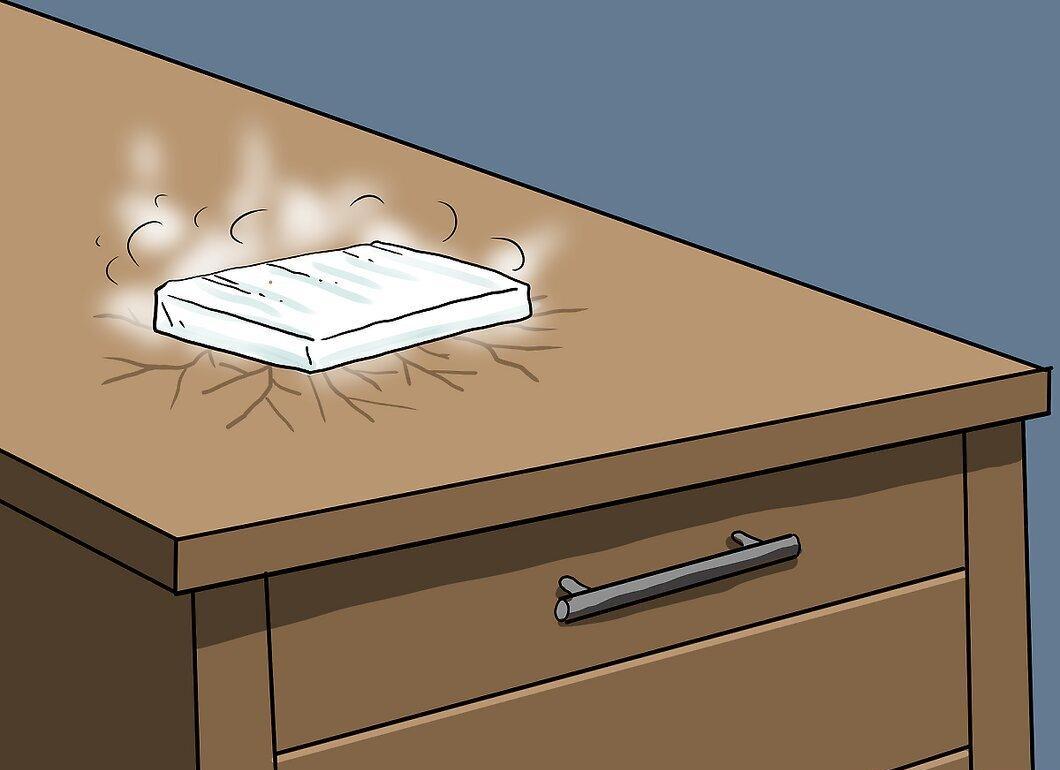
Try not to leave dry ice unattended. While it’s impossible to monitor it completely, accidents can happen if you’re not careful.
- Do not leave dry ice on tiles or hard surfaces, as its extreme cold can damage them.
Step 4: Do Not Dispose of It in the Drain
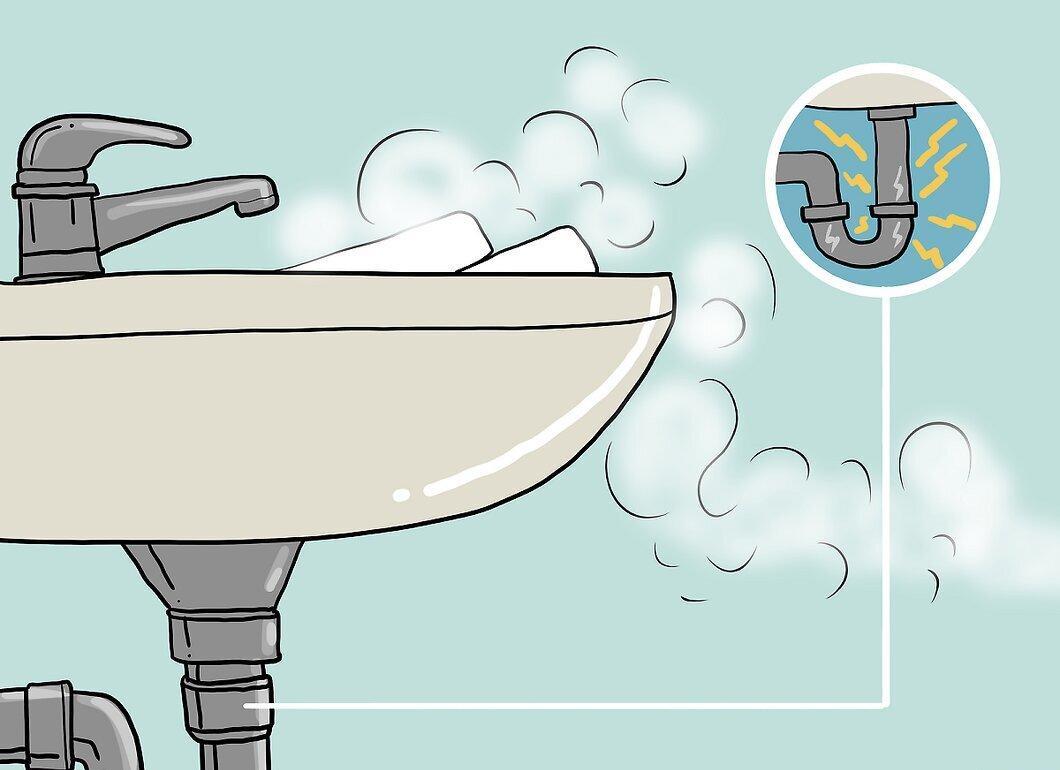
Do not throw dry ice down the sink, toilet, or garbage chute. This can cause water in the pipes to freeze and lead to destruction.
- High pressure in pipes can cause rapid expansion of dry ice and result in explosions.