
Marginal profit is a valuable method actively used in managerial accounting, known as Cost-Volume-Profit (CVP) analysis. To calculate the contribution margin, the formula P-V is used, where P is the product price and V is its variable cost. This approach allows you to determine how much profit a product can generate to cover fixed costs and achieve profit. You can also calculate the revenue ratio, defined as CM/P, where CM is the gross profit and P is the cost of goods sold. This value indicates what portion of the product price goes toward covering fixed costs and generating profit.
Determining Marginal Profit by Product
Step 1. Determine the Revenue Per Unit.
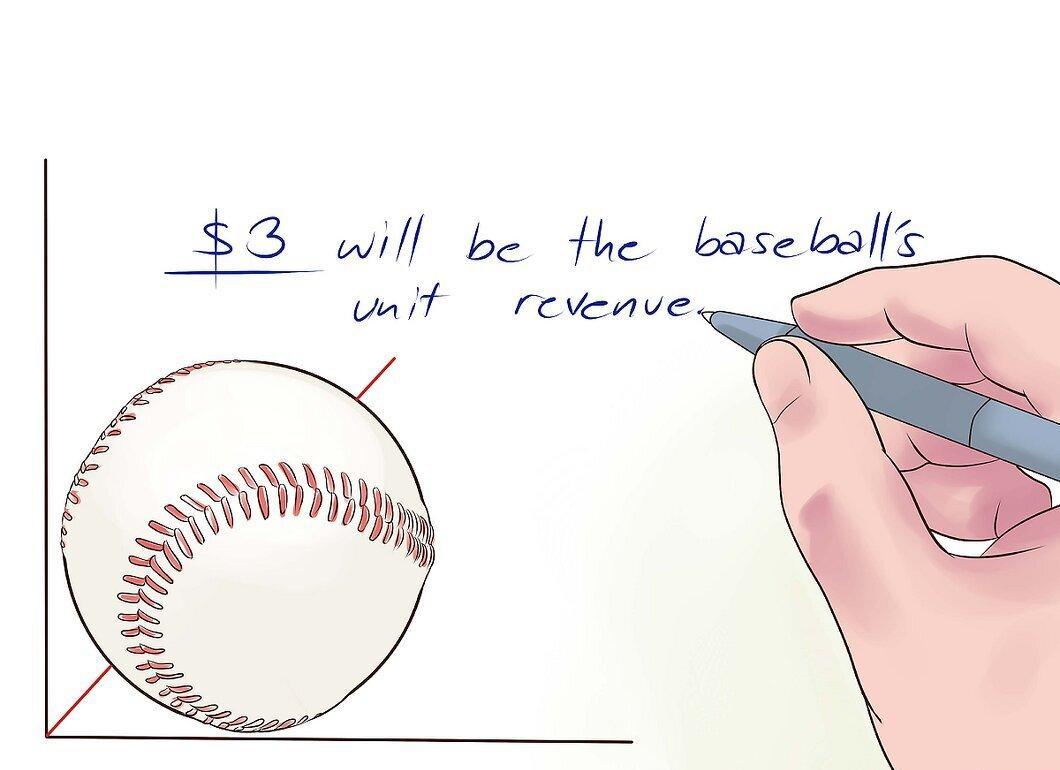
The first step in calculating marginal profit is to determine the revenue per unit, which is the selling price. The term "revenue per unit" may seem confusing, but it simply refers to the amount you receive from selling one unit of the product.
- Let's consider a practical example: suppose you manage a factory that produces baseballs. If the price of one ball is $3, this amount is your revenue per unit.
Step 2. Determine the Variable Costs of Producing the Product.
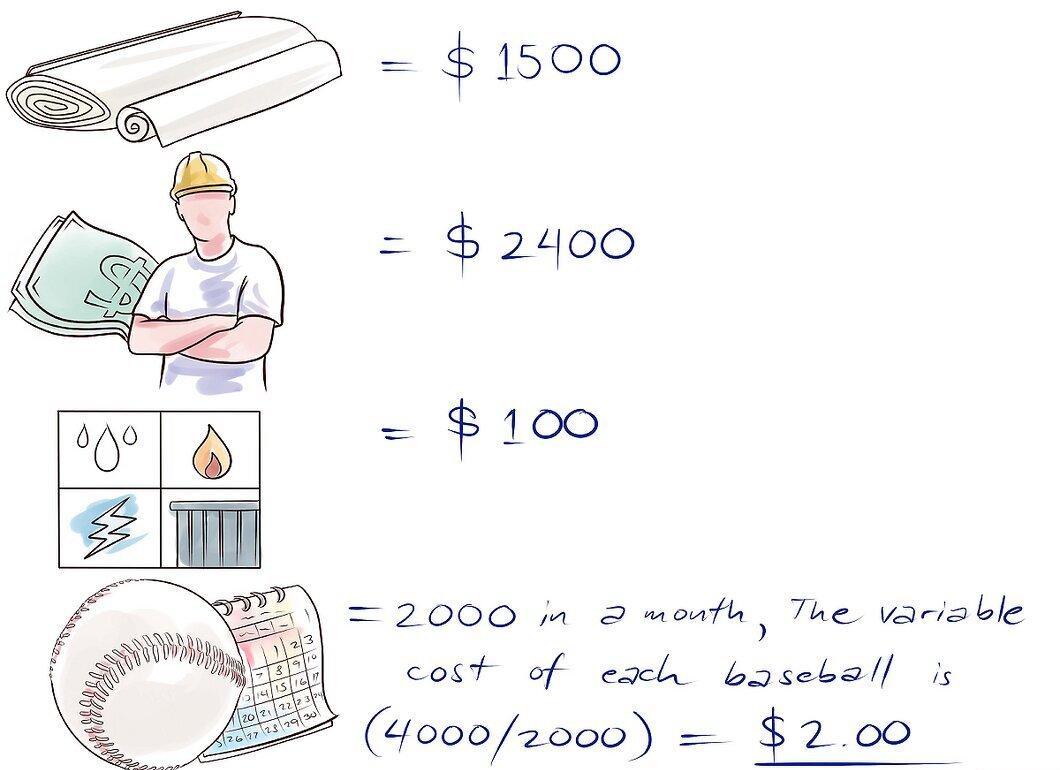
The next step is to identify the variable costs associated with producing the product. Variable costs are expenses that vary with the level of production, such as employee wages, raw materials, and utilities. The more you produce, the higher your costs, which is why they are called variable.
- For instance, let's say last month the costs for rubber and leather for the balls amounted to $1500, while employee salaries totaled $2400, plus $100 for utilities. If you produced 2000 balls, the variable cost per ball would be (4000/2000) = $2.00.
- Remember that unlike variable costs, fixed costs do not depend on the level of production. For example, rent for the building remains unchanged regardless of how many balls you produce.
Step 3. Subtract Variable Costs from the Price.
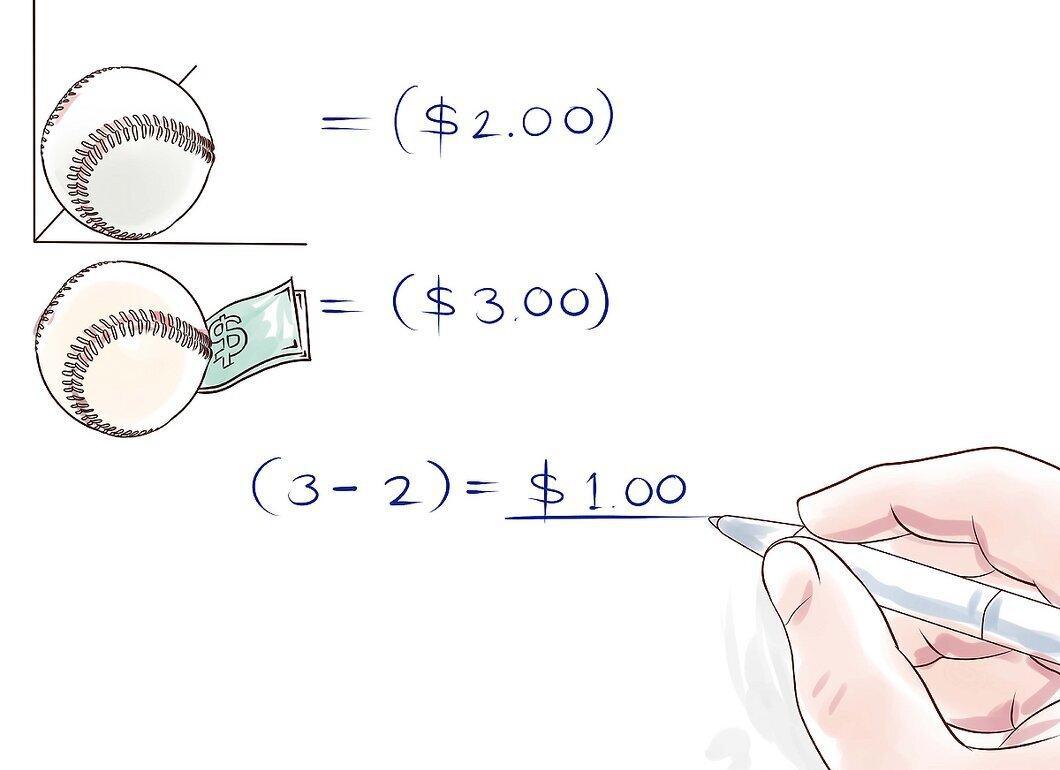
Now that you know the price and variable costs, you can easily calculate the marginal profit by subtracting the variable costs from the product price. This calculation shows how much remains from the sale of one product to cover fixed costs and generate profit.
- In our case, to determine the contribution margin for each baseball, you need to subtract the variable costs ($2.00) from the price ($3.00), resulting in (3 - 2) = $1.00.
Step 4. Use Marginal Profit to Cover Fixed Costs.
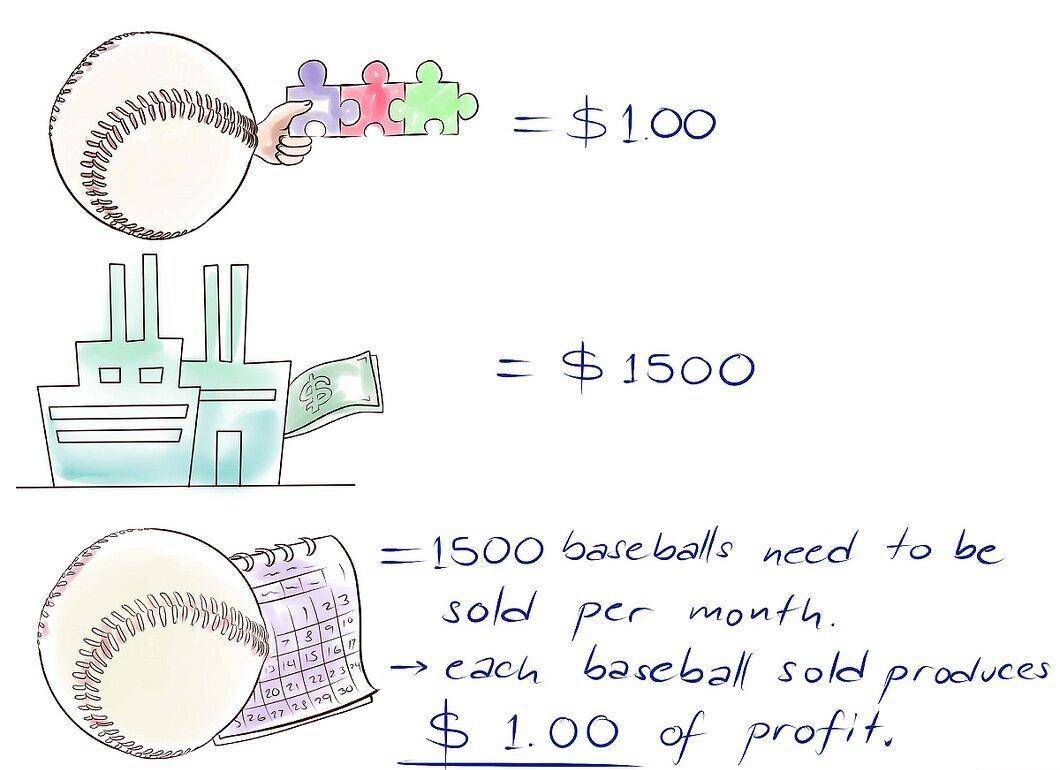
Positive marginal profit allows you to cover fixed costs. This means that your product not only covers its variable costs but also contributes to covering fixed expenses. Once the fixed costs are covered, the remaining marginal profit becomes net profit.
- In our example, the marginal profit from each baseball is $1.00. If the rent for the factory is $1500, then you need to sell 1500 balls per month to cover the fixed costs. All subsequent balls will yield $1.00 in profit.
Applying Marginal Profit
Step 1. Calculate the Marginal Profit Ratio by Dividing Profit by Price.
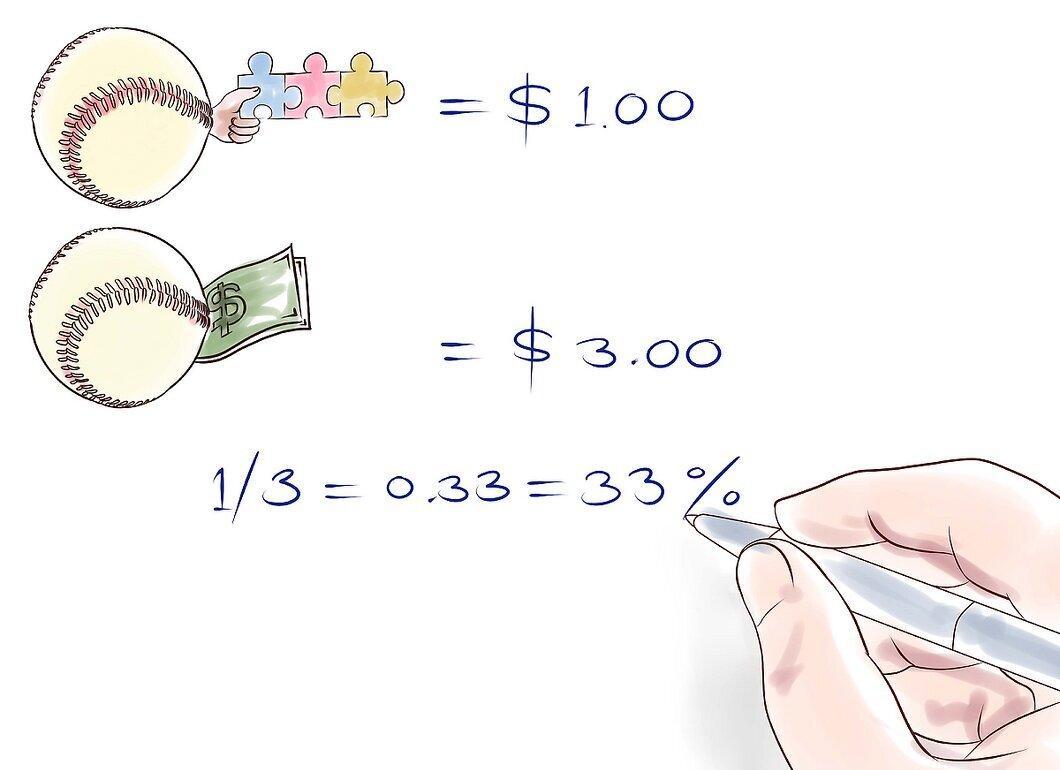
After calculating the marginal profit, you can find the marginal profit ratio. To do this, simply divide the marginal profit by the product price. This value indicates what portion of each sale goes toward covering fixed costs and generating profit.
- For example, if the marginal profit for a baseball is $1.00 and the price is $3.00, then the ratio is 1/3 = 0.33, or 33%. This means that 33% of each sale goes toward covering fixed costs.
Step 2. Use Marginal Profit for Break-Even Analysis.
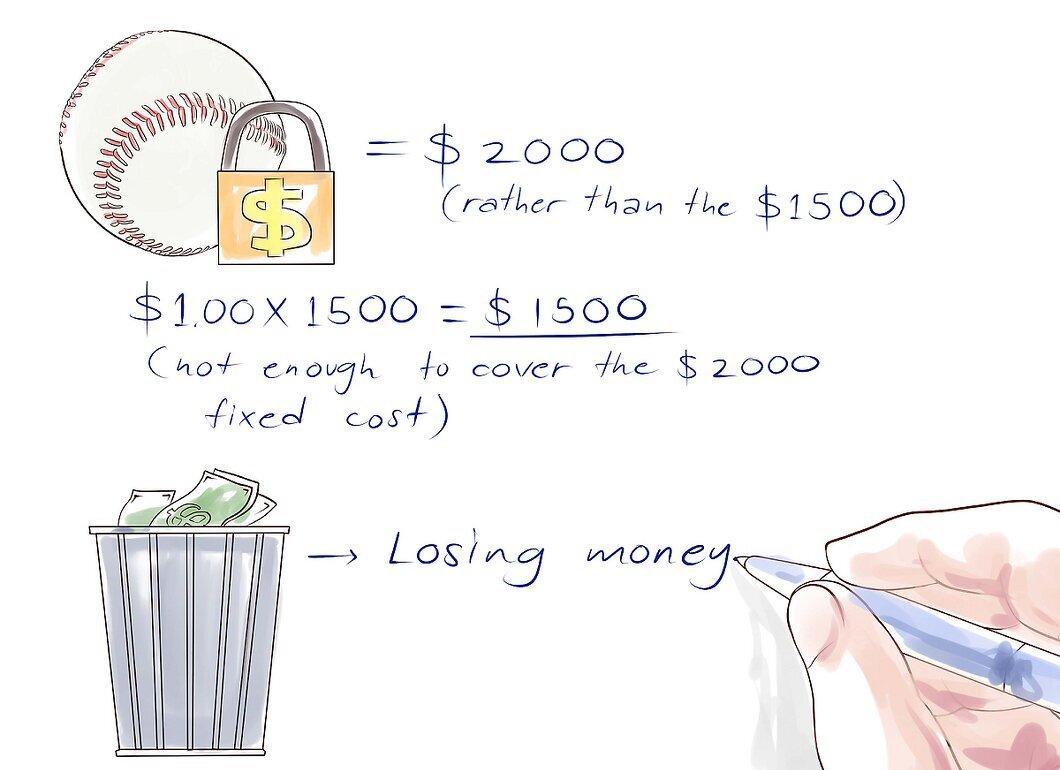
Marginal profit can be used for quick break-even analysis. If you know your fixed costs and marginal profit, you can easily understand whether your company is profitable. You just need to sell enough products to cover the fixed costs.
- For example, if the fixed costs of our baseball company are $2000, and we sell 1500 balls, we would receive $1500, which is not enough to cover the fixed costs, and in this case, we would be losing money.
Step 3. Use Marginal Profit for Business Plan Evaluation.
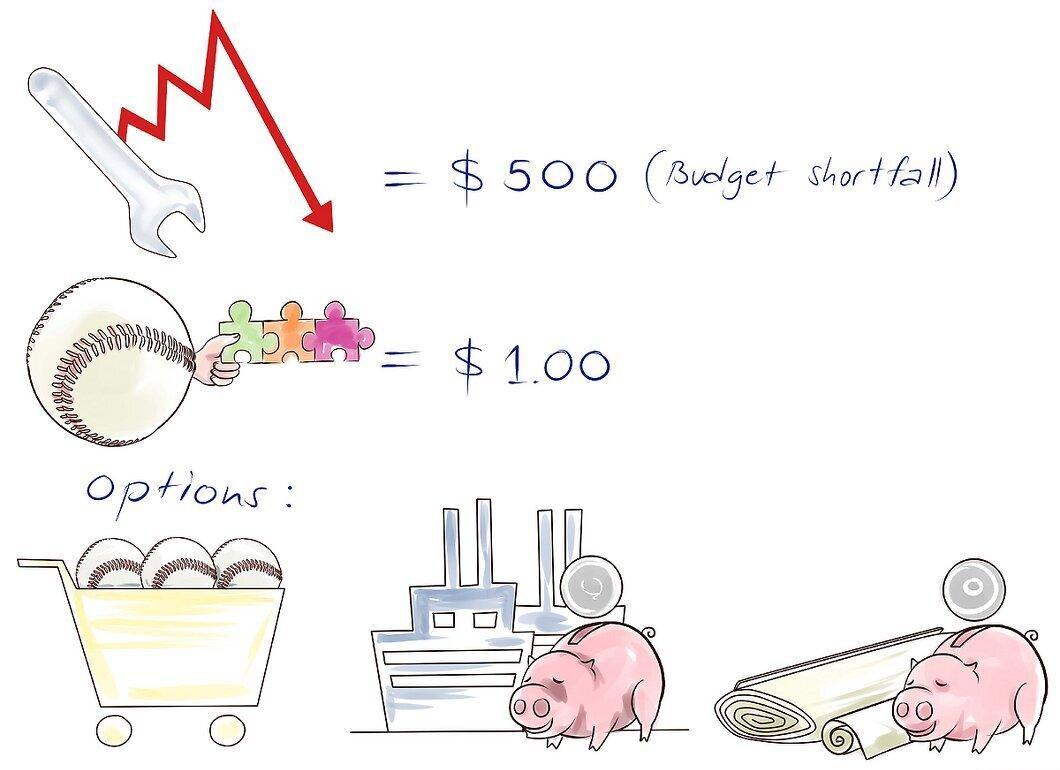
Marginal profit also helps in evaluating a business plan. If your business is not profitable, you can use marginal profit to revise your sales strategy or reduce fixed and variable costs.
- For example, if we have a budget deficit of $500, we can either increase sales by 500 balls or cut fixed costs, such as moving to a cheaper location or using more affordable materials. If we reduce each ball's cost by $0.50, the marginal profit would be $1.50, and by selling 1500 balls, we would earn $2250, which would allow us to make a profit.
Step 4. Use Marginal Profit to Prioritize Products.
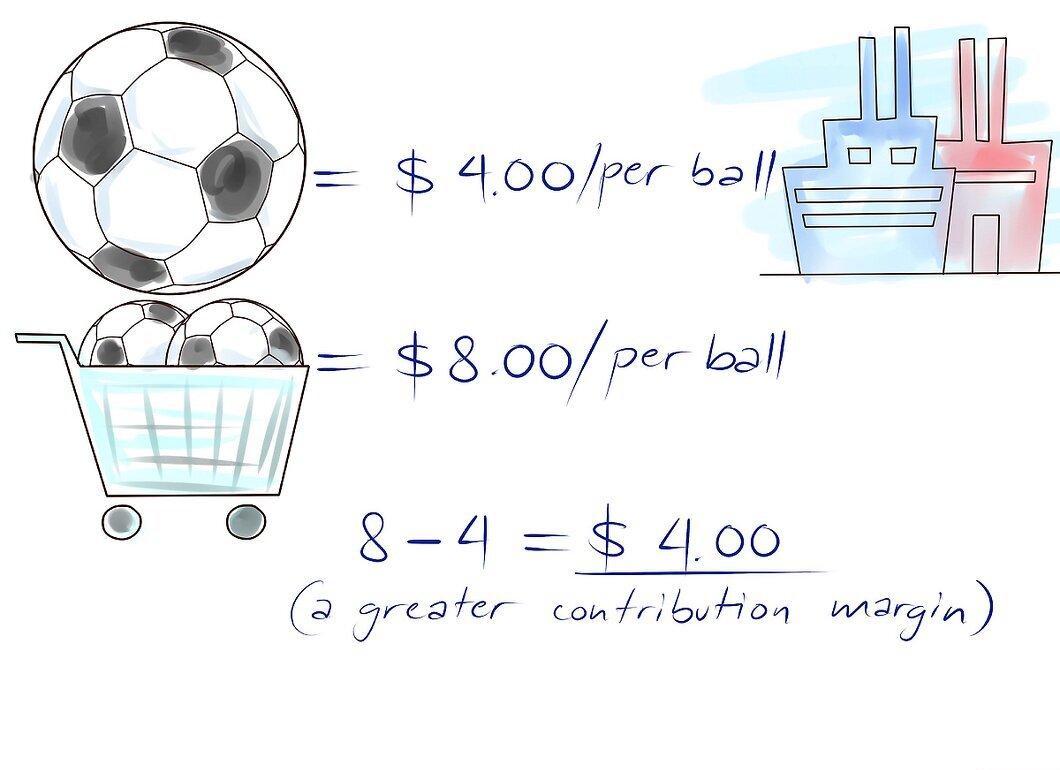
If your company produces multiple products, marginal profit will help determine which product should be produced in larger quantities. This is especially relevant if all products use the same materials and technologies. In such cases, it makes sense to focus on the product with the highest marginal profit.
- For example, if your factory also produces soccer balls that cost $4 per unit and sell for $8, the marginal profit would be $4.00. If they are made from the same material as baseballs, it would be better to prioritize the production of soccer balls, as they yield four times more profit than baseballs.