
According to fundamental economic principles, when a company lowers the price of its products, it can sell more. However, this results in less profit for each additional unit sold. Marginal revenue is the increase in revenue that results from selling one additional unit of a product. Marginal revenue can be calculated using a simple formula:
Marginal Revenue = (Change in Total Revenue) / (Change in Quantity Sold).
Using the Formula to Calculate Marginal Revenue
Step 1. Find the Quantity of Sold Products.

Determine the quantity of the product sold. To calculate marginal revenue, you need to find the values (exact and estimated) of several variables. First, find the number of units sold for a specific product in the company's assortment.
- For example, a company sells three types of drinks: grape, orange, and apple. In the first quarter of this year, the company sold 100 cans of grape juice, 200 cans of orange juice, and 50 cans of apple juice. Calculate the marginal revenue for the orange drink.
- Note that to obtain accurate values for the necessary variables (in this case, the quantity sold), you will need access to the company's financial documents or other reports.
Step 2. Find the Total Revenue from Selling a Specific Product.

Determine the total revenue generated from selling a specific product. If you know the price per unit of the sold product, you can easily find the total revenue by multiplying the quantity sold by the price per unit.
- In our example, the company sells the orange drink for $2 per can. Therefore, the total revenue from selling the orange drink is: 200 x 2 = $400.
- The exact value of total revenue can be found in the income statement. Depending on the size of the company and the amount of product sold, you will likely find revenue figures not for a specific product but for a category of products.
Step 3. Determine the Price per Unit to Sell an Additional Unit of Product.
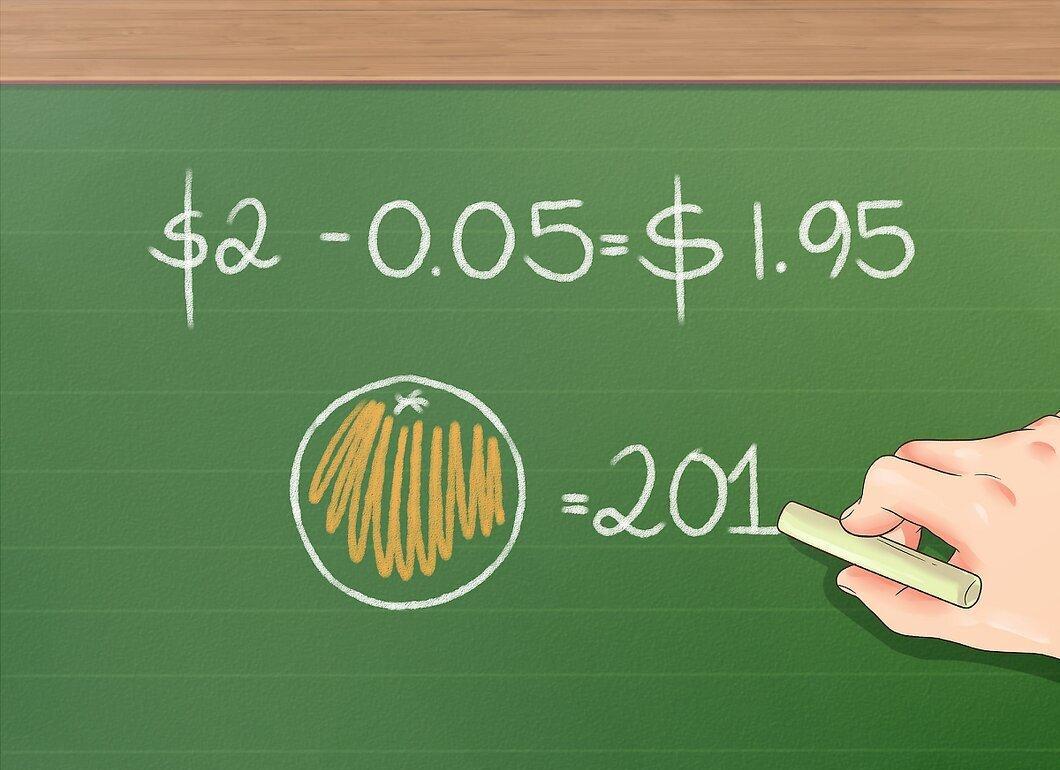
Determine the price per unit to sell an additional unit of product. In exercises, this information is usually provided. In real life, analysts often struggle to determine this price.
- In our example, the company lowers the price of one can of orange drink from $2 to $1.95. At this price, the company can sell an additional unit of the orange drink, resulting in a total sold quantity of 201.
Step 4. Find the Total Revenue from Selling Products at the New (Presumably Lower) Price.
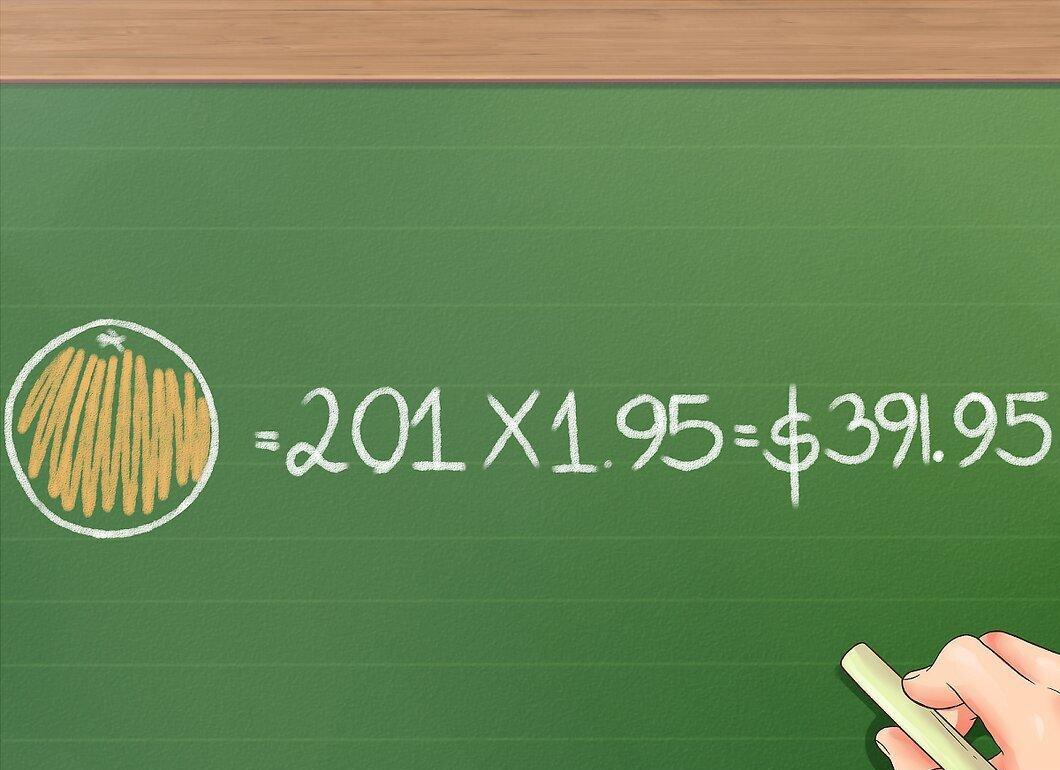
Calculate the total revenue from selling products at the new (presumably lower) price. To do this, multiply the quantity sold by the price per unit.
- In our example, the total revenue from selling 201 cans of orange drink at $1.95 per can equals: 201 x 1.95 = $391.95.
Step 5. Divide the Change in Total Revenue by the Change in Quantity Sold to Find the Marginal Revenue.
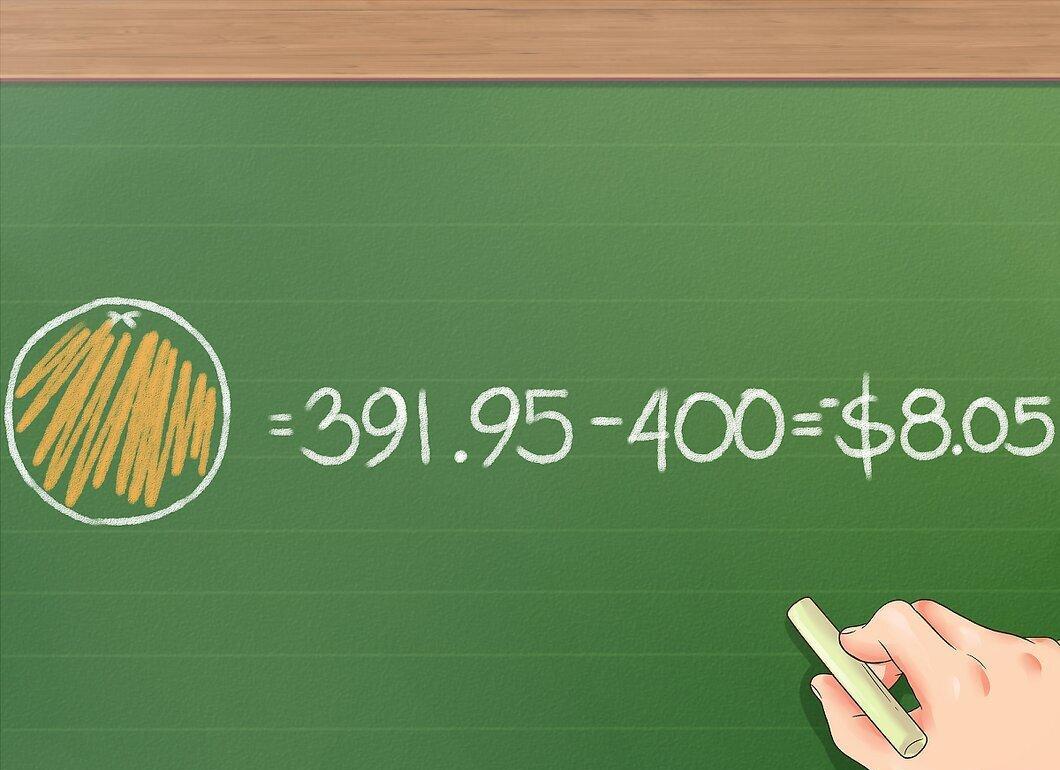
Divide the change in total revenue by the change in quantity sold to find the marginal revenue. In our example, the change in quantity sold is: 201 - 200 = 1, so here you simply subtract the old total revenue from the new total revenue to calculate marginal revenue.
- In our example, subtract the total revenue from selling the product at $2 (per unit) from the revenue from selling the product at $1.95 (per unit): 391.95 - 400 = -$8.05.
- Since in our example the change in quantity sold is equal to 1, you do not divide the change in total revenue by the change in quantity sold. However, in situations where a price decrease leads to the sale of several (not just one) units of product, you will need to divide the change in total revenue by the change in quantity sold.
Using the Marginal Revenue Value
Step 1. Product prices should be set to maximize revenue at the ideal price-quantity relationship.

Product prices should be set to maximize revenue at the ideal price-quantity relationship. If a change in the unit price results in a negative marginal revenue, the company incurs losses, even if the price drop allows selling additional products. The company would gain additional profit by raising the price and selling fewer products.
- In our example, the marginal revenue is -$8.05. This means that by lowering the price and selling an additional unit of product, the company incurs losses. In reality, the company will likely abandon plans to lower the price.
Step 2. Compare Marginal Costs and Marginal Revenue to Determine Profitability.
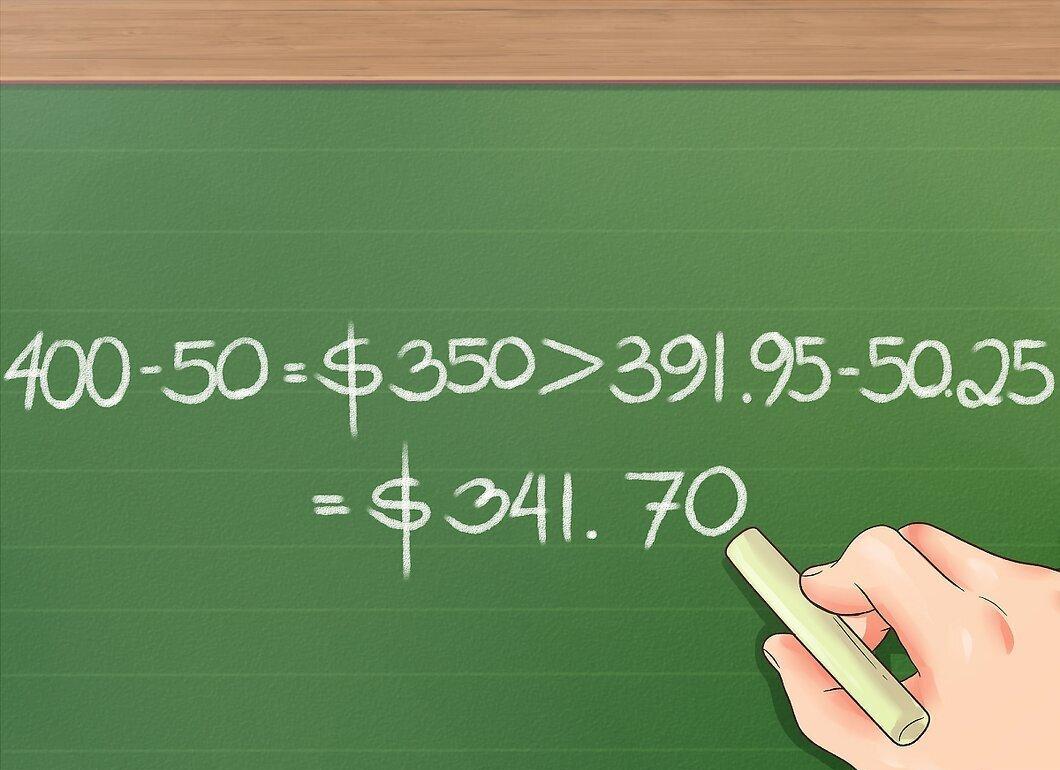
Compare marginal costs and marginal revenue to determine the profitability of the company. Companies with an ideal price-quantity relationship have marginal revenue equal to marginal costs. Following this logic, the larger the difference between total costs and total revenue, the more profitable the company.
- Marginal costs are the ratio of the change in production costs for an additional unit of product to the change in the quantity produced.
- In our example, let’s assume that producing one can of drink costs $0.25. Therefore, producing 200 cans of drink costs 0.25 x 200 = $50, and producing 201 cans costs 0.25 x 201 = $50.25. Thus, the cost of producing an additional unit of product equals $0.25. As noted above, the total revenue from selling 200 cans was $400, and the revenue from selling 201 cans was $391.95. Since 400 - 50 = $350 is greater than 391.95 - 50.25 = $341.70, selling 200 cans is more profitable.
Step 3. Companies use the marginal revenue value to determine the quantity of product to produce and its price, at which the company will maximize revenue.
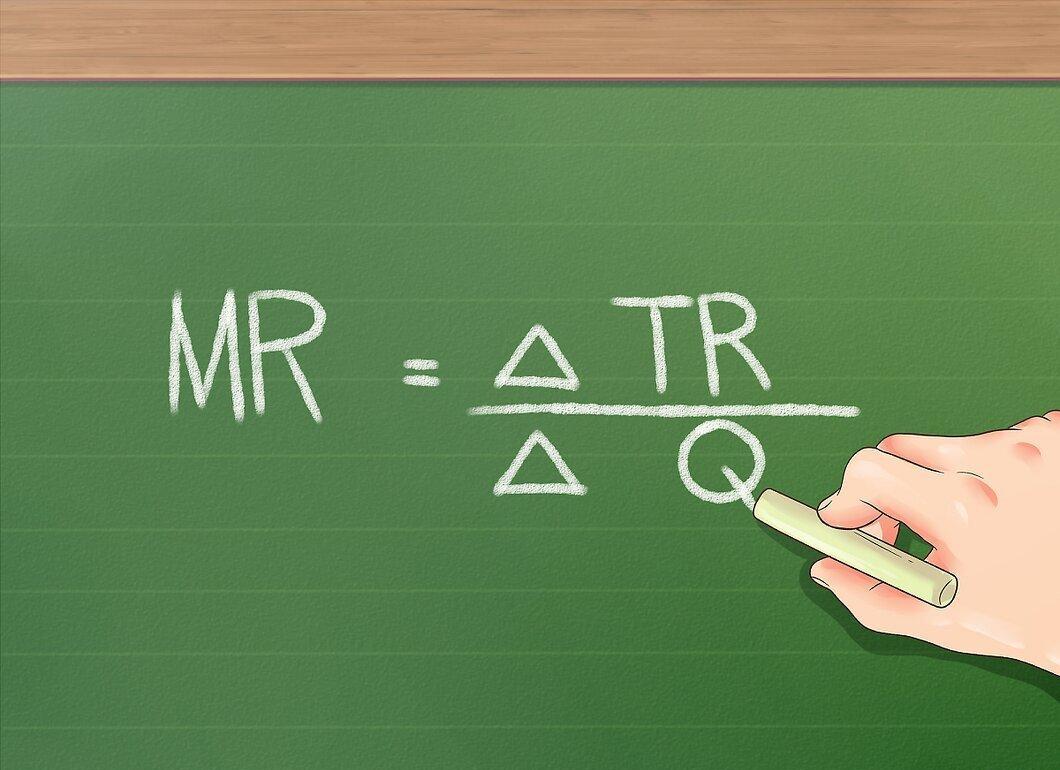
Companies use the marginal revenue value to determine the quantity of product to produce and its price, at which the company will maximize revenue. Any company aims to sell as much product as possible at the most favorable price; overproduction can lead to costs that will not be offset.
Understanding Different Market Models
Step 1. Marginal Revenue in Perfect Competition.
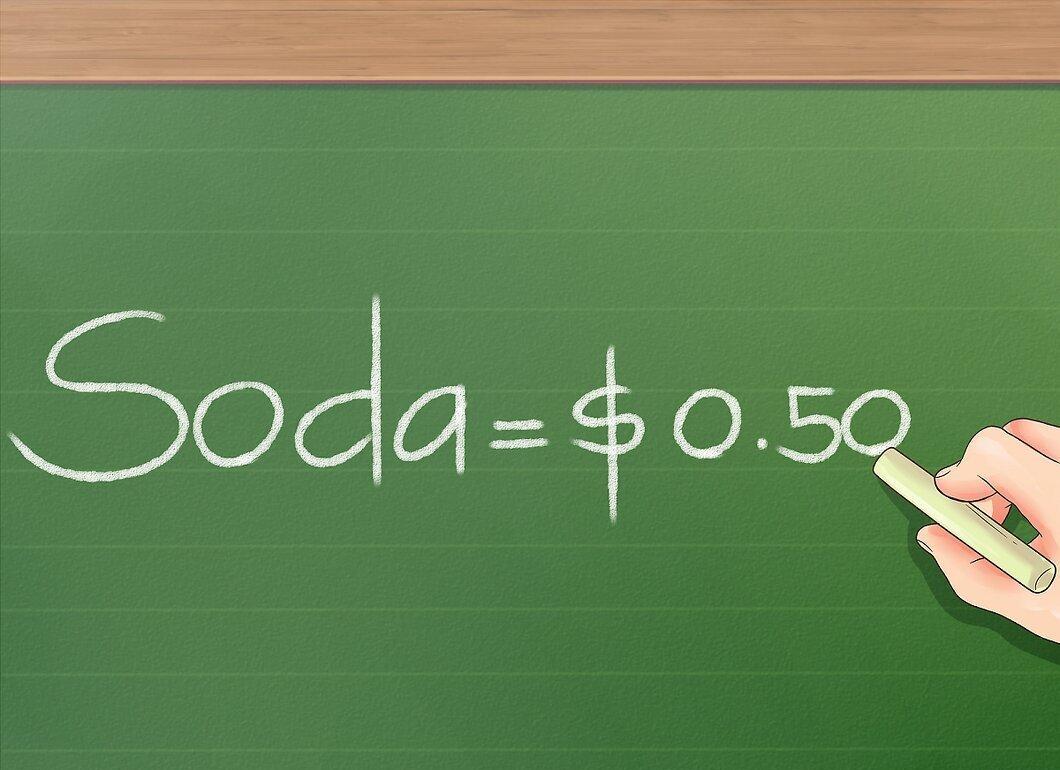
Marginal revenue in perfect competition. The earlier examples considered a simplified market model where only one company operates. In reality, things are different. A company that controls the entire market for a specific type of product is called a monopoly. However, in most cases, any company has competitors that affect its pricing; in perfect competition, companies aim to set minimum prices. In this case, marginal revenue generally does not change with the number of units sold since the minimum price cannot be lowered.
- In our example, let’s assume the company competes with hundreds of other companies. As a result, the price for a can of drink drops to $0.50 (lowering the price will lead to losses, while raising it will reduce sales and potentially close the company). In this case, the number of cans sold does not depend on the price (as it is constant), so marginal revenue will always equal $0.50.
Step 2. Marginal Revenue in Monopolistic Competition.
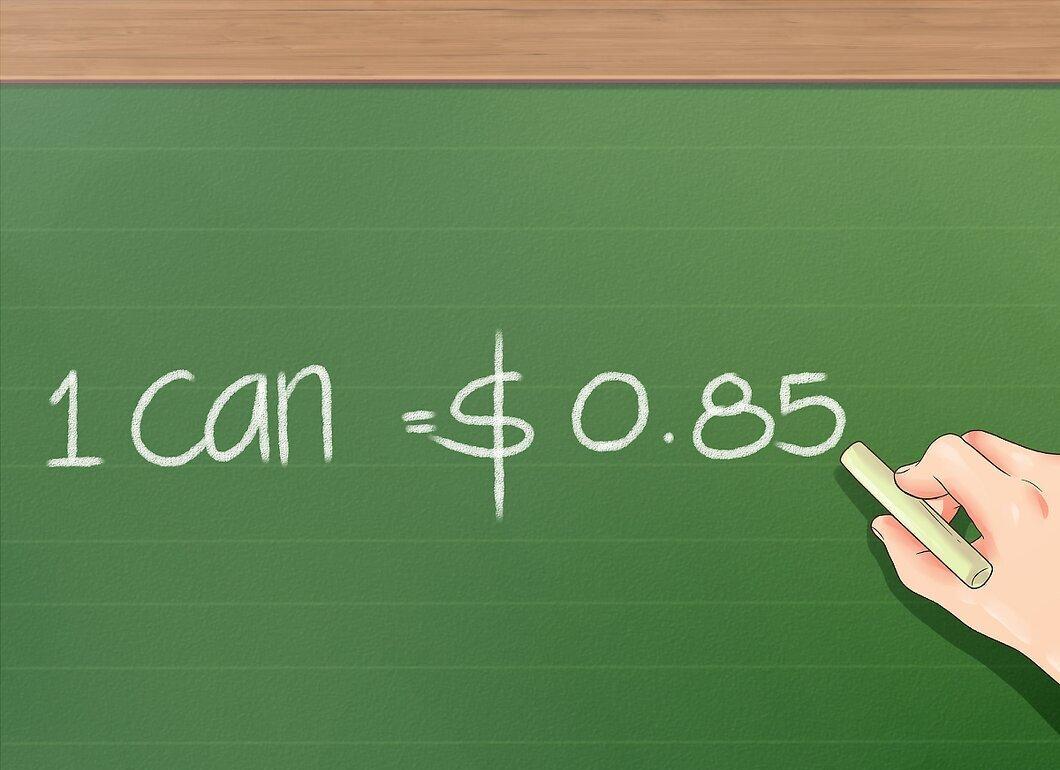
Marginal revenue in monopolistic competition. In real life, small competing firms do not immediately react to price changes; they do not have complete information about their competitors and do not always set prices to maximize profit. This market model is called monopolistic competition; many small companies compete with each other, and since they are not “absolute” competitors, their marginal revenue may decrease with the sale of an additional unit of product.
- In our example, let’s assume the company operates under monopolistic competition. If most drinks are sold for $1 (per can), the company can sell a can of drink for $0.85. Let’s assume that the company’s competitors are unaware of the price drop or cannot respond to it. Similarly, consumers may not know about the drink being sold at a lower price and continue buying drinks at $1. In this case, marginal revenue tends to decrease.
Step 3. Marginal Revenue in Oligopoly.
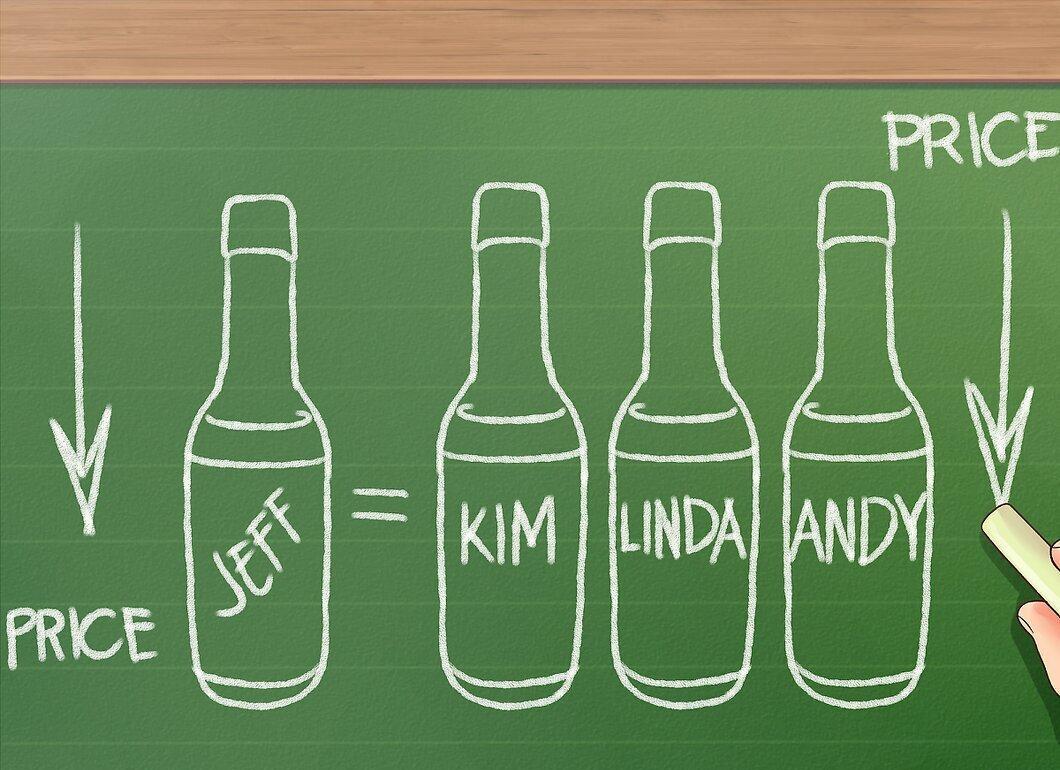
Marginal revenue in oligopoly. The market is not always controlled by many small companies or one large company; the market can be controlled by a few large firms competing with each other. These firms may act together (similar to a monopoly) to stabilize the market in the long term. In oligopoly, marginal revenue generally tends to decrease with increasing sales. However, in reality, companies are reluctant to lower prices in oligopoly because it can lead to price wars that reduce the profits of all companies. Often, the only reason prices drop in oligopoly is to drive a new or small competitor out of the market (after which prices rise). Thus, in cases where...
- In our example, let’s assume the company shares the market with two other companies. If the three companies agree and set the same price for a can of drink, then marginal revenue will remain unchanged regardless of price levels, as advertising impacts sales rather than prices. If a fourth company enters the market and starts selling a can of drink at a lower price than the three previously mentioned companies set, then they will lower the price of the can to a level where the new company...