
Have you ever thought about why skydivers eventually reach their terminal velocity, despite gravity continuously accelerating them in a vacuum? A falling object reaches its terminal velocity when it encounters an opposing force, such as air resistance. The force of gravity acts on the object with a constant magnitude, while the air resistance increases with the falling speed. If the fall continues long enough, the speed of the object reaches a value where the forces of resistance and gravity balance each other, allowing the object to continue falling at a constant speed until it hits the ground. This speed is called terminal velocity.
How to Calculate Terminal Velocity
Step 1: The Formula for Terminal Velocity
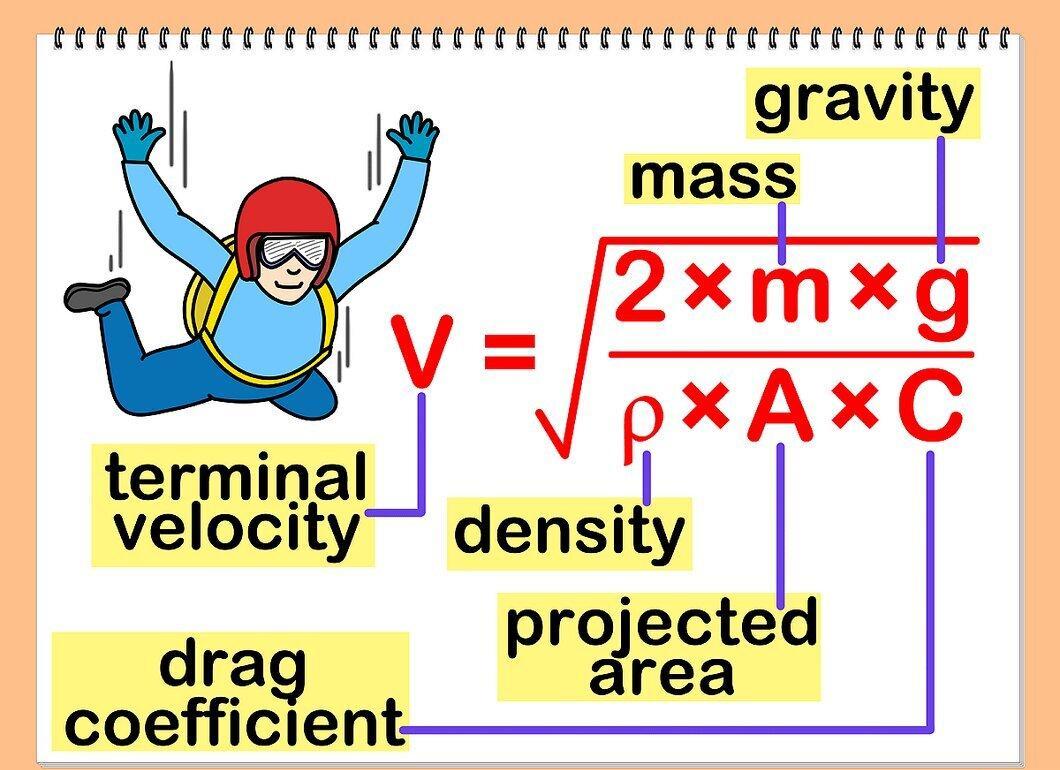
The formula for calculating terminal velocity is: v = √((2 * m * g) / (ρ * A * C)). Substitute the variables to find the terminal velocity v.
- m = mass of the falling object.
- g = acceleration due to gravity. On Earth, it's approximately 9.8 m/s².
- ρ = density of the fluid through which the object is falling.
- A = cross-sectional area of the object. This is the area perpendicular to the direction of its motion.
- C = coefficient of drag, depending on the shape of the object. The more streamlined the shape, the lower the coefficient.
How to Calculate the Force of Gravity
Step 1: Determine the Mass of the Falling Object
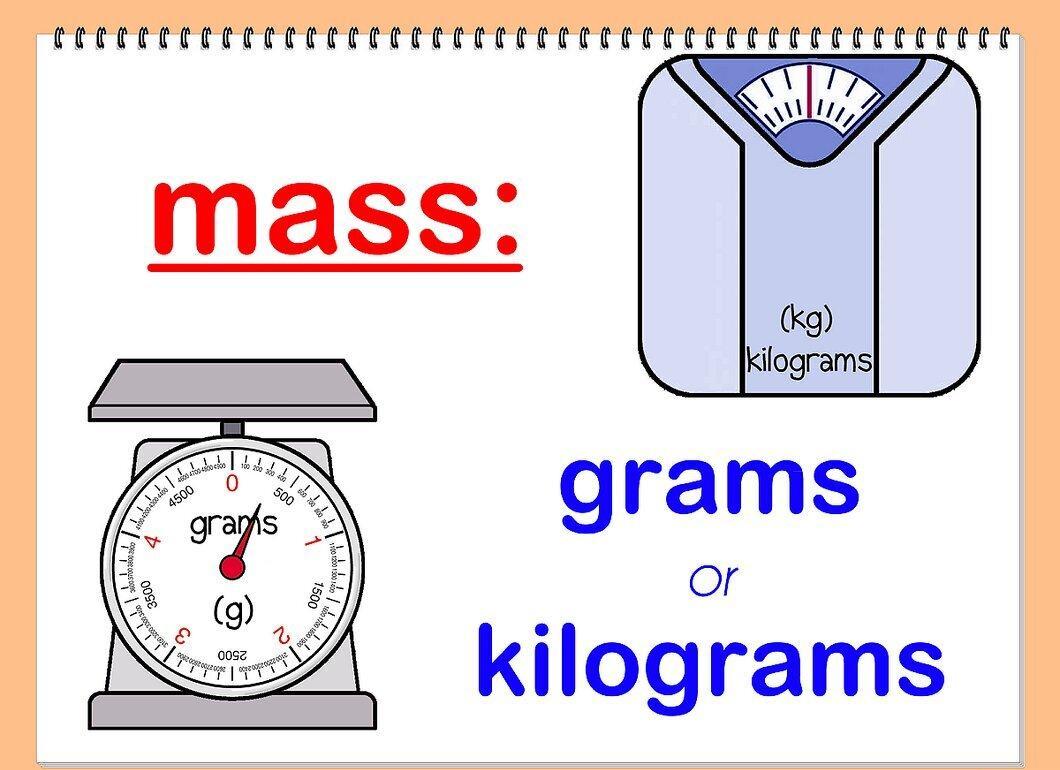
First, determine the mass of the falling object. In the metric system, it is measured in grams or kilograms.
Step 2: Establish the Acceleration Due to Gravity
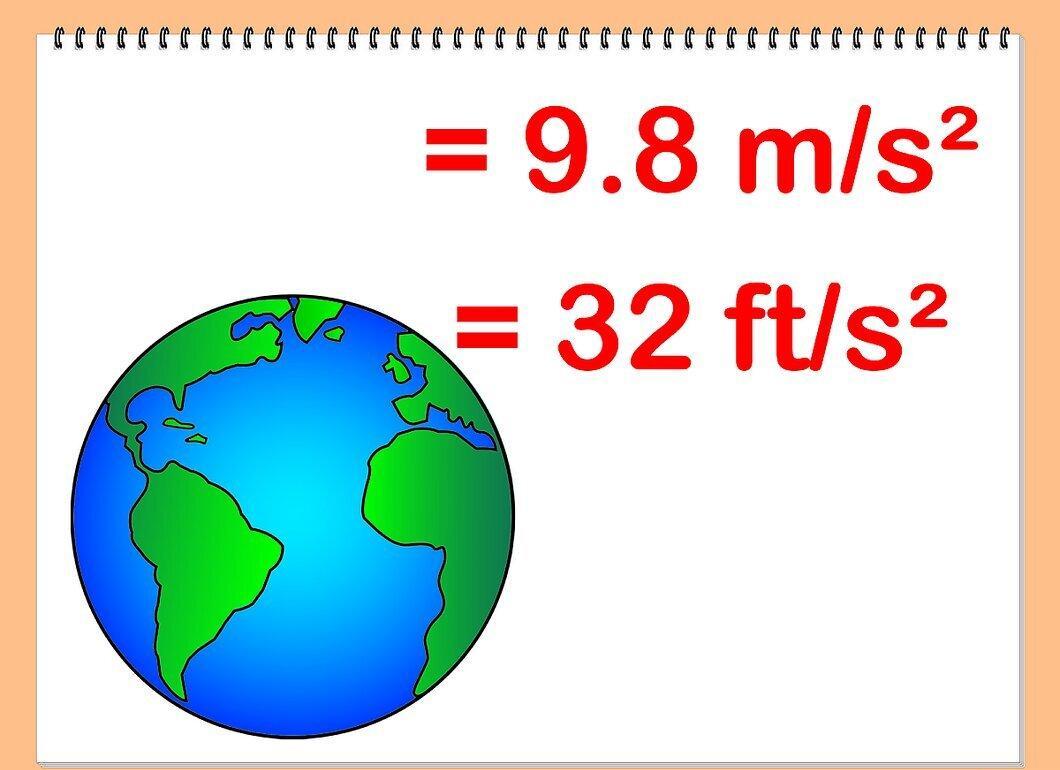
Set the value for the acceleration due to gravity. At heights where air resistance is already present, this value is 9.8 m/s².
Step 3: Calculate the Force of Gravity
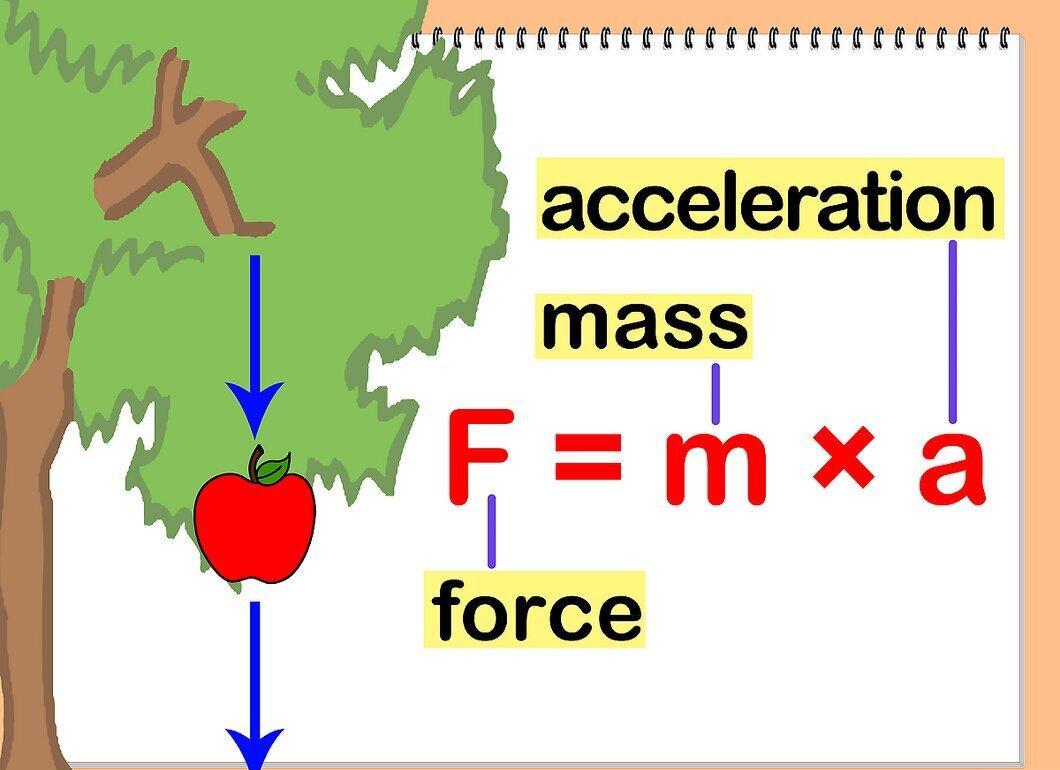
Calculate the force of gravity using the formula: F = m * g, where F is the force of gravity.
How to Determine the Forces of Resistance
Step 1: Find the Density of the Medium
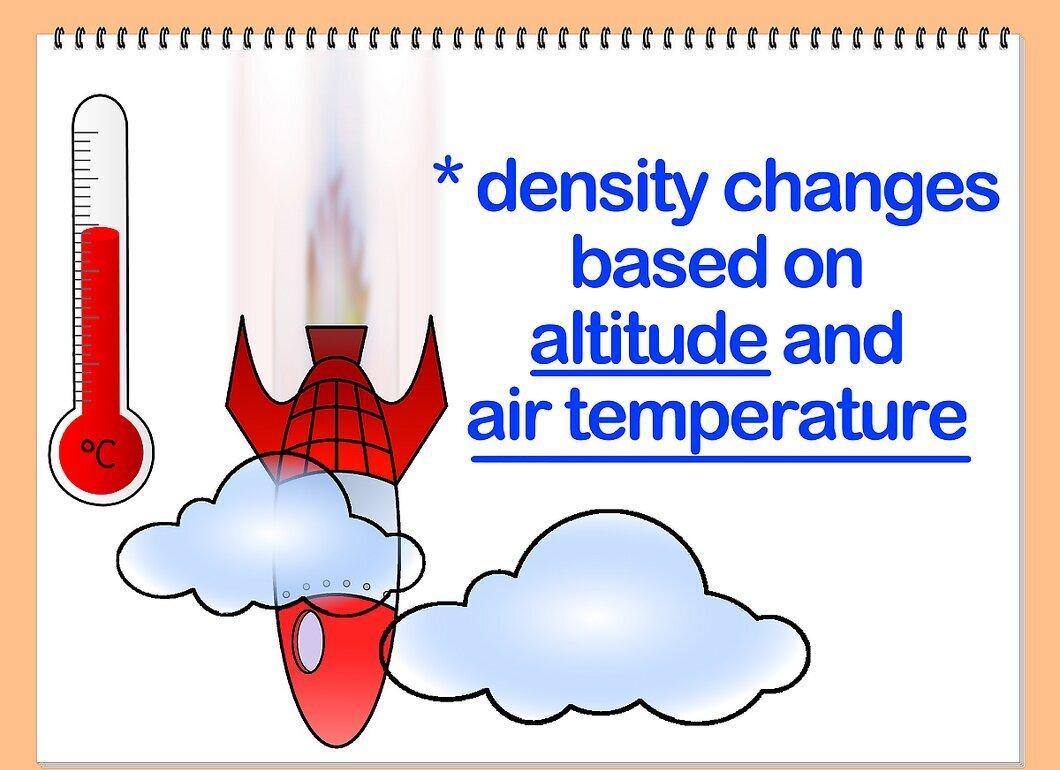
Find the density of the medium. For an object falling in Earth's atmosphere, the density varies with height and temperature. This makes the calculation of terminal velocity particularly complex, as air density changes as you approach the ground. However, approximate values for air density can be found in textbooks or other sources.
- For example, the density of air at sea level at a temperature of 15°C is 1.225 kg/m³.
Step 2: Estimate the Coefficient of Drag
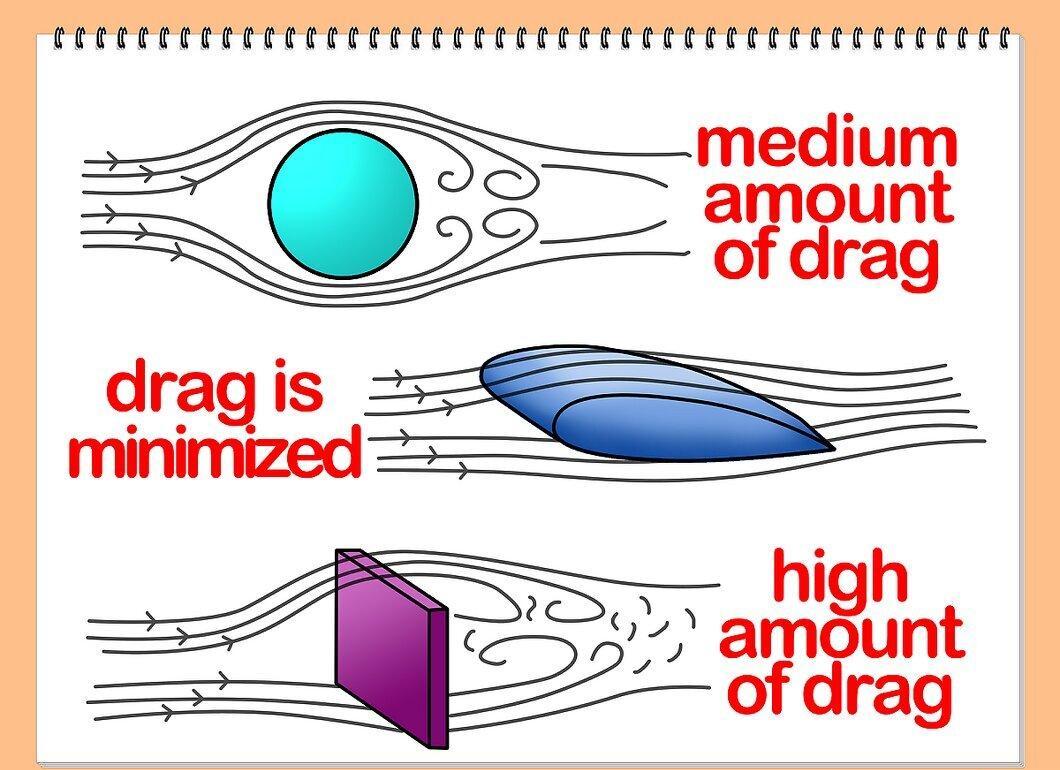
Estimate the coefficient of drag for your object. This measure depends on the streamlining of the shape. Unfortunately, calculating it can be difficult and requires certain scientific assumptions. Do not attempt to determine the coefficient of drag on your own without a wind tunnel and complex calculations. It is best to use known values for objects similar to yours.
Step 3: Calculate the Cross-Sectional Area of the Object
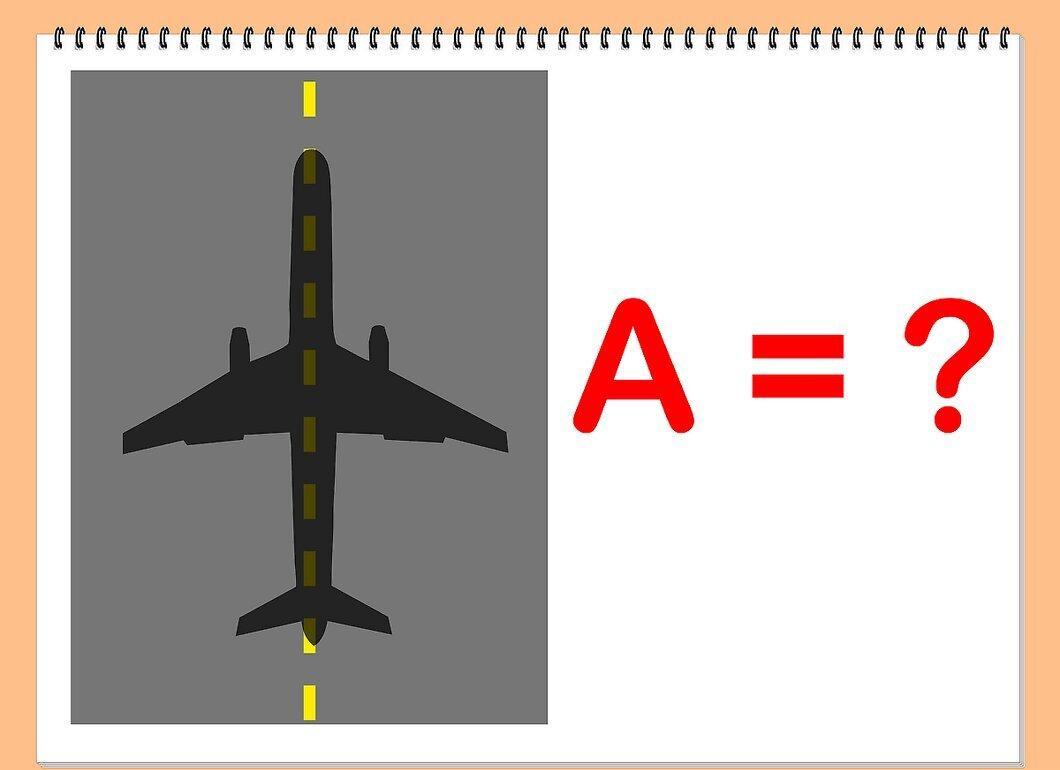
Calculate the cross-sectional area of the object. The last value you need to determine is the silhouette area of your falling object when viewed from above. This silhouette area (projected area) is what you need to calculate. This can also be a challenging task unless the shapes are simple.
Step 4: Determine the Resistance Force Opposing Gravity
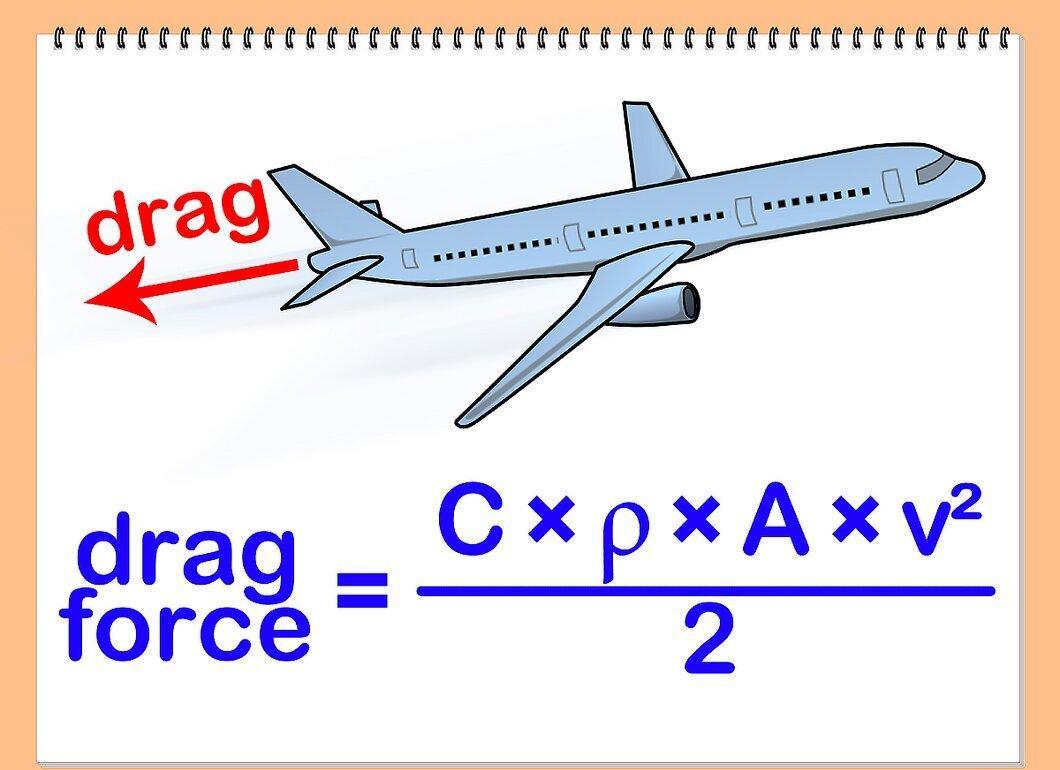
Determine the resistance force that opposes gravity. If you know the object's speed, the resistance force can be calculated using the formula: (C * ρ * A * (v²)) / 2.