If you've rescued a small orphaned raccoon, you will need to step in as its mother: keep the baby warm and feed it a special milk formula. Raccoons, including their young, are wild animals and can be dangerous. Additionally, they may carry infections, so it’s essential to handle them with care and preferably wear gloves.
What to Feed a Baby Raccoon
Step 1. Start with electrolyte water.
Begin with electrolyte water. Electrolyte drinks (like "Hydrovit") are given to children during illness to prevent dehydration. If you've found a raccoon baby that has been unattended for a long time, hydrate it with electrolyte water before offering the milk formula. "Hydrovit" can be purchased over-the-counter at pharmacies.
Step 2. Feed the raccoon baby a cat milk replacer.
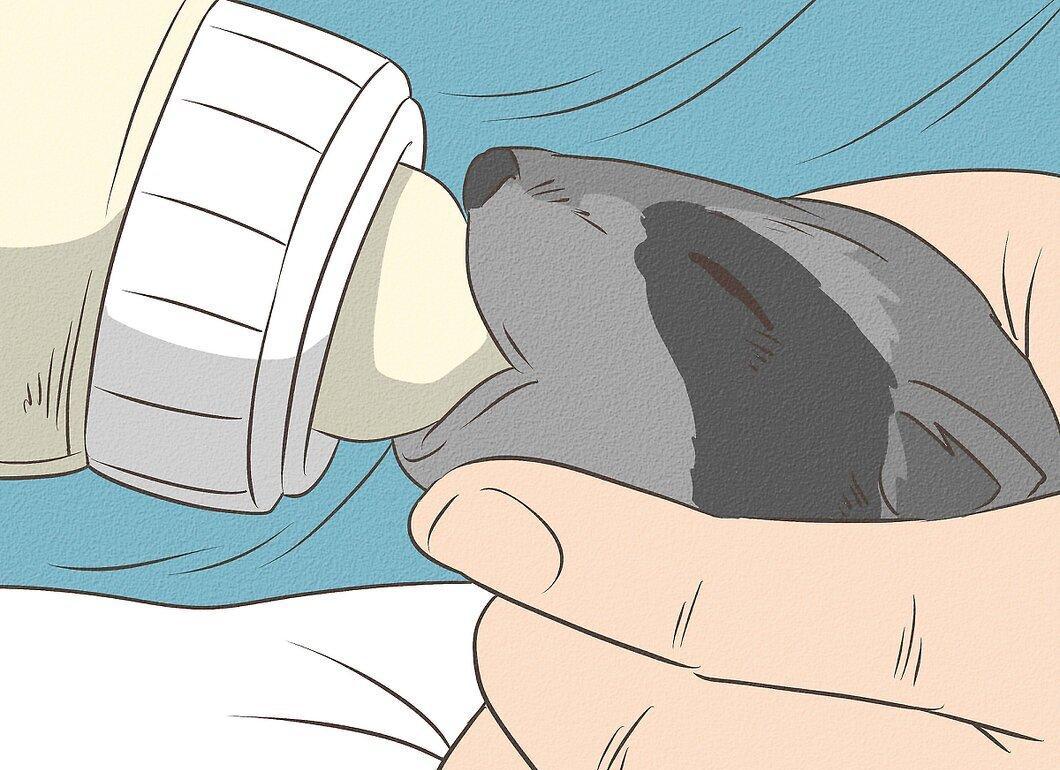
Feed the raccoon baby a cat milk replacer. The best option for feeding a baby raccoon is a cat milk replacer that can be found in pet stores. This replacer closely resembles the milk from a mother raccoon in its composition.
Step 3. Feed the raccoon a puppy milk formula.
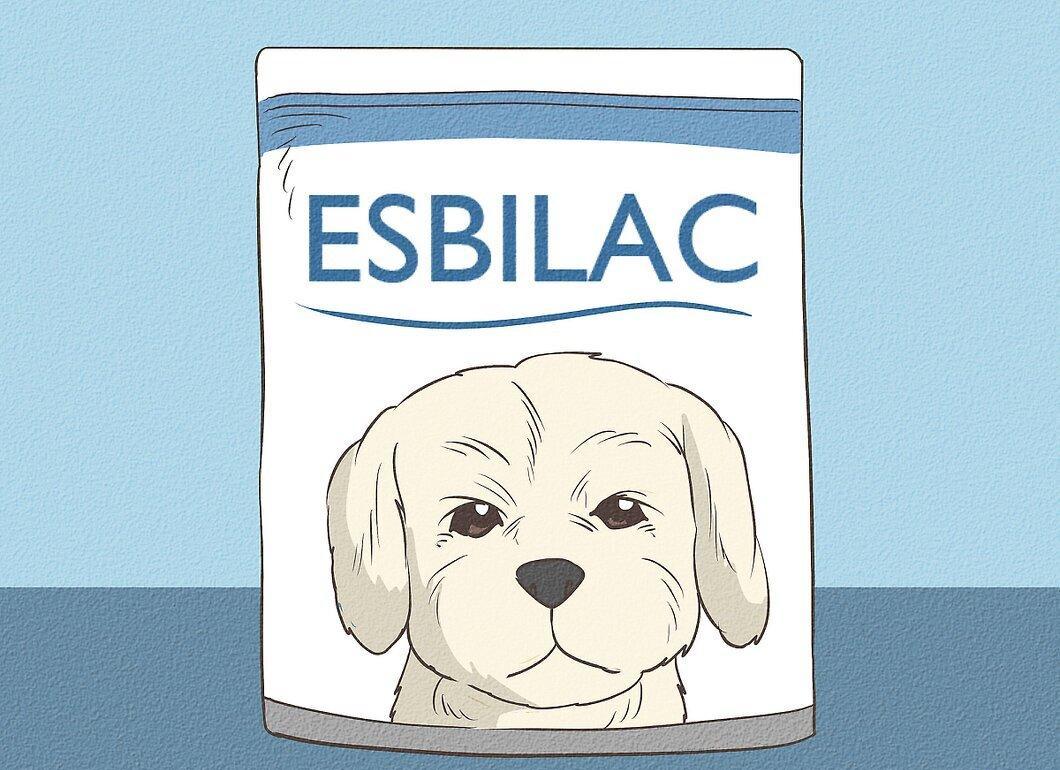
Feed the raccoon a puppy milk formula. Instead of a cat milk replacer, you can use puppy milk formula for feeding the baby. These formulas are also available in pet stores. A dog milk replacer is a suitable alternative to raccoon milk.
Step 4. Avoid regular milk.
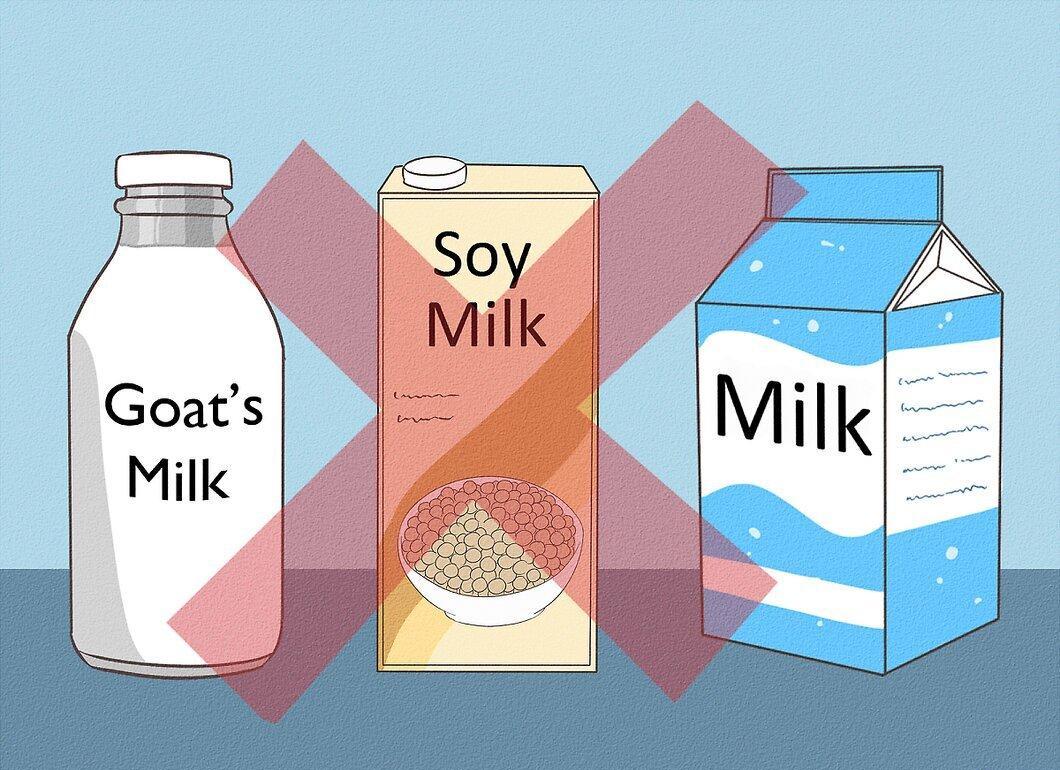
Avoid regular milk. Cow, goat, soy, and other types of milk that humans drink are harmful to baby raccoons. Feeding these types of milk can lead to dehydration, weight loss, and sometimes even death.
- Baby milk formulas should only be used as a last resort.
Step 5. Gather the necessary items for caring for the baby raccoon.
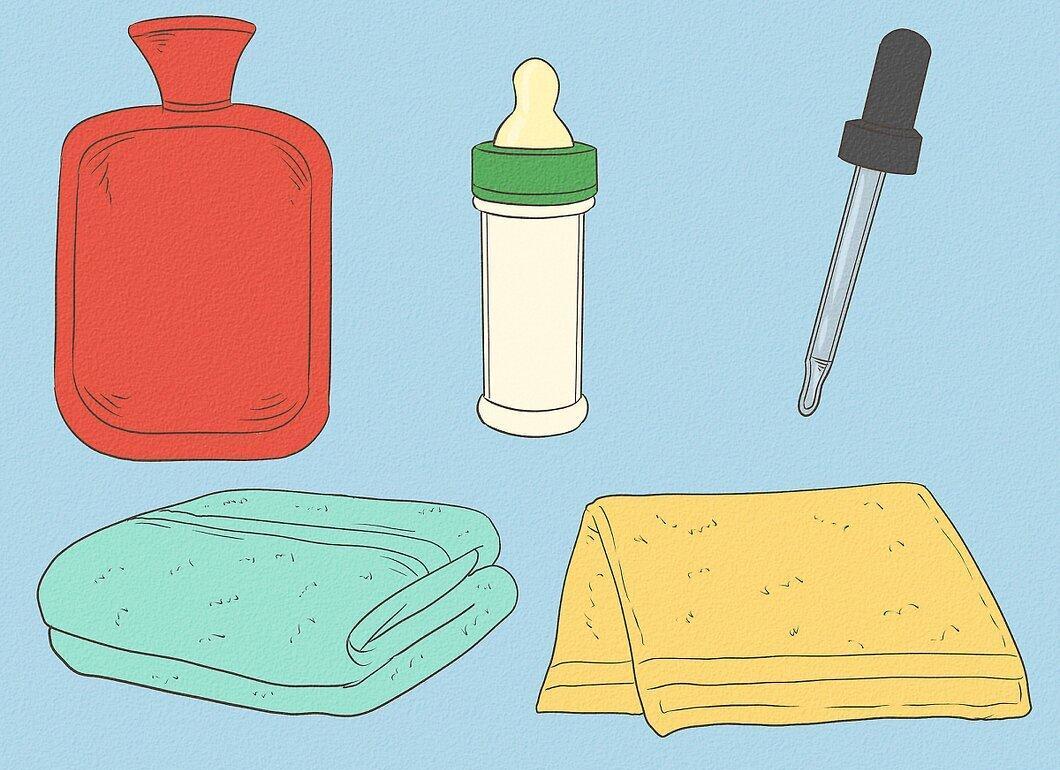
Gather the necessary items for caring for the baby raccoon. Besides the electrolyte solution and cat or dog milk replacer, you will need: a dropper, a kitten or puppy bottle (a bottle for premature babies will also work), a soft blanket, a soft cloth or feather, and a heating pad.
How to Feed the Baby
Step 1. Keep the baby raccoon warm.
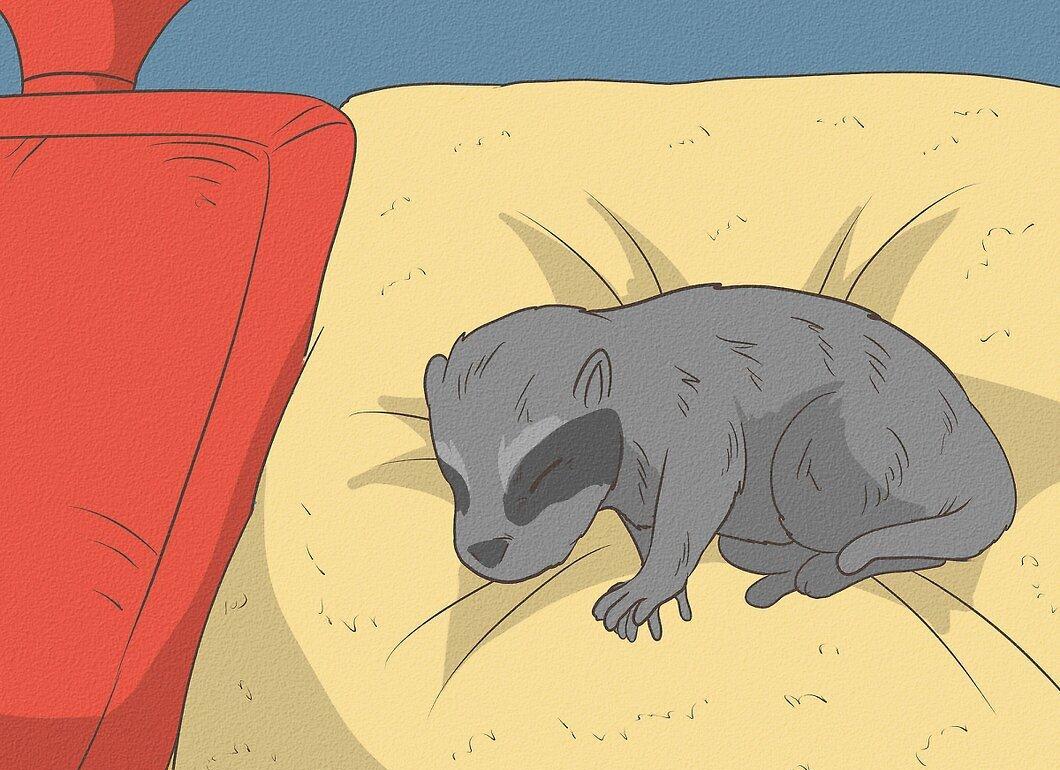
Keep the baby raccoon warm. The baby raccoon cannot digest food properly without the right temperature. If the little raccoon has been alone outdoors for too long, it needs to be warmed up before feeding. Wrap the baby in a soft blanket and place it next to a heating pad with hot water until it feels warm to the touch.
Step 2. Check for signs of dehydration.
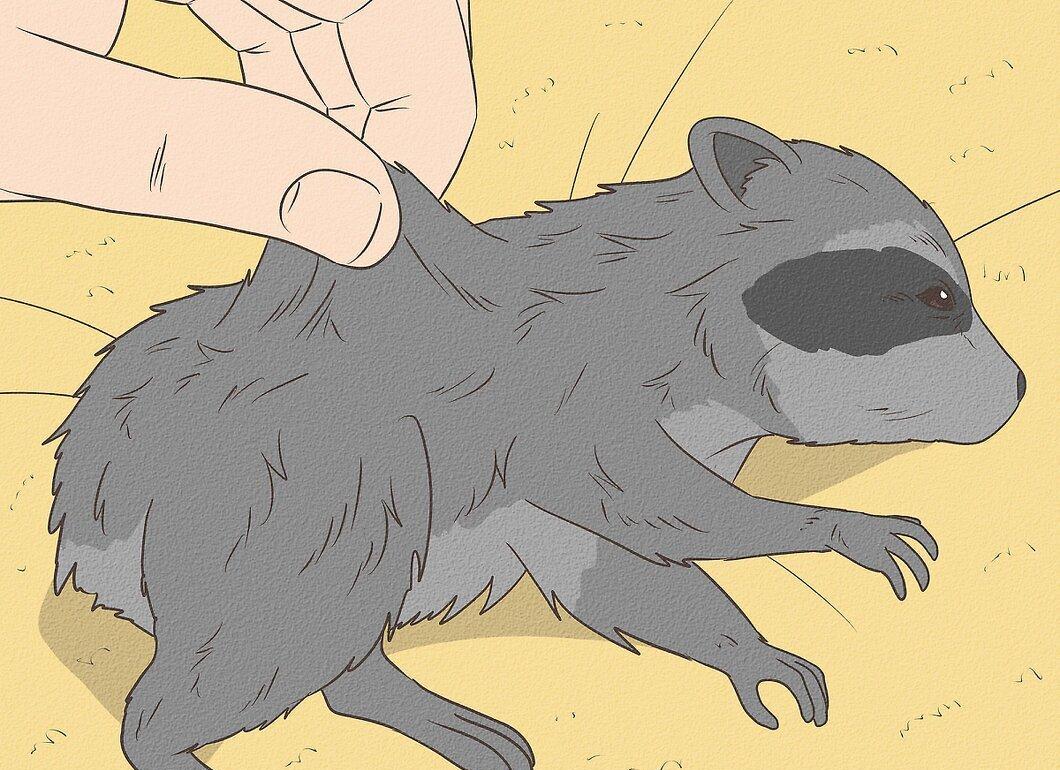
Check for signs of dehydration. If you pinch the skin of the baby and it doesn't bounce back, or if its eyes are sunken, it is severely dehydrated. In this case, urgent veterinary assistance is needed. If dehydration is mild, simply hydrate it with electrolyte water.
Step 3. Determine how much food the baby needs.
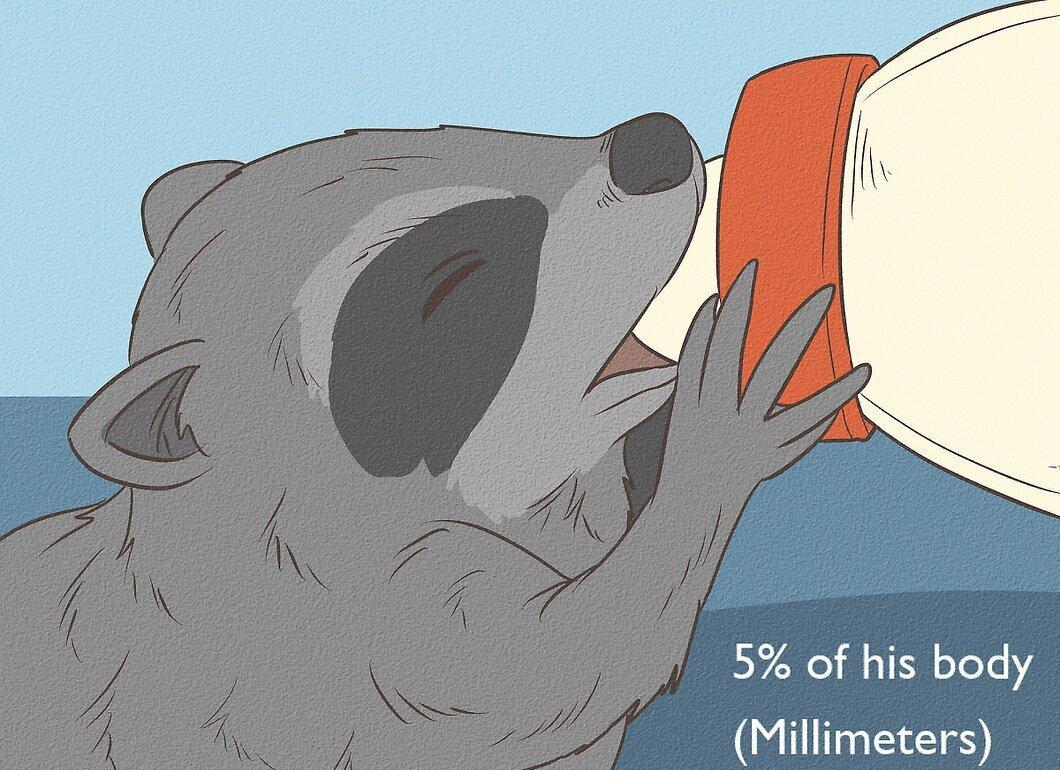
Determine how much food the baby needs. The amount of milk formula will depend on the weight of the baby raccoon, so first weigh it in grams (kitchen scales will do). The amount of milk formula that the baby should receive per feeding is 5% of its body weight in milliliters.
- 60 g = 3 ml per feeding
- 100 g = 5 ml per feeding
- 200 g = 10 ml per feeding
- Feed the baby 7-8 times a day.
Step 4. Feed the baby raccoon with a dropper.
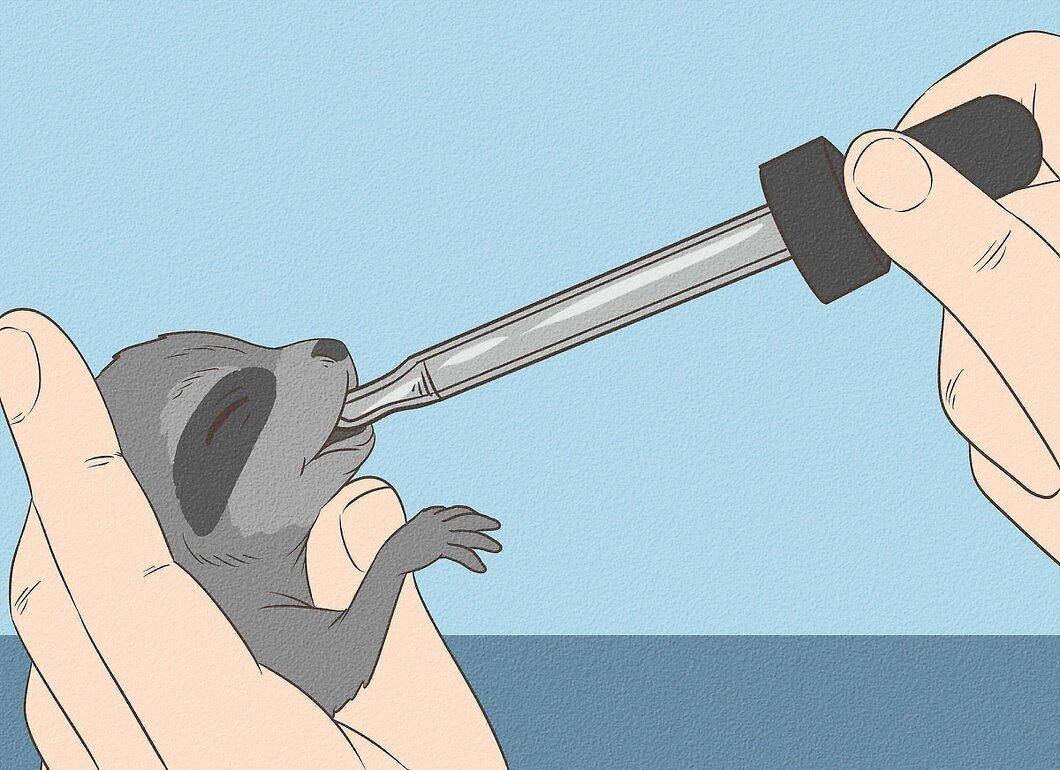
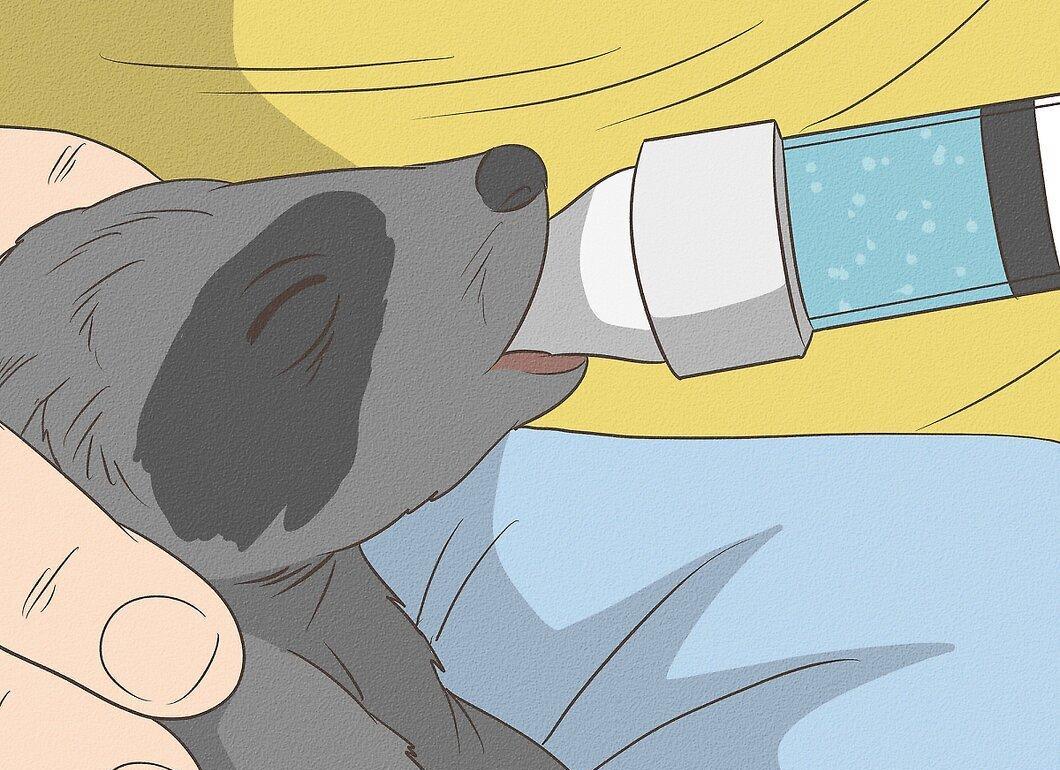
Feed the baby raccoon with a dropper. It is recommended to start feeding the baby with a dropper, as this allows you to control the amount of liquid it receives. Place the raccoon on its belly (you can also slightly elevate it) and gently squirt the milk formula from the dropper into its mouth in small portions.
- Sometimes you may need to hold the raccoon's snout with your hand to help it keep the dropper in its mouth.
- Never feed the baby raccoon lying on its back, as you would with a human baby.
Step 5. Gradually transition to bottle feeding.
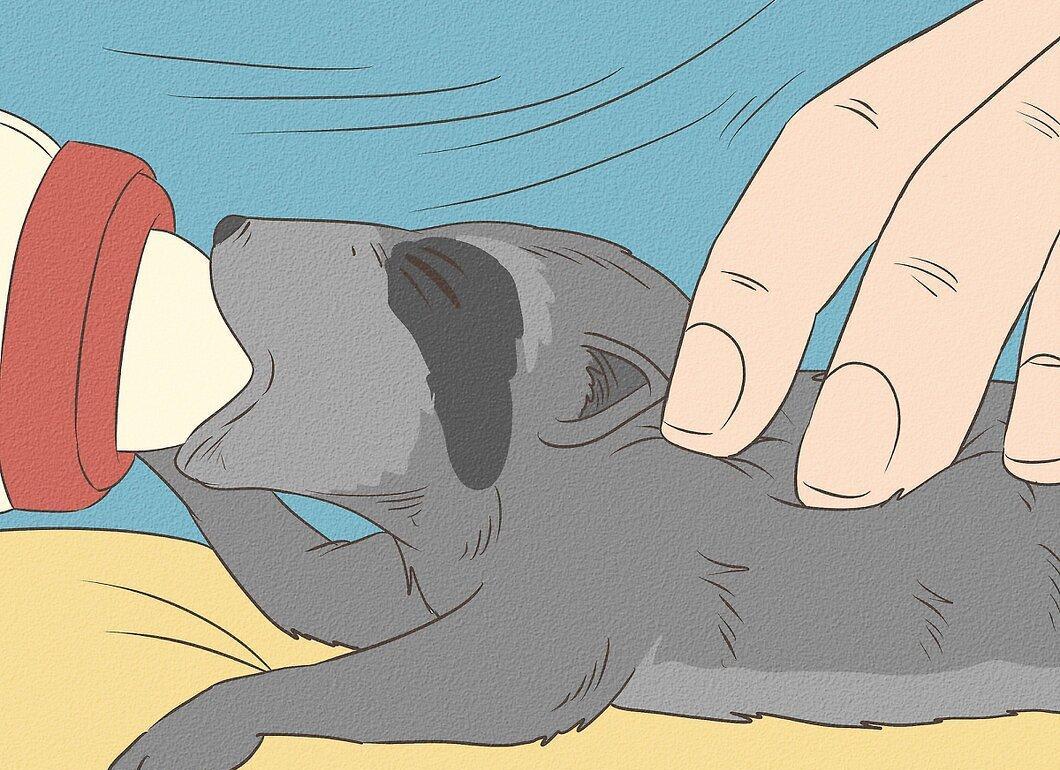
Gradually transition to bottle feeding. Once the raccoon has learned to eat confidently from the dropper, you can move to bottle feeding. (Kitten and puppy bottles are sold in most pet stores.) Feed the raccoon from the bottle just like from the dropper: on its belly or in a slightly elevated position. After placing the nipple in the baby’s mouth, gently stroke its back from its neck to the base of its tail to encourage sucking.
Step 6. Stimulate defecation and urination.
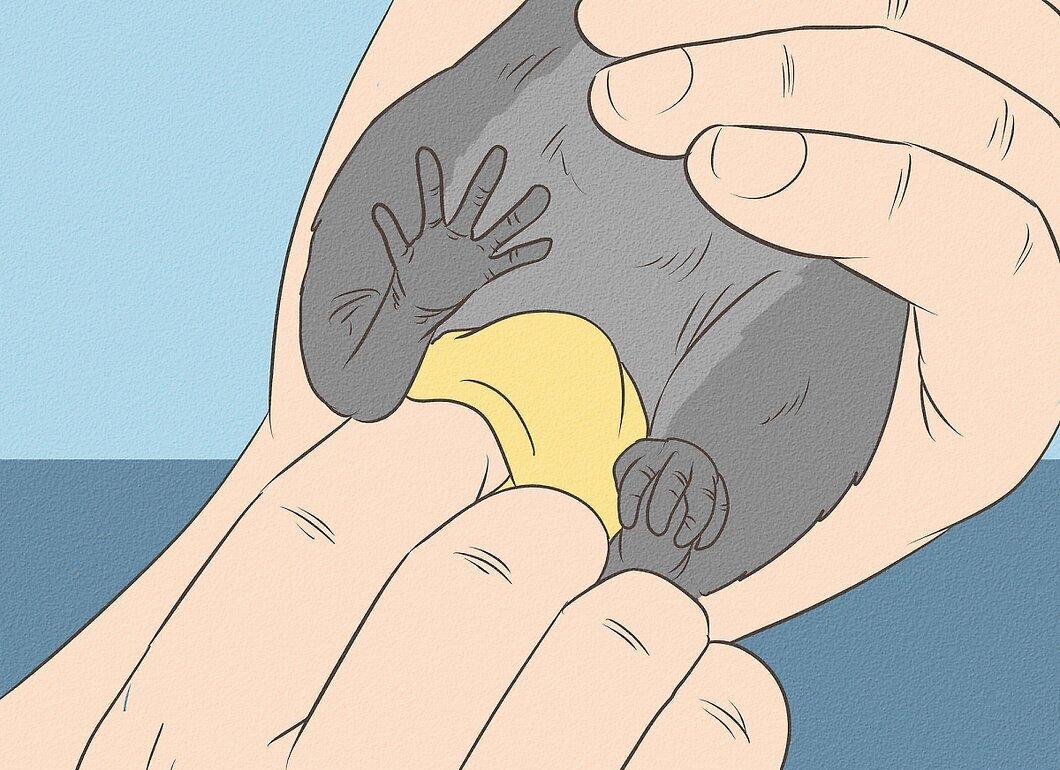
Stimulate defecation and urination. This is a vital step for the survival of the baby raccoon. In the wild, the mother raccoon regularly licks her babies to stimulate bowel movements. Now, as the foster parent of the baby raccoon, you must take on this responsibility. Gently massage the baby’s anus and urinary tract with a soft cloth or feather. This should be done before and after each feeding until you are sure the baby can defecate and urinate on its own.
Step 7. Start introducing solid food.
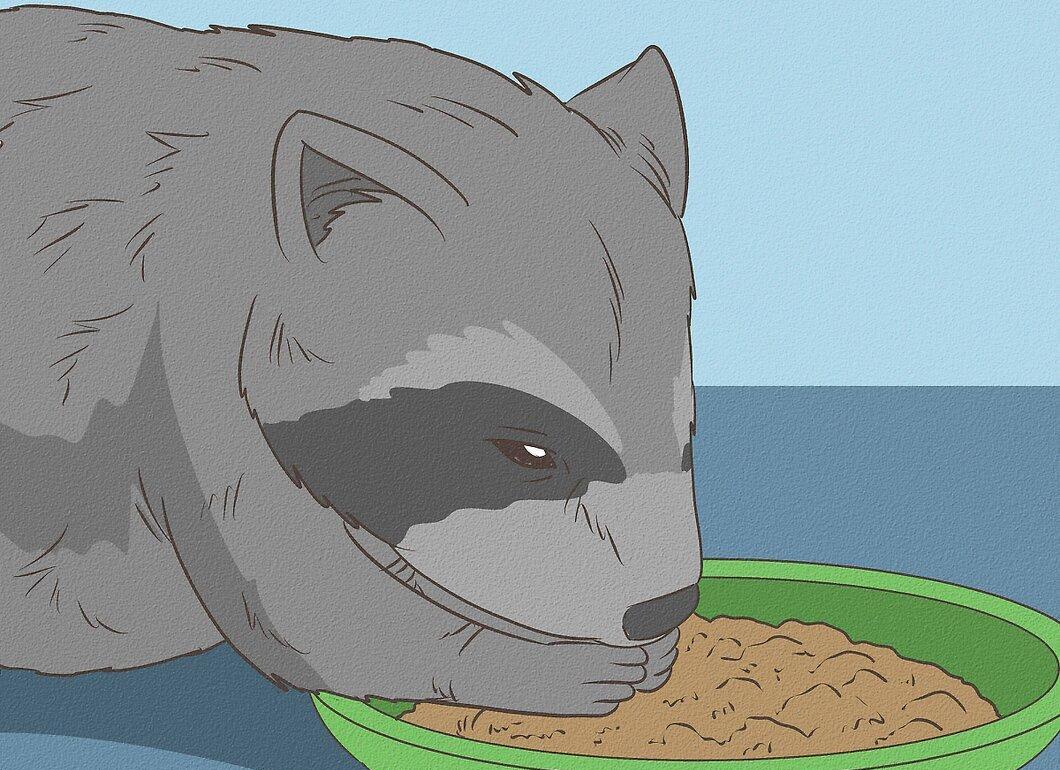
Start introducing solid food. When the baby raccoon begins to get its teeth, it's time to introduce solid food into its diet. You can start by mixing a little mashed soft cat food into its milk formula. Gradually add dry kitten food, boiled eggs, soft fruits, and oatmeal into its diet.
What to Drink for the Raccoon
Step 1. Start with electrolyte water.
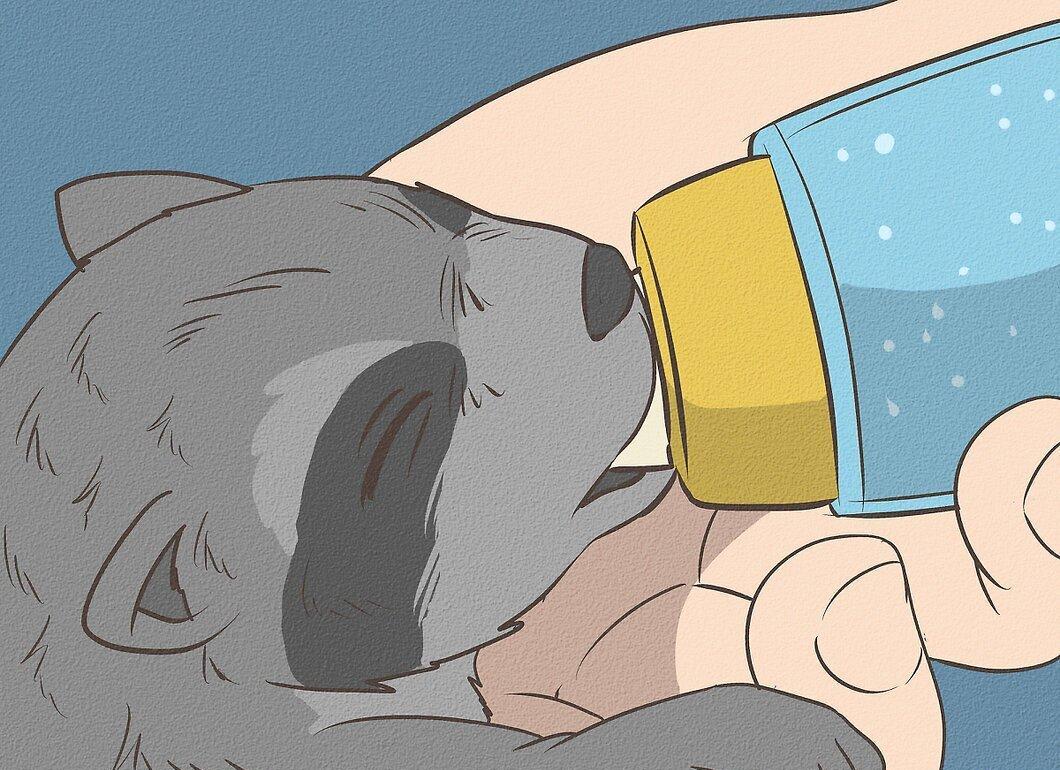
Start with electrolyte water. If you've rescued an abandoned raccoon baby, it is likely dehydrated. Before feeding the baby, you must replenish its fluid deficit with an electrolyte solution (like "Hydrovit"). Use a dropper or a kitten or puppy bottle to hydrate the raccoon.
- When purchasing an electrolyte formula, choose a powder without flavor additives.
Step 2. You can make an electrolyte drink at home.
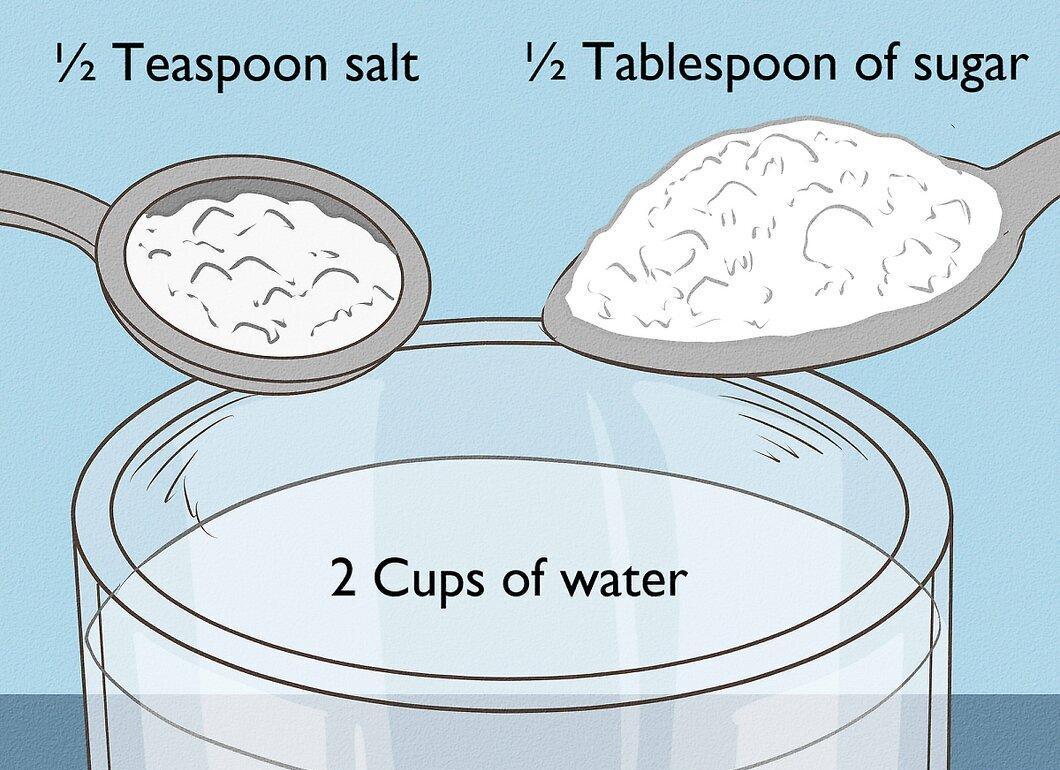
You can make an electrolyte drink at home. In emergencies, you can create a homemade electrolyte solution. Mix ½ teaspoon of salt, ½ tablespoon of sugar, and 2 cups of water. Slightly warm the mixture to dissolve the sugar and salt in the water. Use this solution only if you cannot obtain a commercial electrolyte solution from the pharmacy.
Step 3. Warm the solution to body temperature.
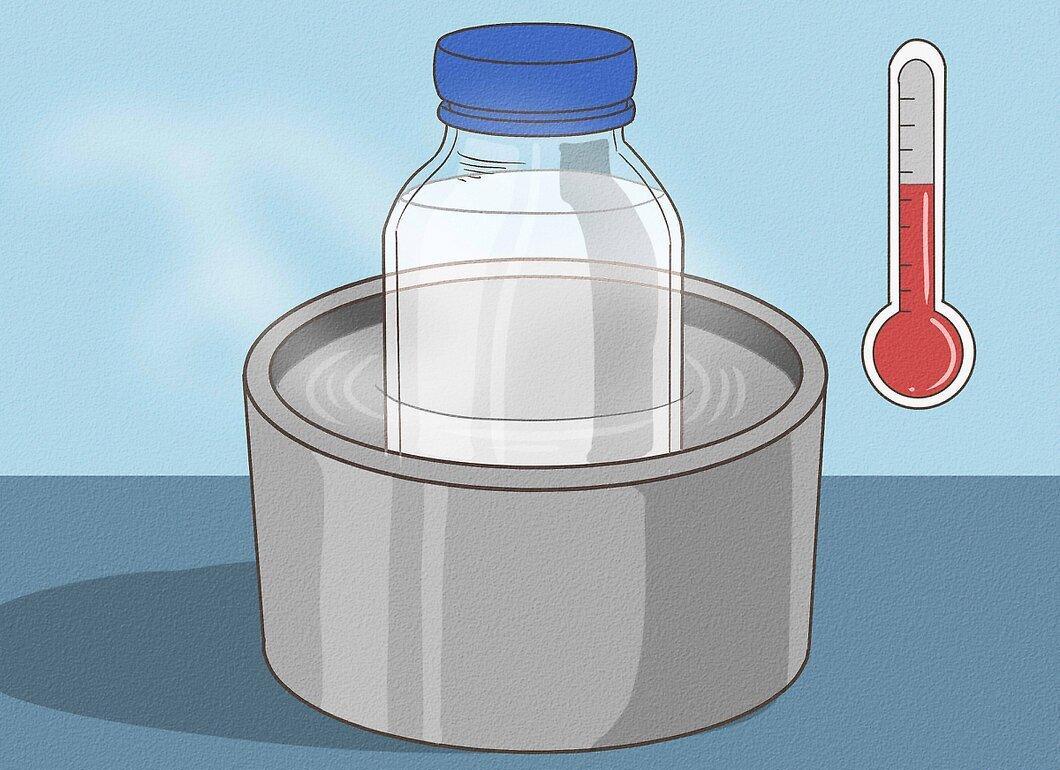
Warm the solution to body temperature. Place the bottle with the electrolyte solution in a bowl of hot water until the solution warms up to body temperature. The baby raccoon will be more willing to drink if the liquid temperature resembles that of its mother's milk. Additionally, this helps the body absorb the liquid better.
Step 4. Stimulate urination.
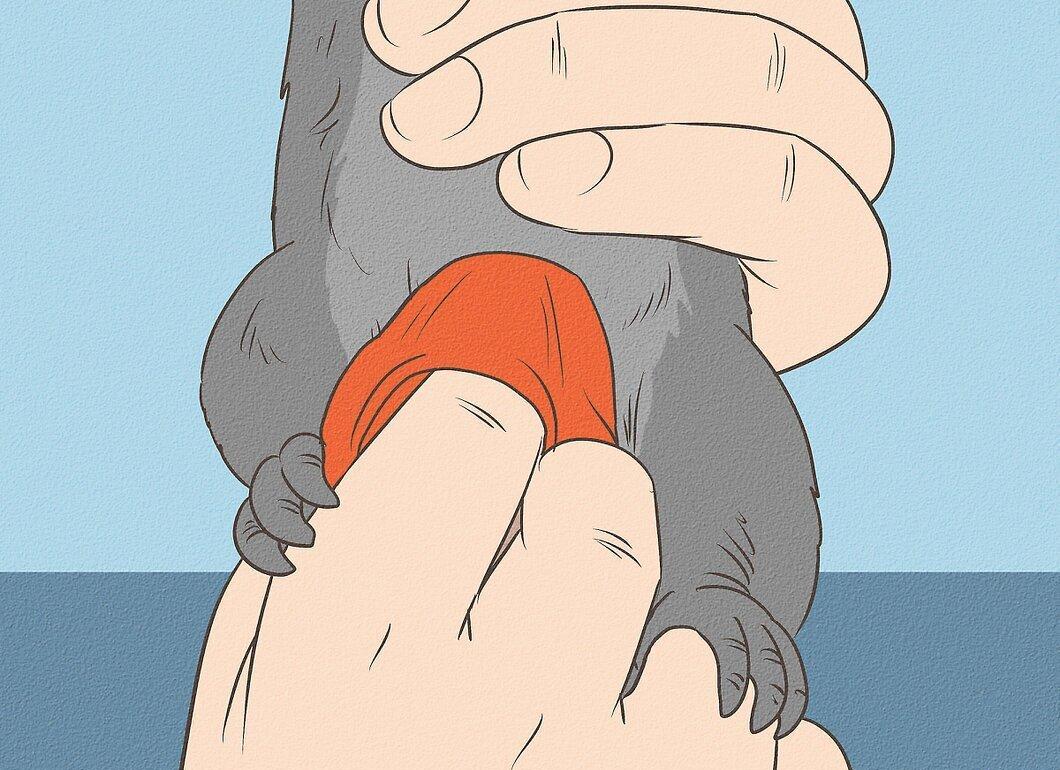
Stimulate urination. Gently massage the baby’s anus and urinary tract with a warm cloth or feather to encourage urination. Continue to hydrate it with the electrolyte solution until the raccoon's urine turns light yellow.
Step 5. Gradually introduce the milk formula.
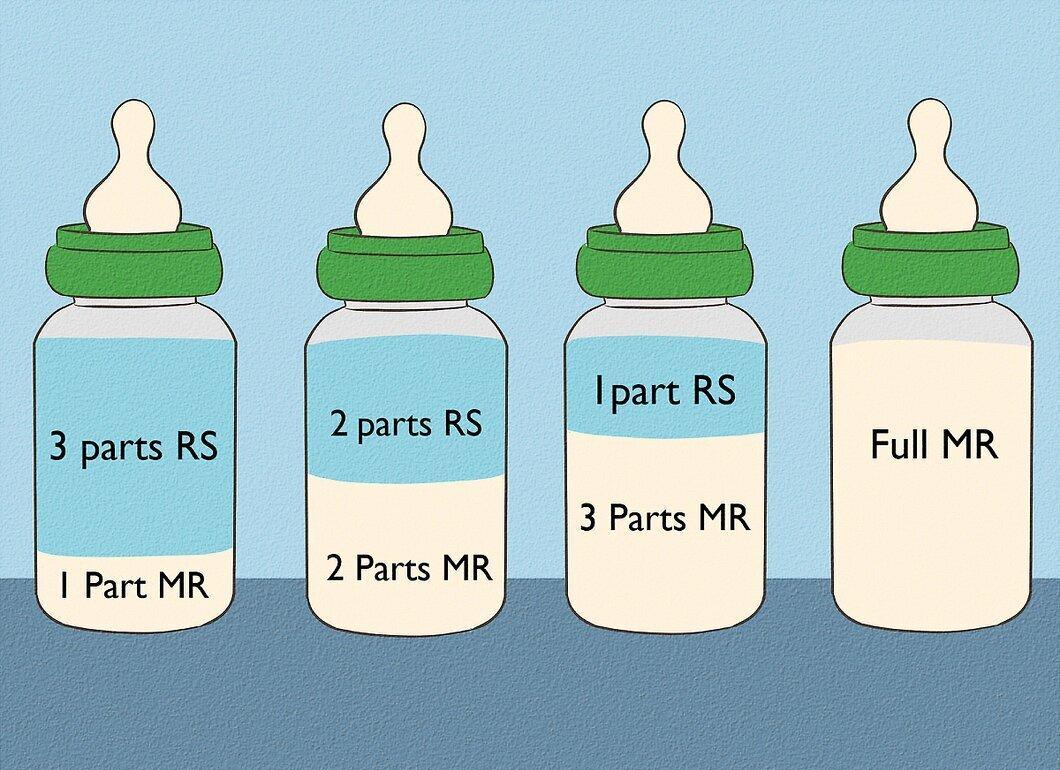
Gradually introduce the milk formula. After restoring the hydration balance, gradually start feeding the baby raccoon the cat or puppy milk formula. Begin by adding a little milk formula to the electrolyte water, slowly increasing the ratio until the baby is fully transitioned to the milk formula.
- First two feedings: 3 parts electrolyte solution, 1 part milk formula.
- Next two feedings: 2 parts electrolyte solution, 2 parts milk formula.
- The next one or two feedings: 1 part electrolyte solution, 3 parts milk formula.
- After that: milk formula.