Frogs are amazing creatures that can provide great entertainment for those venturing out on a hike or stroll in the woods with children. They live in ponds, hide behind logs, and lurk in marshes. While you might get a little muddy, the reward of catching a frog is well worth it!
Where to Find Frogs
Step 1. Check the Climate Zone.
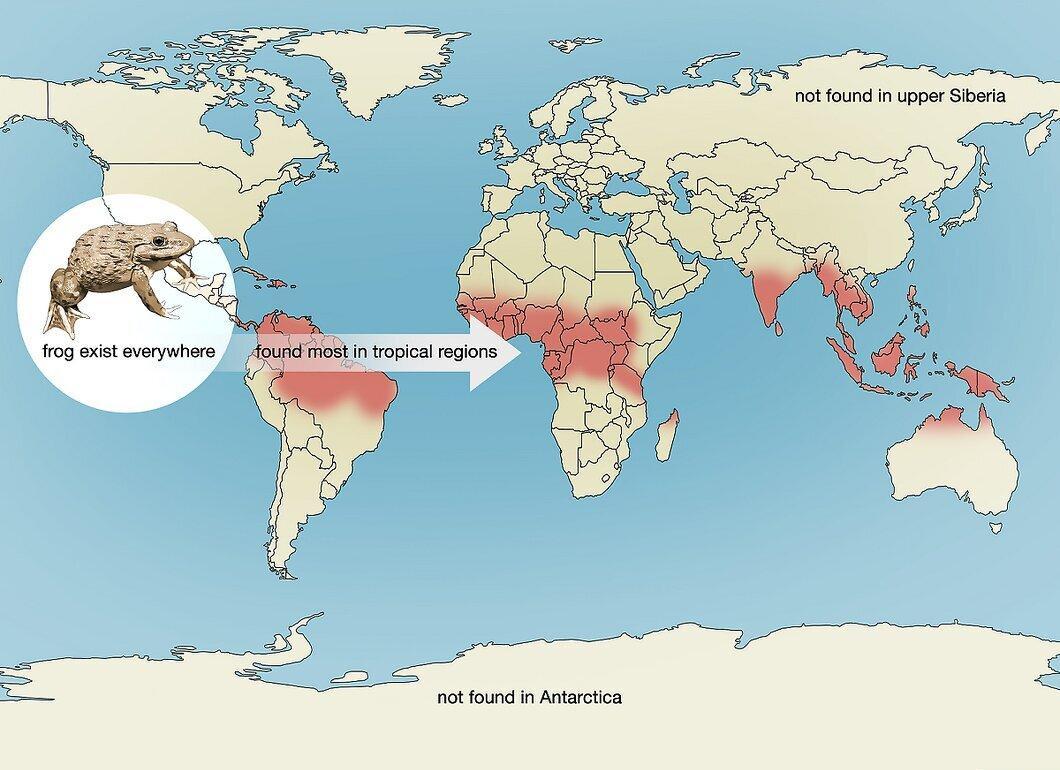
Make sure you are in a suitable climate zone. Frogs are found almost everywhere, except for Antarctica and some cold regions like Siberia. There are especially many frogs in tropical areas.
- There are about 4,740 species of frogs in the world. For instance, the United States is home to around 90 different species.
Step 2. Look for Frogs in Spring or Summer.
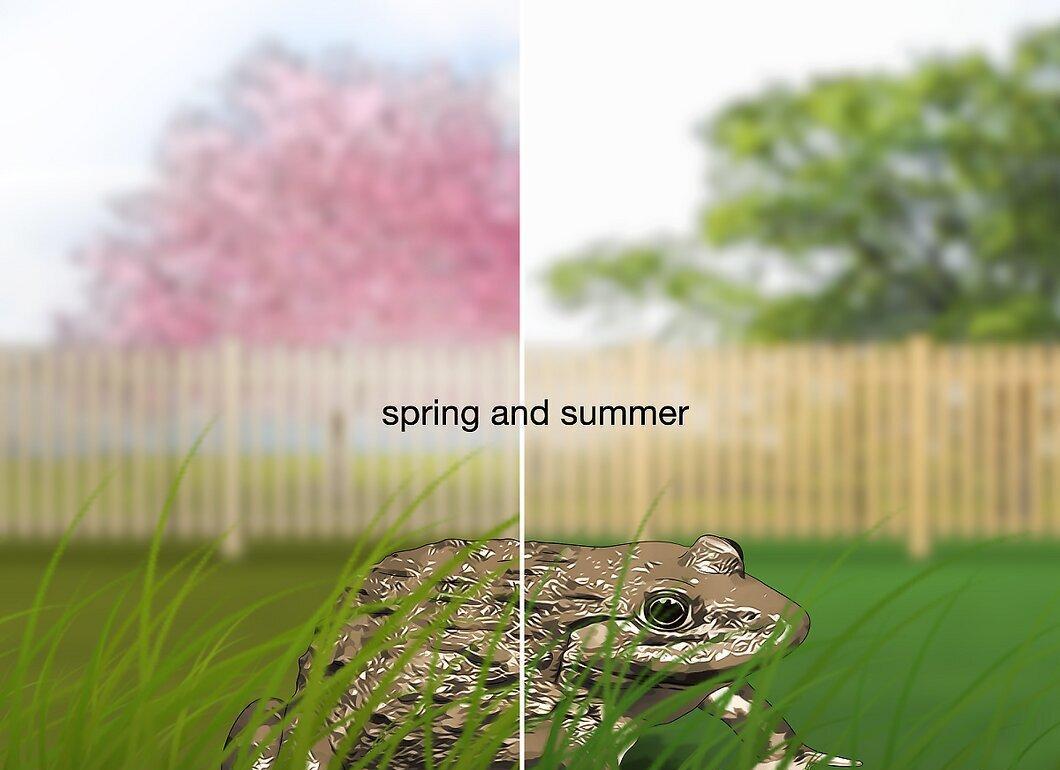
Go searching during the spring or summer months. This is when frogs are most active as they look for food and breed.
- In the fall, frogs prepare for winter and hide, while in winter, they usually burrow into safe spots like under logs or in mud.
Step 3. Find Water Bodies.
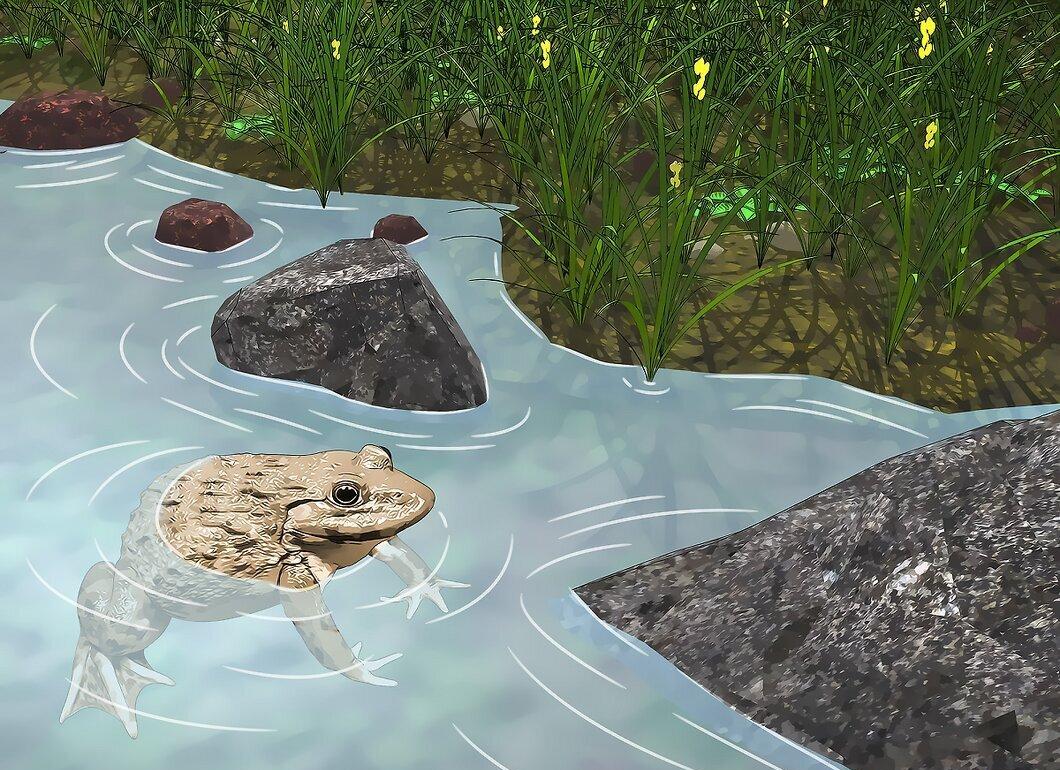
Look for areas with nearby water bodies. Frogs need water to stay hydrated, so you need to find a calm and sheltered water source.
- The best places to find frogs are swamps, watersheds, as well as the shores of rivers, lakes, and ponds.
Step 4. Pay Attention to Food Sources.
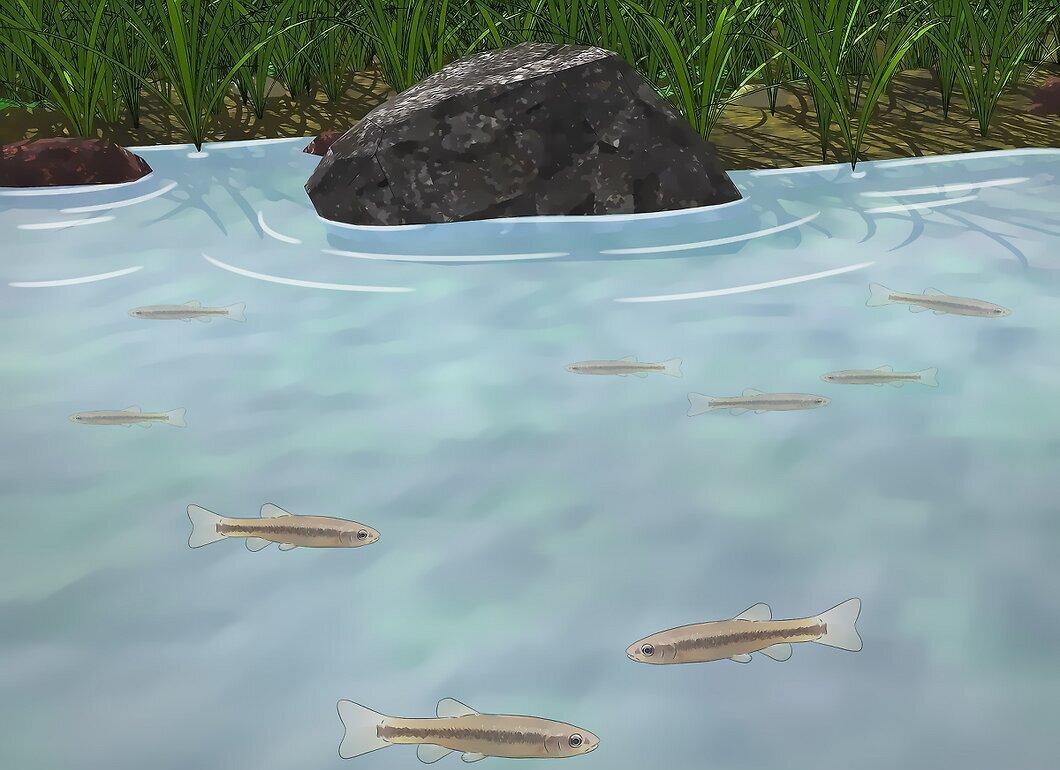
Search for places with plenty of insects, worms, minnows, and spiders. These creatures serve as food for frogs.
Step 5. Explore at Night.
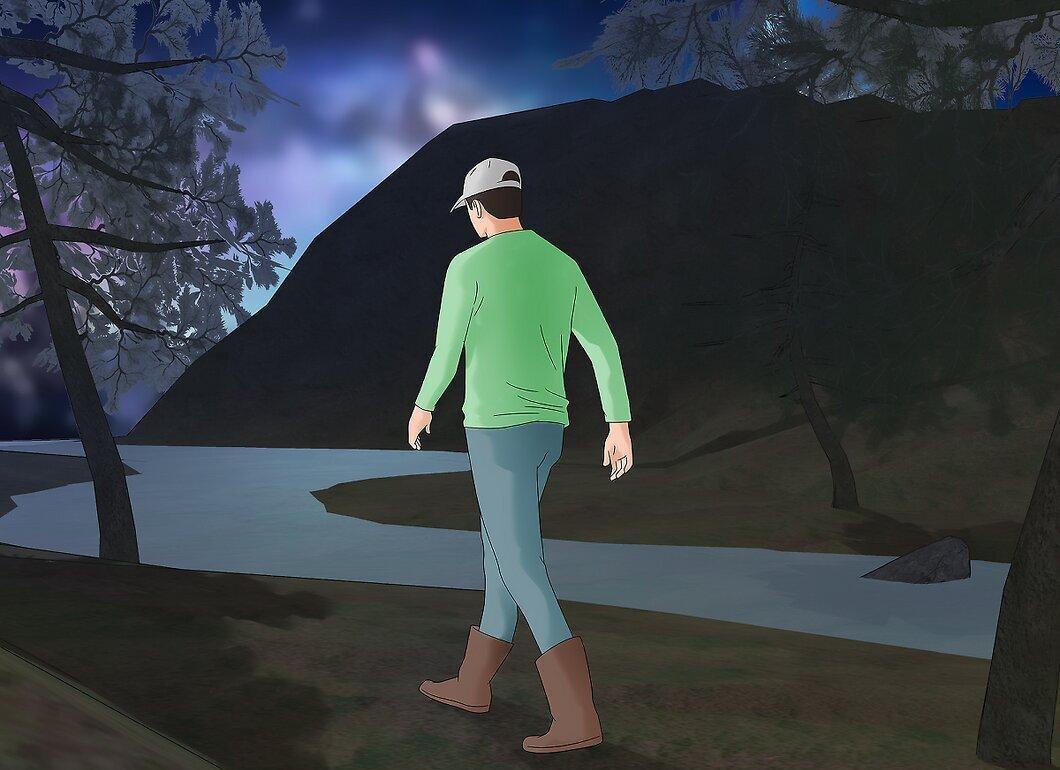
Frogs are much more active at night. They come out to look for food or mates. During the day, they hide in shelters, waiting for darkness.
- Be cautious while walking at night, especially in remote areas. Bring a flashlight and scout the area during the day to be aware of possible hazards.
Step 6. Gently Explore Shelters.
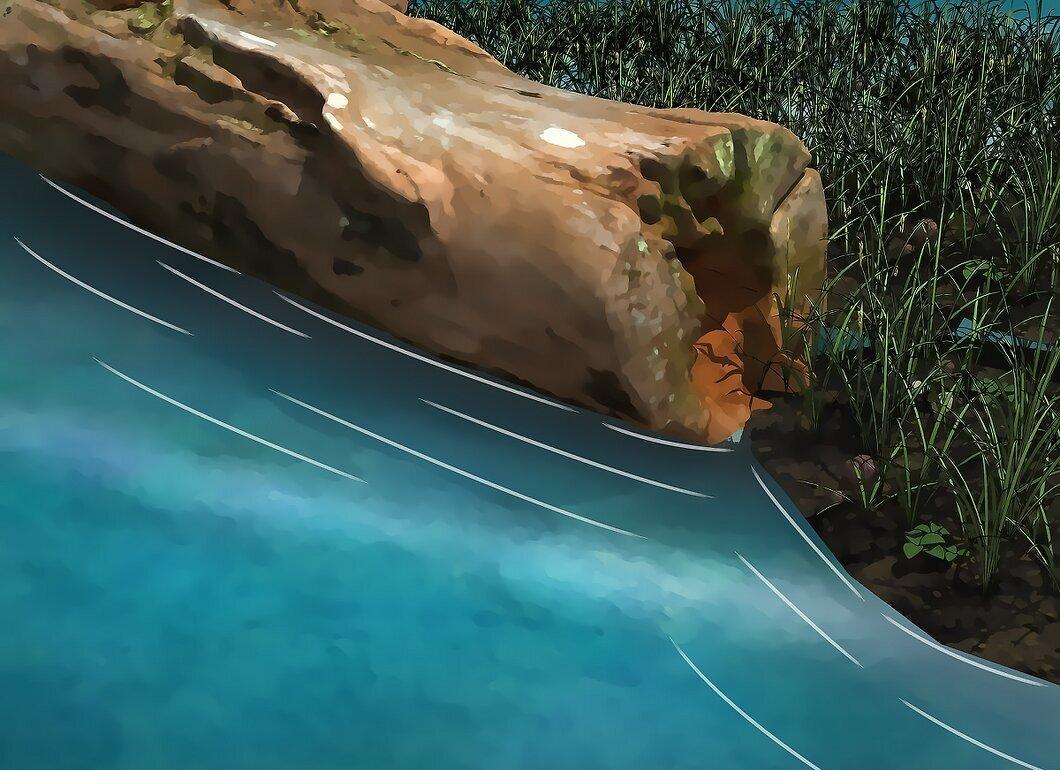
Carefully check shelters so as not to scare or harm the frog. Changes in habitat and human interference lead to declines in these animals.
- Look under rotten logs, bushes, and piles of leaves.
How to Catch a Frog
Step 1. Listen for Splashes.
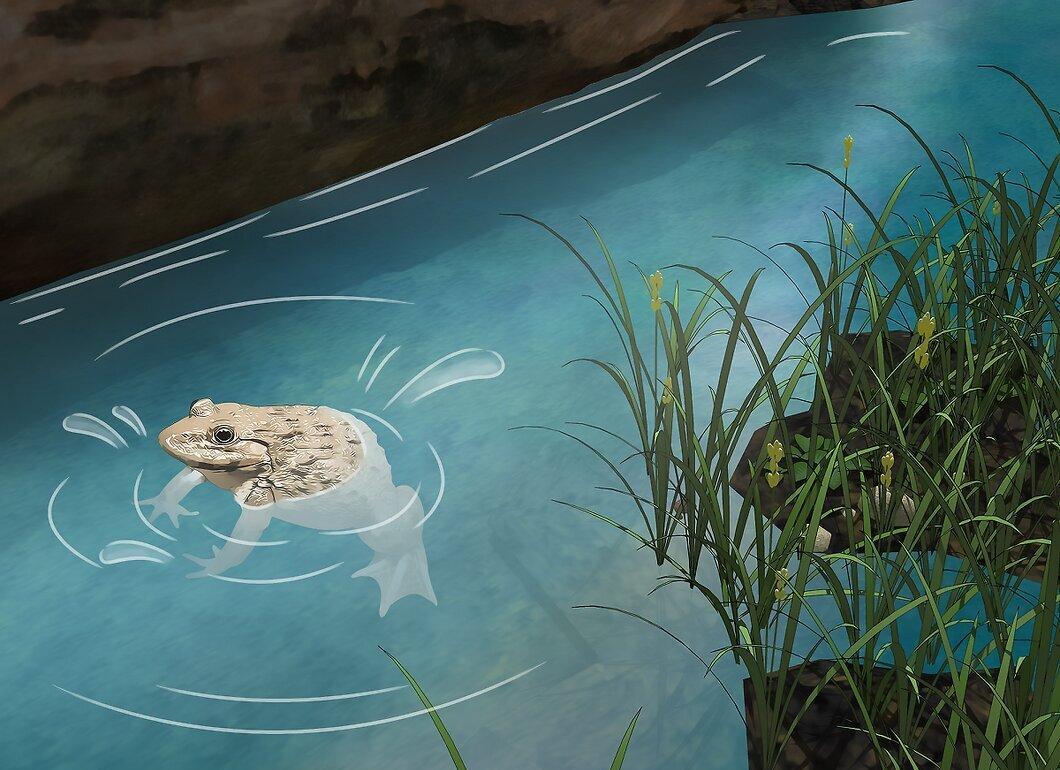
Listen for the sounds of splashing water. When you approach a frog's habitat, they will notice you and try to hide. If they jump into the water, it’s a sign that frogs are present.
- However, not every splash is from a frog—it could be from fish or even snakes, so be careful.
Step 2. Use a Fine-Mesh Net.
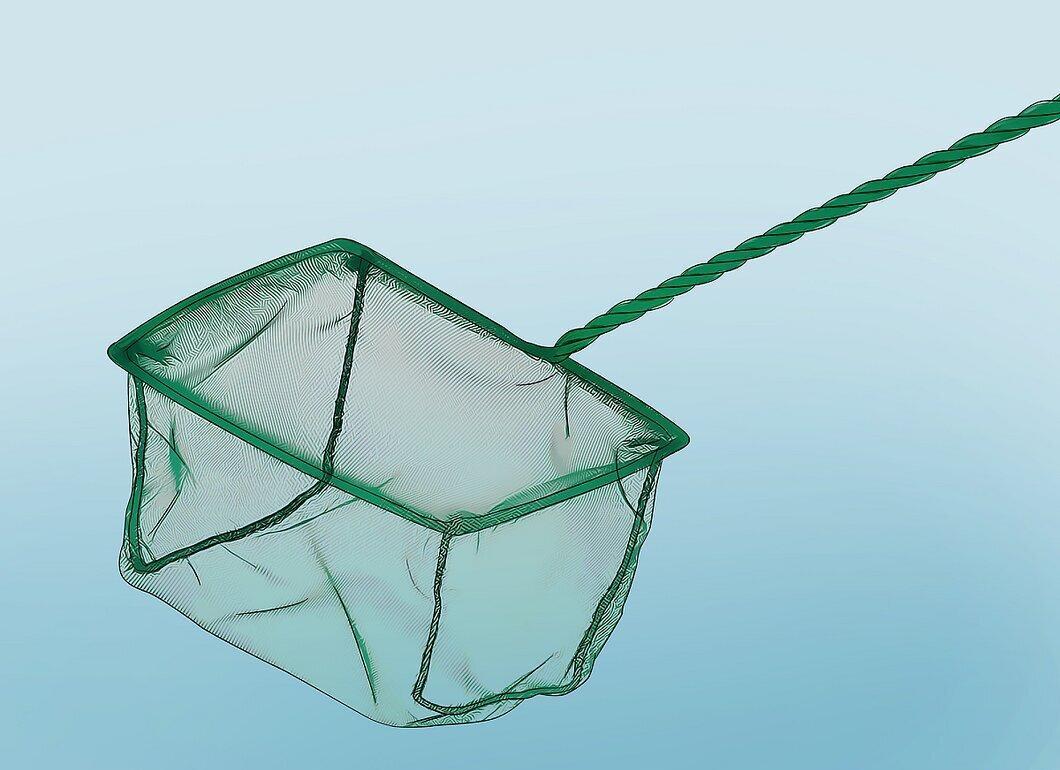
Use a net with fine mesh so the frog cannot escape. Be mindful that its legs or head do not get caught in the mesh.
- Ensure that the neck of the net is wide enough to catch the frog. If necessary, bend parts of the net to avoid injury.
- Do not use a butterfly net, as they are too delicate for frogs.
Step 3. Catch the Frog.
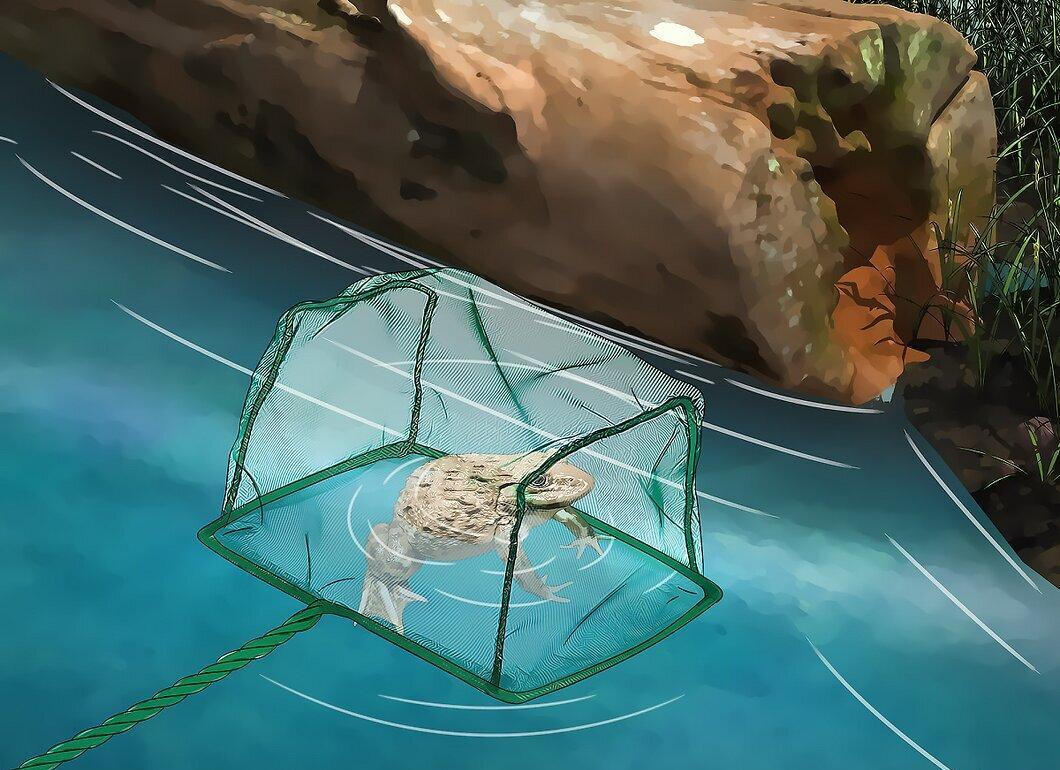
When you find a frog, your action will depend on its location: on land or in water. If it’s on land, cover it with the net. If it’s in water, catch it from below.
- If the frog is on land, gently grasp its back and legs with your hands. Hold it by the sides so its legs point backward and lift it carefully while keeping it in the net.
- If you pull it from the water, hold it by the sides so its legs are directed backward.
Step 4. Catch with Your Hands.
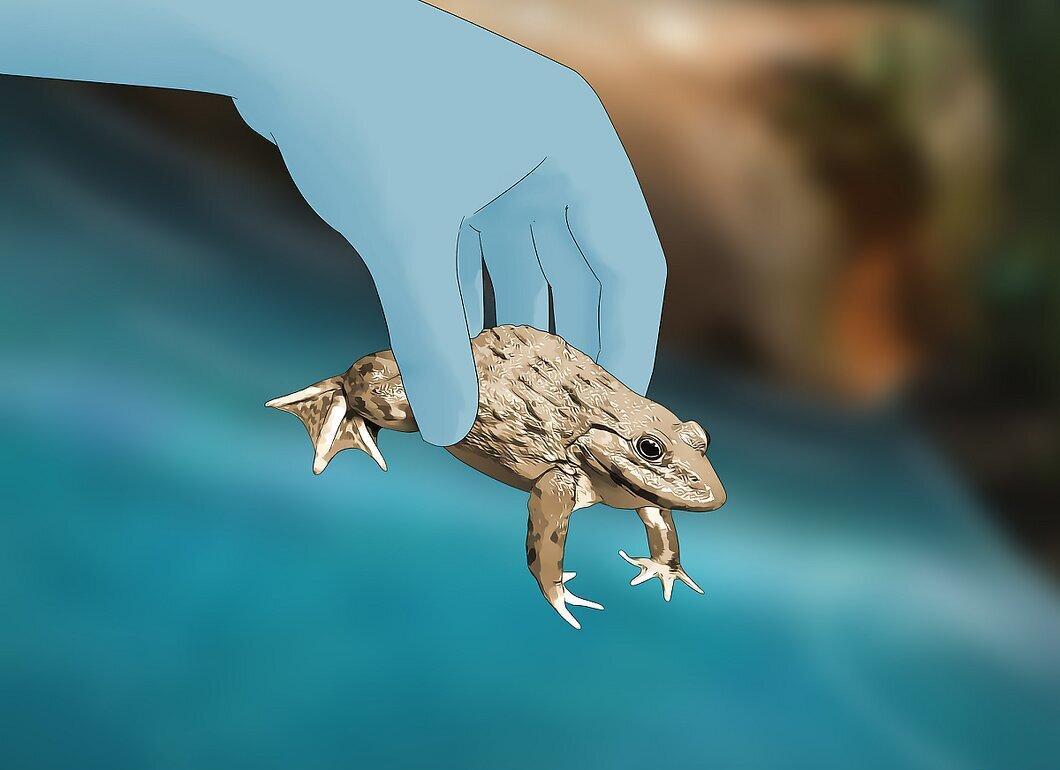
If you choose to catch the frog with your hands, lower them so that it doesn’t notice you (do this slowly and carefully). Grab it by the sides so it cannot escape.
- Do not squeeze it too hard. Hold it gently so it cannot run away, but don’t overdo it to avoid injury.
Step 5. Use a Flashlight at Night.
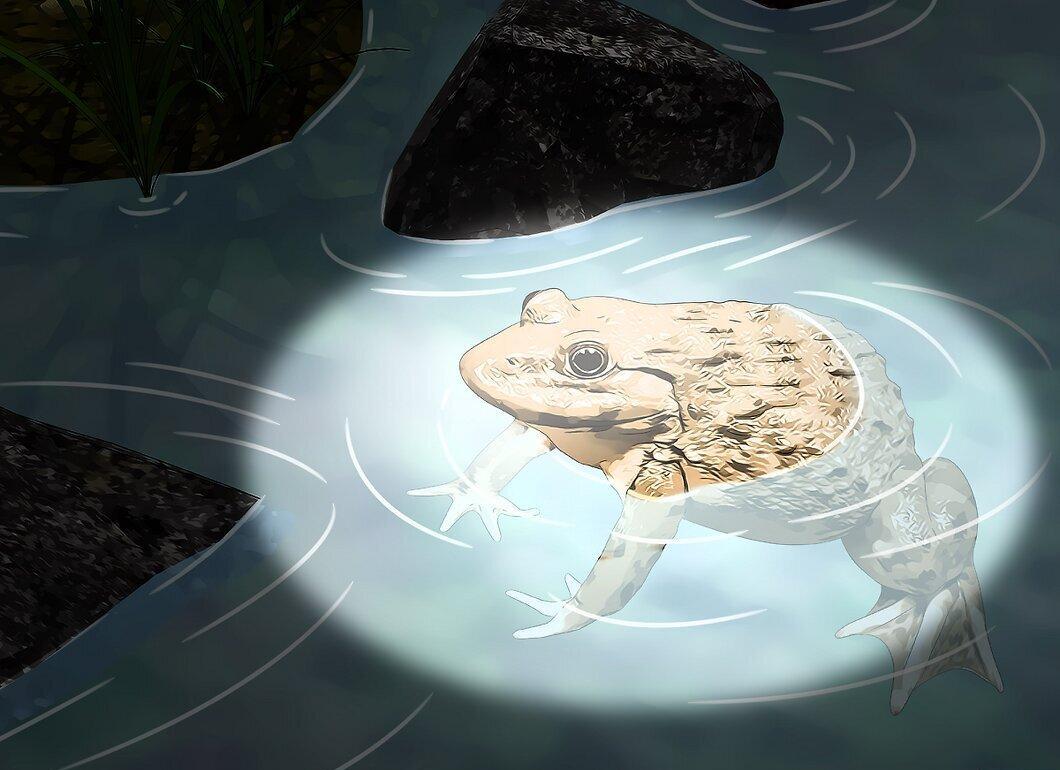
During nighttime hunting, a flashlight will help you catch a frog since its eyes reflect the light, causing it to freeze. This will make your task much easier.
Step 6. Return the Frog Back.
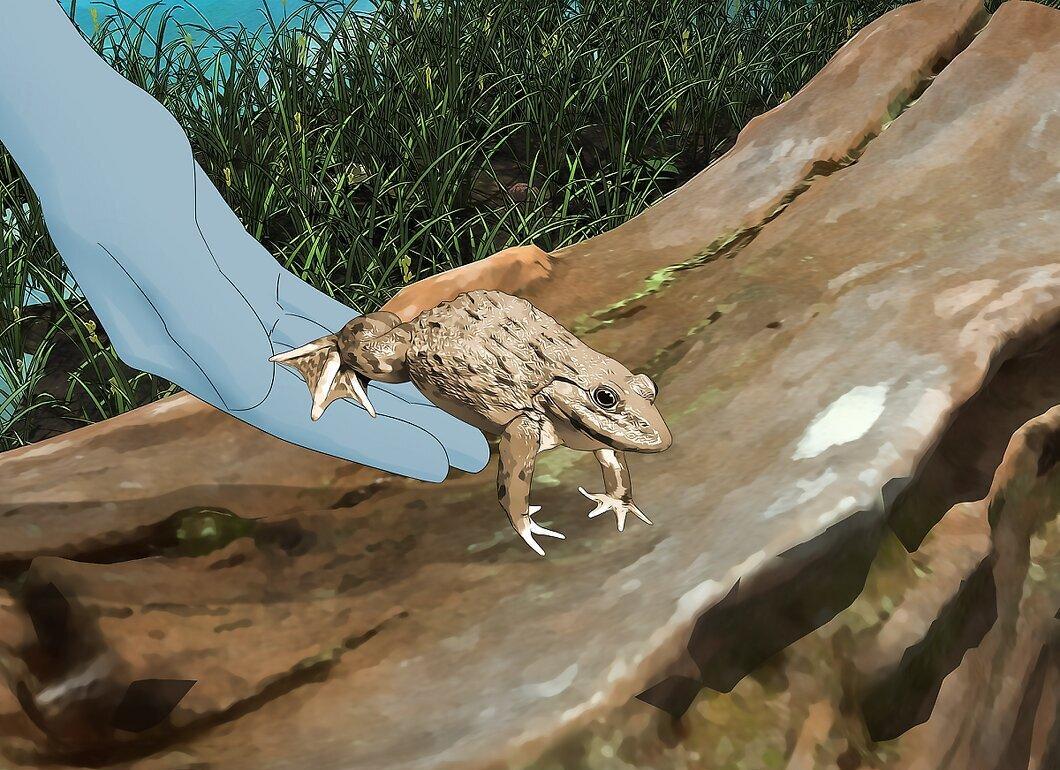
If you do not have permission, release the frog back into its habitat. Some species are protected by law, and it’s important to follow regulations.
- If you want to keep a frog as a pet, it’s better to purchase one from a licensed pet store and raise it from a tadpole.
How to Attract Frogs to Your Garden
Step 1. Create a Natural Landscape.
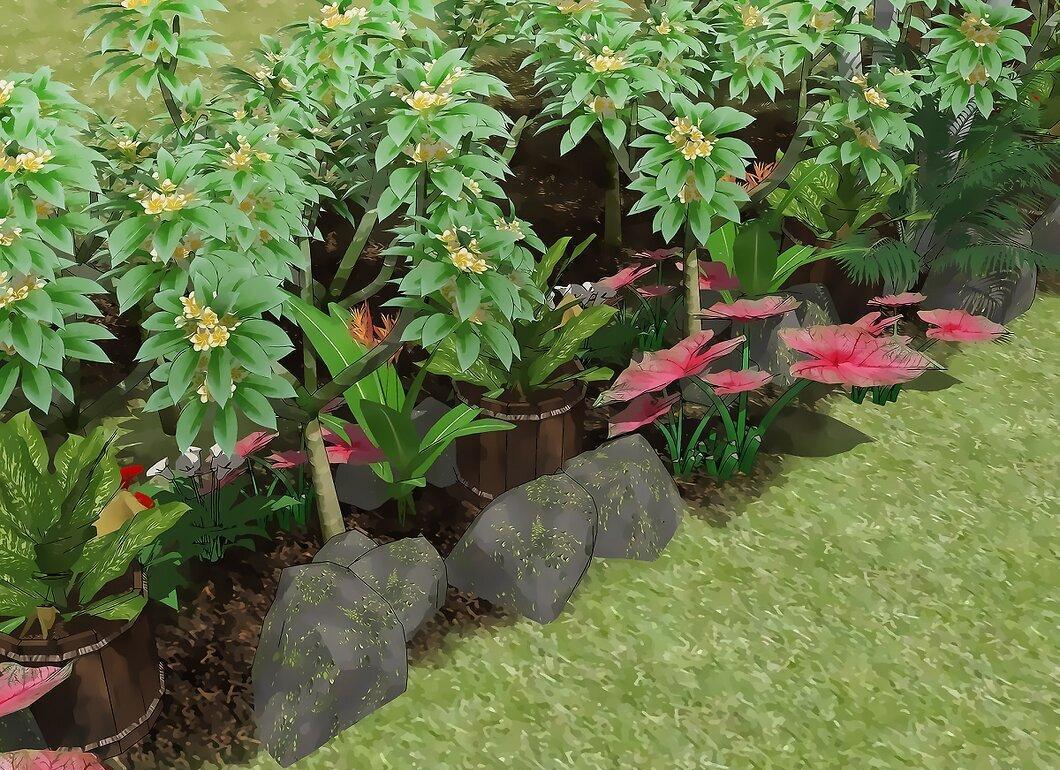
Create a natural environment in your garden. The more natural the landscape, the better your chances of attracting frogs. You don’t need a lot of space.
- Plant shrubs, bushes, and trees to provide foliage, nectar, pollen, berries, and seeds necessary for wildlife. Frogs are indicators of ecosystem health, and by attracting other animals, you will also attract them.
- Ensure that there are shelters for animals in the garden, especially for frogs. These can be thickets, bushes, or even logs.
Step 2. Build a Pond.
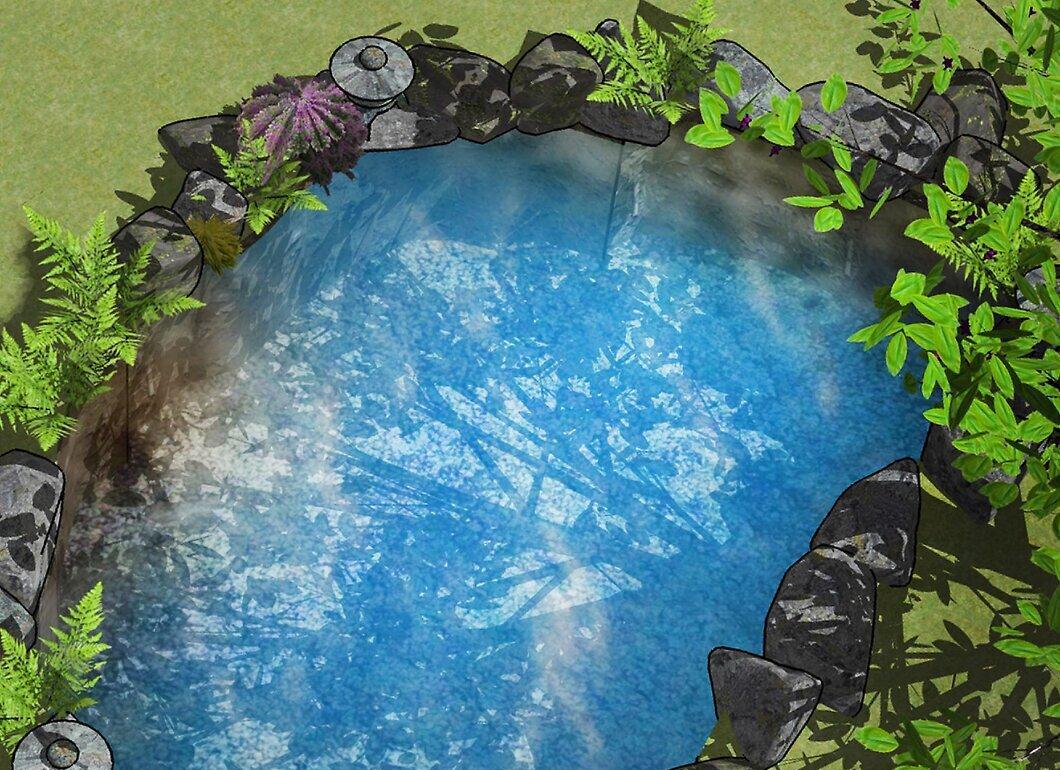
Water is essential for frogs' survival. Create a pond in your garden to attract them.
- If you can’t make a pond, you can use a wide container, such as a trough or pot, that you can bury.
- If you are burying a pot, consider the depth (in cold regions, it should be deeper for wintering) and how to manage algae (for example, with barley).
- Make the pond as natural as possible by planting vegetation and adding natural debris to the bottom, as well as placing branches on the surface.
Step 3. Build a Frog House.
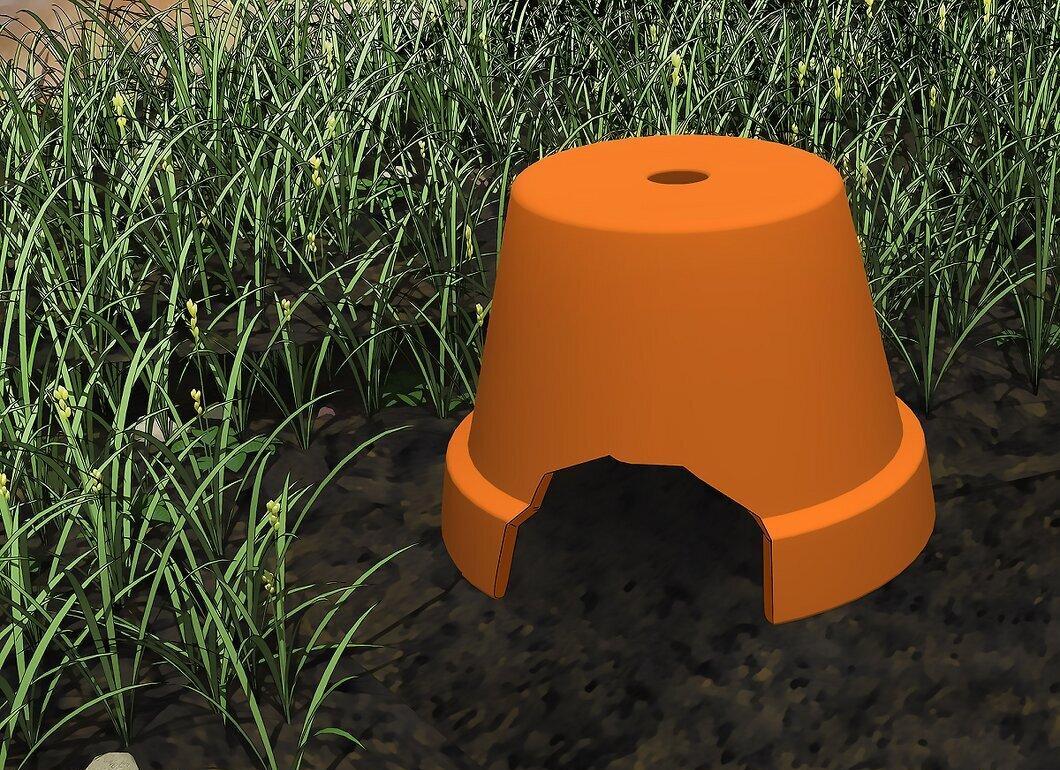
Make a frog house. This can be a simple ceramic pot turned upside down with a hole on the side for access. Or place it on a rock so frogs can easily enter and exit.
- Keep it in a shady spot near the water.
Step 4. Watch for Aggressive Species.
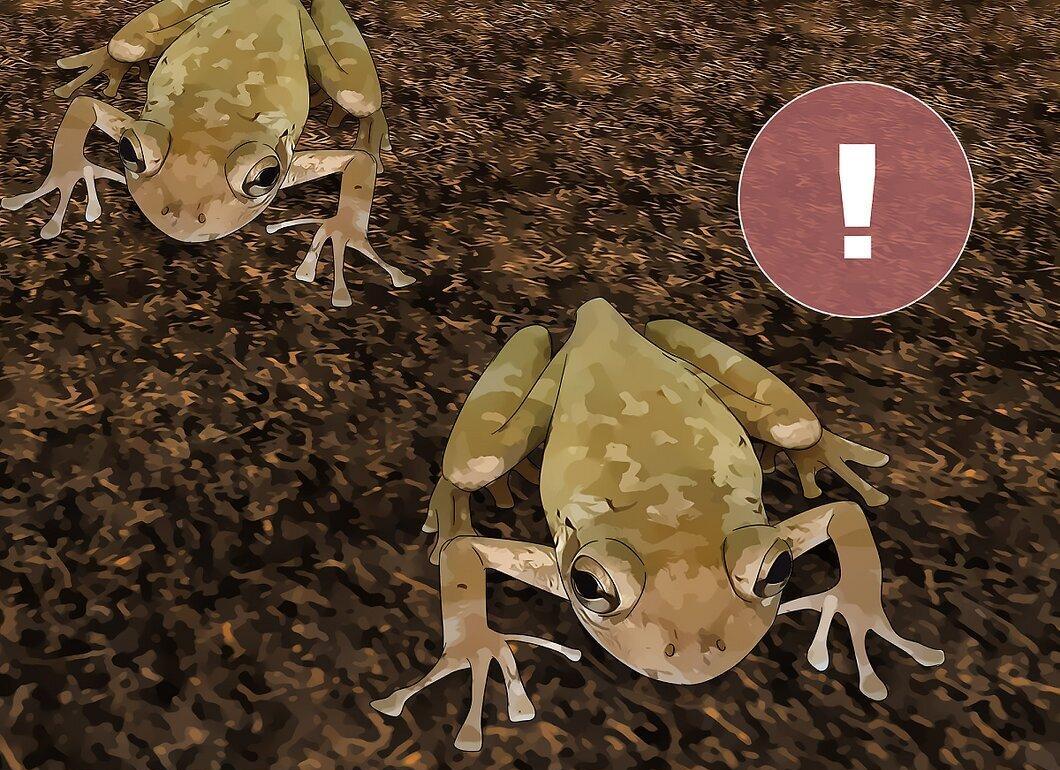
Be cautious of aggressive frog species. Keep an eye out for those living in your area. For example, the Cuban tree frog found in Florida can eat other frogs and compete for food and territory.