Bacon has become one of the most beloved foods for many people in recent years. While fresh bacon brings true pleasure, improper storage can lead to rapid spoilage, which can cause foodborne illnesses from bacteria like Salmonella and E. coli. It’s crucial to monitor bacon quality to prepare and consume healthy meals.
How to Assess Bacon Freshness
Step 1. Check the Expiration Date
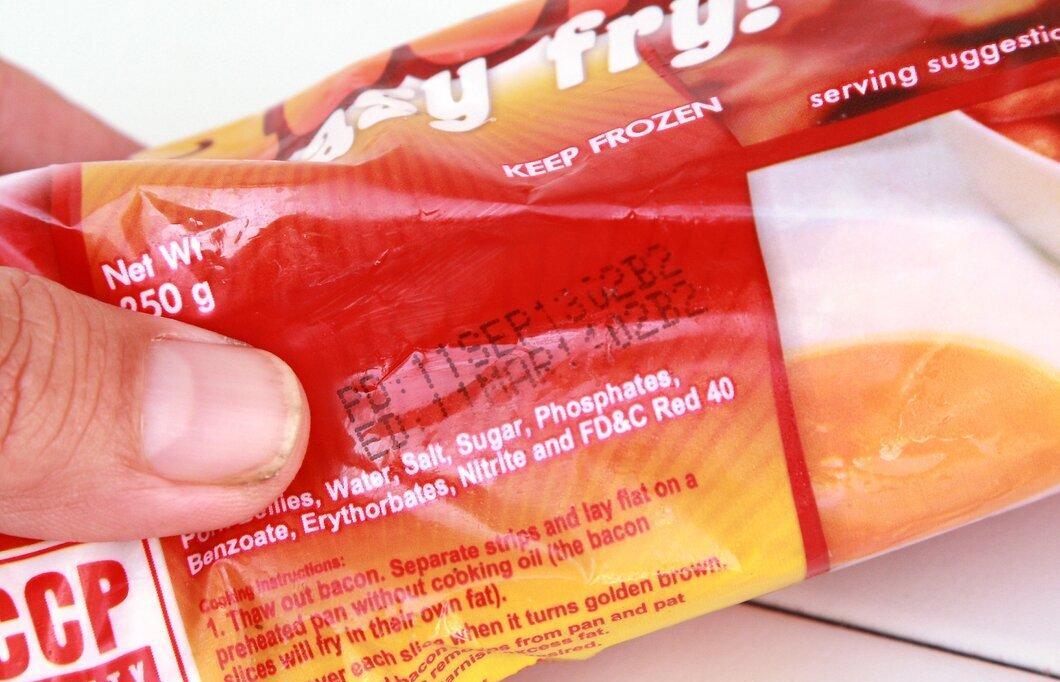
Make sure to check the expiration date on the packaging. If it's expired, it's best not to take any risks and avoid eating the bacon. Use it within seven days of purchase or by the date indicated on the package. If you froze the bacon no more than four months ago, it can be safely defrosted and cooked.
- Don’t confuse "sell-by" with "expiration date." The former is a store recommendation, while the latter is the date until which the product is safe to consume. The closer the sell-by date, the sooner you should eat the bacon; however, even after it, if stored correctly, it may still be safe.
Step 2. Feel Better if the Package is Unopened
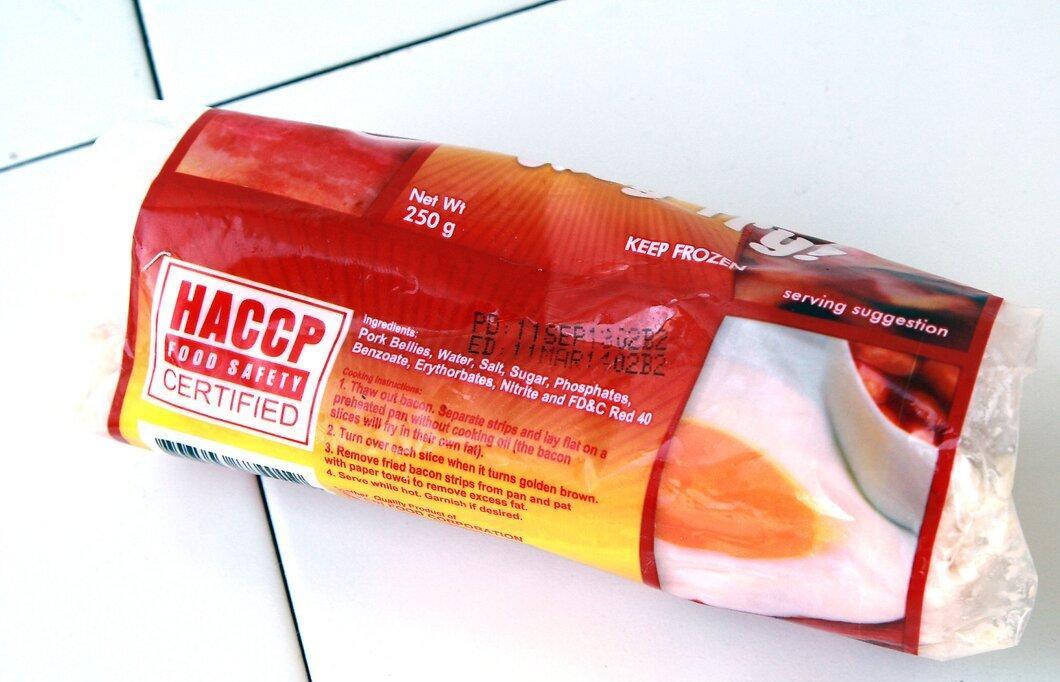
If the bacon package is sealed, you don’t need to worry too much. For example, if you bought it last week and haven't opened it, it’s likely still fresh. Even if the package was opened and you took a piece, just reseal it properly to help maintain its freshness.
- Bacon can remain fresh for up to two weeks after purchase if the package hasn’t been opened and it's stored correctly. Open the package and conduct freshness tests.
Step 3. Smell the Bacon
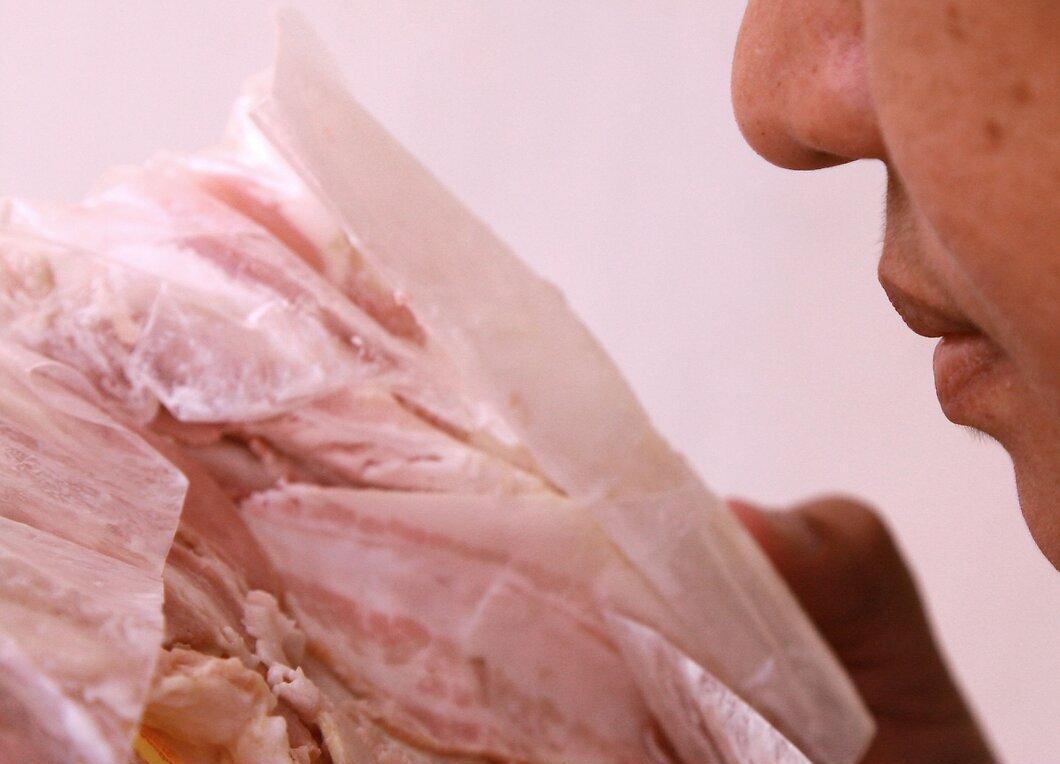
The smell of bacon is an important indicator of its freshness. Whether on a plate or in the packaging, the aroma will be the same. If you're in doubt, give it a sniff. If it smells like fresh meat, its quality is fine. If it has a rotten, sour smell, or no smell at all, the bacon is spoiled.
- Do you know what fresh bacon should smell like? If you’re unsure about its aroma, don’t take the risk. Bacteria can be harmful to your health.
Step 4. Visual Inspection
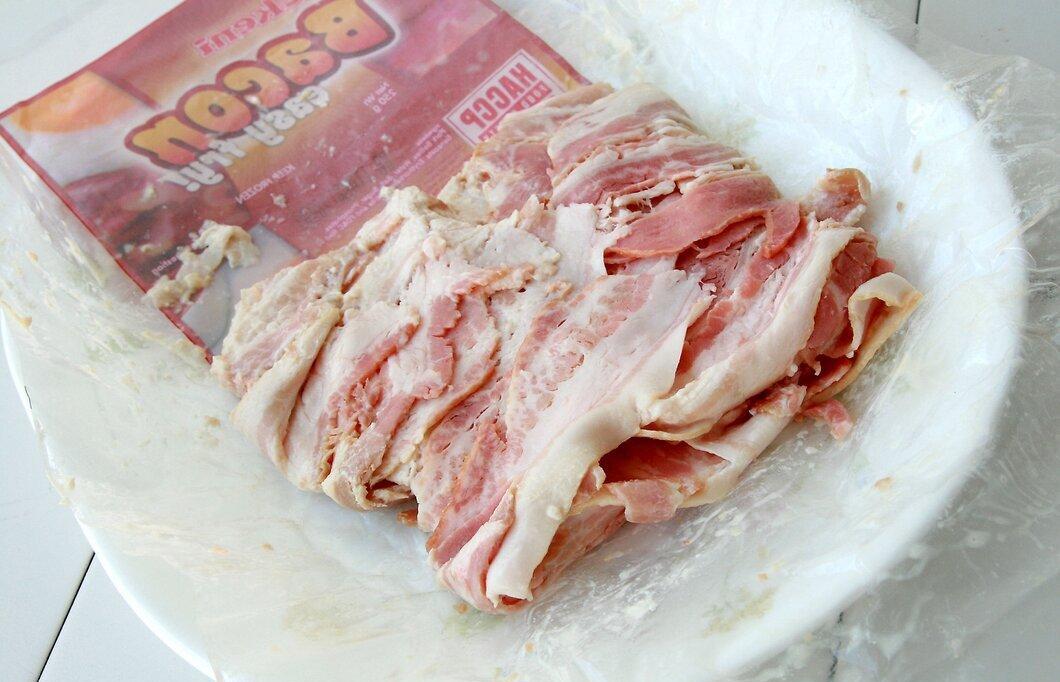
Carefully examine the bacon. Find a well-lit spot and scrutinize its appearance. Fresh bacon should have a bright pink color with white fat streaks. If you notice green spots, a dull surface, or dark areas, the bacon has already spoiled.
- Don’t assume bacon is always fresh. You don’t want to encounter spoiled product and give up on this wonderful meat forever, right? Keep the potential consequences in mind.
Step 5. Check the Texture
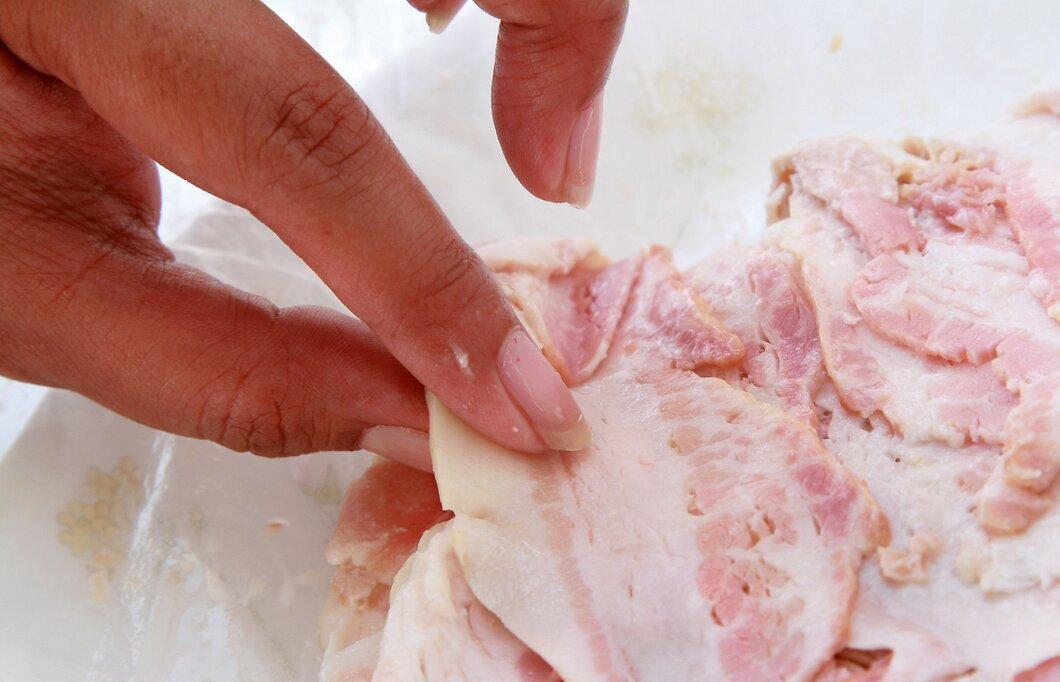
Touch the bacon. It should not be sticky. If it feels slimy or tacky, it’s a sign that it has spoiled. In that case, throw it away without hesitation.
- Remember to wash your hands thoroughly. Even if you didn’t ingest any bacteria, it’s better to get rid of them from your hands.
Step 6. Proper Disposal of Spoiled Bacon
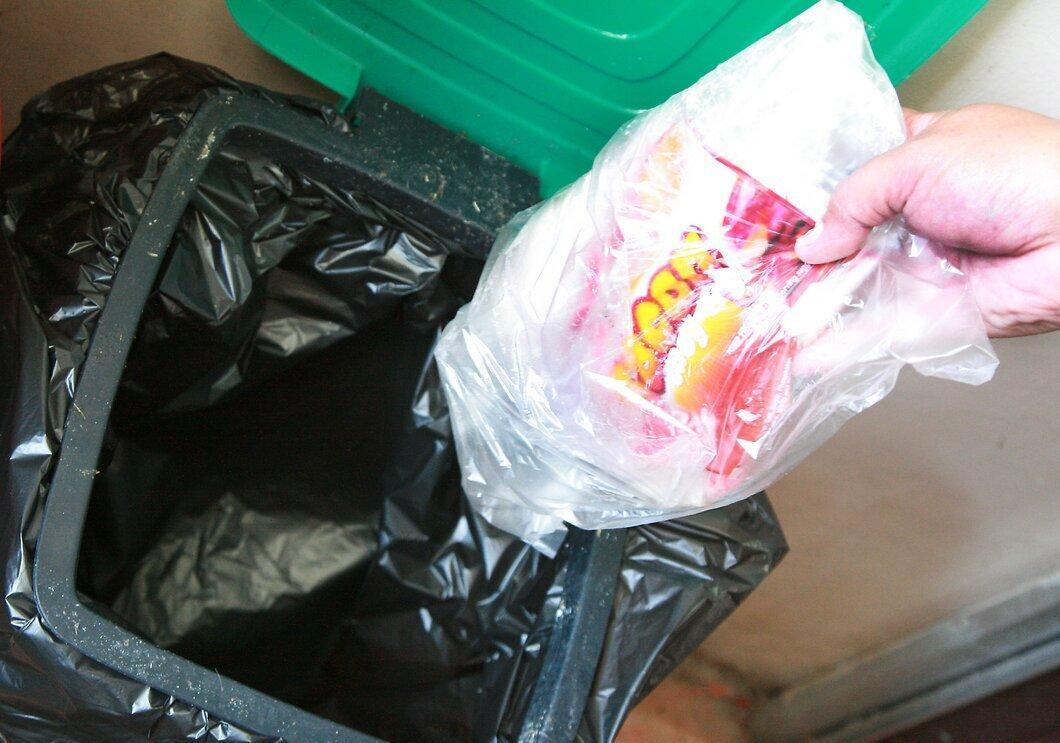
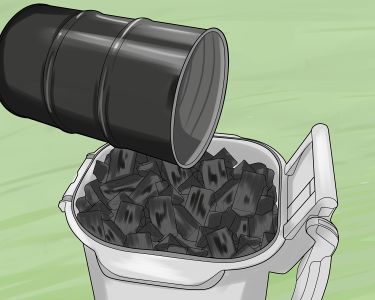
If you find that the bacon has spoiled, dispose of it properly. Wear gloves to avoid contact with bacteria, carefully wrap it up, and throw it in an outdoor trash bin. Don’t feed spoiled bacon to pets—it can be dangerous for them.
How to Buy Bacon Properly
Step 1. Grab Bacon Right Before Checkout

Purchase bacon just before you approach the checkout. Minimize the time between picking it up from the shelf and placing it on the conveyor belt. You don’t want it thawing near ice cream and soda cans. Once you get home, immediately store the bacon in the refrigerator at 4.4 °C (40 °F) or below.
- If you have a cooler bag, use it! This will help keep the bacon cold on the way home. It deserves the best until it ends up on your plate.
Step 2. Choose Bacon with Minimal Ingredients
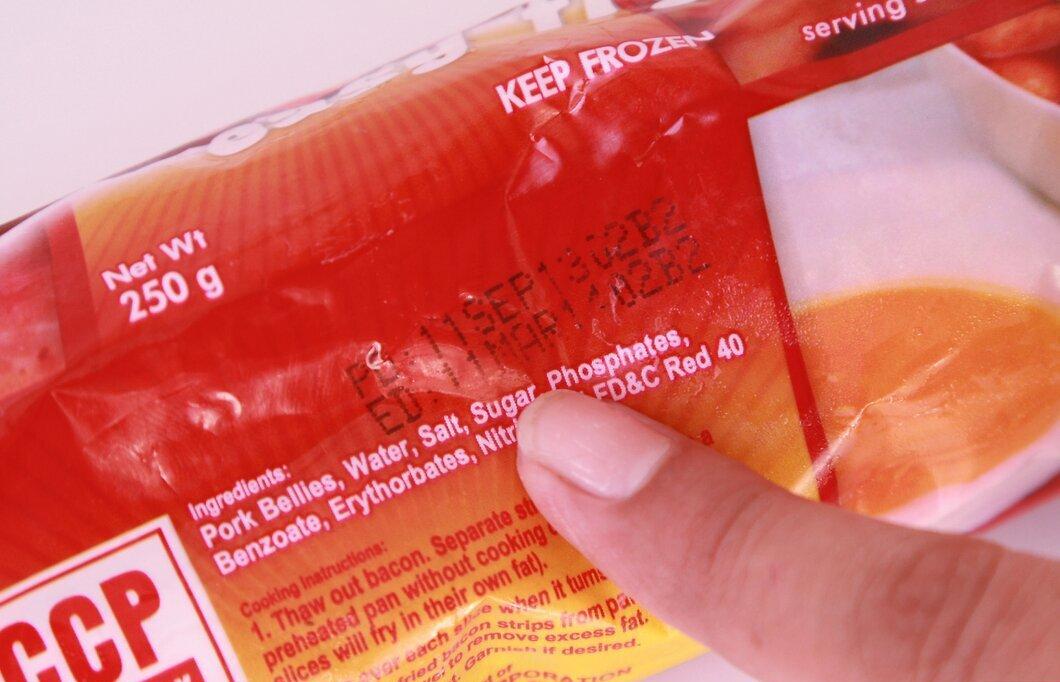
Opt for bacon with a short list of ingredients. Nowadays, if a product contains fewer than four ingredients with seven letters each, it’s worth considering. Fortunately, being healthy is becoming trendy, so if you have the option, choose bacon with an easily readable ingredient list.
- So, look for four basic ingredients: pork, water, salt, and brown sugar. That’s all that’s needed to create delicious bacon. Other additives are just preservatives and chemicals.
Step 3. Don’t Trust “Nitrate-Free” Labels
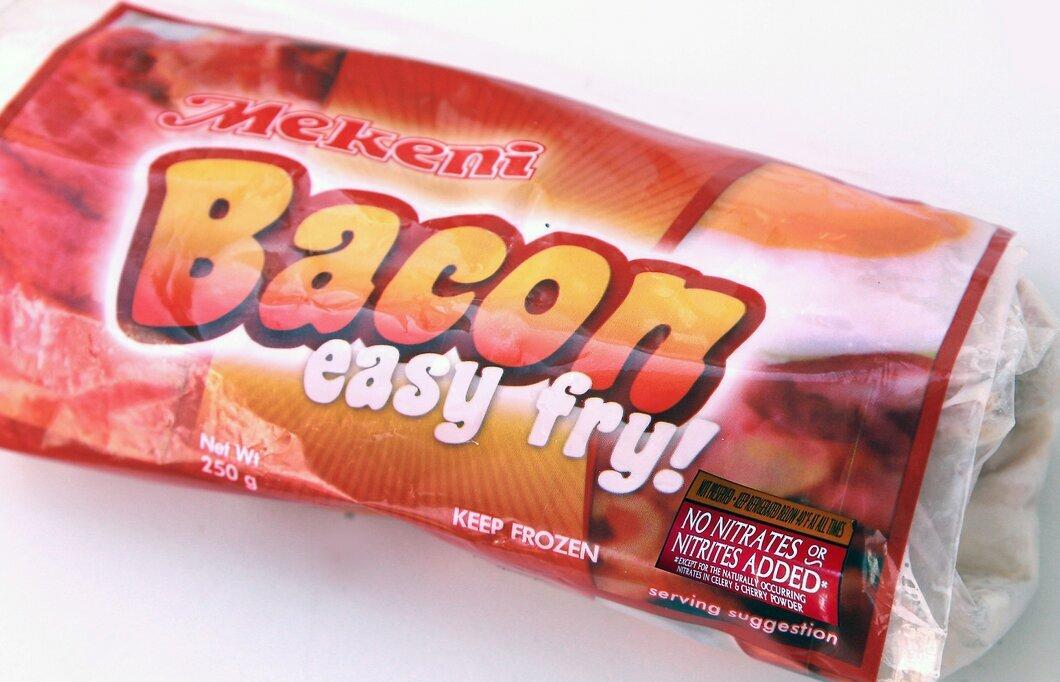
Don’t fall for the “nitrate-free” label gimmick. This simply means that sodium nitrate wasn’t used during processing, but celery, which is often used instead, contains lots of nitrates.
- The ideal bacon is produced locally, with minimal additives, and, of course, from humanely raised pigs.
How to Store Bacon
Step 1. Freeze Bacon
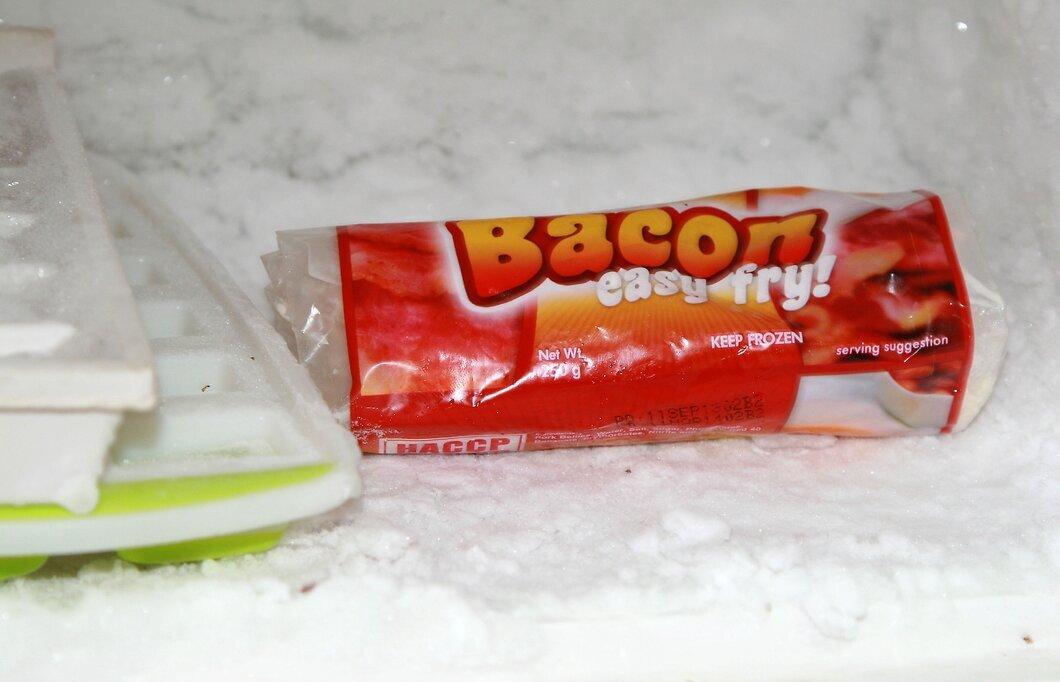
Bacon can be stored frozen at 0 °C (32 °F) or below. However, keep in mind that the USDA recommends not storing bacon longer than 1-2 months in the freezer.
- You can freeze bacon by cutting it into portion-sized strips. It’s simple and convenient!
Step 2. Cook Bacon and Prepare for Storage
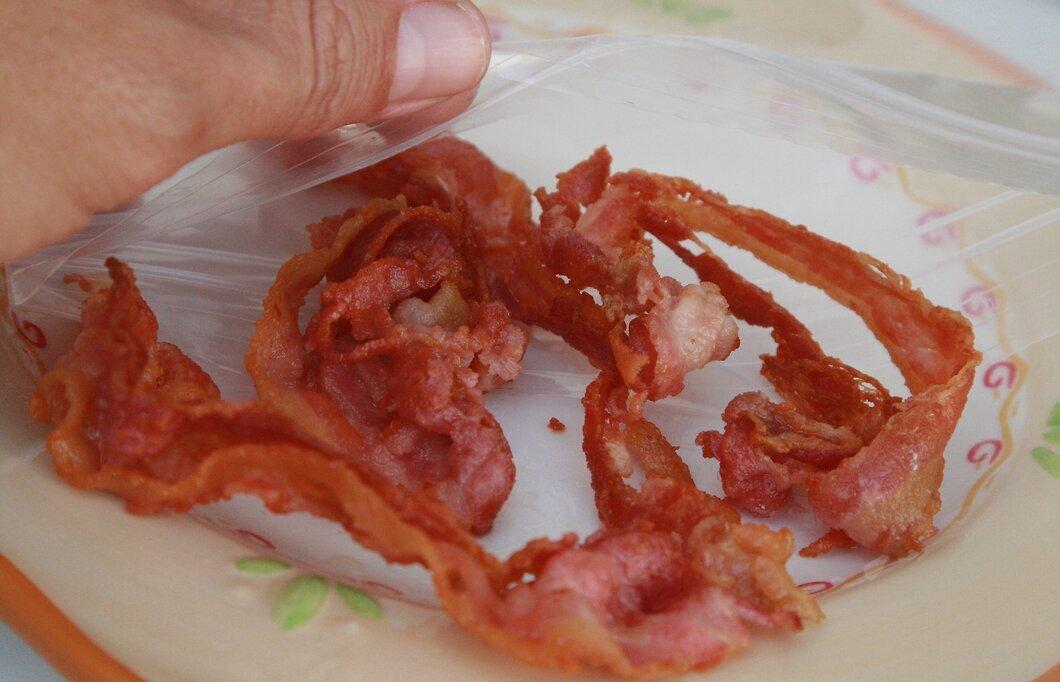
Cooked bacon placed in an airtight container will last longer. Make sure to remove excess fat before packaging. Different types of bacon have varying storage times.
- Cooked bacon strips can stay fresh in the fridge for up to a week. If frozen, their shelf life extends to 6 months. Just don’t cook the bacon all the way, so it doesn’t dry out when reheated.
- Small pieces of bacon can last up to 6 weeks in the refrigerator and up to 6 months in the freezer.
Step 3. Monitor Frozen Bacon
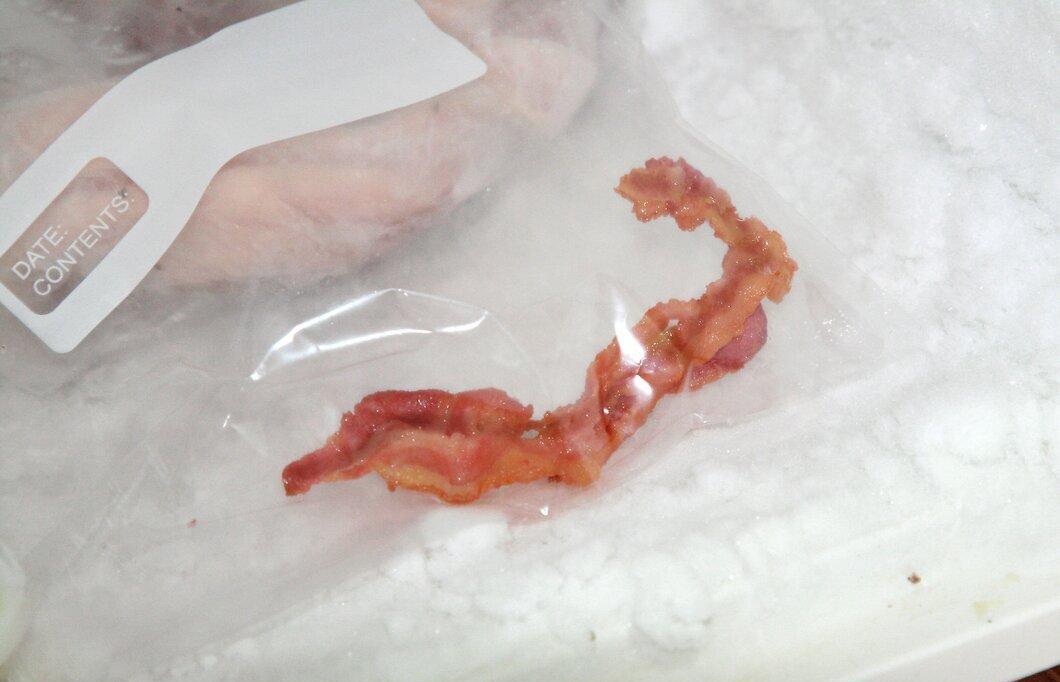
Keep an eye on frozen bacon. If it has been stored too long, the fat may begin to spoil. The ends may turn brown and become inedible. In this case, trim them off and cook the bacon as usual. If you notice an unpleasant odor, it’s better not to take any risks and discard it.
- Large pieces of bacon freeze poorly due to their high salt content, which accelerates the fat spoilage process. To avoid this, cut it into smaller portions before freezing.