How can you tell when a pineapple is ready to eat? Once this fruit is cut, it will no longer ripen. Here are several secrets to help you choose the perfect pineapple.
Determining Ripeness by Aroma
Step 1. Smell the Pineapple.
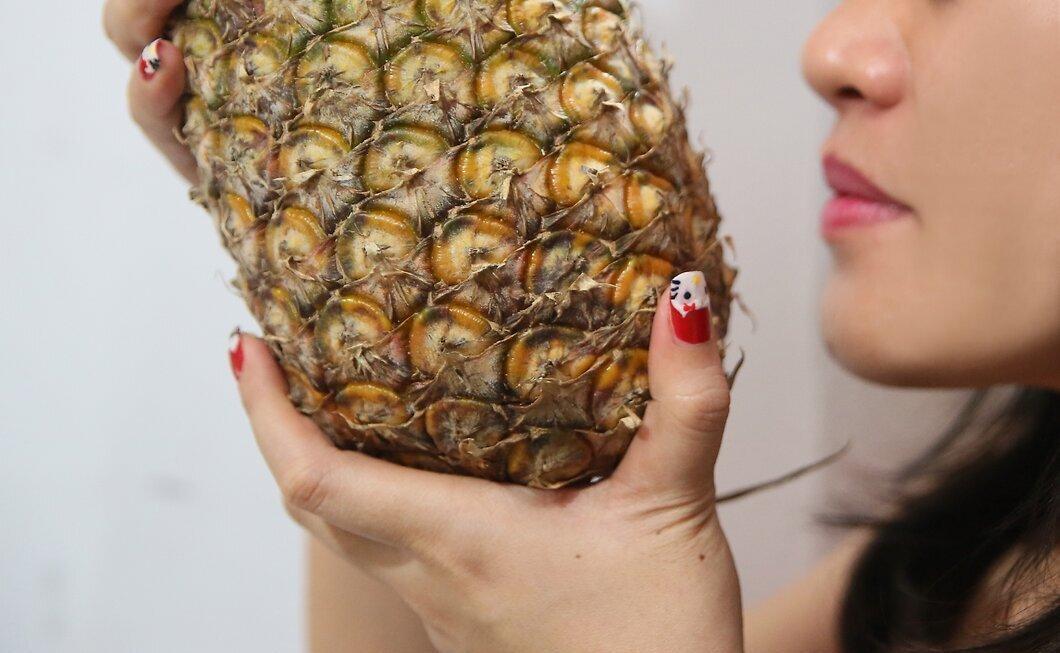
Give the pineapple a sniff. If you detect a sweet aroma, that's a good sign of its ripeness. A lack of scent indicates that the fruit is not ripe yet.
Step 2. Avoid Pineapples with a Fermented Smell.
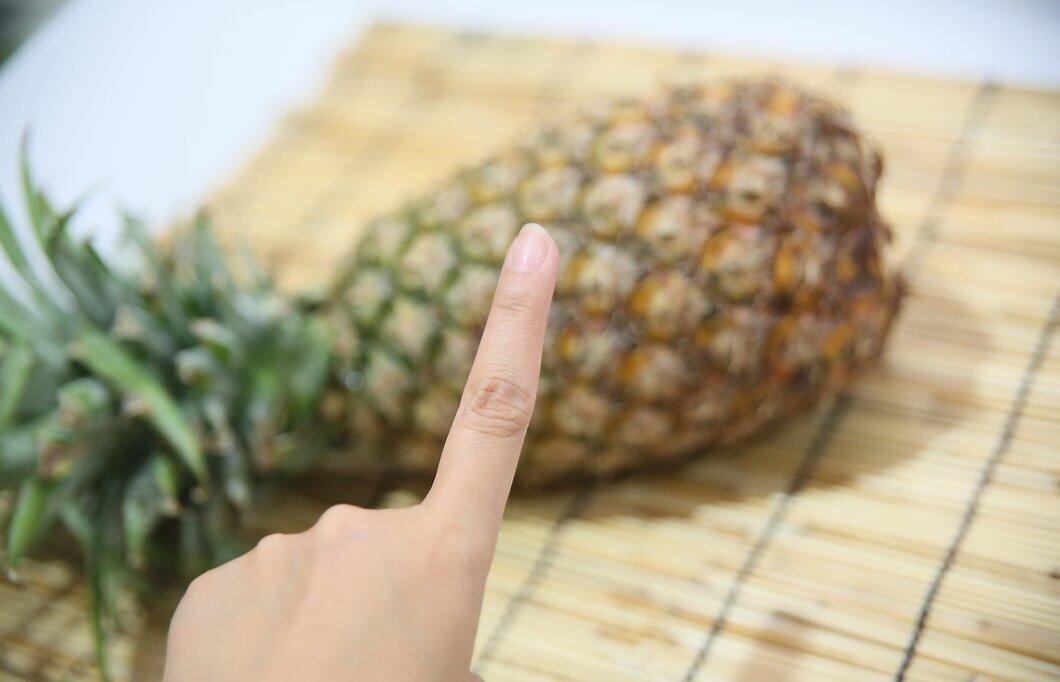
Steer clear of pineapples that smell fermented. A pleasant sweet aroma should be present; beware of fruits with an alcoholic or vinegar smell.
Pay Attention to Appearance
Step 1. Key Signs of a Ripe Pineapple:
A ripe pineapple has two key characteristics: freshness and no signs of spoilage. You want a pineapple that shows no signs of decay. The stem that nourishes the fruit plays a crucial role in its sweetness, and this is where color changes begin.
Step 2. Evaluate the Color of the Pineapple.
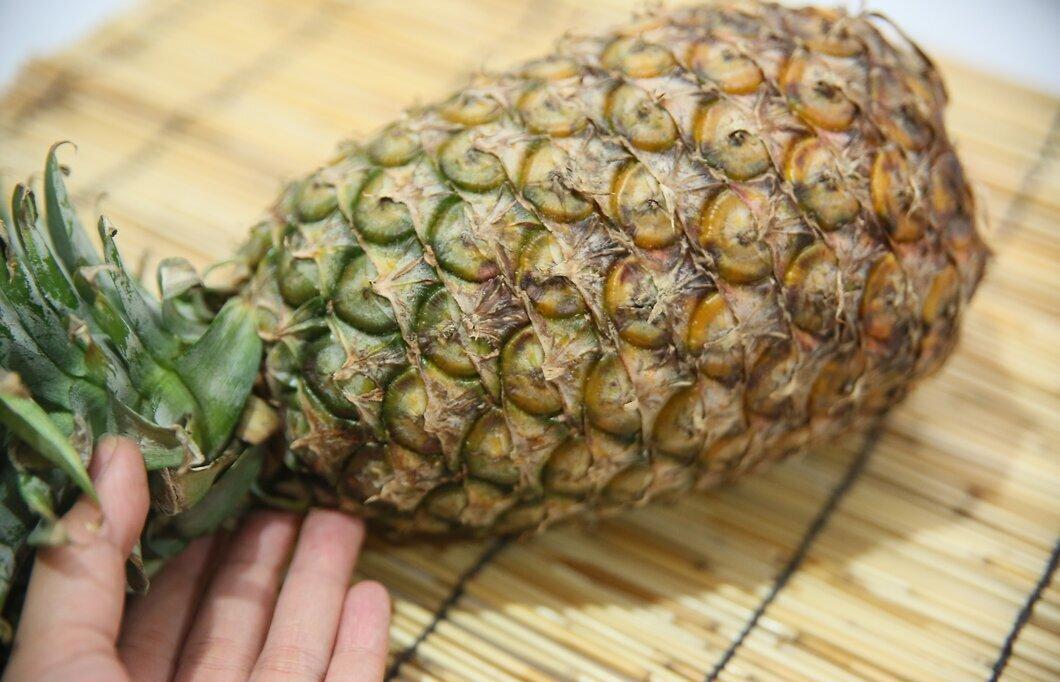
Observe the color of the pineapple. It is usually yellowish, but green fruits can also be ripe.
- Some pineapple varieties are considered ripe even when they are green. Therefore, it's best to focus on the overall condition of the fruit.
- Avoid pineapples with wrinkled skin, reddish-brown spots, cracks, mold, or wilted leaves.
Step 3. Check the Leaves.
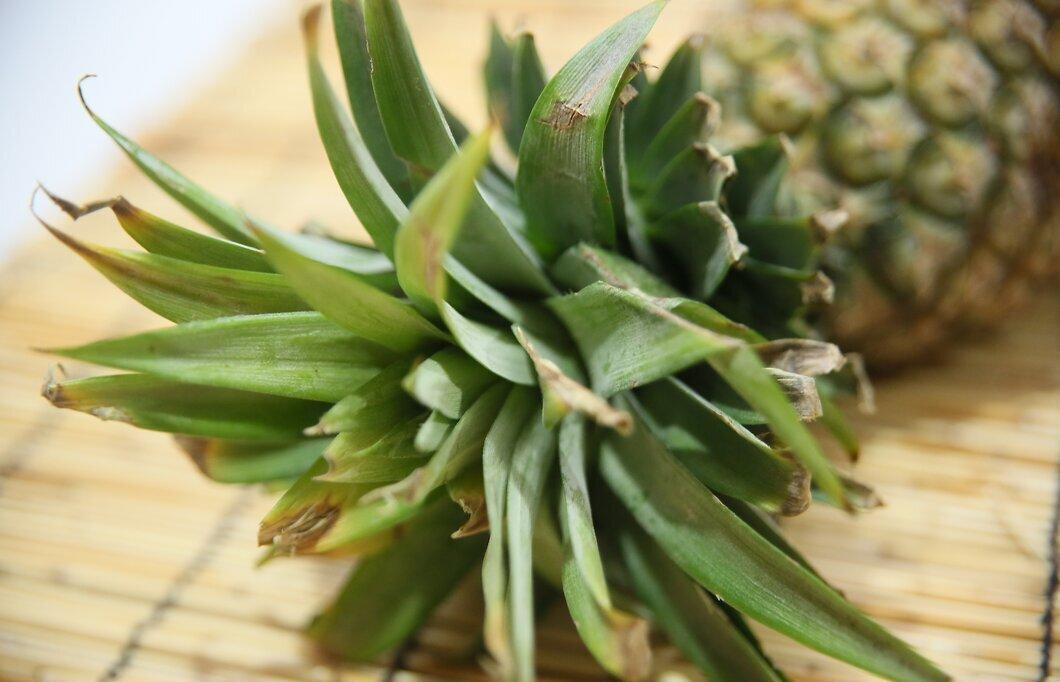
Examine the leaves. The fruit can be either golden or green, but choose a pineapple with strong green leaves.
Step 4. Assess the Shape of the Pineapple.
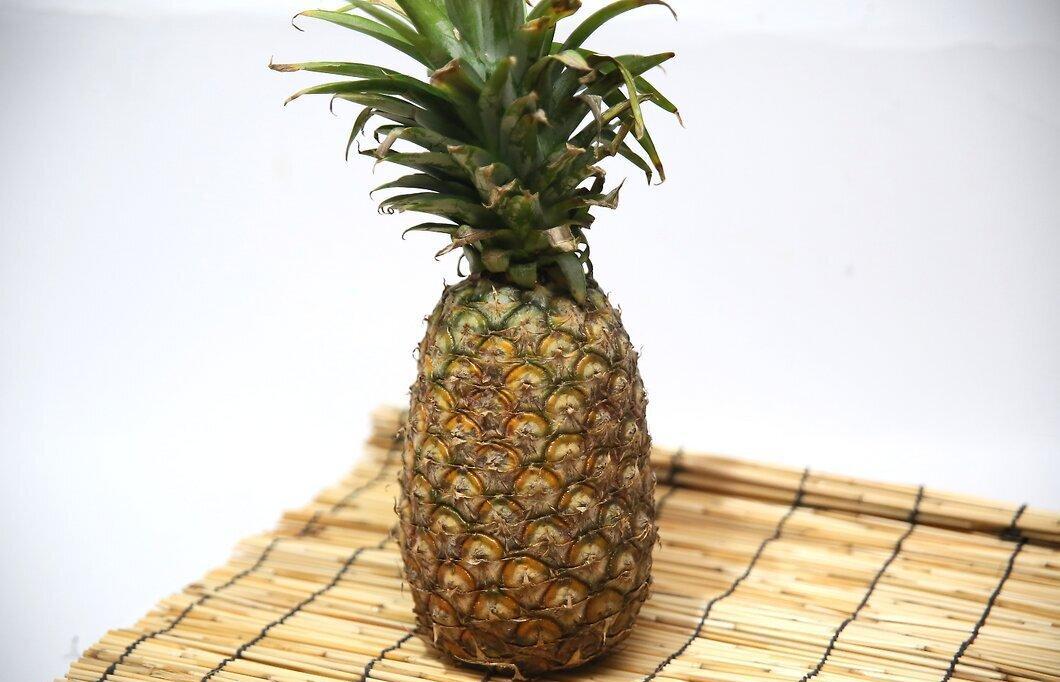
The shape of the pineapple matters. The fruit should be round with soft edges and distinct eyes — these are the large black spots on its surface. If the eyes are dark and pronounced, the pineapple is ripe.
Step 5. Buy Local Pineapples.
Purchase pineapples from nearby plantations. For instance, if you are in California, your closest sources might be Hawaii or Mexico.
Feel the Freshness
Step 1. Squeeze the Pineapple.
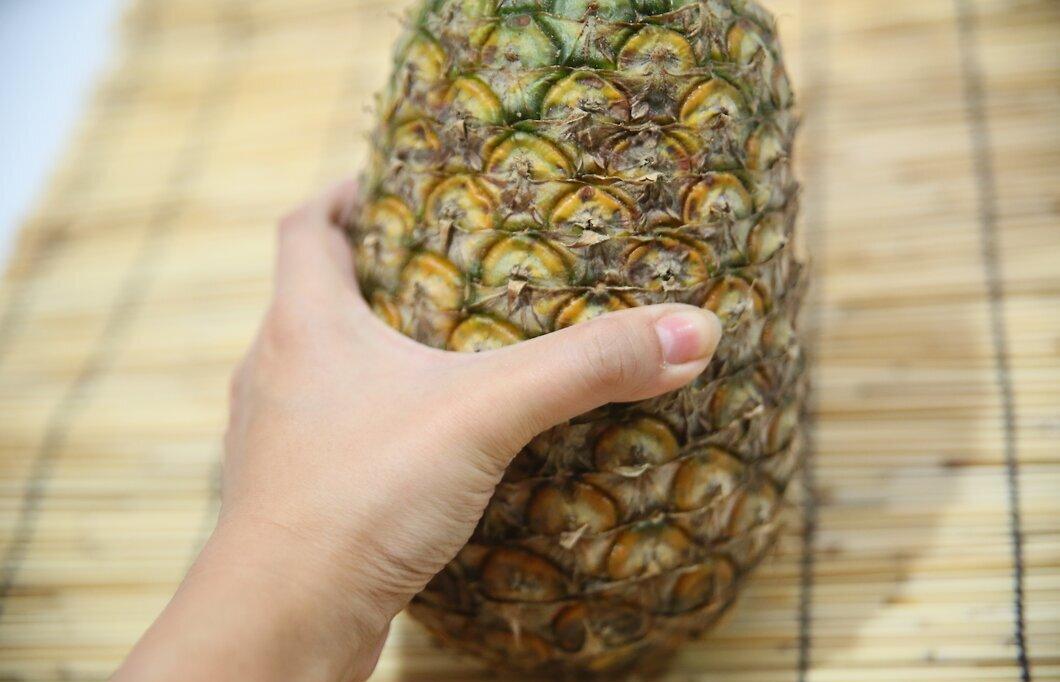
Squeeze the pineapple. It should feel firm yet yield slightly to pressure.
Step 2. Evaluate the Weight of the Pineapple.
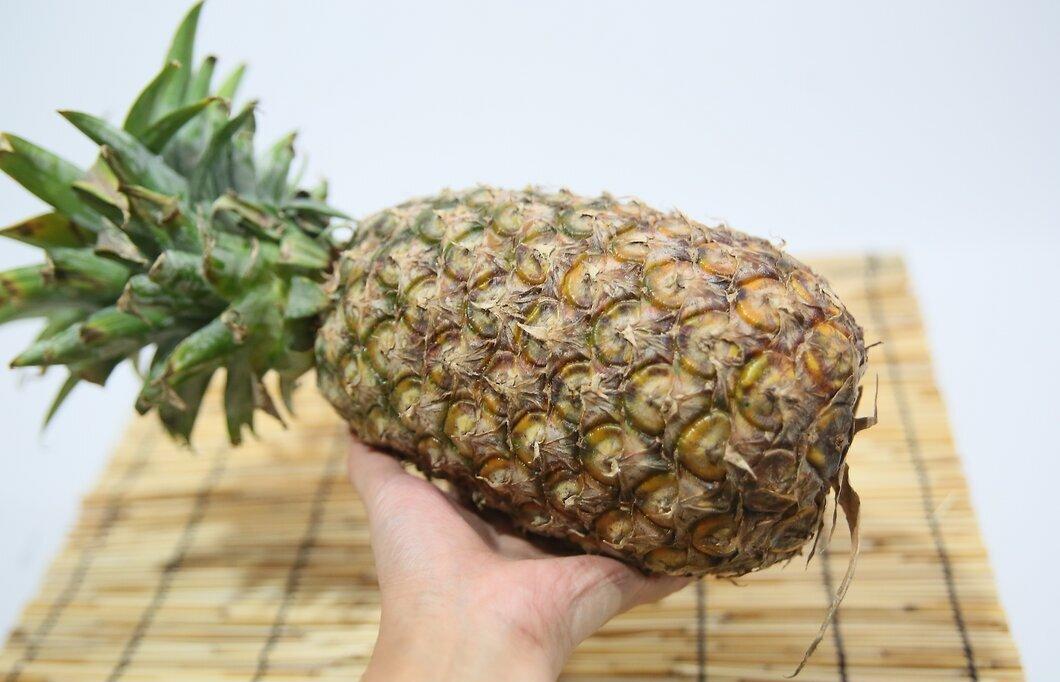
Determine the weight of the pineapple. The heavier it is, the more juice it contains. Keep in mind that a heavier pineapple isn't always larger in size.
Step 3. Try to Pull Off a Leaf.
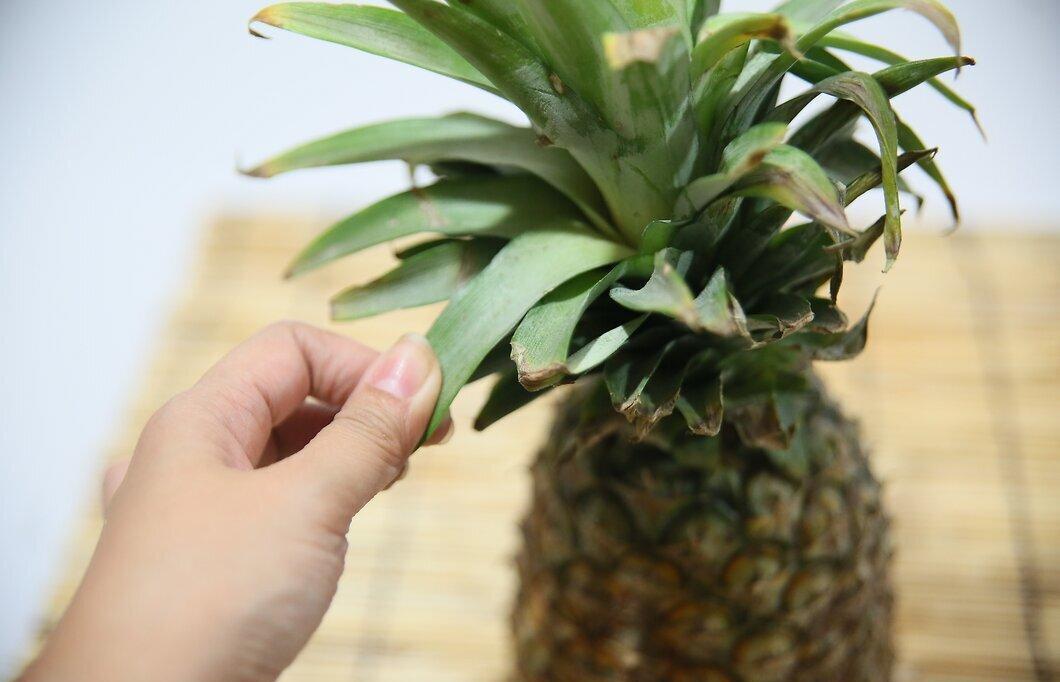
Try pulling off a leaf from the top of the pineapple. This method can be controversial, but many believe that if the leaf comes off easily, the pineapple is ripe. If it comes off too easily, the fruit might be starting to rot.
How to Store and Cut a Pineapple
Step 1. If the pineapple is kept at room temperature, it should be eaten within a few days.
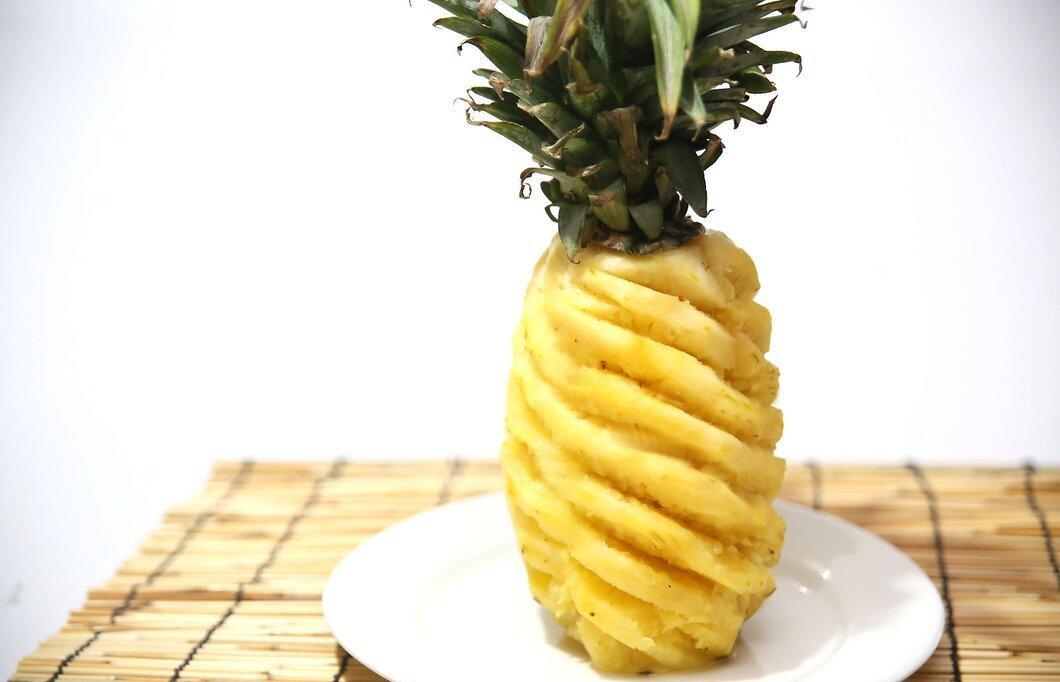
If the pineapple is at room temperature, it should be consumed within a few days. Do not leave cut fruit out of the refrigerator.
Step 2. To maintain freshness, store the pineapple in the refrigerator.
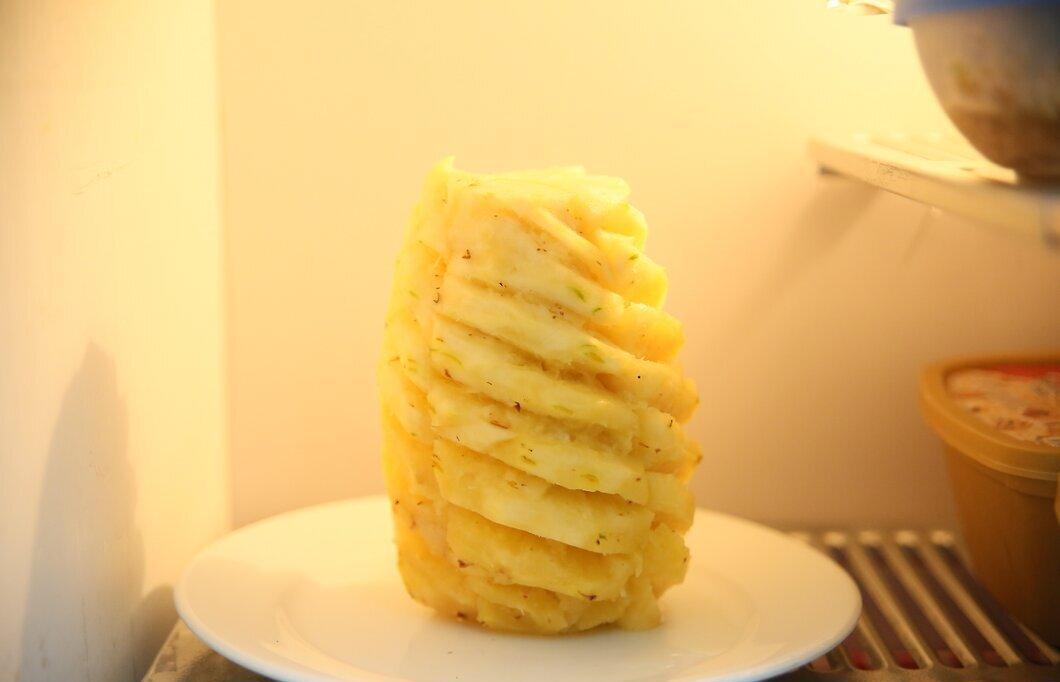
To keep the pineapple fresh, store it in the refrigerator. A whole fruit can last there for about two weeks.
Step 3. Cut pineapple should be stored for no longer than one week.
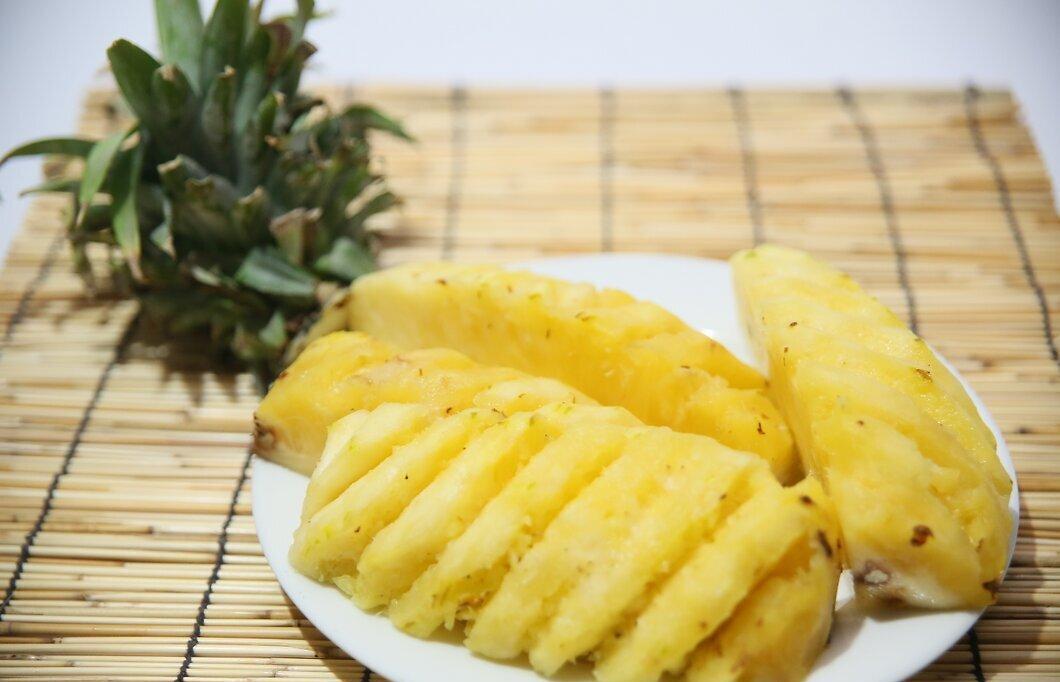
Cut pineapple is best stored for no more than one week. To cut a pineapple, first remove the leaves and the base. Stand the fruit upright on a cutting board and carefully peel the skin from top to bottom, making deep cuts to remove all the spiky parts.
- Cut the pineapple in half lengthwise, and then cut each half into two pieces. You will end up with four triangular wedges.
- Remove the tough core and slice the remaining part into wedges or large chunks.
Step 4. Freshly cut pineapple can be frozen for up to six months.
Freshly cut pineapple can be stored frozen for up to six months. Cut it into large pieces to preserve flavor, as freezing can slightly diminish the fruit's aromatic qualities.