Rabbits are relatively clean animals, but their cages need regular cleaning. During daily cleaning, it is essential to remove any leftover food and soiled bedding. However, once a week, a thorough cleaning and disinfection of the cage is necessary to ensure your rabbit feels comfortable in a clean and safe environment.
Daily Cage Cleaning
Step 1. Perform a quick daily clean of the cages.
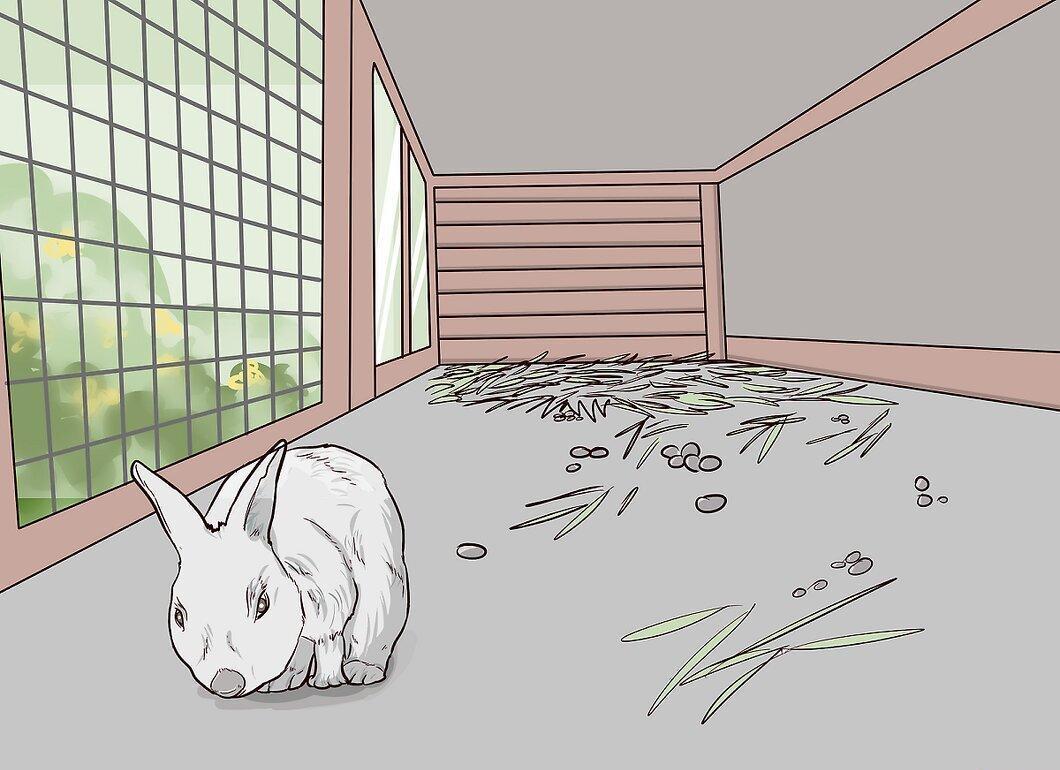
Perform a quick daily clean of the cages. Rabbit enclosures should be cleaned daily to provide a sanitary living environment for your rabbit. Dirty bedding and leftover food can easily lead to unsanitary conditions. Plan to spend a few minutes each day cleaning the cage.
Step 2. Remove the rabbit from the cage.
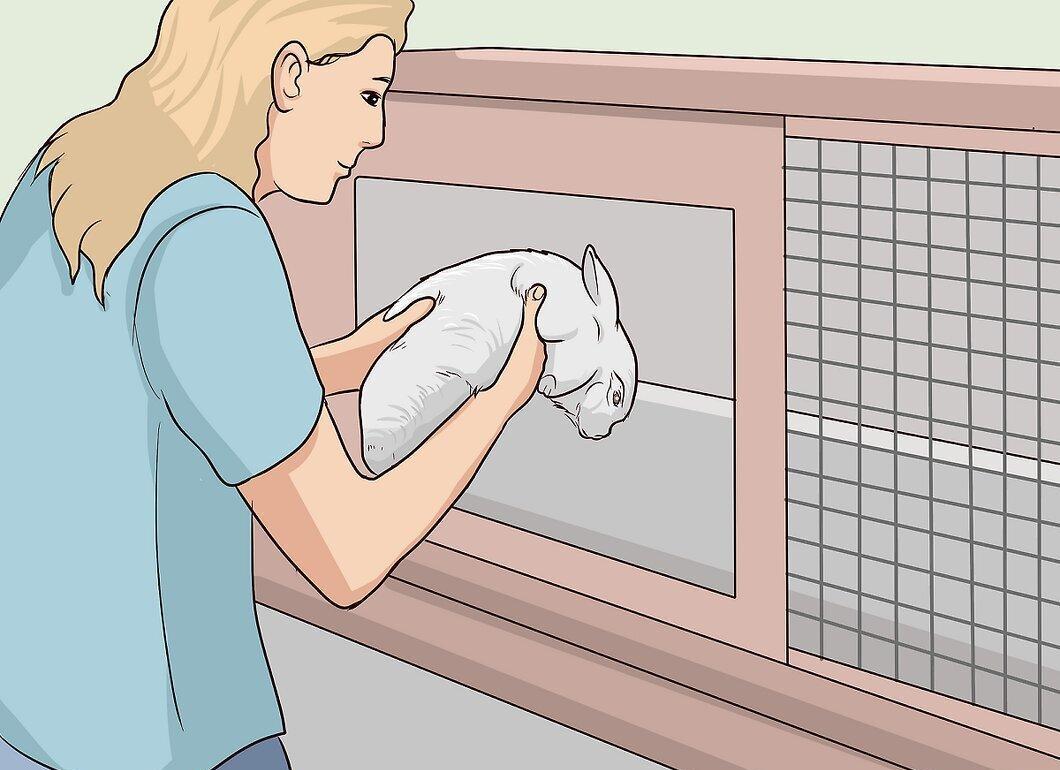
Remove the rabbit from the cage. Place the rabbit in a designated safe area while you clean the cage. Make sure to provide some food and water, along with a couple of toys for entertainment.
Step 3. Remove all unnecessary materials from the cage.
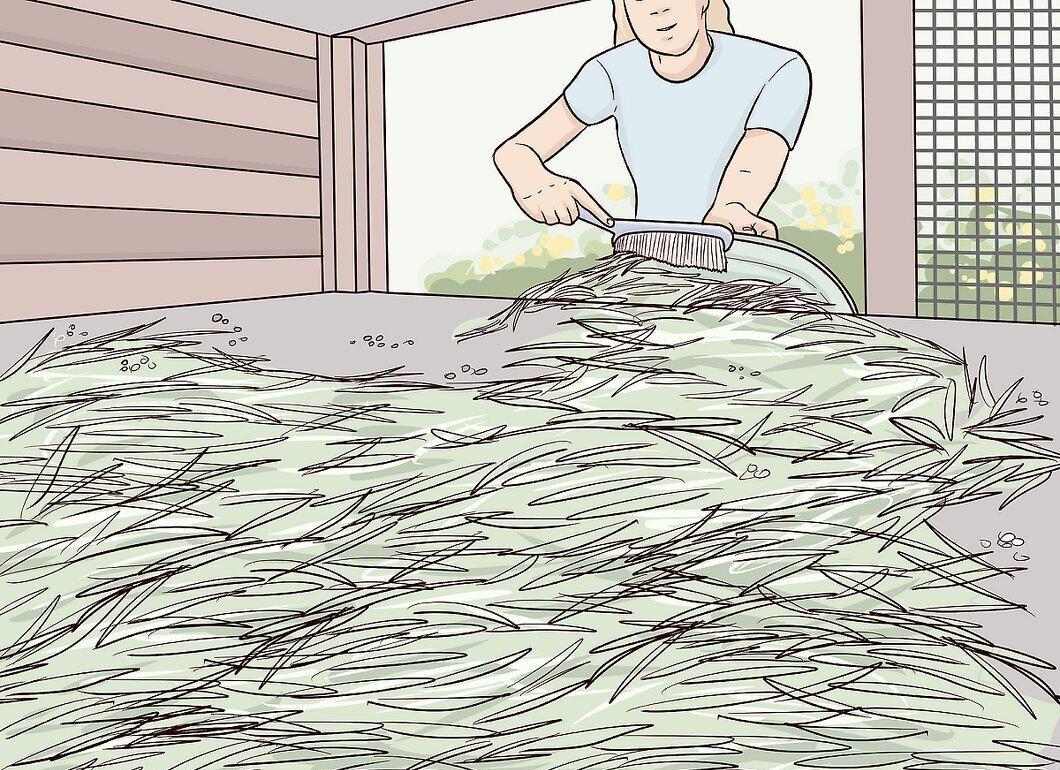
Remove all unnecessary materials from the cage. Take out any old and unneeded food. Remove soiled bedding, hay, and fur from the cage.
- Wear gloves while cleaning. Dispose of used gloves in a trash bag for proper disposal.
Step 4. Leave one small corner untouched.
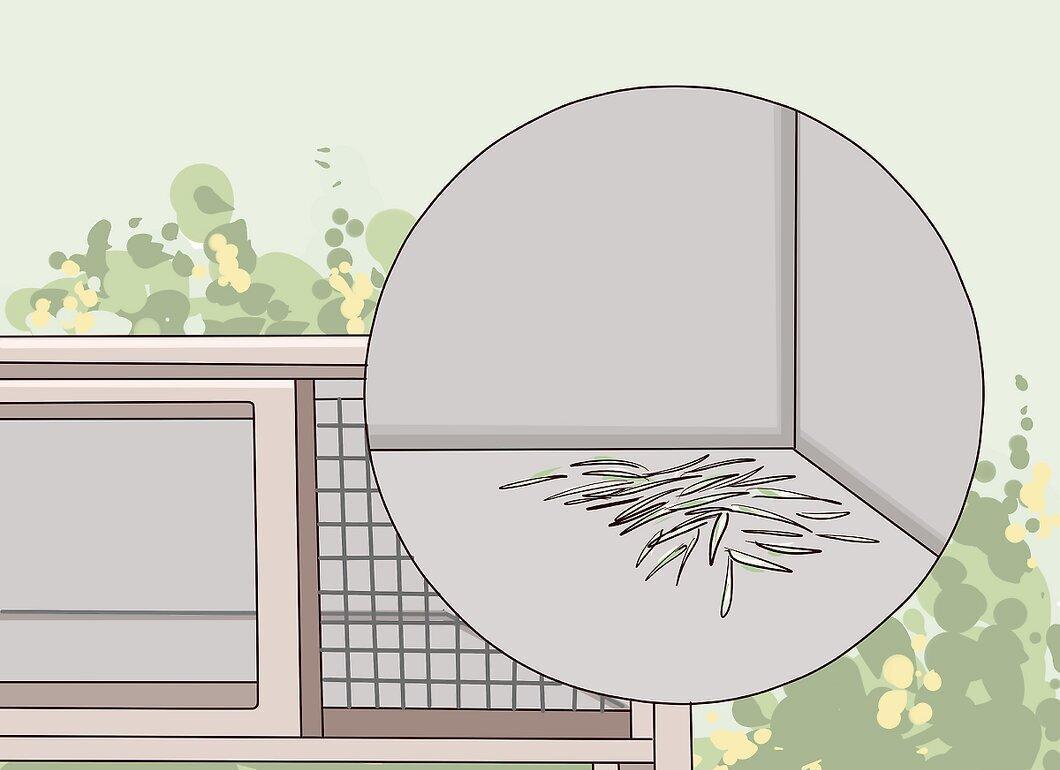
Leave one small corner untouched. Rabbits mark their territory with a specific scent. They may become anxious if they find themselves in a cage that lacks familiar smells. When disposing of waste from the cage, make sure to leave a small area completely undisturbed.
- Next time you clean the cage, leave a different area untouched. Be sure to clean the spot you skipped last time.
Step 5. Assess your rabbit's health.
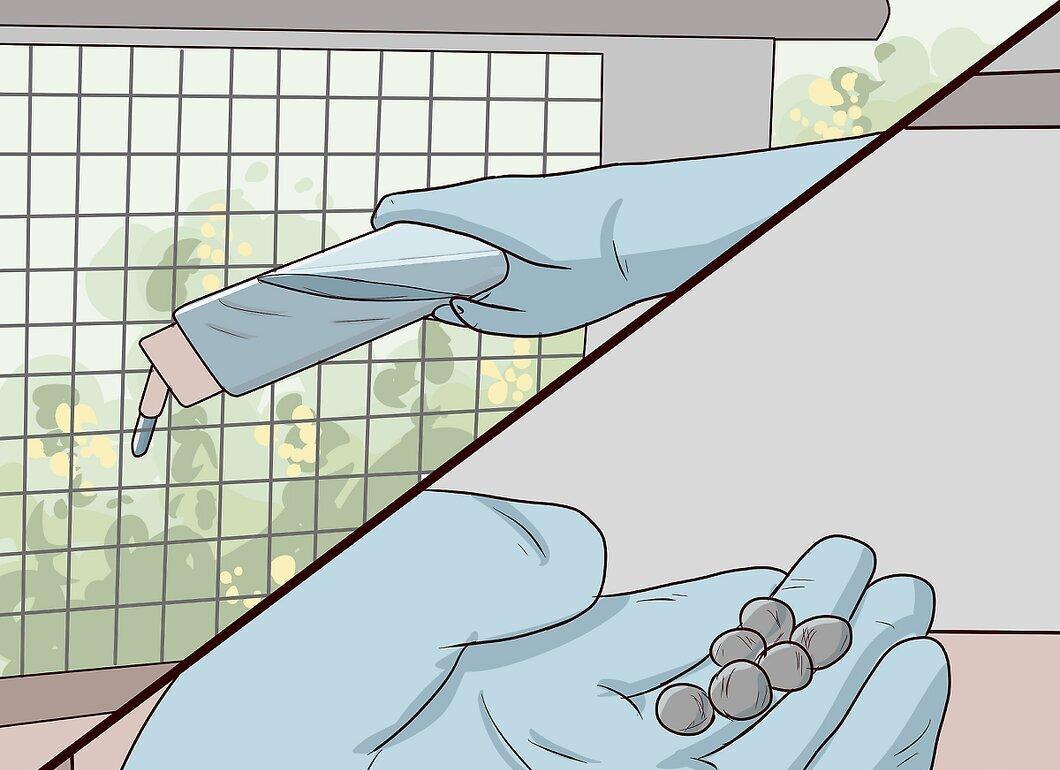
Assess your rabbit's health. Every time you clean the cage, take the opportunity to check on your rabbit's health: observe how much food and water it consumes. Is your rabbit eating well and drinking enough water?
- Also, check the droppings left by your rabbit. Do the feces and urine look normal?
Step 6. Check the condition of the cage.
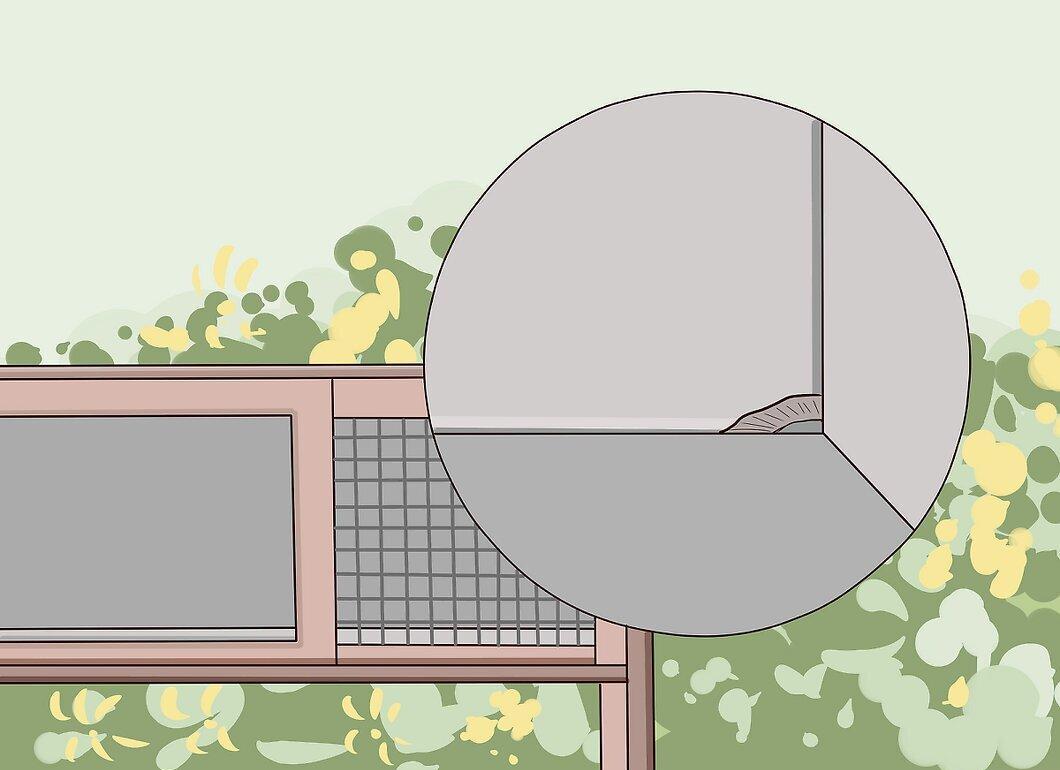
Check the condition of the cage. Inspect the cage for any damage or holes, and look for other aspects that may pose a threat to your rabbit's safety.
- Discard any toys that are damaged or worn out.
Step 7. Clean the bottom tray.
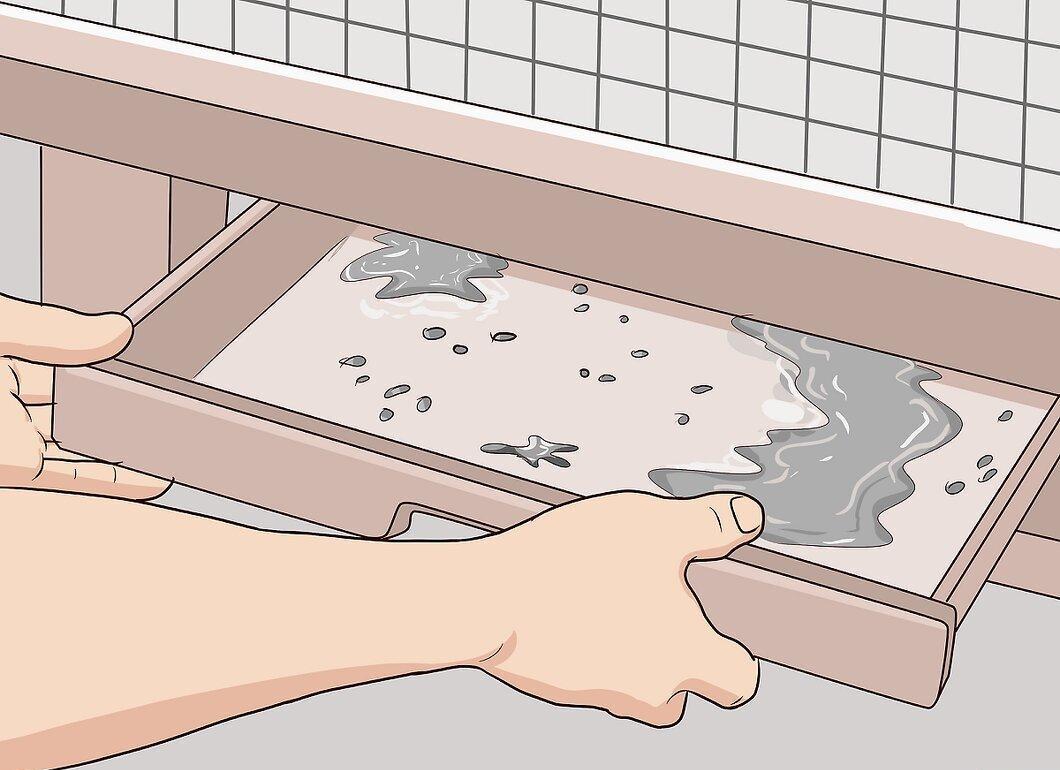
Clean the bottom tray. Many wire cages have a tray at the bottom that collects waste. Dispose of everything that has accumulated in this tray.
Step 8. Replace soiled bedding.
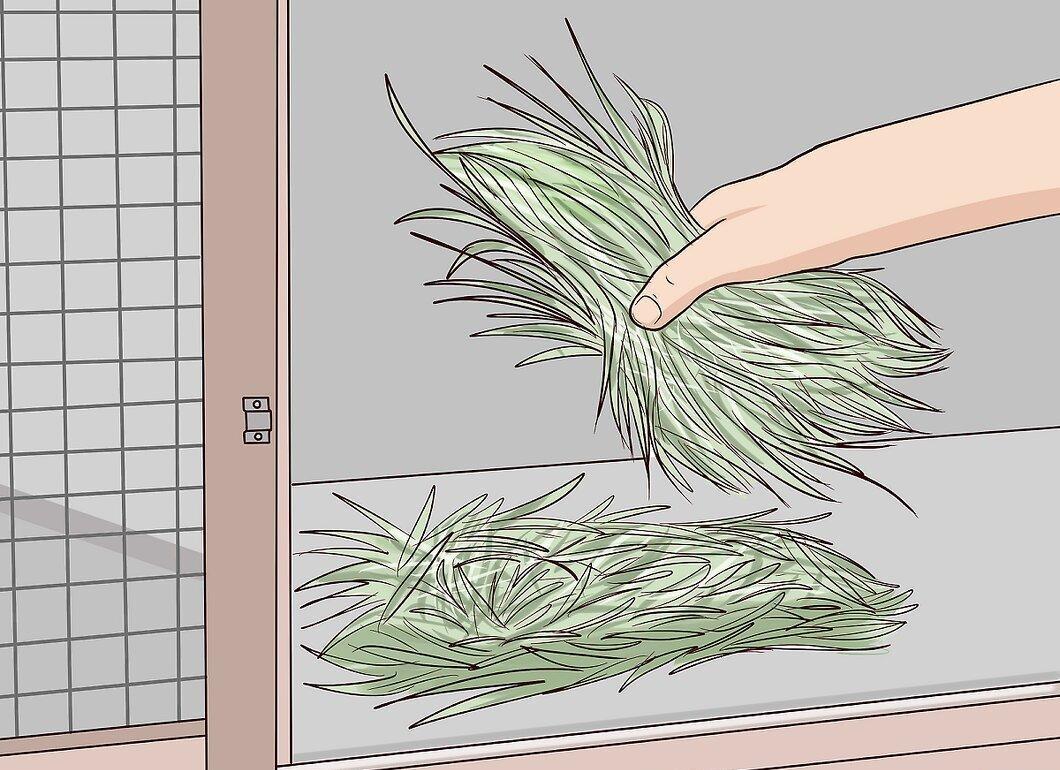
Replace soiled bedding. After cleaning the cage, replace the bedding that lines the bottom. Ensure you have enough material to cover the bottom of the cage completely.
Step 9. Return the rabbit to the cage.
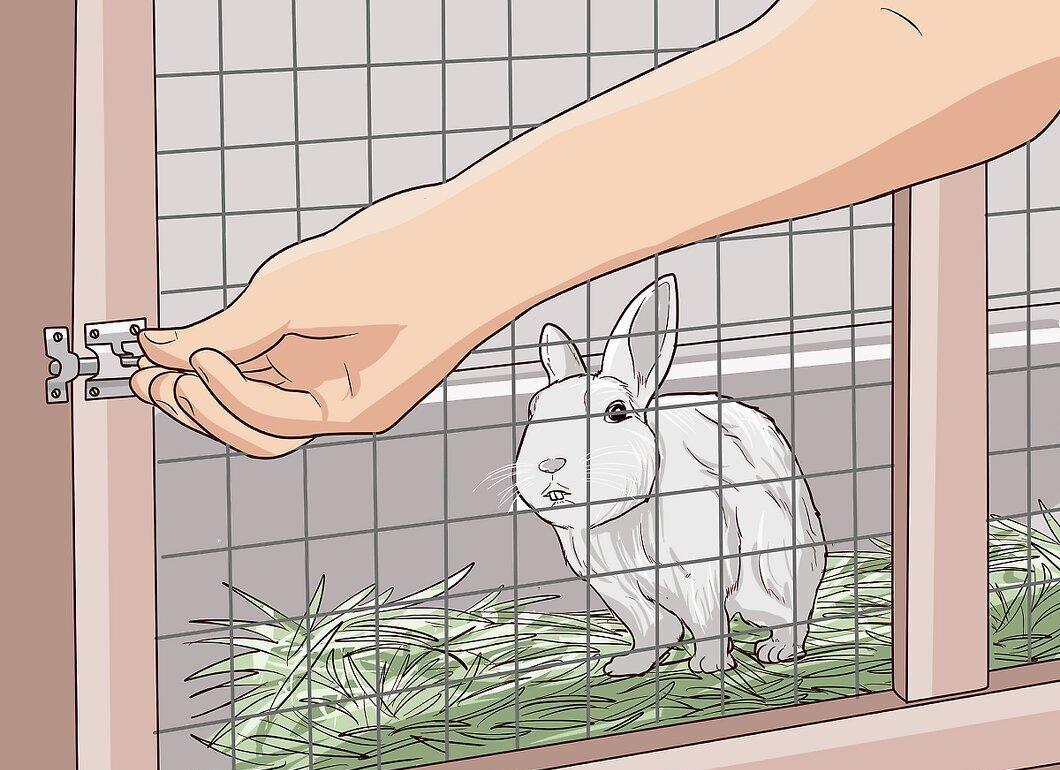
Return the rabbit to the cage. Place the rabbit back in its cage and securely close the door.
Weekly Cleaning and Disinfection of the Cage
Step 1. Gather all supplies.
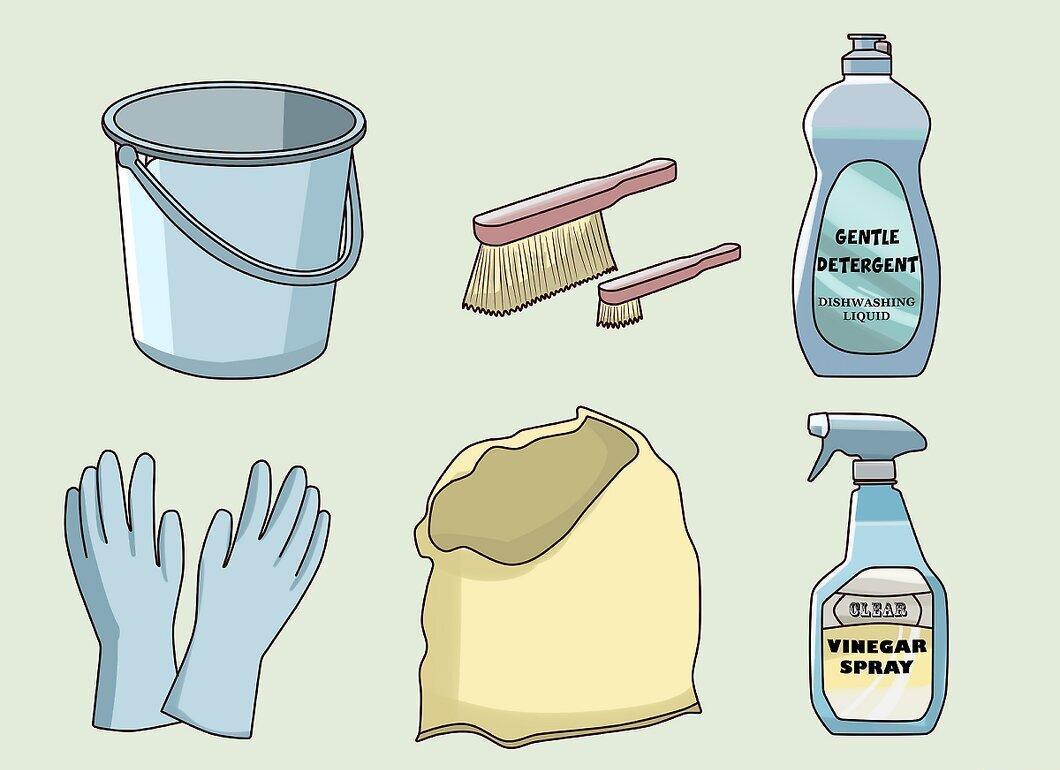
Gather all supplies. Prepare for cleaning and disinfecting your rabbit's cage. Ensure you have all necessary materials on hand. You will need the following items:
- A stiff brush
- A small brush or toothbrush for hard-to-reach areas
- Vinegar spray
- Gentle dish soap
- Trash bag
- Gloves
Step 2. Schedule weekly cleaning and disinfection of the cage.
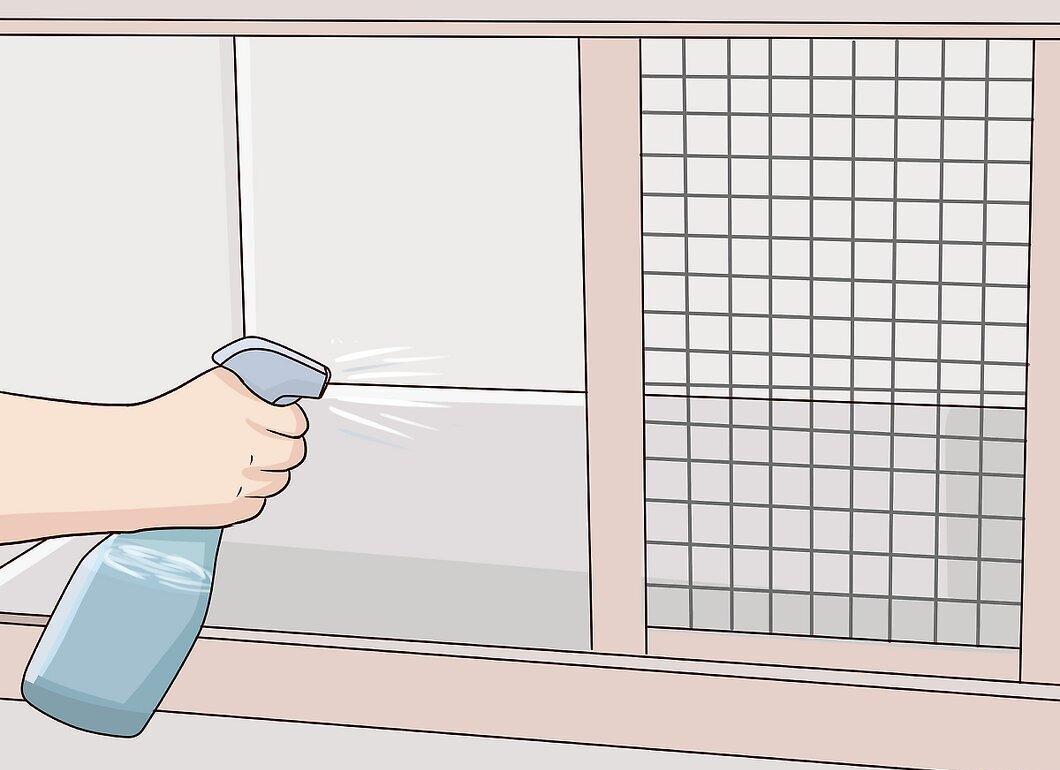
Schedule a thorough cleaning and disinfection of the cage at least once a week. The bottom of the cage can get dirty quickly. Keeping your rabbit in a clean and disinfected environment is crucial for its health.
Step 3. Remove the rabbit from the cage.
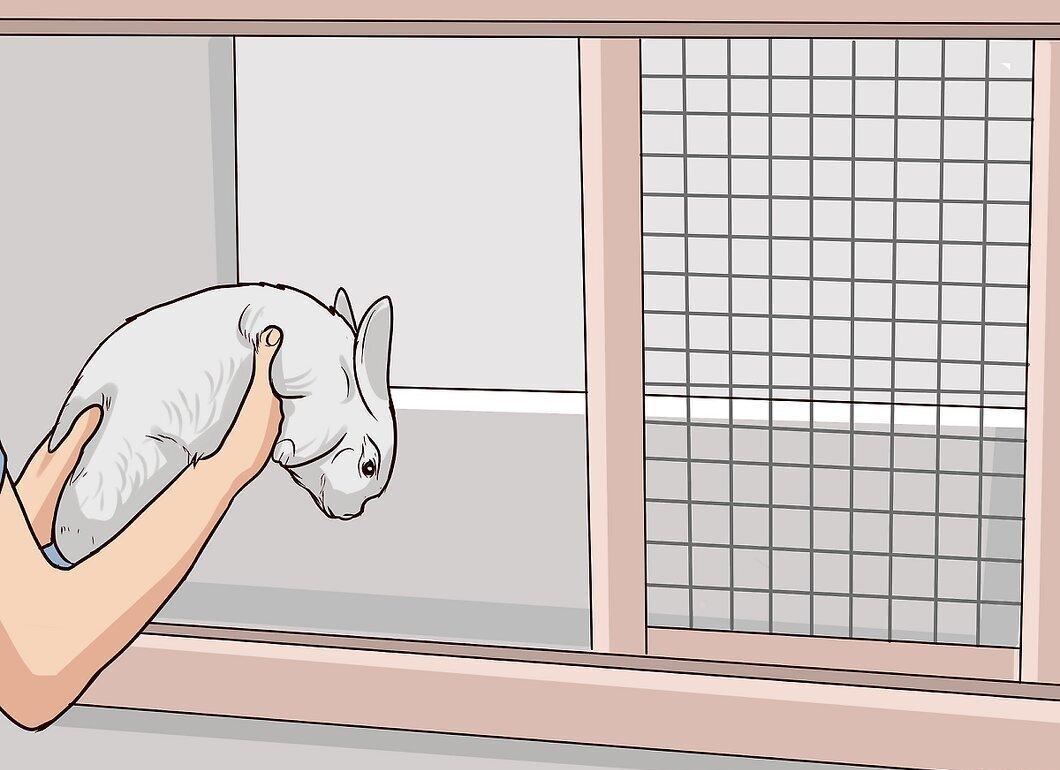
Remove the rabbit from the cage. Place the rabbit in a designated safe area while you clean the cage. Don’t forget to provide some food and water, as well as a couple of toys.
Step 4. Remove all unnecessary materials from the cage.
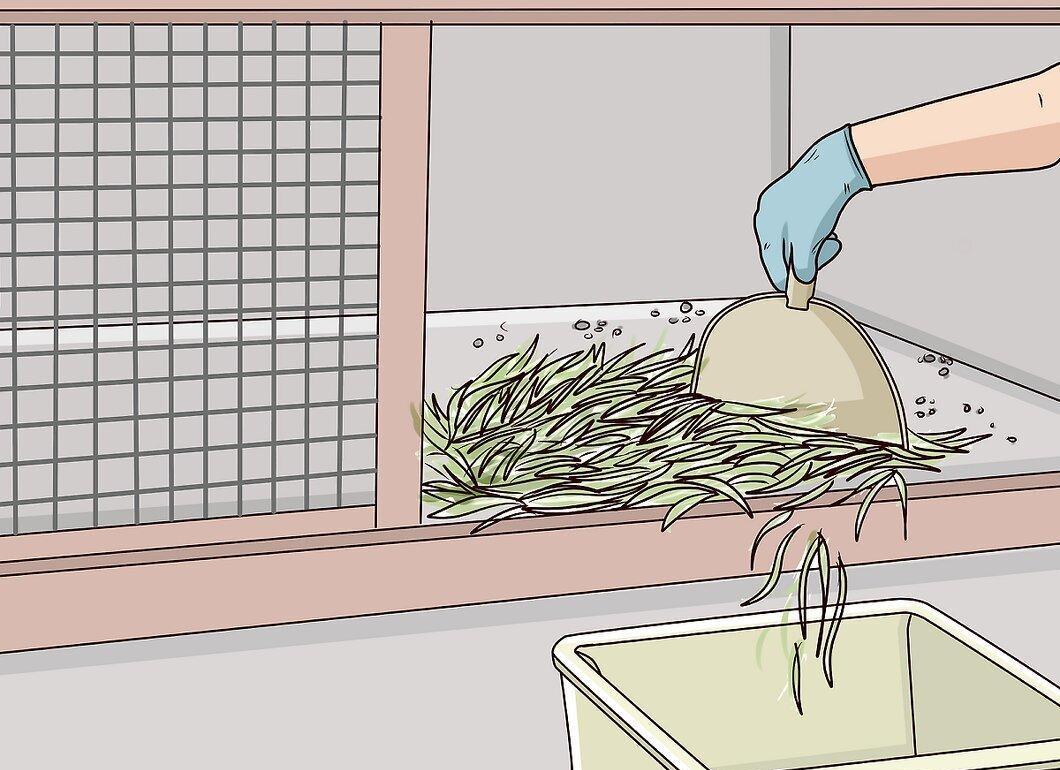
Remove all unnecessary materials from the cage. Take out any old and unneeded food. Remove soiled bedding, hay, and fur from the cage.
- Wear gloves while cleaning. Dispose of used gloves in a trash bag for proper disposal.
Step 5. Leave one small corner untouched.
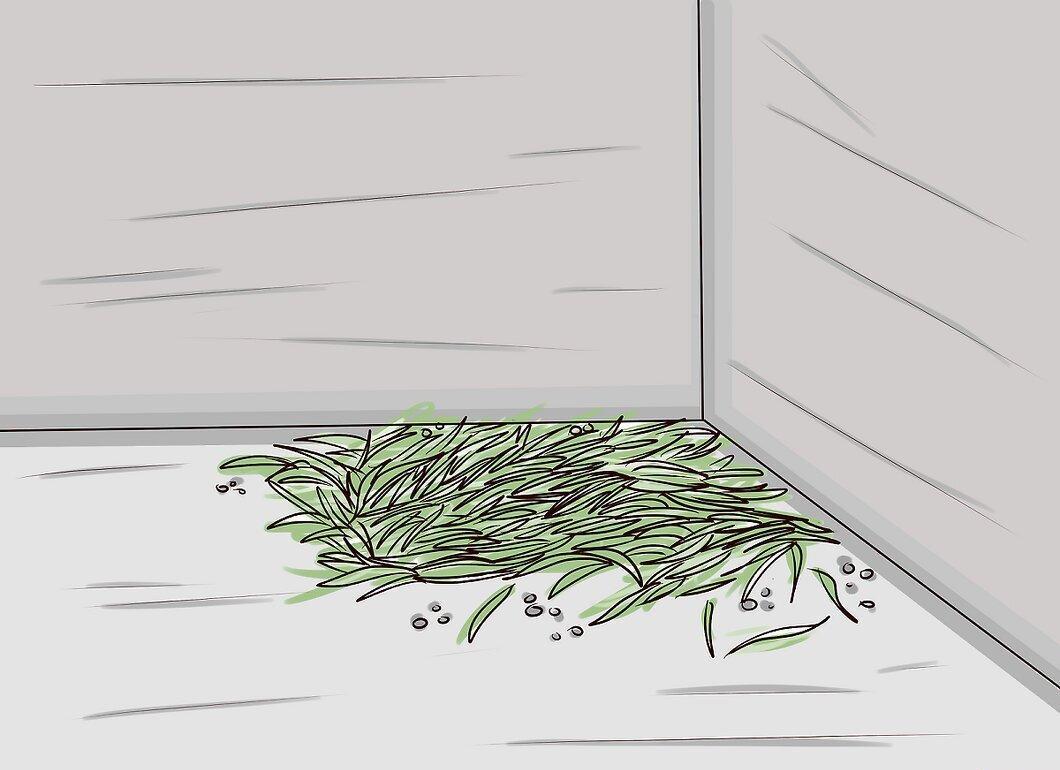
Leave one small corner untouched. Rabbits mark their territory with a specific scent. They may become anxious if they find themselves in a cage that lacks familiar smells. When disposing of waste from the cage, make sure to leave a small area completely undisturbed.
- Next time you clean the cage, leave a different area untouched. Be sure to clean the spot you skipped last time.
Step 6. Use a stiff bristle brush to scrub the cage.
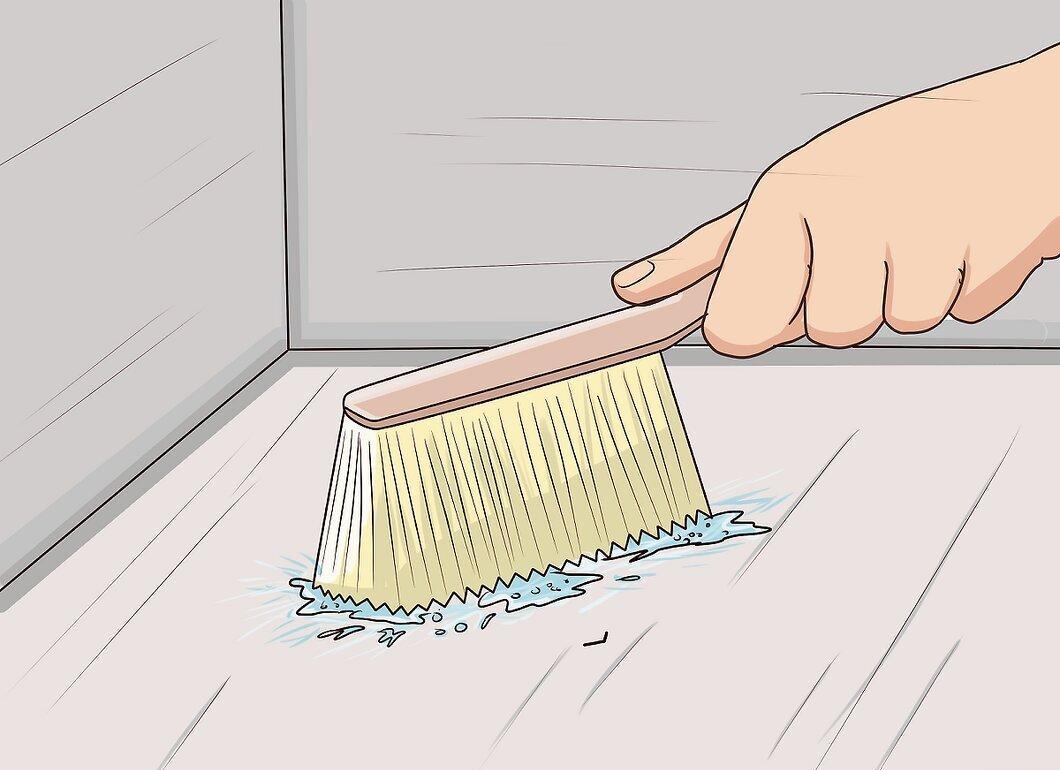
Use a stiff bristle brush to scrub the cage. Use warm water and gentle dish soap to clean the cage.
- Use a smaller brush or toothbrush to clean corners or other hard-to-reach areas of the cage.
- If the cage is metal, you can also use pressure washing equipment. If the cage is stationary, make sure it is secure before starting the pressure wash. Sometimes it's better to place the cage down on gravel or a concrete surface for subsequent pressure washing.
- Some people use propane flames to clean metal cages. This method can burn away all waste in the cage. If you choose to use this method, exercise caution: wear goggles and special fire-resistant gloves designed for such work. Do not use this method if any part of the cage is made of wood.
Step 7. Clean the bottom tray.
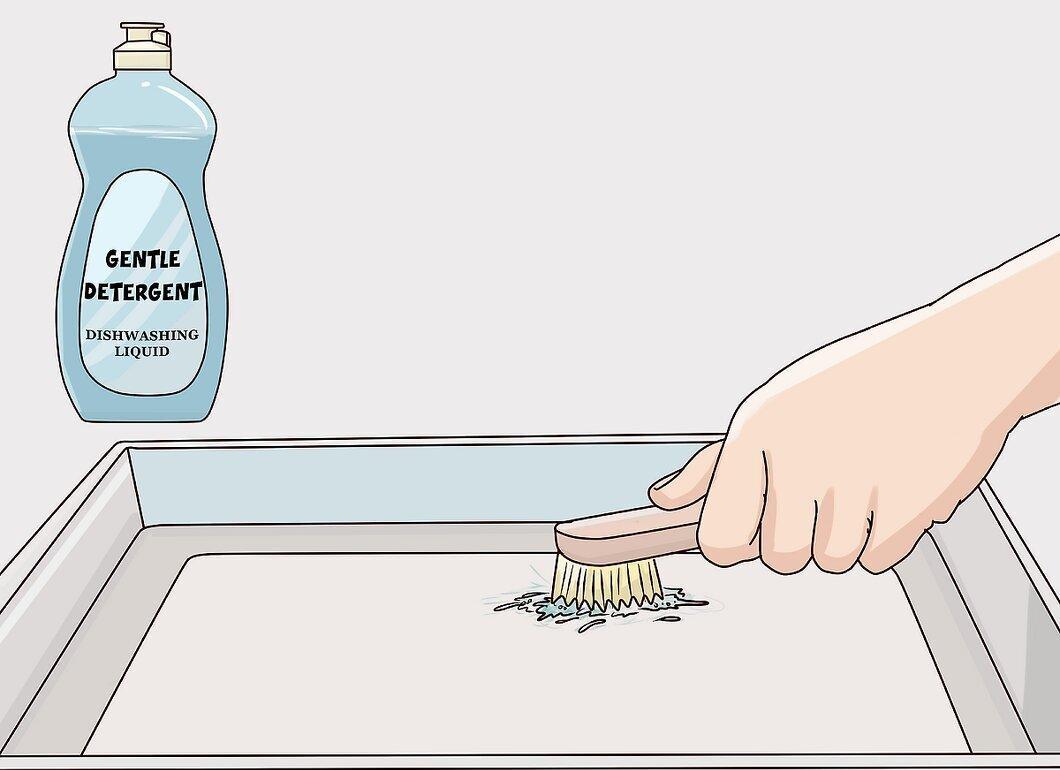
Clean the bottom tray. If the cage has a bottom tray, make sure to clean it with a brush. Use hot water and gentle dish soap.
Step 8. Avoid using chemicals for disinfecting the cage.
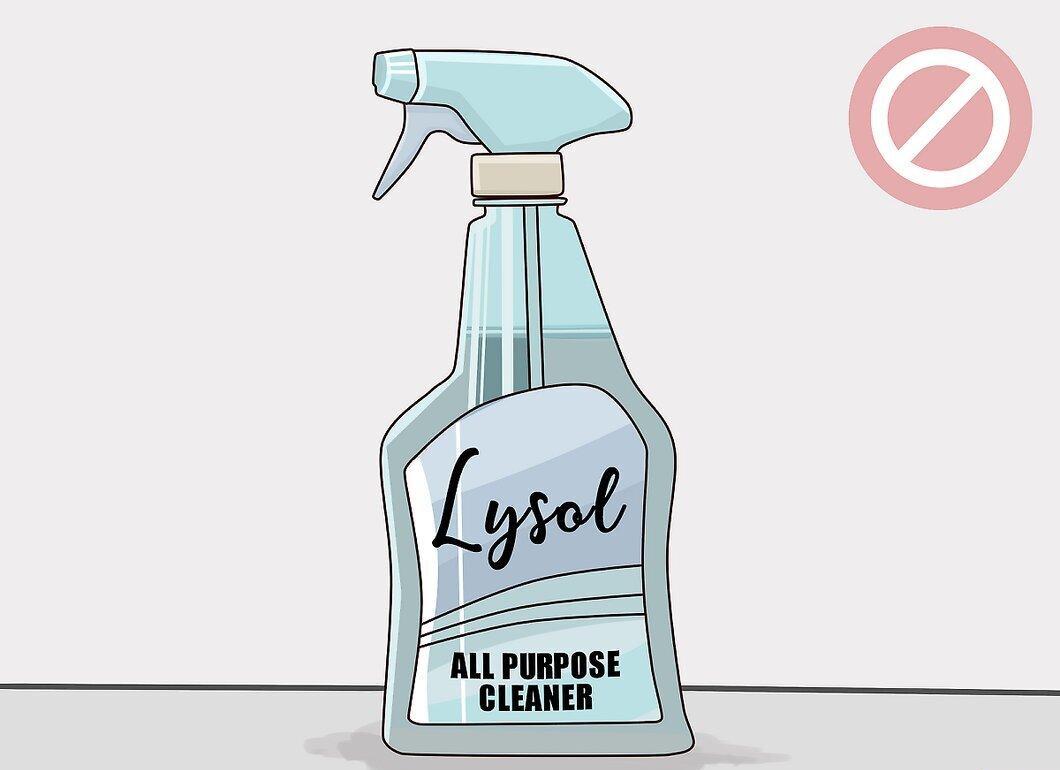
Avoid using chemicals for disinfecting the cage. Do not use Lysol and other disinfectants as they may leave residues on the cage that can harm your rabbit's health.
Step 9. Use a white vinegar solution for disinfection.
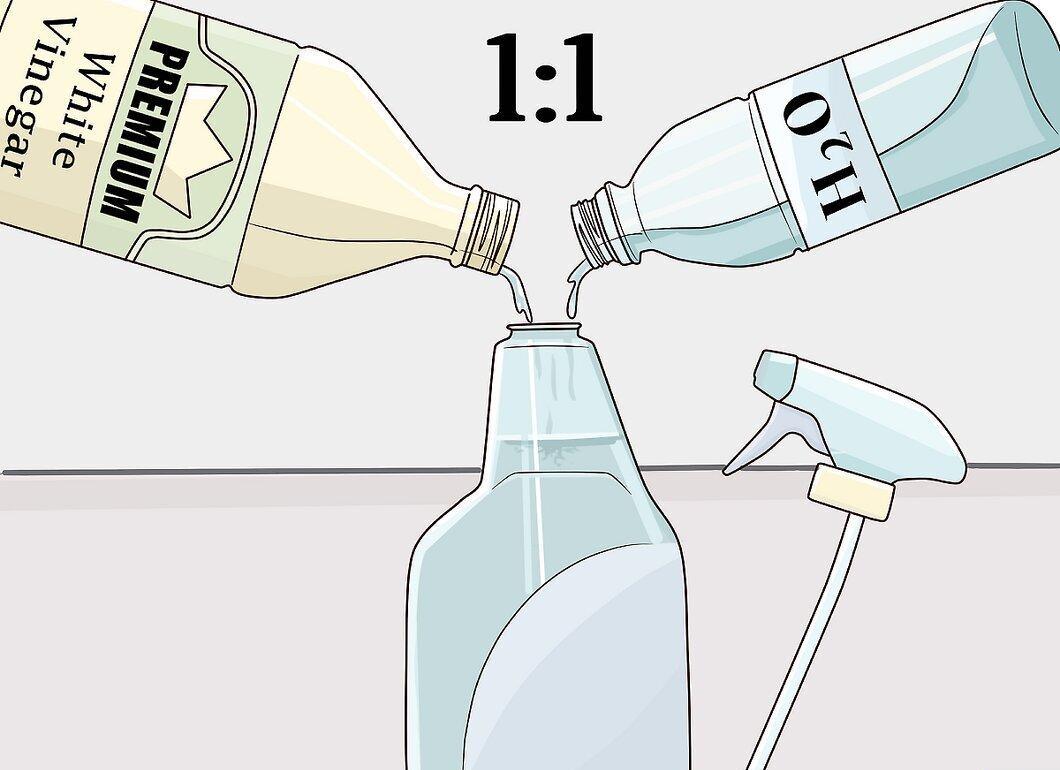
Use a white vinegar solution for disinfection. Vinegar is a natural disinfectant that is safe for both humans and animals. Create a solution of 1 part vinegar to 1 part warm water. Pour it into a clean spray bottle. Spray the vinegar directly onto the cage to disinfect it thoroughly.
- You can also use bleach. Ensure you use 1 part bleach to 5 parts water. Only apply this solution in a well-ventilated area. When cleaning with bleach, wear gloves.
- Some breeders use a disinfectant called Vanodine, which is iodine-based. Another option is a mixture of hydrogen peroxide with the antiseptic Betadine.
Step 10. Spray the vinegar disinfectant on the cage.
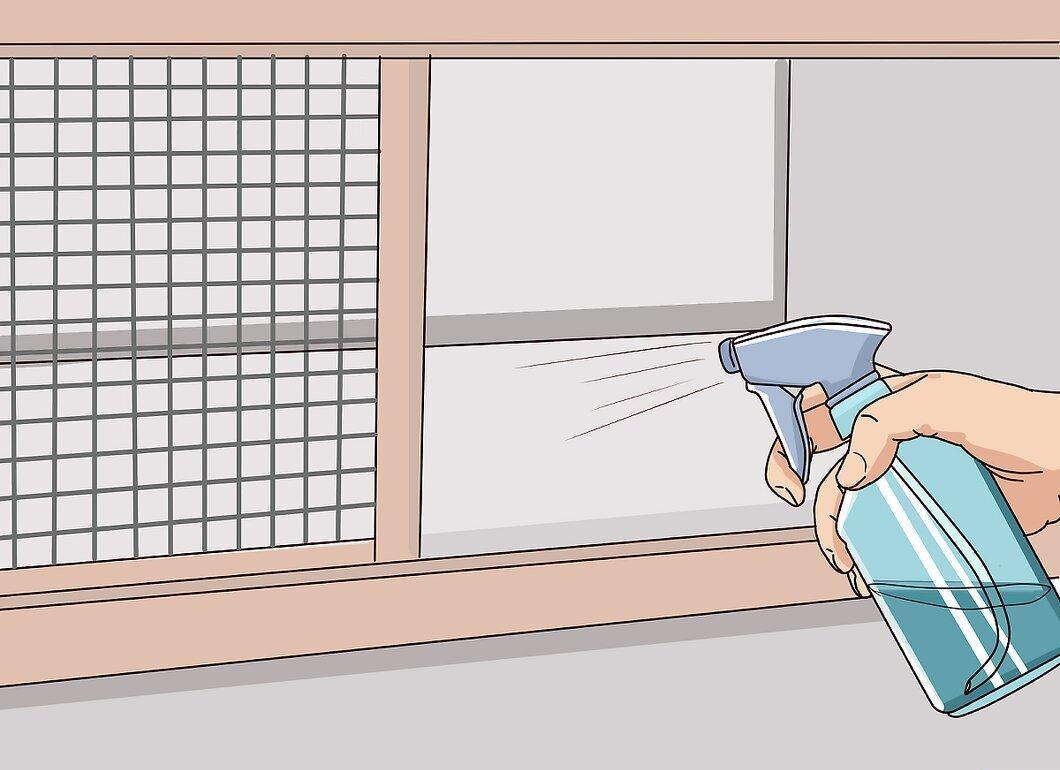
Spray the vinegar disinfectant on the cage. Use a sufficient amount of disinfectant to ensure the cage is thoroughly covered. Leave the solution on for 10 minutes.
Step 11. Rinse the cage thoroughly.
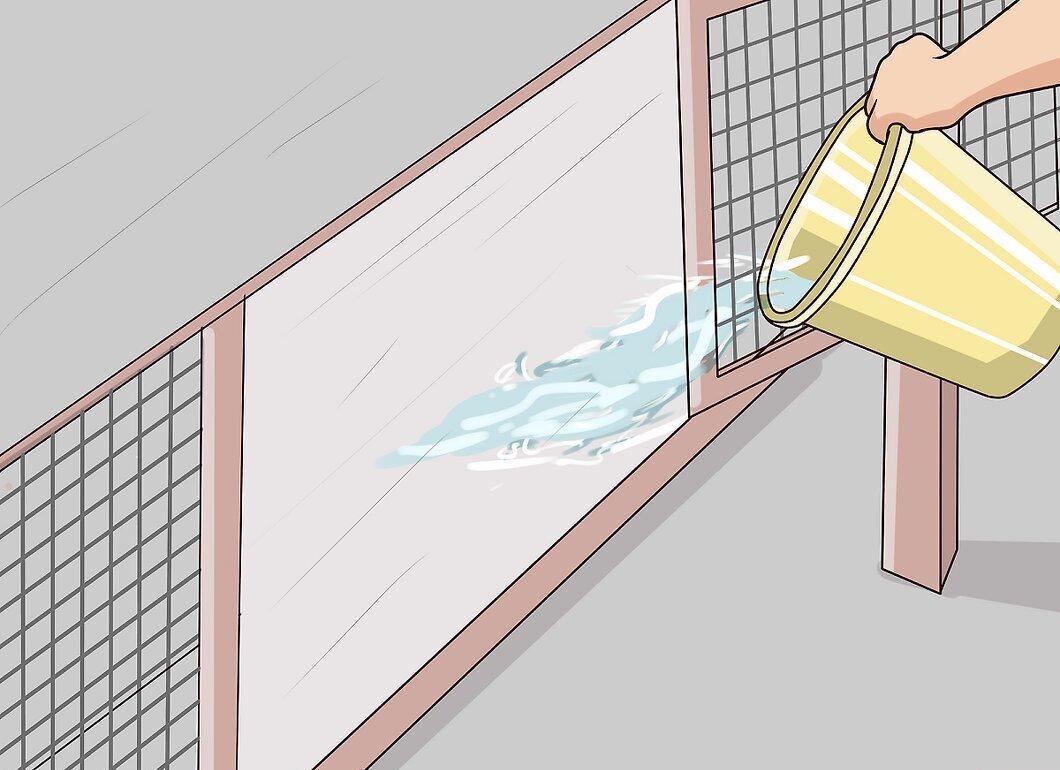
Rinse the cage thoroughly. Use clean, cold water to rinse; ensure all disinfectant is washed away. If the cage has wooden components, it is crucial to rinse them thoroughly, as wood is porous and can easily absorb cleaning solutions.
- Unlike vinegar, bleach residues can be harmful. It's important to fully rinse away any bleach residues.
Step 12. Allow the cage to dry in sunlight.
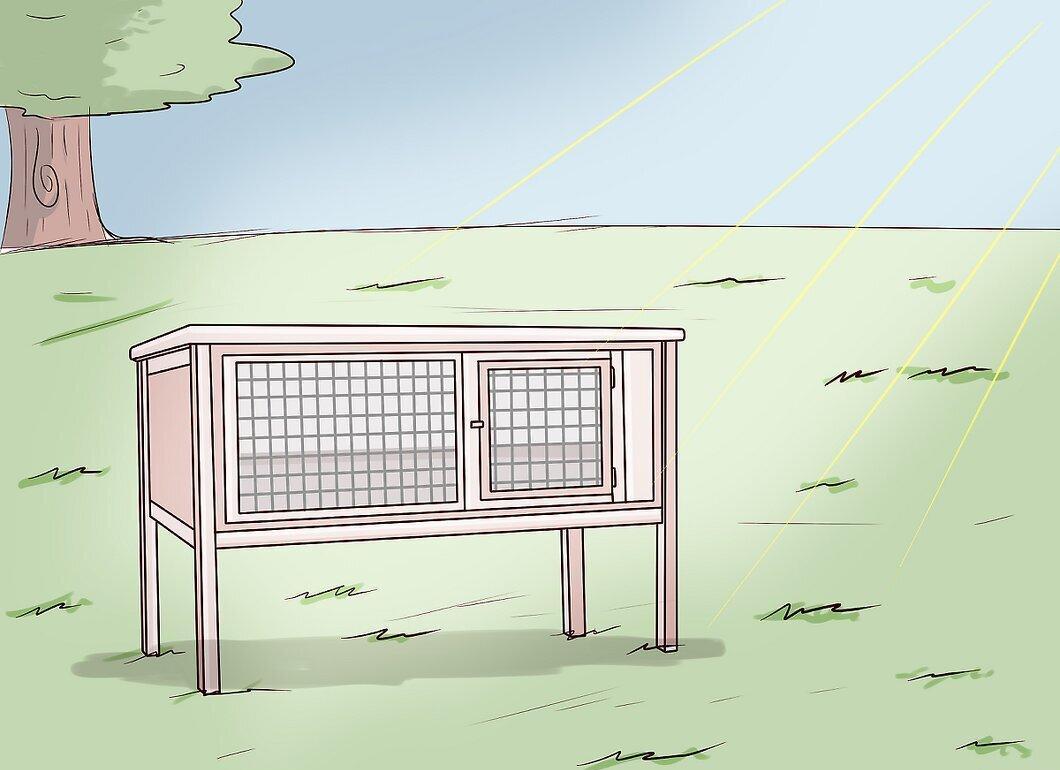
Allow the cage to dry in sunlight. Sunlight will quickly dry the cage, which is especially important if you used bleach for cleaning. Any bleach residues that may remain after rinsing will be broken down by sunlight.
- Ensure the cage is completely dry before returning everything to its place and reintroducing your rabbit.
Step 13. Clean food and water containers.
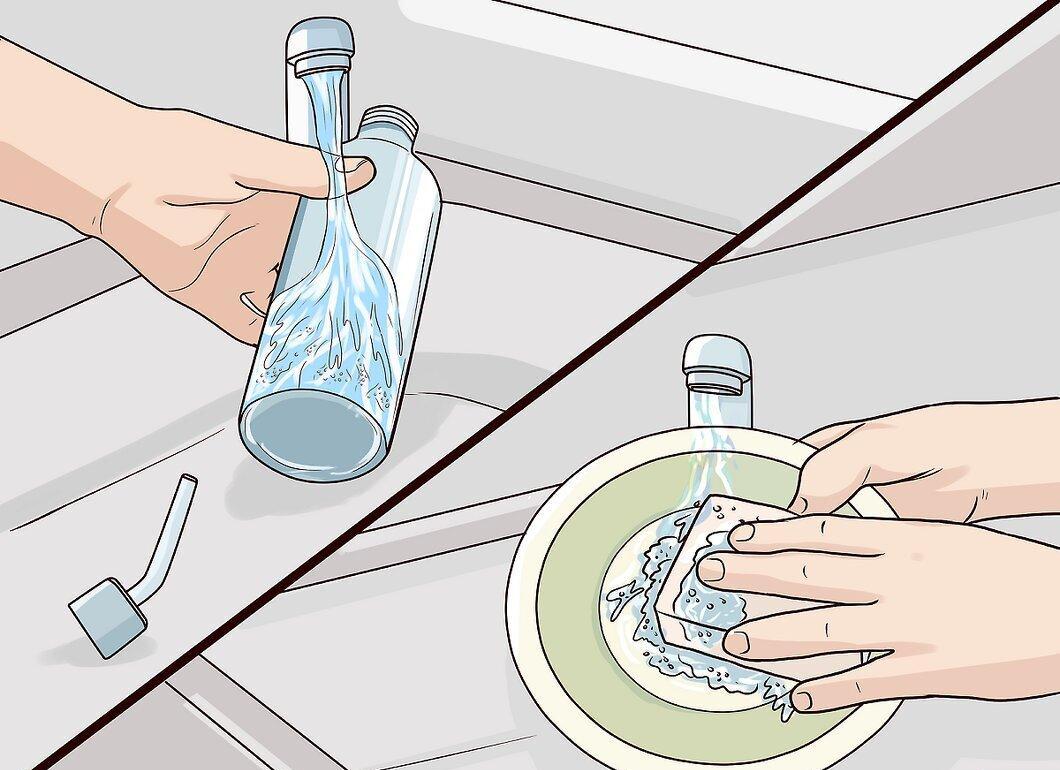
Clean food and water containers. Feeders and water bottles should be cleaned and disinfected at least once a week. Clean them with soap and hot water. Then disinfect them with the vinegar solution.
- Use a special bottle brush to clean water bottles. Some people wash these containers in a dishwasher.
Step 14. Clean the bedding.
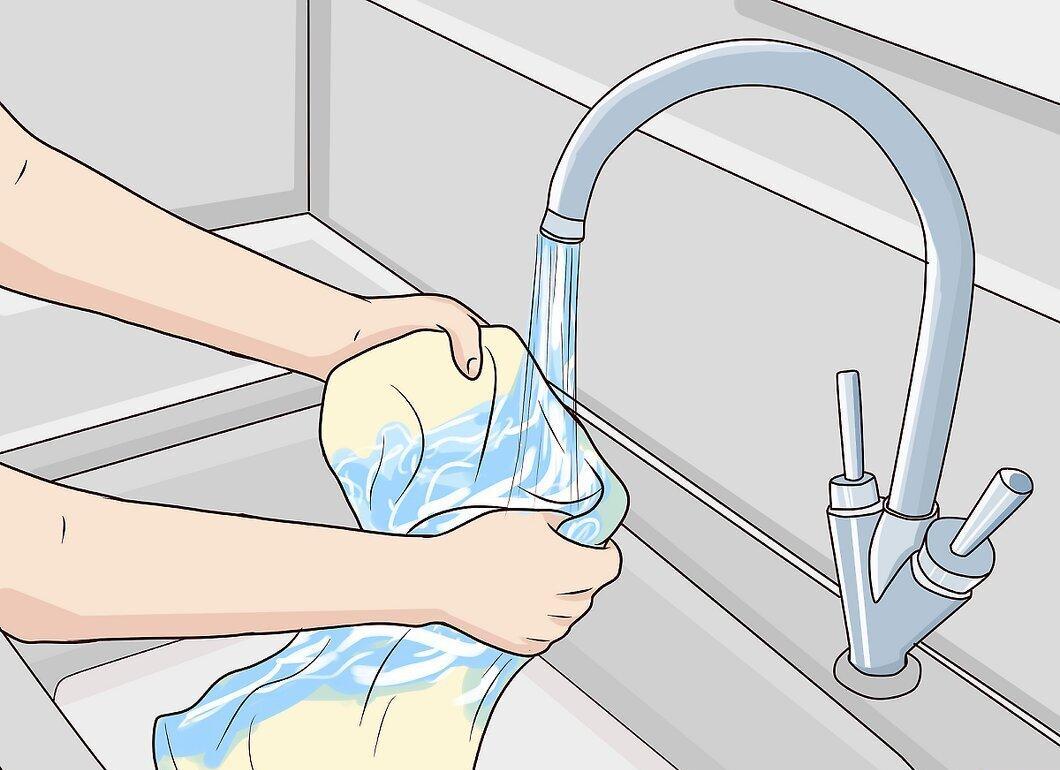
Clean the bedding. If you use towels or blankets as bedding, make sure to wash them weekly.
Step 15. Lay down fresh bedding.
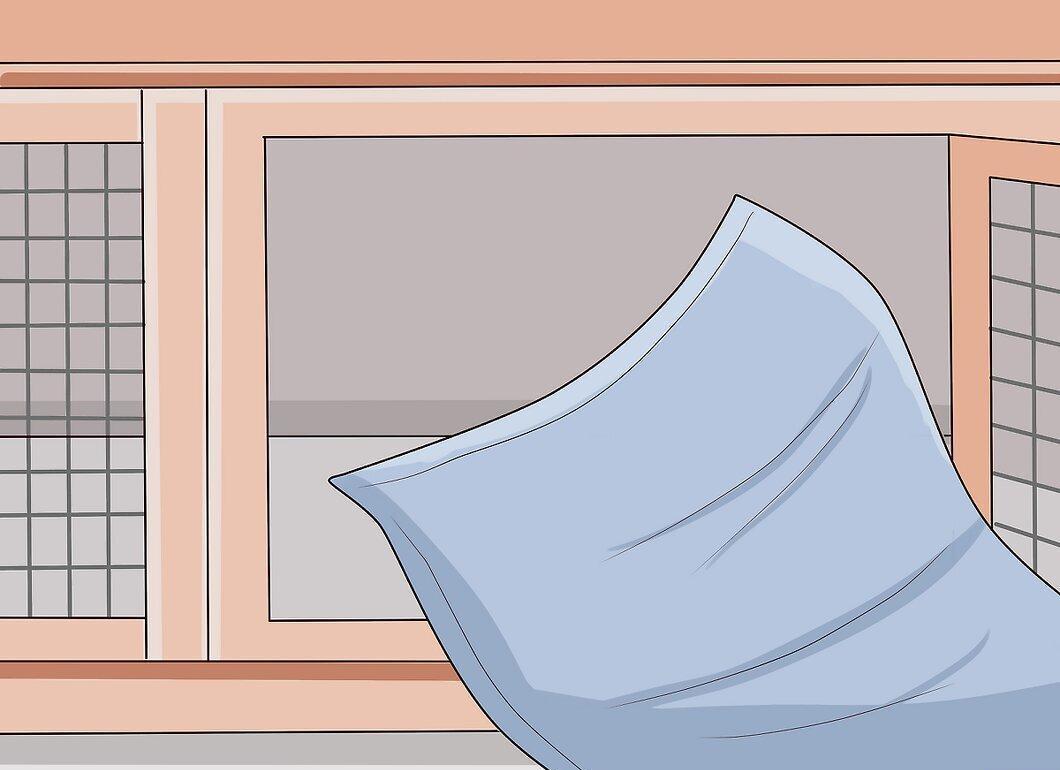
Lay down fresh bedding. Once the cage is completely dry, you can prepare the living space for your rabbit. Spread the bedding evenly across the bottom of the cage.
- Ensure the area where your rabbit is accustomed to relieving itself is accessible and remains in its usual spot.
Step 16. Place all accessories back in the cage.
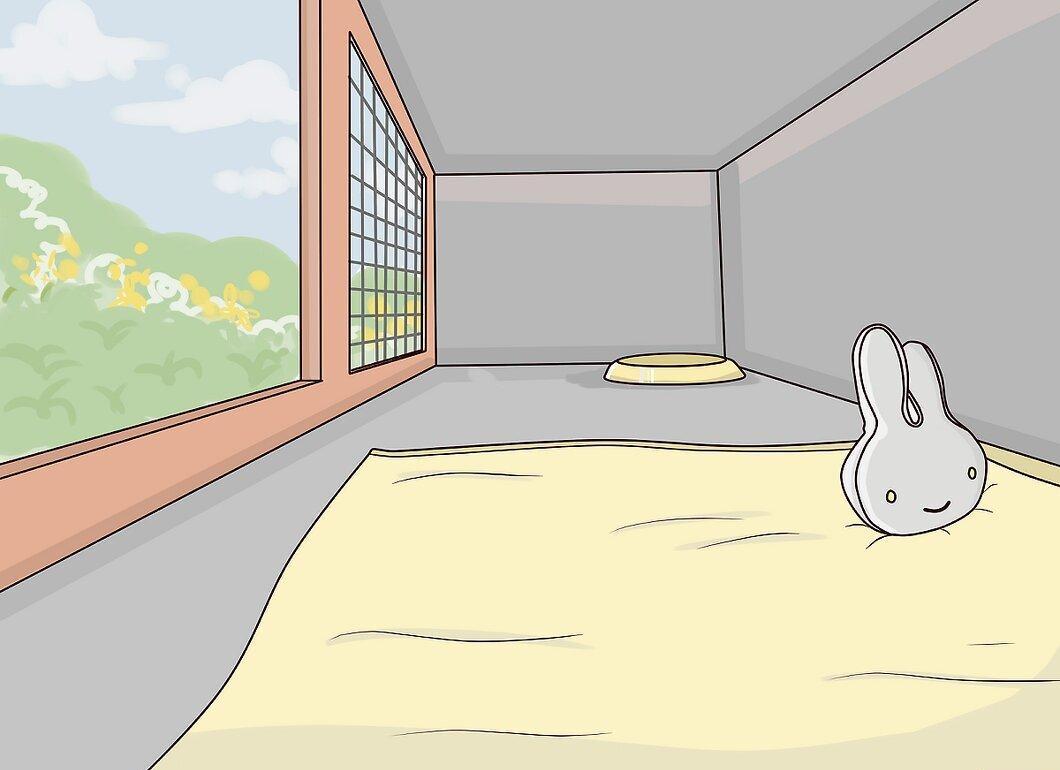
Place all accessories back in the cage. Return the feeder, water container, and toys to the cage.
Step 17. Return the rabbit to the cage.
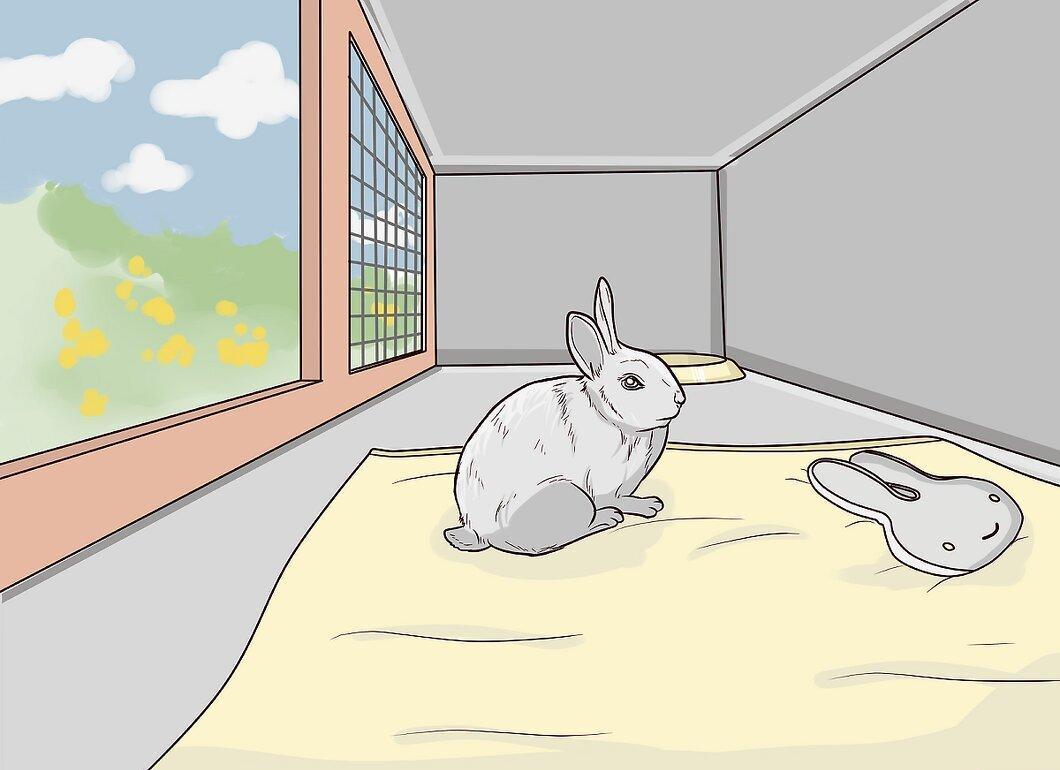
Return the rabbit to the cage. After the cage is fully prepared for your rabbit, place it back inside.
Cleanup
Step 1. Dispose of waste.
Dispose of waste. Collect all the rabbit's waste into a trash bag. Tie it securely and dispose of it.
Step 2. Disinfect all cleaning supplies.
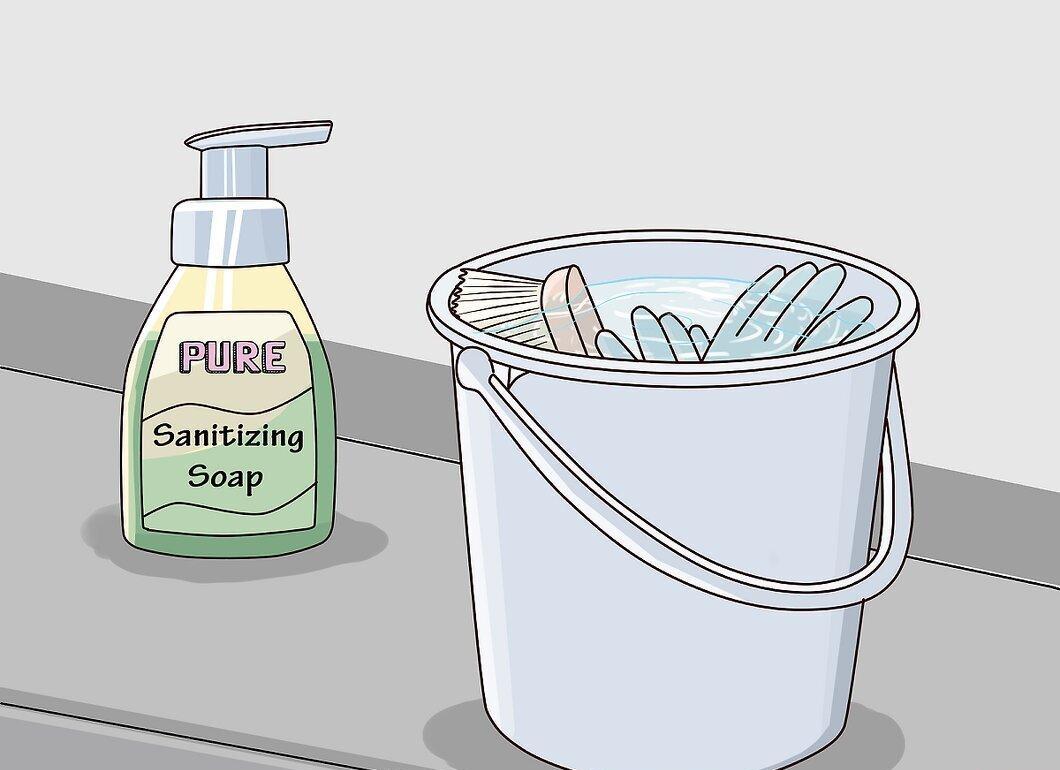
Disinfect all cleaning supplies. Ensure you clean and disinfect all tools used for cleaning the cage, including buckets, brushes, and gloves.
- Dry all cleaning supplies.
Step 3. Wash your hands with soap and warm water.
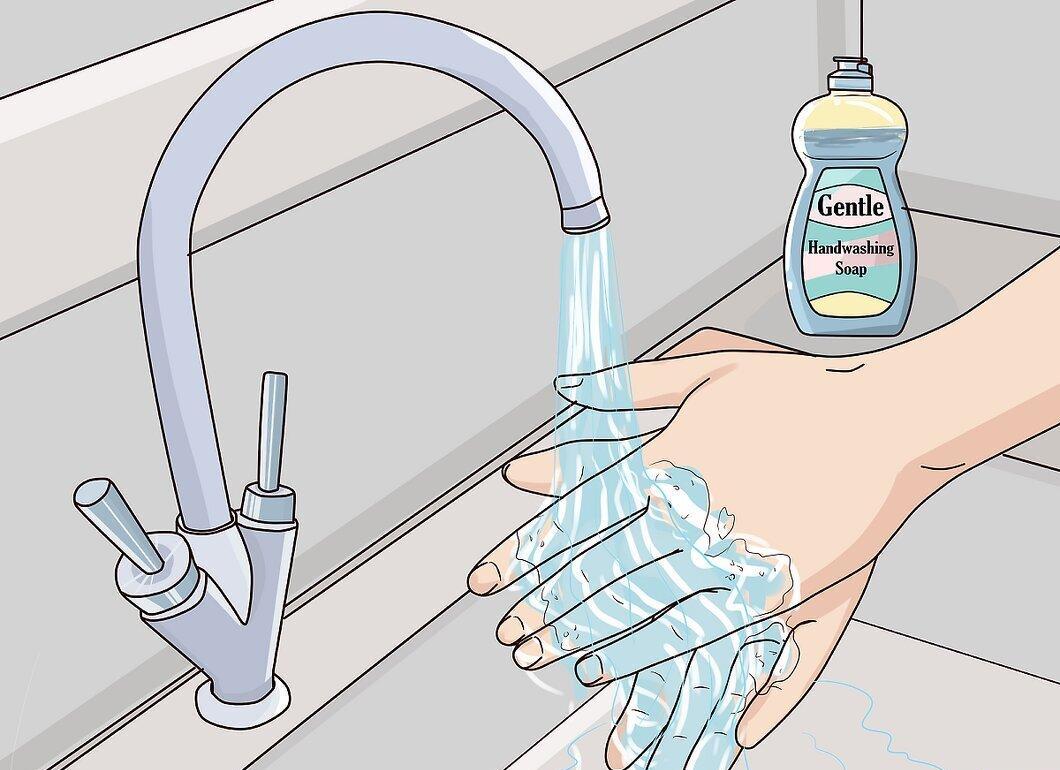
Wash your hands with soap and warm water. To reduce the risk of spreading germs, it is important to wash your hands thoroughly after cleaning the cage.