In recent years, copper prices have skyrocketed, prompting many people to consider accumulating copper coins as a hedge against potential inflation. However, since 1982, a significant number of zinc coins have been minted, which currently contain less metal value than their face value. This article outlines how to effectively collect copper coins minted before 1982.
Part 1
Step 1. Acquire rolled coins from your local bank.
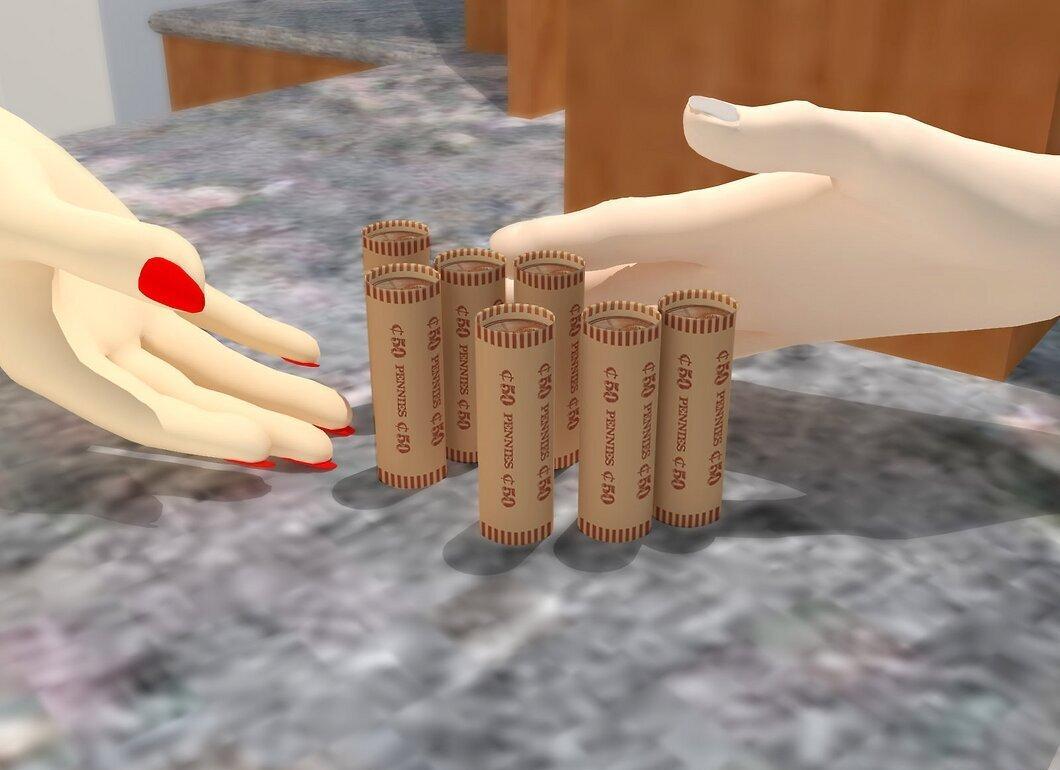
Purchase rolled coins from your local bank. Coins typically come in rolls of 50 cents, and a box contains 50 rolls or $25. If possible, ask the bank for rolls brought in by customers rather than those ordered from the Federal Reserve, as these coins are generally older. Nevertheless, even rolls from the Federal Reserve can contain a significant number of copper coins.
- Keep in mind that customer-wrapped rolls may occasionally contain 1 or 2 coins of other types, but this is negligible since you are looking to acquire copper below spot price.
- Target larger banks that typically serve small businesses; they usually provide better options than smaller "community" banks, where you might face fees for coin requests. (Yes, banks must pay a small fee to order coins.) If you plan to buy in bulk, it’s wise to open an account at the bank before ordering circulating rolls.
Step 2. Carefully unroll the coins without tearing the wrappers.
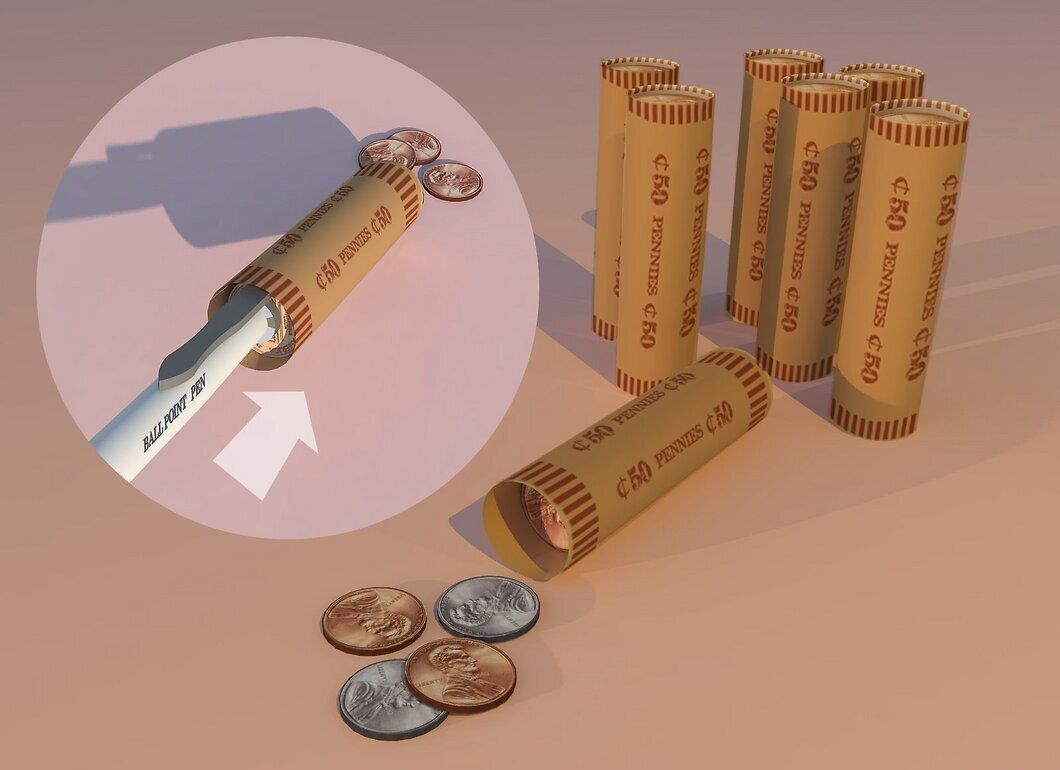
Gently unroll the coins without tearing the wrappers. You’ll need the wrappers later to re-wrap the zinc coins minted after 1982.
- If the wrapper is bent, simply unfold the ends and pour the coins out. If you have Federal Reserve rolls that are sealed, you’ll need to carefully open the end of the wrapper and use a pencil/pen to push the coins out from the other end.
- It’s important not to damage the folds on the wrappers, as they indicate the roll size and will help you avoid the need to count the coins manually later.
Step 3. Get two containers to separate your copper and zinc coins.
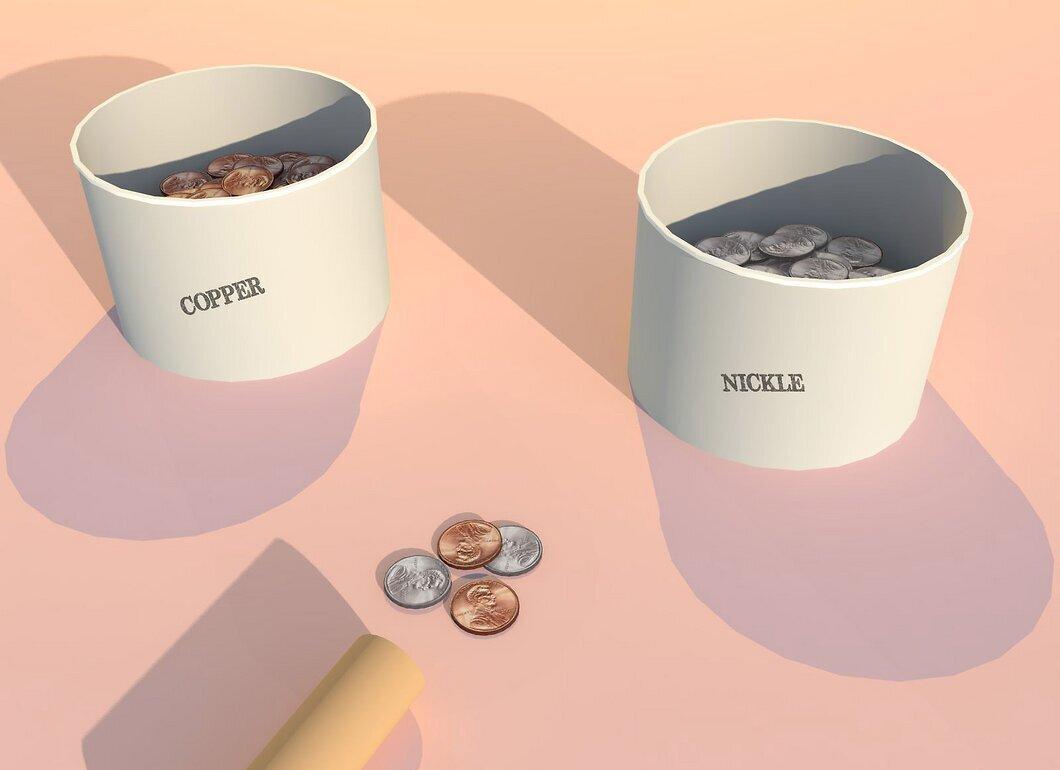
Acquire two containers to separate your coins into copper and zinc. Place coins minted in 1981 and earlier into the copper container and any coins minted in 1982 and later into the zinc container.
- Pay special attention to any valuable or rare coins you may find in the process. Consider setting these coins aside for another collection: steel cents from 1943, which were produced during the war to conserve copper.
- "Wheat" cents minted between 1909 and 1958, featuring two ears of wheat instead of Lincoln's Memorial.
- Many others, including the famous double-die obverse wheat penny minted in 1955.
Step 4. Rewrap your zinc coins.
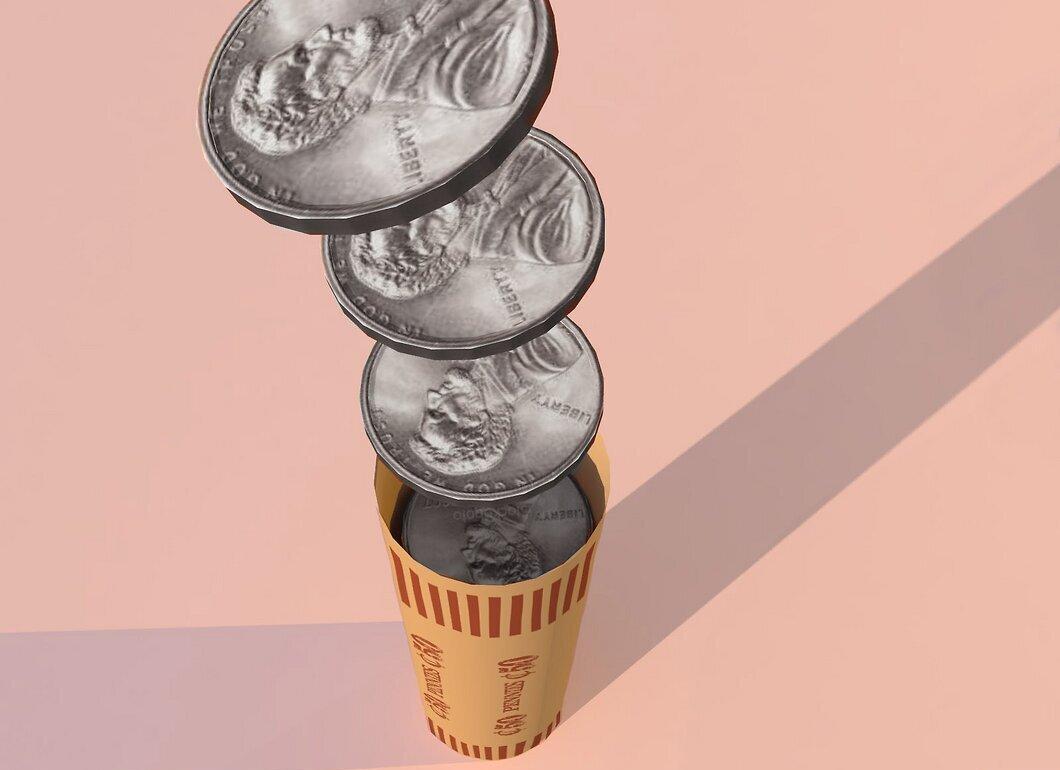
Repack your zinc coins. If you’ve handled the coin wrappers properly, you should have no trouble determining the correct length of the rolls based on the folds in the wrappers. Additionally, check if some banks will evaluate your coins without a fee and consider opening an account there.
- Generally, it’s not a good idea to use Coinstar machines, unless you plan to purchase a gift card, as they waive the fee in that case. Find out which stores offer gift cards so you can avoid losing coins when you plan to shop in those areas.
Step 5. Try directly exchanging rolls of zinc coins for new rolls of coins at the bank.
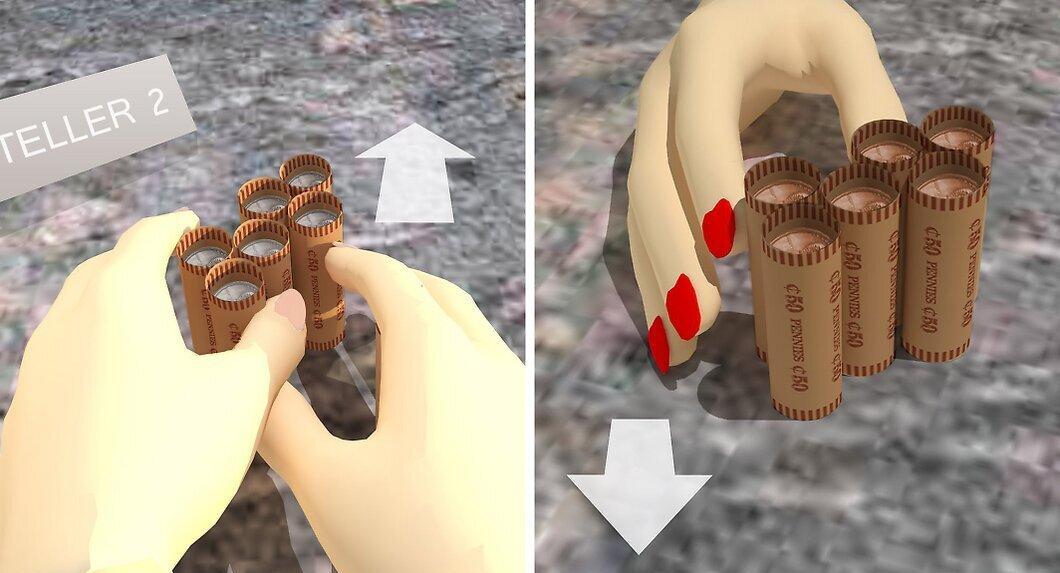
Try directly exchanging rolls of zinc coins for new rolls of coins at the bank. Banks might refuse to exchange too many rolls for cash if they run low, but by exchanging them this way, that problem will be mitigated. Mark the packages you bring back so you don’t get the same rolls back.
Step 6. If you travel a lot, try to acquire rolls of coins from various geographical areas.
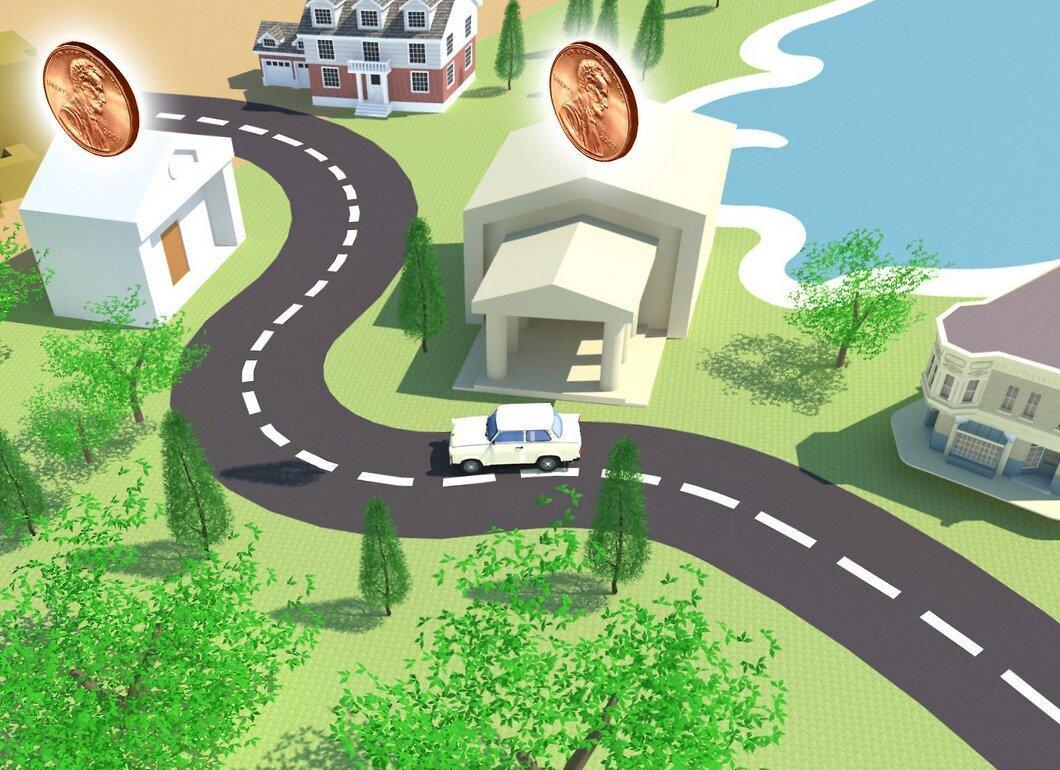
If you travel a lot, attempt to acquire rolls of coins from different geographical areas. Circulating coins do not necessarily travel long distances.
Step 7. Stock up on wrappers.
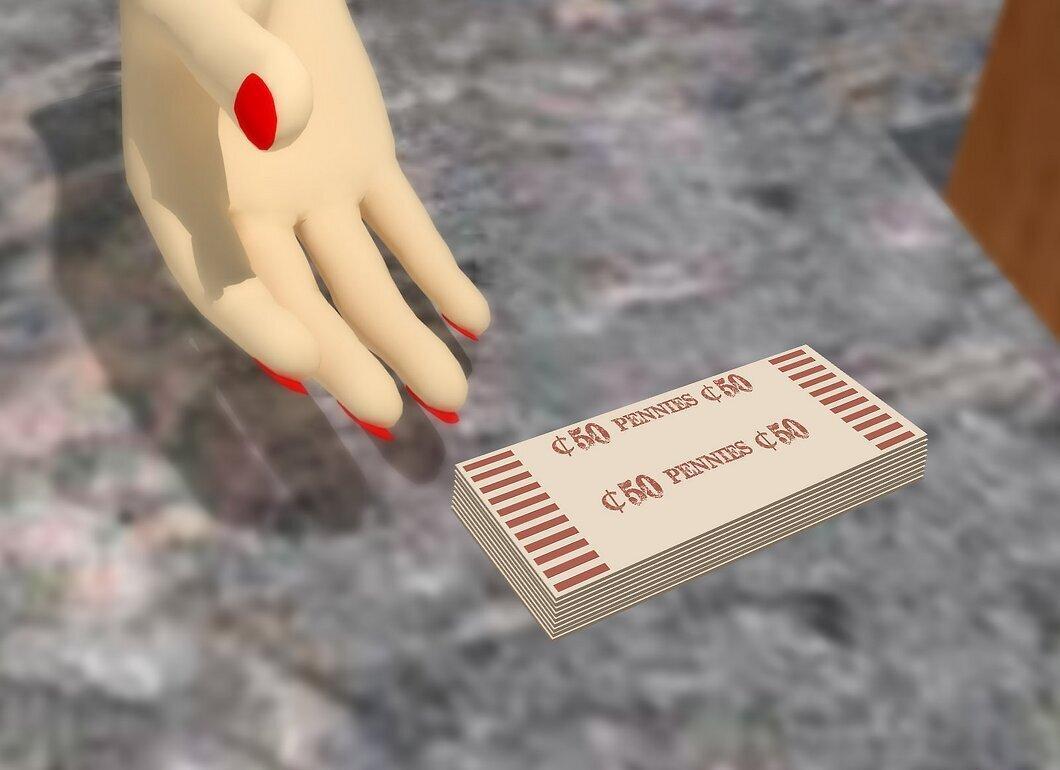
Stock up on wrappers. Many banks will give you coin wrappers for free if you come in and ask. Stores will try to sell them to you.
Step 8. Understand that melting coins for their raw material is illegal.

You must understand that melting coins for their raw material is illegal. Even though the copper in these coins is worth more than their face value, the federal government has prohibited this practice for quite some time. Counterfeiting, defacing, and otherwise destroying currency can result in a sentence of up to six months in prison.