Have you ever wondered what your pet is truly feeling? Have you tried to interpret their signals or desires? You might find it interesting if your pet could talk to you. If any of these questions resonate with you, it’s time to learn how to recognize the signals your furry friend is sending and how to establish communication with them. Animals, just like humans, use body language and sounds to express their thoughts and emotions. By mastering the art of communication with your pet, you can significantly enhance your relationship.
Understanding Your Pets' Body Language
Step 1. Pay Attention to Your Pet's Eyes, Ears, and Face Movements.
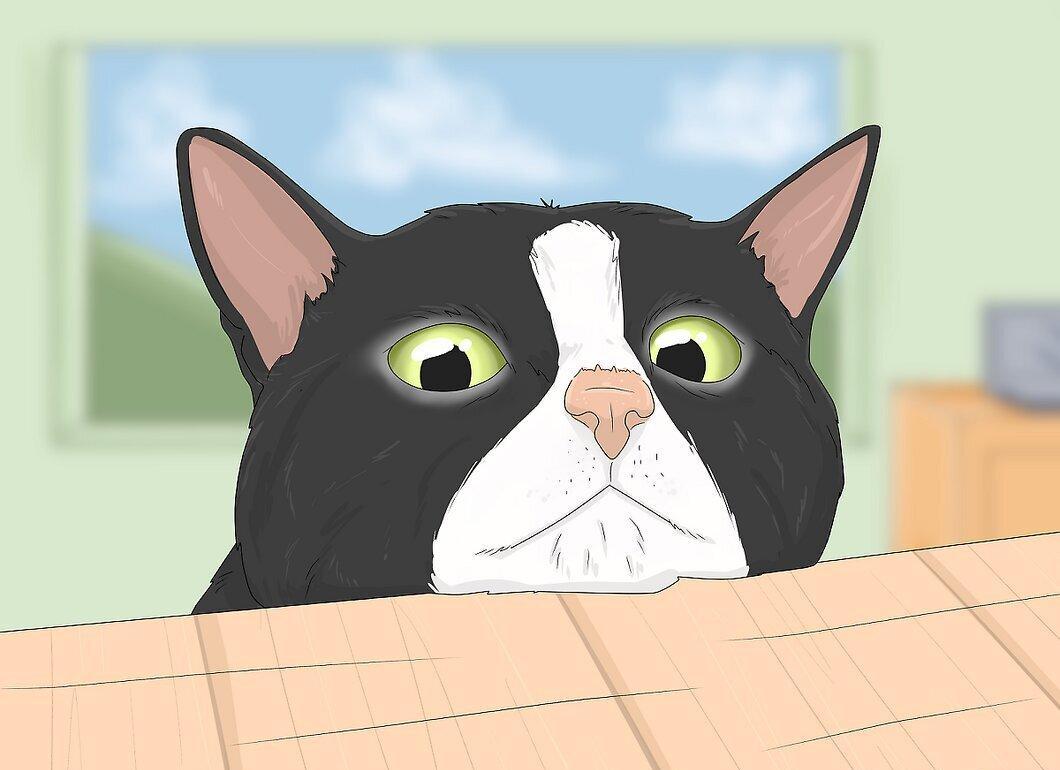
Notice how your pet uses their eyes, ears, and face. Animals use different parts of their bodies to convey their feelings. If you're observant, you can understand when your pet wants to play, is feeling unwell, or is exhibiting aggression. For example, a horse's eyes can indicate excitement (if wide open), calmness (if half-closed), or problems with one eye (if it’s shut).
- A dog may squint and stare at you to show aggression. It might also avoid direct eye contact to demonstrate submission or respect.
- A cat may flatten its ears against its head when scared.
- Dogs and horses lift their ears to show they are attentive.
- A dog may keep its mouth slightly open, not showing teeth, to indicate a relaxed but alert state.
Step 2. Watch for Baring of Teeth.
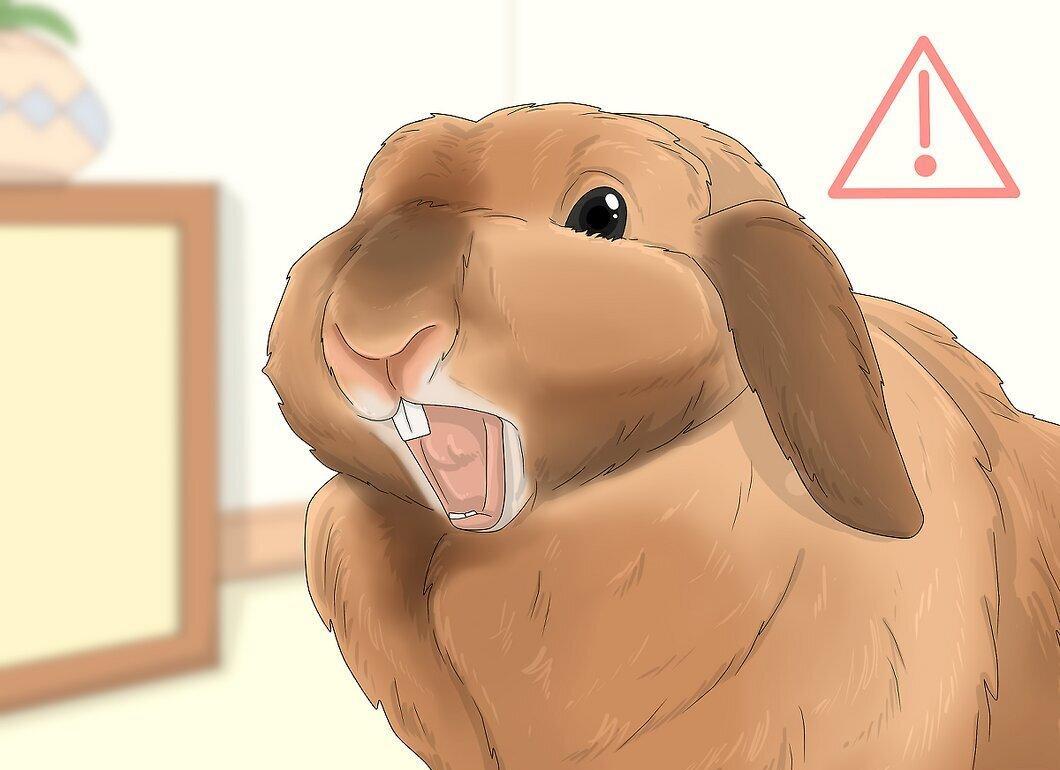
Keep in mind that showing teeth doesn’t always mean happiness. Many animals don’t bare their teeth when they are happy. In most cases, it’s a warning: "Caution, I might bite." A snarl can arise from fear, threat, or anger—even during playtime with you.
Step 3. Observe Your Pet's Legs and Tail Movements.
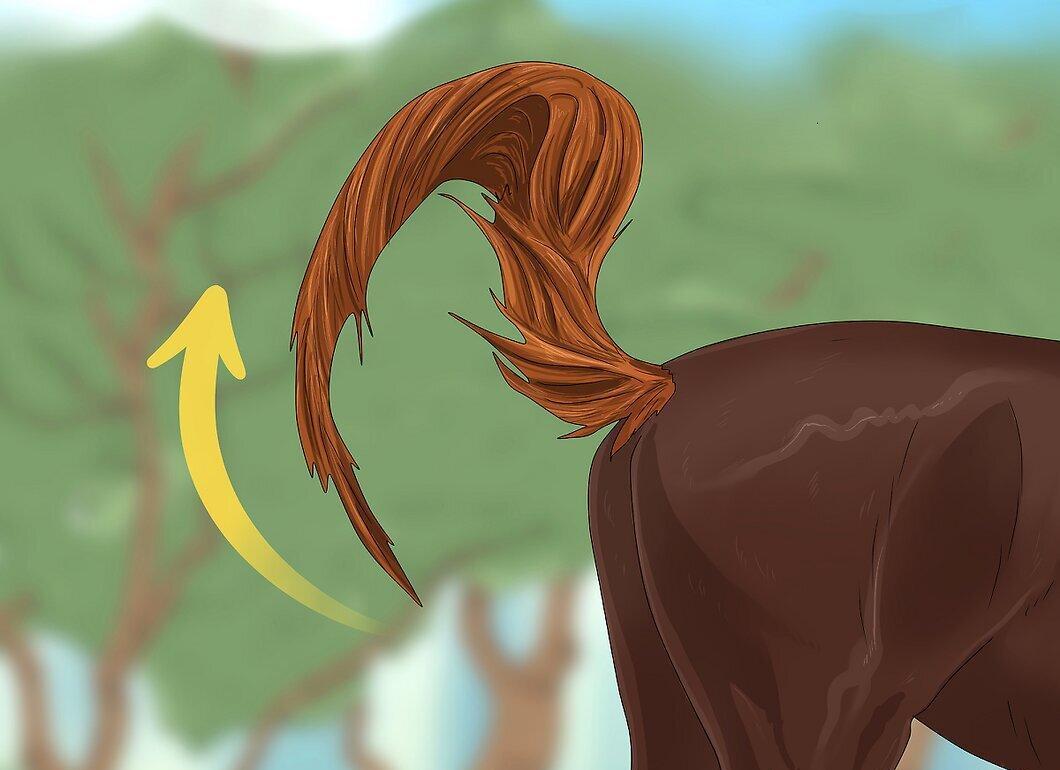
Pay attention to your pet's legs and tail. These body parts can also provide a lot of information about their feelings. For instance, a horse may slowly swish its tail to fend off flies or shake it faster when angry. Cats may twitch their tails when they are upset.
- When a dog holds its tail at body level or lower, it’s a sign of friendliness.
- A horse may rear up to show playfulness, but it can also indicate insecurity.
Step 4. Notice Your Pet's Posture.
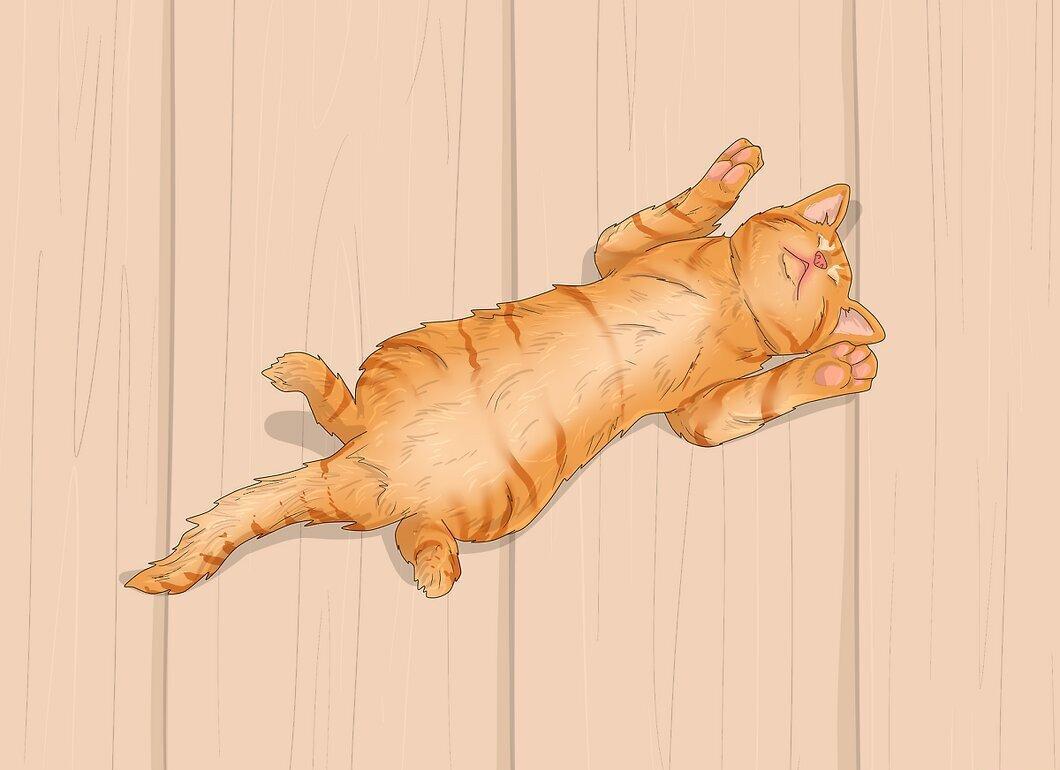
Watch how your pet adopts different postures. Their movements can reveal their mood. For example, if a dog suddenly freezes and tenses up, it may be experiencing anxiety or preparing to attack. If a horse is walking stiffly, it likely indicates stress or pain.
- Small pets like guinea pigs can show anxiety during moments of excitement.
- If a cat lies on its back, it may mean they are relaxed (often purring) or that they are irritated (possibly growling).
Understanding Your Pets' Vocal Signals
Step 1. Listen to Your Horse's Sounds.
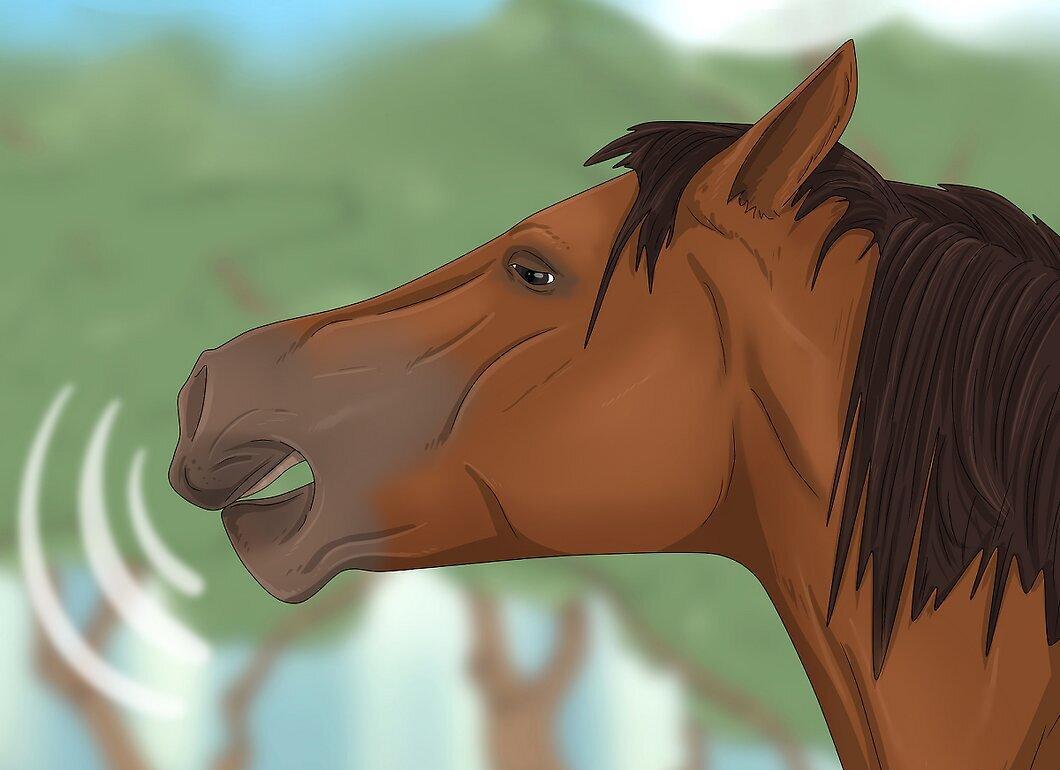
Pay attention to the sounds your horse makes. They can produce a variety of different noises. Learning to distinguish these can help you understand their emotions. A horse might whinny for different reasons: to alert others of their presence or to express alarm. When encountering another horse, they may call out.
- A horse also sighs, which can indicate relief or relaxation.
- Young foals may grind their teeth around adult horses to avoid aggression.
Step 2. Listen to Your Cat's Sounds.
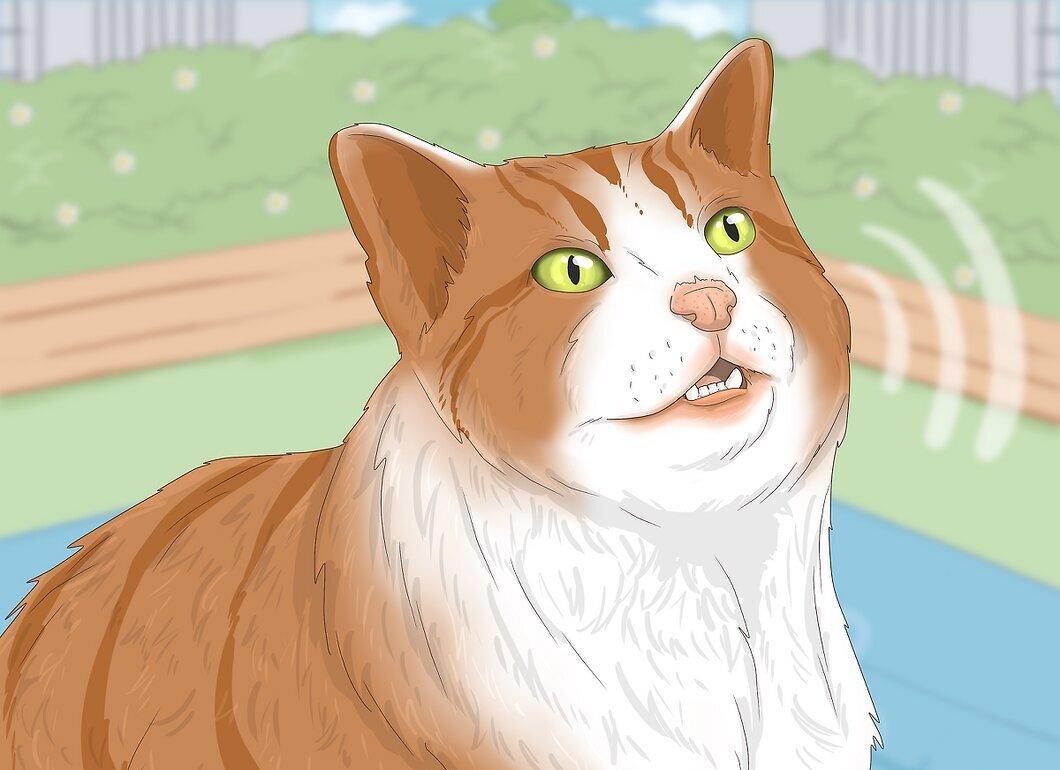
Pay attention to the sounds your cat makes. One of the most common is meowing, which can mean greeting, hunger, or displeasure. If a cat starts growling or hissing, it's best to leave them alone—this is a sign of severe distress.
- Purring typically indicates relaxation but can also be a form of self-soothing.
- If a cat howls, it may mean they are trapped or lost.
Step 3. Listen to Your Dog's Sounds.
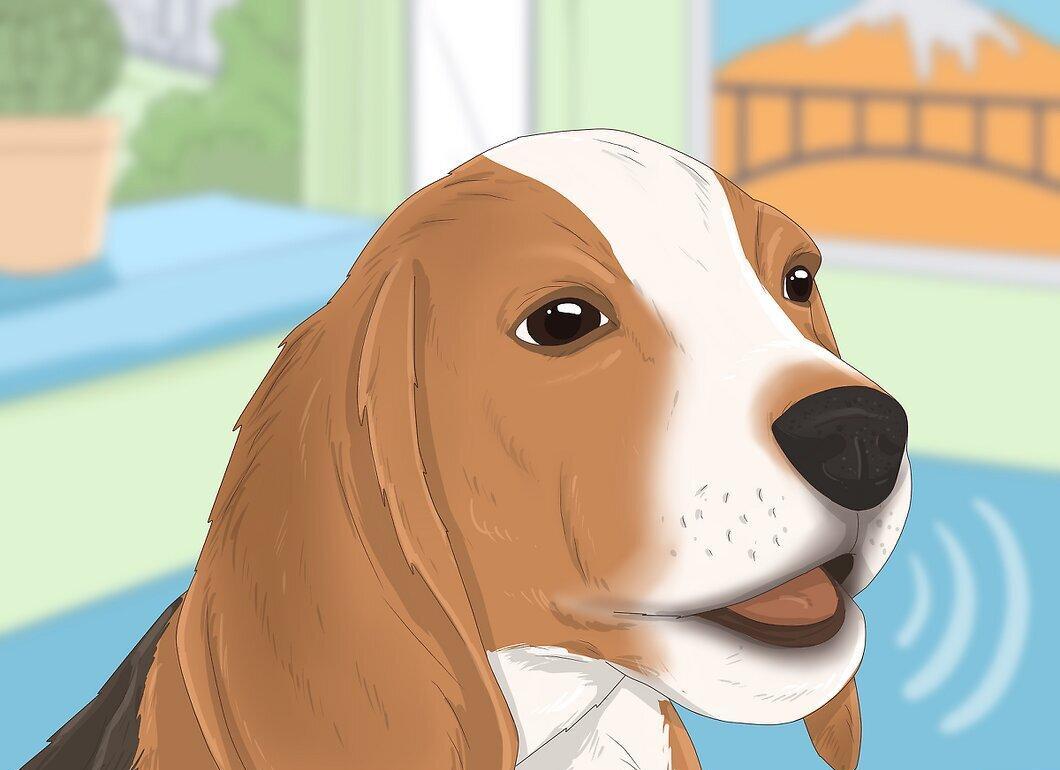
Pay attention to the sounds your dog makes. Barking, growling, and howling are their primary vocalizations. A quick and loud bark could indicate aggression, while a high pitch might suggest friendliness or playfulness.
- Growling usually serves as a warning to keep your distance but can also indicate pleasure, so consider the dog’s body language when interpreting.
- Long howls can express loneliness or distress. Dogs may howl when they are unwell.
Step 4. Understanding Guinea Pig Sounds.
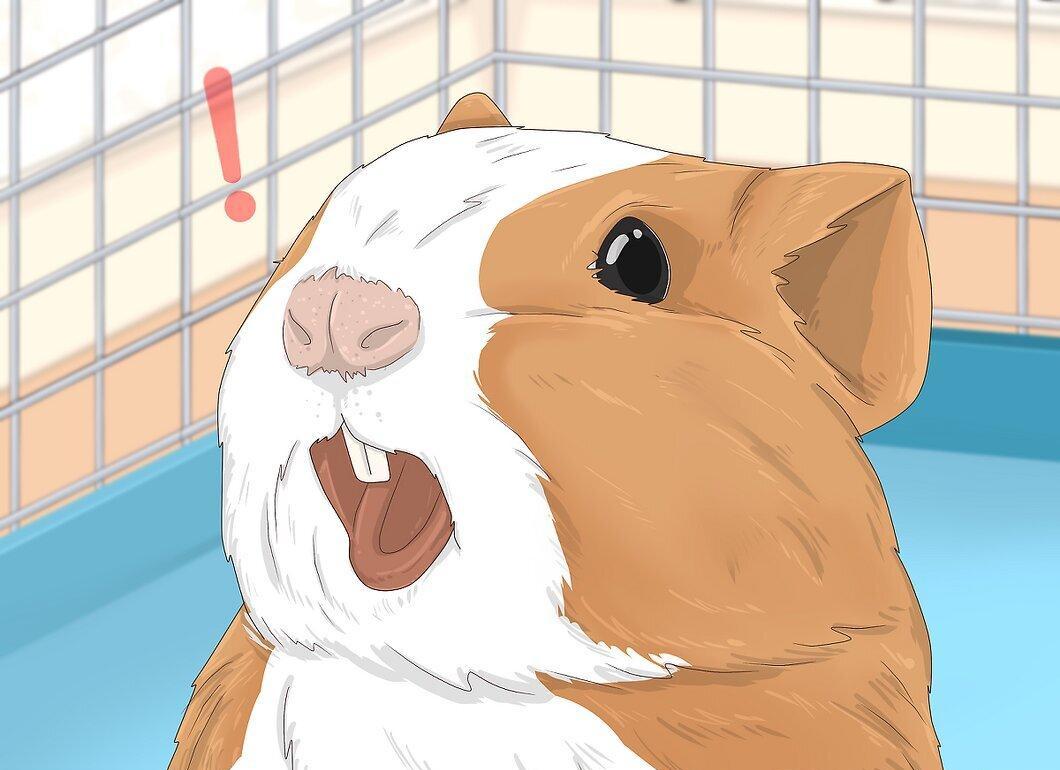
Listen to the sounds your guinea pig makes. These pets love to produce various vocal signals. High-pitched sounds, such as squeaks or whistles, usually indicate excitement or anticipation of something pleasant, like food. Purring can signify pleasure, excitement, or fear.
- If a guinea pig starts chirping, this may indicate aggression or anger. It’s best to leave them alone during those moments.
Communicating with Your Pet
Step 1. Talk to Your Pet.
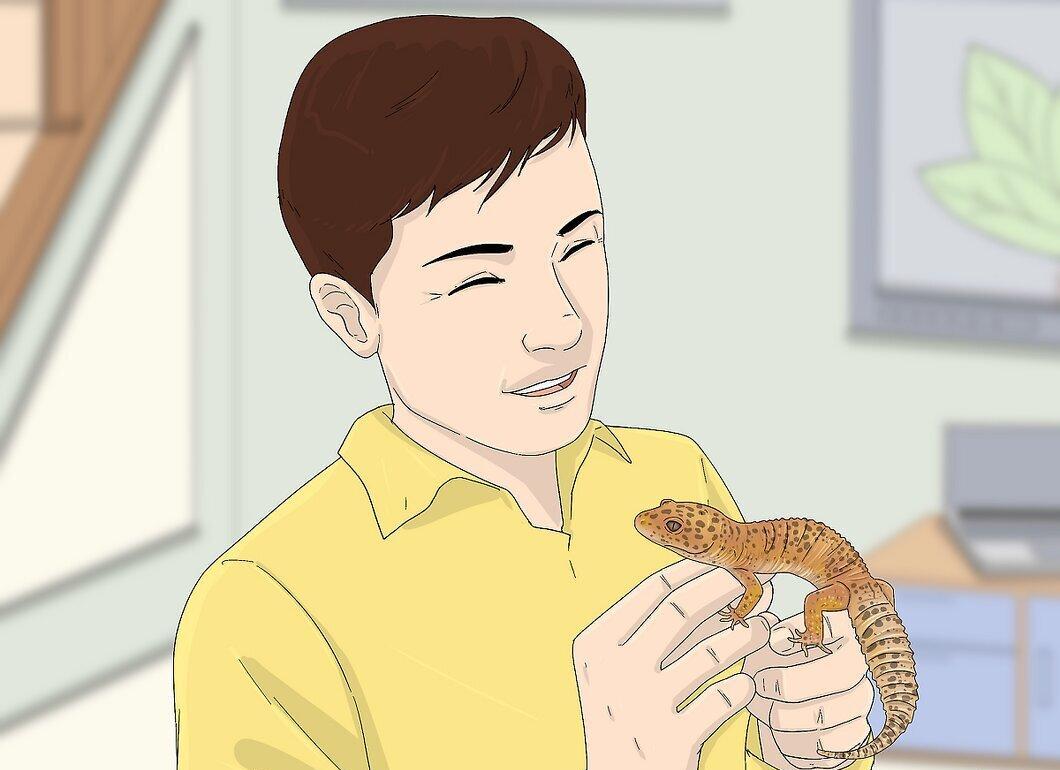
Engage in conversation with your pet. Even if they don’t fully understand your words, they will pick up on your tone and body language. For example, a stern tone can show that you are displeased with their behavior. Commands spoken in a confident tone will help your pet understand what they need to do.
- Communication can also soothe your pet if they’re feeling anxious.
- Words of praise are very beneficial during training.
Step 2. Use Non-Verbal Communication.
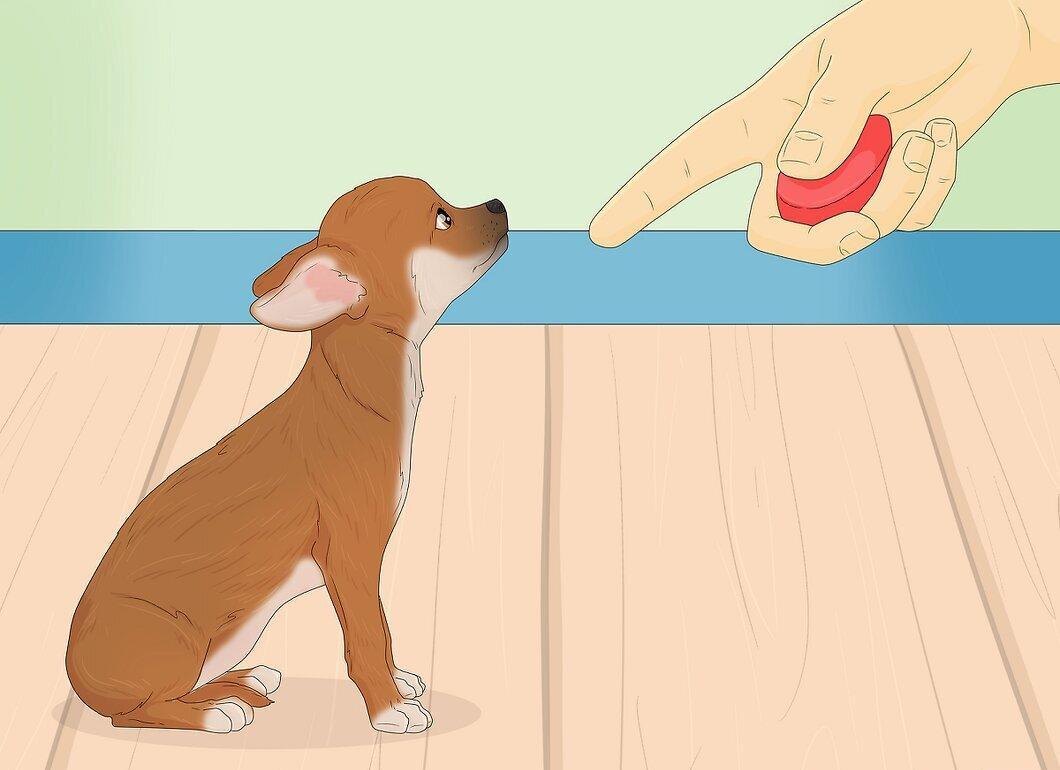
Don’t forget about non-verbal communication. It is just as important as verbal communication. Non-verbal cues often assist in training. For instance, when riding a horse, you can use your hands and legs to give commands. In dog training, we usually combine vocal commands with gestures.
- Turning away from your cat without words may signal that you disapprove of their behavior.
- Be cautious with non-verbal signals that your pet may not appreciate. For instance, if a dog starts growling when you pet their belly, it’s best to leave them alone.
Step 3. Avoid Punishments.
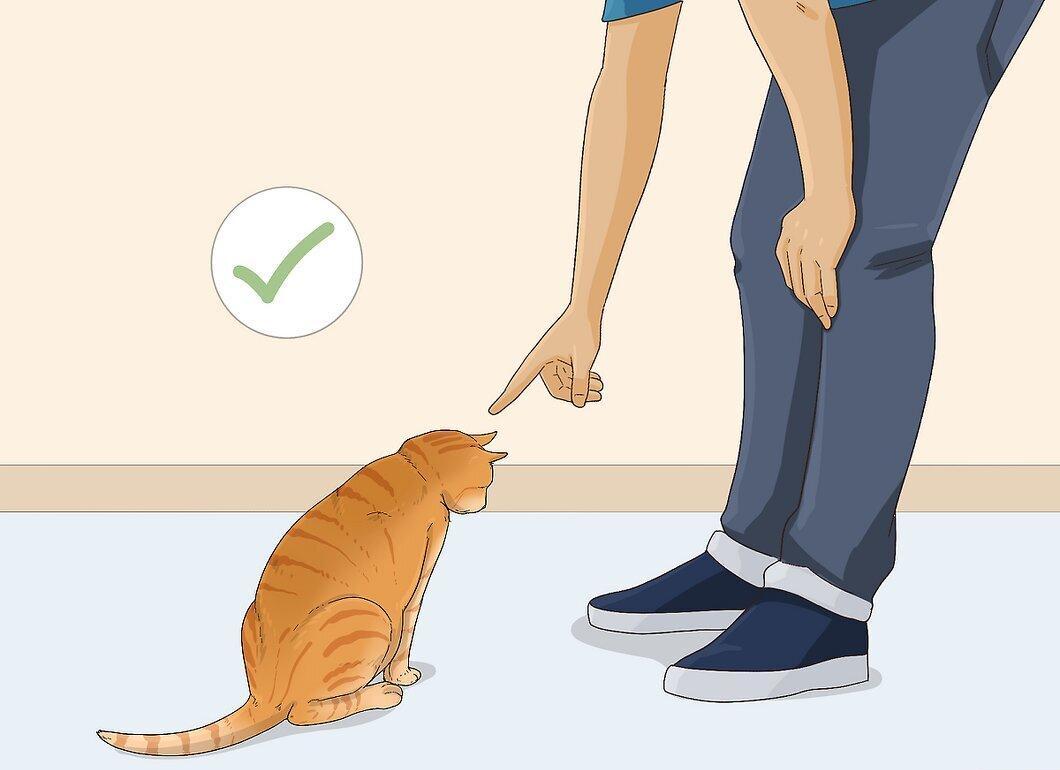
Avoid resorting to punishments. Verbal and physical punishments are not the right approach. They can instill fear in your pet and lower their trust in you. Additionally, some animals, like cats, may not connect their behavior with the punishment.
- Instead of punishment, it’s better to encourage good behavior. For example, if a cat scratches furniture, cover it with double-sided tape to make that behavior less appealing. To encourage the use of a scratching post, sprinkle it with catnip.