
Understanding how to count calories is a fantastic way to master proper nutrition. While most food packaging lists calorie counts, it’s not always clear where those calories come from. Knowing the difference between calories and grams, as well as the conversion factors, will help you easily calculate how many calories are in specific food components.
Converting Grams of Fat to Calories
Step 1. Check the Nutrition Label.
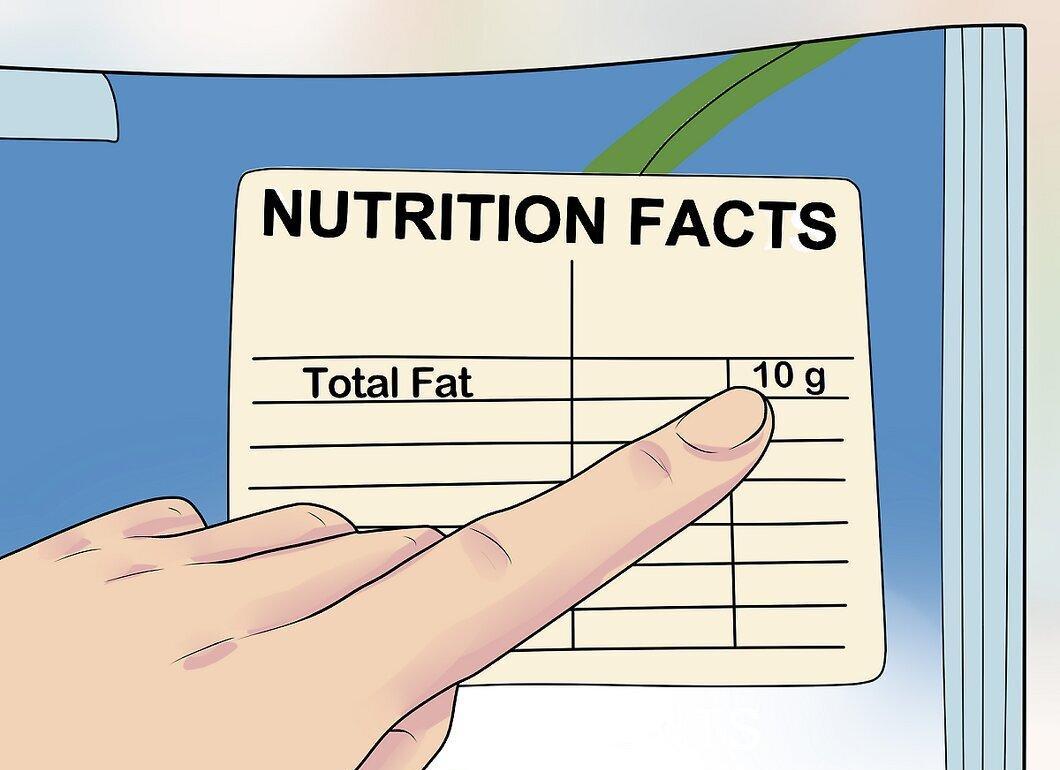
Look at the nutrition label. Most packaging will indicate how many grams of fat are in one serving of the product. This will help you calculate the calories.
Step 2. Multiply the Fat Amount by 9.
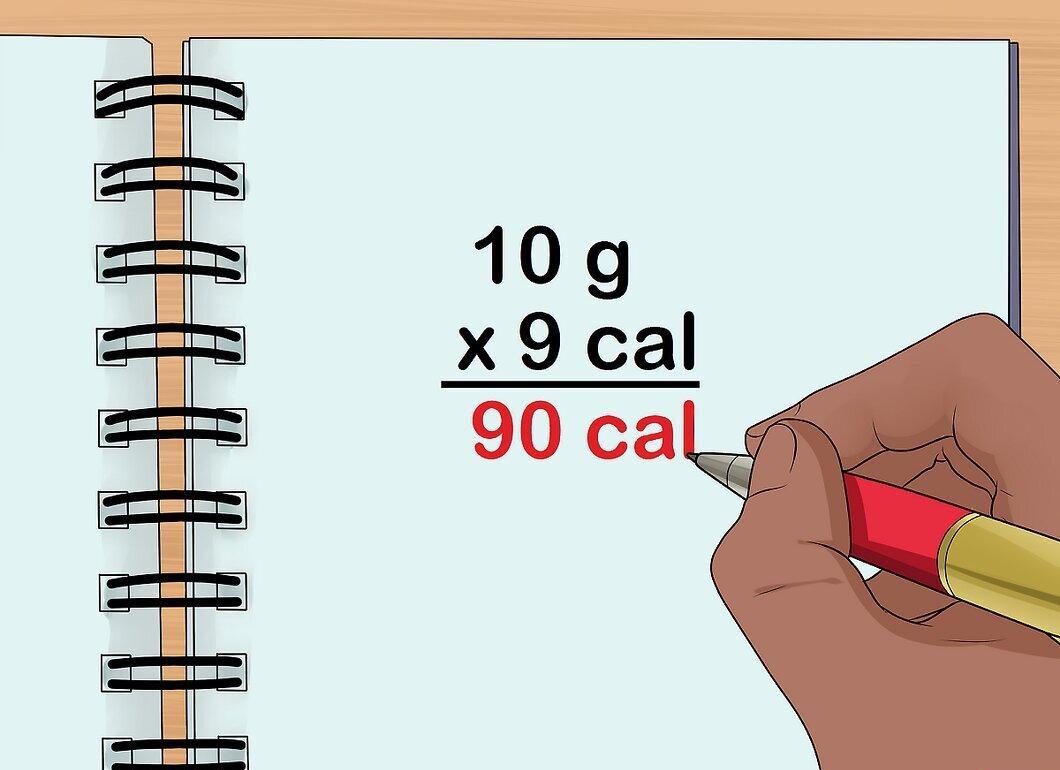
Multiply the number of grams of fat by 9. There are 9 calories in one gram of fat. To find out how many calories come from fat, simply multiply the grams by 9.
- For example, if a product has 10 grams of fat, multiplying by nine gives you 90 calories. This is the number of calories corresponding to the stated grams of fat.
Step 3. Calculate the Total Calories in the Product.
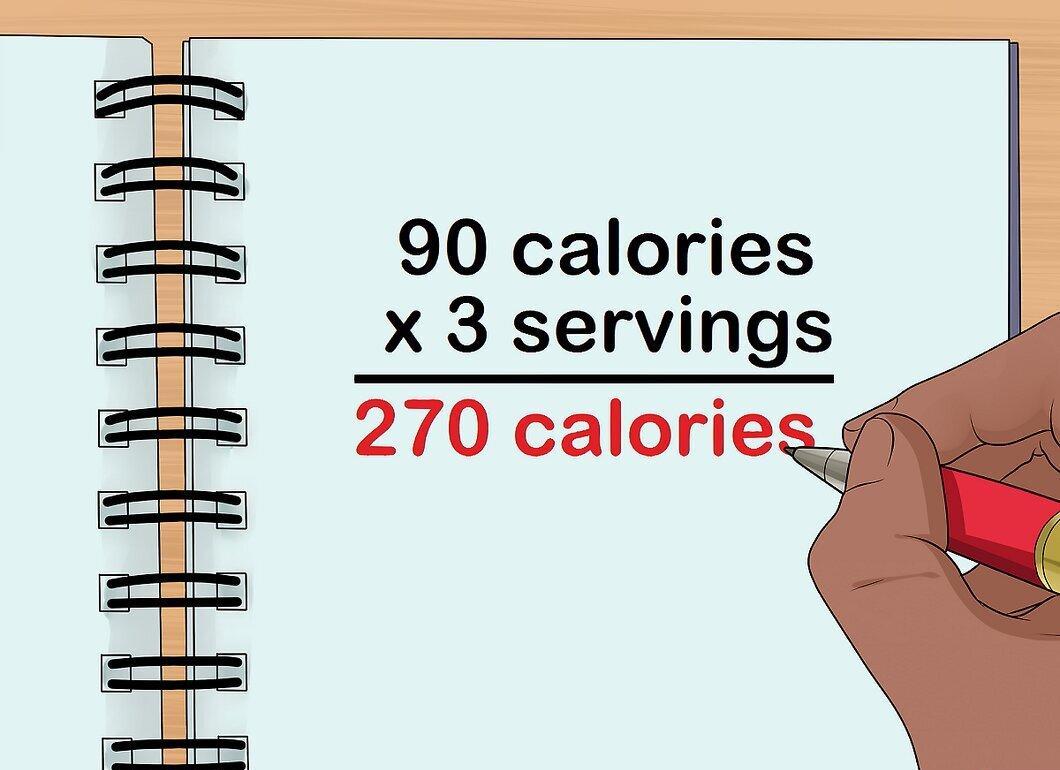
Now, calculate the total number of calories from the fat portion of the product. Multiply the previously obtained number by the number of servings indicated on the package.
- If the label states there are three servings, multiply 90 by 3 to get 270 calories.
Converting Grams of Carbohydrates and Proteins to Calories
Step 1. Understand Carbohydrates as Organic Compounds.
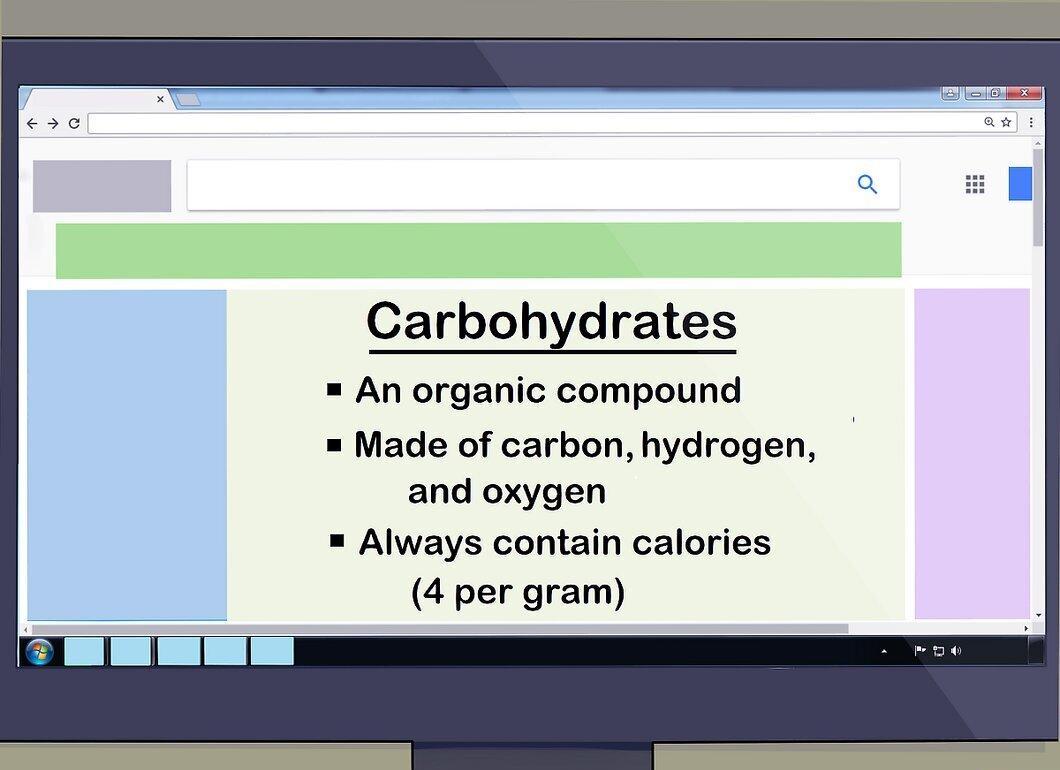
Carbohydrates are organic compounds made of carbon, hydrogen, and oxygen. Each gram of carbohydrates contains 4 calories. However, this does not mean that all calories come solely from carbohydrates; they are also found in other macronutrients.
Step 2. Check the Nutrition Label.
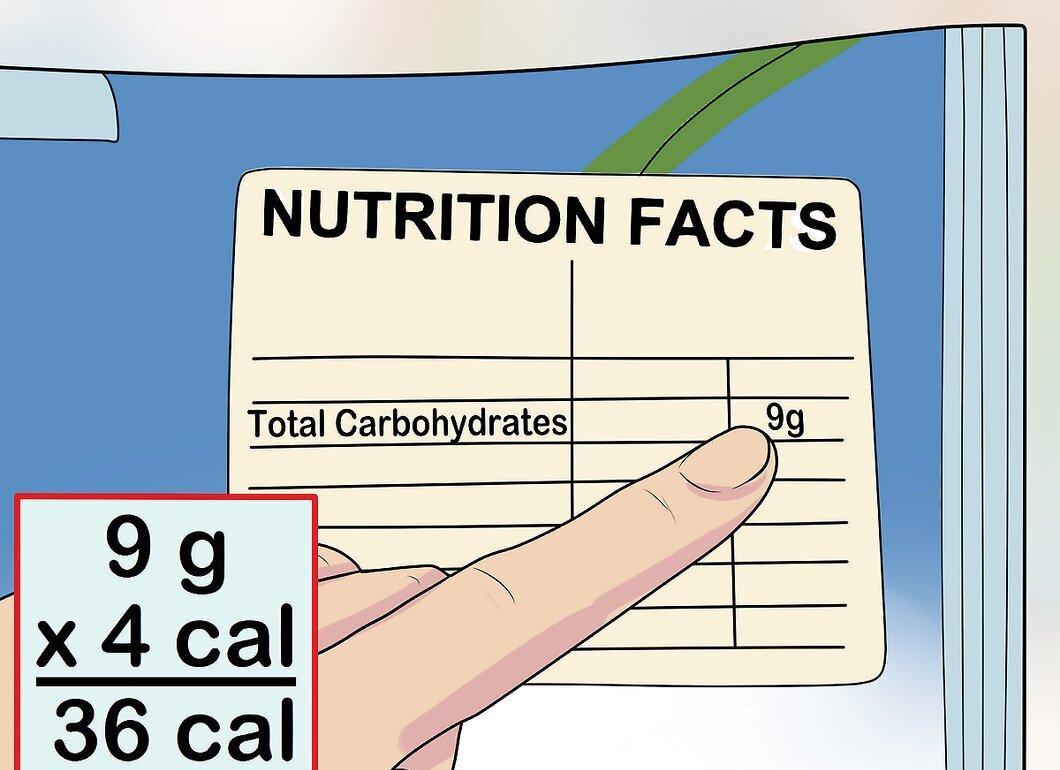
Look at the nutrition label. You will see how many grams of carbohydrates are in one serving. Multiply the amount of carbohydrates by 4 to find out how many calories they contain.
- For instance, if the product contains 9 grams of carbohydrates, then 9 x 4 = 36 calories. The number 4 is used because each gram of carbohydrates has 4 calories.
Step 3. Calculate Calories from Proteins.
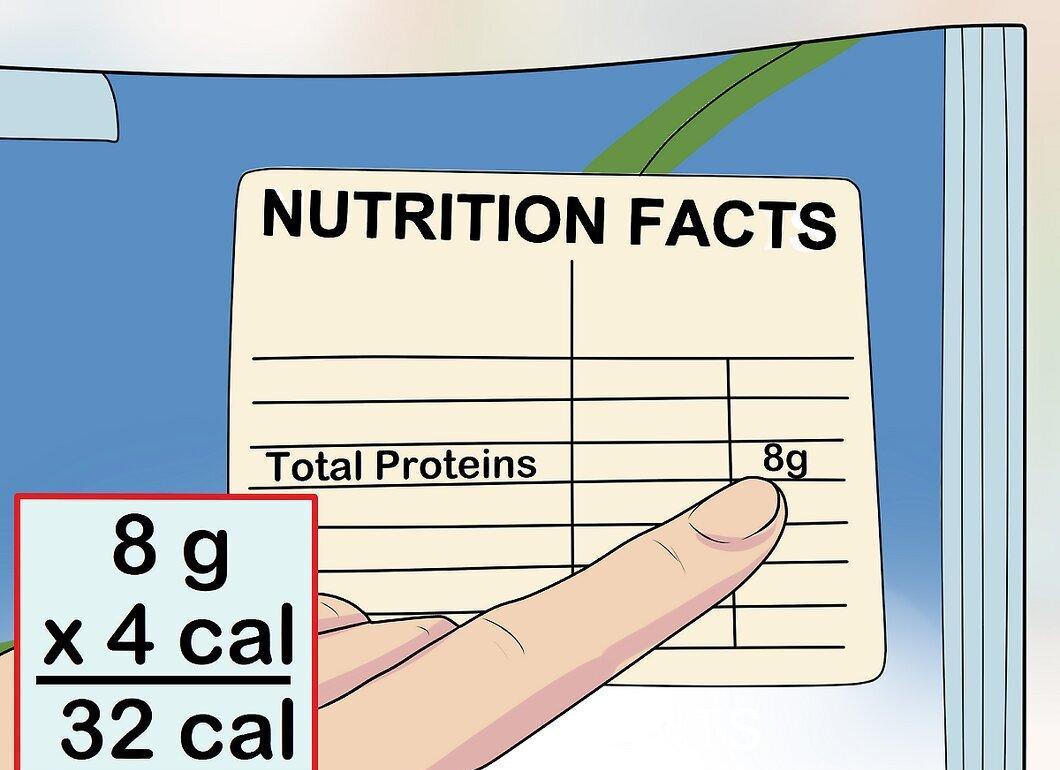
Determine how many calories come from proteins. The protein content is also listed in grams on the label. As with carbohydrates, there are 4 calories in 1 gram of protein. Multiply the grams of protein by 4 to get the total calories.
Understanding the Difference Between Grams and Calories
Step 1. Recognize the Differences Between Grams and Calories.
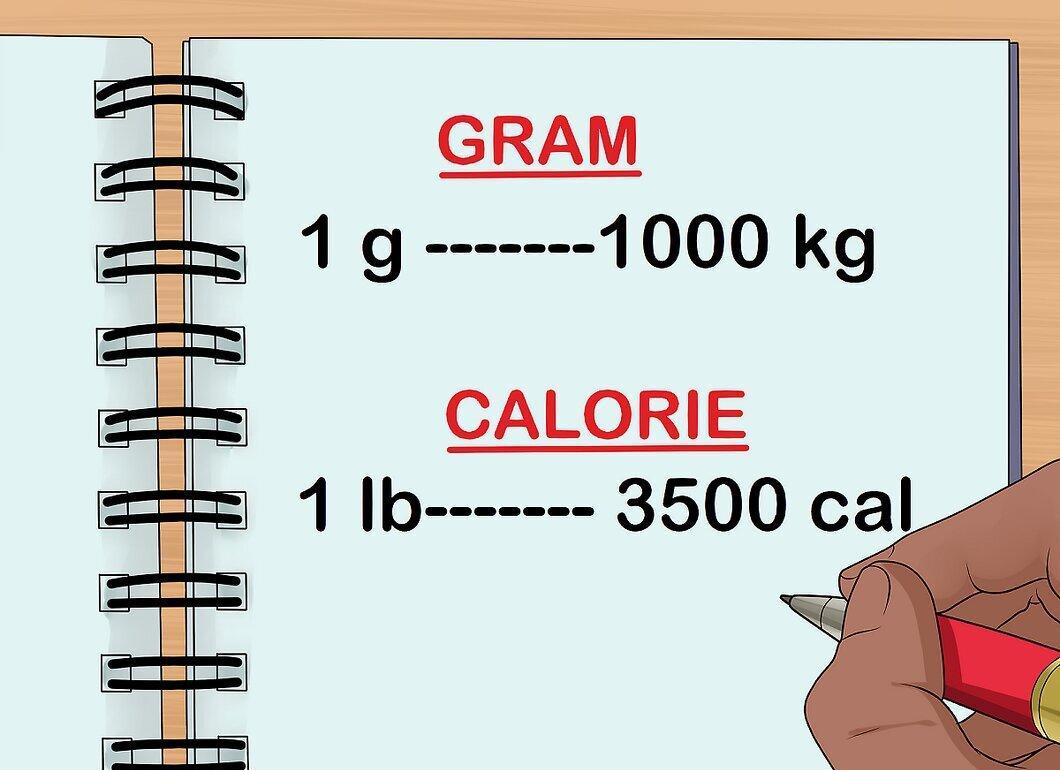
Understand the difference between grams and calories. A gram is a unit of mass equal to one thousandth of a kilogram. A calorie is a unit of energy that we derive from food. Approximately 450 grams of fat in the body corresponds to 3500 calories.
- Grams and calories are different units of measurement that cannot be directly converted into each other.
Step 2. Identify the Energy Source for Calorie Measurement.
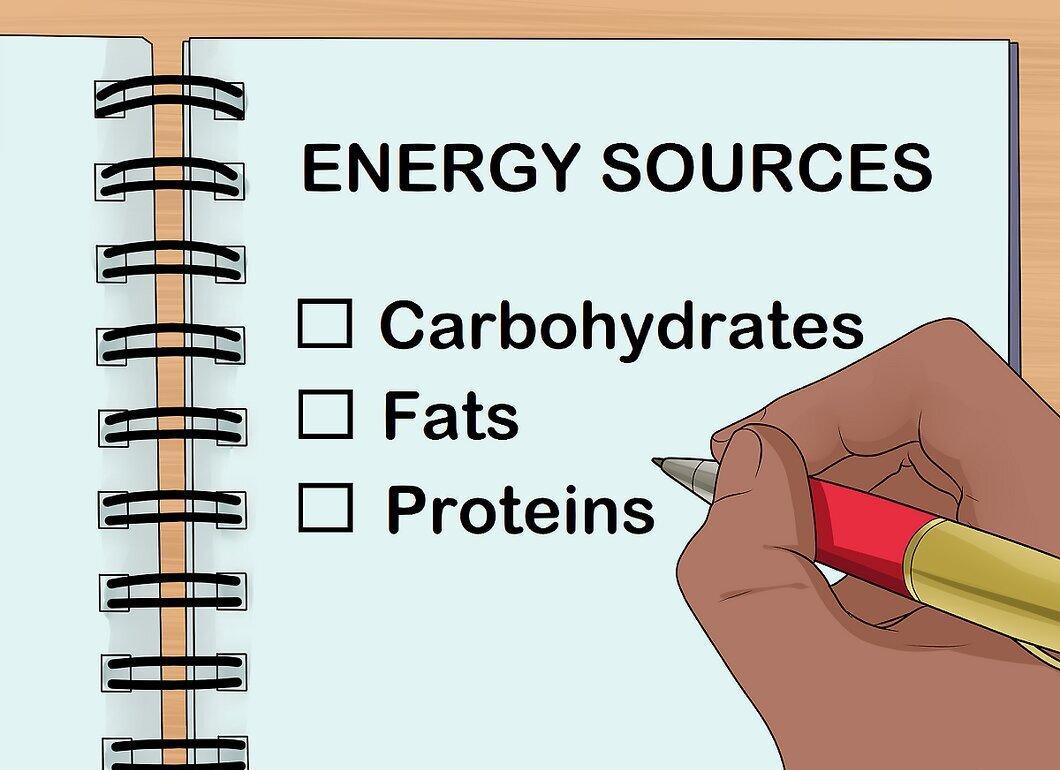
Determine which macronutrient you want to calculate calories for. The number of calories in a gram of food depends on the macronutrient content. The human body can derive energy from three main sources: proteins, fats, and carbohydrates.
- You can’t simply weigh food and convert grams to calories. You need to know how many calories are in each gram of a specific macronutrient to perform the calculations.
Step 3. Multiply the Grams by the Appropriate Factor.
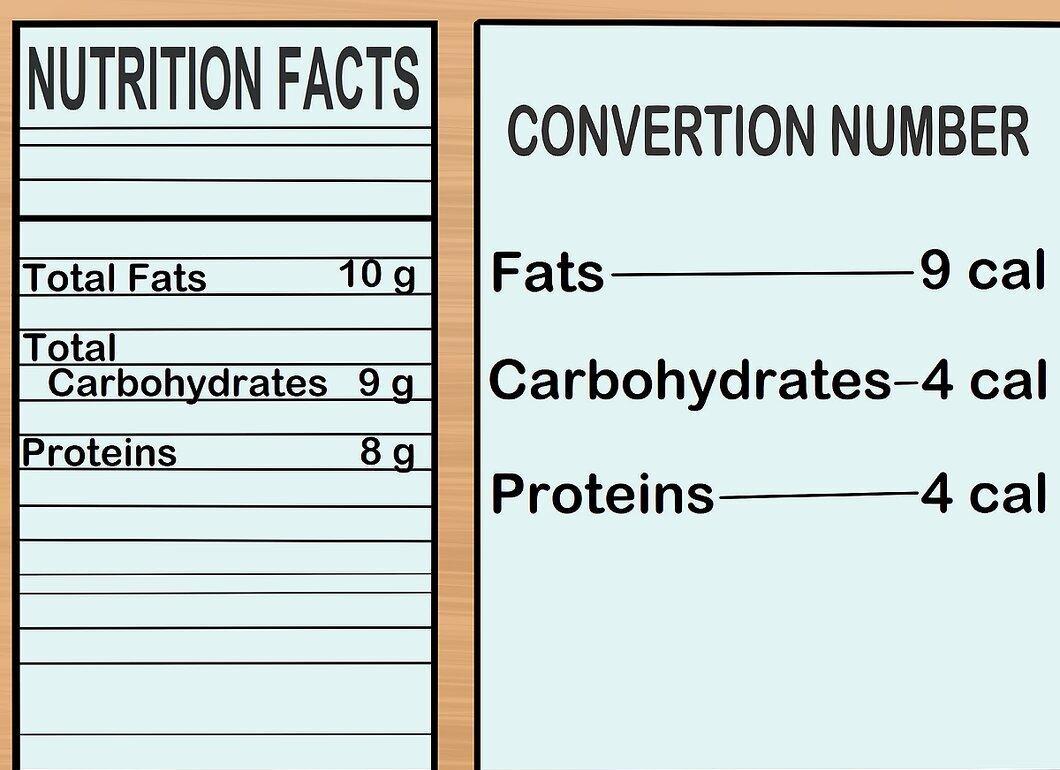
Multiply the number of grams by the corresponding factor. Find on the label the product for which you want to calculate calories. Each nutrient will be listed in grams. Once you find the needed value, multiply it by the number of calories contained in each gram of the specific macronutrient.