If you've never eaten artichokes before, you might feel overwhelmed when faced with the task of preparing and eating one. Cooking and consuming an artichoke isn't something you can guess at—simply tearing off the leaves and chewing won't work, as the tough fibers and sharp leaves can lead to chaos in your digestive tract. However, with the right approach, an artichoke can become a delicious, unusual, and healthy addition to your diet.
Part 1
Step 1. Trim the sharp leaf tips with a knife or scissors.
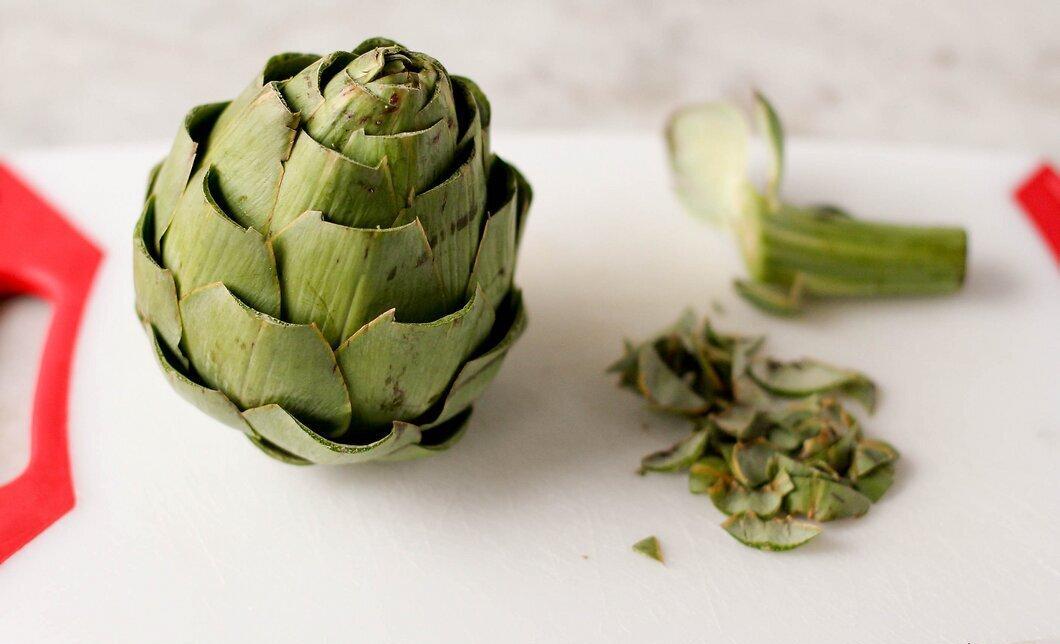
Trim the sharp leaf tips with a knife or scissors. This step is optional, but it will make eating the artichoke easier later on.
Step 2. Boil the artichoke in salted water or steam it for 20-45 minutes until it becomes tender.
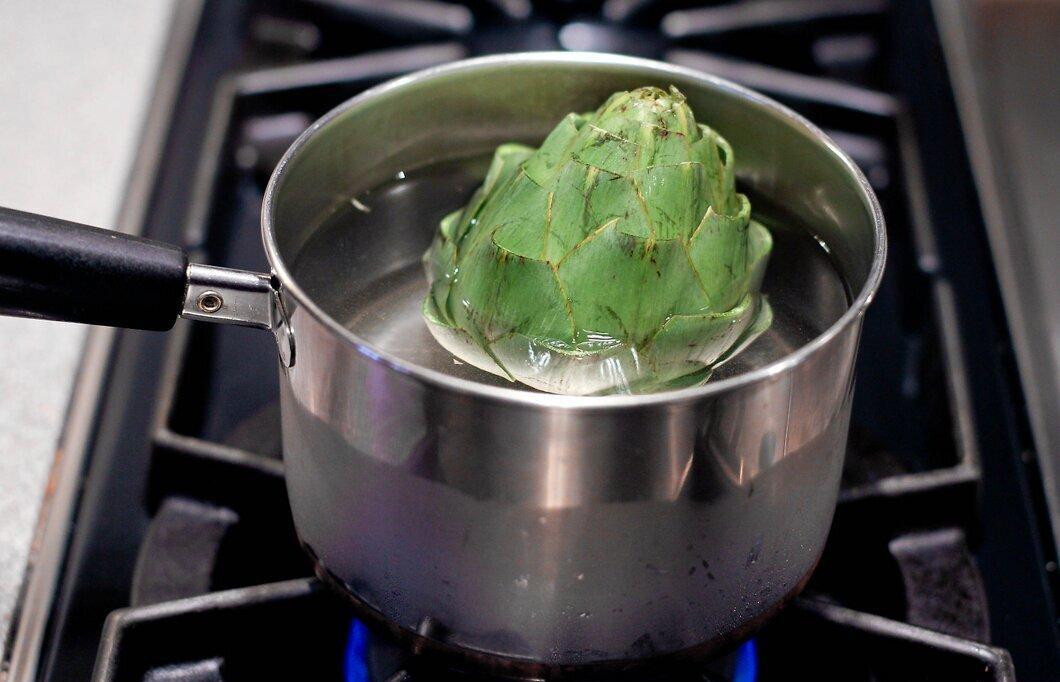
Boil the artichoke in salted water or steam it for 20-45 minutes until it becomes tender. Do not cover the pot while boiling; otherwise, the acid from the artichoke will not evaporate, and the vegetable will turn brown. You can also cook it in the microwave wrapped in plastic for 8-15 minutes or in a pressure cooker for 20 minutes. The artichoke is ready when a leaf pulls away easily.
Step 3. Let the liquid drain from the artichoke by turning it upside down.
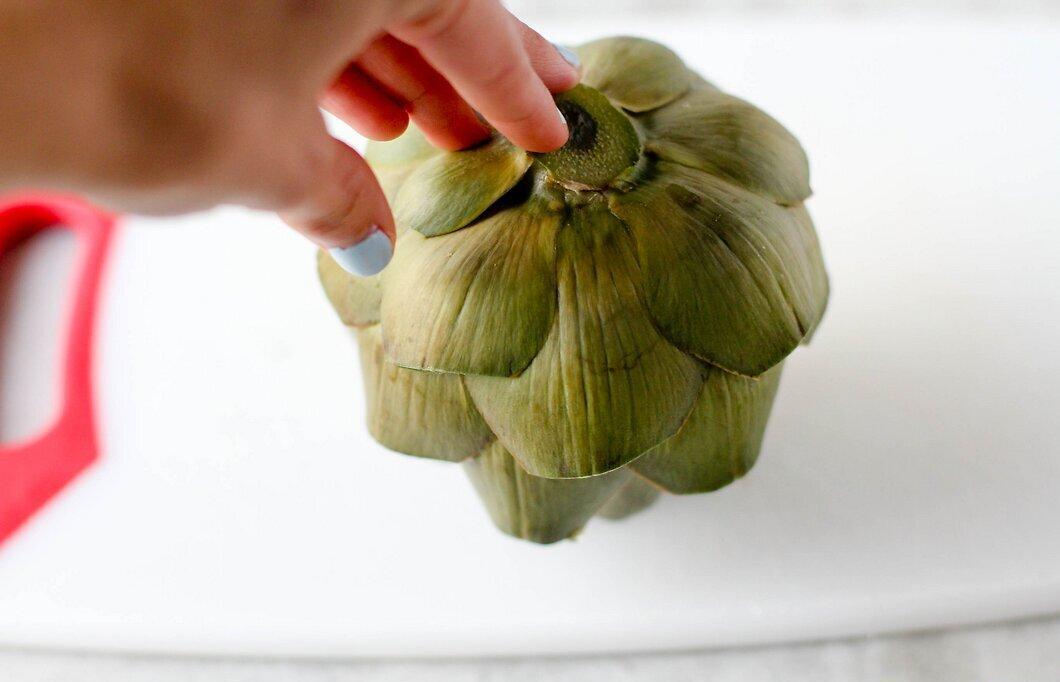
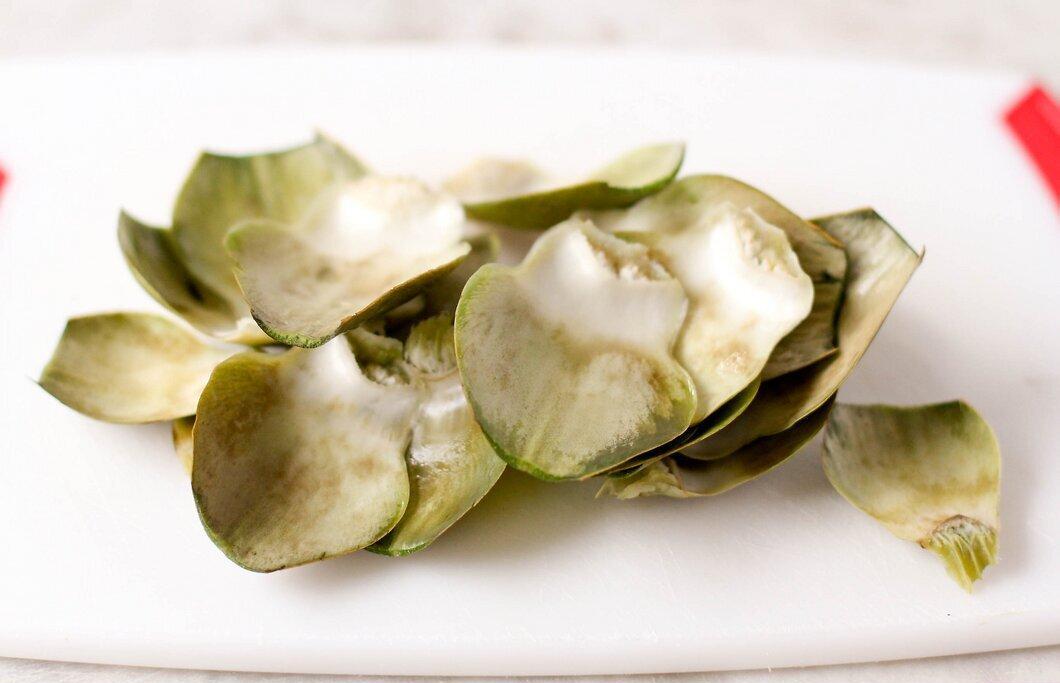
Step 4. Remove the outer leaves one by one.
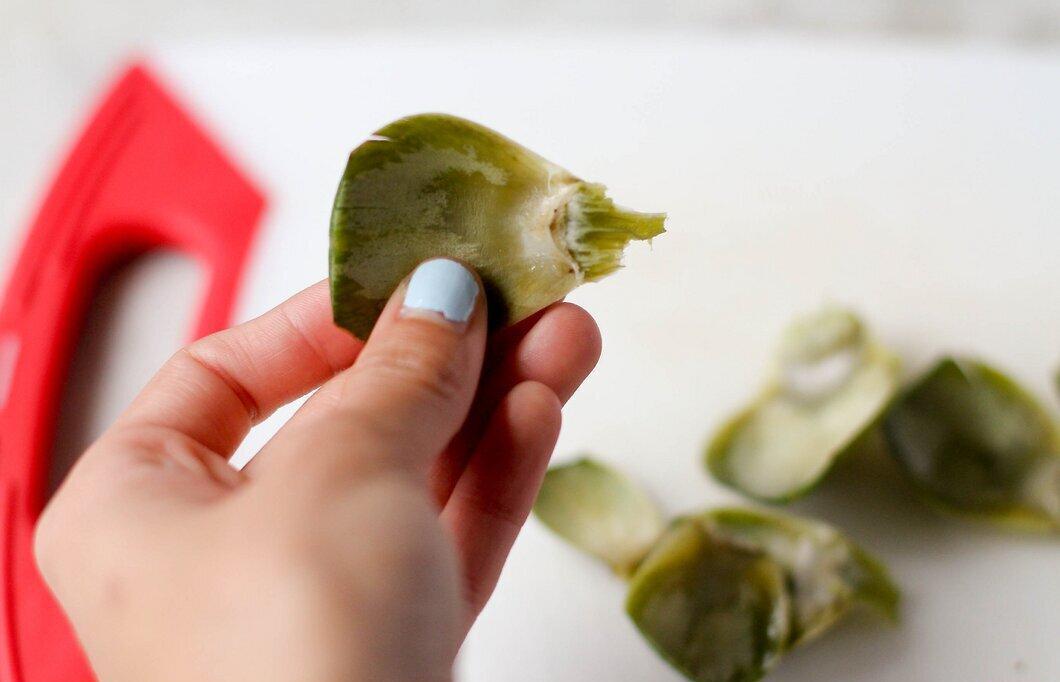
Remove the outer leaves one by one. Look closely—the edible part of each leaf should be clearly visible. The light area at the base of the leaf is where it attaches to the heart.
Step 5. Dip the tip (the part where the leaf attaches to the heart) in any sauce.
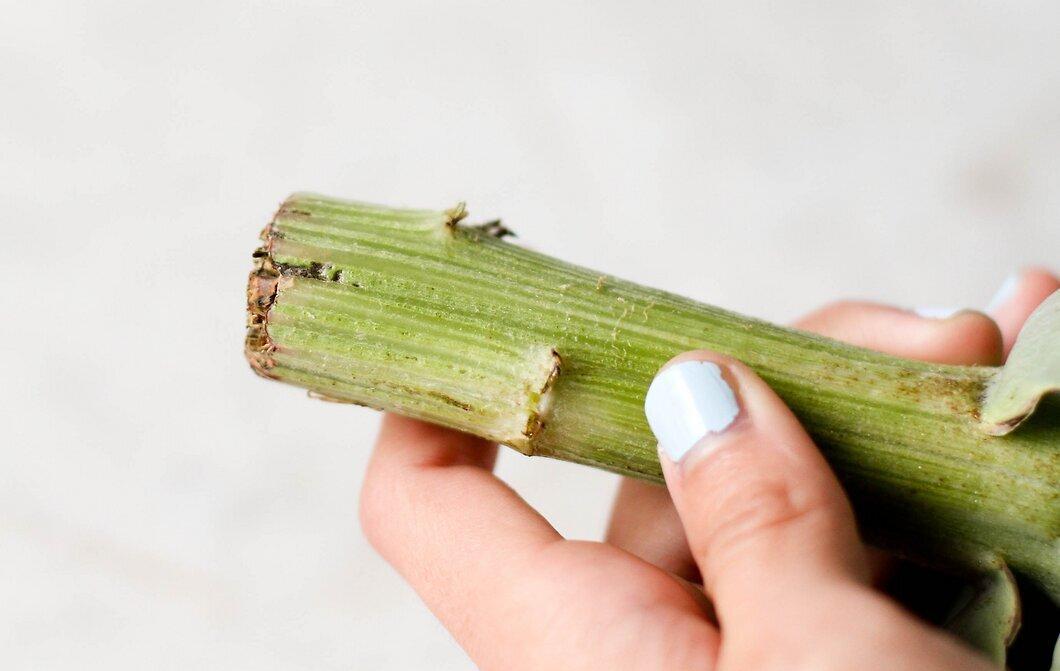
Dip the tip (the part where the leaf attaches to the heart) in any sauce. Here are some common sauces for artichokes:
- Mayonnaise (you can add a bit of balsamic vinegar or soy sauce)
- Melted butter with garlic
- A mixture of vegetable oil, salt, and vinegar
- Melted butter
- Ranch dressing
Step 6. Gently bite off the more tender part at the base of the leaf by placing it between your teeth.
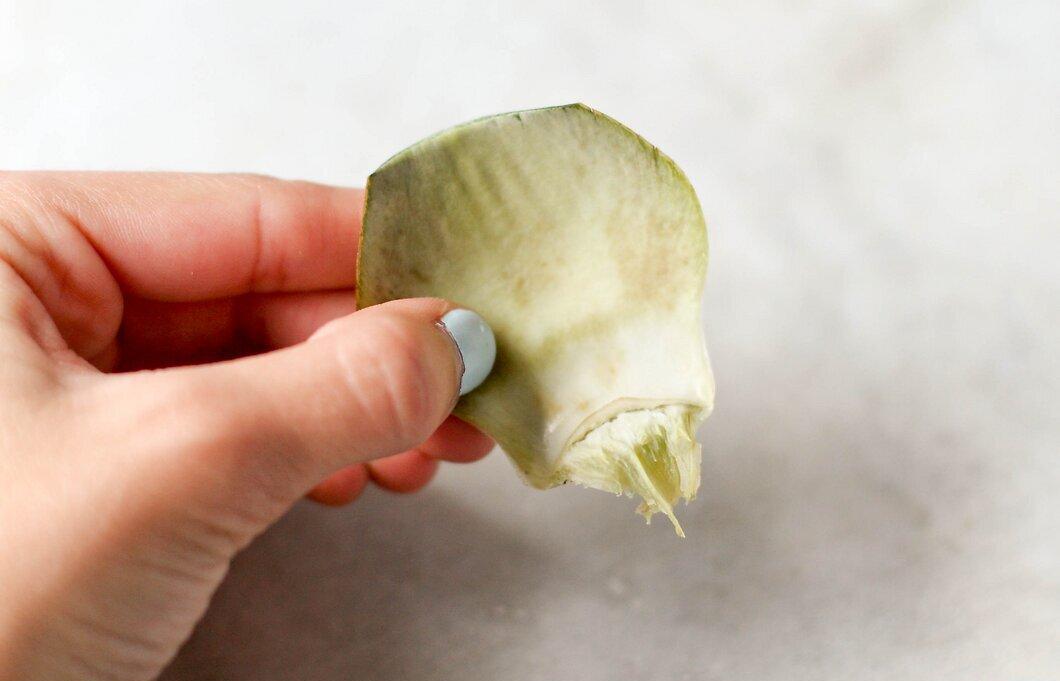
Gently bite off the more tender part at the base of the leaf by placing it between your teeth. The edible part will easily separate from the tough, almost woody part of the leaf.
Step 7. You can throw away the remaining leaf in a designated container or stack them on the edge of your plate.
Step 8. Continue this process until you reach the smaller leaves in the center of the artichoke, which are usually very thin and even translucent with a slight purple hue.
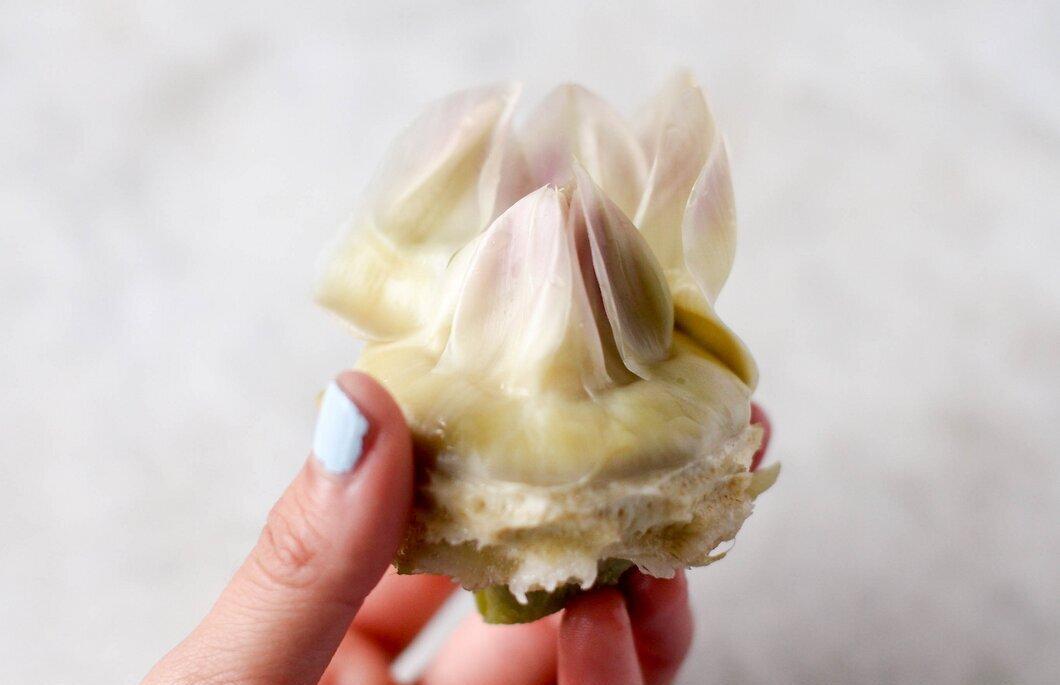
Step 9. Pull out the leaves from the center.
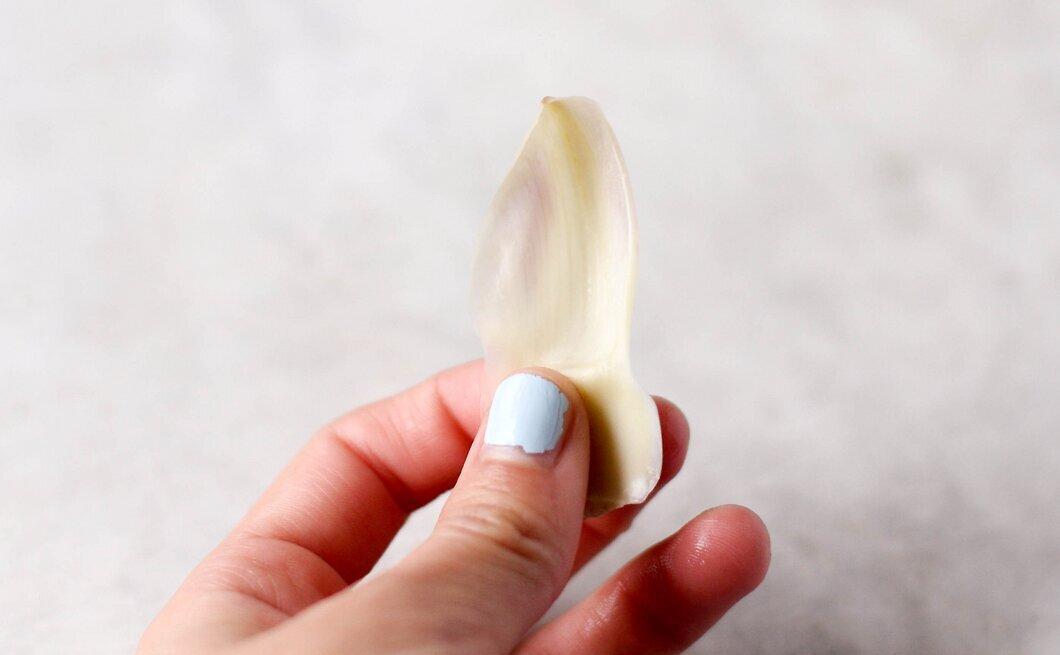
Pull out the leaves from the center. Depending on how well the artichoke is cooked, you might be able to pull out the small translucent leaves all at once and bite off their lower part after dipping it in sauce. Do not eat the tips of the sharp leaves. Right beneath them is a almost hairy part covering the heart of the artichoke. This is not edible, as it consists of small, sharp spikes.
Step 10. Carefully remove the corners with a fork or the serrated side of a knife until you reach the heart.
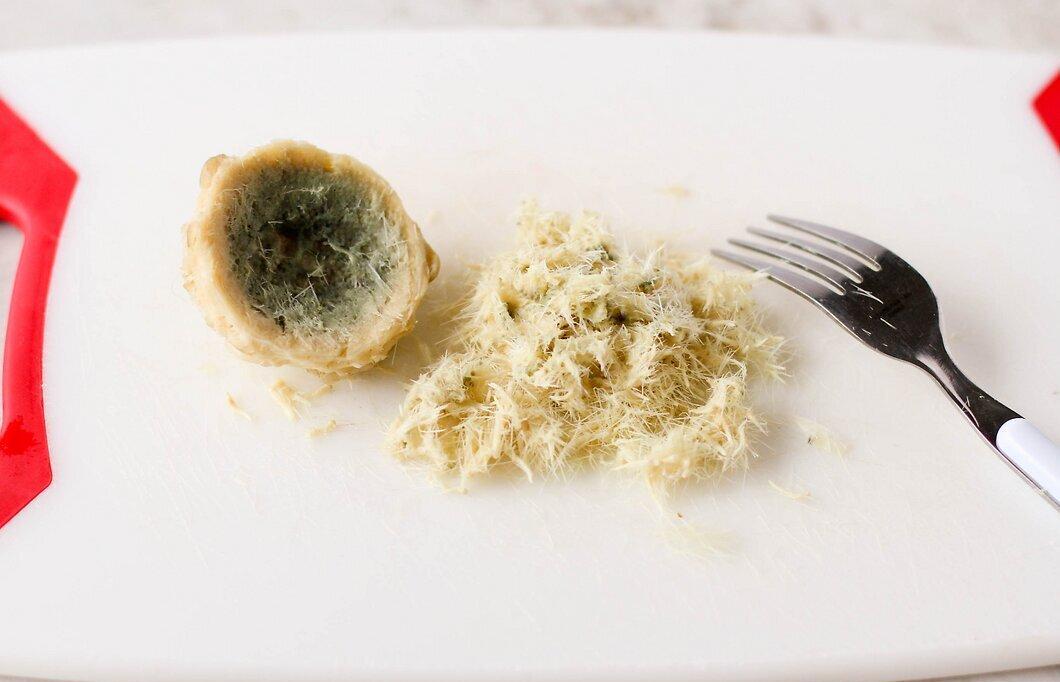
Carefully remove the corners with a fork or the serrated side of a knife until you reach the heart. This step is very important, as many people do not know about it and do it incorrectly.
Step 11. Eat the heart.
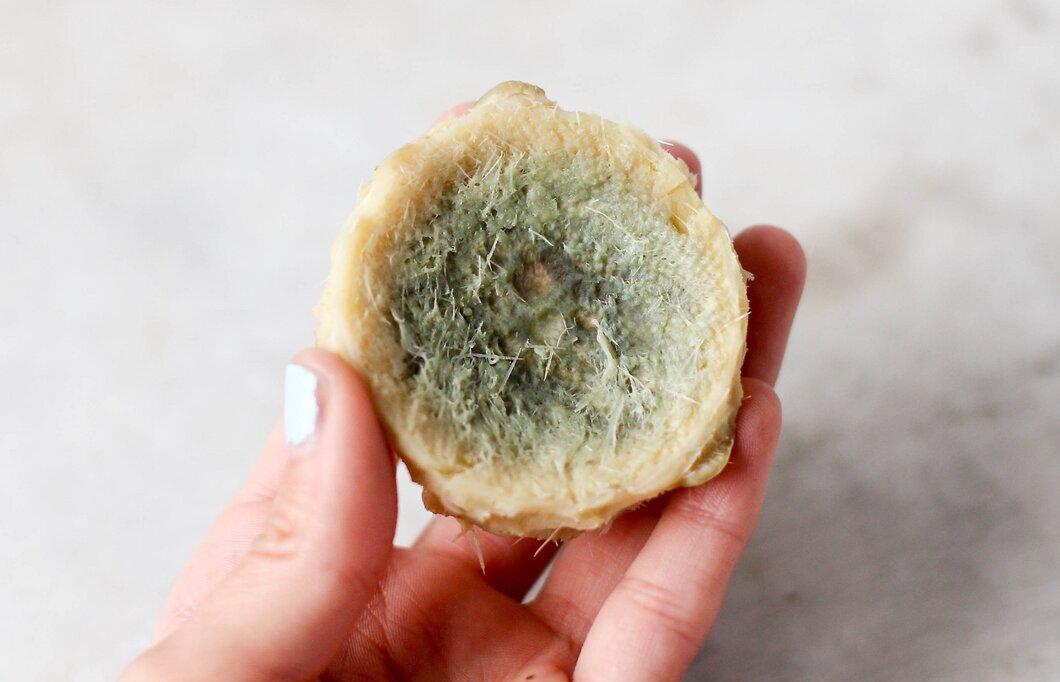
Eat the heart. The heart of the artichoke is the most valuable part, and often in restaurants, only this part is served. However, at home, you can enjoy the entire artichoke. Bon appétit!