Informational letters, also known as introductory letters, are a powerful tool in business correspondence. They help establish contact, request necessary information, or introduce a new product or service. Most often, these letters are addressed to unfamiliar individuals, which can complicate the choice of the right tone and style. However, there are several simple and effective techniques that will make your letter clear, easy to read, and successful in achieving its goals.
Starting with the Introductory Section
Step 1. Address a specific recipient if possible.
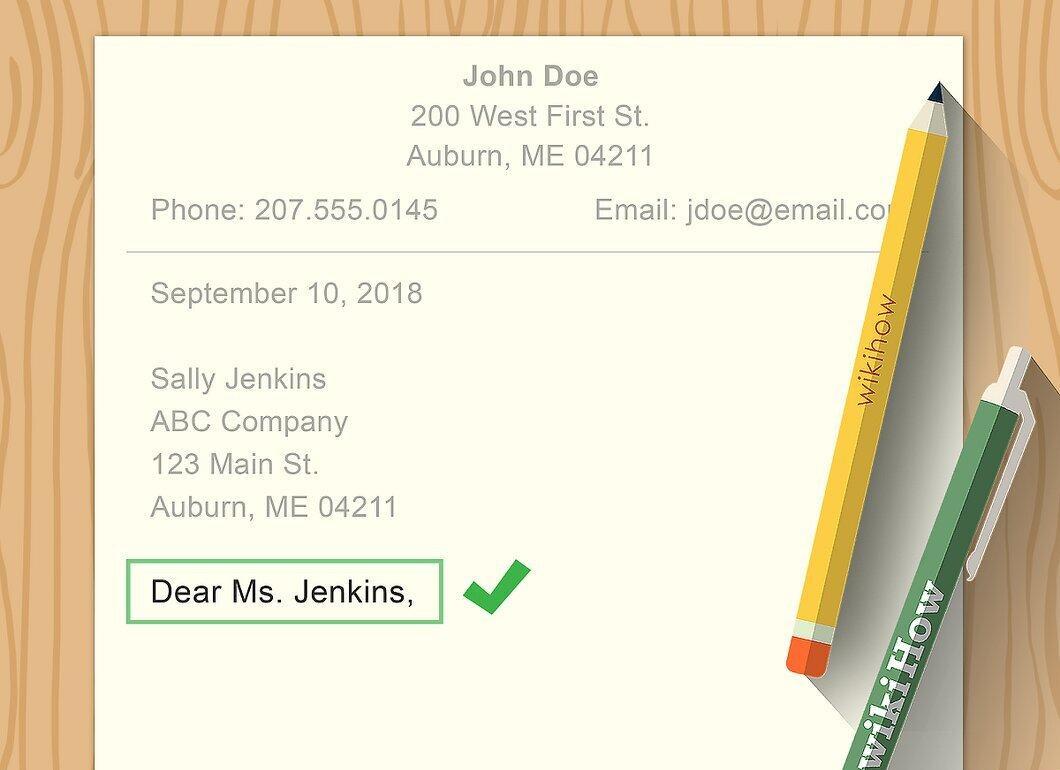
If possible, direct your letter to a specific individual. Ideally, the informational letter should be addressed to the person who will be reading it. If you are sending it to a general email address or a company where you intend to apply, and you don’t know who will receive it, it’s acceptable to use the phrase "To Whom It May Concern" or refer to a contact person responsible for hiring.
- Start the letter by stating your position, title, or role, and then explain why you are writing. Usually, the name is not included at the beginning, as it will be present in the signature at the bottom.
Step 2. Clearly state your purpose.
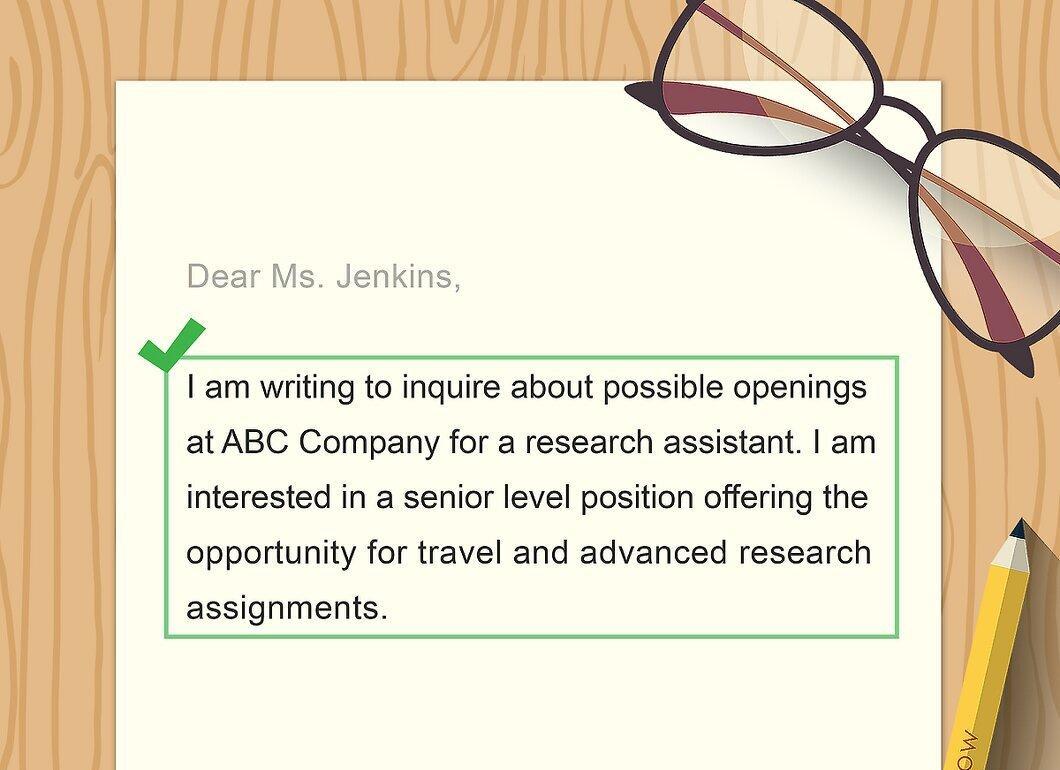
Articulate your purpose clearly and concisely. At the beginning of the letter, you should state the reason for your outreach. What do you want to achieve? If the employer or company starts asking such questions, there is a risk that your letter will end up in the trash rather than leading to the desired interview.
- Get to the point: "I am reaching out to inquire about the financial controller position" or "I am writing to introduce the specifications of a new product recently launched by our company" – such phrases are perfect for the opening lines of your letter.
Step 3. Set the appropriate tone and style.
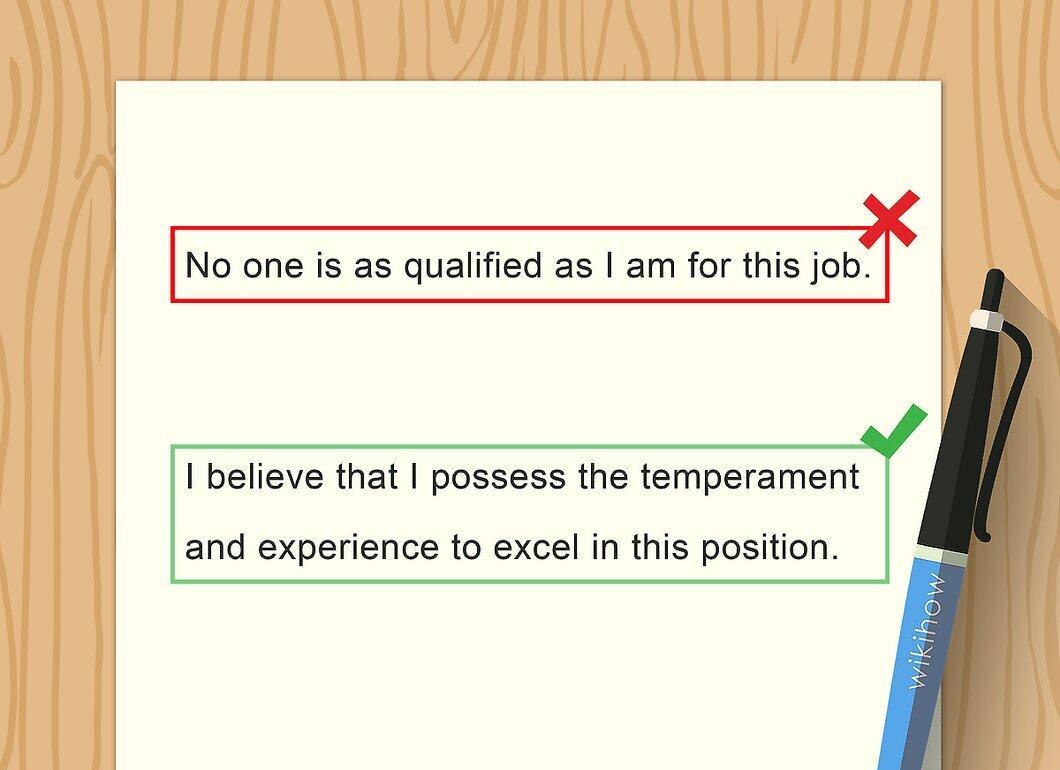
Choose the right style and tone for the letter. When writing an informational letter, it is important to maintain a consistent and professional style that is neither too formal nor overly casual. The tone of your letter should remain business-like but should not come across as cold or mechanical. Don’t forget to add a touch of warmth while maintaining professionalism.
- A common mistake among novice writers is to avoid contractions to such an extent that the letter starts to sound like a translation rather than an original piece. Use contractions to create a conversational atmosphere while staying professional.
- Avoid trying to showcase your knowledge by replacing simple words with complex ones. This is not a master's thesis; it’s an informational letter. Use clear language and express your thoughts concisely.
Step 4. Establish a personal connection.
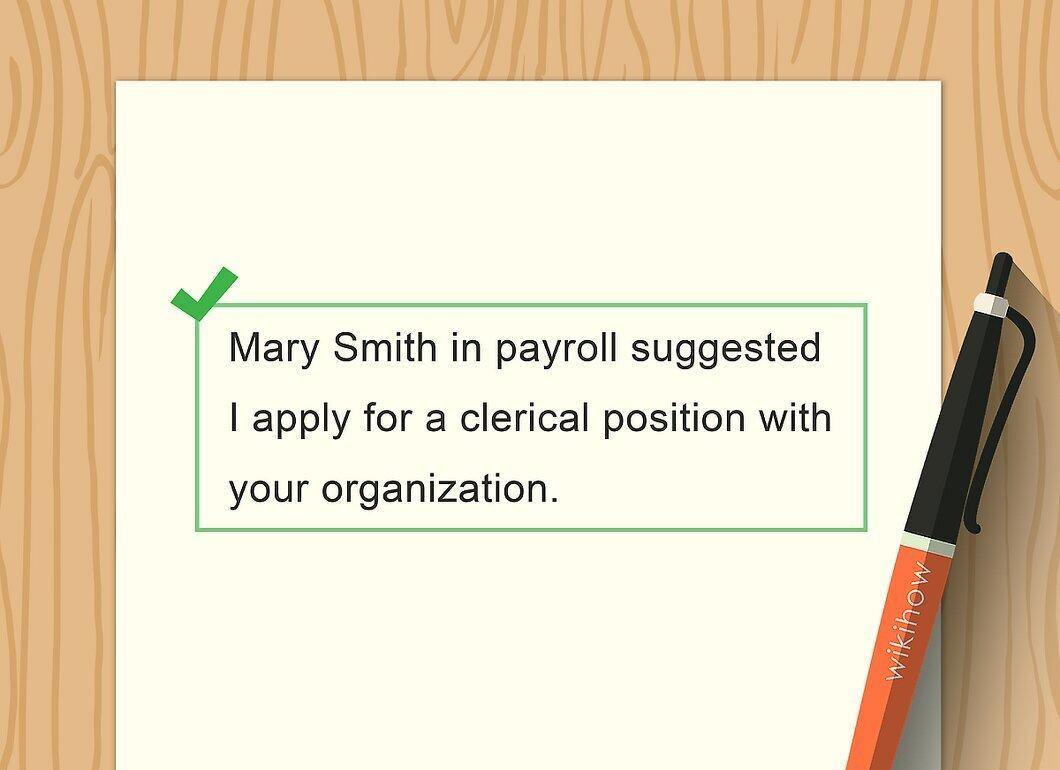
Find an opportunity to establish a personal connection. Share how you learned about the position or the company you are contacting, and describe your connection to it. After reading your letter, the employer or HR manager should have a clear understanding of who you are, why you want the job, and whether you are a good fit for it. If the connection is strong enough, you may be offered an interview and a chance to secure the position.
- If you have acquaintances in the company or someone recommended that you apply, mention this at the beginning of the letter. This can help the recipient remember you: "Oh, that’s who Ivan was talking about!" This will give you an edge and help you stand out among other candidates.
Moving to the Main Body of the Letter
Step 1. Connect your skills to the target position.
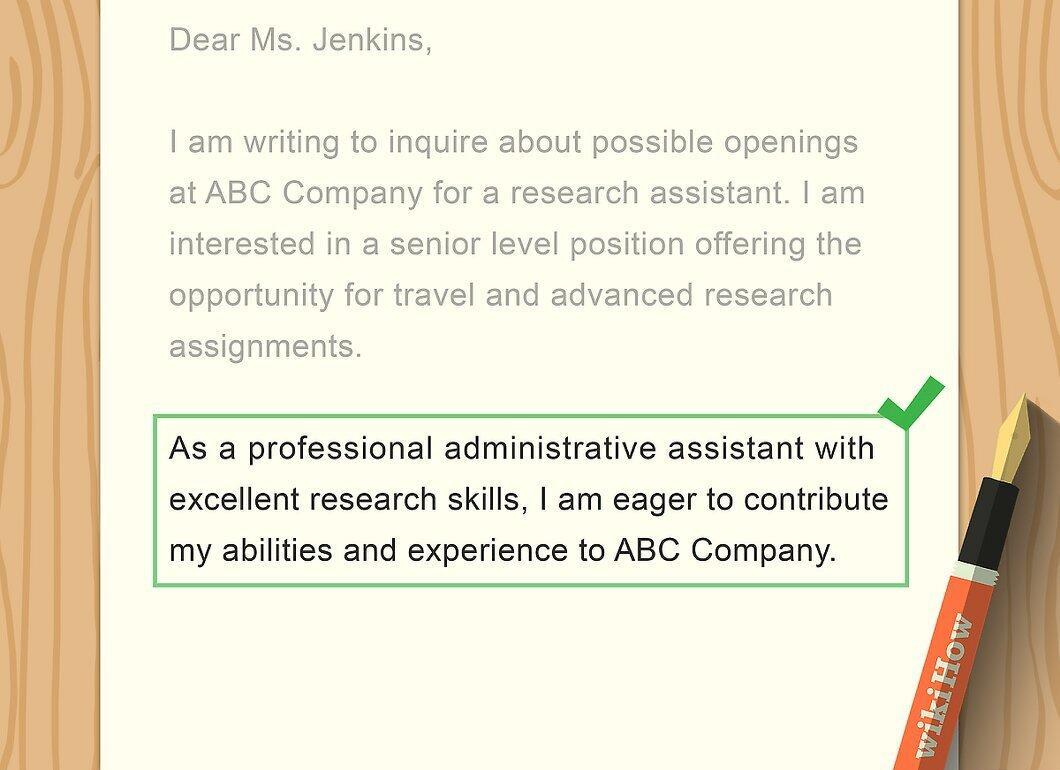
Show how your skills align with the desired position. If you want to demonstrate your qualifications, it is crucial to clearly outline this connection by explaining how your previous experience will help you tackle new tasks, whether it's a new job, a transfer, or an entirely new field.
- Describe your experience in the relevant field you aim to enter. If your letter is directed towards a specific professional area, it will be helpful to mention specific skills and competencies to increase your chances of success.
- The desired job is not the same as having the necessary skills to perform it. If at the beginning of the letter you emphasize your readiness for an interview due to excellent qualifications, there’s no need to repeat this multiple times. Phrases like "I really need this job" will not make you a more appealing candidate.
Step 2. Be extremely specific.
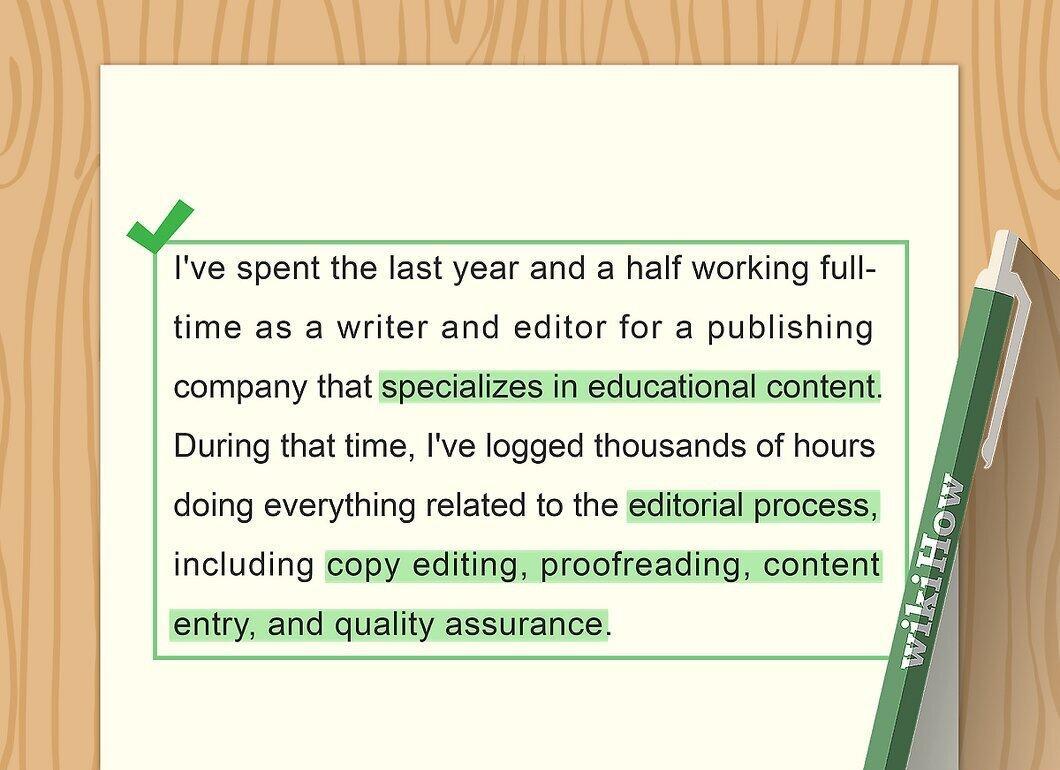
Specify the exact time you are available to meet, or explain what you expect in response to your letter. If you want to discuss your skills in an interview, say so directly. If you are available to start working immediately, don’t hesitate to communicate that. Find out as much as possible about the selection process and ask questions about the next steps.
- Focus on the letter regarding the specific job. It’s not necessary to directly mention the type of work, but keep in mind the outcome you are aiming for to ensure the letter aligns with your goal.
Step 3. Don’t duplicate information from your resume.
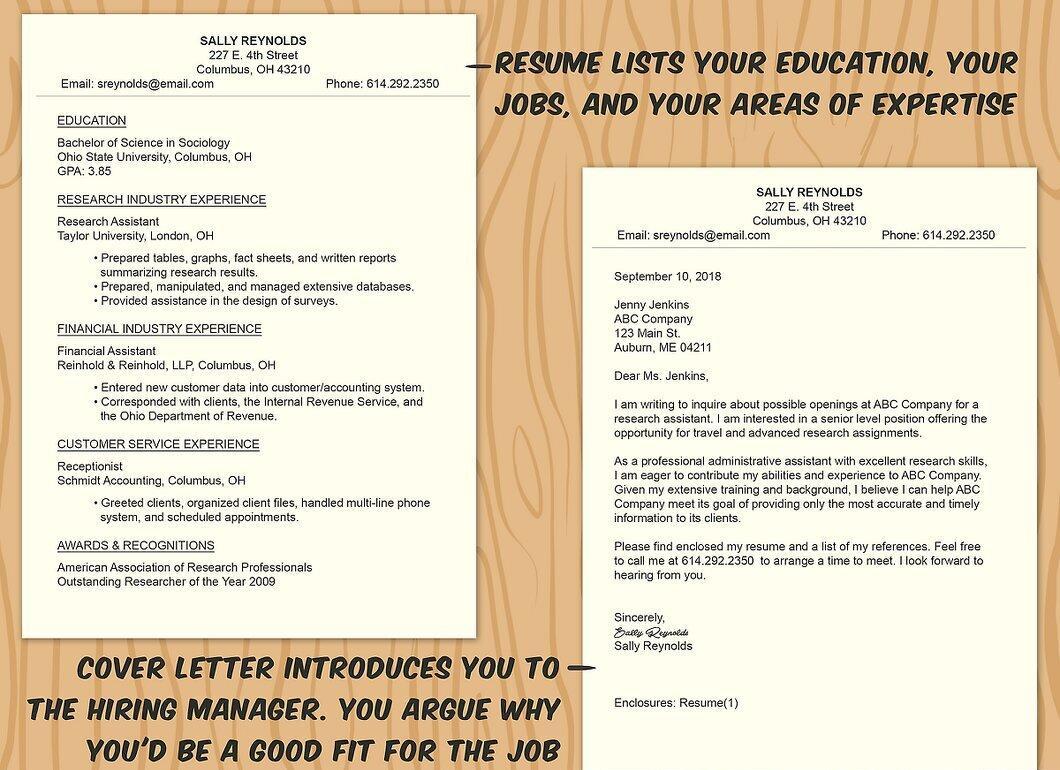
Avoid repeating information that is already contained in your resume. Listing your degrees, achievements, and connections is not the best approach for an informational letter. Repeating information available in your resume takes up space and distracts. Your goal is to "sell" yourself and take the first step towards building business relationships.
Step 4. Direct the letter with a request for an interview.
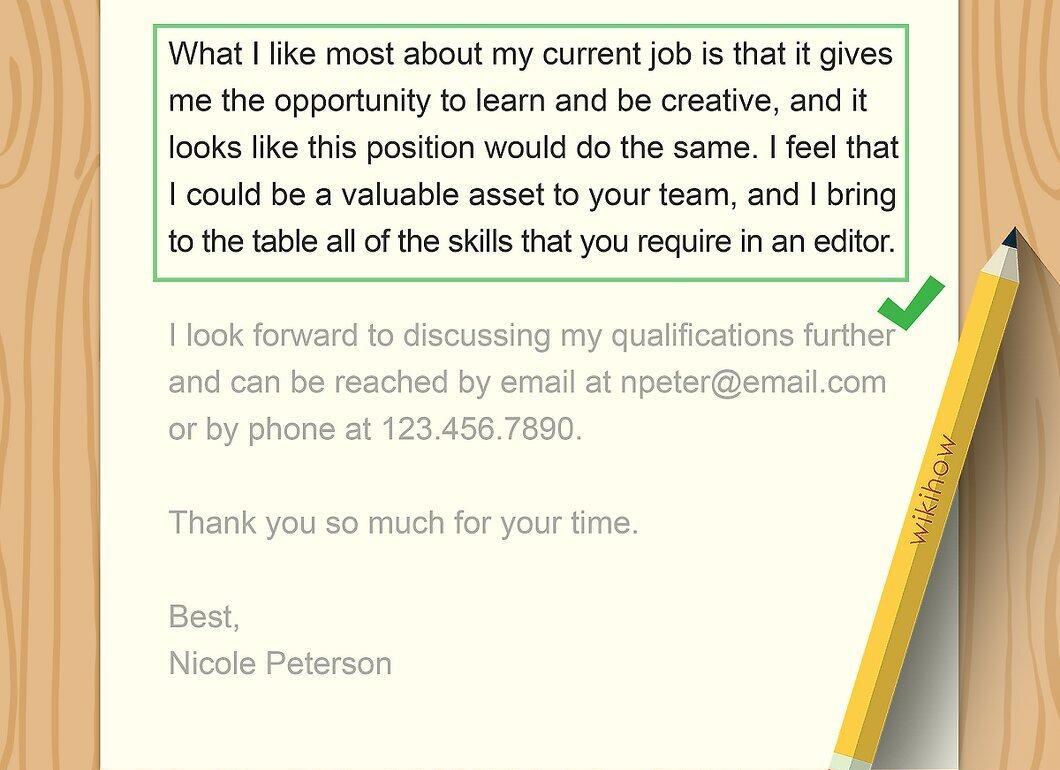
Send the letter with the goal of obtaining an interview invitation. It is unlikely that you will get the desired job solely based on the letter. It should be the first step in establishing business relationships and an opportunity to demonstrate your qualifications as a desired candidate. Therefore, it’s best to get to the point, highlight your skills and connection to the position, and then attempt to advance to the next stage, whether it’s an interview or another step in the hiring process.
- In conclusion, reiterate the key information. Before finishing the letter, it is helpful to briefly emphasize what you want, clearly and directly.
Reviewing and Editing the Letter
Step 1. Proofread and edit your text.
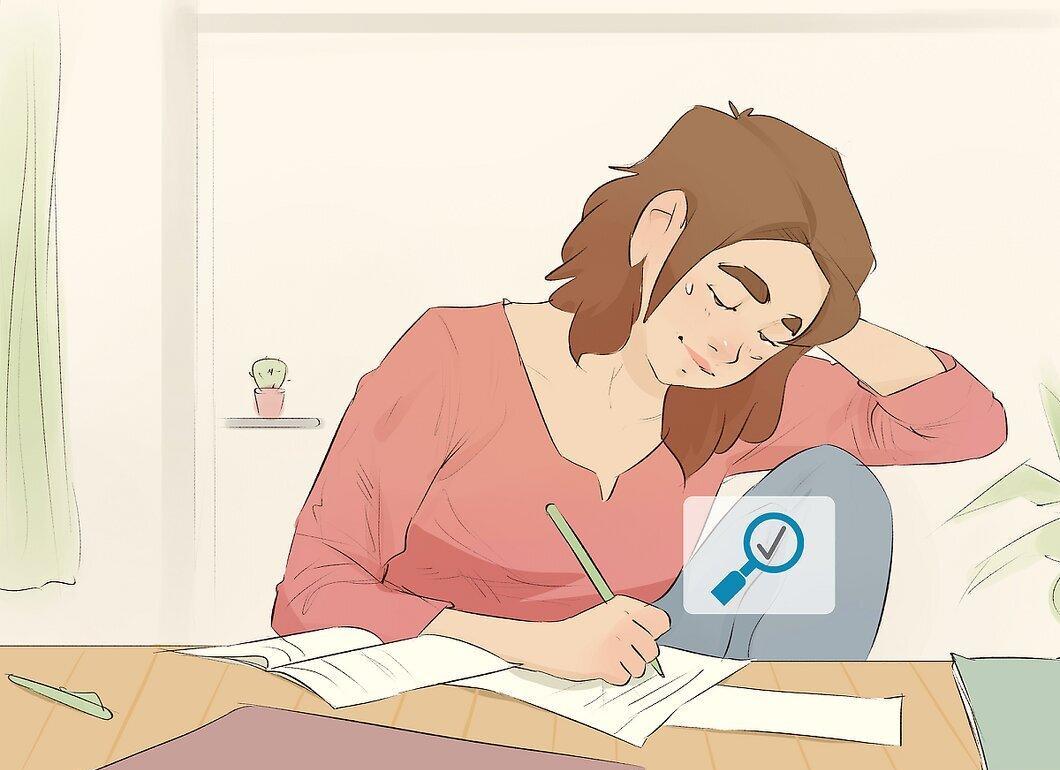
Don’t forget to proofread and edit your letter. After writing the draft, it’s important to carefully review the text and improve it. All writers know that the work is only considered finished after proofreading. Once you’ve written the letter, the hard part is behind you, but you still need to allow time for editing.
- Proofreading involves not only correcting typos and errors. Look at your letter with fresh eyes: ensure that all nouns and verbs agree, and that your thoughts are conveyed correctly, and that the letter achieves its purpose.
- When you are satisfied with the quality and content of the letter, start proofreading and look for possible errors such as typos and formatting mistakes.
Step 2. Keep the letter simple and concise.
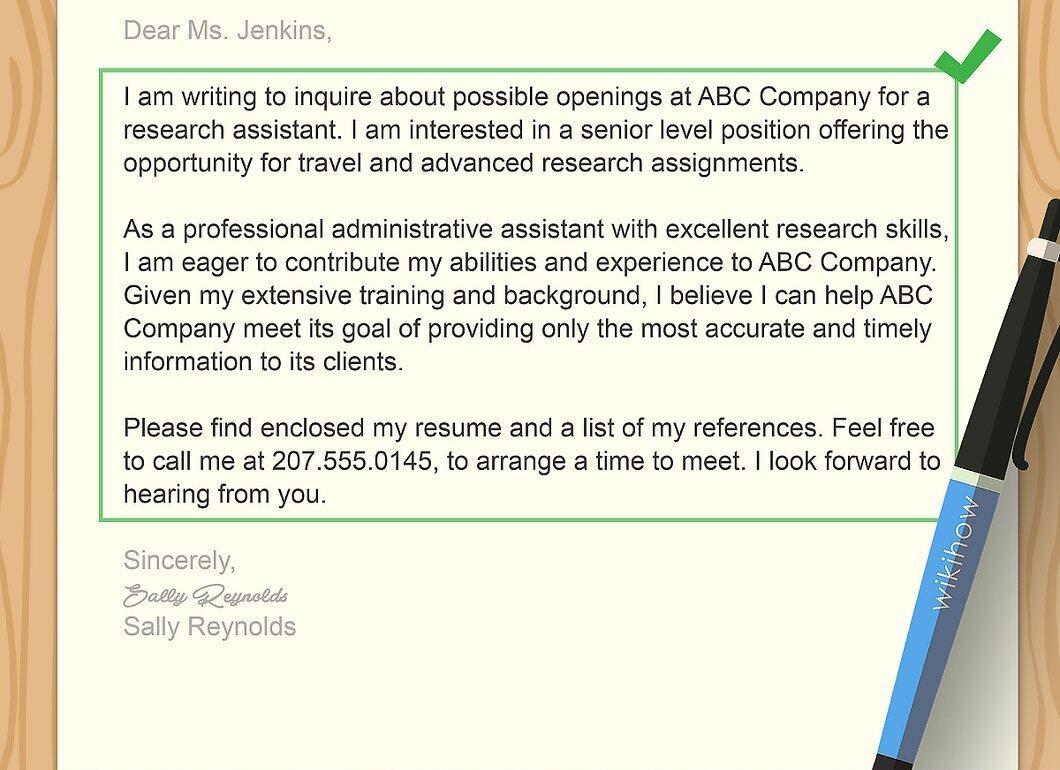
Keep the letter simple and concise. Typically, informational letters should not exceed one page or 300-400 words. Since you are writing to someone who may have a lot on their plate, long and convoluted letters are unlikely to be read carefully. It would be unfortunate if your efforts went unnoticed.
Step 3. Ensure proper formatting.
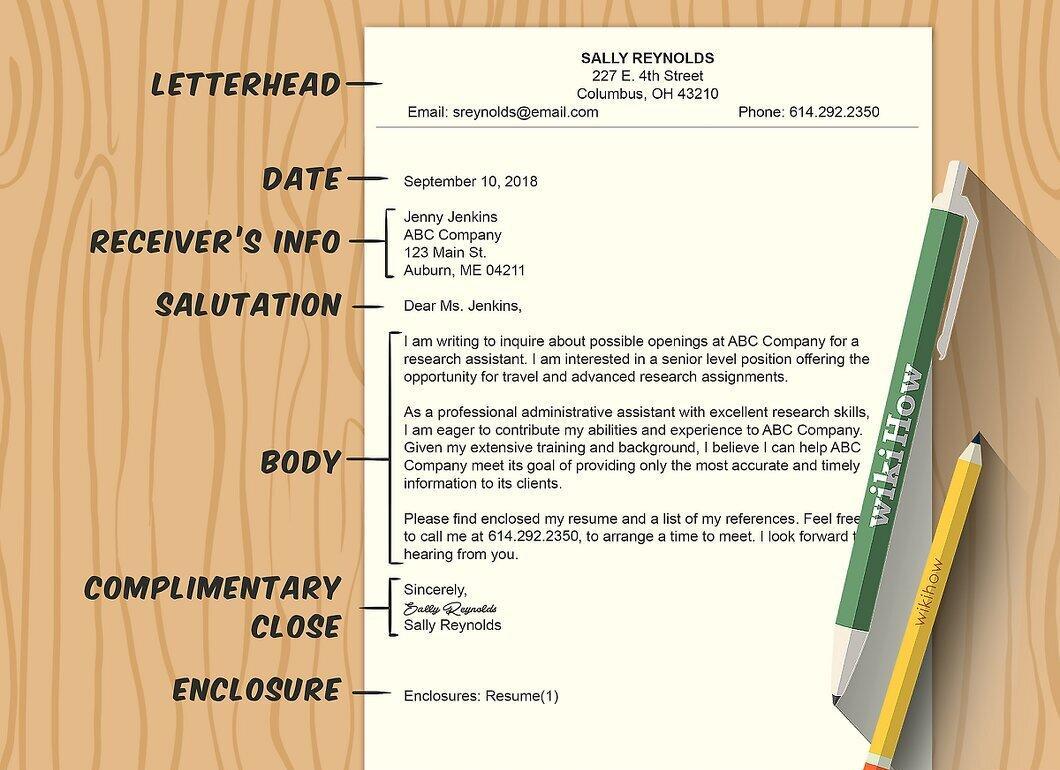
Make sure your letter is properly formatted. It should have a clear separation between the introduction, main body, and conclusion. If your letter looks like one continuous text without a greeting and contact information, the chances of receiving an interview invitation drop sharply.
- If appropriate, attach your resume at the end of the letter. The informational letter should always come first in any application package.
- Ensure that your contact details are included in the letter. As you finalize the letter, check that your email, phone number, and other important information are at the top.
Step 4. Consider adding a postscript.
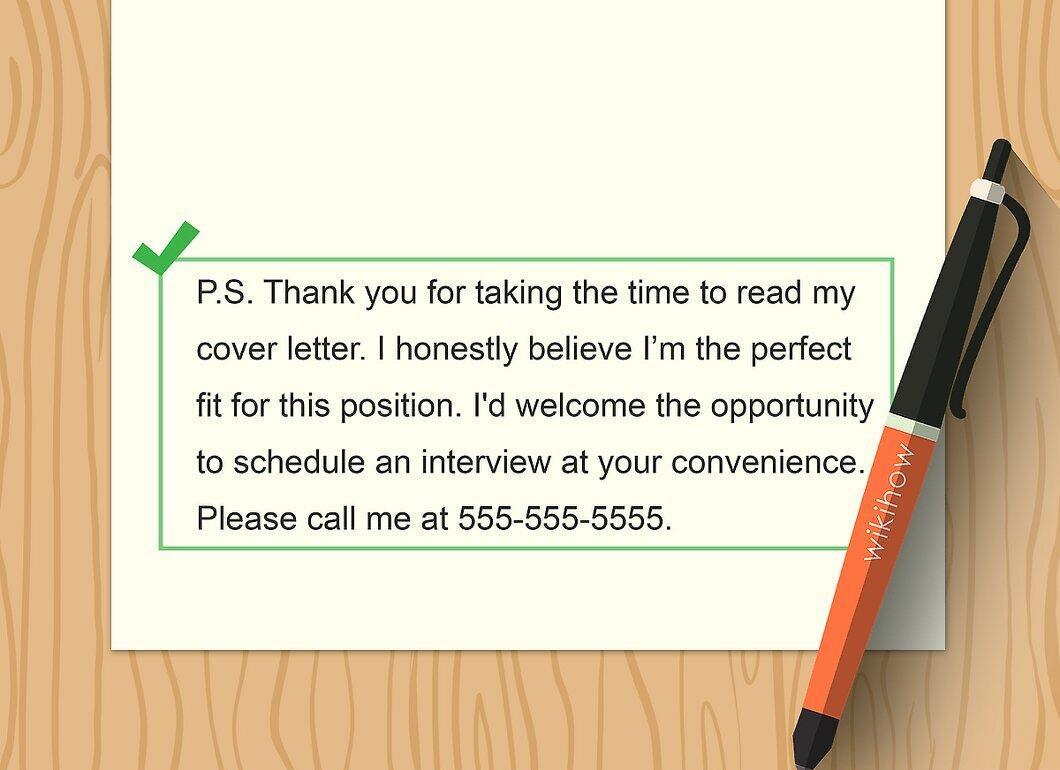
Don't forget to think about adding a postscript. Some business communication experts recommend placing important and urgent information in a P.S. at the end of the letter. This can be more effective, as many people process information in this format. Instead of leaving important details until the end of the letter, a postscript can help highlight key information and make your letter more memorable.