
In today's information-heavy world, writing an engaging article can feel like an impossible task. But don’t lose hope! No matter what type of article you're writing, you can make it attractive to your audience by following a few key steps. Start by organizing your thoughts and research, then dedicate time to writing a compelling, well-reasoned, and accurate piece. Finally, don't forget to thoroughly edit your article to ensure it looks professional and cohesive.
Define Your Topic and Gather Materials
Step 1. Seek Clarification from Your Supervisor or Instructor.

If you’re writing an article for school or work, your first step should be to clarify the assignment with your supervisor or instructor. Make sure you fully understand what is required. Ask all necessary questions upfront to avoid having to redo your work later.
- For example, if your boss asks you to write an article for a corporate newsletter, clarify whether there’s a specific topic and how long it should be.
- If it’s for a school newspaper, check with the editor about what specific issues you need to cover (like information on library renovations or new students).
- Always follow the guidelines to demonstrate your competence and responsibility.
Step 2. Create a List of Ideas.
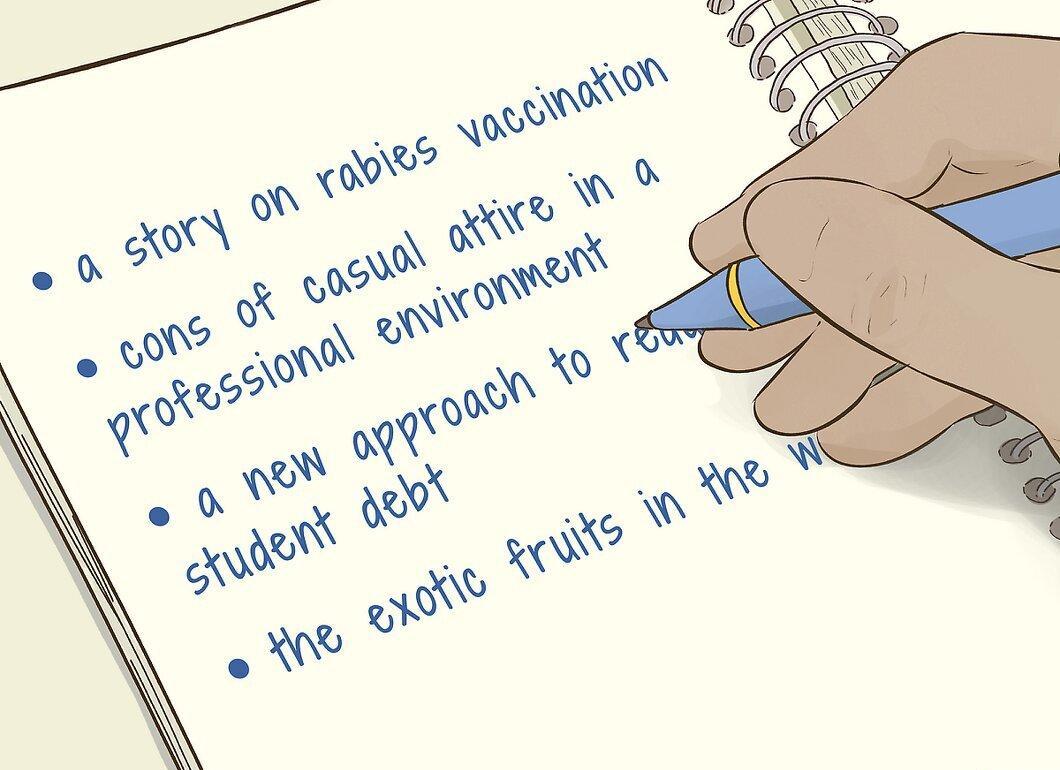
If you’re working independently, start brainstorming ideas. As a blogger or freelancer, you are responsible for content creation. To find a suitable topic, consider your audience's interests. For instance, if your blog is about cooking, focus on relevant themes.
- Set aside time to jot down everything that comes to mind. Don’t hesitate to write down even those ideas that seem unpromising— you can filter them out later!
- For a cooking blog, brainstorm topics like “Keto Menus,” “Types of Blenders,” or “Holiday Recipes.”
- Once you’ve chosen a topic, start refining it. For instance, if you settle on holiday dishes, select a specific holiday and phrase your topic as “Modern Takes on Classic New Year’s Dishes.”
Step 3. Research Your Chosen Topic to Deepen Your Understanding.

Conduct research on your chosen topic. Take time to explore information online or visit your local library for books on the subject. Depending on the type of article, you may need to do additional research.
- If you’re writing about a person or creating a news piece, it may be beneficial to interview a few individuals.
- Prepare a list of questions in advance to ensure you cover important points. Be polite and punctual. Take notes or record conversations for accurate quotes.
- For an article about holiday dishes, you can ask friends about their preferences and research food safety facts to provide helpful tips.
Step 4. Use Only Reliable Sources.

Choose credible sources of information. To make your article authoritative, use current and unbiased materials. When searching online, check the author’s name and the page’s update date. If no author is listed, it’s better to look for another source. Electronic encyclopedias may be an exception, but even then, check whether other sources were used to confirm the facts.
- Depending on the topic, the relevance of the source can vary from a few months to several years. Typically, the most accurate data is the most recent information.
- For example, if you’re writing about the latest trends in holiday cooking, you shouldn’t refer to a cookbook from 1975.
Step 5. Take Notes to Organize Your Thoughts.
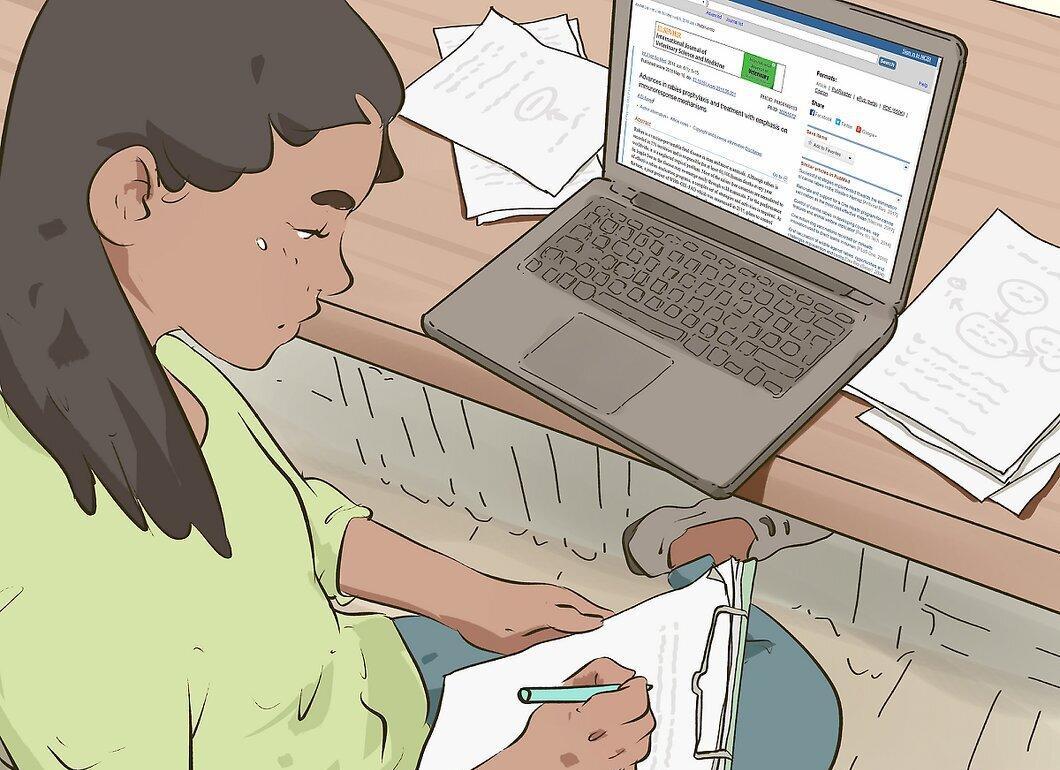
Write notes to systematize your ideas. Well-organized data will help you easily reference them when you start writing. Choose a method that works for you: it can be handwritten notes or a notes app on your phone.
- Be sure to document all important details: names, dates, facts, statistics, and sources.
- Store your notes in an easily accessible file on your computer or in an app on your phone. If you prefer paper notes, keep them in a folder for easy retrieval.
Write a Draft
Step 1. Start with One or Two Attention-Grabbing Sentences.
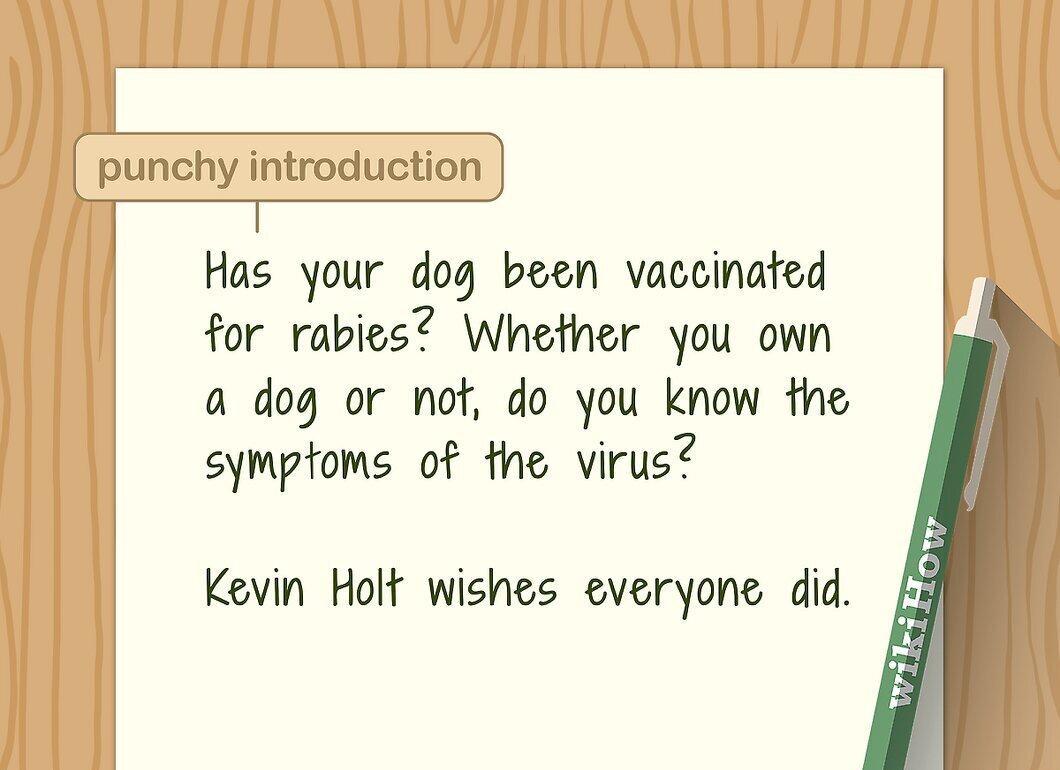
Begin with one or two intriguing sentences that capture attention. If your article doesn’t start with a captivating introduction, readers might skip it. Aim for a short opening that piques your reader's curiosity—this could be a question or an interesting fact.
- For example, you might write: “Tired of the same old roasted chicken for New Year’s? Bring something new and exciting to your holiday menu!”
Step 2. Avoid Long Paragraphs.
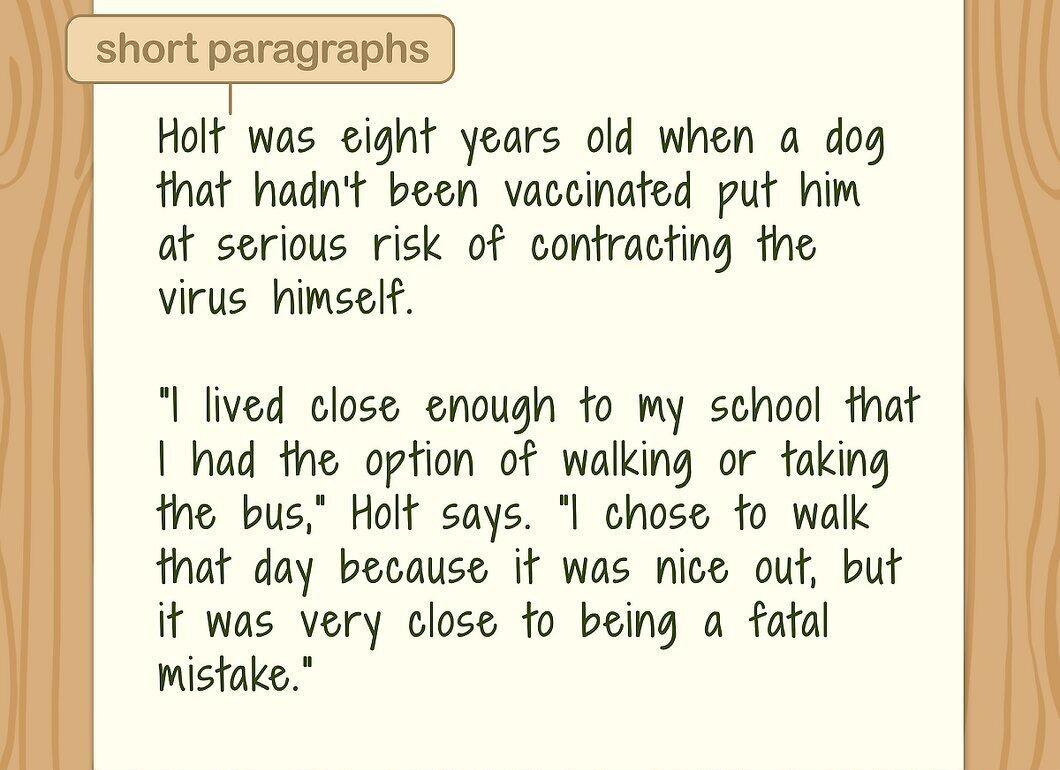
Don’t overwhelm the text with long paragraphs. You don’t want your reader to lose interest after attracting their attention. Long and complex paragraphs can be tiring, so aim for brevity. Paragraphs of three to four sentences look more inviting and keep interest.
- Avoid discussing more than one idea in a single paragraph to make it easier for readers to absorb the information. For instance, don’t mix discussions of side dishes and table settings in one paragraph— these are different topics.
Step 3. Include a Story to Engage the Reader.

Add interesting facts or a compelling story to bring your article to life. Simply stating your opinion or presenting a list of instructions may come off as dull. For example, if you’re writing about new laws for small businesses, interview a local entrepreneur and discuss how these changes affect their business.
- In an article about holiday dishes, you might share memories of ingredients that remind you of holidays spent abroad.
Step 4. Provide Useful Information for Readers to Take Away.
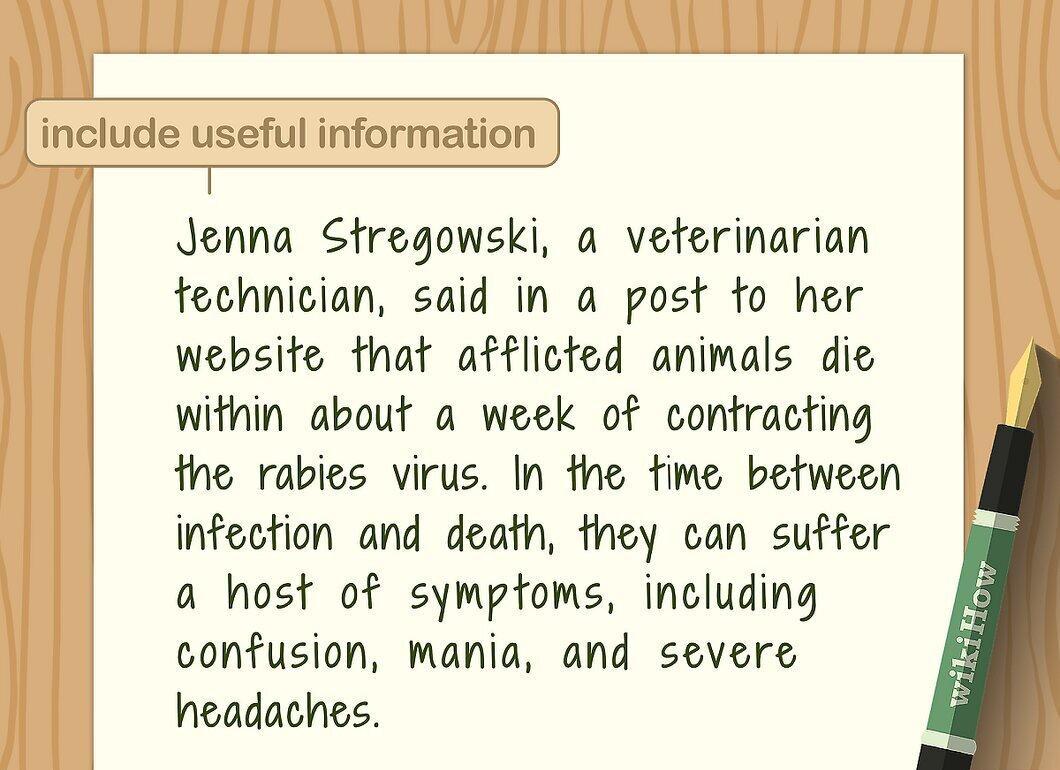
Make sure to include practical information for readers to learn something new. Interesting stories are great, but it’s also important to offer useful data. Review your notes and select the most relevant facts. For example, if you’re writing about a New Year’s feast, add tips on serving dishes, cooking times, and recipes. Avoid overwhelming the text with unnecessary details. Be judicious and focus on the most important points. You don’t need to include recipes for multiple types of pies.
- It’s not enough to just say how much you enjoy hosting a vegetarian dinner on New Year’s; provide specific examples of what can amaze your guests.
- Remove anything that isn’t related to the topic. Even if you have a funny story about a childhood costume, it’s not what your reader is looking for. Stay on topic, even when it comes to personal memories.
Step 5. Stick to Word Limits to Stay Focused.

Adhere to the word limit to avoid drifting off-topic. If you’ve been assigned to write an article, you’ve likely already been given a required word count. Just stick to that volume! If you’re blogging or writing another piece, set parameters for yourself. Articles in blogs or advice pieces typically contain around 500 words, while academic papers can be significantly longer.
Step 6. Take a Break if Inspiration Runs Dry.

If you’re feeling uninspired, don’t hesitate to step away from your work. Writing isn’t easy, and crafting a good text takes time. If you’re struggling to find the right words or articulate your thoughts, take a break. A walk or a snack can help refresh your mind and overcome writer’s block.
- If you’re stuck, don’t hesitate to leave the article overnight and revisit it the next day with renewed energy.
Edit the Article
Step 1. Use Spell-Checking Programs.
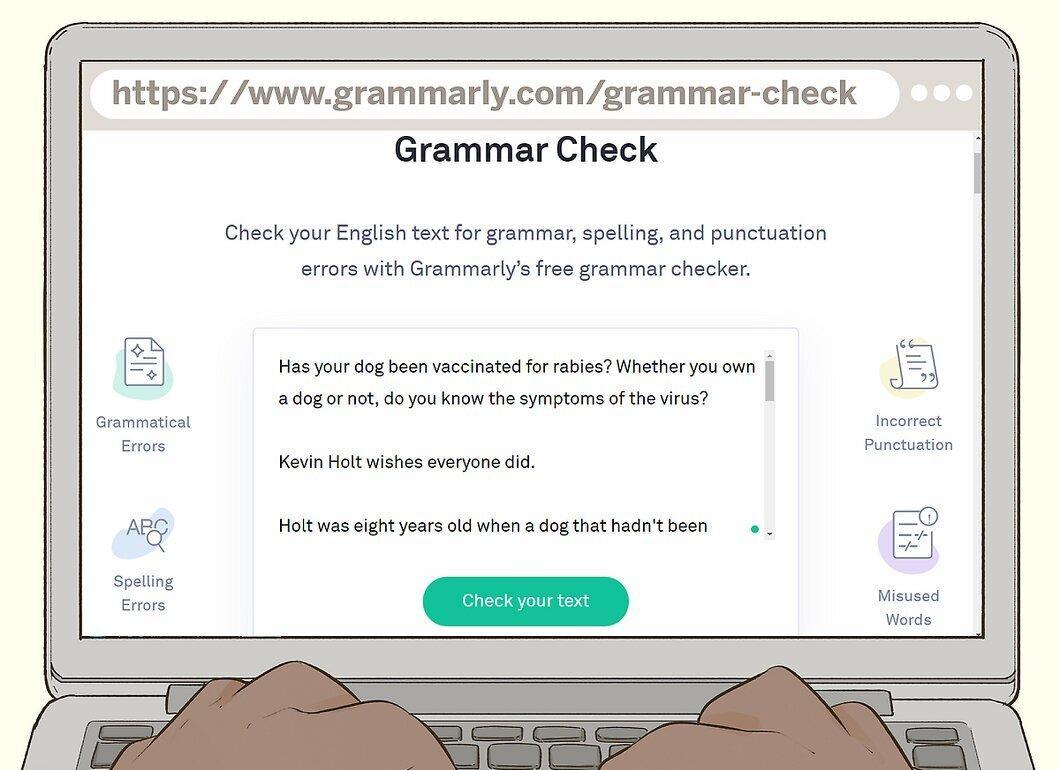
Utilize spelling software to identify errors. If you’re writing in Microsoft Word, it automatically checks for basic typos. There are also online services that can assist with editing. You can copy your text onto such websites or install a browser extension to have the program check your work automatically.
- Here are a few popular options: OrfoGramka, ORFO online, text.ru, and LanguageTool.
- These tools will help identify spelling mistakes, fix grammatical issues, and make your text more concise.
Step 2. Reread the Article Several Times to Identify Flaws.

Read the text several times to spot flaws. While technology is helpful, don’t rely on it entirely. During the editing process, carefully review the text to find areas that can be improved. You might notice that smoother transitions between topics are needed or that you've forgotten to cite sources. Programs can’t catch these nuances.
- During each reading, focus on different aspects. For example, in the first read, concentrate on stylistic errors, and in the next, focus on the tone of writing.
- Read the text aloud; this will help identify phrases that don’t sound quite right.
Step 3. Ask for Feedback from a Friend or Loved One.

Get feedback from a friend or family member. Feedback before publication will bolster your confidence. Ask someone close to you to take a look at your article. Be open to constructive criticism.
- For instance, you might say: “Tanya, could you read my text? I’d really appreciate your opinion if you have the time.”
Step 4. Make All Necessary Revisions.

Incorporate all revisions. After rereading and receiving feedback, apply the suggestions. If your friend suggested adding a personal example, now is the time to do it. After correcting all errors and checking the text, you’re ready to submit your article for publication.
Step 5. Remove Unnecessary Details.

Eliminate excessive information. This can be challenging, especially if you’ve put a lot of work into the text. However, there are usually places where cuts can be made. Look for repetitive points or irrelevant examples. Simplifying the text will make it clearer for the reader.
- For example, instead of saying, “Since many people love decorating Christmas trees with garlands, eating Olivier salad, and gathering around the table, celebrating New Year’s has become a tradition,” you could say, “A decorated tree, Olivier salad, and time with family—these are just a few reasons why people love New Year’s!”