An autobiographical essay is your chance to share a personal story. However, let's face it, sometimes it can be trickier than it seems. Whether you're writing it for school, as part of an application, or simply for yourself, there are several key points and strategies that can assist you in this process. Keep reading to learn how to create a compelling essay that leaves an impression.
Developing a Plan
Step 1. Find an Engaging Story.
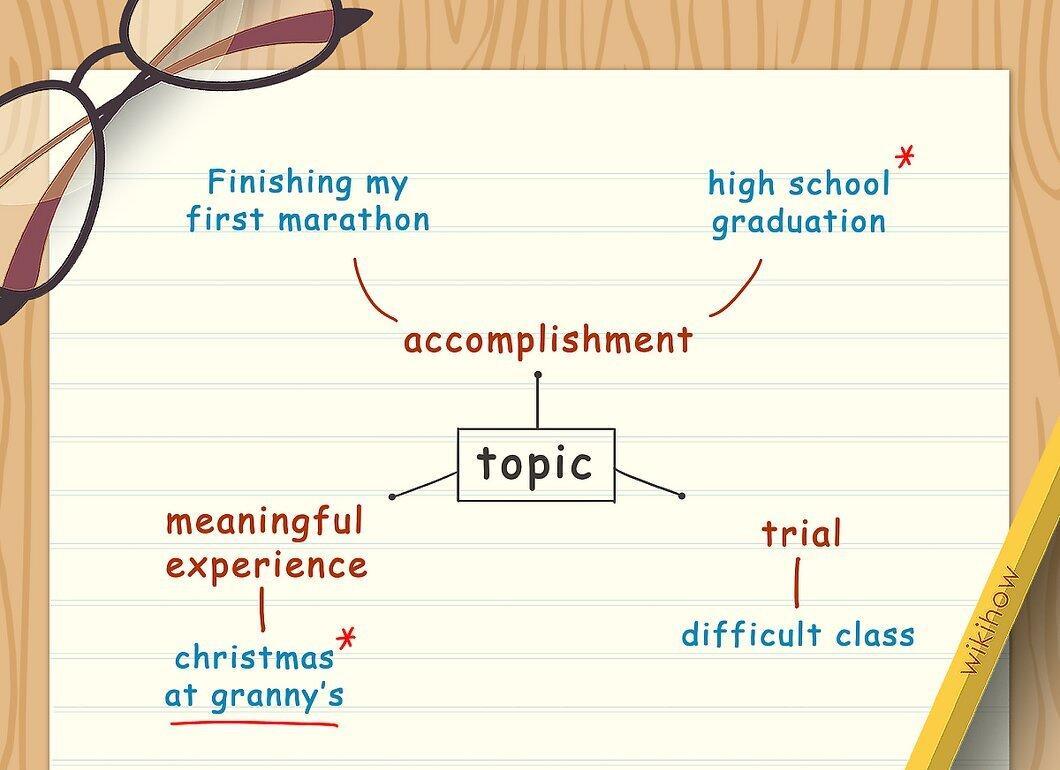
Choose a story that is truly meaningful to you. Ideally, it should be a moment you remember well. Don't attempt to cover your entire life — that requires a whole book. Instead, focus on a specific event that can be explored in detail in your essay. Here are a few ideas:
- Personal success – winning a competition, landing a job, or graduating.
- Challenge – a difficult subject, an injury, or a loss.
- Significant experience – discovering a hobby, forming a friendship, or going to camp.
Step 2. Define the Purpose of Your Writing.
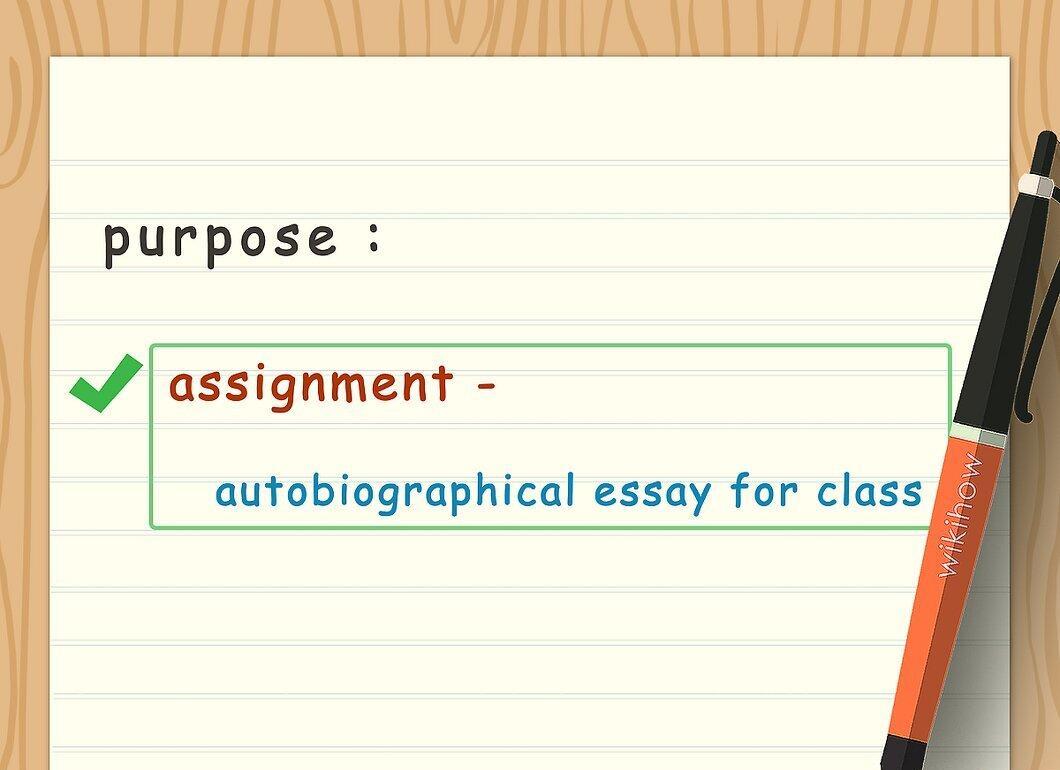
Why are you writing this essay? What is your goal? If you're including it in an application, carefully review the requirements. If there's a specific question or prompt, make sure you address it in your essay. If it's a school assignment, check if your story meets the given criteria. Don’t hesitate to ask your teacher questions if something is unclear.
Step 3. Consider Your Audience.
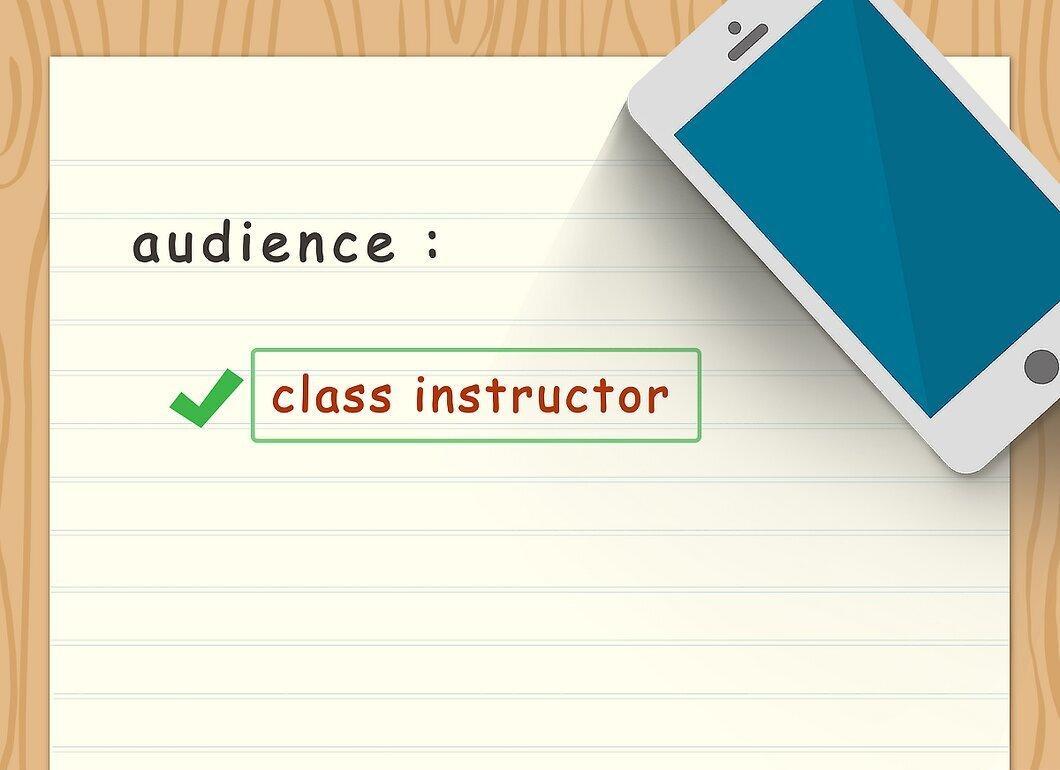
Think about who will be reading your essay. It's important to understand what might interest your readers even before you start writing. Make brief notes about what they might expect.
- If it's an application, consider what’s important to the potential reader.
- If it's a school assignment, try to anticipate what the teacher expects.
Step 4. Brainstorm Possible Ideas.
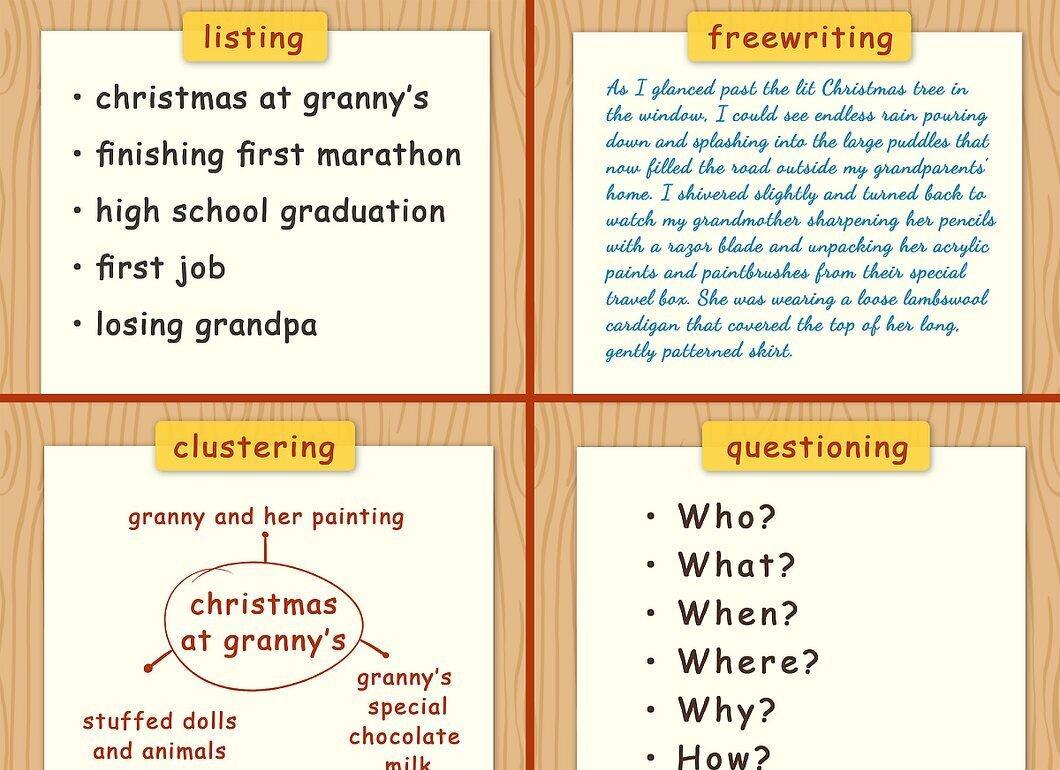
Before you start writing, think through different ideas and take notes. Use methods such as brainstorming, free writing, mind mapping, and answering questions.
- Brainstorming. Write down all your thoughts and group similar ideas. Then, add new thoughts.
- Free writing. Set a timer for 10 minutes and write everything that comes to mind. Afterward, highlight the most significant aspects.
- Mind mapping. Write your topic in the center of the page and add ideas branching out from it.
- Questions. Create a list of “Who? What? When? Where? Why? How?” questions and provide detailed answers.
Step 5. Create a Structure.
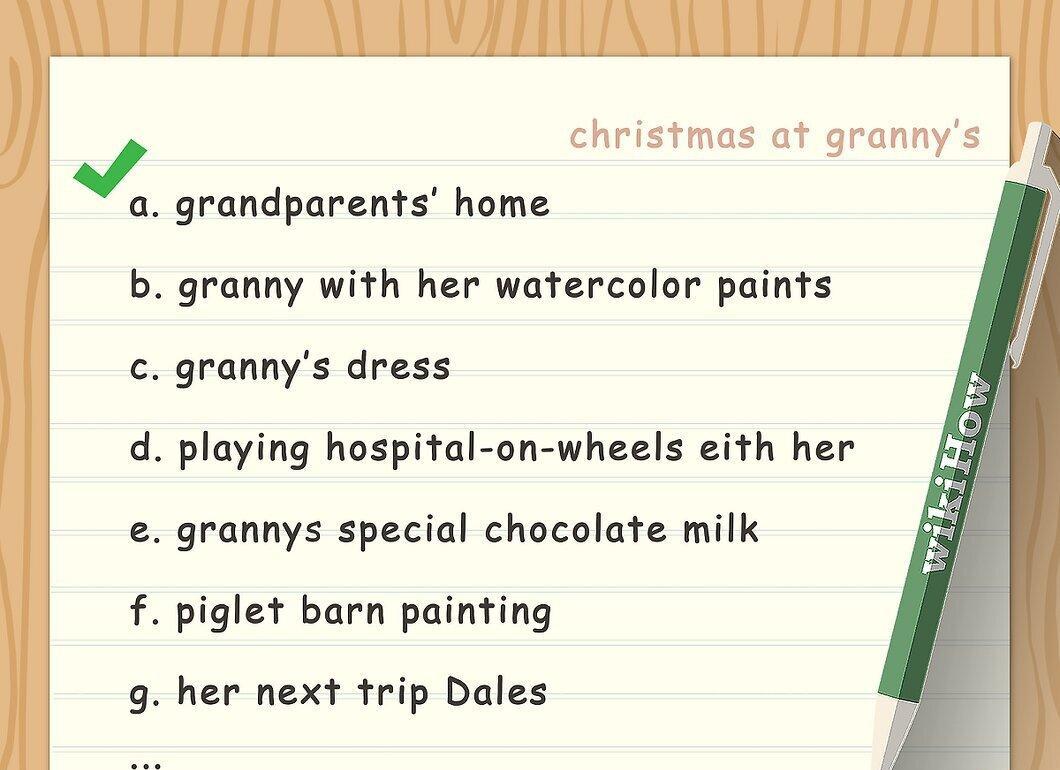
After gathering ideas, start organizing them into an outline for your essay. This will help you structure the text, develop ideas, and ensure you don’t overlook important points.
Writing the First Draft
Step 1. Point of View.
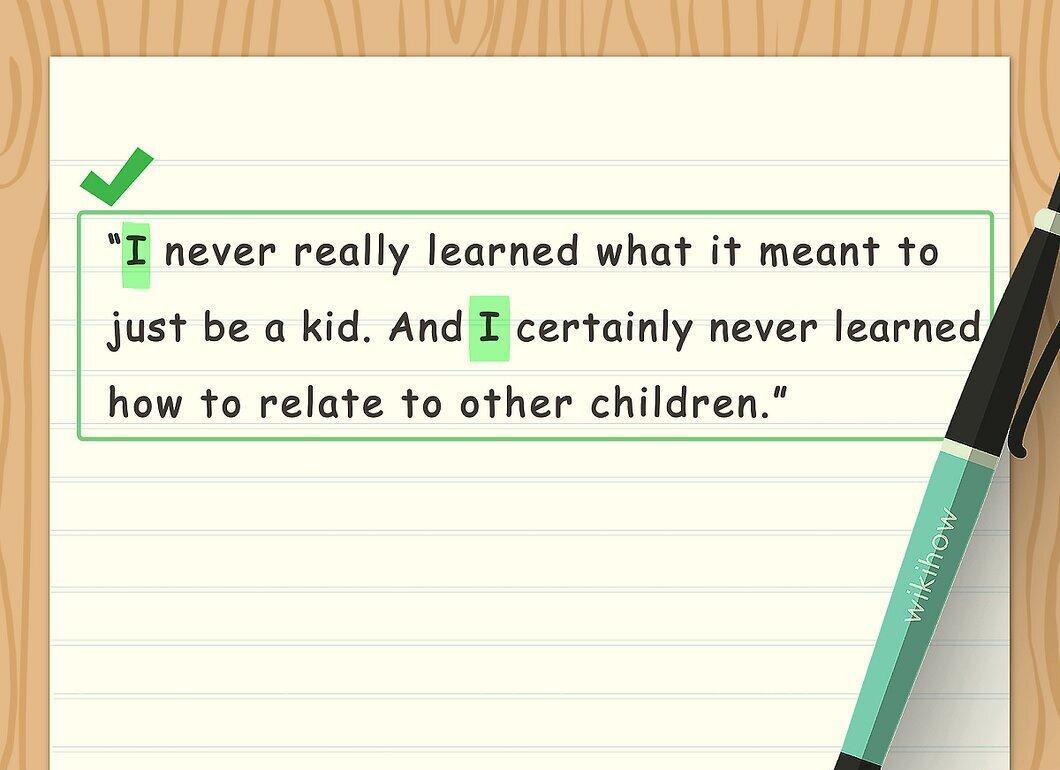
Write in the first person (I, my, me), as you are sharing your experiences.
- Avoid using the second person (“you”) and do not switch between “I” and “you.” Everything should be written from a first-person perspective.
Step 2. Start with an Engaging Introduction.

The introduction should immediately capture the reader's interest and set the tone for the entire story. Decide what you want to convey to choose the right opening.
- Don’t drag it out. One way to start your essay is to dive straight into the action. For example: “I stood before the entire class and read my story.”
Step 3. Describe the Setting.
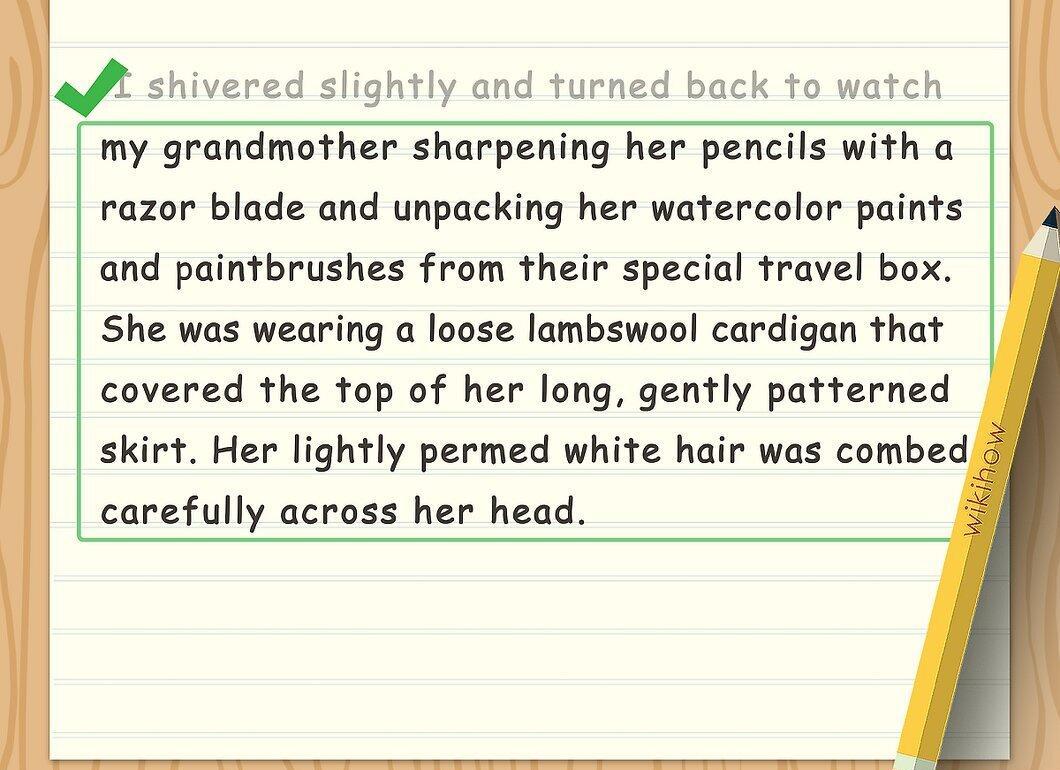
Use vivid details to describe the setting of the events. This will help readers better understand the context.
- Try to intrigue the reader. For example, start with a phrase like: “I never thought I would be so happy in that moment.”
- Avoid overly general descriptions. Starting with “Once upon a time…” is not effective — it won’t engage the reader.
- Use quotes only if they are meaningful to you and will be elaborated on in the text.
Step 4. Transition to the Main Plot.
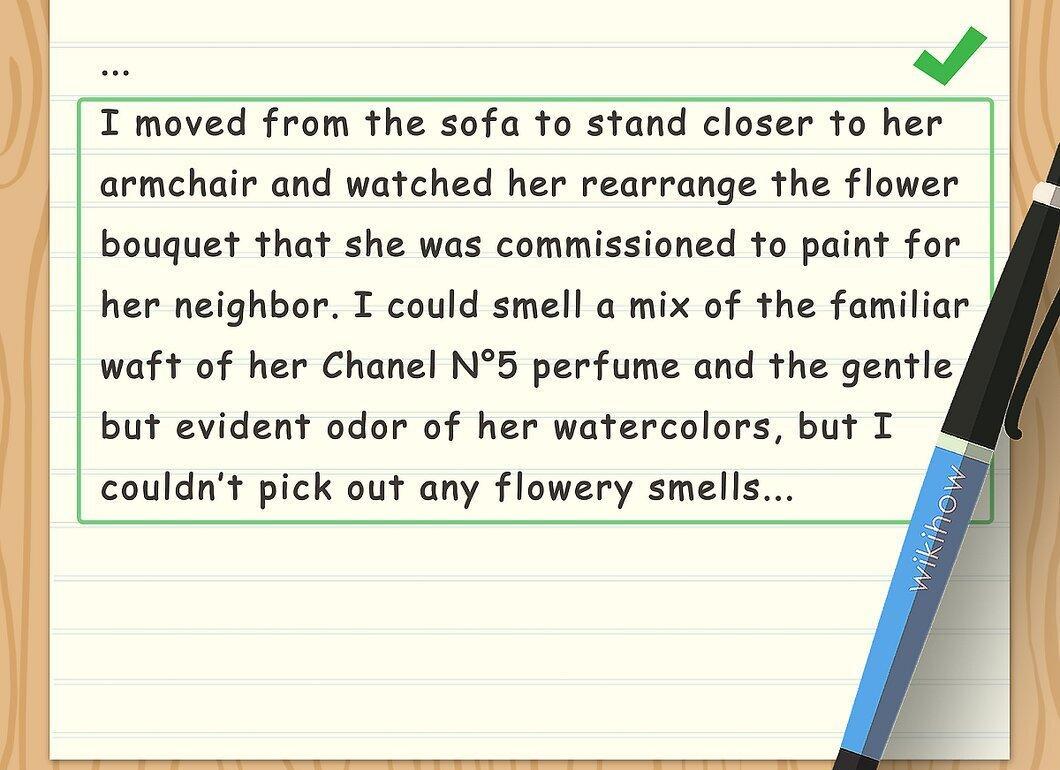
After the introduction, move on to the main story. The last sentence of the introduction should pique interest in what comes next.
- For instance, you might say: “That’s when the toughest year of my life began.”
Step 5. Key Events.
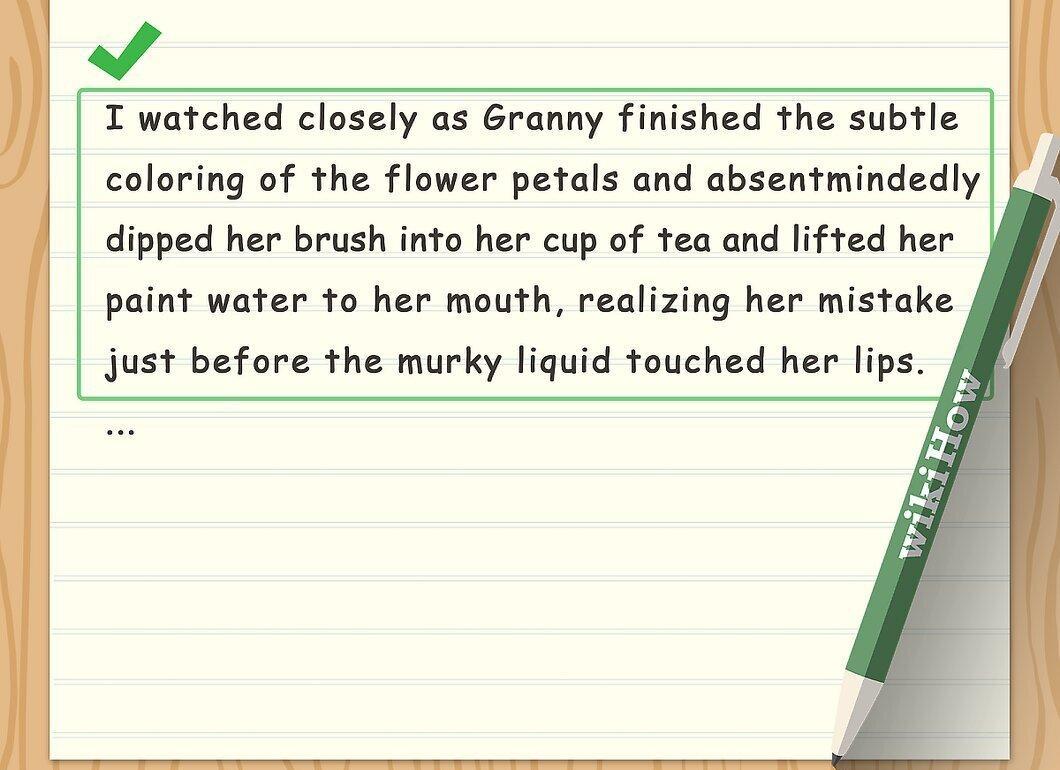
After the introduction, readers want to see a coherent narration of events. Don’t overlook important details that might be interesting.
Step 6. Conclude the Story.
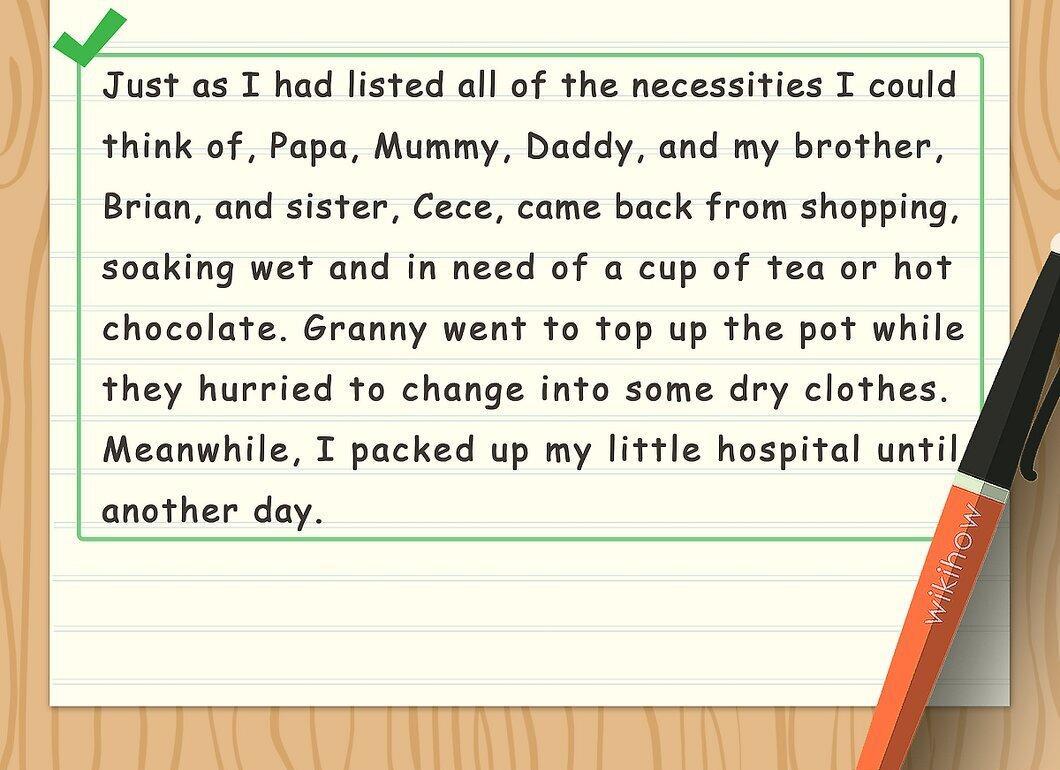
The conclusion should be memorable. At the end, summarize and share your reflections on what happened.
- Explain why this story is important to you and what lessons you learned.
- In closing, you might refer back to the beginning of your story to create a circular effect.
Enhancing the Text
Step 1. Add Details and Dialogues.
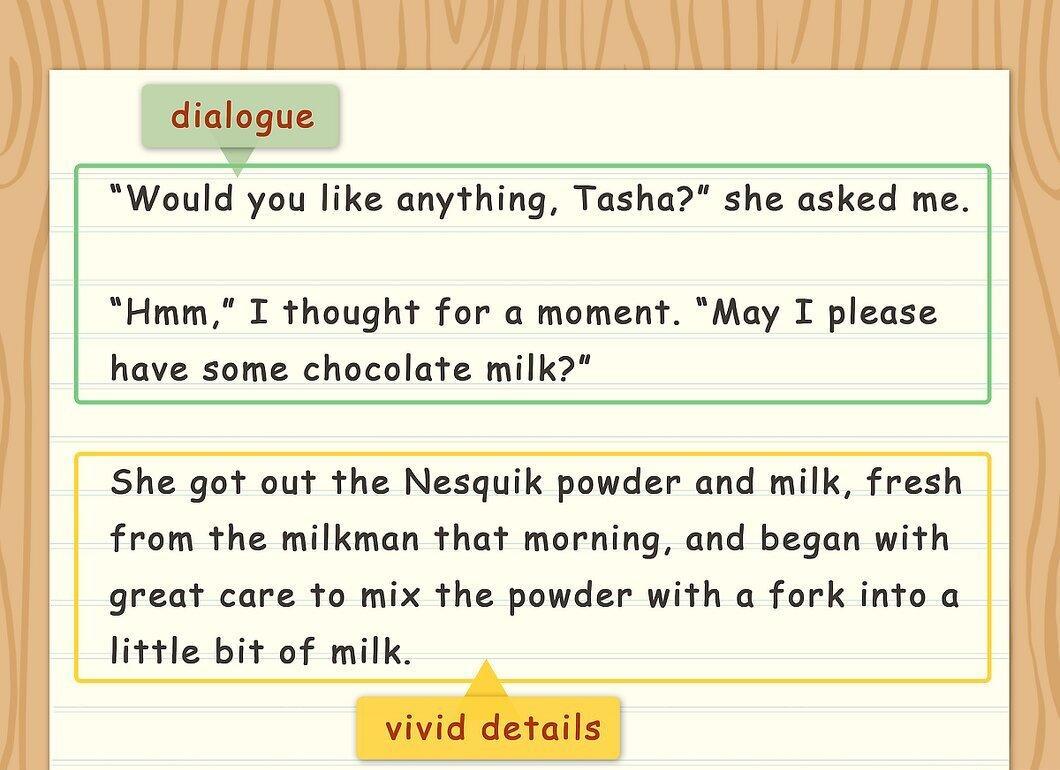
Adding details and dialogues will make your story more lively and engaging.
- When describing clothing, instead of saying “a blue dress,” say “a dress the color of the evening sky with lace sleeves.”
- Instead of “I was nervous,” describe your trembling hands and shaky knees.
- Rather than just mentioning a conversation, recreate the dialogue itself.
Step 2. Use a Non-Chronological Approach.
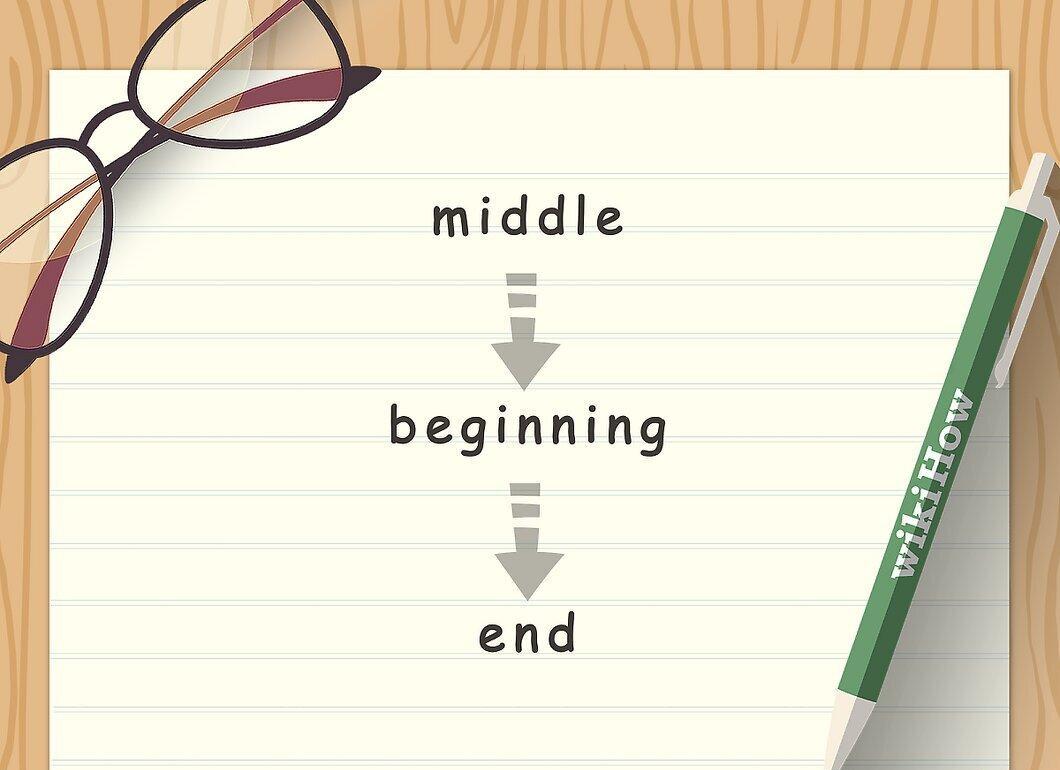
You don’t have to follow a chronological order. Consider various ways to present the plot.
- Chronological order is good if you want to start from the beginning and move through the story.
- If you want to immerse the reader in the events right away, start in the middle and then go back to the beginning.
Step 3. Be Yourself.
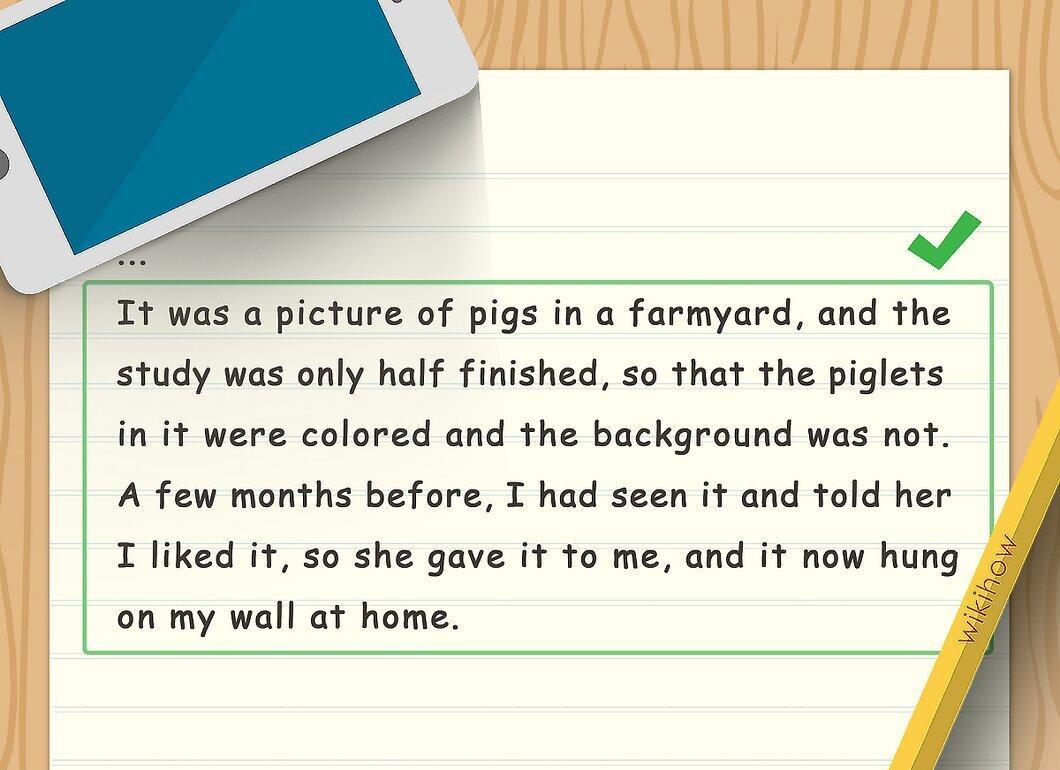
Don’t pretend to be someone you’re not. Your essay should reflect your true feelings and experiences.
- Don’t be afraid to use humor if it fits the overall tone of the story. Avoid sarcasm or dark humor in sad narratives.