A dystopian novel immerses readers in a world where humanity faces significant challenges. This genre provides a unique opportunity to analyze technological and social dilemmas, as well as the role of government institutions in the future. If you want to write a dystopia, start by brainstorming ideas and studying successful examples before moving on to create well-thought-out characters and a detailed world.
Generating Ideas for Your Dystopian Novel
Step 1. Explore contemporary technologies that intrigue you.
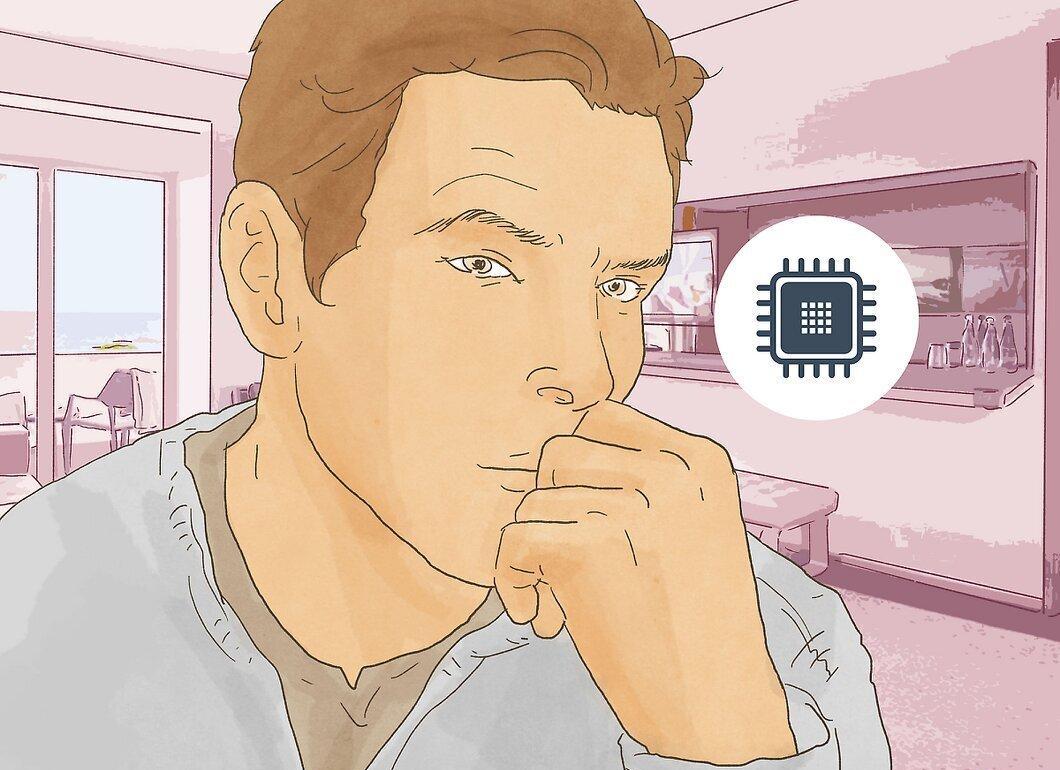
Consider modern technologies that fascinate you. Dystopias often highlight how technology can impact society. You might focus on autonomous vehicles and their implications for humans in the future, or examine the influence of social media on human interaction.
- Try adapting existing technology by adding elements that complicate life for people or limit their interactions.
- You could also invent a unique version of technology, such as a communication system based on social media likes.
Step 2. Choose a global issue.
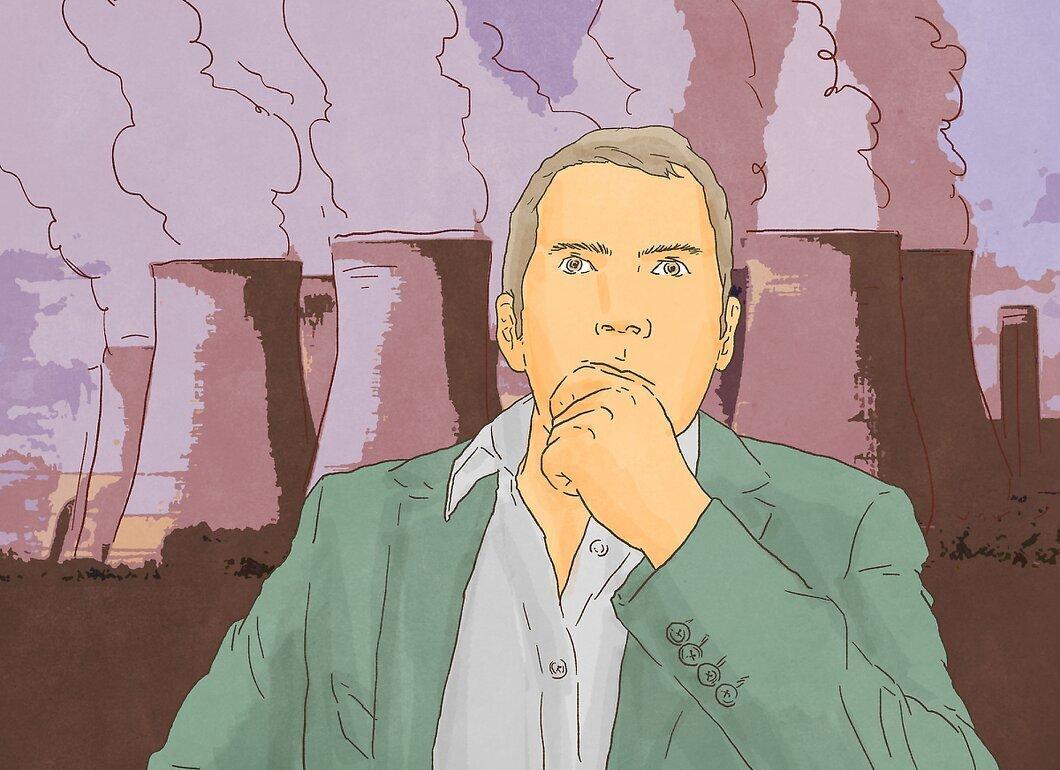
Identify a global issue that concerns you. Dystopias often tackle pressing issues, critiquing them in the process. You might be interested in themes like climate change or social inequality. Think about how you can reflect these issues in your work, using them as a central theme.
- For example, you could envision a world where climate change has led to submerged cities and a shortage of oxygen.
Step 3. Consider social or cultural issues.
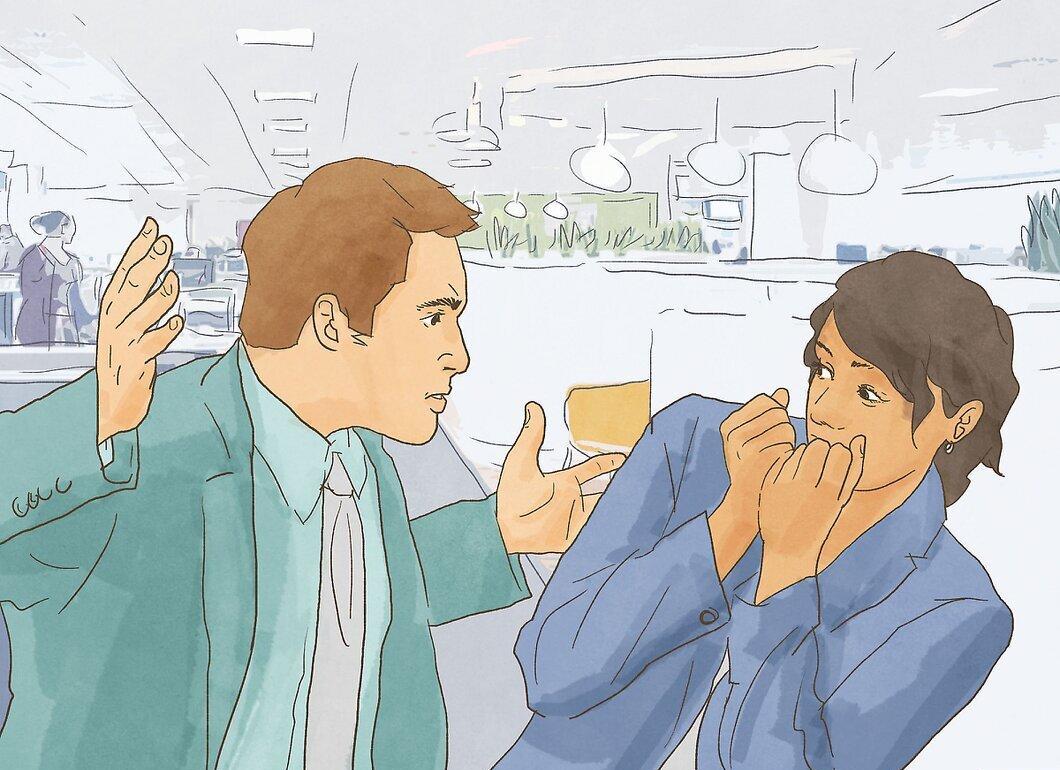
Use social issues, such as gender or racial inequality, as a key theme for your novel. Explore these matters through the lens of your characters and their environment. You can also touch on cultural aspects, such as the loss of ethnic values or the destruction of monuments.
- For instance, you might create a grim scenario where only an elite group of men lives in comfort while women and the elderly are forced to survive under terrible conditions.
Step 4. Ask the question: "What if?"
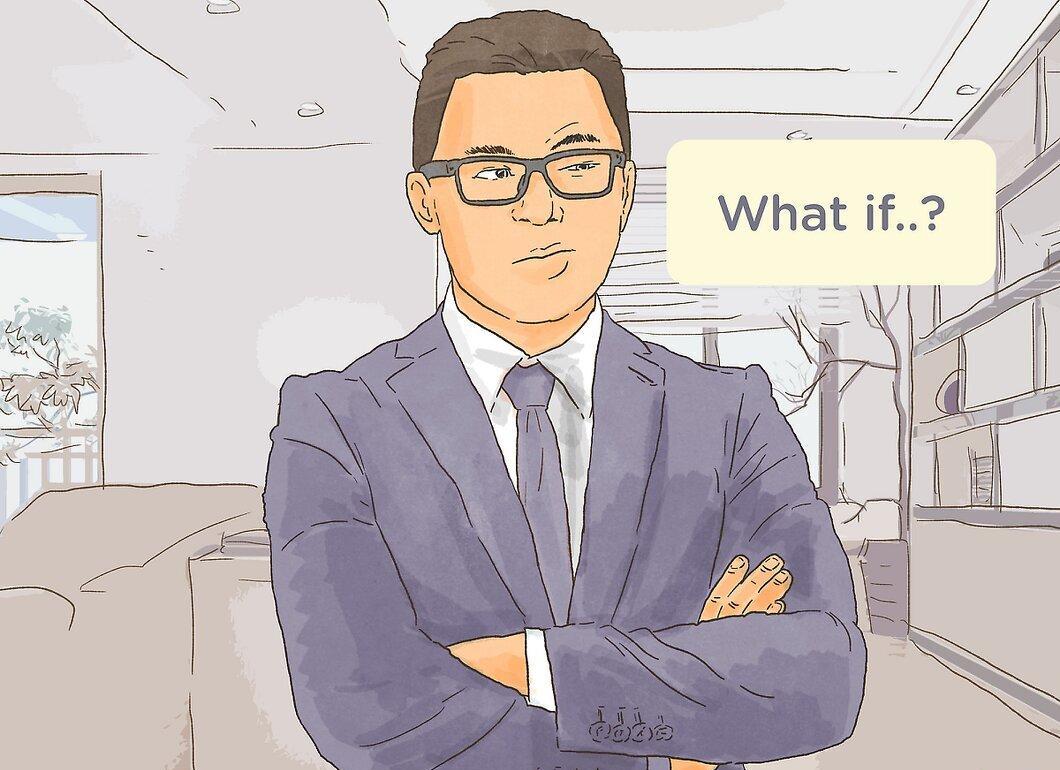
Pose the question: "What if?" Try to envision the possible consequences of various events and their impact on the future. In dystopias, such questions often lead to grim outcomes. Consider what would happen if your ideas became reality.
- For example, what if a group of people in power stripped others of their rights? Or if women were used solely for reproduction? What if the world fell under the control of large corporations?
Step 5. Familiarize yourself with examples of dystopias.
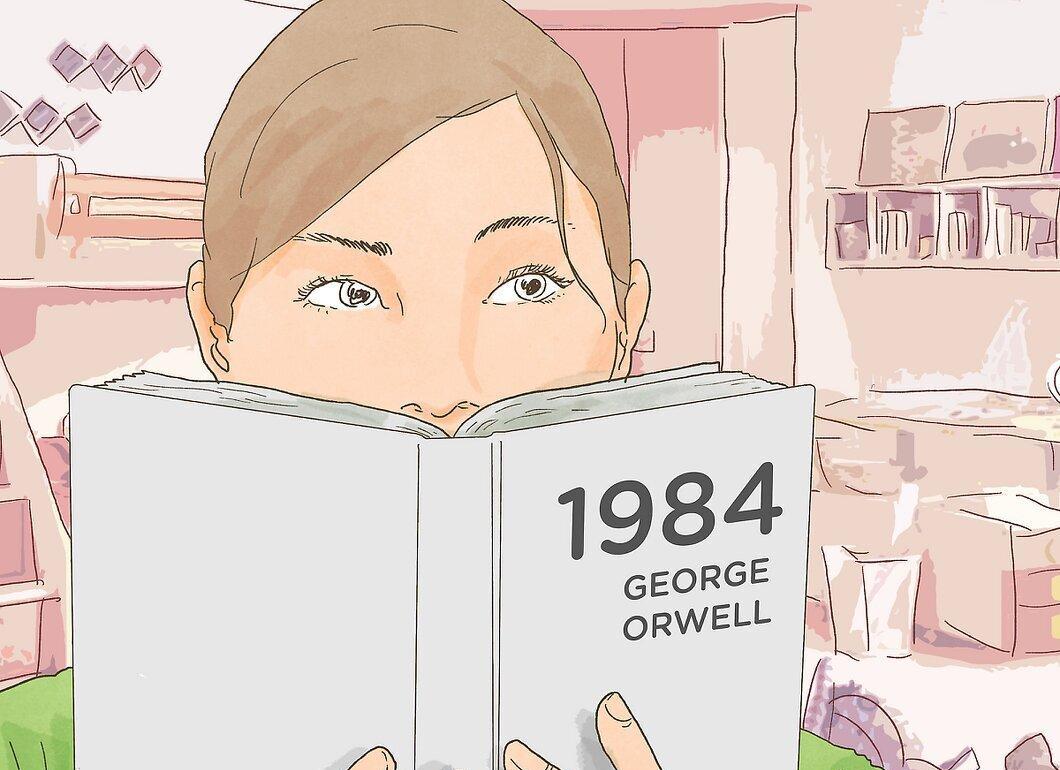
Read several well-known dystopian novels to gain a better understanding of the genre. Study various works for ideas and inspiration. For example:
- "Brave New World" by Aldous Huxley
- "1984" by George Orwell
- "The Hunger Games" by Suzanne Collins
- "Fahrenheit 451" by Ray Bradbury
- "The Giver" by Lois Lowry
- "We" by Yevgeny Zamyatin
Step 6. Think about a utopia at a terrible cost.
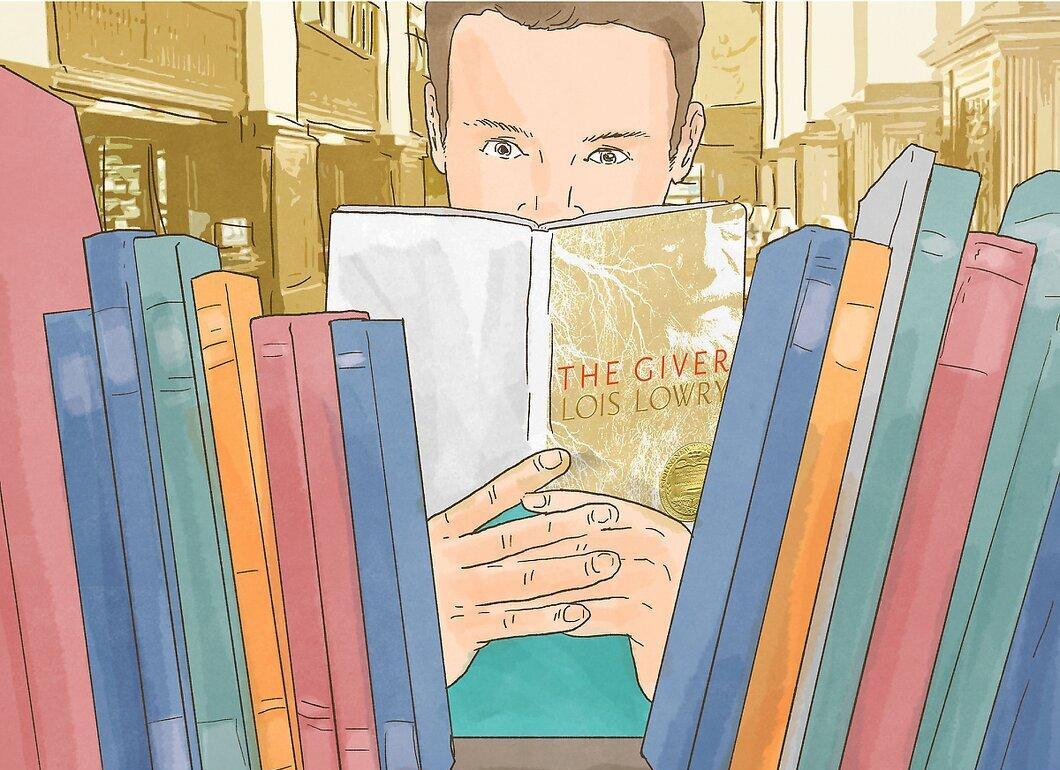
Reflect on a utopia achieved at the cost of suffering. Such works are referred to as "negative utopias." While it may seem odd, some of these become bestsellers. Notable examples include:
- "Brave New World" by Aldous Huxley
- "1984" by George Orwell
- "The Giver" by Lois Lowry
The Writing Process
Step 1. Define the rules of your dystopian world.
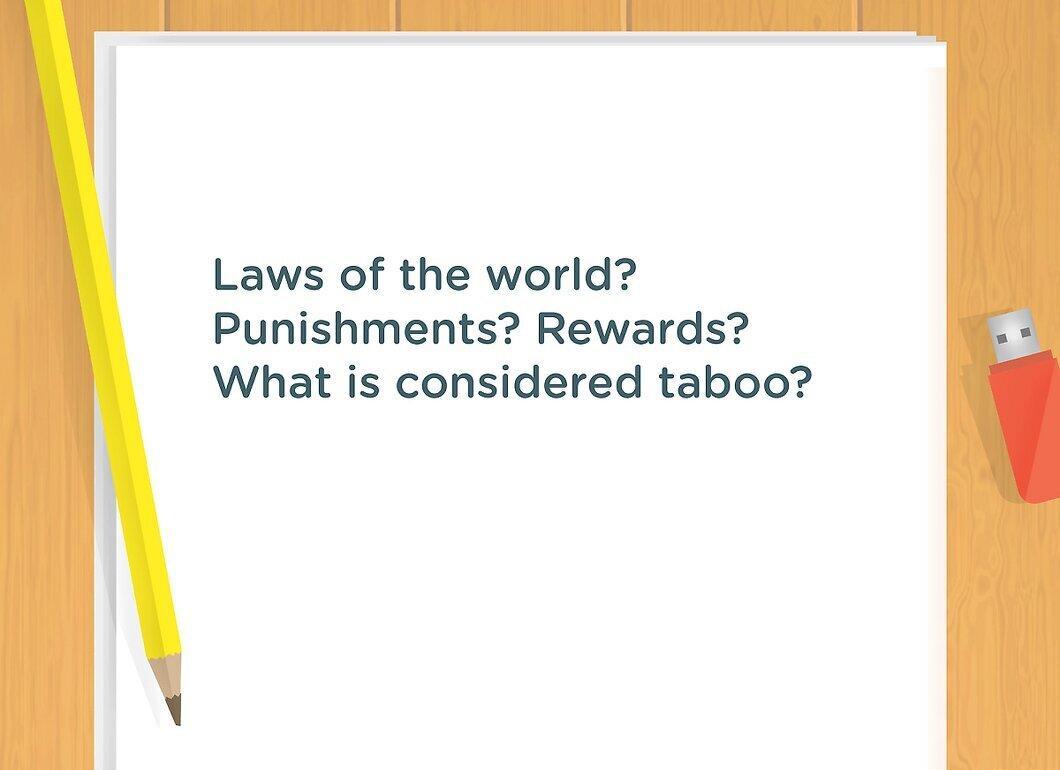
Establish the rules of your fictional world. Write them down so you can refer back to them while writing your novel. Clear rules will help create a cohesive perception of the world and immerse the reader in it. Ask yourself:
- What are the laws of this society? Is there a legal system, and what does it look like?
- How is punishment for offenses carried out? Is everyone punished equally?
- What things are prohibited in this society?
Step 2. Start with a powerful introduction.
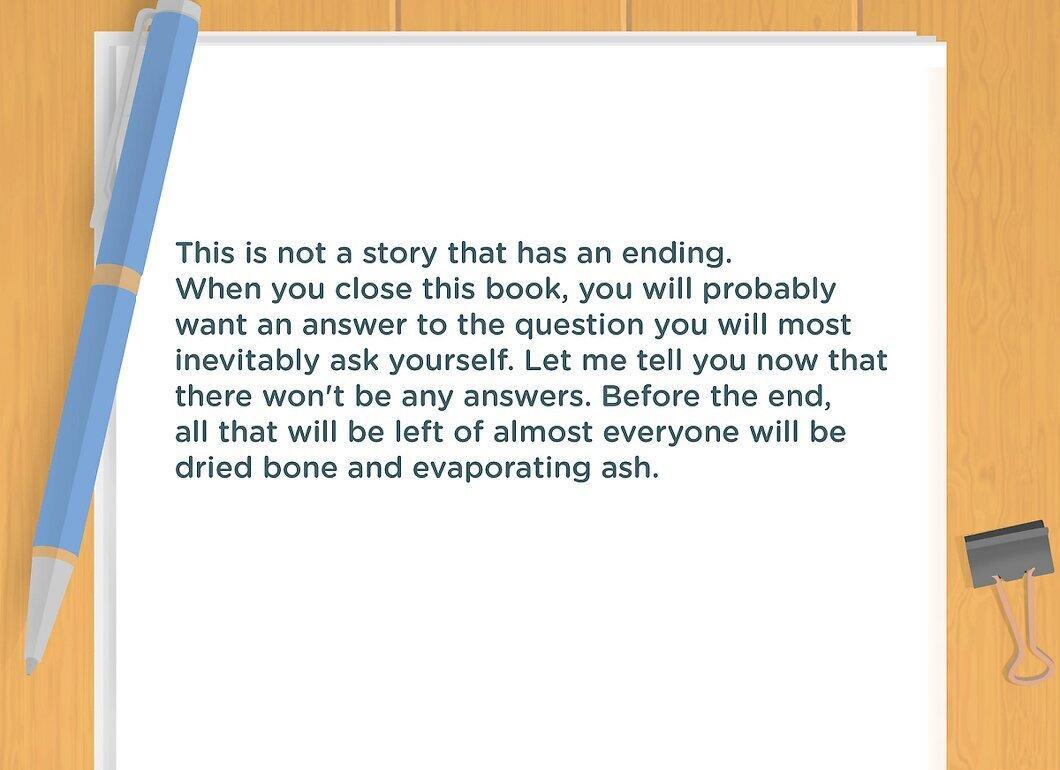
Craft a captivating introduction. It will set the tone for the entire work and grab the reader's attention. Come up with an opening line that is original and intriguing to spark interest and encourage further reading.
- For example, you might choose a dark and mysterious beginning, like in William Gibson's "Neuromancer": "The sky above the port was the color of television, tuned to a dead channel."
- Or select a phrase that captures the atmosphere, as in Chuck Palahniuk's "Choke": "If you're going to read this, don't. In a couple of pages, you won't want to be here. So forget it. Leave. Save yourself while you can."
Step 3. Make the protagonist the central figure.
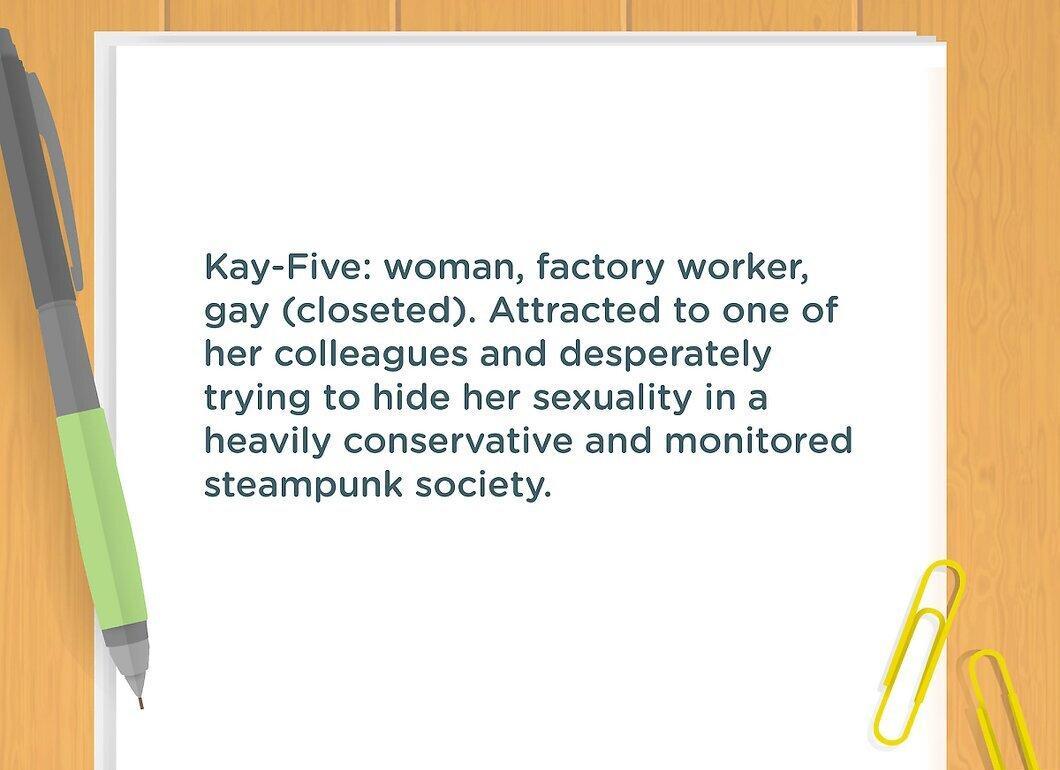
Focus on the protagonist as the center of the story. Don’t turn the novel into a mere description of the dystopia; create a character who will guide the reader through the world. Show how they struggle to survive and adapt to new conditions, helping readers form a personal connection with the narrative.
- For instance, your protagonist could be a shadow government operative who decides to help others overthrow the regime.
Step 4. Develop interesting secondary characters.
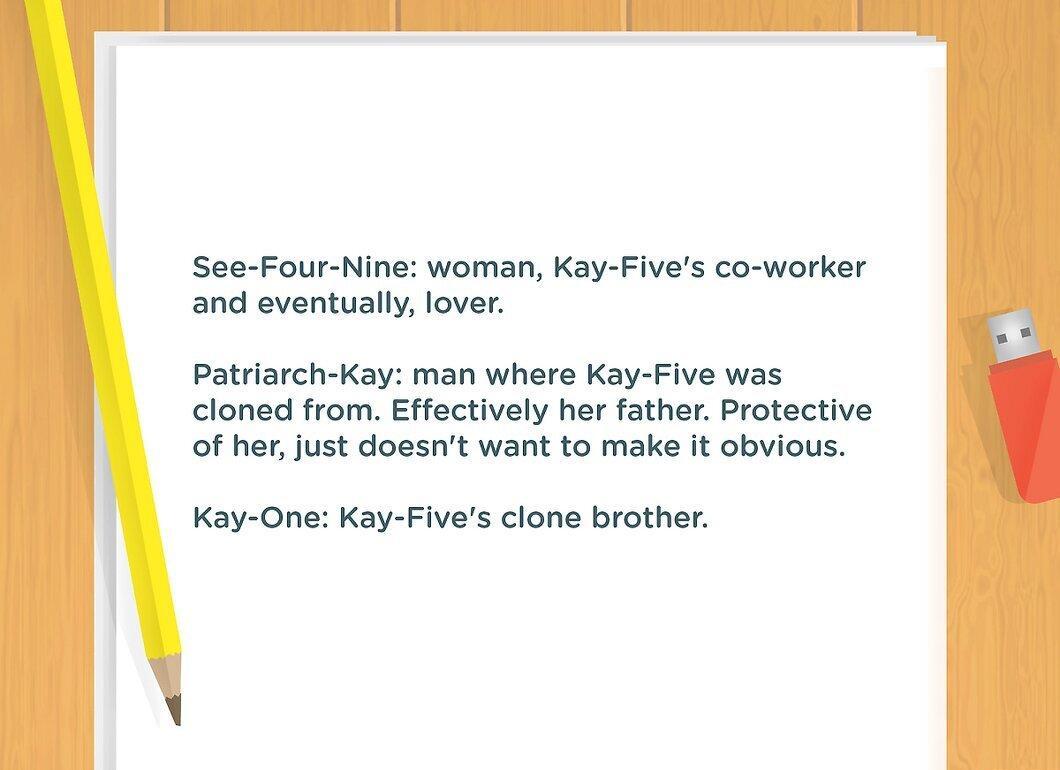
Create well-rounded secondary characters. They should not merely serve as a backdrop for the protagonist. Develop their backstories, conflicts, and emotions. Show how they struggle within the dystopian society.
- For example, a secondary character could be the protagonist’s mother, who uses her skills to assist her son in toppling the government.
Step 5. Bring the world to life through the senses.
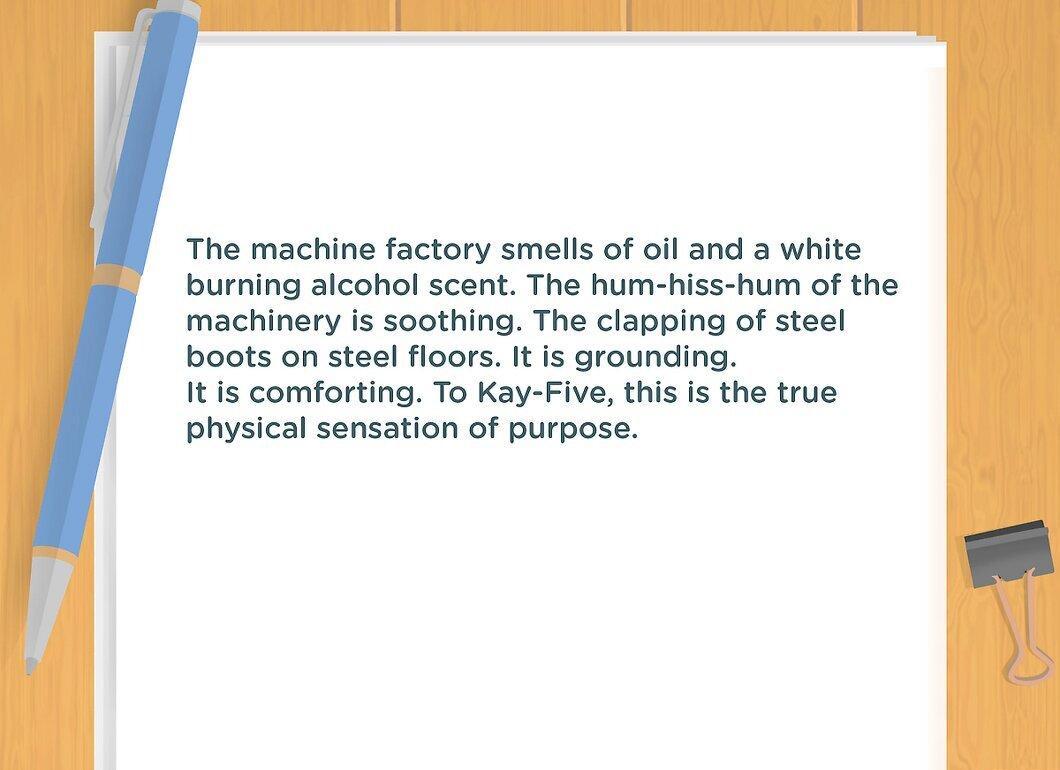
Describe the world through sensory perception. Immerse the reader in the atmosphere of your dystopia by conveying smells, sounds, and visual imagery. Let them feel what it’s like to live in such a world.
- For example, describe the metallic scent in a building controlled by robots, or the taste of coal in the food provided to the poor.
Step 6. Create conflict based on the dystopia.
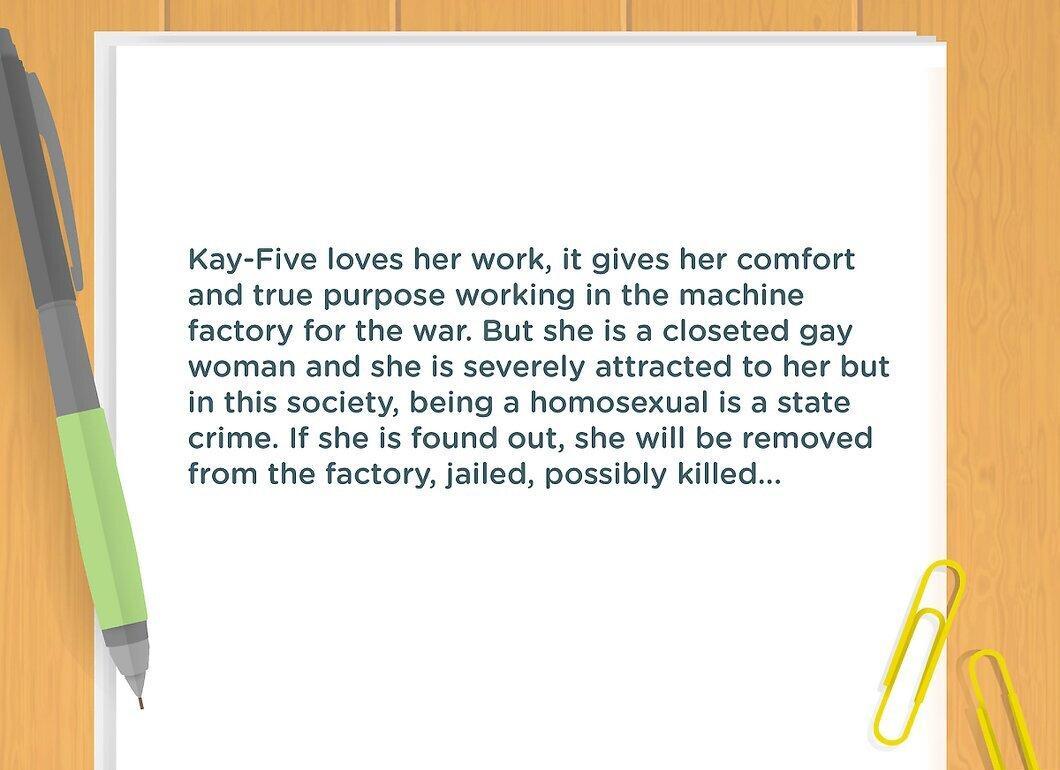
Use the grim elements of your world to create conflict. The dystopian world should be antagonistic to your characters, making them feel oppressed. Allow them to fight against the system and attempt to change it.
- For instance, your protagonist might initially ignore the dark dealings of the government until it affects their family, prompting them to take action.
Editing
Step 1. Read the text aloud.
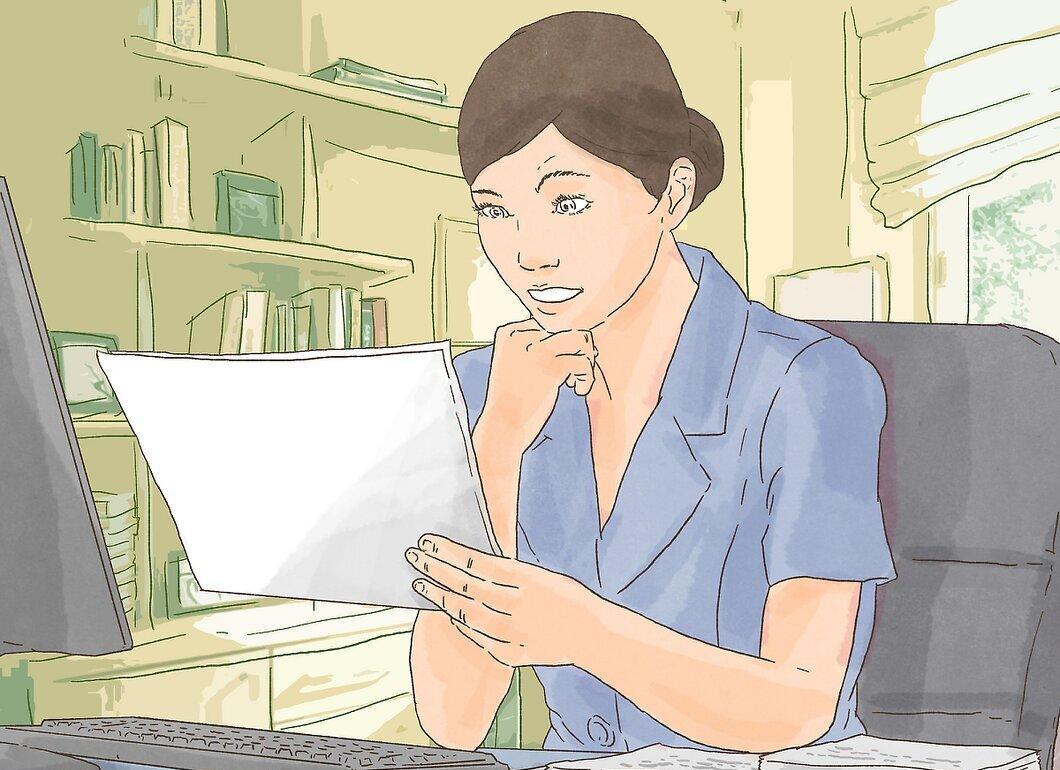
Once you have a draft, take the time to read it aloud. This will help you grasp the overall rhythm and identify awkward phrasing. Pay attention to the pace and sound of your text.
- Reading aloud will also help you catch mistakes and inaccuracies in your writing.
Step 2. Share your novel with others.
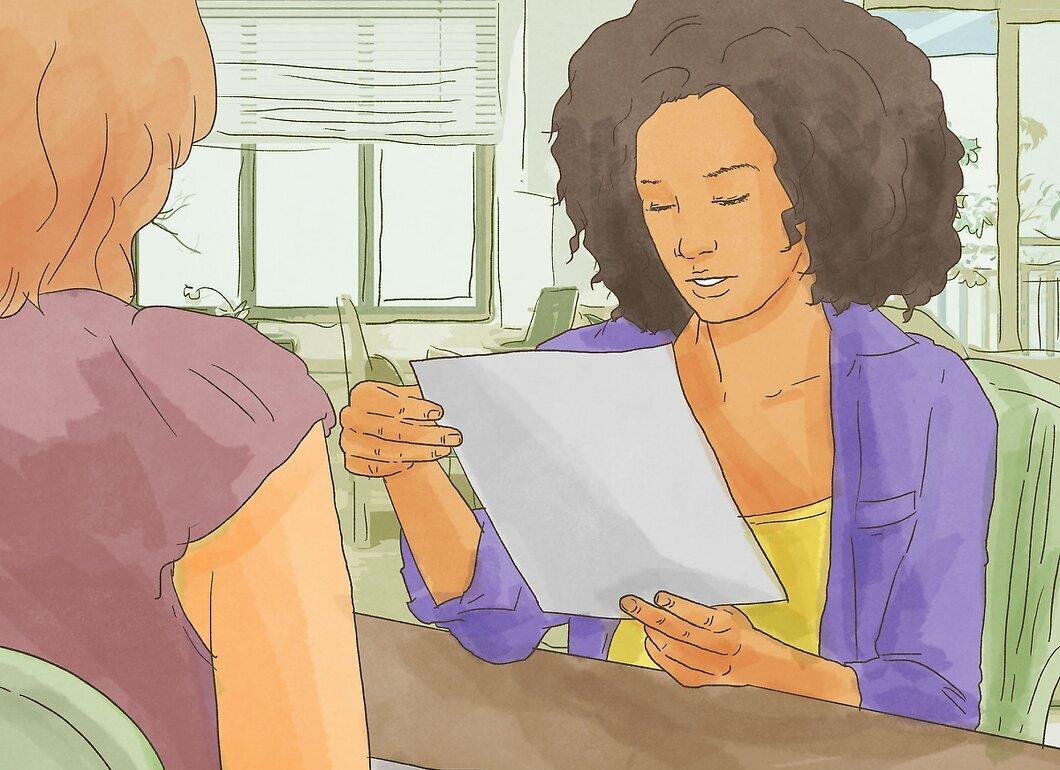
Show your novel to others. Receiving feedback can be challenging, but it will help you improve your text. Ask friends, family, or colleagues to read your work and share their thoughts: is the plot engaging, is it well-written, and is it enjoyable to read?
Step 3. Revise your text.
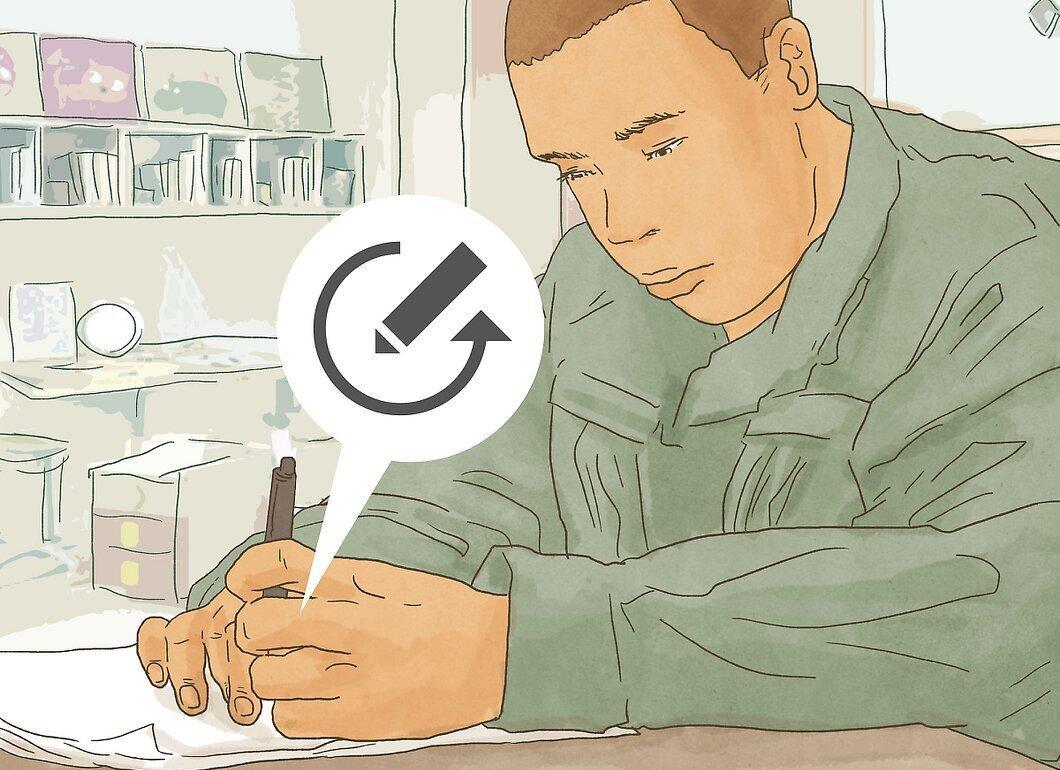
After receiving feedback, focus on editing. You may need to rewrite entire chapters or rethink their structure. Be prepared to experiment with the text to achieve the desired outcome.