
If you're planning to create an event report, it's important to evaluate its success and align the outcomes with the goals you set. This will help organizers understand what can be improved in the future. Here are several approaches to make your report more informative and engaging, especially if you're planning to host new events!
Structure Your Event Report
Step 1. Choose a Style and Format Suitable for Your Audience.

Determine which format and style of the report will be most appropriate for your target audience. You might present it as a printed document, a PDF, a PowerPoint presentation, or even a video.
- Be sure to divide the report into logical sections. Compare the results achieved with the goals you set. Summarize the key points of the event.
- Tailor the report to meet the interests and needs of sponsors and the target audience. Sponsors are a vital part of your report, and they want to know if their investments were justified. Don’t forget to consider their interests and important aspects.
- Prepare the report to reflect the unique characteristics of the event and the requirements of the sponsors. Avoid a one-size-fits-all approach, as your report will be reviewed by company management and financial managers.
Step 2. Organize the Information Gathering Process Throughout the Event.

Establish a system for capturing the necessary information throughout the event. Don’t rely solely on your memory.
- Recording data before, during, and after the event will allow you to create a more detailed and therefore more useful report. It will also help present the information in chronological order.
- Ensure continuous information gathering, possibly enlisting other participants or interns for assistance. The main thing is not to wait until the end of the event to compile the report.
Step 3. Focus on the Key Points.

Concentrate on the main points. Many event reports simply list steps or emphasize promotional aspects. Don’t do this. Instead, highlight key points with clear and analytical conclusions.
- Choose a few events for deeper analysis. Identify the three most successful moments and three unexpected occurrences.
- Avoid cluttering the report with unnecessary details such as menus or speech specifics. Cover only what truly matters.
Gather the Necessary Materials for the Report
Step 1. Write a Project Summary.

Create a project summary. The event report should include a brief summary that serves as an introduction to the more detailed report.
- You might create two reports: a brief summary for stakeholders interested in the results and a more comprehensive report for sponsors and organizers.
- In the summary, focus on the key points and outcomes. It should be concise — one to two pages. Include essential information and a brief interpretation of the data.
Step 2. Add Illustrative Materials to Your Report.

Incorporate visual elements into the report. This will significantly enhance its perception. Instead of overwhelming the reader with numbers and dates, use graphs and charts.
- If the event is related to a new product, include photographs of it. Photos from the event will also make the report more visually appealing. Include images of sponsor advertisements to strengthen your report.
- Don’t forget to include samples, reproductions, and other examples for your report. Indicate the number of people who received coupons from sponsors and media coverage of the event.
Step 3. Document Media Coverage and Advertising.

Document all mentions in the press and advertising. Compare what was covered in the media with the goals set.
- Pay attention to print materials and articles mentioning sponsors, and collect data on advertising ratings.
- Also consider television, public announcements, and radio. Don’t forget about the cost of advertising and its effectiveness.
Step 4. State the Goals of the Event in the Report.

Be sure to state the goals of the event. Comparing goals and results is a critical aspect of the report, so don’t forget to mention the objectives you set.
- Include the event program and list key participants. Strive to be concise.
- Focus on the key results and how they compare to the set goals. Be realistic and don’t embellish the unsuccessful moments.
Step 5. Include Financial Information in the Report.
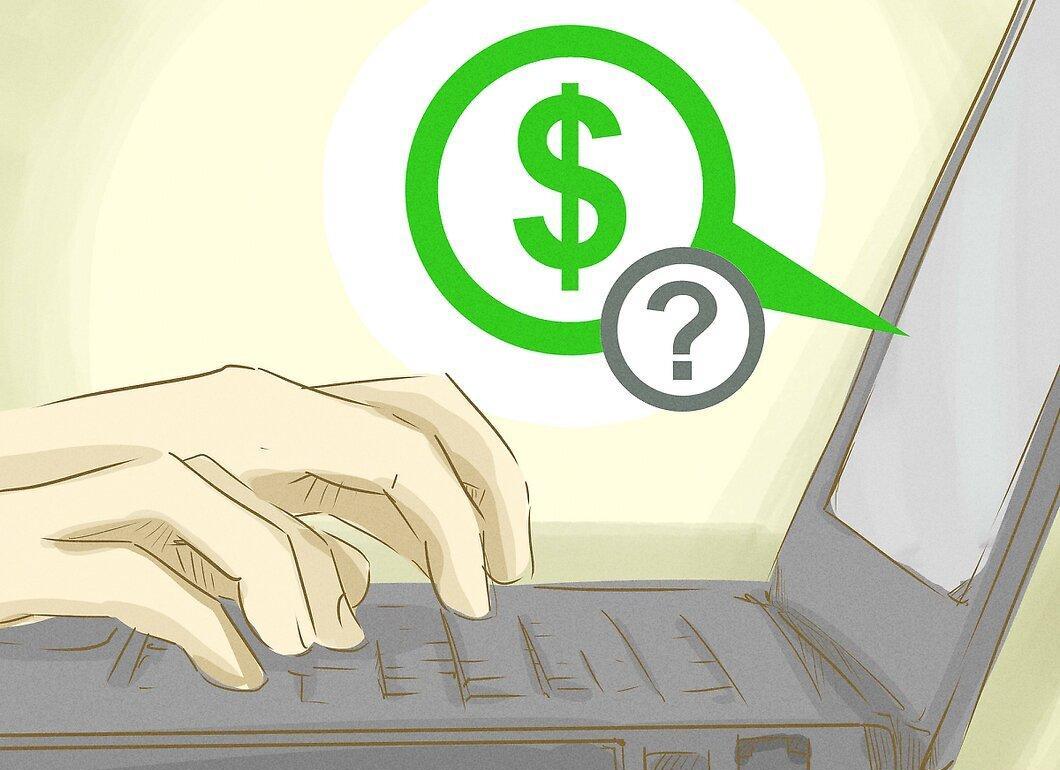
Don’t forget to include financial data. It’s important to detail the event's budget and actual expenses.
- List all costs, including marketing, labor, and sponsorship expenses. Develop a detailed budget that will be of interest to financial managers.
- Provide a breakdown of net profit, including commissions and sponsorship contributions. Be sure to compare actual results with expected outcomes.
Step 6. Include Relevant Statistics.

Add relevant statistical data to the report. Don’t limit yourself to just positive indicators; it's important to state the number of participants as well.
- Include sales figures and attendance numbers. This will add credibility to your report. Include demographic characteristics and survey results.
- Report on the number of people who responded to sponsor campaigns and charitable contributions.
Step 7. Support Data with Quality Feedback.

Include feedback from participants and the team. This will add credibility and vitality to the report.
- Gather opinions from participants and team members on what went well and what could be improved. This will make your report more objective.
- Consider including an independent analysis, such as an assessment of media coverage.
Final Touches in Writing the Event Report
Step 1. Prepare the Report on Time.

Try to draft and publish the report as soon as possible after the event. Set a reminder in your calendar. Some believe it’s best to do this within a week, while others insist on a few days.
- Whatever your deadline, it’s important not to delay. You may be preparing the report for a client who expects it on time.
- Remember that your audience is waiting for a detailed and timely report, so aim to strike a balance between quality and speed.
Step 2. Proofread the Report.

Be sure to check the report for errors. Ensure that the text is well-written and free of typos.
- Your report should be informative. Use the principle of "show, don’t tell" — provide examples to support general conclusions.
- Consider your target audience and ensure that the style is professional. Remember that an event report is an important document that will help determine whether the expenses for the event met expectations.