
The share of income paid as dividends helps understand what portion of a company's profits is allocated to shareholders as dividends over a specific period (typically a year), rather than being reinvested into the business. Generally, mature and stable companies have higher dividend ratios as their earnings are consistently growing. Conversely, younger companies often have lower dividend ratios as they actively reinvest their profits for further growth. To calculate this share, use the following formulas: dividends paid/net income or annual dividends per share/net income per share—both methods yield the same results.
How to Use Net Income and Dividends
Step 1. Determine the company's net income.
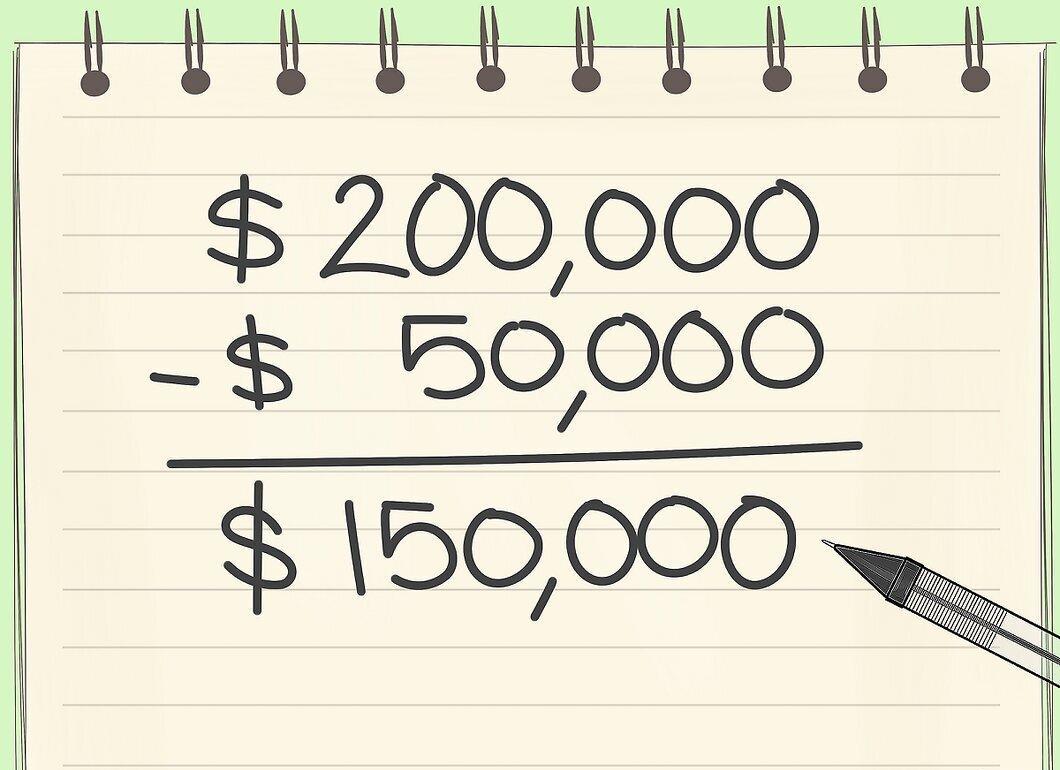
First, find out the net income of the company for the period of interest (usually a year). This information is available in the income statement. It’s important to consider all expenses, including taxes, operating costs, losses from product sales, depreciation, and interest on loans.
- For example, let’s say a new company, Jim's Light Bulbs, earned $200,000 in its first year but spent $50,000 on the mentioned expenses. As a result, the net income would be $200,000 - $50,000 = $150,000.
Step 2. Calculate the total dividend payments.
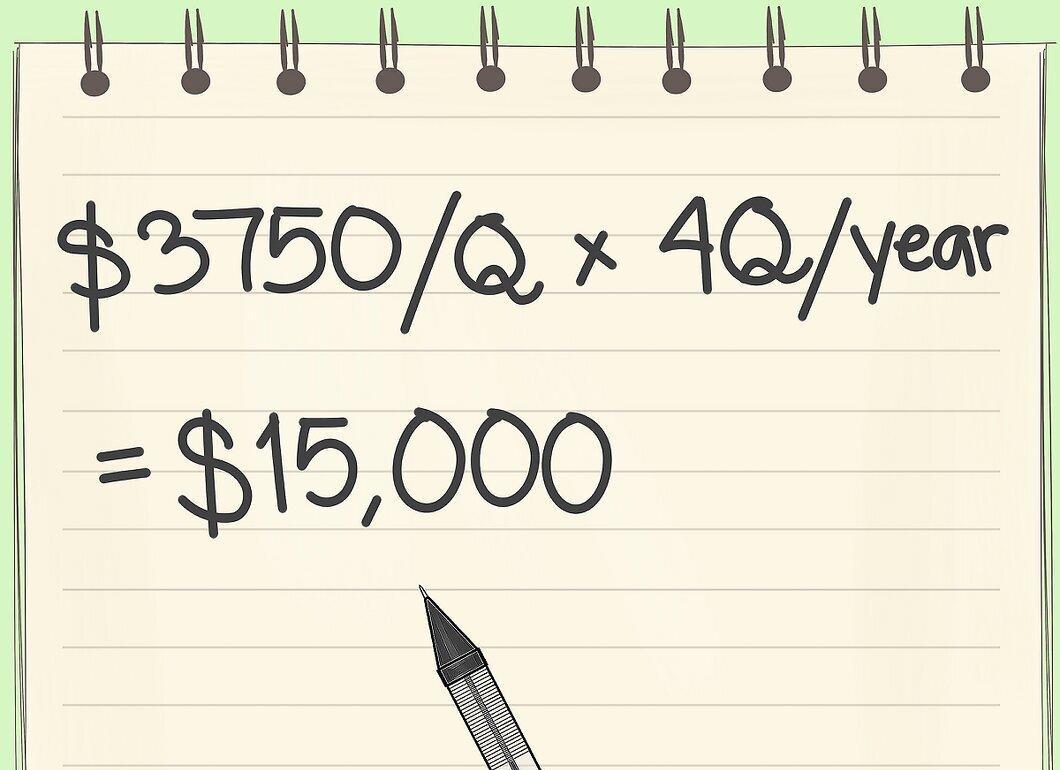
Now, determine how much money was paid to shareholders as dividends during that period. Dividends are funds allocated to shareholders rather than for company development. Typically, dividends are not listed in the income statement, but can be found in the balance sheet and cash flow statement.
- For instance, if Jim's Light Bulbs decided to invest most of its income into expansion and paid only $3,750 quarterly, the total dividends for the year would be $3,750 × 4 = $15,000.
Step 3. Divide the total dividends by net income.

Once you know how much net income the company earned and how much was paid in dividends, you can easily calculate the share of income paid as dividends. Simply divide the dividends by the net income.
- In the case of Jim's Light Bulbs, it would look like this: $15,000 / $150,000 = 0.10 (or 10%). This means the company paid out 10% of its income to shareholders, while the remaining 90% was retained for growth.
How to Use Annual Dividends and Earnings Per Share
Step 1. Find out the dividends per share.

There’s also an alternative method to calculate the share of income paid as dividends. For this, you need to know how much money is allocated to each share (or DPS). This information is usually available in quarterly reports.
- Let’s consider Rita's Rugs, which paid $1 per share in the first quarter, $0.75 in the second, $1.50 in the third, and $1.75 in the fourth quarter. To calculate the total, simply sum the payments for the year.
Step 2. Determine the earnings per share.

Now calculate the earnings per share (EPS) for the same period. This is the net income divided by the number of shares outstanding.
- If Rita's Rugs has 100,000 shares and earned $800,000 for the year, the EPS would be $800,000 / 100,000 = $8 per share.
Step 3. Divide the dividends per share by the earnings per share.
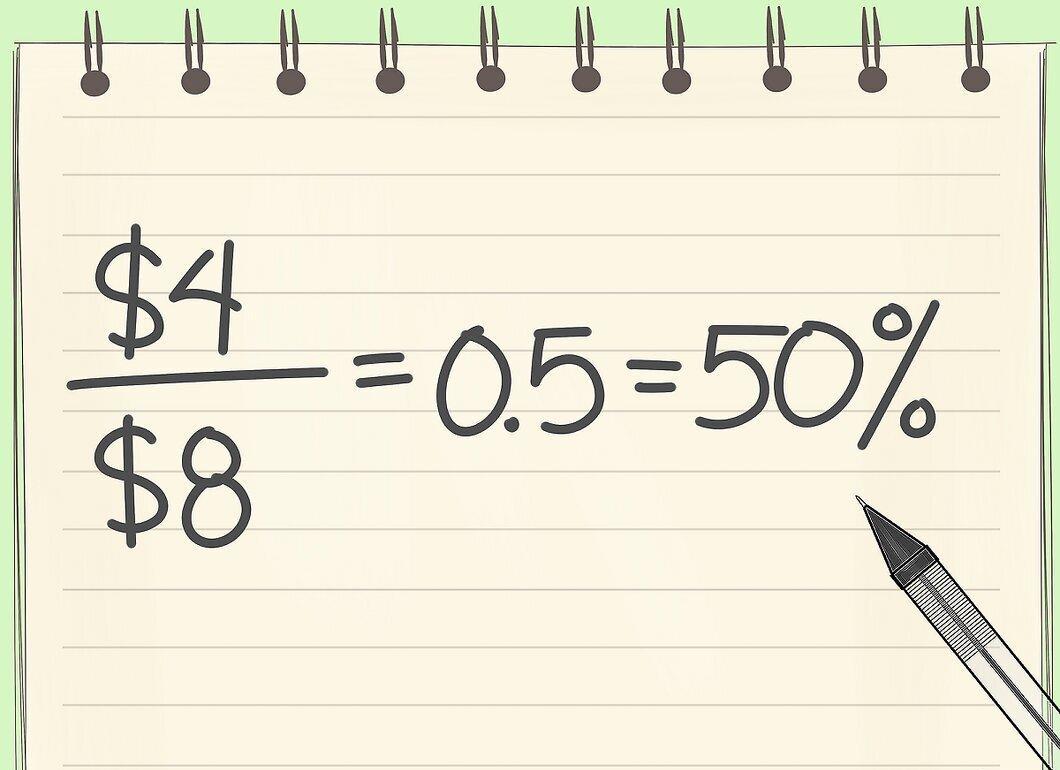
Next, you need to divide the total dividends per share by the earnings per share to calculate the share of income paid as dividends.
- For example, for Rita's Rugs, the share of income paid as dividends would be $4 / $8 = 0.50 (or 50%). This means that over the last year, the company returned half of its profits to shareholders.
How to Use the Dividend Payout Ratio
Step 1. Consider one-time dividends.
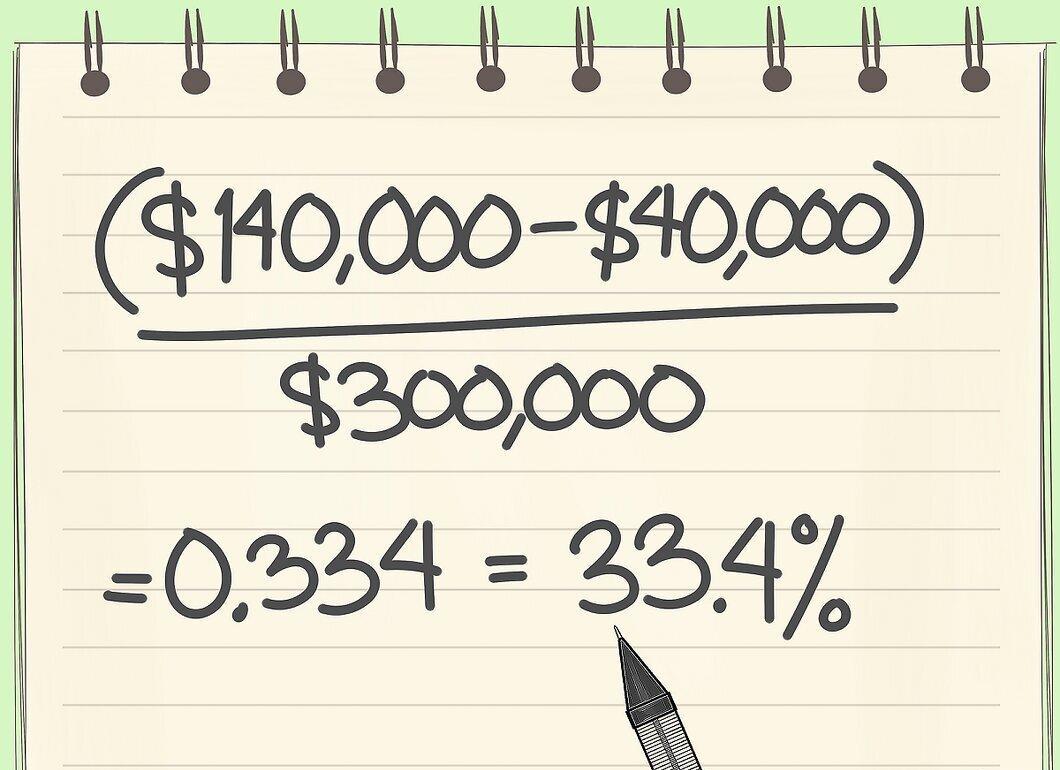
The dividend payout ratio is usually calculated for regular dividends, but sometimes companies pay special one-time dividends. These "special" payments should not be included when calculating the share of income paid as dividends. The modified formula would be: (Total dividends - special dividends) / Net income.
- For instance, if a company paid $1,000,000 in quarterly dividends and $400,000 in special dividends, and the net income was $3,000,000, then the share of income paid as dividends would be ($1,000,000 - $400,000) / $3,000,000 = 0.20 (or 20%).
Step 2. Use ratios for investment analysis.
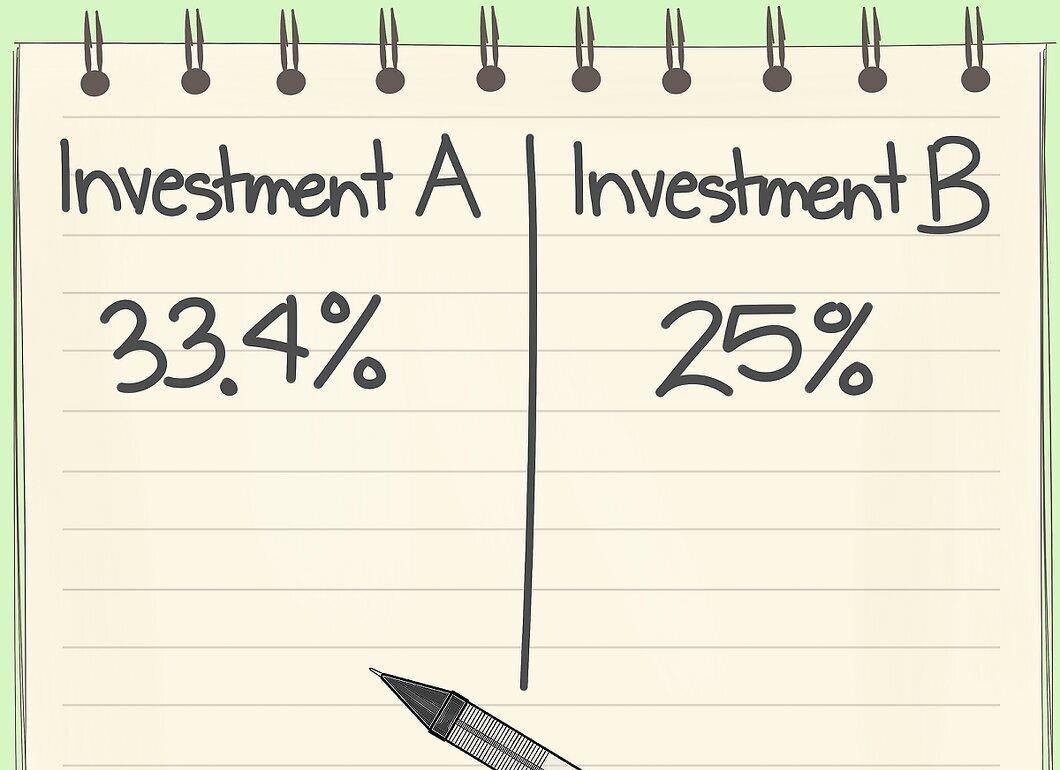
Investors often analyze the share of income paid as dividends to compare the attractiveness of different companies. It’s crucial to consider not just the ratio itself but also its stability to avoid risks.
Step 3. Choose ratios based on your goals.
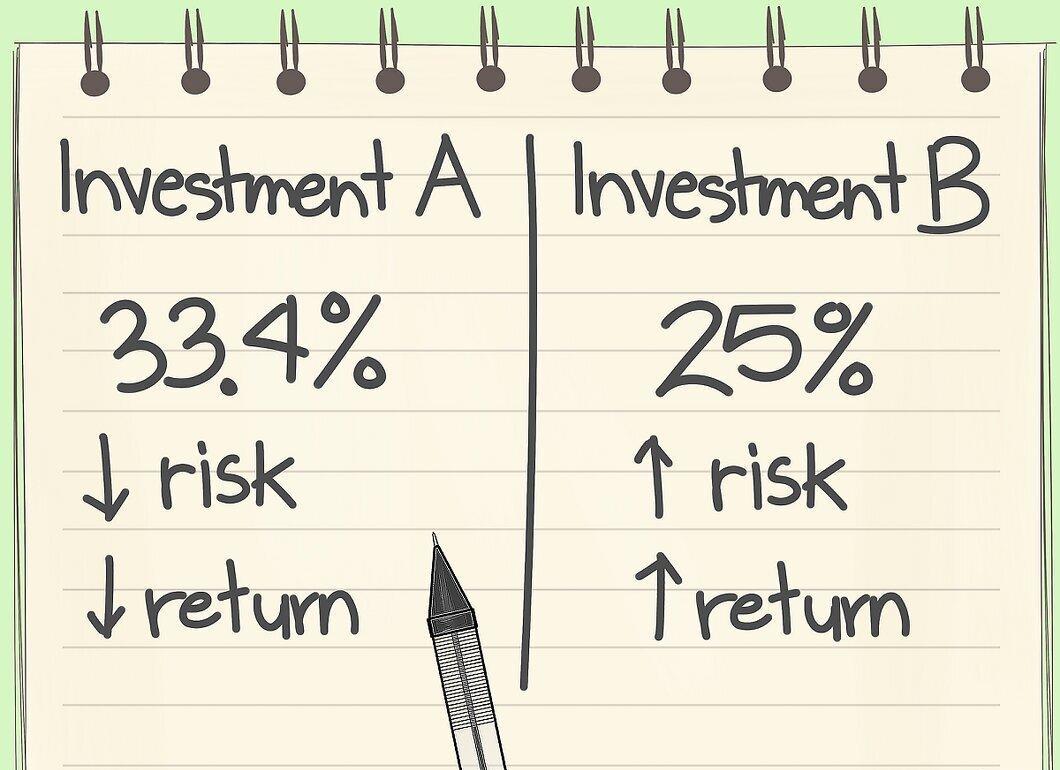
Investors should opt for high ratios for stable income and low ratios for companies with growth potential. High ratios may indicate company maturity, whereas low ratios might suggest that the company is actively reinvesting in its growth.
Step 4. Be cautious with high ratios.
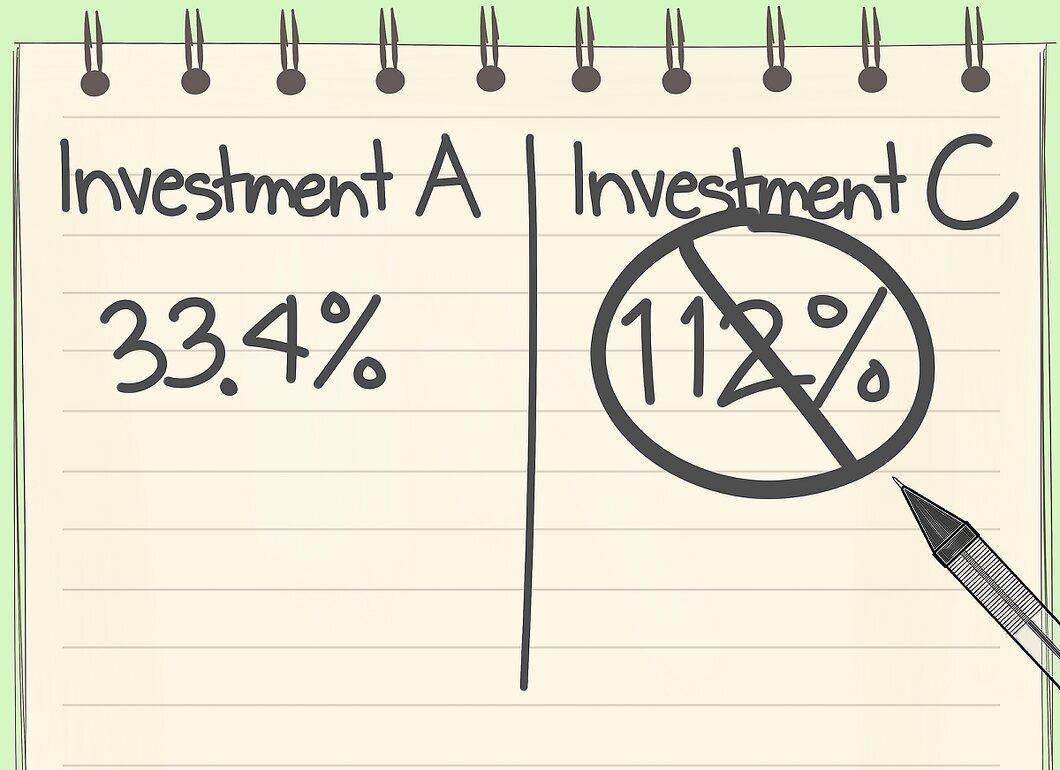
Beware of companies that pay out more than 100% of their income. This can be a sign of financial troubles, as such companies are paying out more than they earn. While this may occasionally be possible for mature companies with high growth potential, such cases are rare.