Many people, especially philatelic collectors, experience indescribable joy and excitement when they come across a rare or unusual stamp. However, determining the value of a stamp depends on much more than its design. The following steps outlined in this article will help you understand the criteria for evaluating stamps and the factors that influence their uniqueness.
Factors Determining Stamp Value
Step 1. Consider the Age of the Stamp.
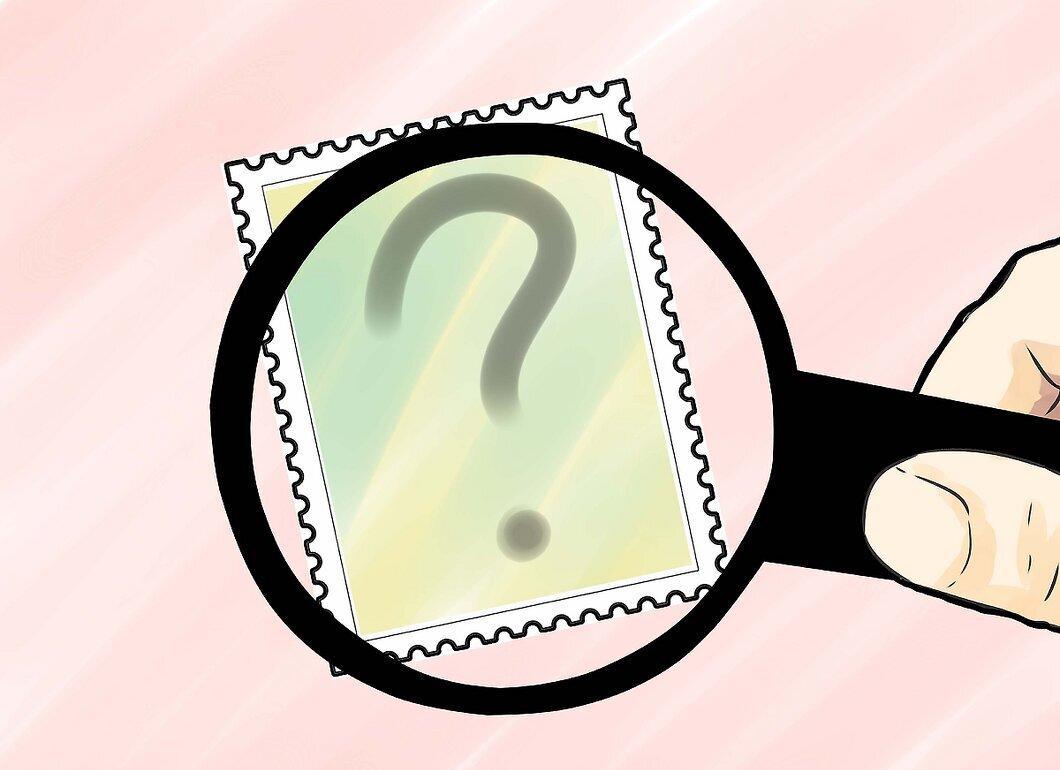
Take note of the stamp's age. Unlike coins, stamps often do not have a manufacturing date, making it much harder to determine their age.
- In some cases, the age of a stamp can be inferred from its design or the imagery depicted. For example, if a stamp was issued to commemorate a historical event.
- Older stamps are often made from different types of paper than modern stamps.
- Stamps have been used for various purposes. For instance, maritime mail stamps have their own history, making it easier to trace their age if you know the background.
Step 2. Identify the City of Issue.

Find out the city where the stamp was issued. The history of a country and its place in the world can affect a stamp's value. Each country issues stamps in its own language, which may be a foreign language or even a non-Latin alphabet. If you encounter a stamp in an unfamiliar language, you can use an online translator to determine the country of origin.
Step 3. Check the Centering of the Design.
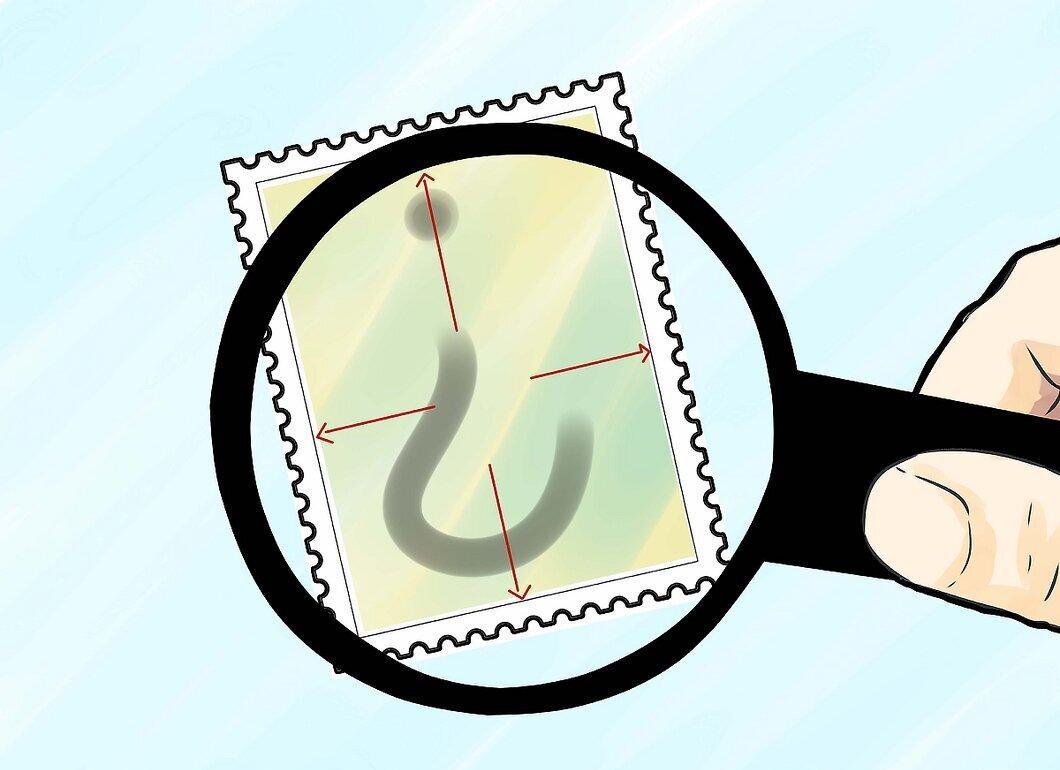
Examine how well the design of the stamp is centered. It’s not just the design that matters, but its positioning on the stamp. You can determine how well the image is centered by flipping the stamp upside down and viewing it from that angle.
Step 4. Look at the Gum on the Back.
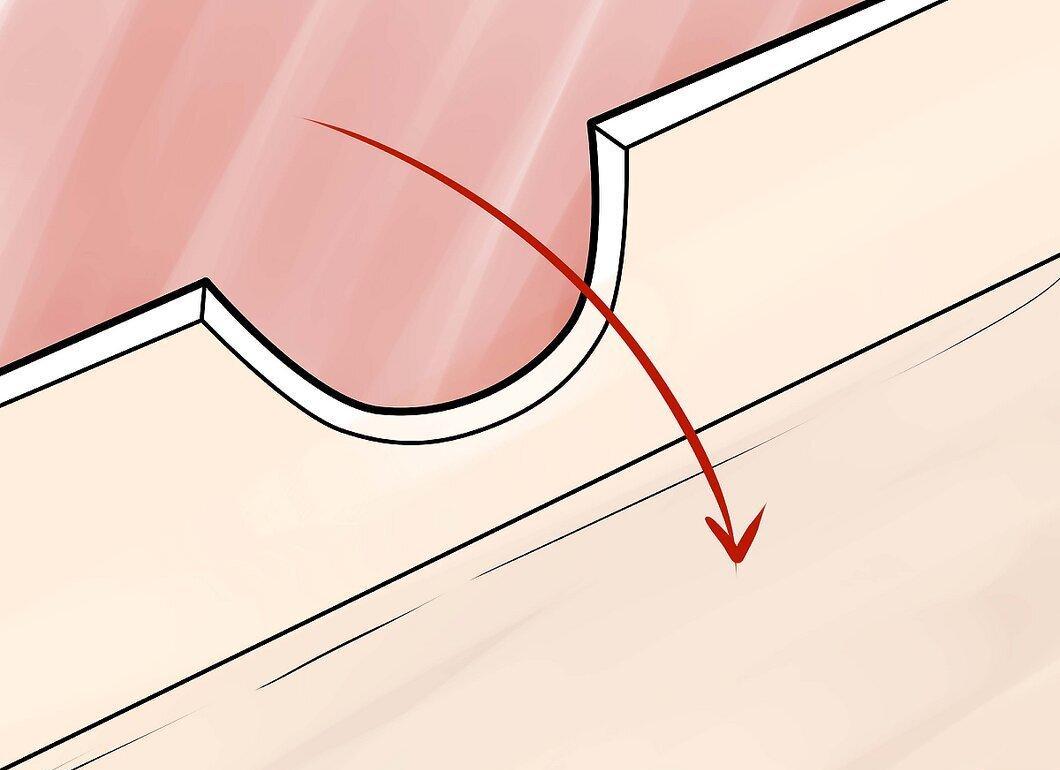
Pay attention to the gum on the back of the stamp. Older postal stamps often lack gum if they were affixed to an envelope or postcard. The gum itself is a thin strip of gummed paper that was used to adhere the stamp to the envelope surface or to affix it in an album. The condition of this gum also affects the quality of the stamp.
- Philatelists value mint gum more than smokers value mint chewing gum.
- The most prized stamps have an even distribution of adhesive across the entire surface.
- Older albums with pages held together by loops can also decrease the value of stamps.
Step 5. Check the Perforation.
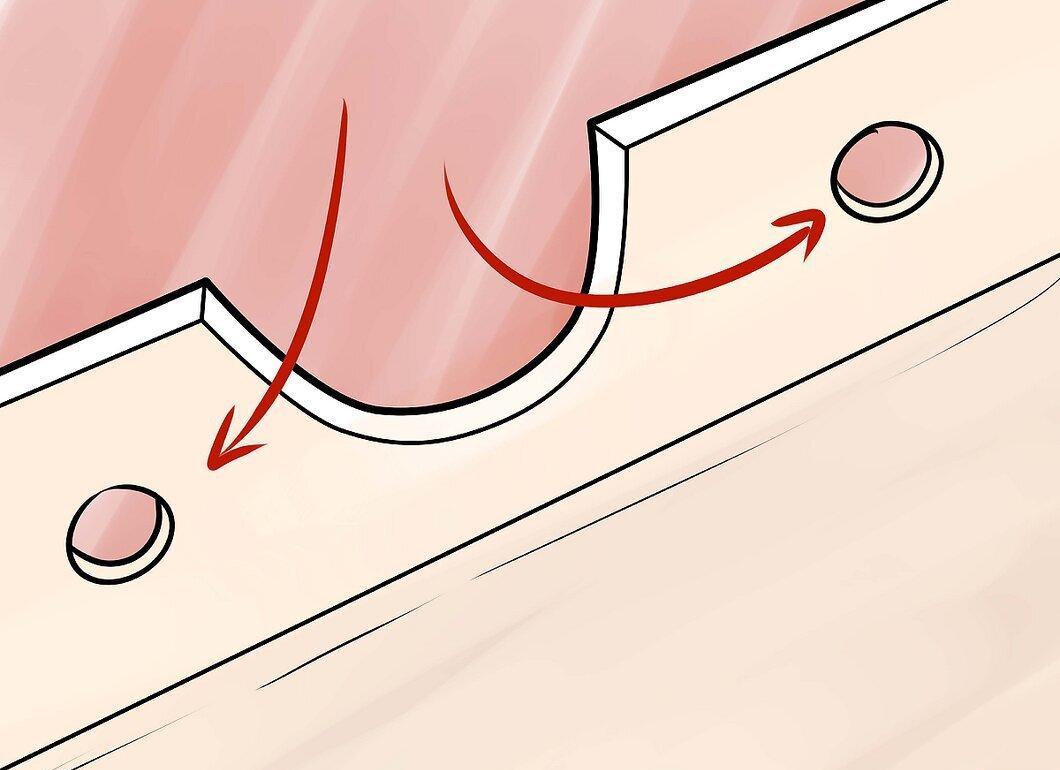
Look at the perforation. Perforations were added to sheets of postage stamps to make them easier to separate. Older stamps were printed with small round holes along the edges. Their size should be measured using a specialized ruler called a perforation gauge, and the holes should be cleanly and neatly cut.
Step 6. Note the Markings on the Stamp.
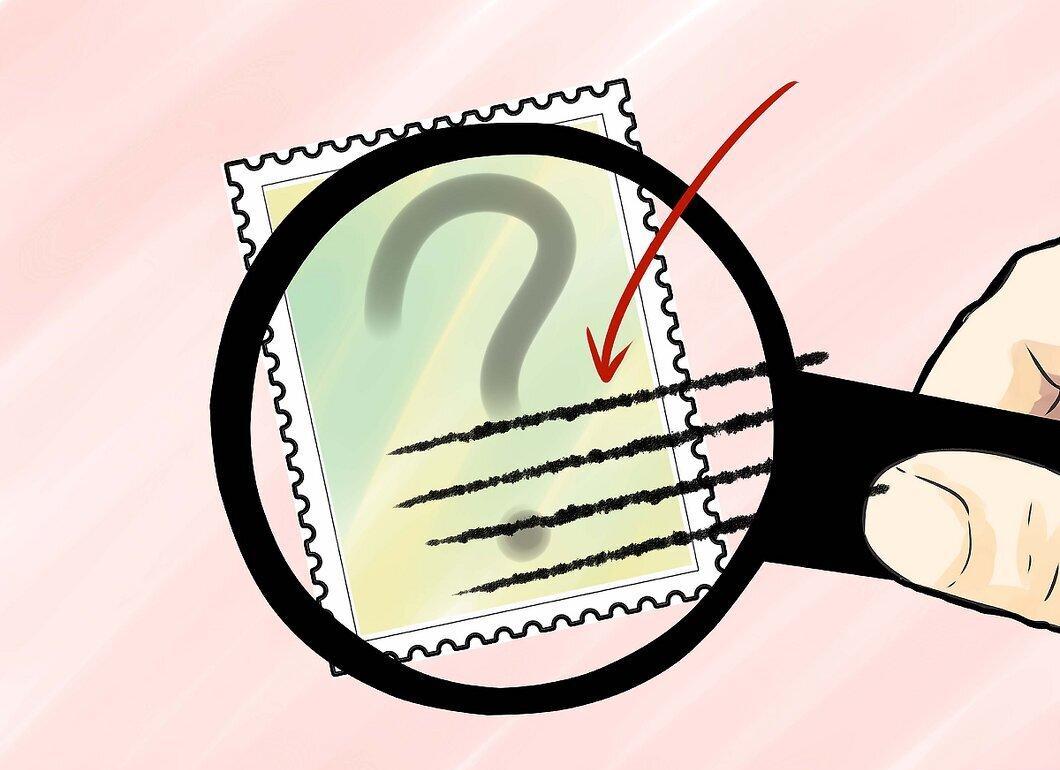
Observe the markings (or lack thereof) on the stamp. Prominent markings can significantly reduce a stamp's value. Therefore, stamps without markings, or with markings that are faint and do not interfere with the design, are preferred.
Step 7. Determine the Uniqueness of the Stamp.
Identify the uniqueness of the stamp. The rarity of a stamp depends on how many were issued and how many copies still exist. Generally, stamps issued in the last 60 years hold little value, as many were printed in runs of over 150 million.
- Philatelists particularly value so-called "error" stamps. These are stamps that escaped being culled due to printing mistakes. The most unique specimens are those with inverted designs.
Step 8. Assess the Condition of the Stamp.
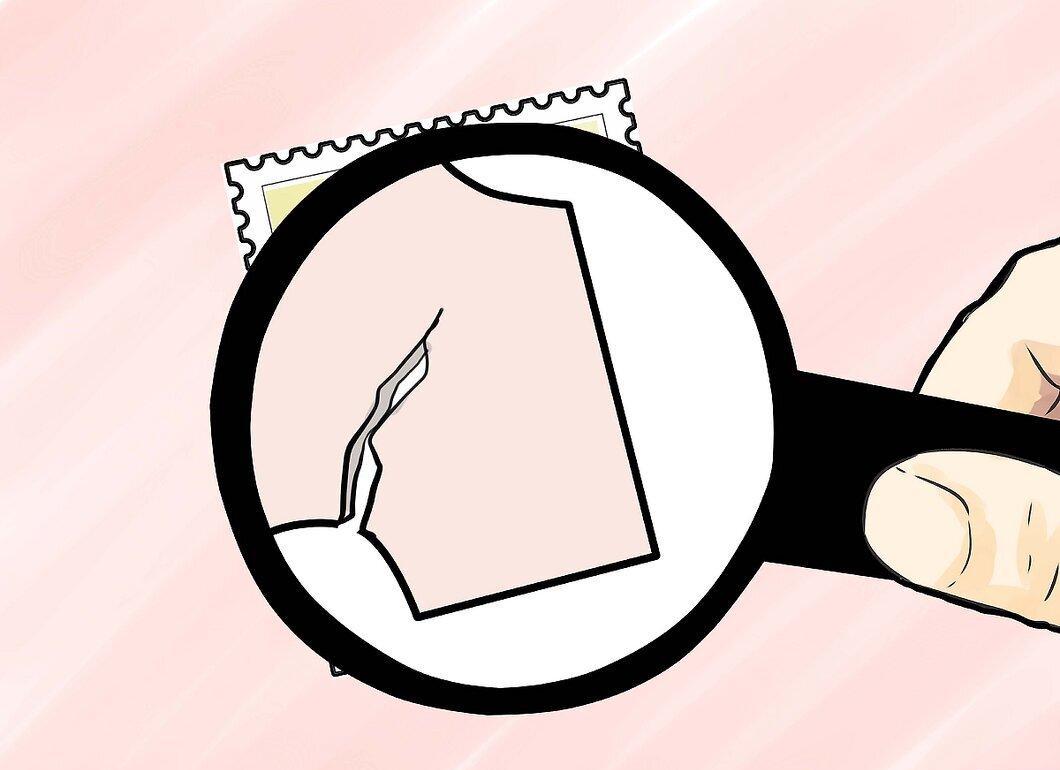
Evaluate the condition of the stamp. All the factors mentioned above will help you determine the condition, which can be expressed in two ways:
- The quality of the stamp is determined by three main indicators: soundness, presence of flaws or defects. Improper printing can damage the stamp’s surface with tiny creases in the corners. The biggest defects include large creases, pinholes, scuffs, or stains. A sound stamp has no defects.
- The quality of the stamp is assessed using a seven-point scale, similar to that used for coins. Accordingly, stamps are categorized into levels: below average, fair, average, good, very good, excellent, and superb.
Step 9. Check the Demand for the Stamp.

Assess the demand for the stamp. Even a rare stamp in perfect condition may not attract any interest from philatelists. The most sought-after stamps are those related to historical events and those that are quietly being hunted by collectors.
Methods for Determining Stamp Value
Step 1. Research Reference Publications.
Look for information in reference publications. You can trace a stamp's history and learn its value using specialized catalogs or encyclopedias. The most comprehensive collections of such catalogs can be found in libraries, post offices, or private philatelist collections.
Step 2. Utilize Online Resources.
Use online resources. There are many websites that can help you evaluate the price and uniqueness of a stamp.
- Auction sites like eBay can provide insight into the current market value of your stamp. Make sure the information is accurate and that you have the exact stamp being discussed on the website.
- Some online shops have thousands of stamps in their inventory. By browsing these, you can find the one that interests you and determine its value.
- Look for information on philatelist forums. Here, you can ask professionals any questions you have, find a buyer, or simply connect with like-minded individuals.
- You can also find stamp catalogs in digital format on various websites.
Step 3. Attend Specialized Events.
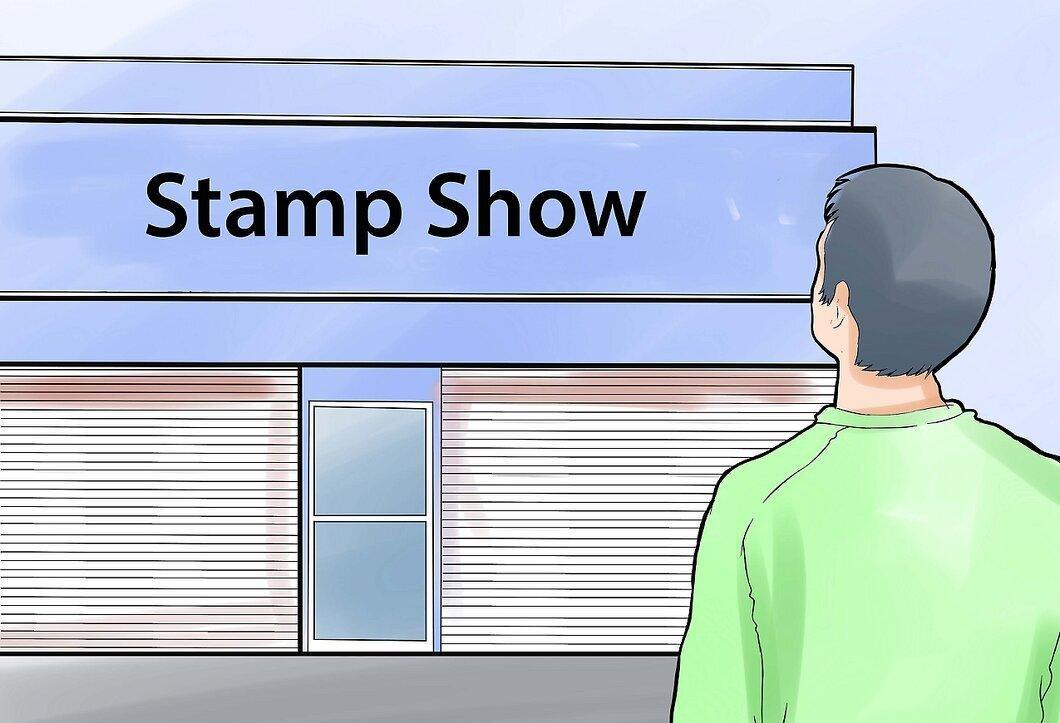
Attend specialized events. At these, you can discover market prices for various stamps, talk to philatelists, and gather their opinions on your stamp or collection.
Step 4. Get Your Stamp Appraised by a Professional.
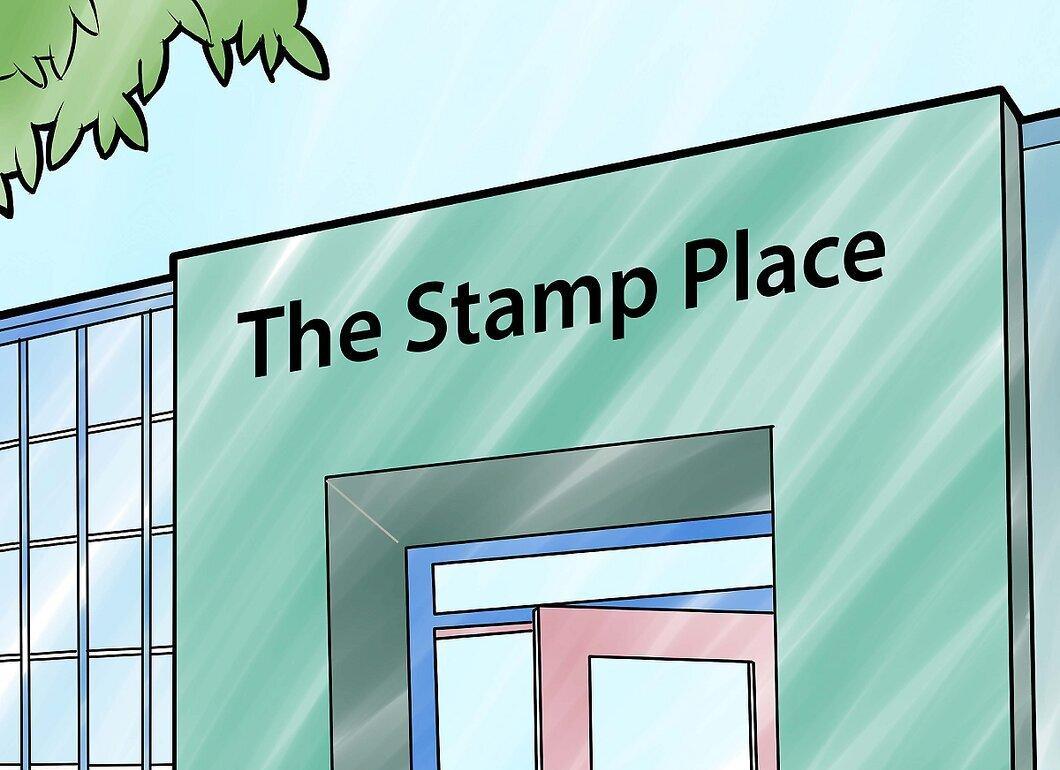
Have your stamp appraised by a professional. A professional appraisal is the best way to find the optimal value of your item, which is usually higher than market value. Often, professional appraisers also offer dealer services, which can significantly simplify the process of finding a buyer (for a separate percentage of the deal).
- You can get recommendations regarding your stamp from other philatelists, dealers, appraisers, from catalogs and encyclopedias, or by reaching out to a Philatelic Society or other non-profit organizations.