Coin collecting, or numismatics, is often referred to as the 'hobby of kings.' People collect coins for personal enjoyment, to earn quick profits from resale, or as long-term investments. Regardless of your motivation for numismatics, being able to determine the value of old coins is a useful skill for both those looking to make money and those wanting to know all about their collection. Here are the key points to consider in our article.
Factors that Determine Coin Value
Step 1. Dating the Coin.
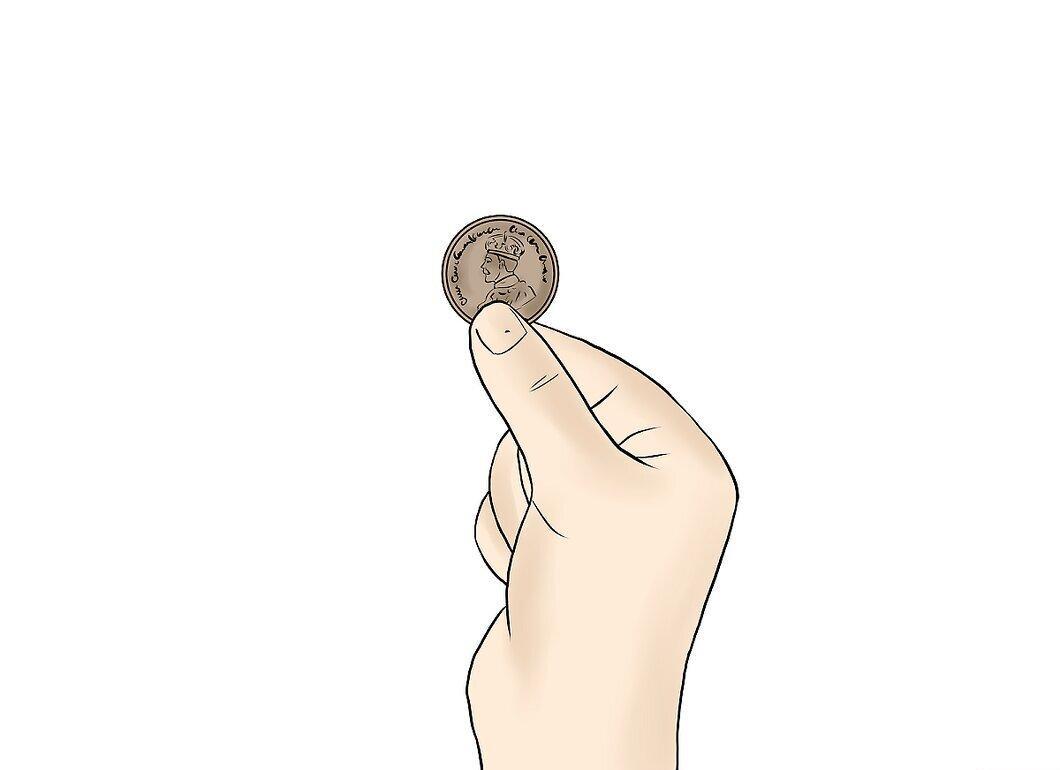
Dating the coin. Generally, the older the coin, the higher its value.
- Dates are not present on all coins. Modern dating for European coins has only existed since the early 17th century.
- Not all dates on coins are marked according to the Gregorian calendar. India and Israel have their own calendars, while most Arab countries use the Islamic calendar. If your coin was minted in a country that does not use the Gregorian calendar, you should use a date converter (like CalendarHome.com) to find the corresponding minting year in the Gregorian calendar.
- It's also important to know that not all coins were minted in the year indicated. For example, American silver dollars dated 1804 were actually minted in 1834 and 1835 as trial coins. Meanwhile, silver dollars minted in 1804 carry the date 1803 because the minting die was still in use.
Step 2. Country of Origin.
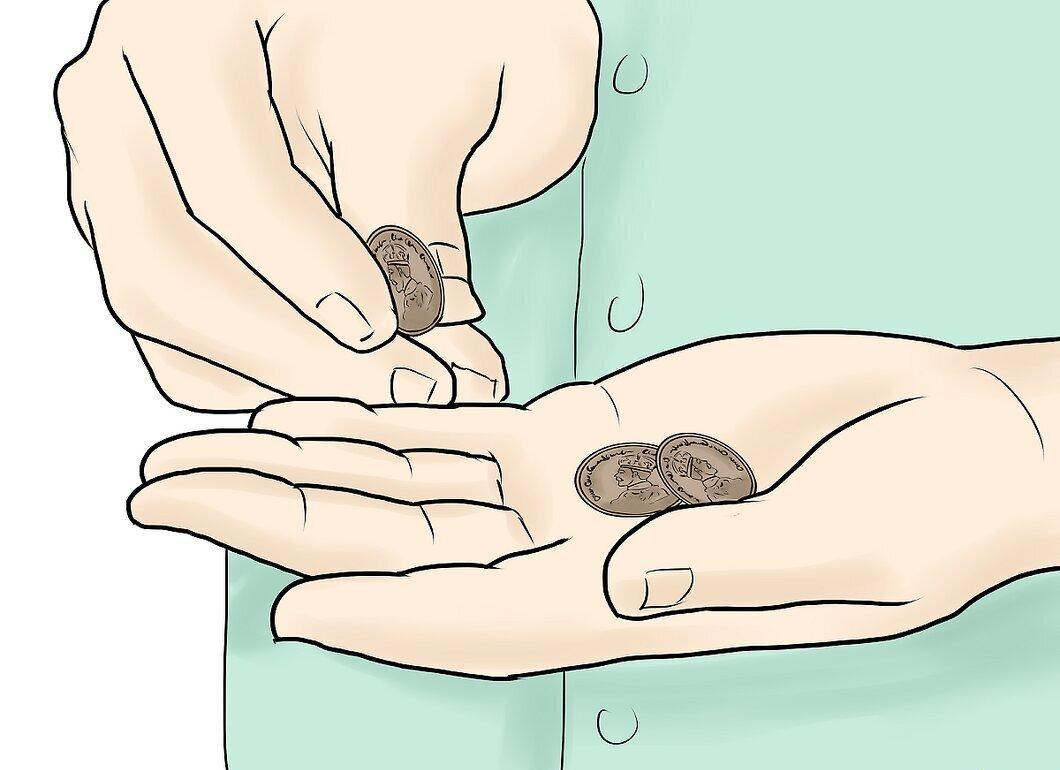
Country of origin. The country where a coin is minted directly affects its value based on that country’s historical significance or its ability to mint coins. In many cases, the name of the issuing country is found on the obverse (front) or reverse (back) of the coin, but it may be inscribed in the country's native language, in Latin, or using a script other than the Latin alphabet.
- You can look up the local name of the country on the 'Nations Online' resource to find its English equivalent (names on the site are presented only in Latin letters).
Step 3. Rarity of the Coin.
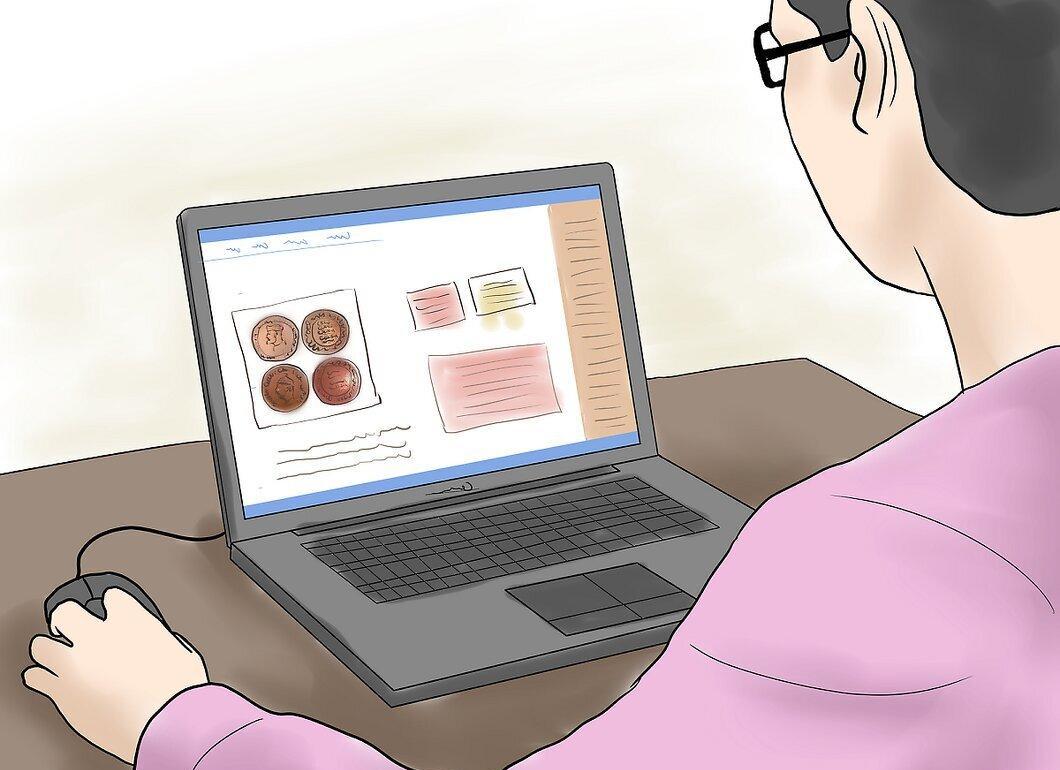
Rarity of the coin. The value of a coin is also influenced by how many such coins exist in the world, and in many cases, this is even more important than age. The rarity of a coin depends on several accompanying factors:
- First and foremost, how many coins of that type were produced. The 1914D Lincoln penny ('D' for Denver Mint) is a rare coin because only 1,193,000 pieces were minted. Trial coins are also quite rare since only a small number are struck for testing the die. Today, there are only 6 known examples of the 1930 Australian trial penny; the total number of minted coins was not much higher.
- Minting location. Some mints produce coins for general circulation, while others only make commemorative coins or exist for convenience. The Carson City Mint in Nevada, established in 1870 near silver mining sites, ceased operations in 1893 when the mines stopped providing sufficient precious metals. It minted fewer coins than other U.S. mints, with a maximum of 2,212,000 'Morgan dollars.'
- Design changes. In the first year of production (1913), the design of the reverse of the 'Indian Head' nickel changed from a buffalo standing on a hill to a recessed line. That year, fewer coins with the recessed line were produced than with the hill design, making that design variant more valuable, even though it was used in subsequent years of minting for 25 years.
- Composition changes. The 1943 Lincoln penny was struck using steel because copper was scarce during World War II; in the following two years, pennies were made from recycled shell casings (some 1944 coins are believed to have been made of steel but were never issued). In 1965, the U.S. stopped minting silver coins due to rising silver prices, replacing silver coins of 10, 25, and 50 cents with copper-nickel clad coins.
- Withdrawal from circulation. Coins are withdrawn from circulation in cases of minting errors, such as the 1913 Liberty Head nickels; only 5 of these coins are known to exist today. Withdrawal can also occur for other reasons, such as when the United States recalled gold coins and melted them down; it is reported that only one $20 coin with a double eagle from 1933 exists today.
- Presence of minting defects. Generally, coins with minting defects, such as misaligned dies or incomplete design transfers, are filtered out by inspectors and destroyed, but some still make it into circulation. Some collectors highly value such defective coins.
Step 4. Demand for the Coin.
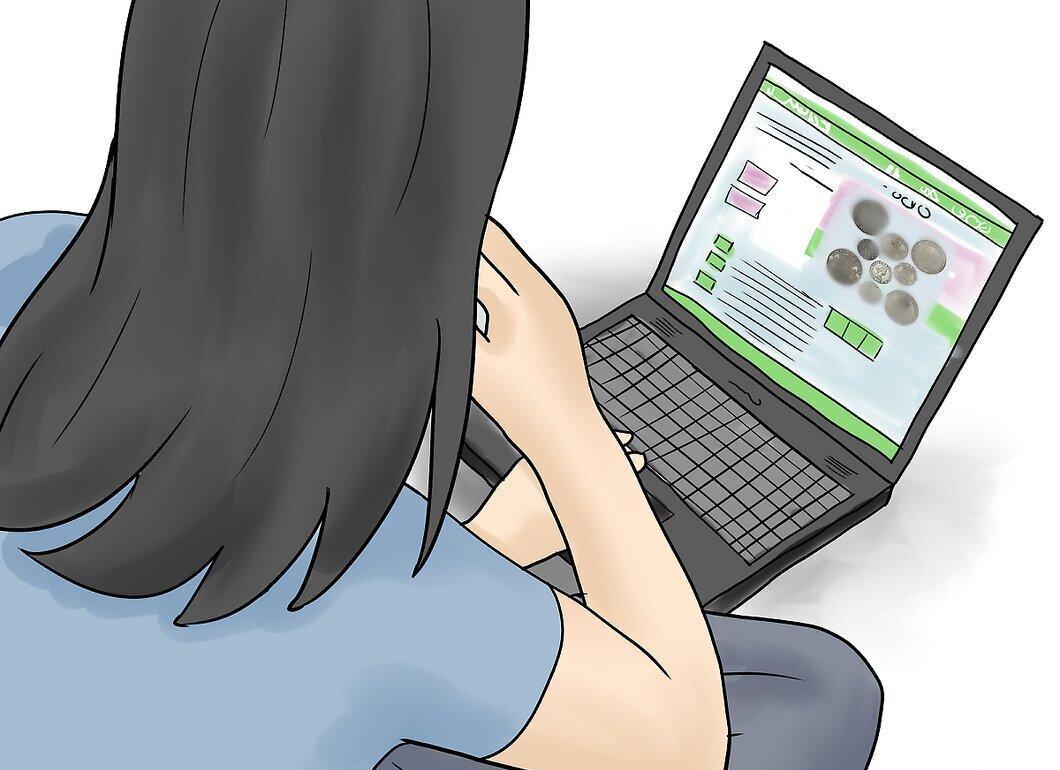
Demand for the coin. Besides rarity, it's important to know the demand for a coin among collectors. As highlighted in the example of the 1913 'Indian Head' nickel, even though coins were produced from 1914 to 1938 with a recessed line on the reverse, making the hill design rarer, collectors are still more interested in the 1913 coins with the recessed line because fewer were produced that year.
- The demand for a particular coin can also depend on the collector’s location or changes over time, much like the popularity of a coin among collectors.
Step 5. Condition of the Coin.
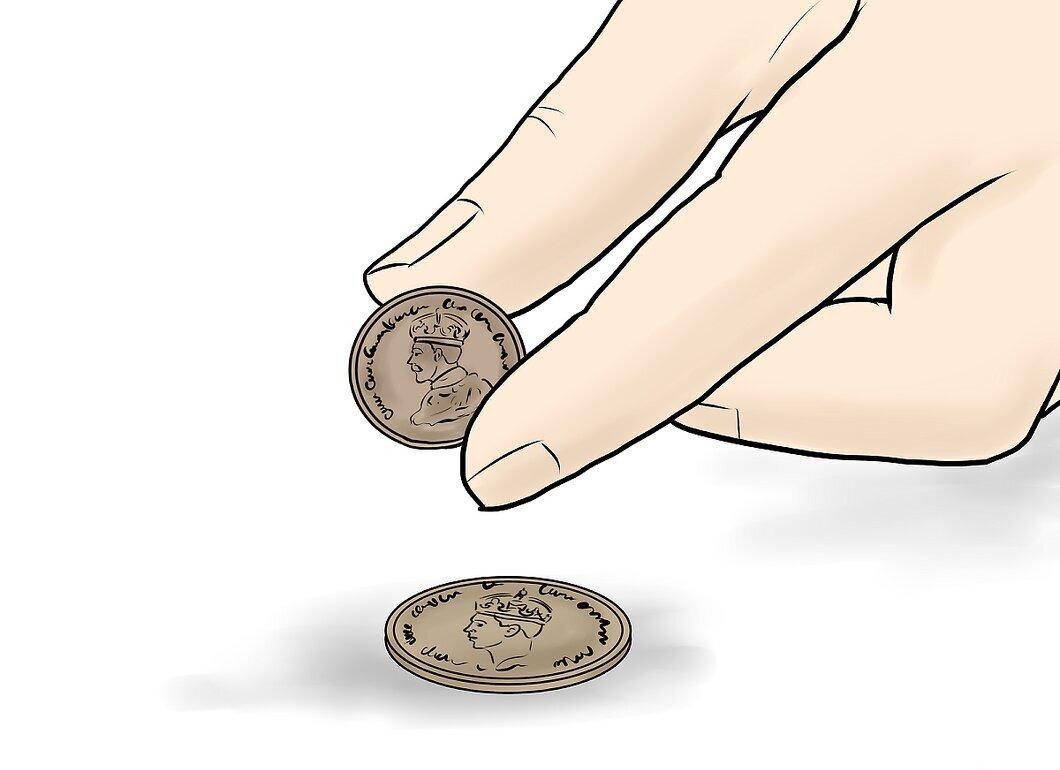
Condition of the coin. The condition of a coin also affects its value; the better it has been preserved, the more a collector will be willing to pay for it. The condition of a coin is assessed in two ways: one is the Sheldon scale, and the other is standard descriptive characteristics.
- According to the Sheldon scale, the condition of a coin is divided into 70 points, with one point being the lowest and seventy being the highest. Despite its global usage, some experts prefer descriptive characteristics.
- Descriptive characteristics range from the lowest 'poor' to the highest 'mint state,' with intermediate grades increasing from 'acceptable' to 'almost fair,' 'fair,' 'good,' 'very good,' 'excellent,' and 'nearly mint state.' The difference between 'poor' and 'acceptable' on the Sheldon scale is small, from one to two points, while 'fair' will not exceed six points, 'good' will not exceed 15, and 'very good' will not exceed 35 points.
How to Assess the Value of a Coin
Step 1. Coin Catalog.
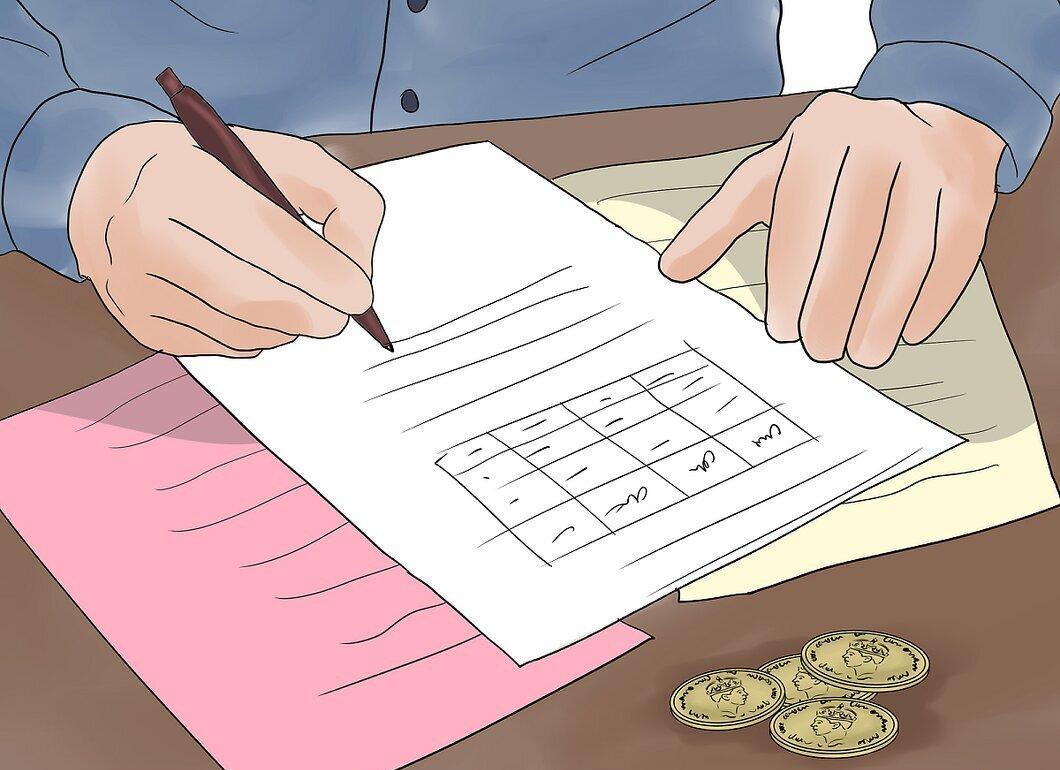
Coin catalog. Such a catalog can help not only identify old coins but also provide information about the value of the listed specimens. Values can change annually, so it's recommended to use the most recent editions.
- A good source of information on U.S. coins is R.S. Yeoman's book 'A Guide Book of United States Coins,' often referred to as the 'Red Book' because of its cover.
- A reliable source for world coins would be 'Krause's Standard Catalog of World Coins.'
Step 2. Certified Appraisers.
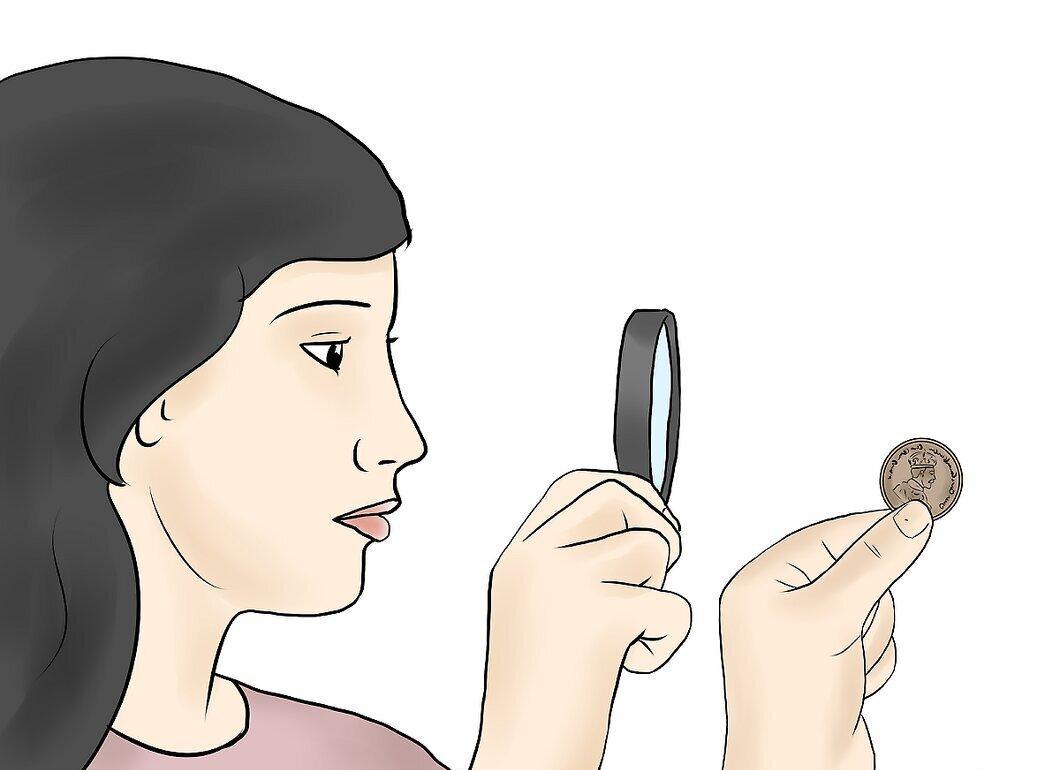
Certified appraisers. Some numismatists (coin collectors) undergo formal training in coin appraisal to determine their condition and value. You can find contact information for such appraisers through local coin dealers, specialized literature, or the websites of the American Society of Appraisers (ASA) or the International Society of Appraisers (ISA).
- Familiarize yourself with the terminology used to identify members of appraisal groups. In ISA, membership is divided between those who are qualified appraisers and associate members who are not. Members are also ranked based on their training and experience, with certified members valued higher than accredited ones.
- Appraisal services are not free.