Hobbies allow you to explore interests beyond your work. They enable you to be creative and try new things. If you're tired of your old hobby, a new one can help reignite your creativity. Don't forget to check your budget before choosing a new hobby, as some can be expensive. Don't worry, there are plenty of options available even on a tight budget.
Building on Your Current Interests
Step 1. Pay attention to what interests you.
Take note of what captivates your attention. Reflect on what you do in your free time. Do you enjoy reading? Perhaps you should try writing a book yourself. Do you love enjoying a cold beer at the end of the day? Maybe brewing beer at home could be your new hobby. Turn what you already love into a hobby.
Step 2. Consider what you value most.
Think about what you value the most. What traits do you admire? Do you value wisdom or bravery? Are you drawn to people who inspire you? Do you admire artistic expression? Let these traits guide you in choosing a hobby.
- For instance, you might want to volunteer at a library if you value learning, or perhaps try painting if you admire people who express their feelings through art.
Step 3. Analyze your skills and personality.
Assess your skills and personality. Some hobbies require specific skills.
- If you lack patience, then sewing might not be enjoyable for you. However, if you love tinkering and sewing things, consider taking up restoring old cars or furniture-making as a hobby. Choose according to your strengths.[1] X Source
Step 4. Notice what ignites your passion.
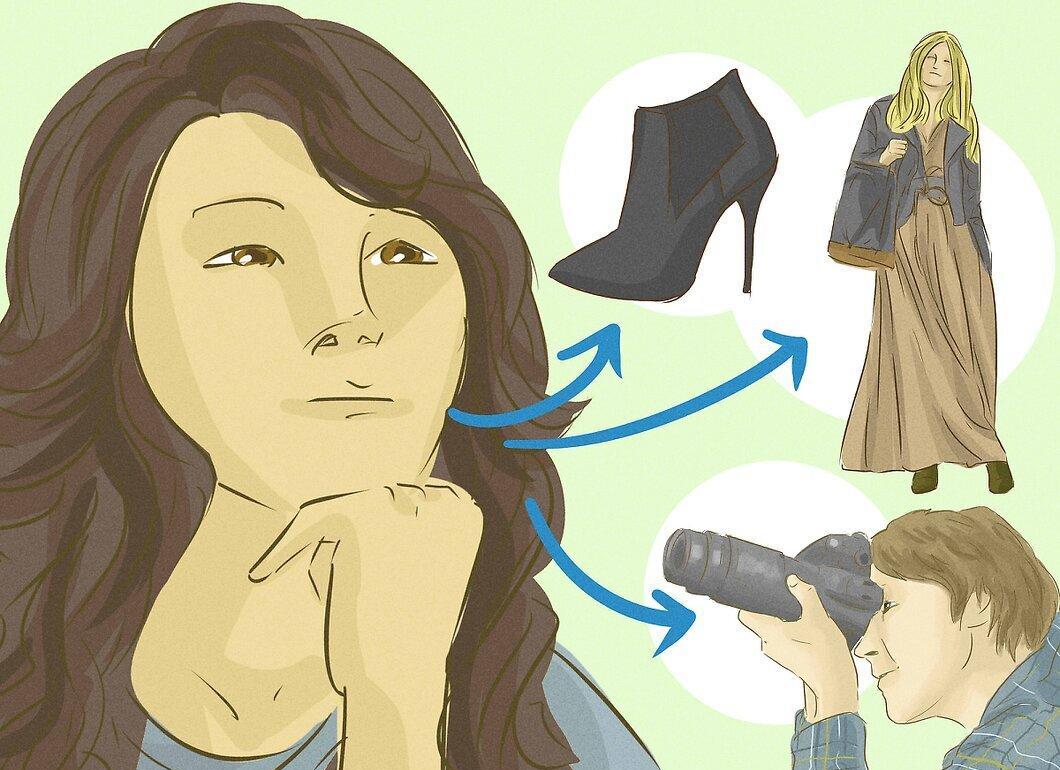
Pay attention to what ignites your passion. The way you talk about certain topics can reveal your passions, which could lead to a hobby.
- Think about subjects you can talk about endlessly. Ask friends and family what topics you discuss the most. Now, consider how you can turn this favorite subject into a hobby. Perhaps you are passionate about local politics, and getting involved at a grassroots level could become your hobby.
Exploring Your Childhood
Step 1. Recall what you loved as a child.
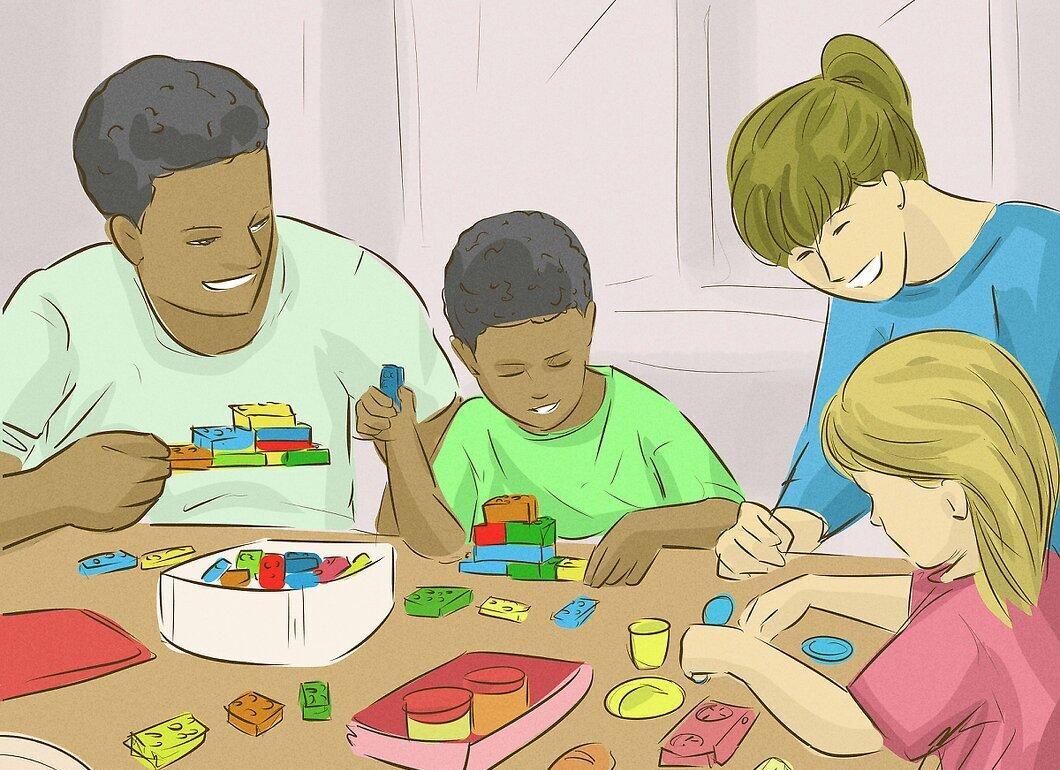
Remember what you loved as a child. Did you enjoy racing bikes with friends? Were you really into comics? Did you love drawing? Reflect on what excited you in childhood and what you could spend hours doing.
Step 2. Pick up where you left off.
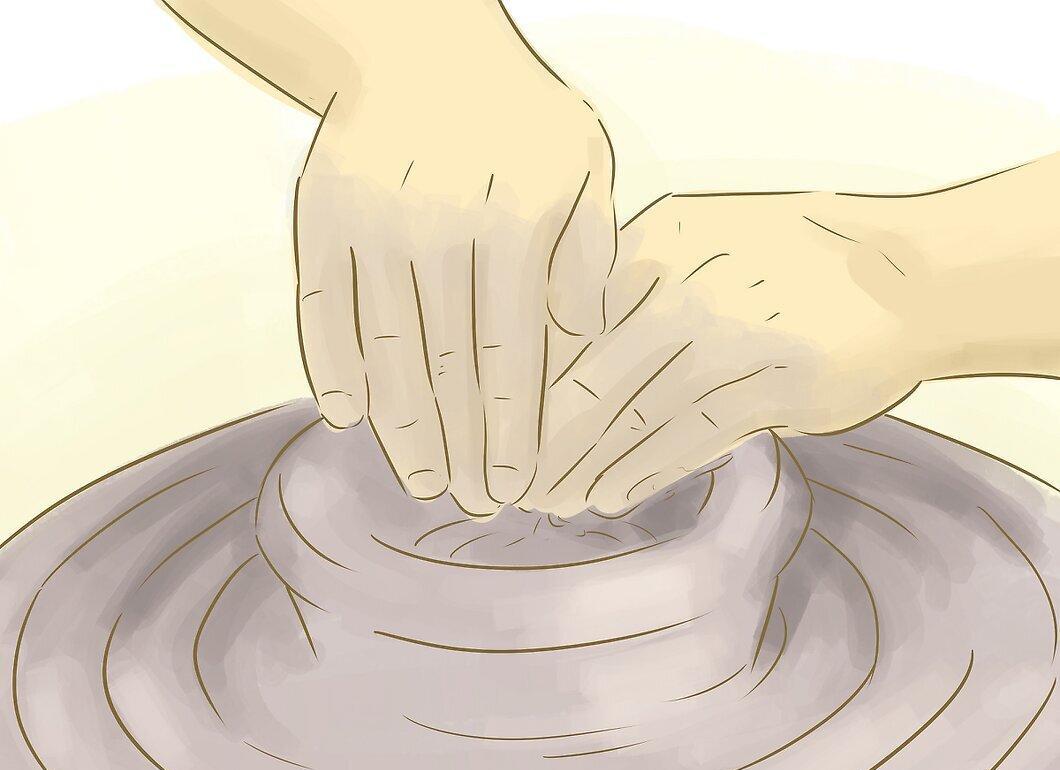
Continue where you left off. If you enjoyed biking, get an adult bike and ride around your neighborhood.
Step 3. Learn what you enjoyed.
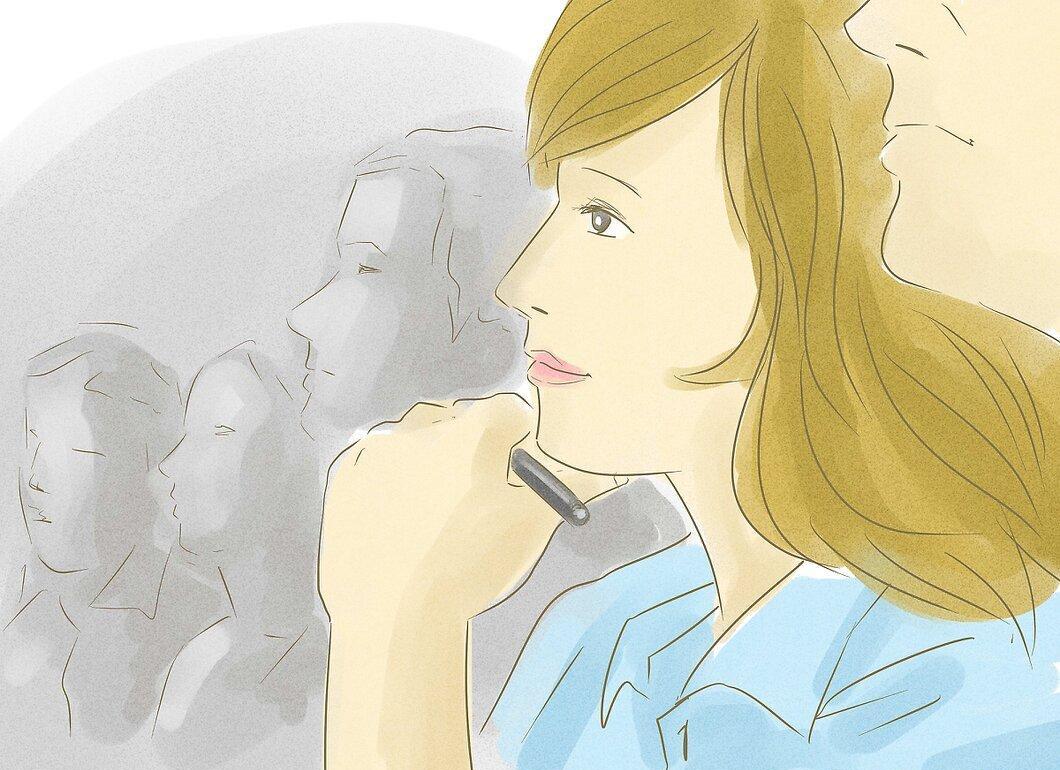
Learn something you enjoyed. If you loved drawing, take a few classes at a local college or art museum.
Step 4. Look for adult versions of what you loved.
Explore adult versions of what you loved. If you enjoyed comics, attend a comic convention to meet like-minded individuals. Did you love board games as a kid? Discover the vast array of new board games available, ranging from role-playing games to cooperative ones.
Exploring New Territories for Ideas
Step 1. Visit a craft store.
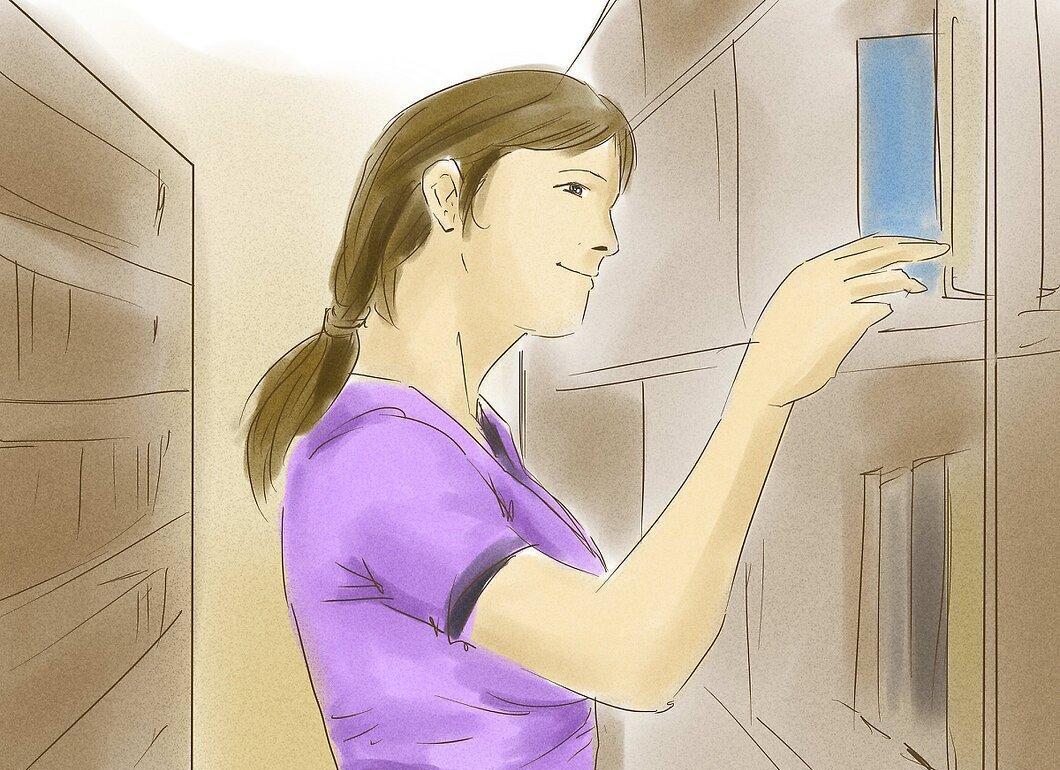
Check out a craft store. Walk through to discover new hobbies you could take up. You might find something you never thought of, like model airplane building or working with clay.
Step 2. Visit a hardware store.

Explore a hardware store. Much like a craft store, a hardware store allows you to explore a variety of hobbies. You might want to try woodworking or gardening. The hardware store has everything you need.
Step 3. Browse your local library.
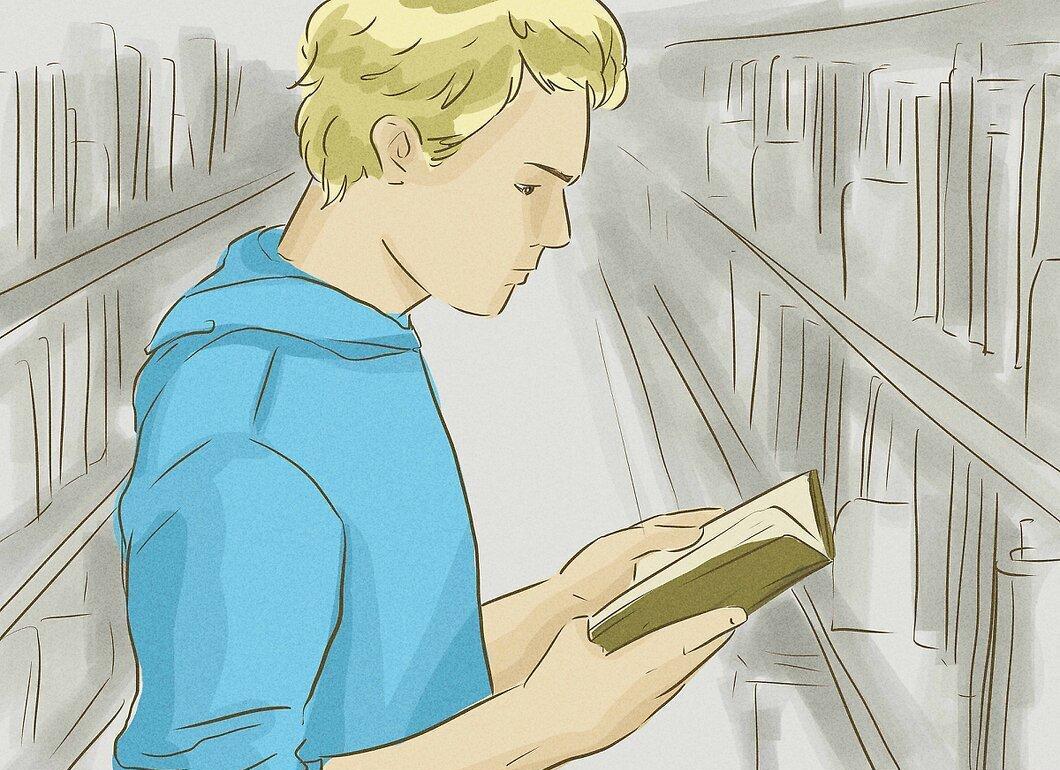
Dig through your local library. You'll find how-to guides on various topics. Browse through them to find new hobby ideas that interest you.
Step 4. Calculate your time.
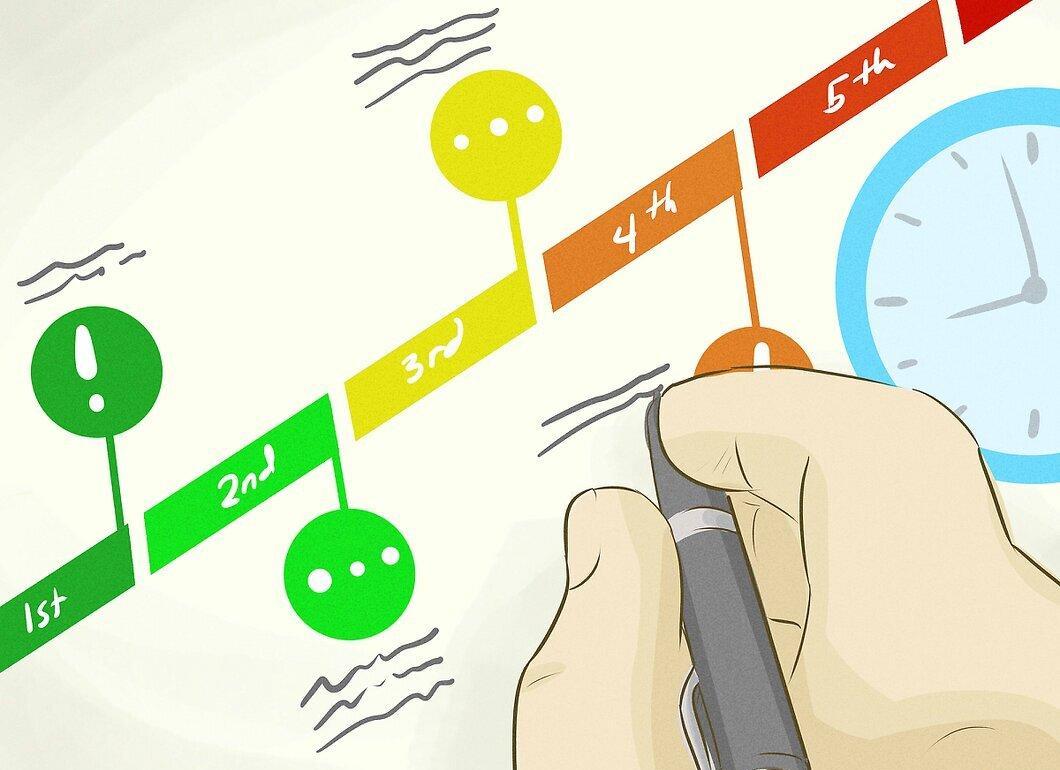
Assess your time. Your time is valuable, and resources are limited. Ensure you have free time for your new hobby by dedicating a few minutes each day.
Step 5. Browse various hobby websites.
Explore hobby websites. Some websites are dedicated to exploring hobbies, and you can use them to understand what you might want to pursue in your free time.
Step 6. Try more than one hobby.
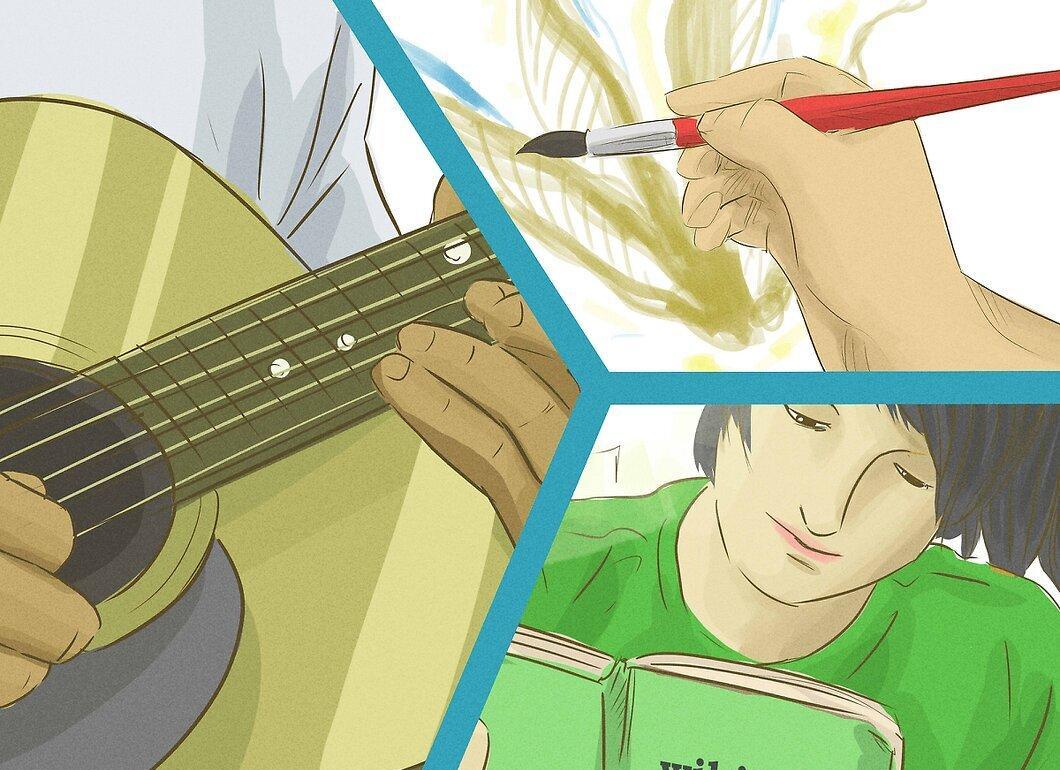
Experiment with more than one hobby. The first one you try may not be the right fit for you. Don't hesitate to move on and try something else. You have the freedom to choose if something doesn't interest you.
Step 7. Say "yes."
Say "yes." Indeed, don't be afraid to say "yes" to activities you typically dismiss. Perhaps a trip to an art museum doesn't sound appealing, but if a friend invites you, give it a shot anyway. You might discover a hobby you never expected to enjoy, like painting or restoration.
Step 8. Reassess your self-definition.
Re-evaluate your self-definition. What holds you back from trying something new are your thoughts of “I’m not that kind of person.” You might think you're not brave enough or outgoing enough for certain activities. Don't be afraid to push beyond those limitations.
- For a moment, think about the crazy hobbies you dismissed because you thought you couldn't do them. Maybe you've always wanted to learn guitar or ballroom dancing, but believed you lacked talent. Sign up for classes anyway. You might have a talent you don't even know about.
Step 9. Sign up with a friend.

Enroll with a friend. Your friends may share similar interests, allowing you to enjoy their hobbies as well. Ask them to show you their favorite pursuits and explain what they do.
- For example, your best friends are good at swing dancing. You could join them for a lesson or take a basic lesson from them until your feet get used to it.
Step 10. Check your local class catalog.
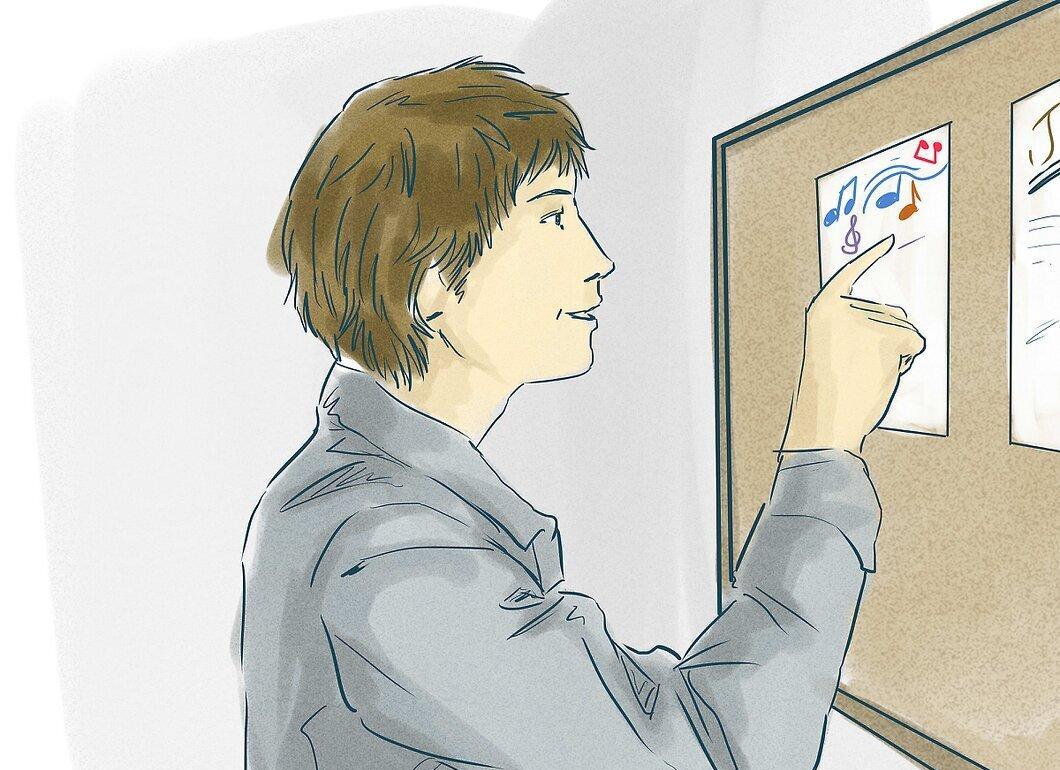
Look into your local class catalog. Community colleges offer a wide range of classes for a small fee. Browse through them, and you might find a class that interests you.
- You can request catalogs from most colleges, although many have online catalogs.
Check Your Budget
Step 1. Track your spending.
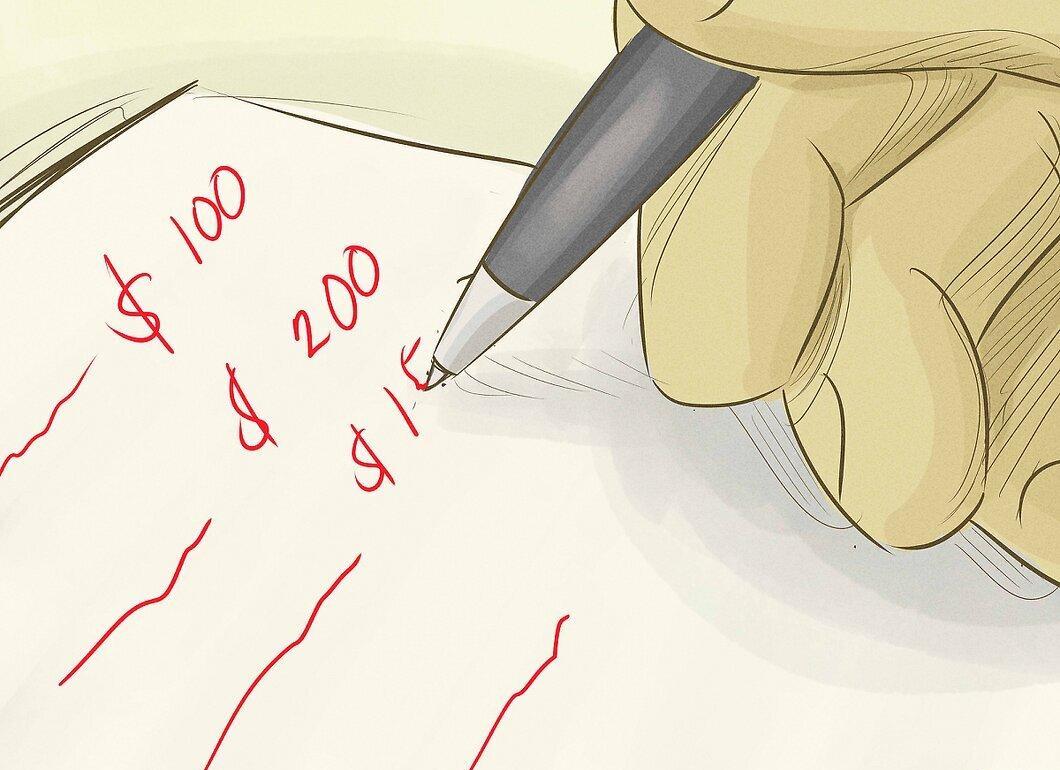
Keep track of your spending. For an entire month, log everything you spend. You can use a budgeting app to help with this project, or rely on your bank account, especially if you don't use much cash.
- Categorize your expenses. You might have categories like "groceries," "gas," "clothing," "fast food," "entertainment," "bills," and "fees." You can also divide your bills into two categories: essential ones, like insurance, and those you can cut back on, like your phone bill.
Step 2. Create a budget.
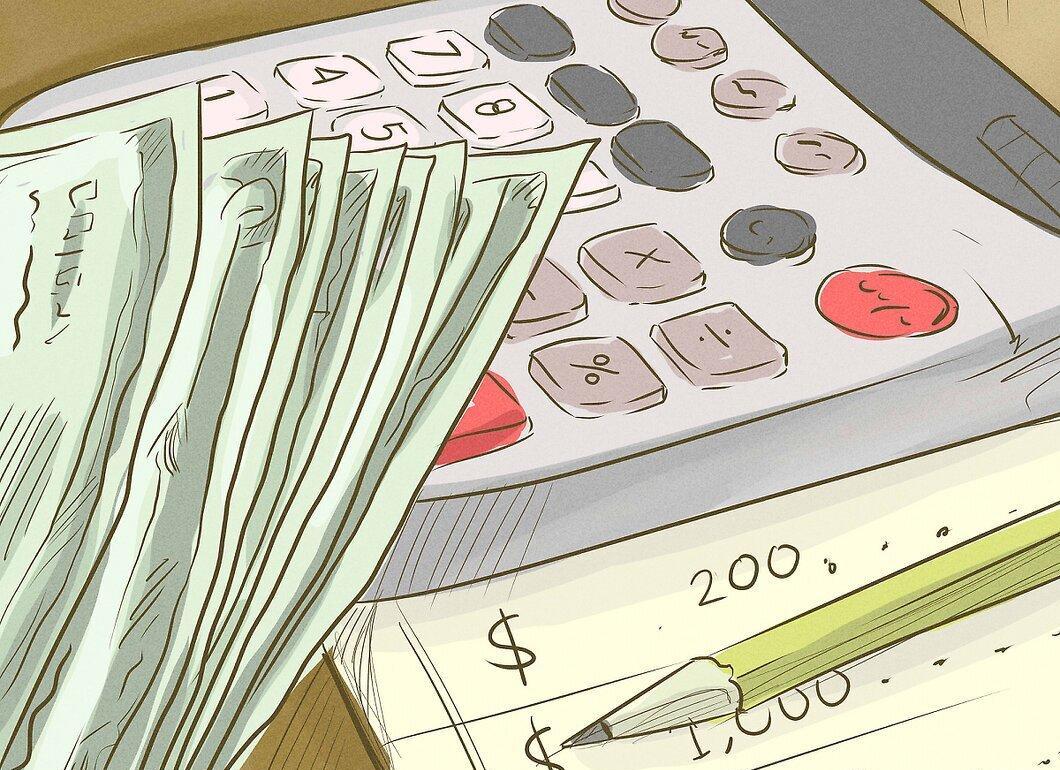
Establish a budget. On paper or in an app, determine how much of your money goes towards essential expenses (bills, payments). Use your spending from the previous month to gauge your expenses on gas and food. Decide how much you have left for discretionary spending.
Step 3. Decide how much of your budget you want to allocate for hobbies.
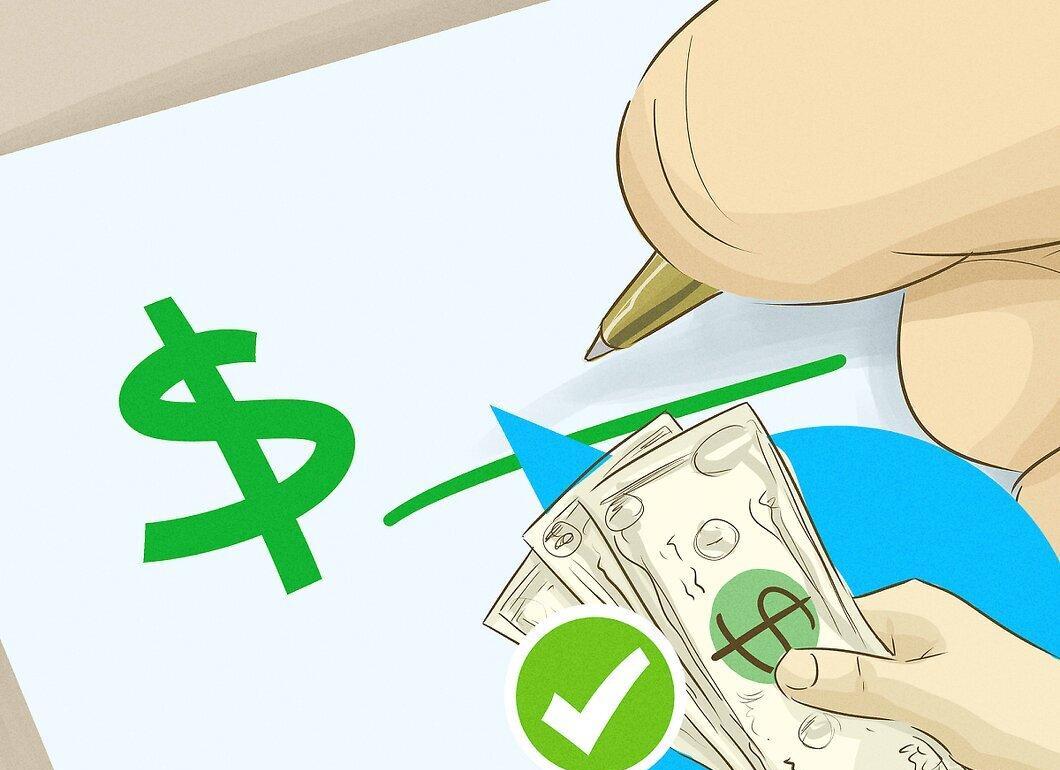
Determine what portion of your budget you want to set aside for hobbies. If you're starting a new hobby, some funds may need to be reallocated from other expenses. For example, you might cut back on dining out or reduce grocery spending. Your allocations will depend on the hobby you choose, as some are more expensive than others.
Step 4. Choose a free or cheap hobby if you're short on funds.
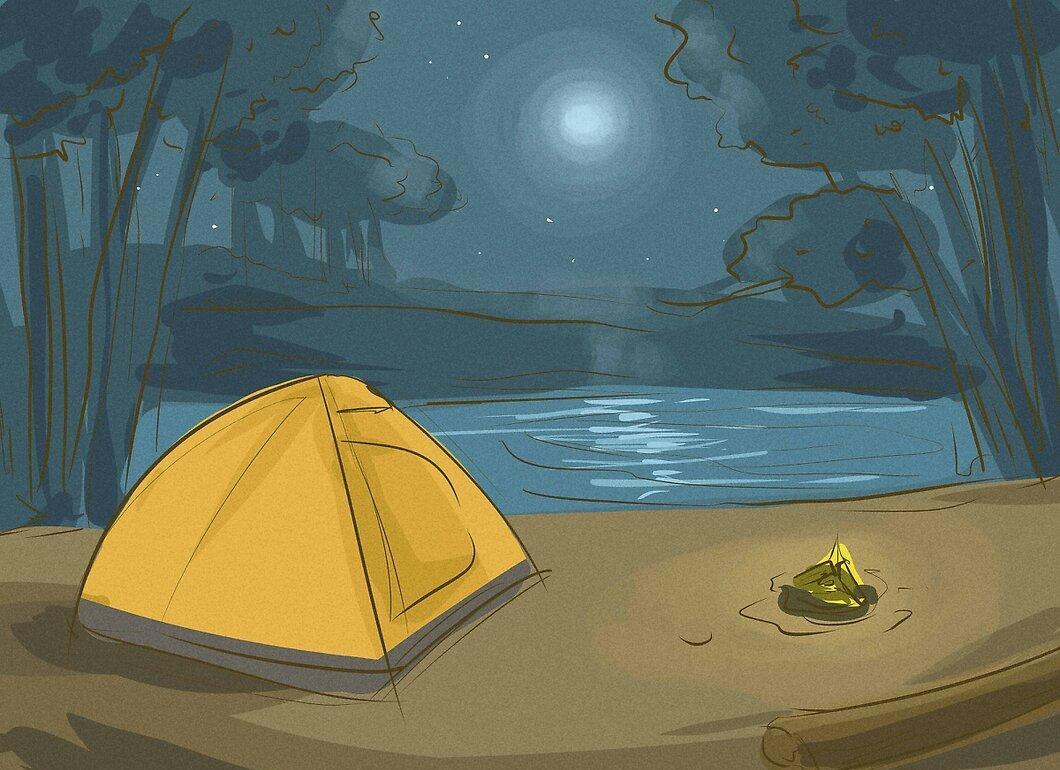
Select a free or inexpensive hobby if you're lacking in funds. You have several options available if you're looking for a more affordable hobby. For instance, you could read or write, go running, try your hand at gardening, or camping.